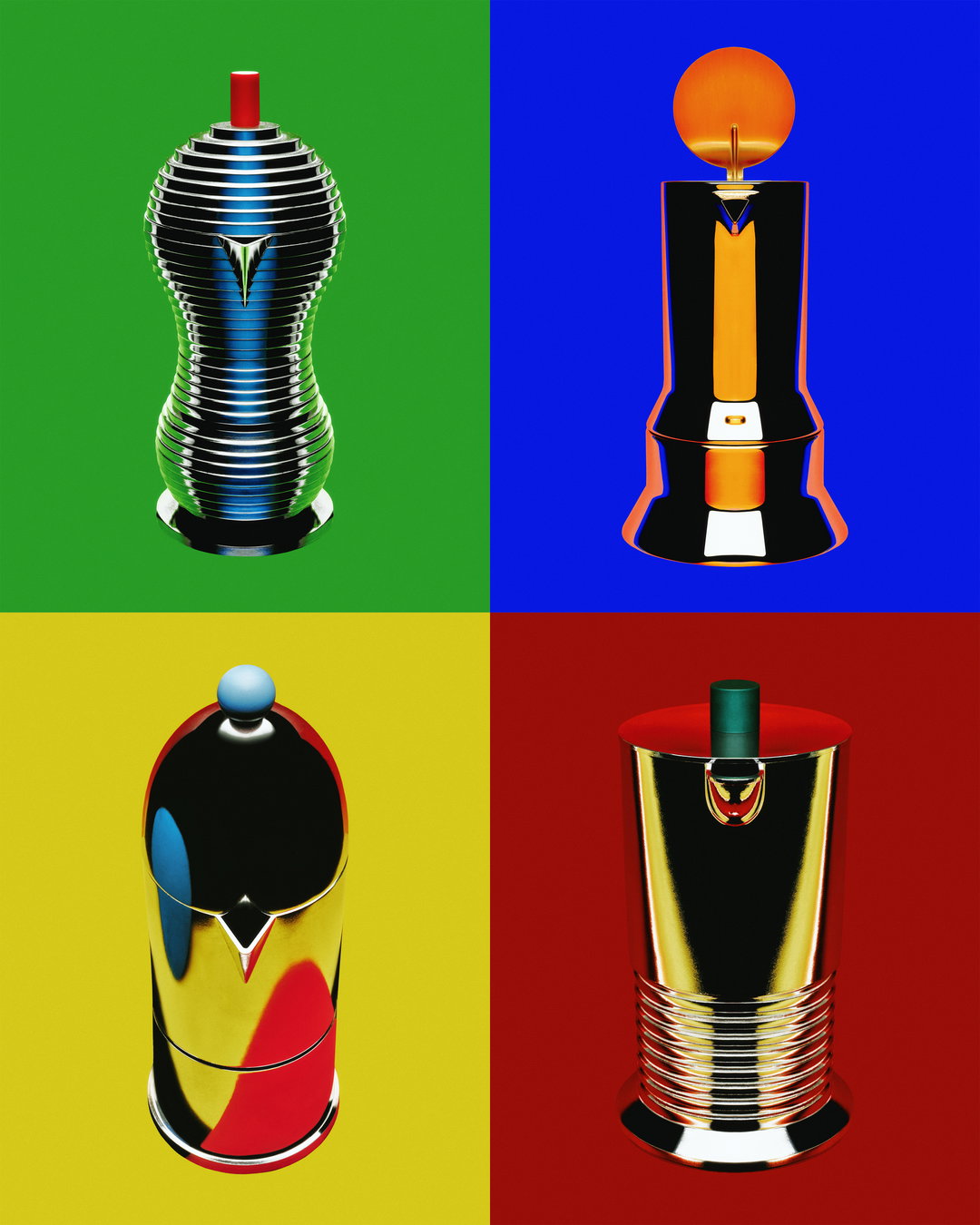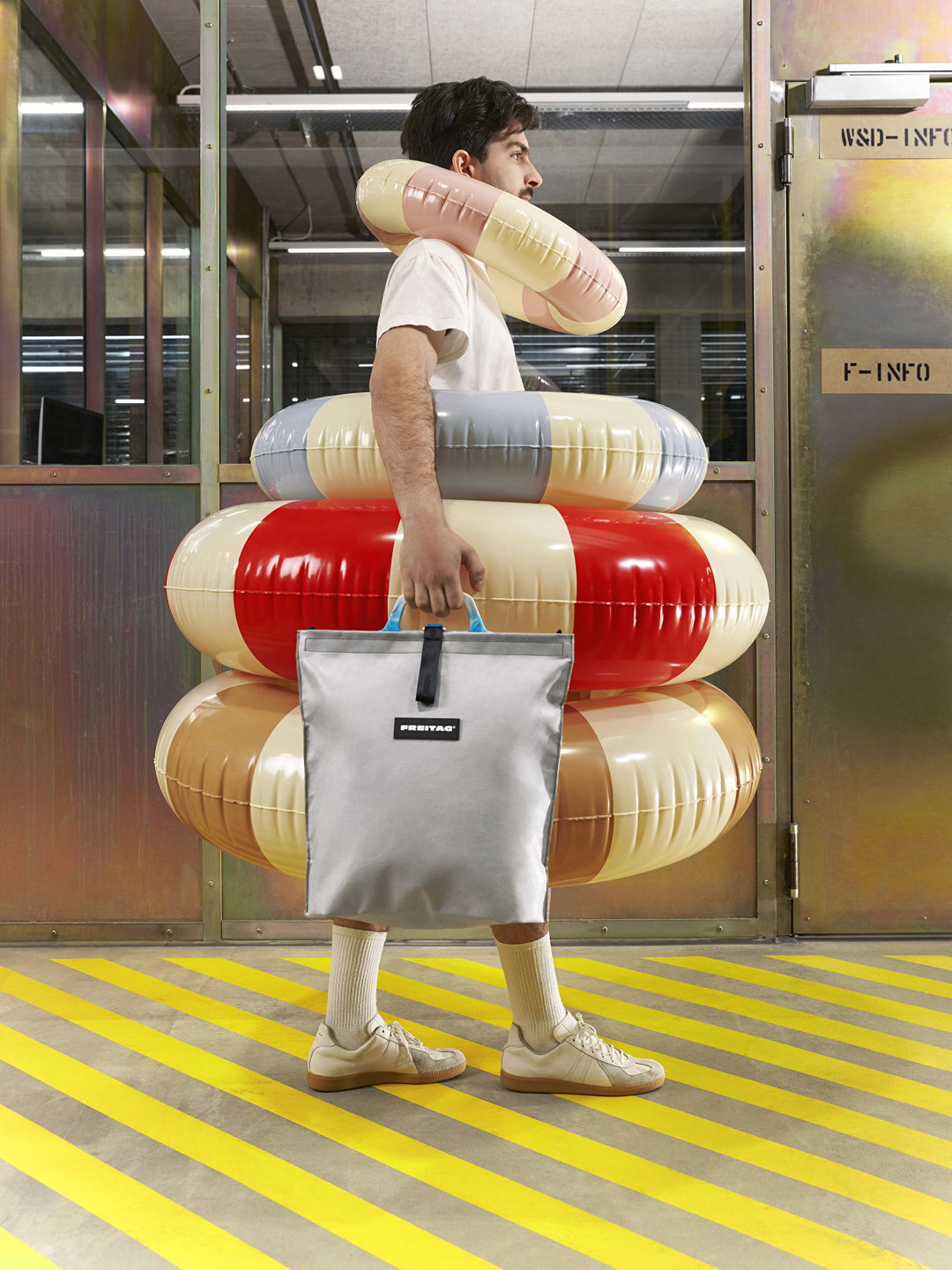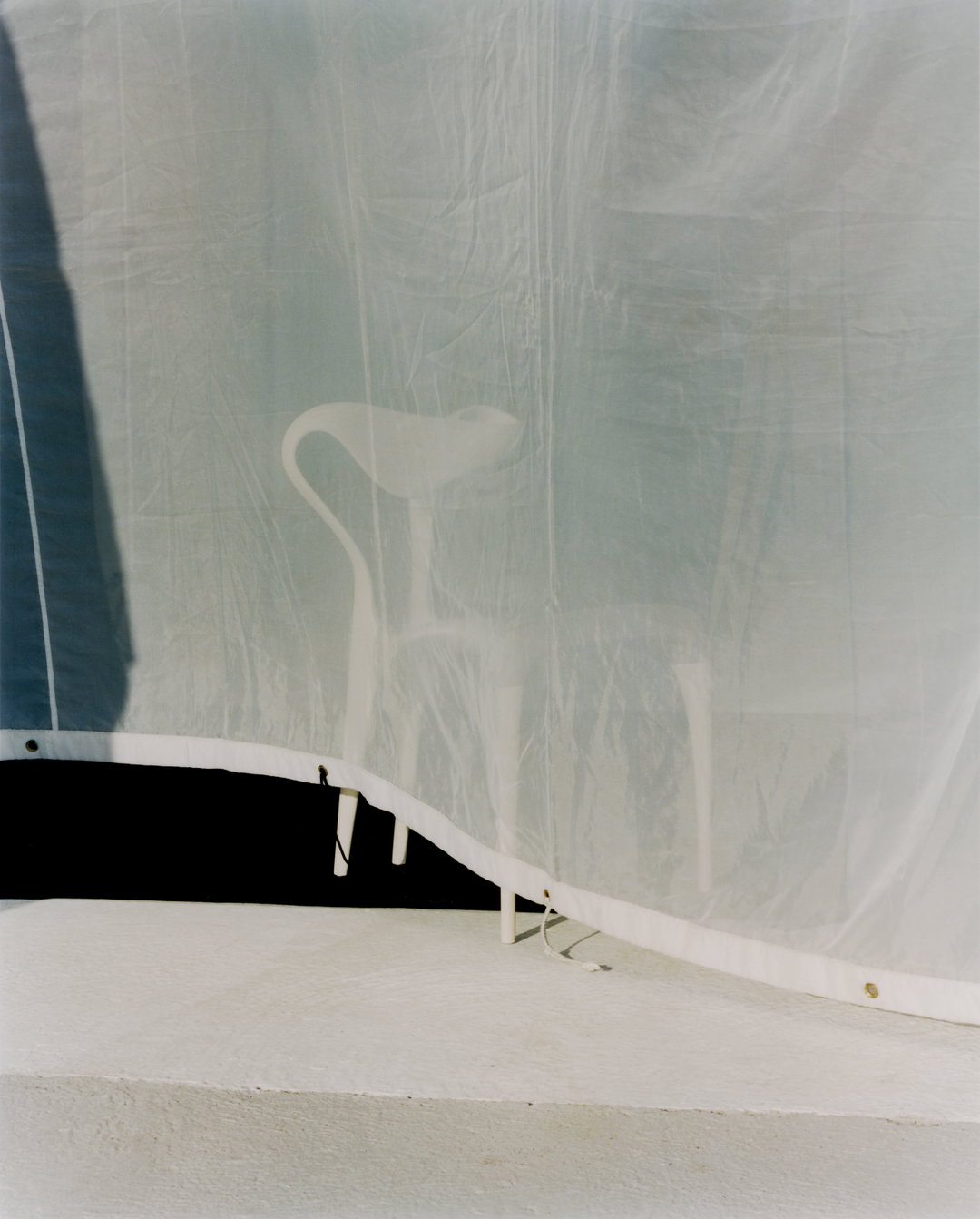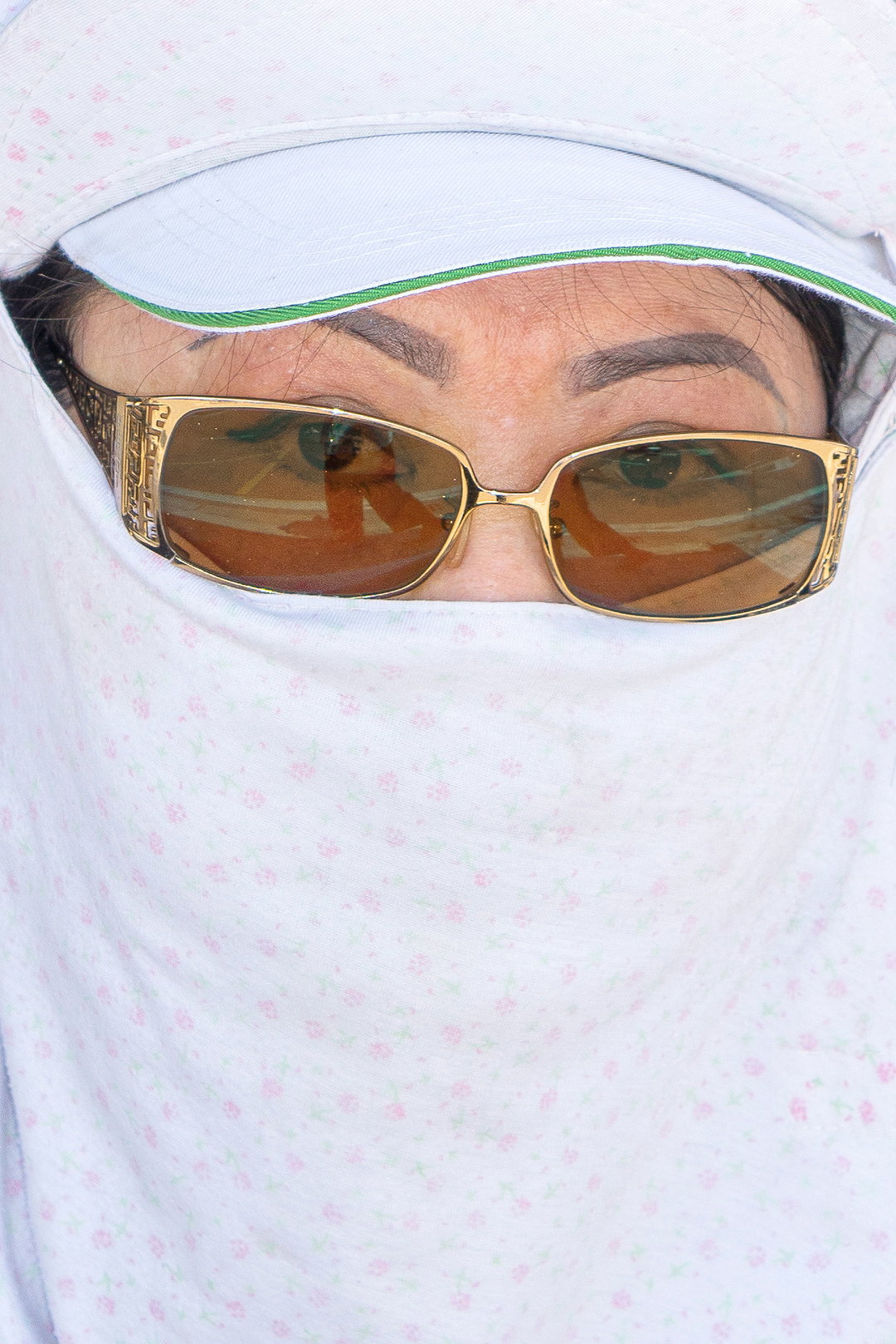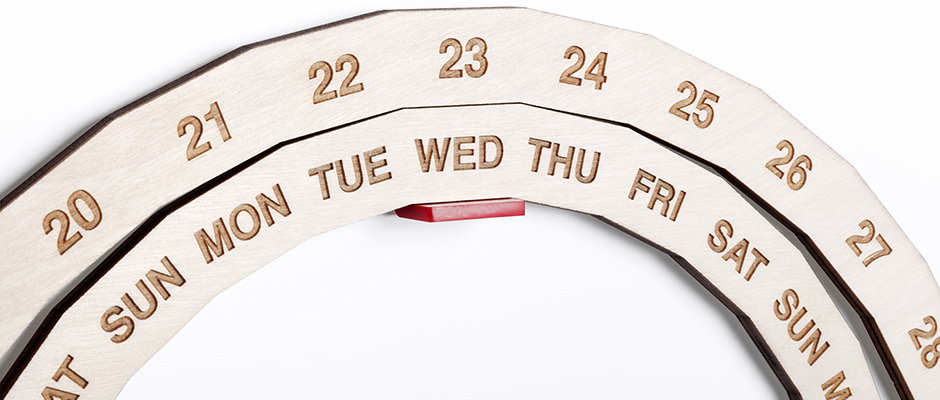
Francesca Ferrari gives us some advice on how to photograph design work
It’s a well-established fact that even the most conceptually exciting product designs can fall flat on their face if they’re photographed poorly. Imagery can often make or break these projects. And while of course this isn’t the be-all and end-all, it’s worth taking this part of the process seriously to maximise the chances of your work cutting through the noise.
This is where Francesca Ferrari comes in. The visual communication and industrial design graduate is very much a photographer in her own right (see some of her personal work here), but she’s also adept at showing projects by other designers in their absolute best light. She’s worked with a host of designers to capture their work for portfolios and websites, bringing her own crisp aesthetic to the images but also allowing these fascinating objects to speak for themselves. It’s no mean feat, so we asked Francesca some questions about how best to photograph your work. Here’s what she told us…
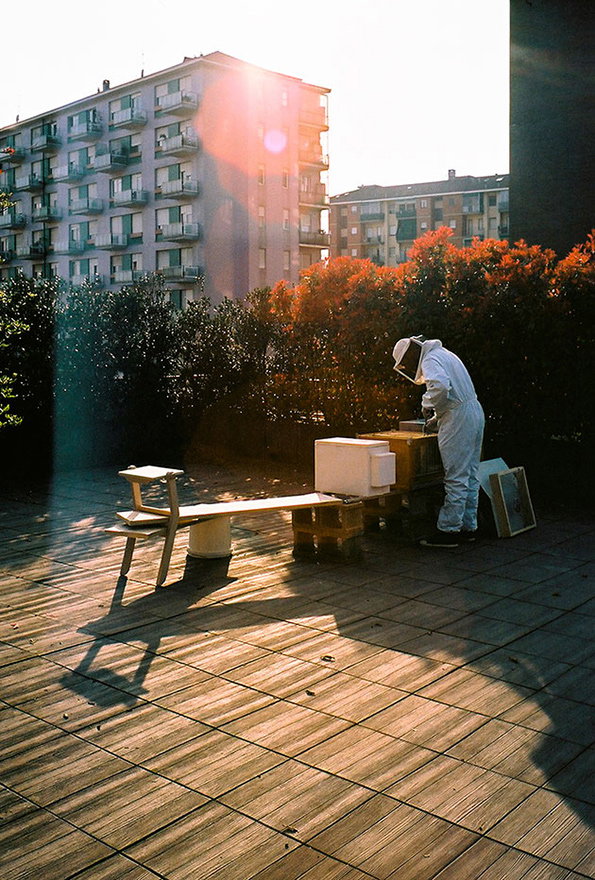
Urbees & Bartleby: Bench designed by Gianmaria Sforza, photographed by Francesca Ferrari
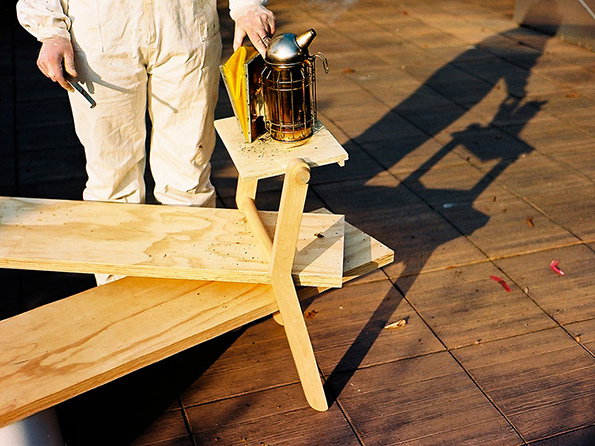
Urbees & Bartleby: Bench designed by Gianmaria Sforza, photographed by Francesca Ferrari
How does shooting a designer’s work differ from your usual shoot?
Shooting for a designer presumes a dialogue. My usual shoot doesn’t.
What are the difficulties you have to take into account when photographing a designer’s portfolio?
Technical difficulties. I’ve only been shooting products for three years. The combination of materials, textures, shapes, light and reflections is always different. I know exactly what I want the output to be like, but the process is often empirical. I experiment with different methods and try to make the most out of the real set. Post production should not be too relevant in the composition.
"If you have a budget, hire a photographer. Yes, you can Google how to do a portfolio with an amateur camera or a phone and reach a decent result, but it will always be self–referential."
Francesca Ferrari
How far does the designer influence the way their work is shot? Do you let them lead?
I like to discuss with the designer about his/her method and leading ideas in order to connect to his/her concept. The designer can influence my process, the content and the composition of the shot, but I lead with the overall aesthetics of the image. I only work with designers that I can relate to.
What advice would you give to a designer wanting to photograph their work?
If you have a budget, hire a photographer. Yes, you can Google how to do a portfolio with an amateur camera or a phone and reach a decent result, but it will always be self–referential.
If you don’t have a budget, get inspiration from your favourite designer. Isolate the details you like about an image and try to replicate them. Be consistent in the overall style of your product photographs. Keep it simple, go outside, walk around with your background, and look for good natural light. Avoid perspective distortion.
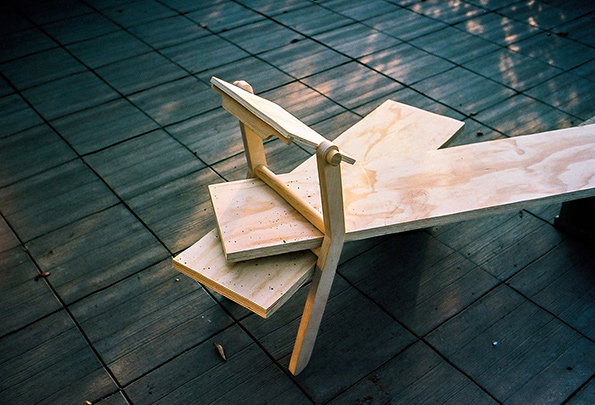
Urbees & Bartleby: Bench designed by Gianmaria Sforza, photographed by Francesca Ferrari
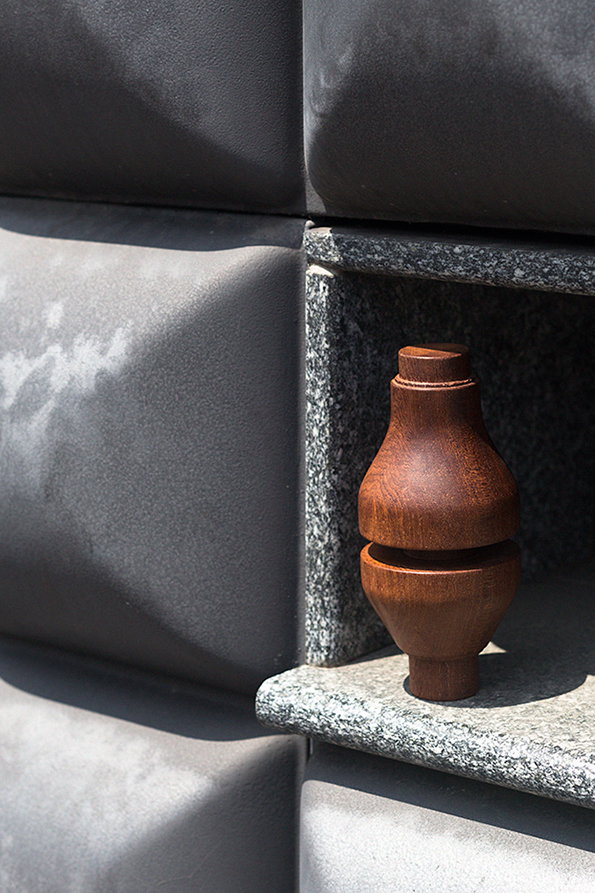
Low Profile: Objects designed by Matteo Beraldi, photographed by Francesca Ferrari
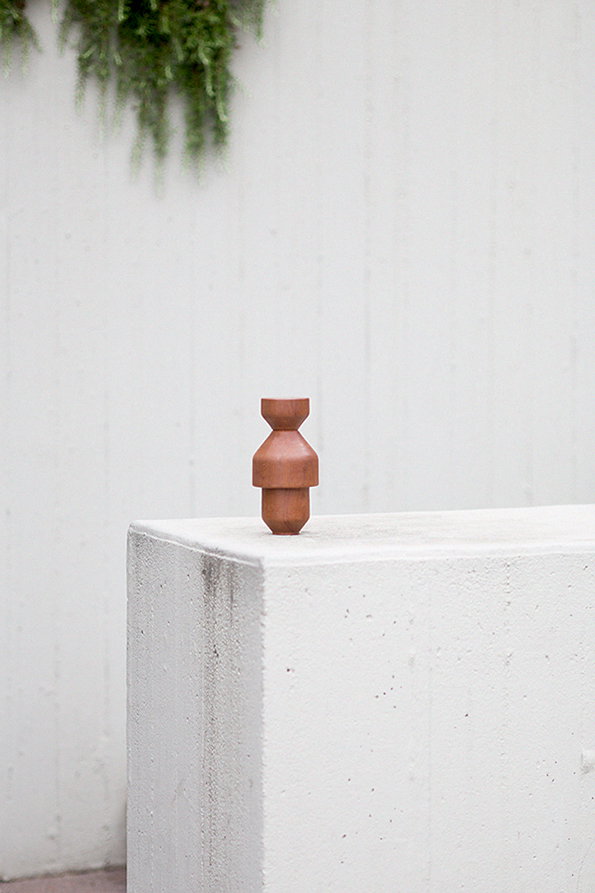
Low Profile: Objects designed by Matteo Beraldi, photographed by Francesca Ferrari
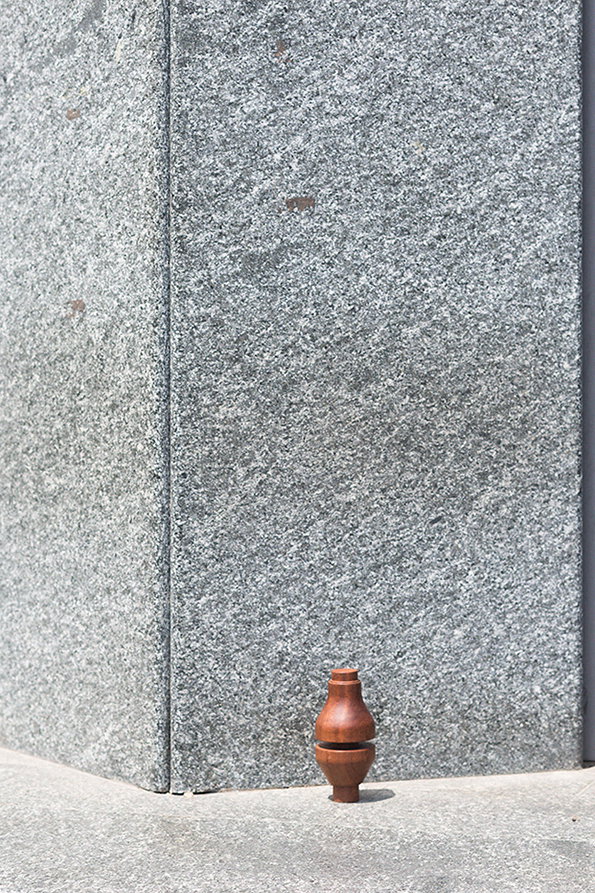
Low Profile: Objects designed by Matteo Beraldi, photographed by Francesca Ferrari
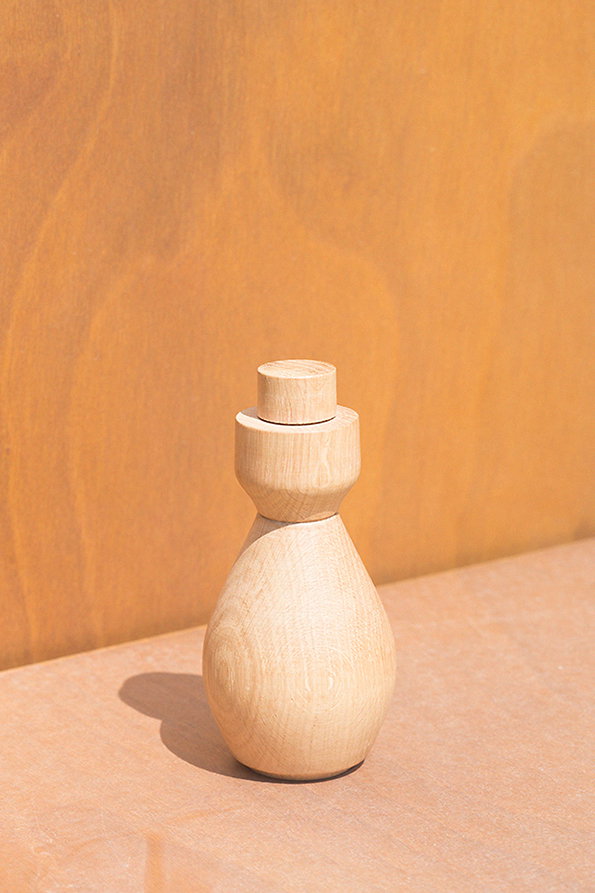
Low Profile: Objects designed by Matteo Beraldi, photographed by Francesca Ferrari
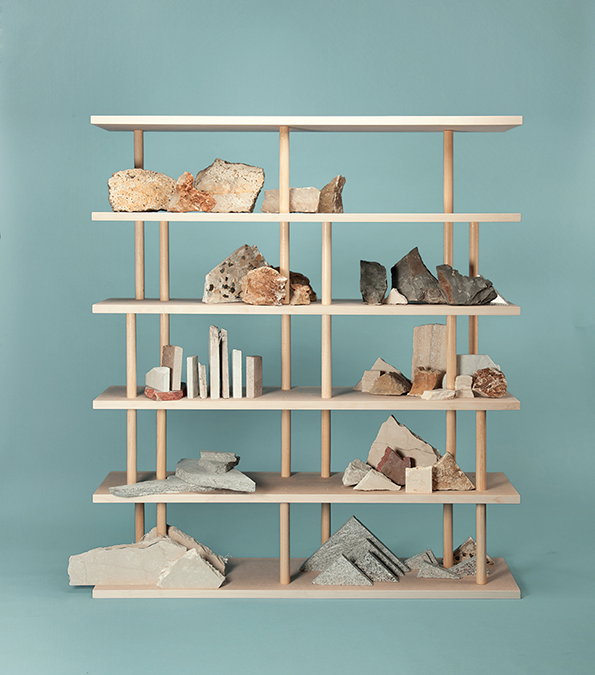
Dom-ino: Bookshelf designed by Gianmaria Sforza, photographed by Francesca Ferrari
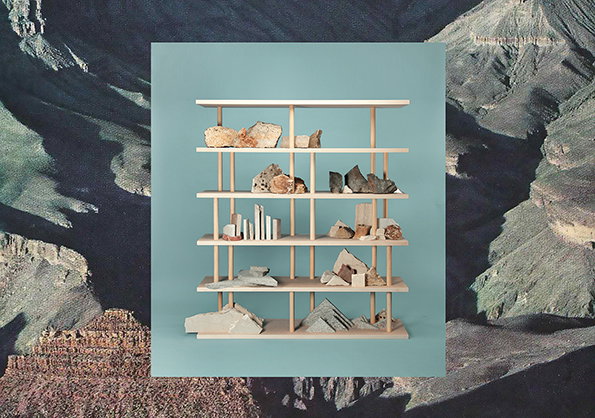
Dom-ino: Bookshelf designed by Gianmaria Sforza, photographed by Francesca Ferrari
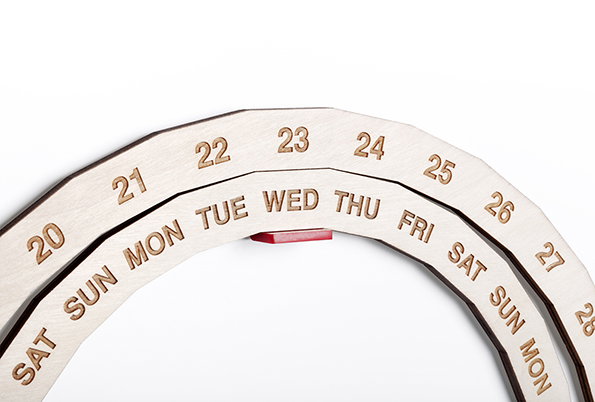
Picchio: Perpetual calendar designed by Alessandro Gnocchi and Luca Spagnolo, photographed by Francesca Ferrari
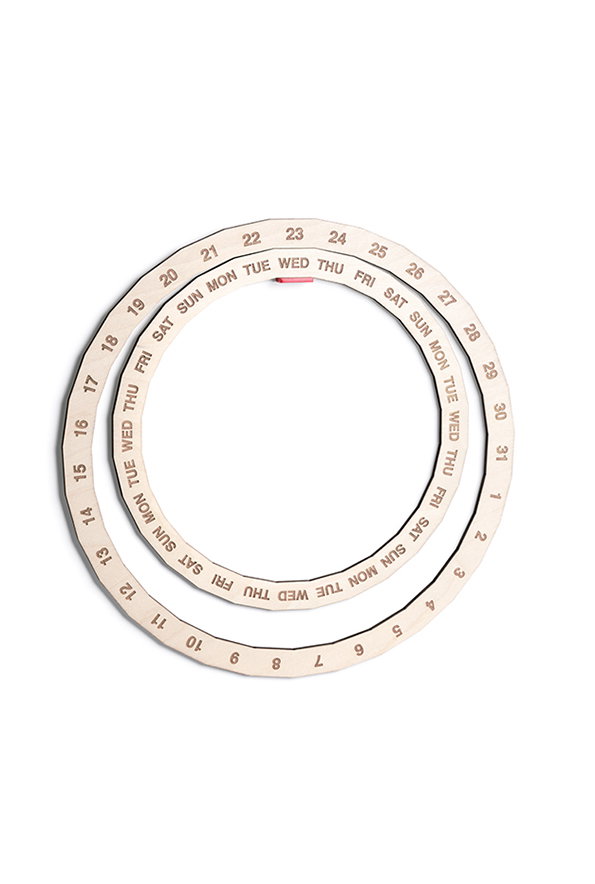
Picchio: Perpetual calendar designed by Alessandro Gnocchi and Luca Spagnolo, photographed by Francesca Ferrari
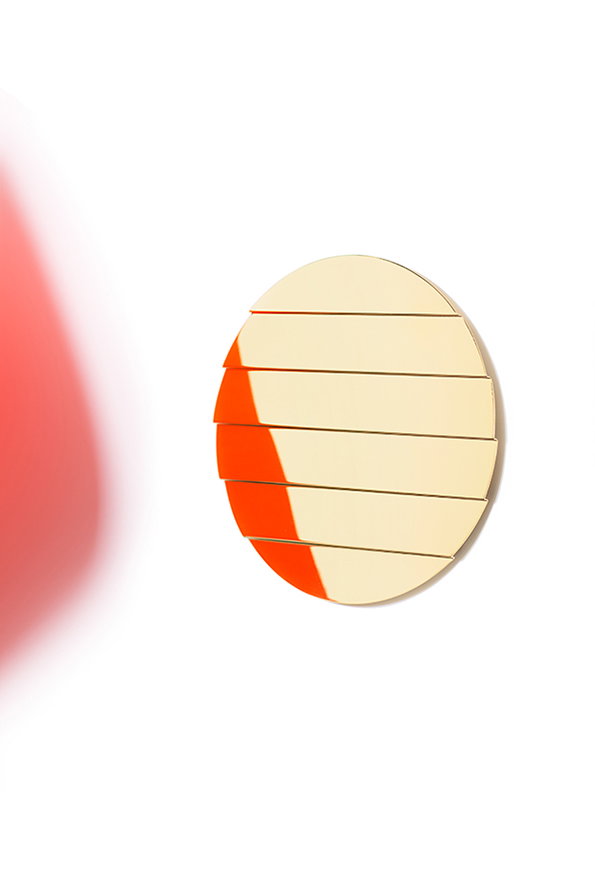
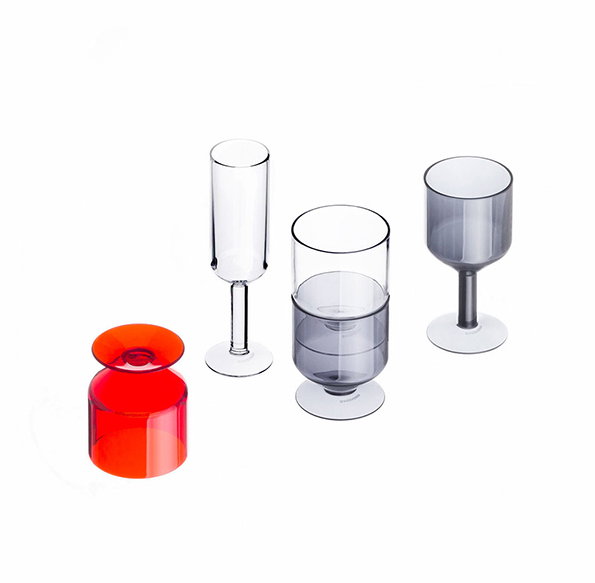
Plissè: Mirror designed by Federico Angi, photographed by Francesca Ferrari
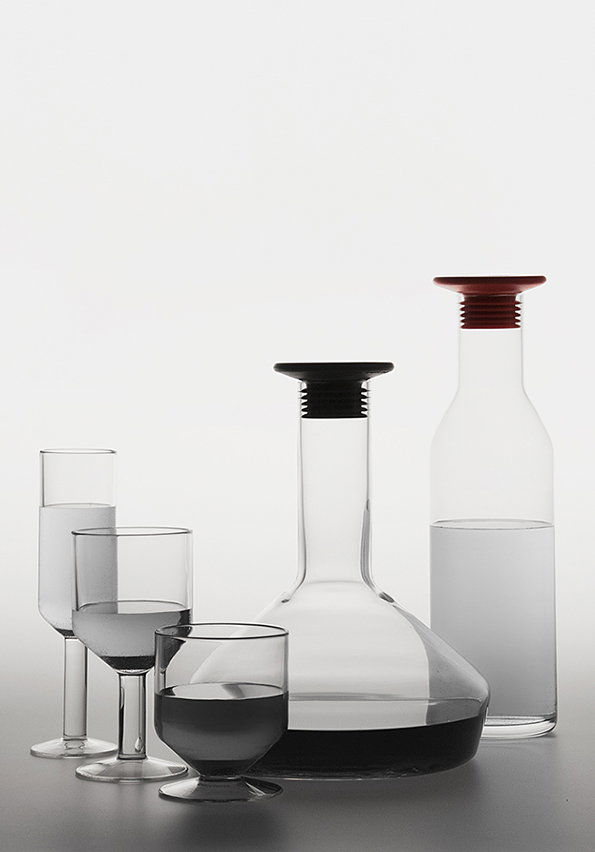
The Times: Drink set designed by Alessando Gnocchi and Luca Spagnolo, photographed by Francesca Ferrari
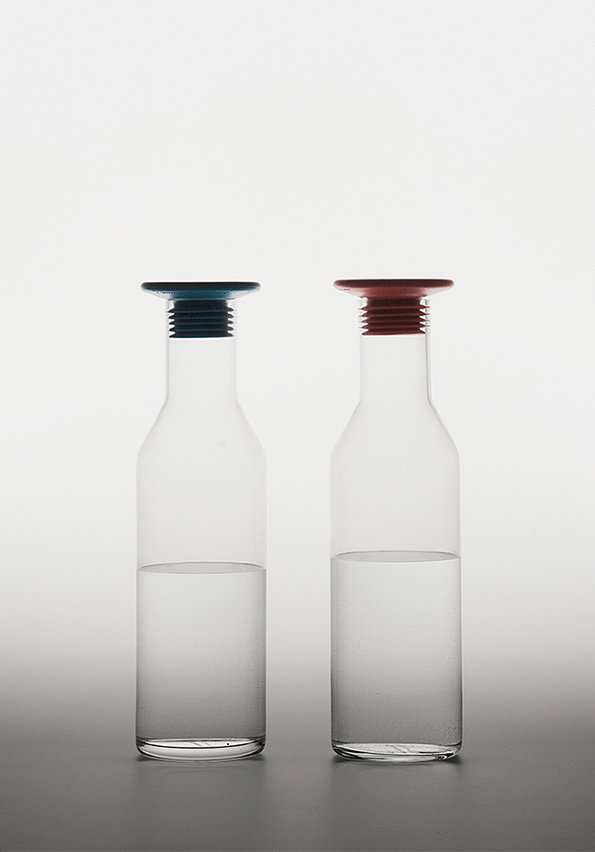
The Times: Drink set designed by Alessando Gnocchi and Luca Spagnolo, photographed by Francesca Ferrari
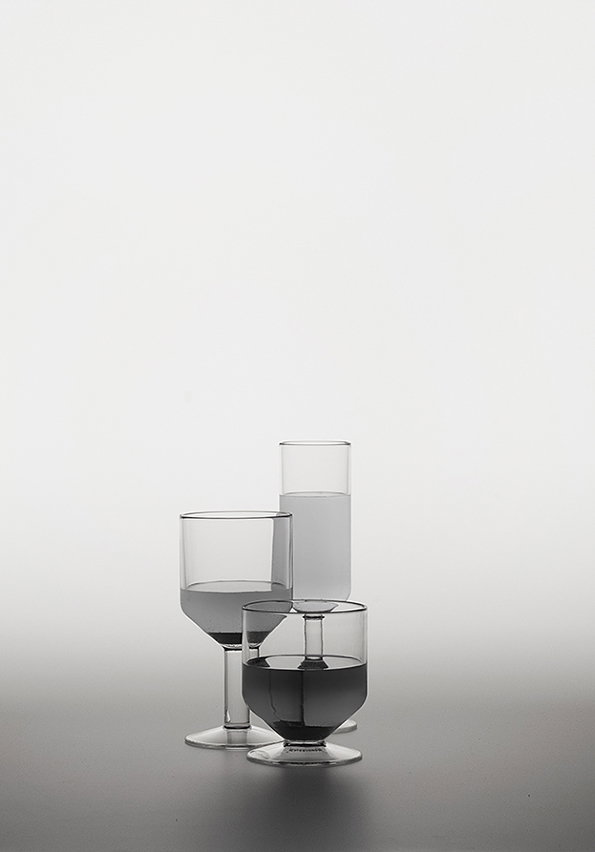
The Times: Drink set designed by Alessando Gnocchi and Luca Spagnolo, photographed by Francesca Ferrari
Share Article
Further Info
About the Author
—
Maisie joined It’s Nice That fresh out of university in the summer of 2013 as an intern before joining full time as an Assistant Editor. Maisie left It’s Nice That in July 2015.