Frankenstein: The First 200 Years celebrates the significance of Mary Shelley's monster
Mary Shelley first published Frankenstein anonymously on New Year’s Day in 1818. Only 500 copies were printed in the first run, but two centuries later the tale remains an enduring cultural phenomenon. Frankenstein, The First 200 Years is an exhaustive investigation of the origins of the story and the myriad interpretations from gothic theatre to racy slapstick films.
Across 208 pages, author Christopher Frayling follows the tale from the 19th Century to the present day, and alongside in-depth writing, the book contains visual essays documenting the way that Frankenstein has appeared throughout the years. Inside you can find examples of the film and stage versions of the story, the books and comics that it inspired and a facsimile of the original manuscript for the ‘creation scene’.
Frankenstein was cited as “perhaps the foulest toadstool that has yet sprung up form the reeking dunghill of the present time,” by one critic when it was first released, but despite its critics went on to inspire over 90 film adaptations between 1931 and 2016. Frayling’s book charts the aesthetic evolution of Frankenstein’s monster and it’s cultural significance to the present day. “The real creation myth of modern times – the era of genetic engineering, three-parent babies, nanotechnology, artificial intelligence, robotics and singularity, human/animal interfaces and secularism– is no longer Adam and Eve in the Garden of Eden,” says the publisher RAP. “The creation myth is Frankenstein.”
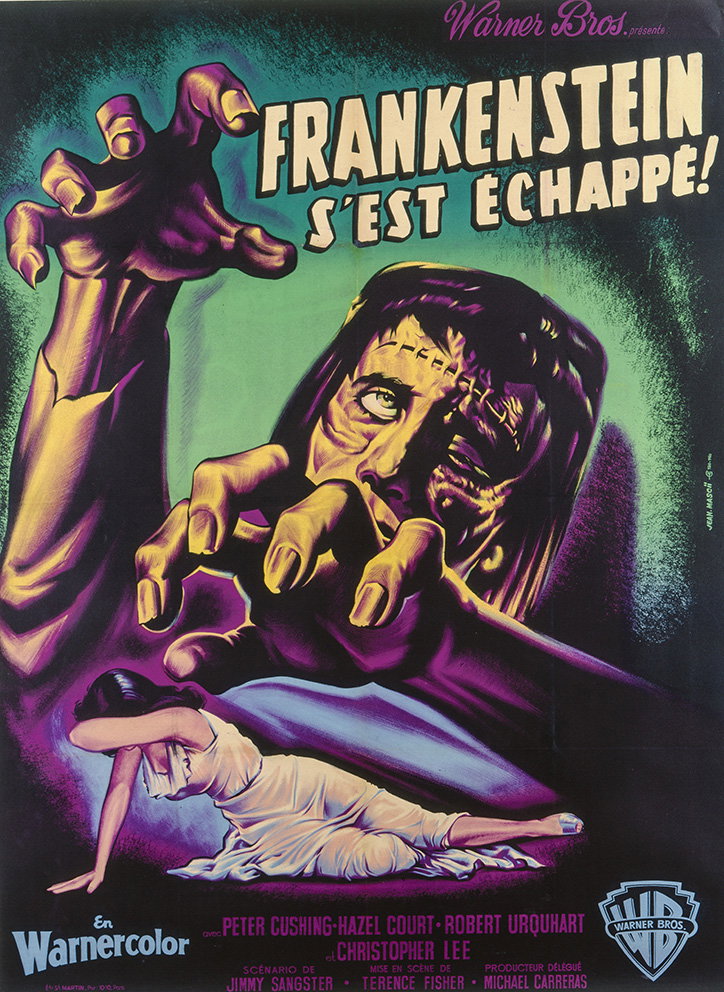
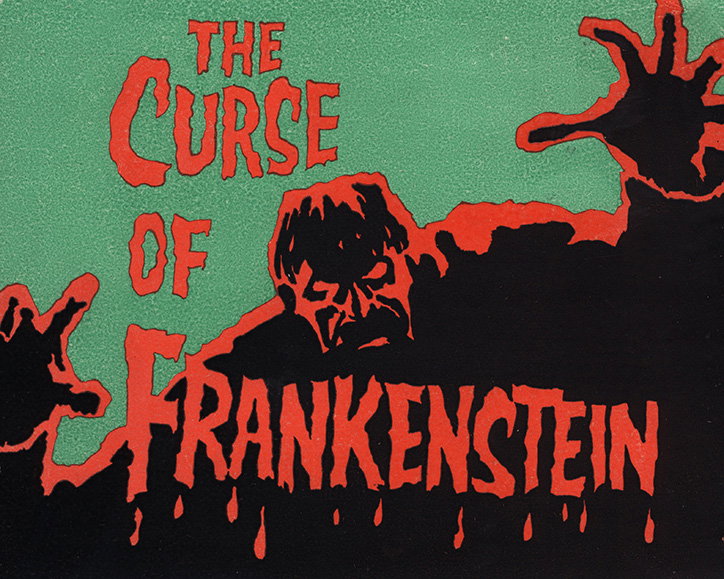
French poster for The Curse retitled Frankenstein has Escaped_, designed by the Italian-born Jean Mascii, 1957. (Courtesy of Rex Pictures
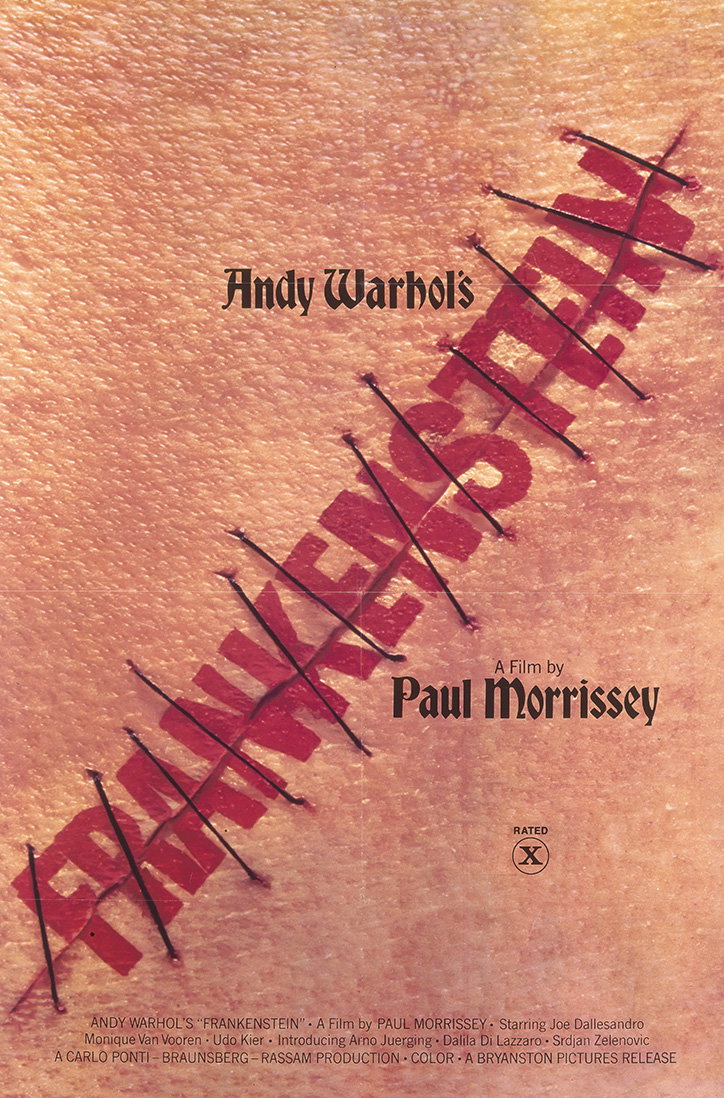
Original poster for Andy Warhol’s Frankenstein directed by Paul Morrissey. (1973)
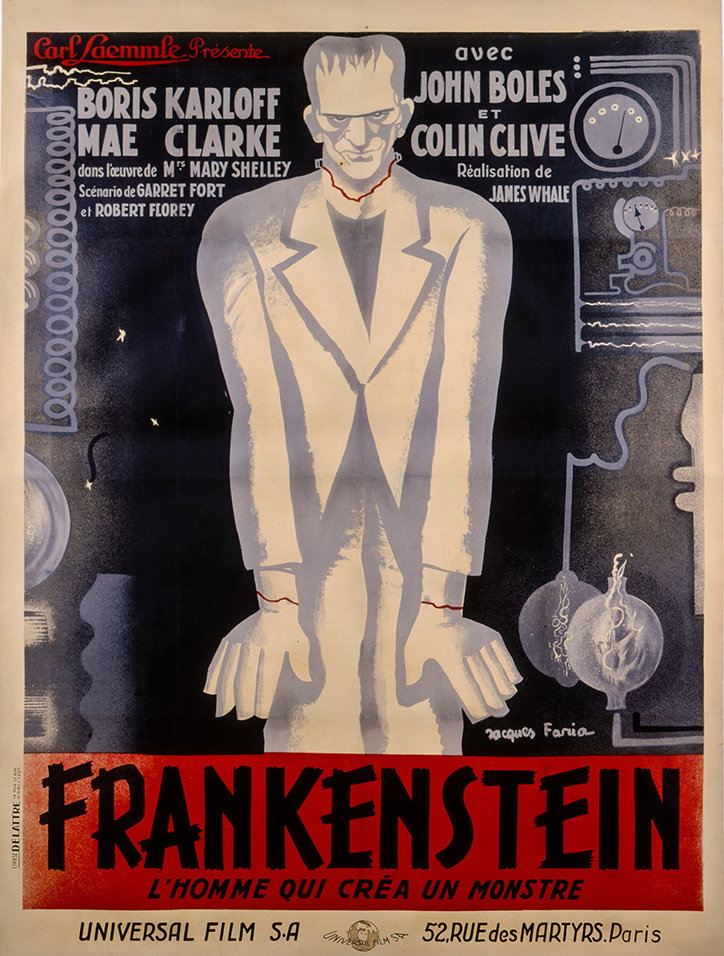
Frankenstein movie poster by Jacques Faria, 1931 (Courtesy of Rex Pictures)
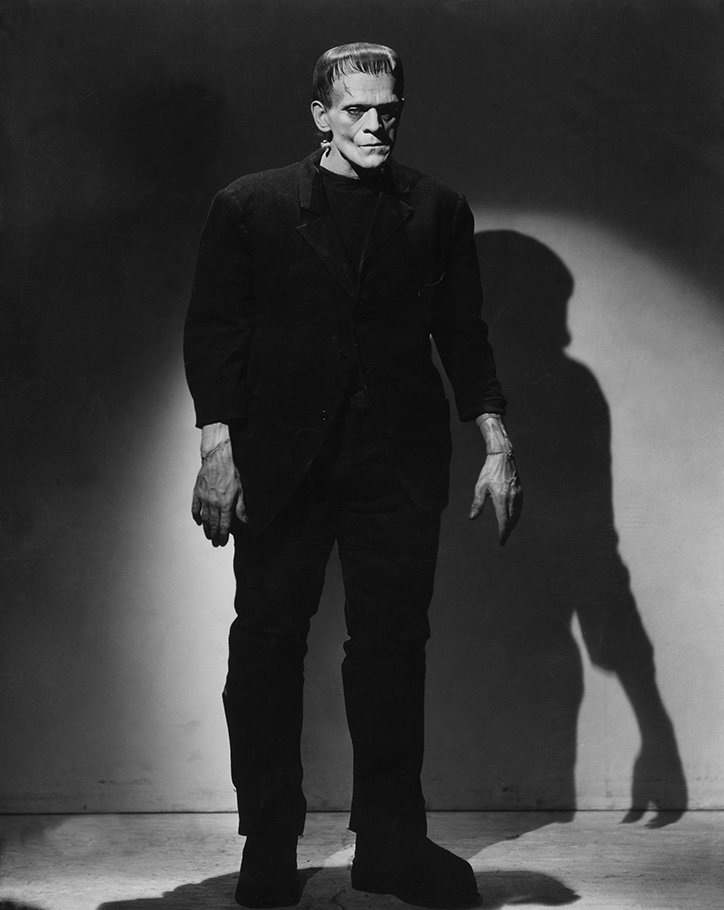
Studio portrait of Boris Karloff as The Monster, 1931. (Courtesy of Rex Pictures)
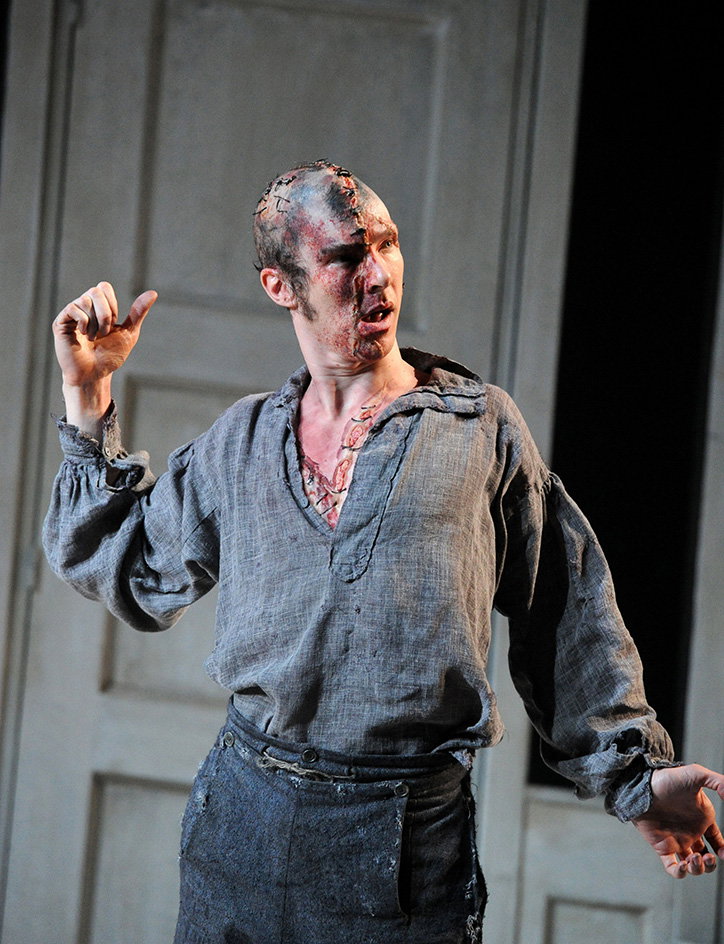
Benedict Cumberbatch as the creature in Nick Dear’s adaptation of Frankenstein directed by Danny Boyle for London’s National Theatre in 2011. (Courtesy of Rex Pictures)
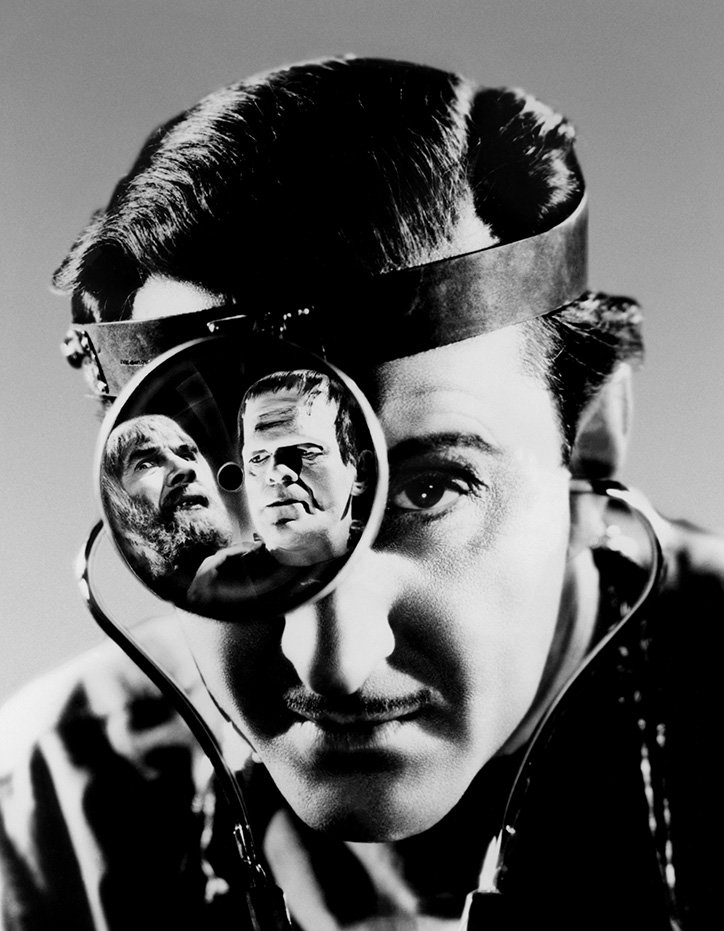
Studio portrait of Basil Rathbone as Baron Wolf von Frankenstein, with reflections of Boris Karloff as the Monster and Bela Lugosi as the broken-necked assistant Ygor ,1939 (Courtesy of TCD)
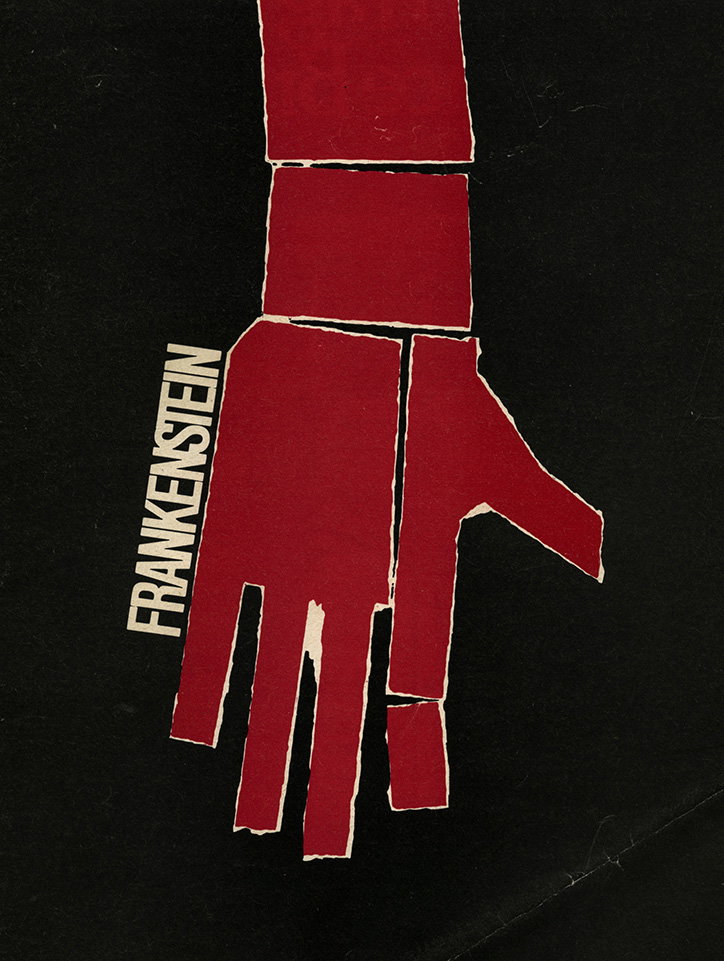
Playbill from Palace Theatre’s production of Frankenstein, 1981
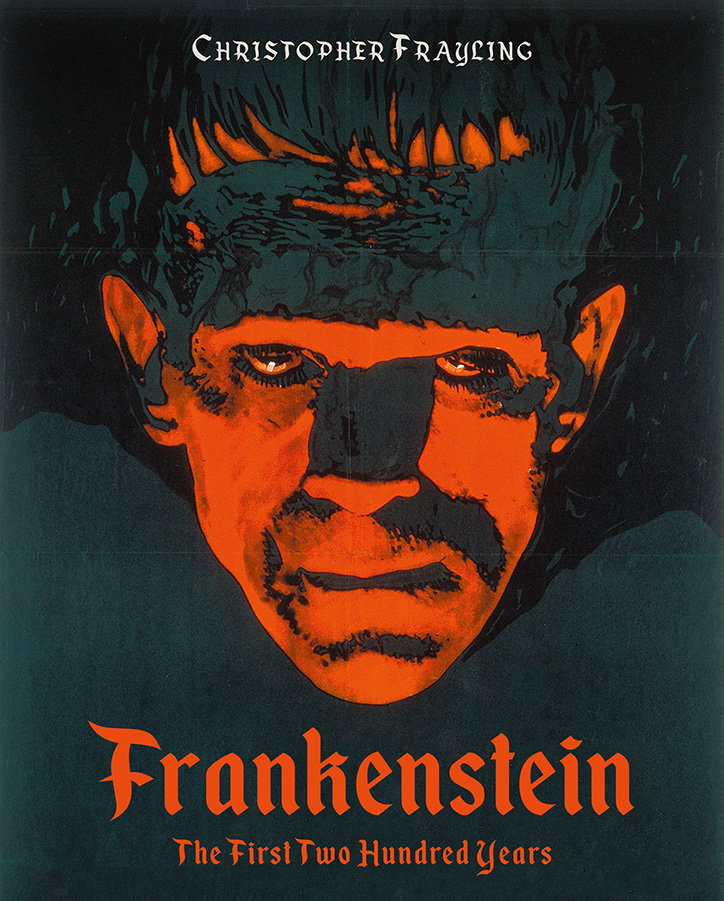
Frankenstein: The first 200 years. Reel Art Press 2017
Share Article
Further Info
About the Author
—
Owen joined It’s Nice That as Editor in November of 2015 leading and overseeing all editorial content across online, print and the events programme, before leaving in early 2018.