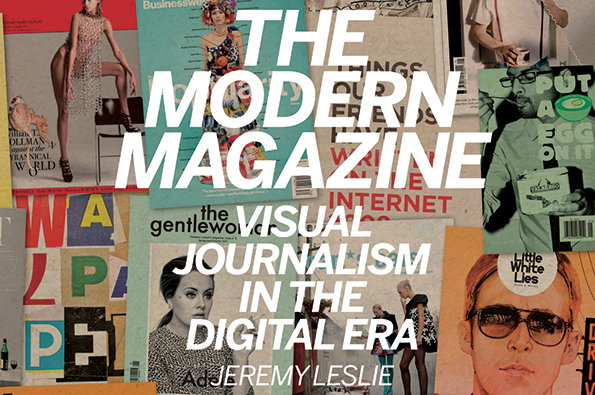
Publication: Jeremy Leslie's new book explores how print is fighting back
Sometimes theories and ideas get spread so quickly, adopted so unquestioningly and recycled so often that people don’t stop to question their veracity. Ever since the loud and persistent “print is dead” era of a few years ago, a new narrative has grown up which suggests that although rocked by the digital revolution, increasingly magazines have found ways of adapting to the new media landscape and marrying content and design to re-imagine the print experience. PORT magazine went as far as to proclaim a new “golden age” of magazine publishing.
Jeremy Leslie, longtime magazine designer and the man behind the brilliant magCulture blog has taken up the challenge of showing exactly how magazines are rethinking their role for the contemporary era in his new book The Modern Magazine. Across 240 pages the book combines genuine insights with 750 explanatory visuals, so Jeremy’s book looks like a must-buy if you’re the kind of person who picks up a magazine and smells it straight away. We caught up with him to find out a bit more…
The Modern Magazine conference will be held at Central Saint Martins on October 16.
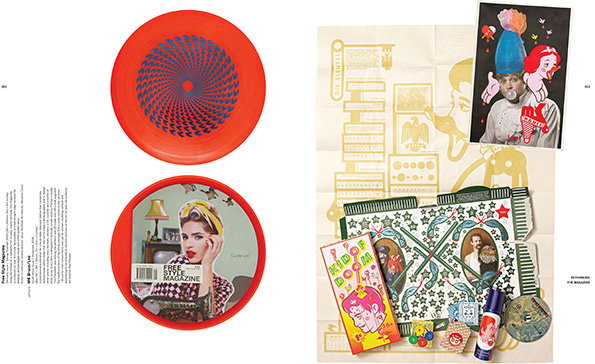
Jeremy Leslie: The Modern Magazine
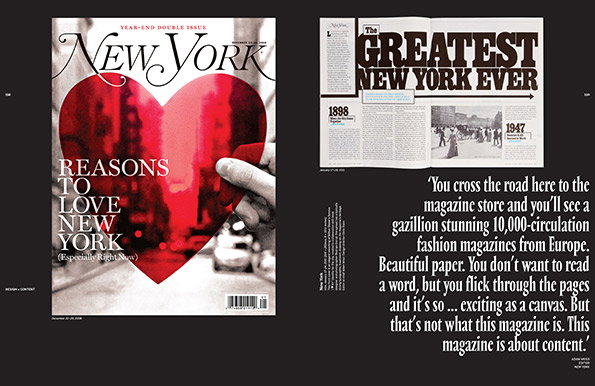
Jeremy Leslie: The Modern Magazine
Where did the idea for this book come from?
My last book was the magCulture one back in 2003, and I’d always intended to do another – the magCulture blog was first intended as a research tool for that follow-up. I was just busy with other things.
What encouraged me to publish The Modern Magazine now was a desire to finally draw a line under the “end of print” argument. The last few years have seen some fantastic editorial design being published in conjunction with clever, well-developed content. Several other books had looked at aspects of this but I felt there was a need for a broader overview of developments – from small independents through to mainstream heavyweights, and across design and editorial.
This is a hugely exciting time for creative publishing as magazines struggle with broken business models. And as ever, magazines tend to get trashed or recycled, so all those ideas and designs quickly disappear unless recorded. Not everyone collects mags like I do!
Which magazines have really risen to the challenge of digital?
After an astonishingly slow start, magazines are now beginning to take advantage of the many channels offered by digital. The biggest challenge is that there isn’t a single “correct” way to use the web, social networks and apps. Every case requires a different mix. That’s the bad news.
The good news from a creative standpoint is that publishers have been forced to reconsider who their audience is, how to engage them and which channels are the most appropriate to use. And magazine makers are going back to square one and re-examining those same factors with regards to their print editions. Longheld assumptions can be questioned in a way that was unthinkable just a few years ago.
Monocle’s approach is a great example of this. Tyler Brûlé has spoken against iPad app versions of magazines, yet they have launched a 24hour digital radio service with an iPhone app available to organise and listen to archive material. That’s what I mean by finding your own way forward. Downloadable audio is perfect for the Monocle reader, but that doesn’t mean it’s the right answer for another magazine.
Everyone has to find their own channels; it’s also neccessary to keep adapting and changing. You cannot stand still.
"The good news from a creative standpoint is that publishers have been forced to reconsider who their audience is, how to engage them and which channels are the most appropriate to use."
Jeremy Leslie
In redefining their role, what part does design play compared to content?
Design is more important than ever. The power of combining words and images was what first drew me to editorial design and the ability for these elements to work together continues to be enhanced by technology. But the content has to be strong and the relationship between design and content has to be resolved properly.
There’s a chapter in the book called Design x Content in which I argue design is content. We are an increasingly visual rather than verbal culture; that balance has shifted. Design and identity matter more than ever.
Good editorial design balances familiarity with a flexible approach to individual stories. At present the epitome of this is Bloomberg Businessweek, in many respects a very traditional weekly mainstream financial news publication. Yet editor Josh Tyrangiel and creative director Richard Turley have developed a remarkable working relationship which pushes design to the forefront of explaining and expressing the content. It’s one of the most refreshing, exciting magazines out there today. Each week the front cover alone is an event.
Is there a difference between the ways independent and mainstream magazines have responded to the digital challenges?
Yes there is. Indies have less finance to hand, but they’ve also been quick to harness the web to promote and sell their magazines. Twitter and Facebook have been great (free) tools for the independents, while PayPal and software like Shopify have provided excellent entry level access to e-commerce.
The mainstream have struggled with perceived costs of digital – many publishers got burned in the first dotcom boom and there are plenty of people looking to make a digital killing out of unsuspecting publishers. But they too are now working to take advantage of social media and cheaper channels.
It’s looking like the initial excitement about iPad app replica magazines was as misplaced as predicted, and a major part of the creative thrill these days is forever trying things out, testing things. This is healthy.
I think we’ll see a shift away from every magazine trying to be something to everyone, back to magazines having a very tight relationship with a core set of readers. That relationship will be kept tight via social media and other digital channels.
Is talk of a new golden age for magazines accurate or slightly overblown?
I genuinely believe this is a new golden age. Of course it also makes a good headline, but it only reflects what I and others see on a day-to-day basis. I receive anything from four to 10 new magazines each week, and while not all are perfect examples of the craft, there are enough good ones to support the idea this is a golden age. I believe the new book justifies the claim, particularly the idea that the new indies are reinventing traditional genres of publishing.
The boom years – the 2000s – may have been a golden age for the big publishers and financiers, but like the banking and property sectors there needs to be a shake out. This is golden age for creativity in magazine publishing.
The Modern Magazine published by Laurence King is out later this month.
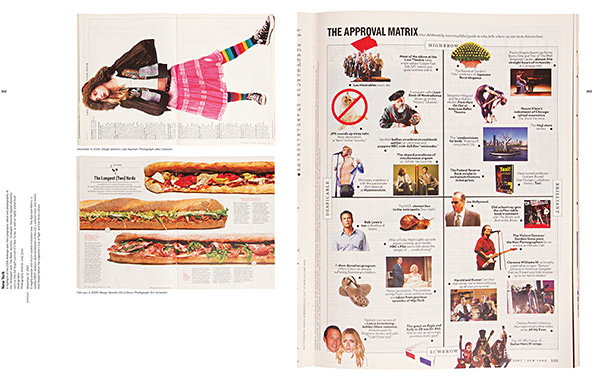
Jeremy Leslie: The Modern Magazine
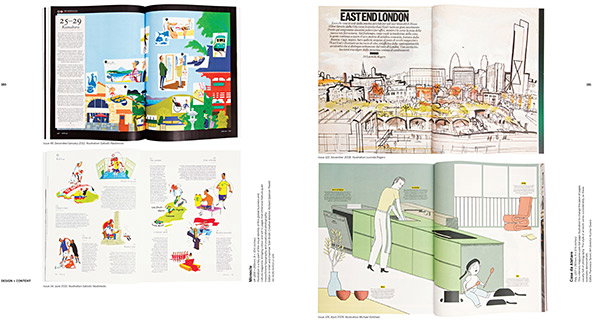
Jeremy Leslie: The Modern Magazine
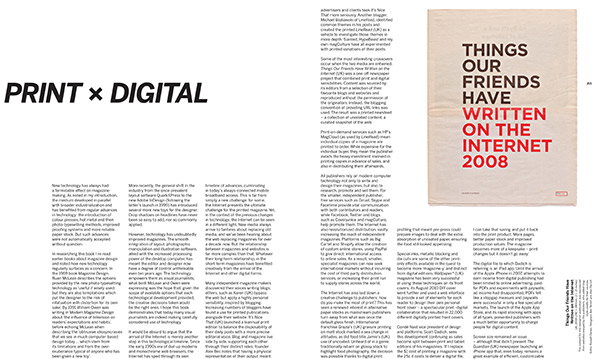
Jeremy Leslie: The Modern Magazine
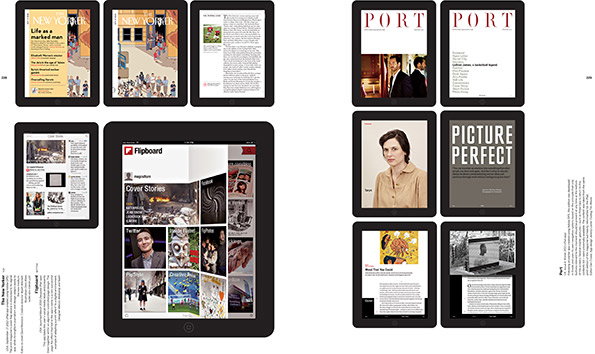
Jeremy Leslie: The Modern Magazine
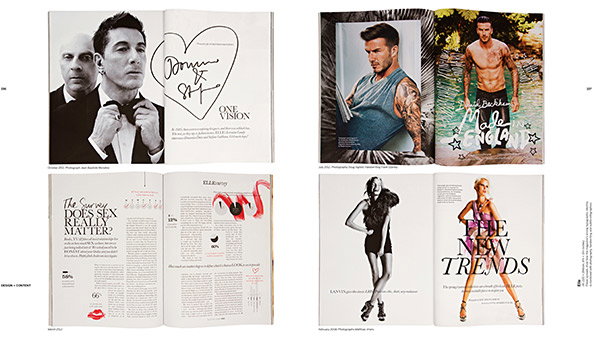
Jeremy Leslie: The Modern Magazine
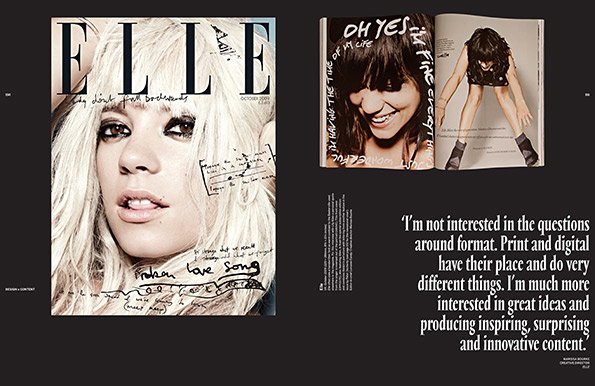
Jeremy Leslie: The Modern Magazine
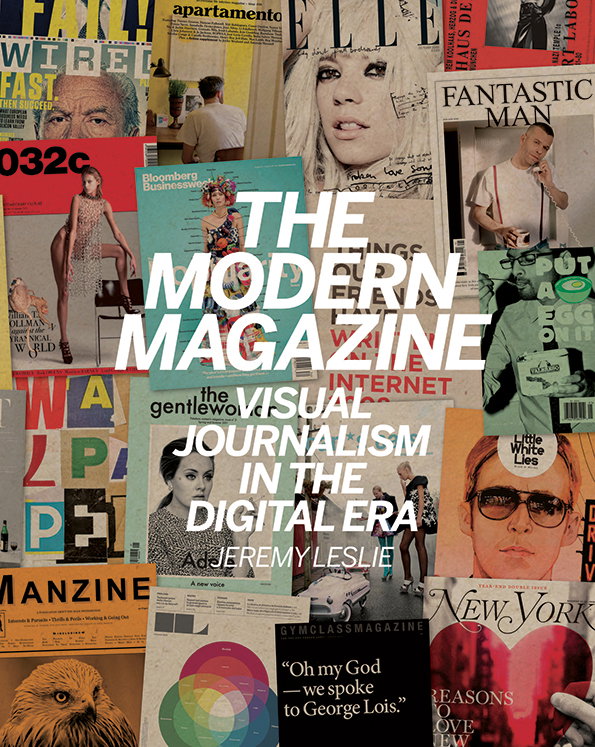
Jeremy Leslie: The Modern Magazine cover
Share Article
Further Info
About the Author
—
Rob Alderson is editor-in-chief of It's Nice That. He rejoined the company in 2026, having previously held the same role between 2011 and 2015. In between he was editor-in-chief of WePresent, and editor of Design Week.