Johnelle Smith on finding courage to be heard through her design practice
The Montreal-based designer talks about being introduced to the industry through Pantone books, textured papers and textile swatches.
Based in Montreal, Johnelle Smith’s design career started at Concordia University where she graduated from last year. Studying everything from graphic to industrial design, Johnelle loved that she wasn’t restricted to any medium in her program, since she truly felt like design thinking could be applied to almost every situation. This flexibility in her choice of medium is reflected in the works that she was commissioned to do during the pandemic. Despite having print media be the bulk of her work initially, she spent a stint where she was working more extensively with web design due to the online shift of brands and organisations, though she longs for a return to print media sometime soon.
Though her career might have started during university, Johnelle was exposed to graphic design much earlier through her father, who like her was also a designer. “Growing up, I would often follow him to work. I remember being so fascinated by the Pantone books, the different textures of paper, textile swatches, and the preparation of silkscreens for print,” she tells It’s Nice That. “I knew I was interested in storytelling, but I never quite found comfort in my own words. Design, to me, acts as a bridge between language and communication. It is within this space that I find courage to be heard. What that looks like translates as hues, images, sounds, texture and words all working dependently on one another.”
Like many other designers, she is most intrigued by the collaborative aspect of design. “The most exciting part to me is being met with a problem and being able to work as a team to come to a solution. In this process there is an exchange of fresh perspectives and knowledge that is so valuable. It’s for that reason I believe that my performance as a designer is directly reflective of the education of my peers and collaborators,” she says. Johnelle describes herself as a clumsy experimentalist. Tight timelines often produce misalignments and mistakes in the production process, but it’s exactly these imperfections that she’s come to embrace. “It’s important to me that my work has some element of playfulness to it, as much in the process as in the final product. Playfulness, curiously reimagining and remixing the old and new. It’s through these themes that I find space to create alternative narratives.”
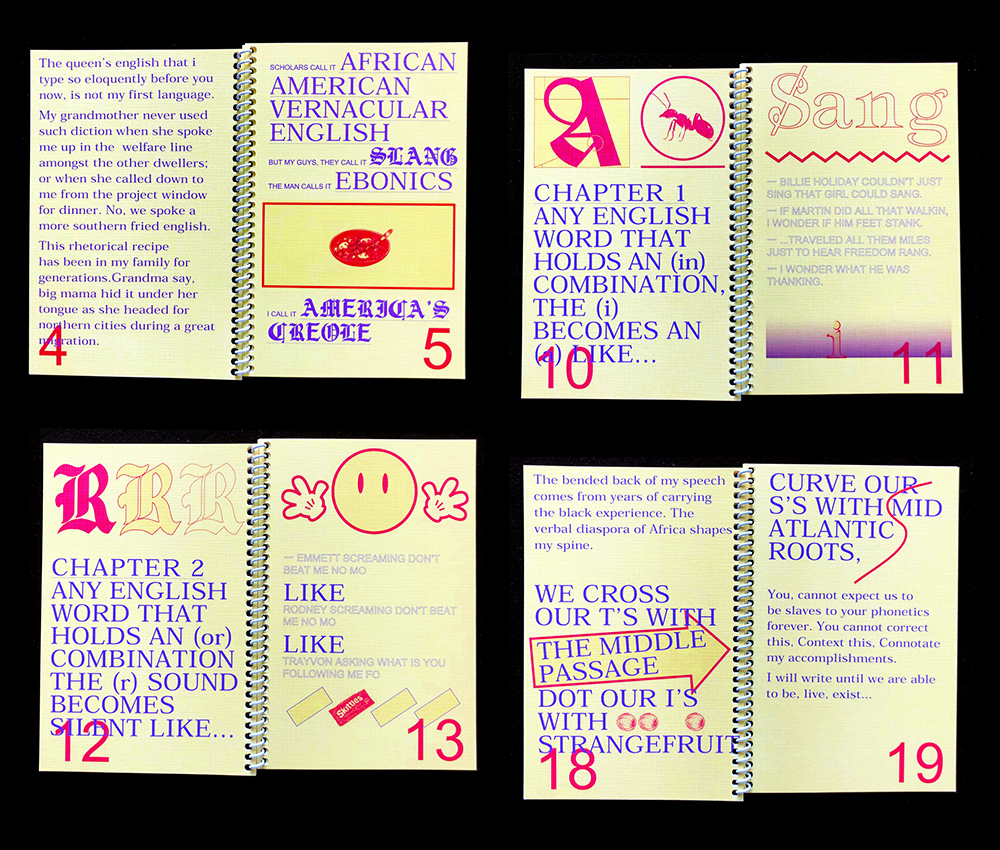
Johnelle Smith: Ebonics 101 (Copyright © Johnelle Smith, 2018)
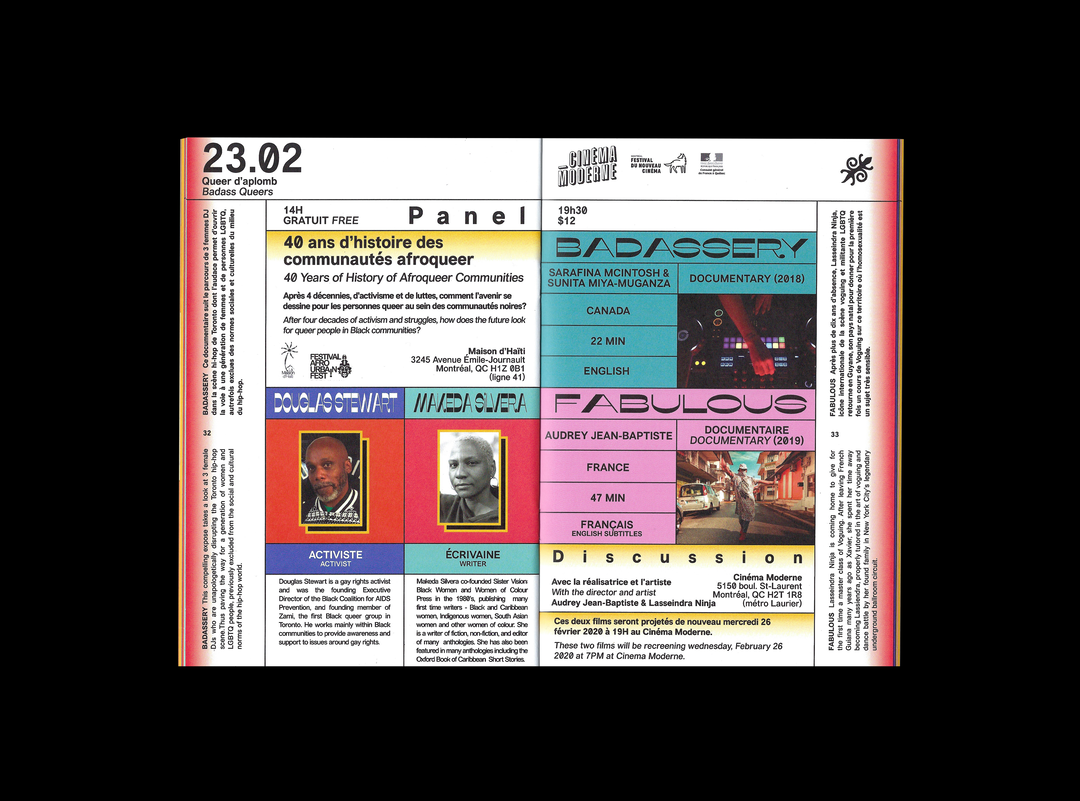
Johnelle outlines her work with Massimadi, the Afro LGBTQ+ film festival that started out in Montreal in 2008 that has since established roots in Brussels. Johnelle was introduced to the organisation through a friend that worked there. They were, coincidentally, looking for a graphic designer. “As someone who identifies as a Black and queer woman, I jumped at the opportunity to contribute to the cultural production of queerness. The word Massimadi derives from the créole term ‘Masisi’ which has been used to attack the LGBTQ+ community. Massimadi reappropriates these words to instil pride in members of the community,” Johnelle says. She was given an open brief, free to reimagine the catalogue in any way she wanted and chose to create a loud and vibrant catalogue to show this pride.
Another project, the 16th volume of the Concordia Journal of Art History (CUJAH) saw her playing with colour, typography and grid that “breaks” from time to time. The publication features curated essays from art history students, its editor adamant that the journal becomes a place of research and exploration. “The main technical issue that we faced is that some of the images were extremely expensive to buy the rights to publish. CUJAH is a student run publication with limited funds, so the challenge was finding a grey area where we could legally still use the images as they were important references for the essays,” Johnelle explains. “After some research we found out that under the fair use guidelines, we could publish portions of any image to reference for research or educational purposes.” with this in mind, Johnelle played with the concept of access and censorship by blacking out some images and revealing just enough such that their connection with the text is still evident. This blacking out became a consistent motif that she used throughout the book.
In the near future, Johnelle not only looks to develop some personal work, but also has projects underway that are more digital in nature. “What’s funny is that I’ve kind of just faked my way into web development by saying 'I can probably do that' and then figuring it out after the fact because I knew that I was motivated enough to figure it out,” she says. “I’m constantly seeking out new ways to improve my practice as I’ve grown a fond appreciation of the web.”
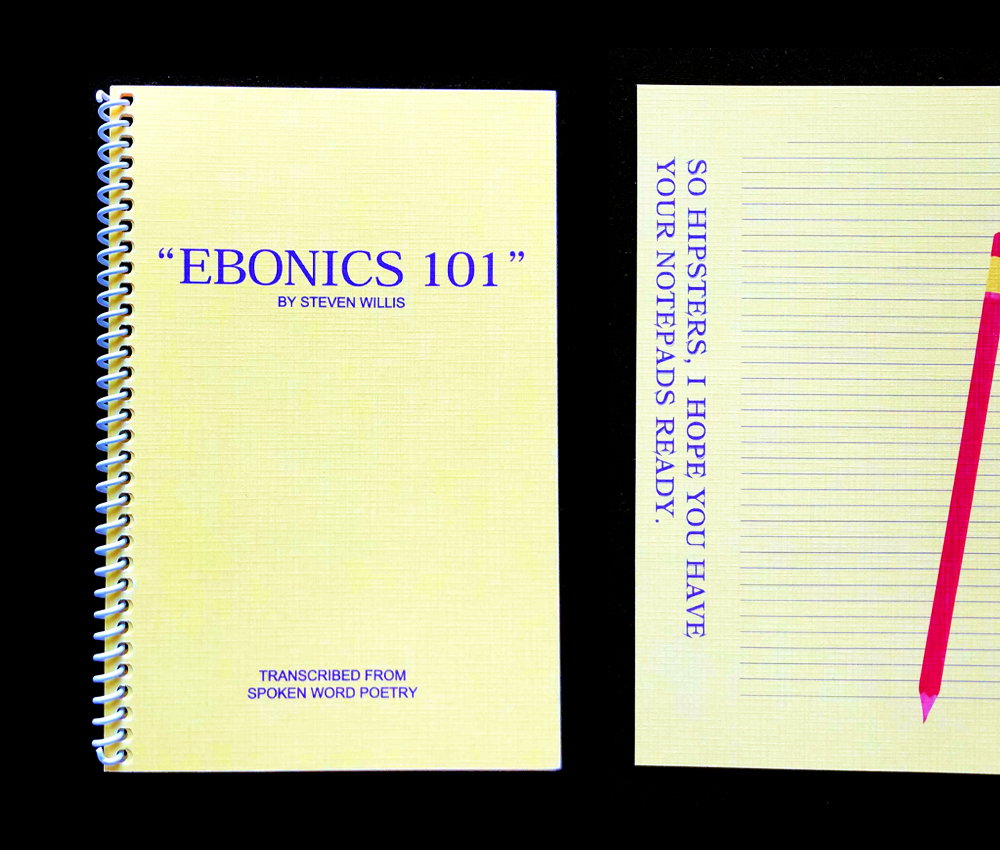
Johnelle Smith: Ebonics 101 (Copyright © Johnelle Smith, 2018)
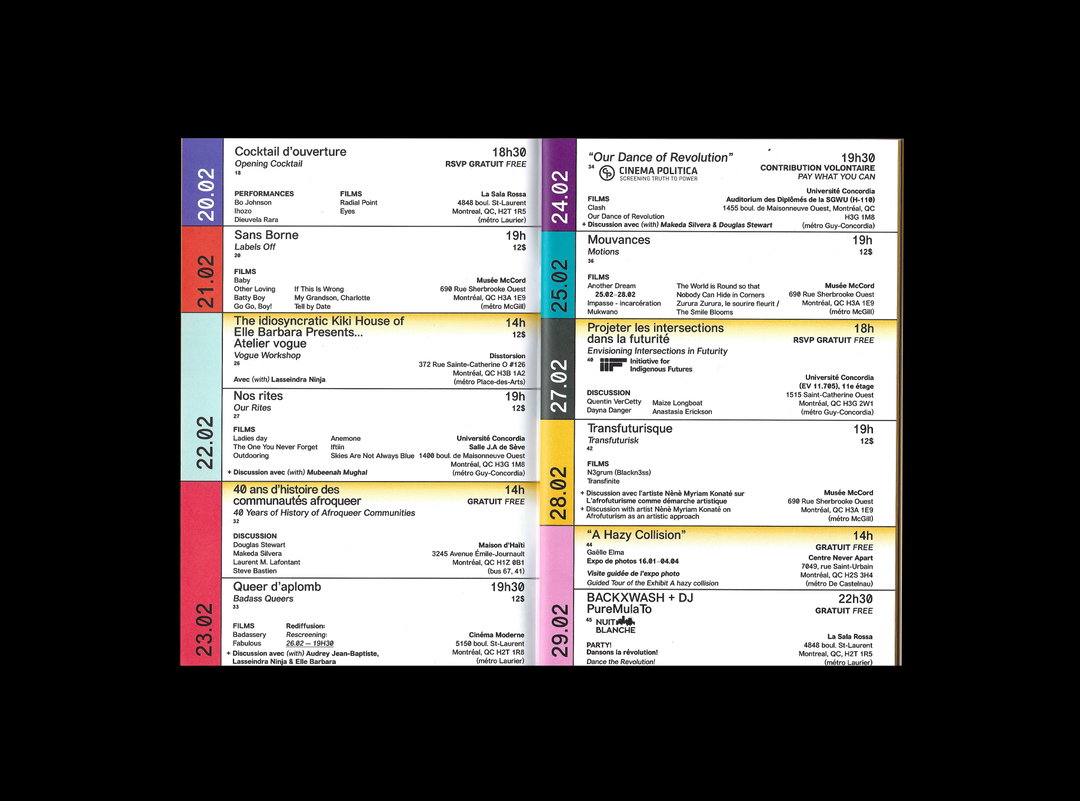
Johnelle Smith: Massimadi Festival Catalogue (Copyright © Johnelle Smith, 2020)
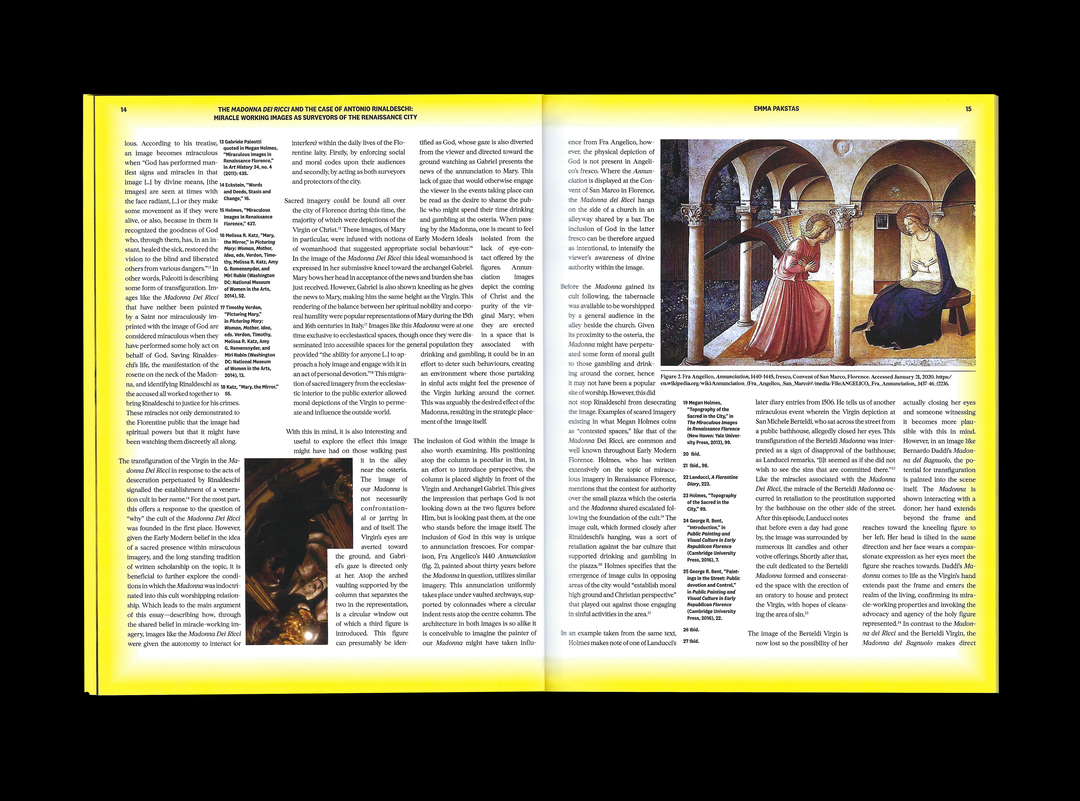
Johnelle Smith: CUJAH Volume XVI (Copyright © Johnelle Smith, 2020)
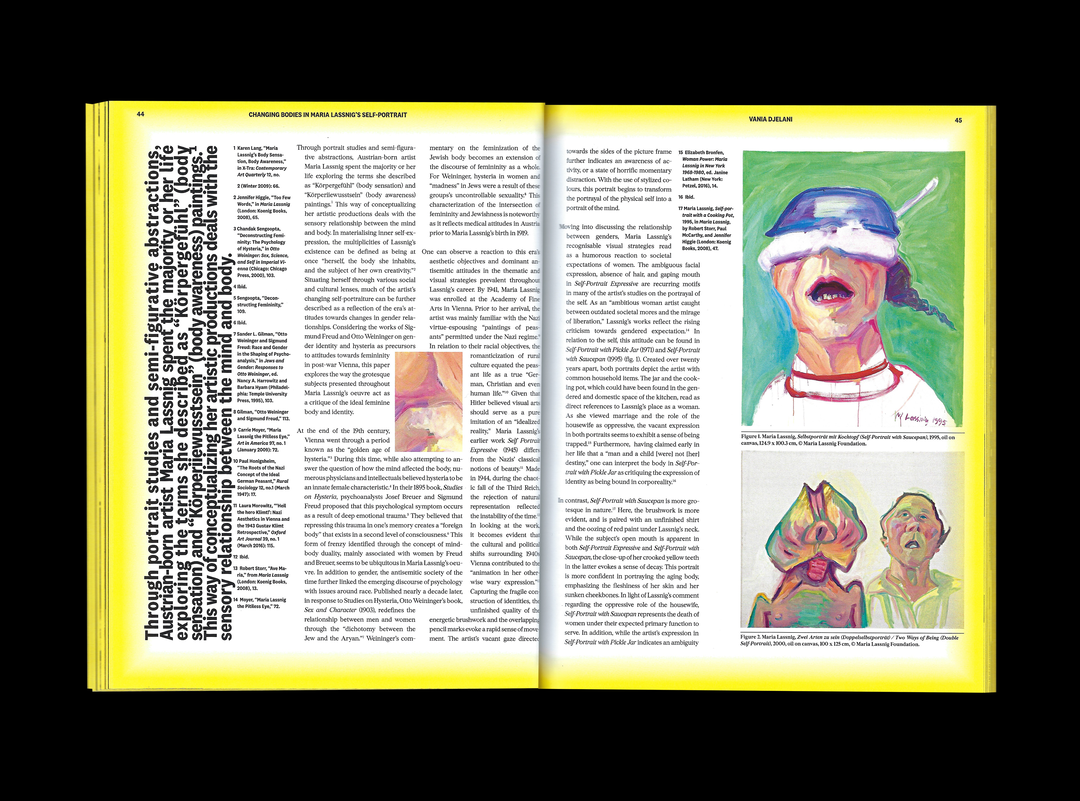
Johnelle Smith: CUJAH Volume XVI (Copyright © Johnelle Smith, 2020)
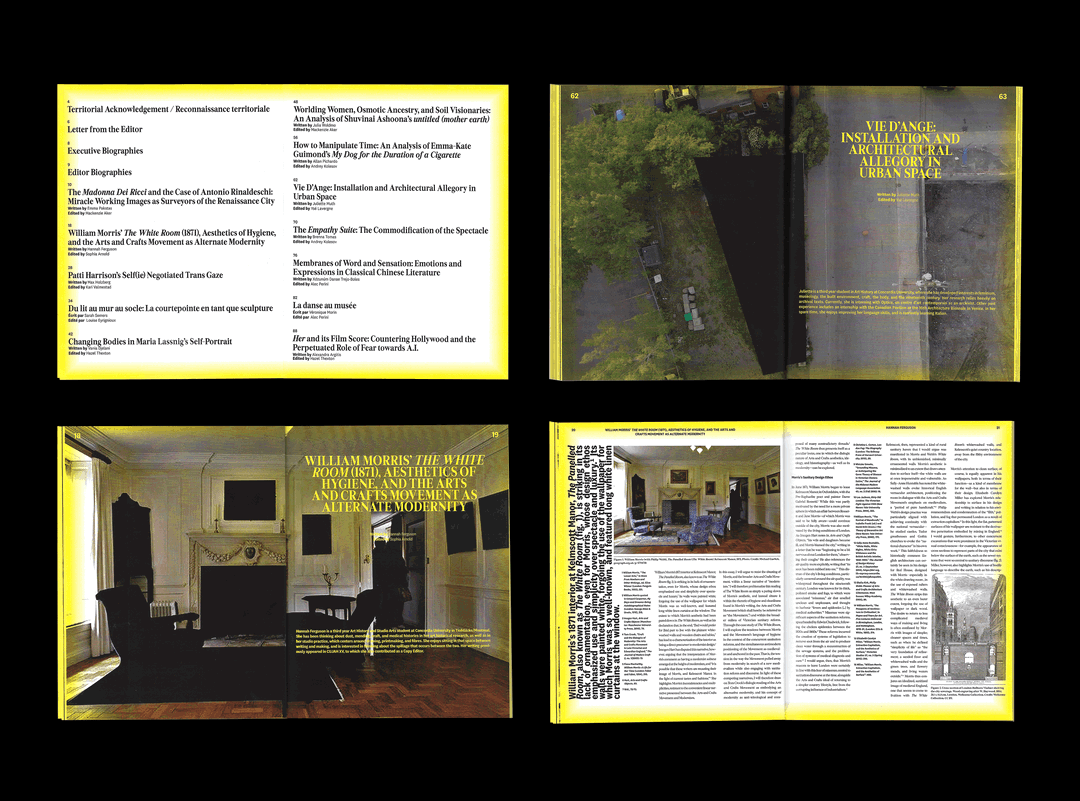
Johnelle Smith: CUJAH Volume XVI (Copyright © Johnelle Smith, 2020)
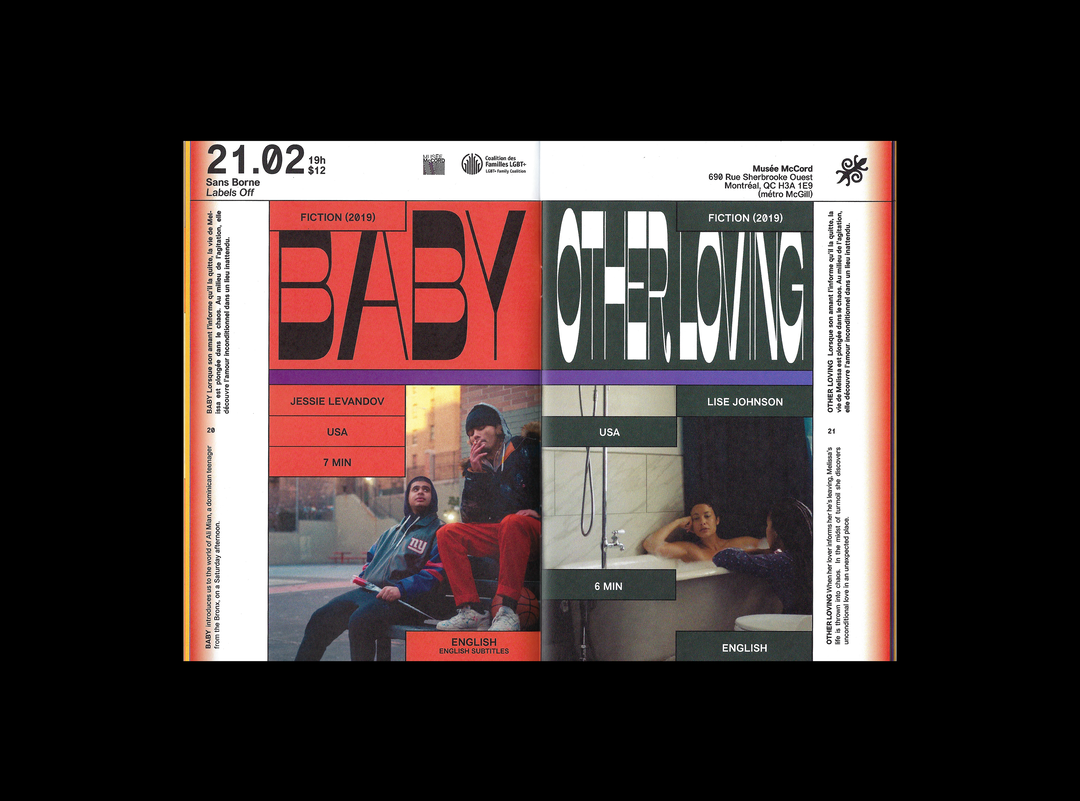
Johnelle Smith: Massimadi Festival Catalogue (Copyright © Johnelle Smith, 2020)
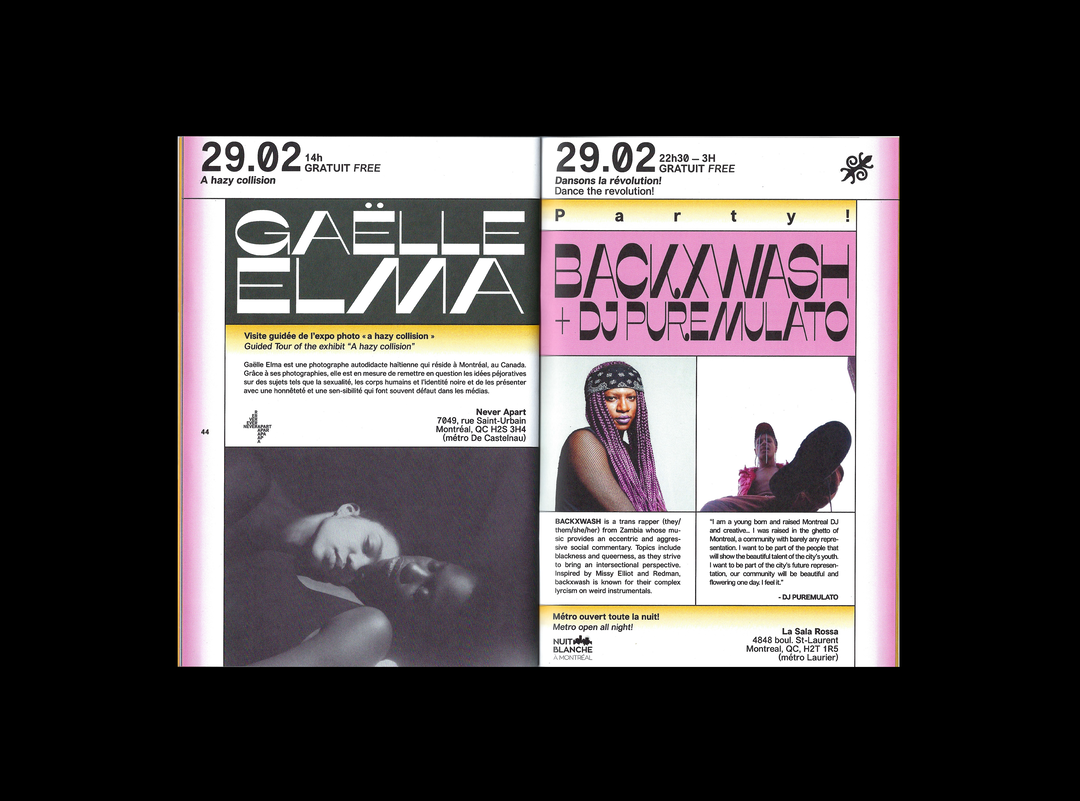
Johnelle Smith: Massimadi Festival Catalogue (Copyright © Johnelle Smith, 2020)
Become an Extra Nice Supporter
Unlock an inspiring new way to explore It’s Nice That, get your hands on exclusive perks, and help bring meaningful creative projects to life.
Hero Header
Johnelle Smith: Massimadi Festival Catalogue (Copyright © Johnelle Smith, 2020)
Share Article
Further Info
About the Author
—
Alif joined It's Nice That as an editorial assistant from September to December 2019 after completing an MA in Digital Media at Goldsmiths, University of London. His writing often looks at the impact of art and technology on society.