




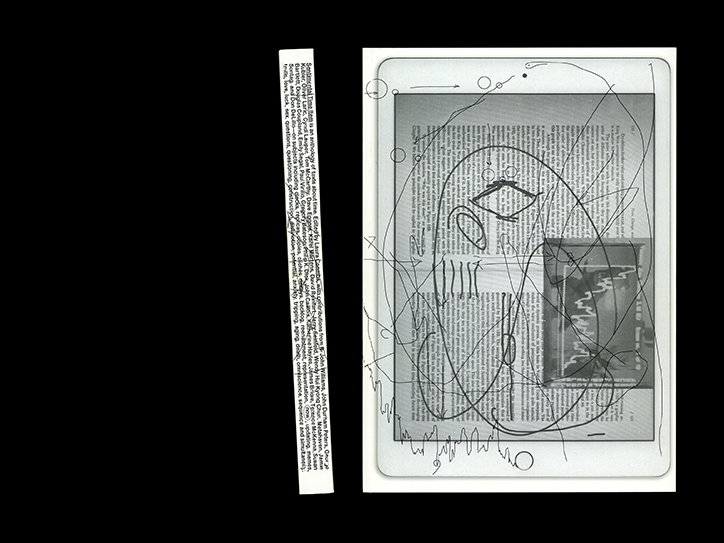
The typographically focused, conceptually-minded practice of designer Laura Coombs
For New York City-based graphic designer Laura Coombs, the path to her, now, chosen career was extremely winding and full of chance encounters. Like many, however, her interest in the world of design was clear from an early age. “I can see now that I was always interested in design – I edited and designed a newspaper as a kid, endearingly called the Laura Report,” she recalls fondly.
Now, having graduated Yale’s MFA Graphic Design course a year ago (largely in thanks to the support of her tutor and mentor Sheila Levrant de Bretteville), Laura is the lead designer at the New Museum, a visiting professor at Pratt Institute, while also freelancing on publications for artists and architects.
These varying roles have helped Laura develop an approach to her design practice which is almost chameleon-like. While at the museum, she works with curators, editors and various other departments on a range of materials and outputs, all produced in an extremely tight turnaround. Laura’s teaching work, however, allows her to “empower students to develop their own methodology that is full of self-expression and critical thinking”. This time spent taking a step back from her own work, to engage with design from a different perspective, clearly feeds into her commercial work, which is typographically focused and conceptually-minded. “Discussing design work in a critique setting is immensely fun and challenging because you have to understand what the person is about, say something meaningful, and empower them with constructive feedback in a condensed few minutes,” she explains.
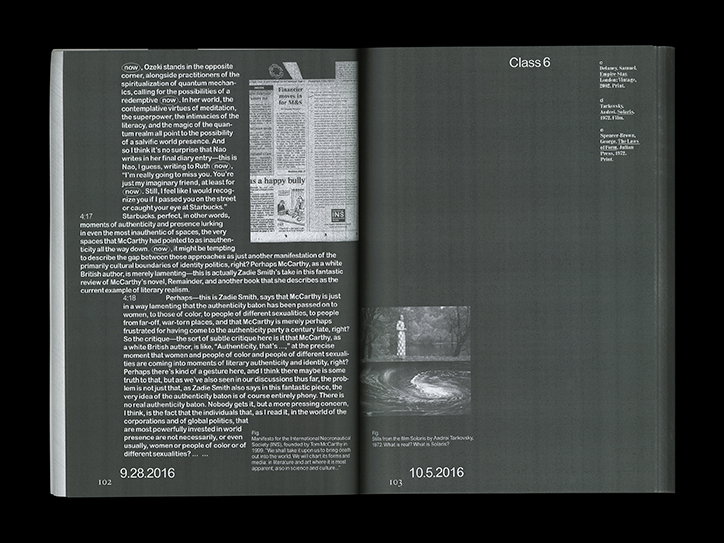
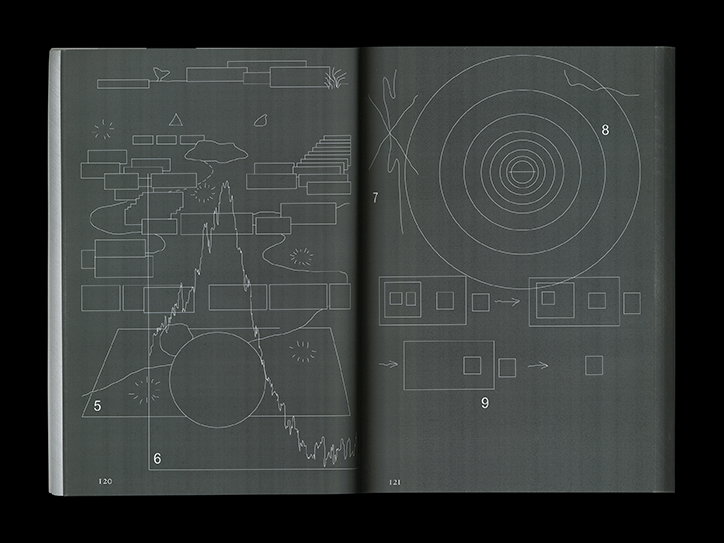
With an idea-driven execution, Laura has a proclivity for “singular structures that play themselves out over the course of an entire book”. Take her project Sentimental Time Item, for example, produced while at Yale. An anthology of texts about time within the context of a set of lectures by R John Williams, the publication is divided into three sections: past, present and future, which run parallel as three columns: white, grey and black. “The reader must choose how to read the book – one column at a time, all three simultaneously, or in a random, choose-your-own-adventure pattern,” Laura outlines.
Not content with this already conceptually sound design, Laura implemented a series of subtle references to increments time which inform the actual structure of the publication. With 365 pages, the book features 24 texts, 60 pages of lecture notes and 30 pages of diagrams. “I also added a ‘now’ glyph to each typeface used,” she explains, “n-o-w surrounded by an oval shape replaces the word ‘now’ anywhere it appears, reminding the reader to be ‘in the now.’”
Despite such accomplished work, it wasn’t until attending Cornell University’s Architecture summer programme, that Laura considered how design could allow her to transform intellectual ideas into form, space and material. “I went to a boarding high school called the Oklahoma School of Science and Mathematics which did not have any art or design classes. The summer I turned 16, I opened an invitation in the mail –addressed to my brother – for Cornell’s summer programme, and I decided to go out of curiosity and boredom,” she explains, “That experience changed my life.”
After a five-year undergraduate degree in architecture and then three years working in a fabrication shop in Brooklyn, Laura was introduced to Yale’s MFA Graphic Design course through a friend who was heading there to study sculpture. “I looked at the graphic design programme – a design field I had never considered – and the discipline seemed to have everything I loved without the massive scale of architecture or the ultra-extreme labor of fabrication: technology, materials, systems, humour, theory, and a new discipline – typography,” she explains of a choice which has now informed a portfolio packed full of meticulously constructed, considered projects.
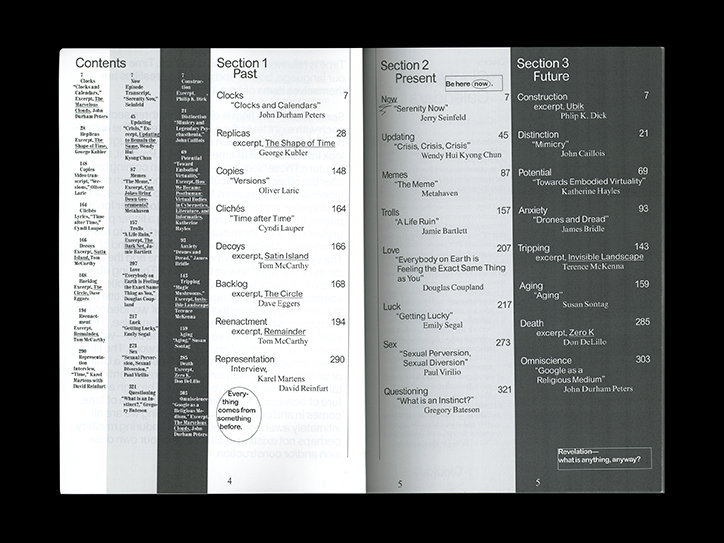
Laura Coombs: Sentimental Time Item
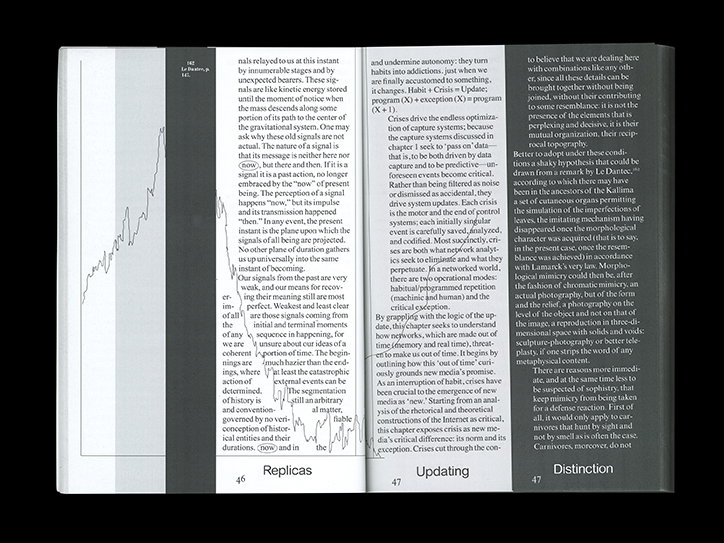
Laura Coombs: Sentimental Time Item
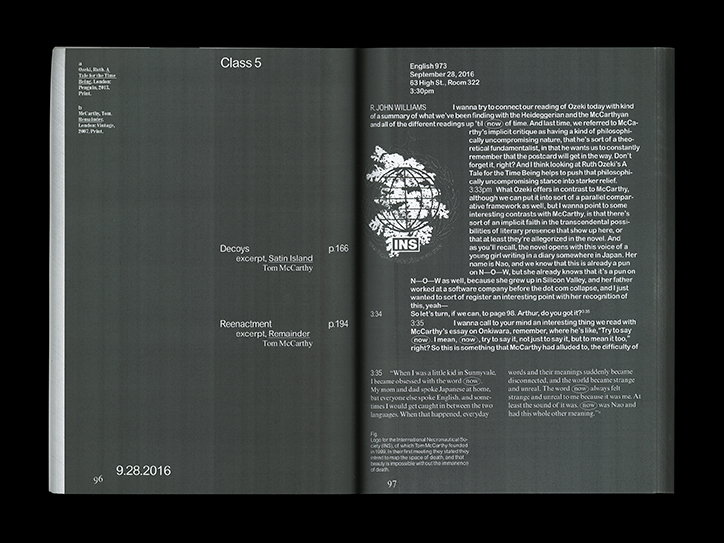
Laura Coombs: Sentimental Time Item
Laura Coombs: Sentimental Time Item
Laura Coombs: Sentimental Time Item
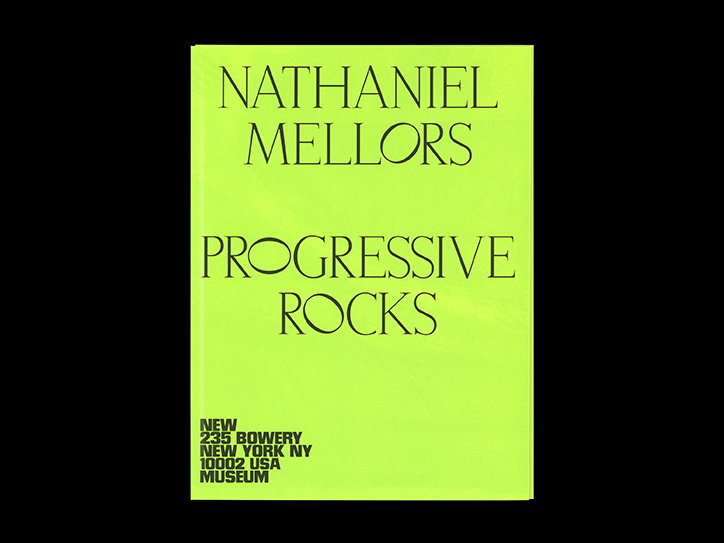
Laura Coombs: Nathaniel Mellors: Progressive Rocks, 2018. Publication for the New Museum in collaboration with Margot Norton, Curator, and Nathaniel Mellors.
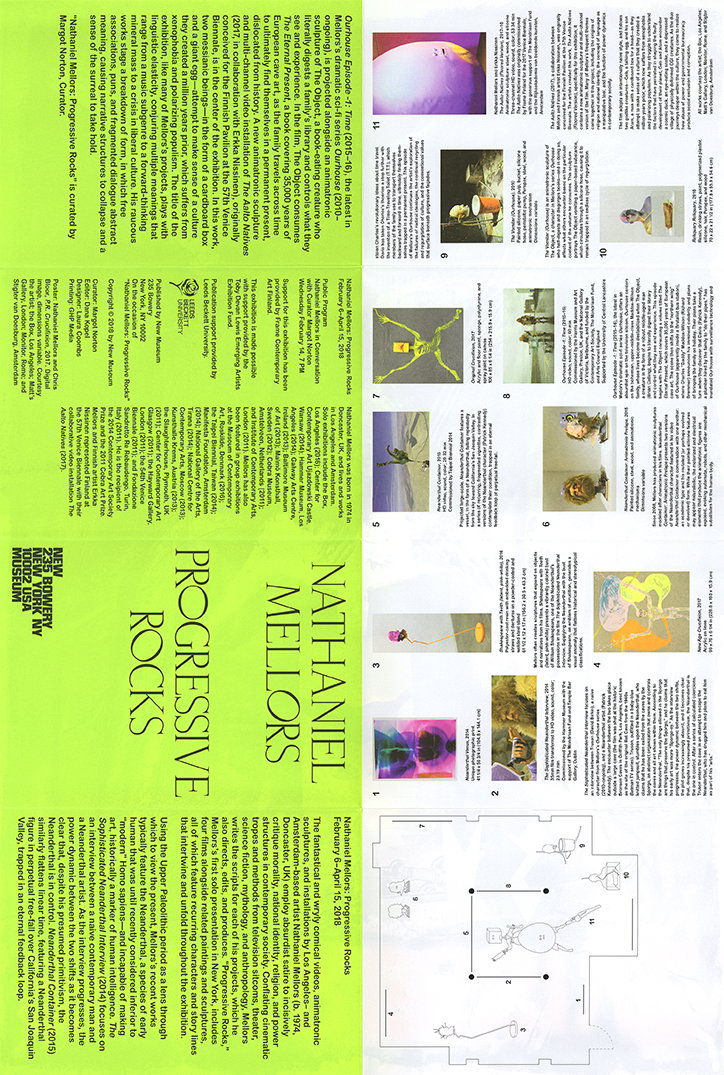
Laura Coombs: Nathaniel Mellors: Progressive Rocks, 2018. Publication for the New Museum in collaboration with Margot Norton, Curator, and Nathaniel Mellors.
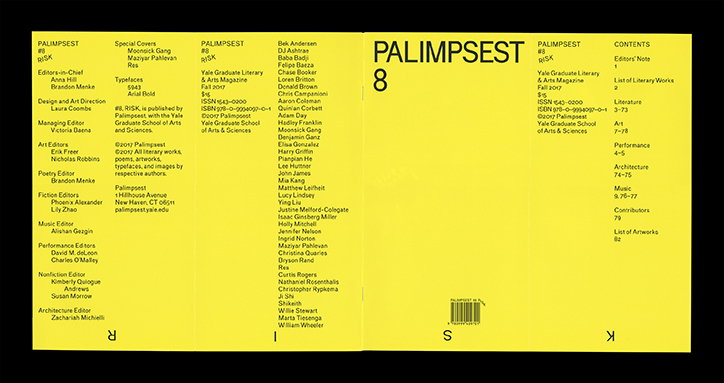
Laura Coombs: Palimpsest 8: Risk
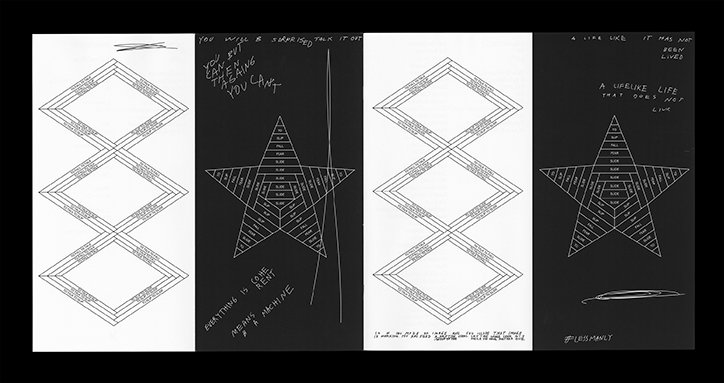
Laura Coombs: Palimpsest 8: Risk. Poster by Maziyar Pahlevan.
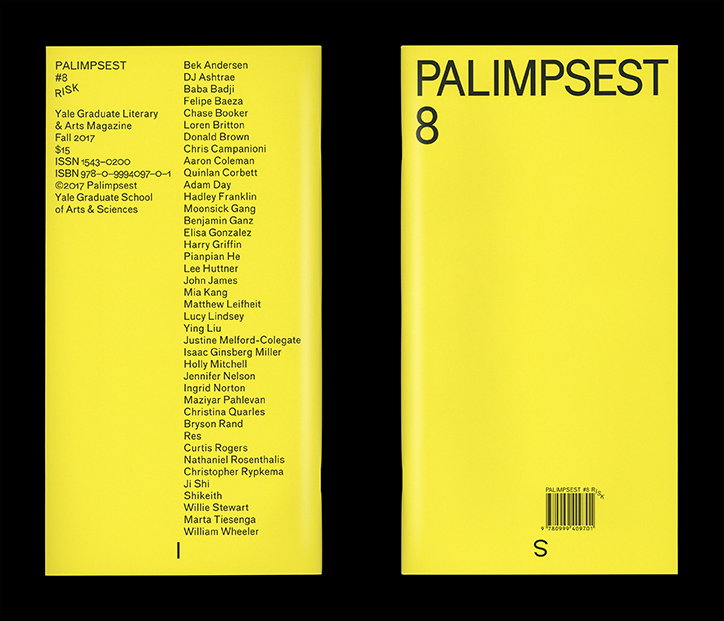
Laura Coombs: Palimpsest 8: Risk
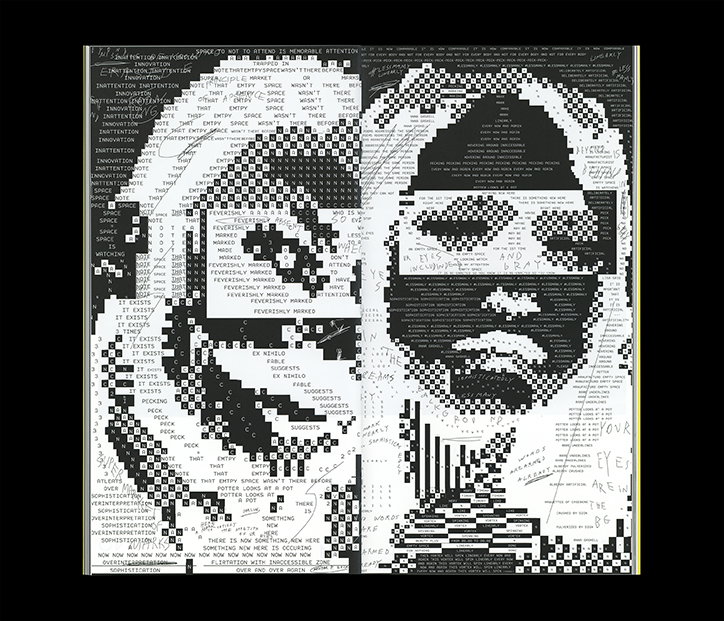
Laura Coombs: Palimpsest 8: Risk. Spread featuring artwork from Maziyar Pahlevan
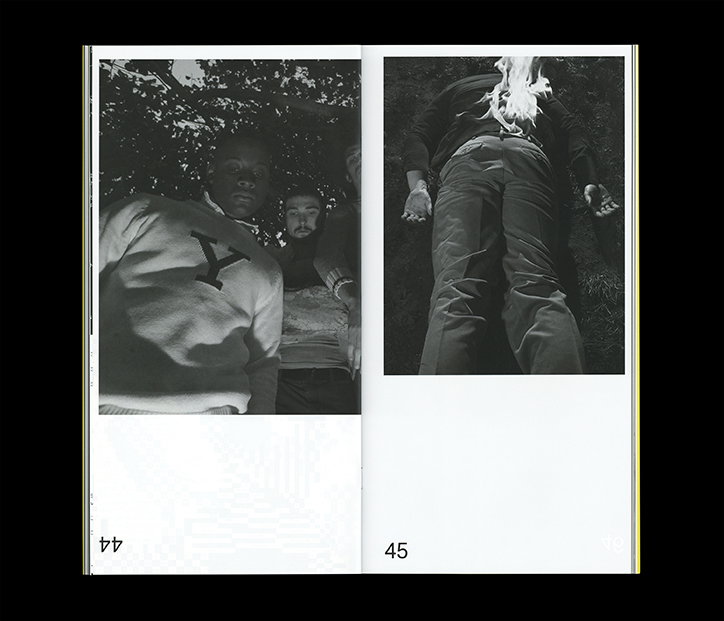
Laura Coombs: Palimpsest 8: Risk
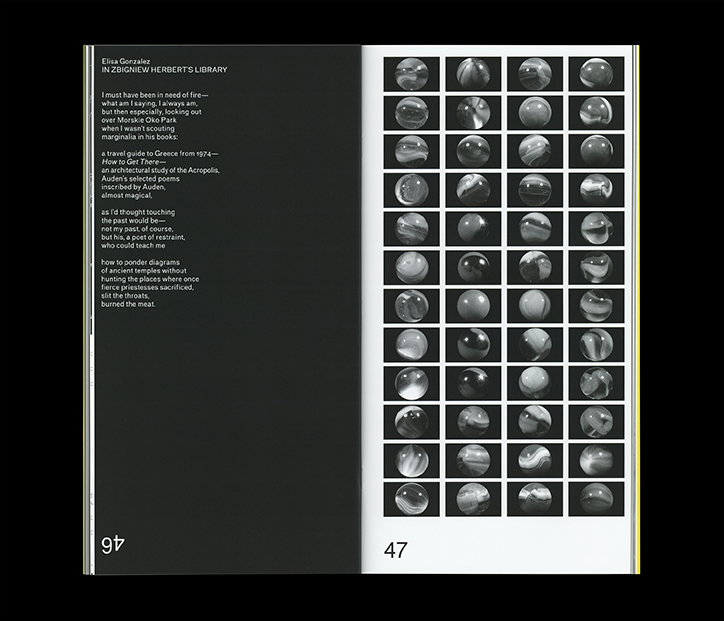
Laura Coombs: Palimpsest 8: Risk
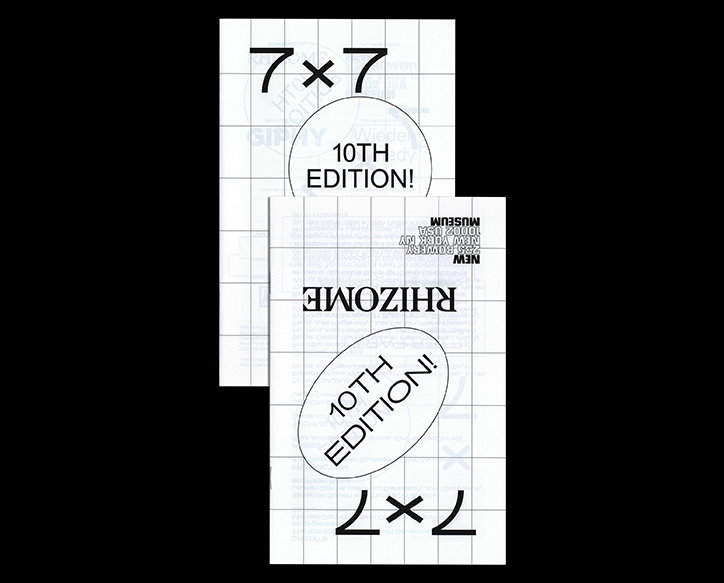
Laura Coombs: 7×7
Share Article
Further Info
About the Author
—
Ruby is Senior Creative at It's Nice That, overseeing our visual output across platforms and projects. Before that, she was associate editor on the editorial team, after joining in September 2017 following graduation from Central Saint Martins.