A look inside the new issue of Lindsay, made by a publishing polymath
Anyone who has flicked through an issue of Lindsay magazine will recognise the name Beth Wilkinson. A publishing polymath, Melbourne-based Beth is the founder, editor and creative director of Lindsay. Named after Beth’s grandfather, Lindsay James, the publication “echoes his approach to life: having an open mind, a thirst for learning and a love for sharing stories”. However despite her titles, Beth’s name crops up in photography credits for features she’s lensed and sometimes she writes them too. Lindsay embodies the ethos of do-it-yourself publishing, and although she does most of the work herself, the publication provides an open perspective on the world and all its culture.
Lindsay began online at the beginning of March 2017, released its first issue earlier this year and has just printed its second. Beginning “on the traditional lands of the Wurundjeri people of the Kulin nation,” the magazine travels far and wide to find the best stories to tell, paying respect “to their ancestors and elders – past, present and future – and value the role of storytelling in their culture, which is amongst the oldest living in the world.”
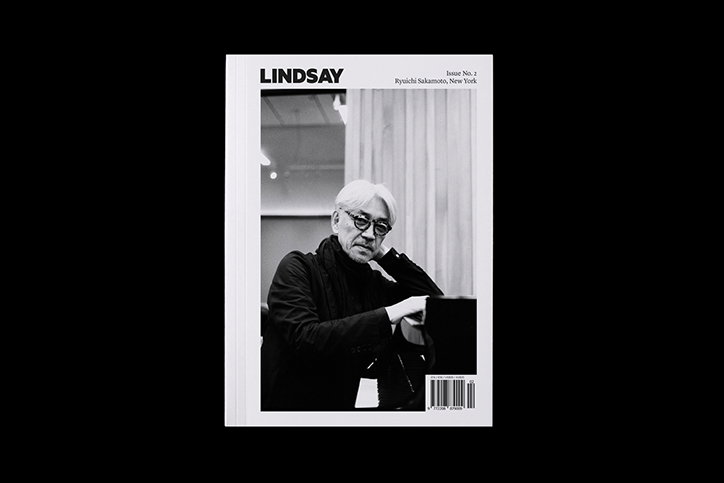
Its second issue’s cover stars an interview with Japanese-born, New York-based composer Ryuichi Sakamoto, but photographed and interviewed in London just before he took stage at the Barbican. It’s other features originate from completely different habitats of culture, like an interview photographed and conducted by Beth in Croatia with painter Stipe Nobilo. You may not have heard of him, because she only just discovered his work while on holiday, spotting the artist on the label of a bottle of wine. Other sections display the magazine’s global gaze through a double page spread listing the most popular boys and girls names for newborns in each country, or a photo story of Hong Kong’s food scene. It also looks beyond the world too, featuring a fascinating interview with NASA astronaut, Stephanie Wilson, who provides a totally new perspective on the globe Beth’s trucking around in order to make Lindsay saying: “If NASA showed us photographs of certain regions of the world ten years before, and if we were to compare that with our current photography, it becomes very evident that we have to do what we can to preserve Earth for future generations.”
In terms of style and context, Lindsay shows that Beth is someone who clearly reads, follows and understands what makes a great independent magazine. Photography features, like the one documenting Stipe Nobilo, have an air of Apartamento to them, picking up on clutter rather than the facade of an artist’s home. In the editor’s letter opening her second issue, she notes meeting The Gentlewoman’s Penny Martin as a thrill and picks up on the consideration of details mirroring The Happy Reader’s use of footnotes, giving the reader a little background on a place or reference they may not be familiar with.
With its first issue causing such a whirr on the independent magazine circuit, issue two will certainly do the same, growing in references and always, “welcoming difference.”
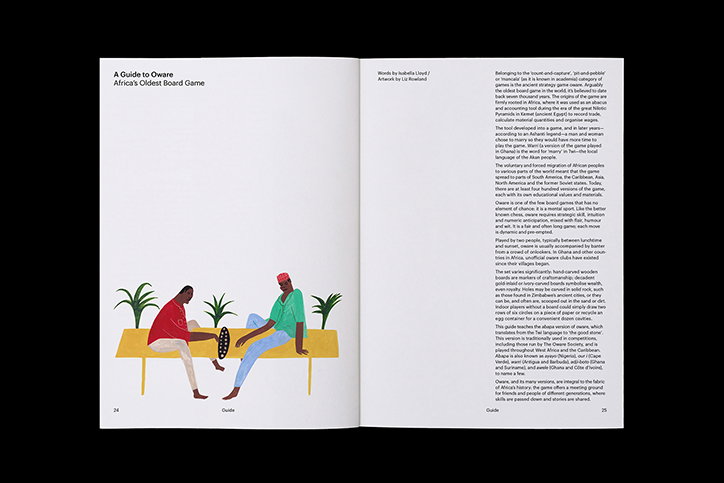
Lindsay Magazine: Issue Two
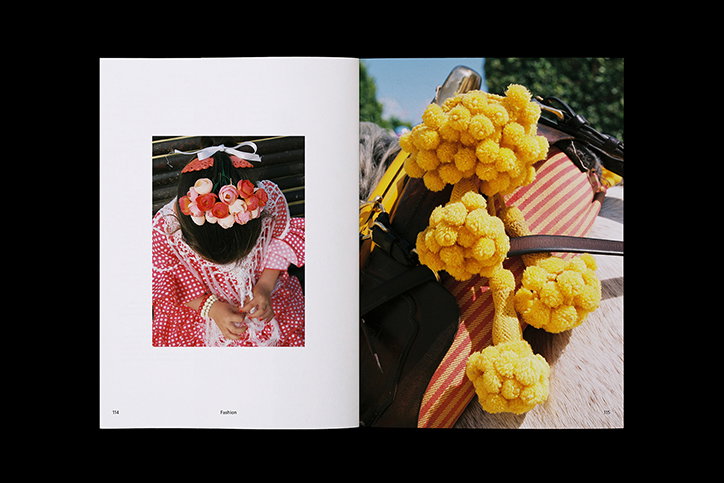
Lindsay Magazine: Issue Two
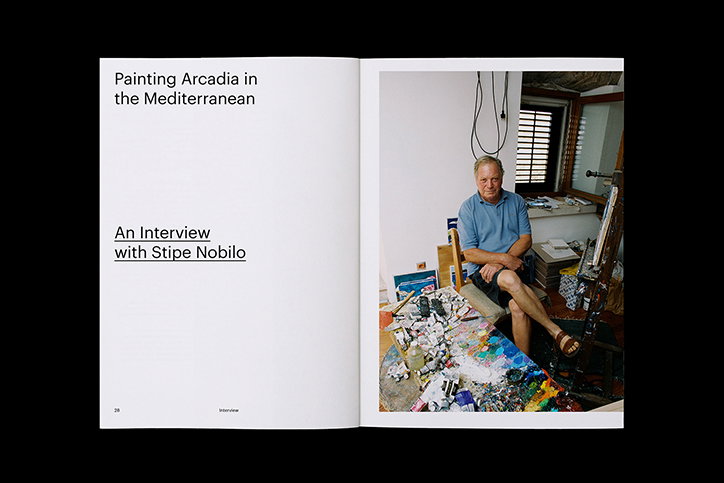
Lindsay Magazine: Issue Two
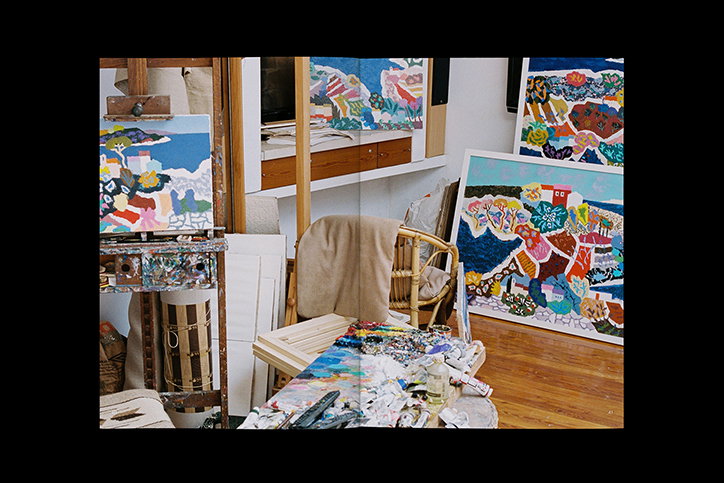
Lindsay Magazine: Issue Two
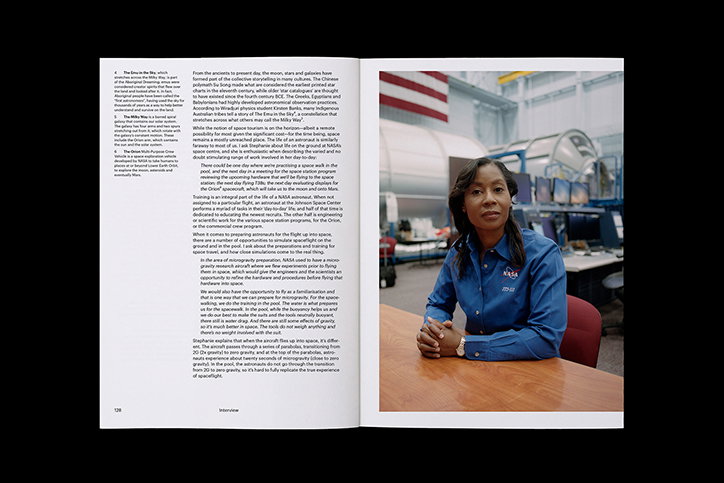
Lindsay Magazine: Issue Two
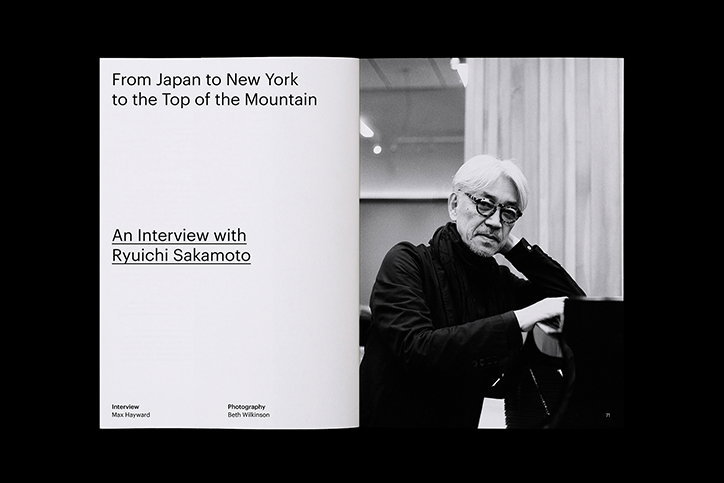
Lindsay Magazine: Issue Two
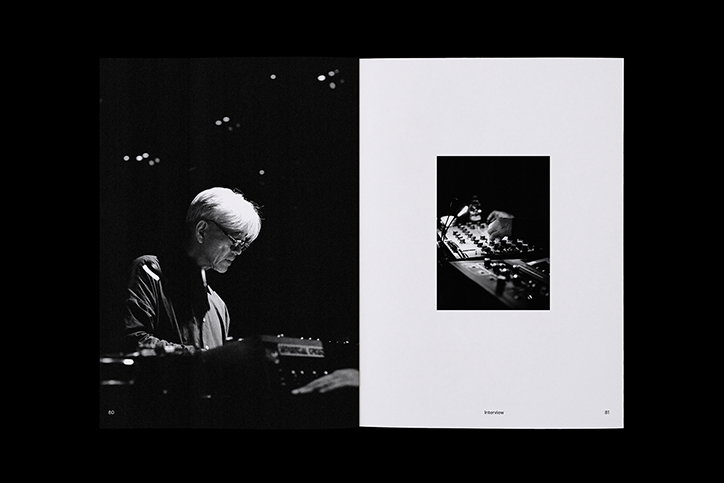
Lindsay Magazine: Issue Two
Share Article
Further Info
About the Author
—
Lucy (she/her) was part of the It’s Nice That team from 2016–2025, first joining as a staff writer after graduating from Chelsea College of Art with a degree in Graphic Design Communication, eventually becoming a senior editor on our editorial team, and most recently at Insights, a research-driven department with It’s Nice That.