Louisa Stickelbruck on the ever-thorny subject of representation in photography
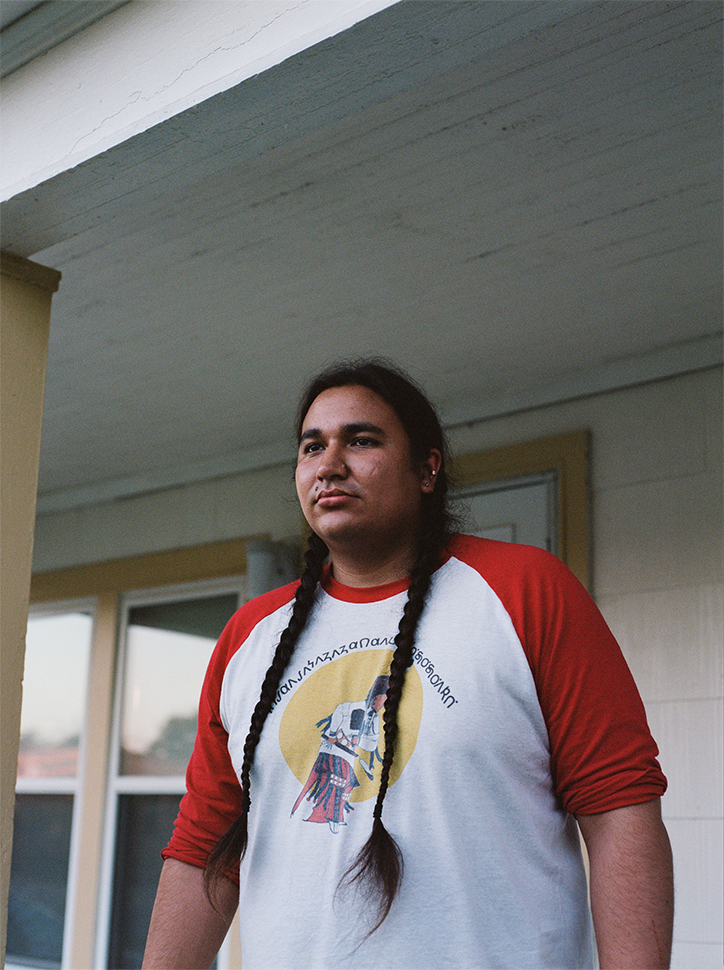
The title of Louisa Stickelbruck’s photo series Seven bends in the river “derives from an old Osage saying,” she says, referring to the Native American community she spent six weeks with during the making of her series. “It depicts life as a stream, that has to take many bends, has to traverse through good and bad, fortune and sorrow. No stream flows linearly. They say that every human has to take the seven bends in the river.”
Louisa had, since childhood, had an interest in Native American culture, but was very conscious of the fact that, growing up in Germany, she had had little access to the realities of the Native American experience. “I was quite aware that I was romanticising Native American culture,” she says. “That all the stories that had shaped my idea of it had been constructed by white people. Never had I really encountered Native American voices and their perspective. We don’t find so many in Western media.”
So, she decided to embark on the journey that would eventually become Seven bends in the river. She went to stay with a friend in Bartlesville, Oklahoma, one of the states with the largest number of Native American communities, and began getting in touch with those communities. “I tend not to plan projects too much,” she says, “I’m careful not to end up simply projecting ideas and expectations and then being blind to the actual scenery. Instead, I like to let things evolve organically and follow my intuition once on-site.”
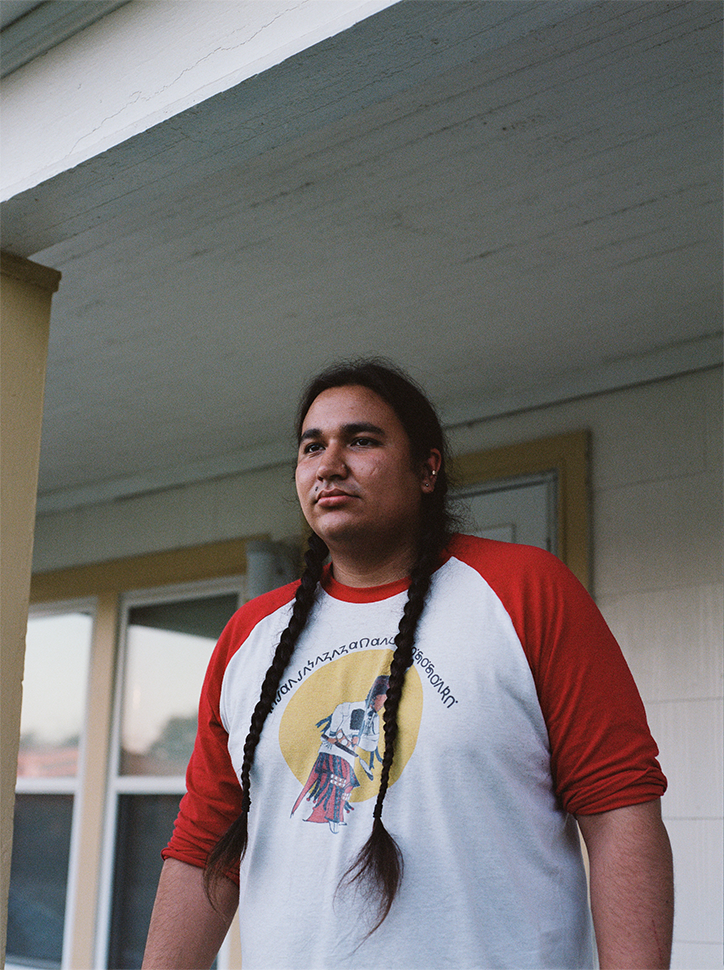
And evolve organically things certainly did. Louisa began by visiting the Osage museum and cultural centre, yet quickly found herself “sat at the table with tribal members for hours on end, listening to their stories”. One of the Osage language teachers, a man called Christopher, was one of the people Louisa ended up spending the most time with. “He would introduce me to his aunt, who would then take me to meet a friend, etc,” Louisa explains. “I ended up spending six weeks in Osage County. During that time I took photos and held interviews which I recorded and used as a second layer of information to the project.”
The photos from this period are extraordinary and reveal a genuine intimacy and openness between subject and photographer. Yet Louisa was, and continues to be, profoundly aware of how fraught a project like this by its very nature can be. “If you as an artist aim to make a project about an ethnical group you’re not part of, you have to take a step back and reflect on your position,” she says. “I thought a lot about the idea of representation – the very fundamental question of photography. Can I make a statement about the Osage? In how far will it be subjective? What does my subjective perspective tell me about myself?”
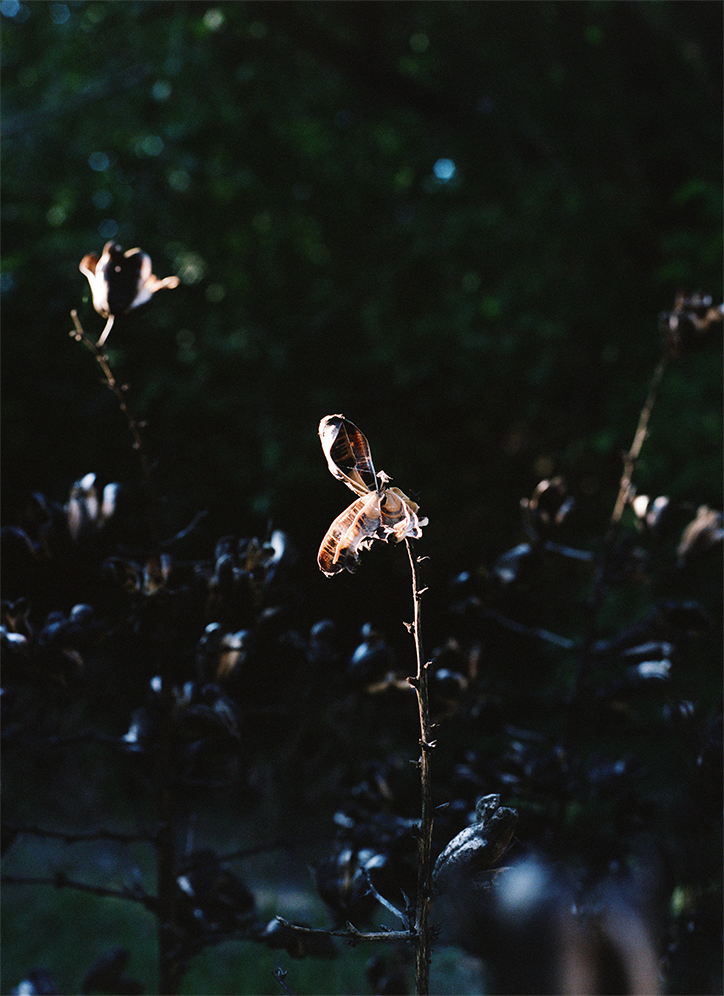
Louisa Stickelbruck: Seven bends in the river
Louisa Stickelbruck: Seven bends in the river
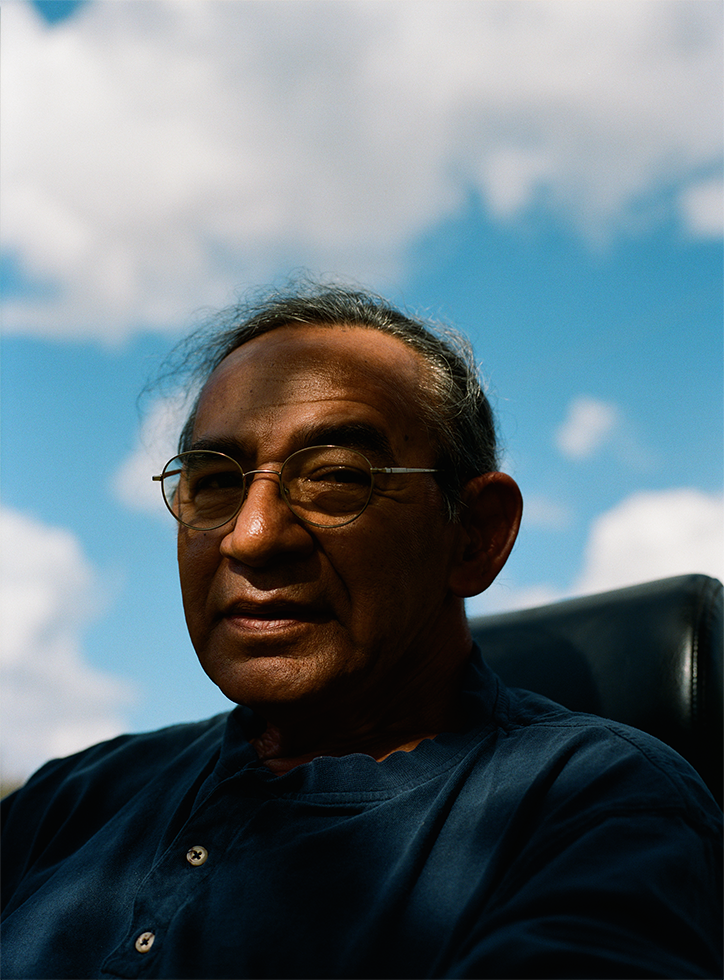
Louisa Stickelbruck: Seven bends in the river
It took her a while for Louisa to realise that the project was not going to be, indeed could not be, a “reportage about Native American culture”. Instead, the core of the project was, she realised, “the very conversation, the way my reality, my values and opinions met the reality of the Osage”. So, her own feelings – or as she puts it, “my doubts, my fears, my prejudices, my expectations and ideas” – became an important aspect of the project. “If I didn’t do that, they would influence my work subconsciously,” she says. “So I tried to address them and make them part of the project.”
The intimacy and openness visible in the photos also became problematic when it came to showing the series to other people. “I struggled with that transformation,” says Louisa. “I felt like I was turning something very personal into something accessible. The issue was not only to accept that I would need to make myself vulnerable, but to share what had been shared with me in what were, for me, personal conversations.”
Although all of her subjects were aware of the nature of her project, it still felt like a violation of their trust in some way. “I handled those worries by involving the Osages as much as possible in the process of making this project,” says Louisa. “If I was in doubt about something, I would ask them for an opinion. So I hope that in the end, the project is accessible to an audience unknown to the subject as much as it respects this line of confidentiality I sensed.” Each viewer will need to make their own judgment on that, but what’s clear is that Louisa’s approach is thoughtful, considerate, and arguably all too rare.
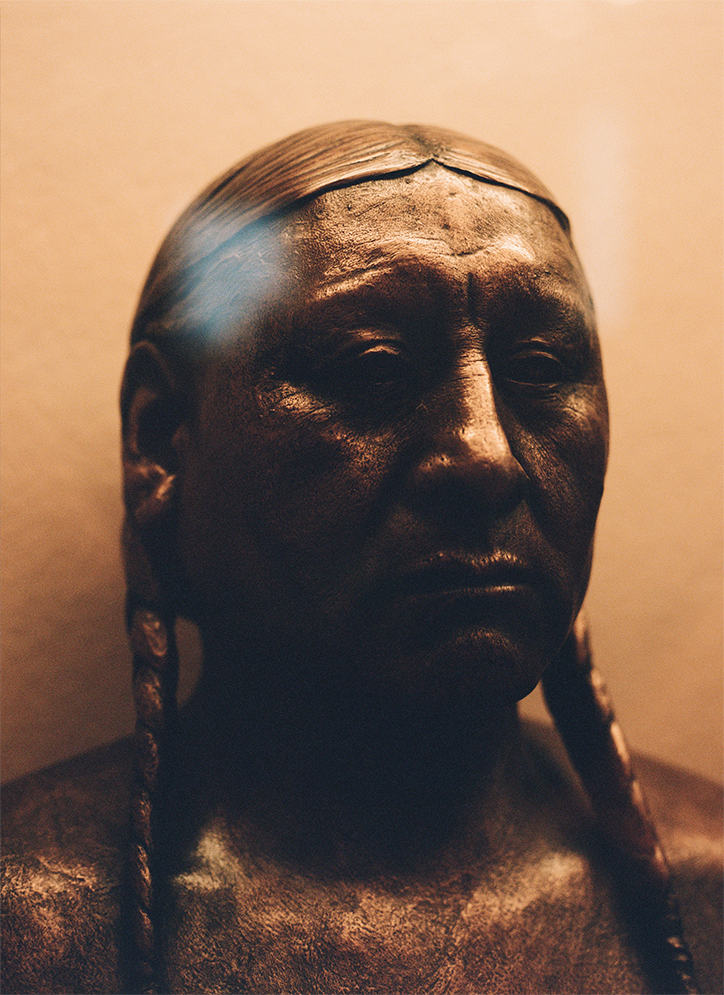
Louisa Stickelbruck: Seven bends in the river
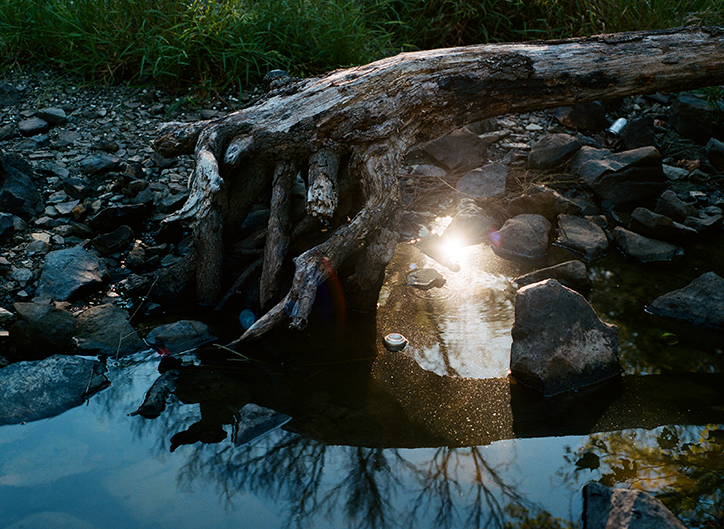
Louisa Stickelbruck: Seven bends in the river
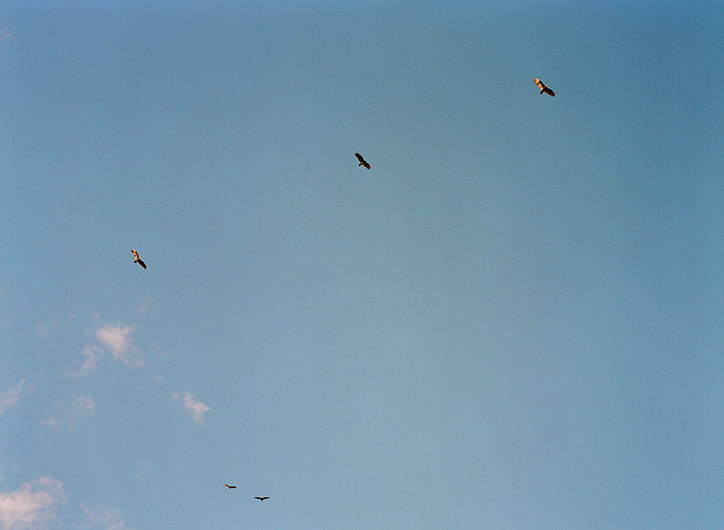
Louisa Stickelbruck: Seven bends in the river
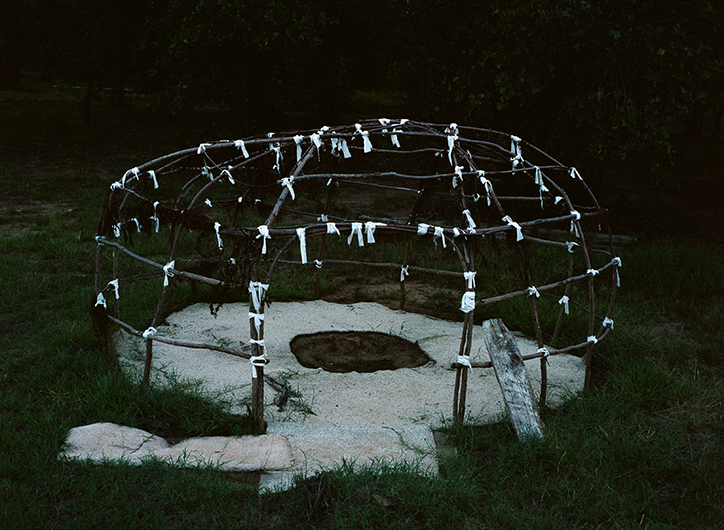
Louisa Stickelbruck: Seven bends in the river
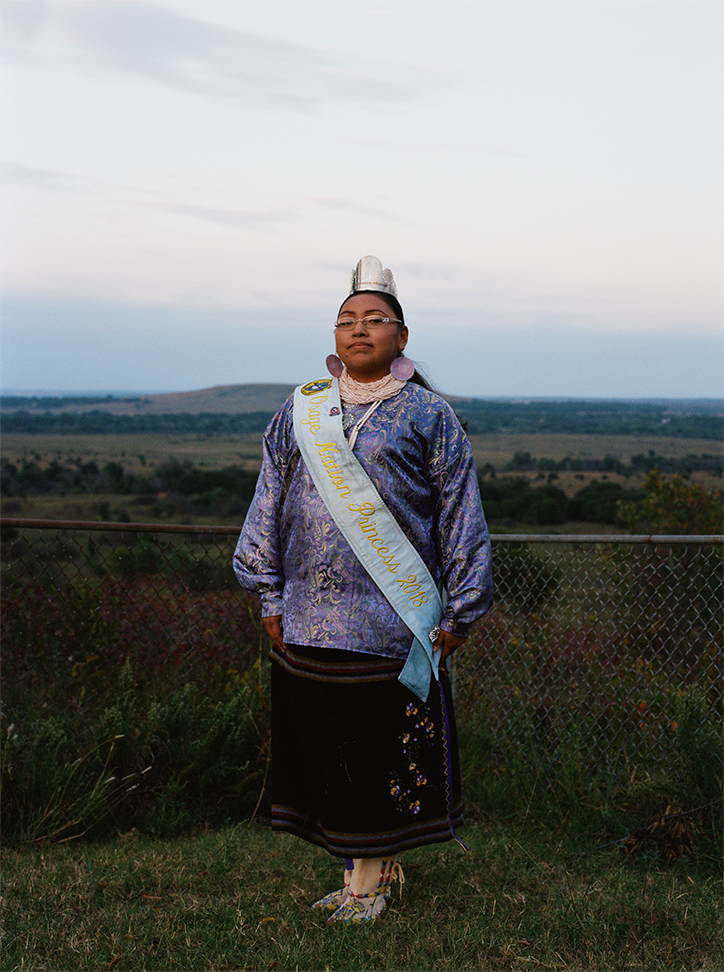
Louisa Stickelbruck: Seven bends in the river
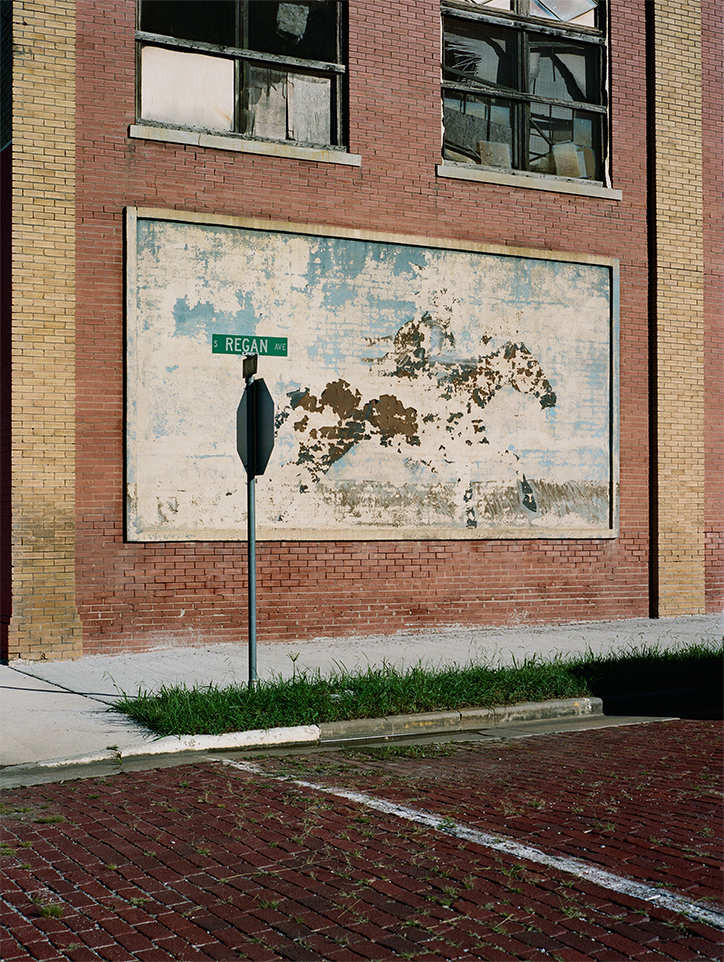
Louisa Stickelbruck: Seven bends in the river
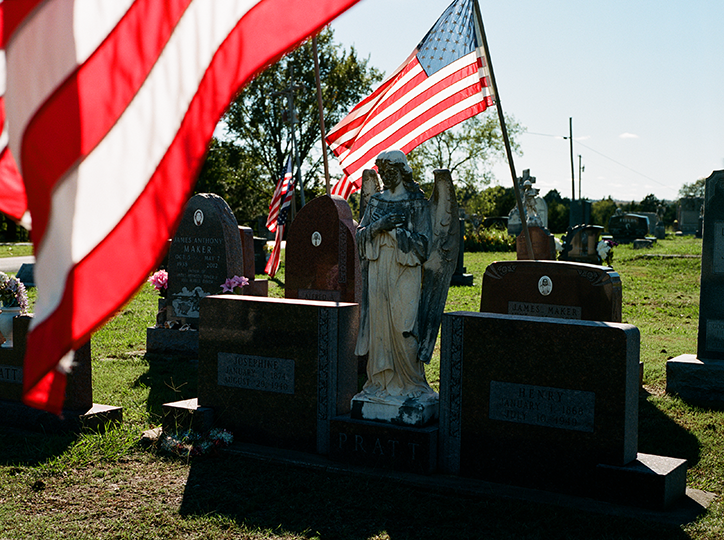
Louisa Stickelbruck: Seven bends in the river
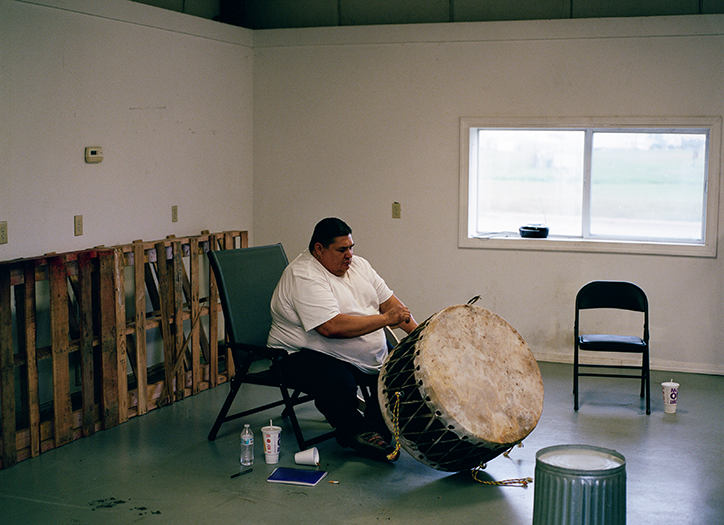
Louisa Stickelbruck: Seven bends in the river
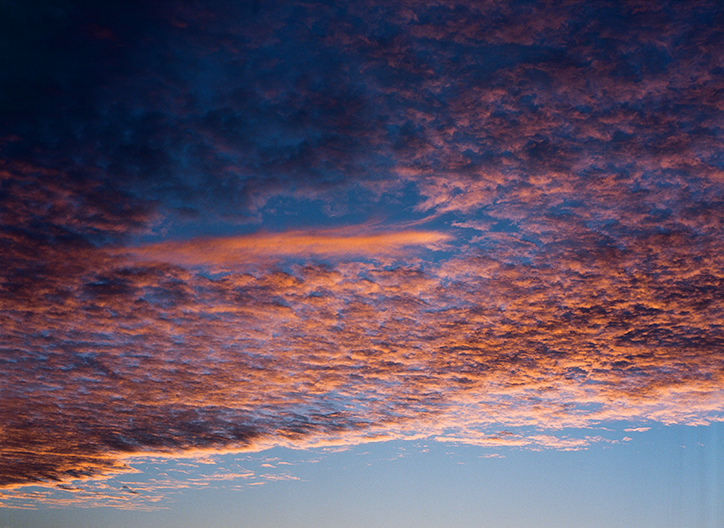
Louisa Stickelbruck: Seven bends in the river
Share Article
Further Info
About the Author
—
Matt joined It’s Nice That as editor in October 2018 and was editor-in-chief in September 2020–2024. He was previously executive editor at Monocle magazine. He is now a freelance writer and editor.