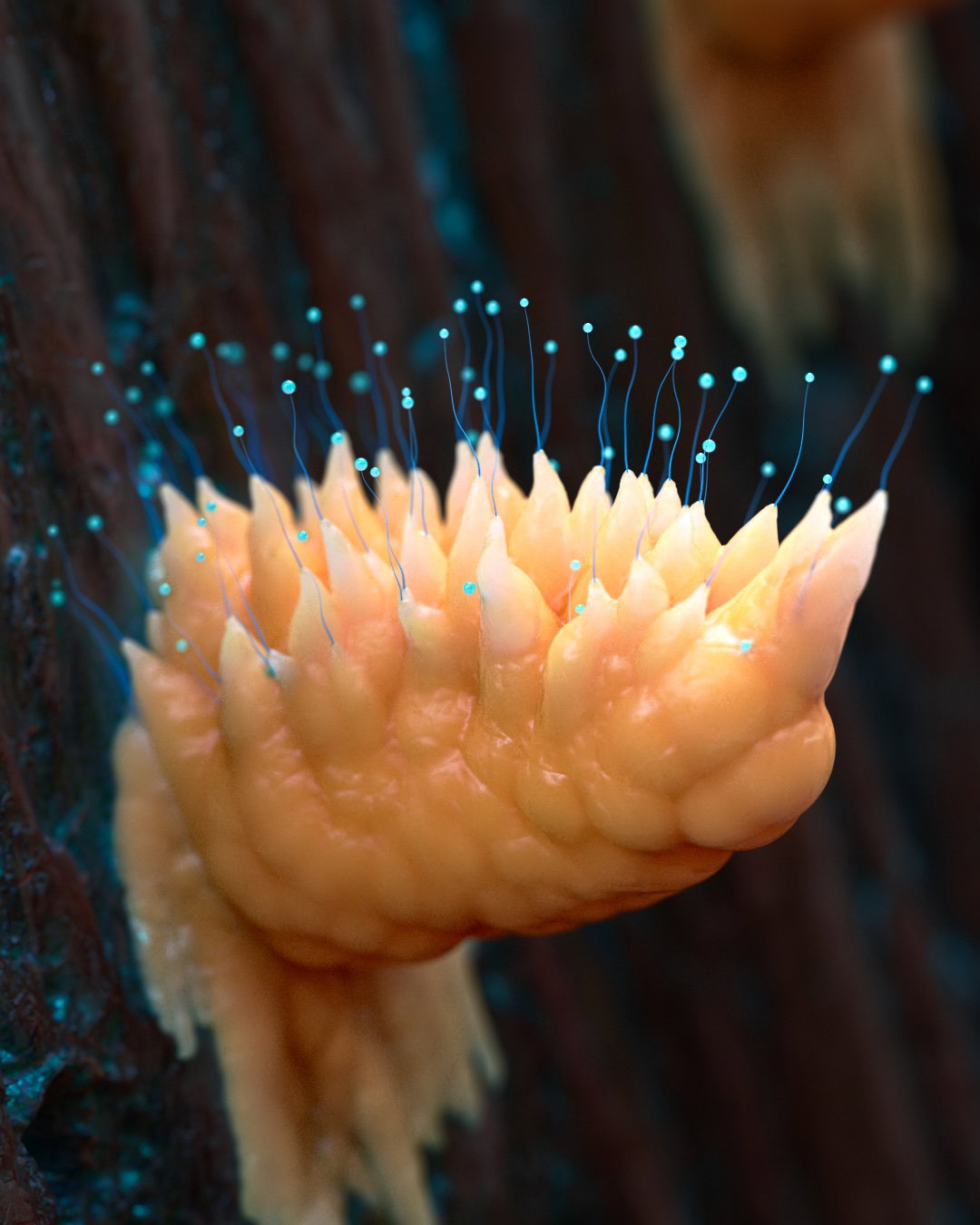
The first thing you should know about Luke Penry’s artworks is that they are not real. We repeat: they are not real. Despite their realism, pristine textures and (in some cases) believable structures, the fungi, florals and alien-looking plants are completely made up.
“All of my ideas I try to ground in science and evolution and I put my own spin on it,” Luke tells It’s Nice That. “I try very hard to never cross over into magical territory, and I think this keeps my work naturally consistent in its themes.” By treading this line between fantasy and reality, Luke is able to flit between scientific documentation and his own imagination. This is why, oftentimes, you’ll see a near-recognisable mushroom but, in signature Luke style, it’s been decorated in unfathomable colours and blobs. The idea to work this way arose around the age of 11, when he attended art class and learned how to oil paint. He was instantly drawn to nature as an art source and inspiration point, and resultantly produced two paintings – one of a bird feeding its baby, the other a forest lake scene.
Meanwhile, having grown up watching David Attenborough documentaries, playing video games and watching sci-fi, Luke developed an interest in the otherworldly – the incomprehensible and far-reaching. Speaking of why he focuses on the natural world specifically, he says: “I’m not exactly sure, because I’m not as outdoorsy as one would expect of a nature artist. But that’s not to say I don’t enjoy getting in and amongst it, I’ll take any opportunity to go camping or for a walk.”
Nature documentaries unsurprisingly play a key role in the development of his artworks. Before bed, he’ll often switch on a show as a means of relaxing and building creative inspiration. “If I think of something that could have potential, I will write it in my notes for the next day otherwise I will most likely forget it.” The genre also helps him to decipher the best techniques, tools or software needed to create his own desired aesthetic. “I work using many procedural and simulated techniques which means I don’t have 100 percent control over what the software produces,” he explains. To combat this, he makes sure to set a few parameters before utilising 3D Studio Max with Tyflow, Phoenix FD and Redshift as his software of choice.
Combing a mix of still and motion imagery, Luke’s creations are an absolute wonder to observe. Animations are his preferred method because, even though they take longer to create, he believes they’re far more engaging and fun to watch. “When I’m finished, I feel a much greater sense of achievement,” he says. One of his latest pieces is a fictional animation called Drool-Cap Mushroom, a “seamlessly looping liquid simulation” that sees a goo-like substance dripping off a luminous green fungi. Although recognisable in shape, the neon tones of the mushroom and melting substance assures you that it’s not real – even if you might think so at first. “I try to inject a little comedy into some of them, so I hope people at least get a laugh," says Luke. "Otherwise, I hope it just gives them an appreciation for the natural world. The stuff I produce, although it doesn’t exist, is far less weird and wonderful than things that actually do exist.”
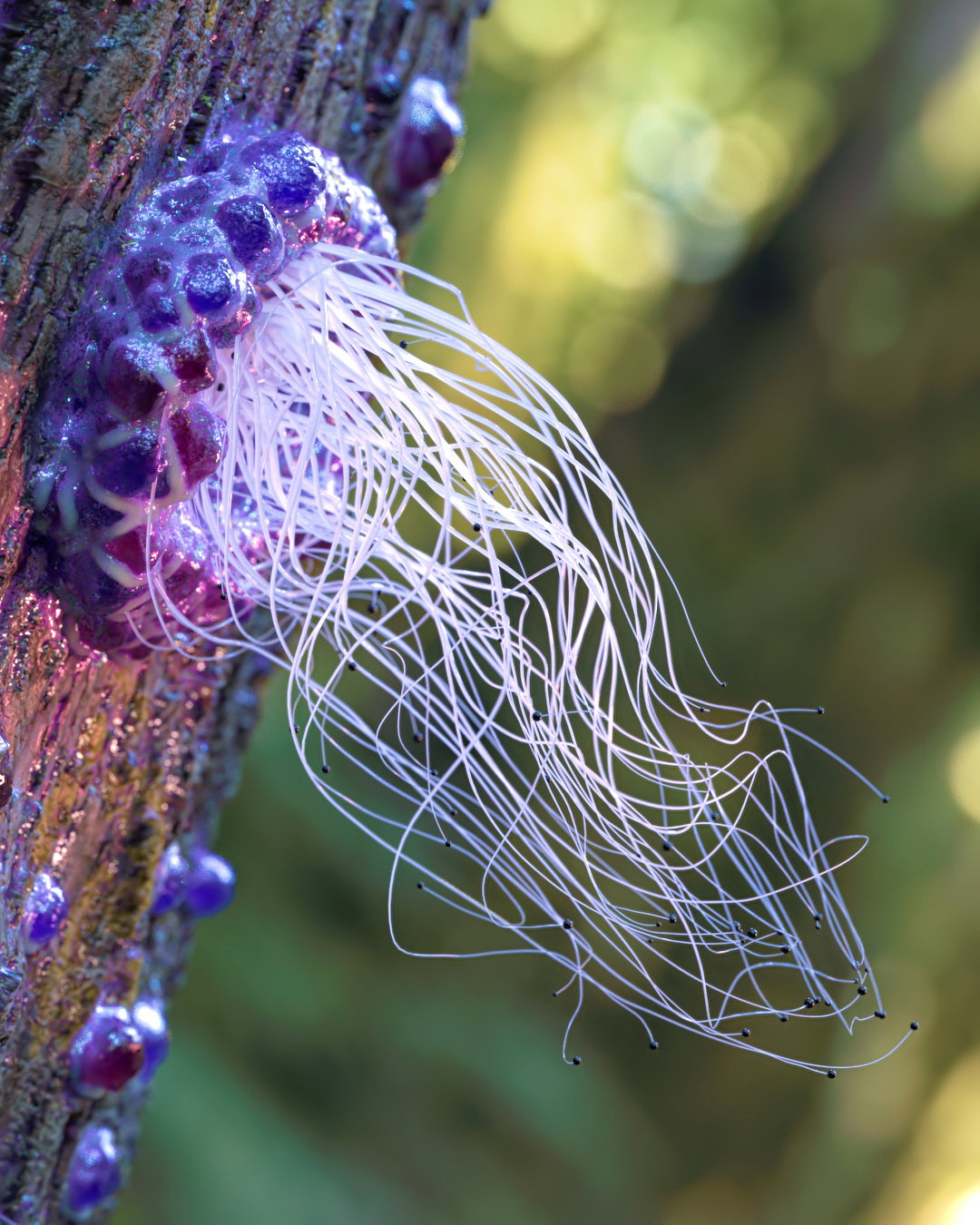
Luke Penry: Fungus (Copyright © Luke Penry, 2022)
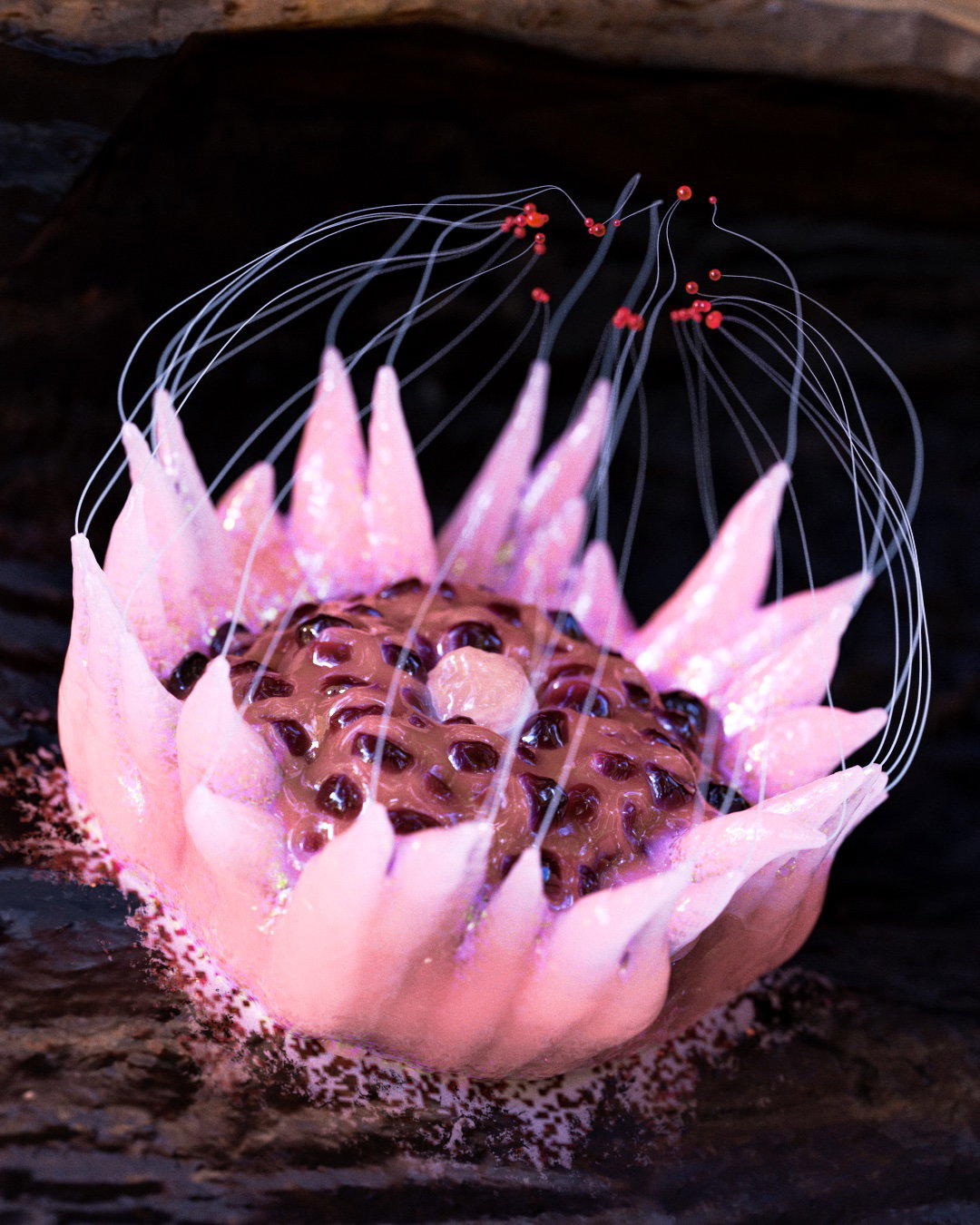
Luke Penry: Fungus (Copyright © Luke Penry, 2022)
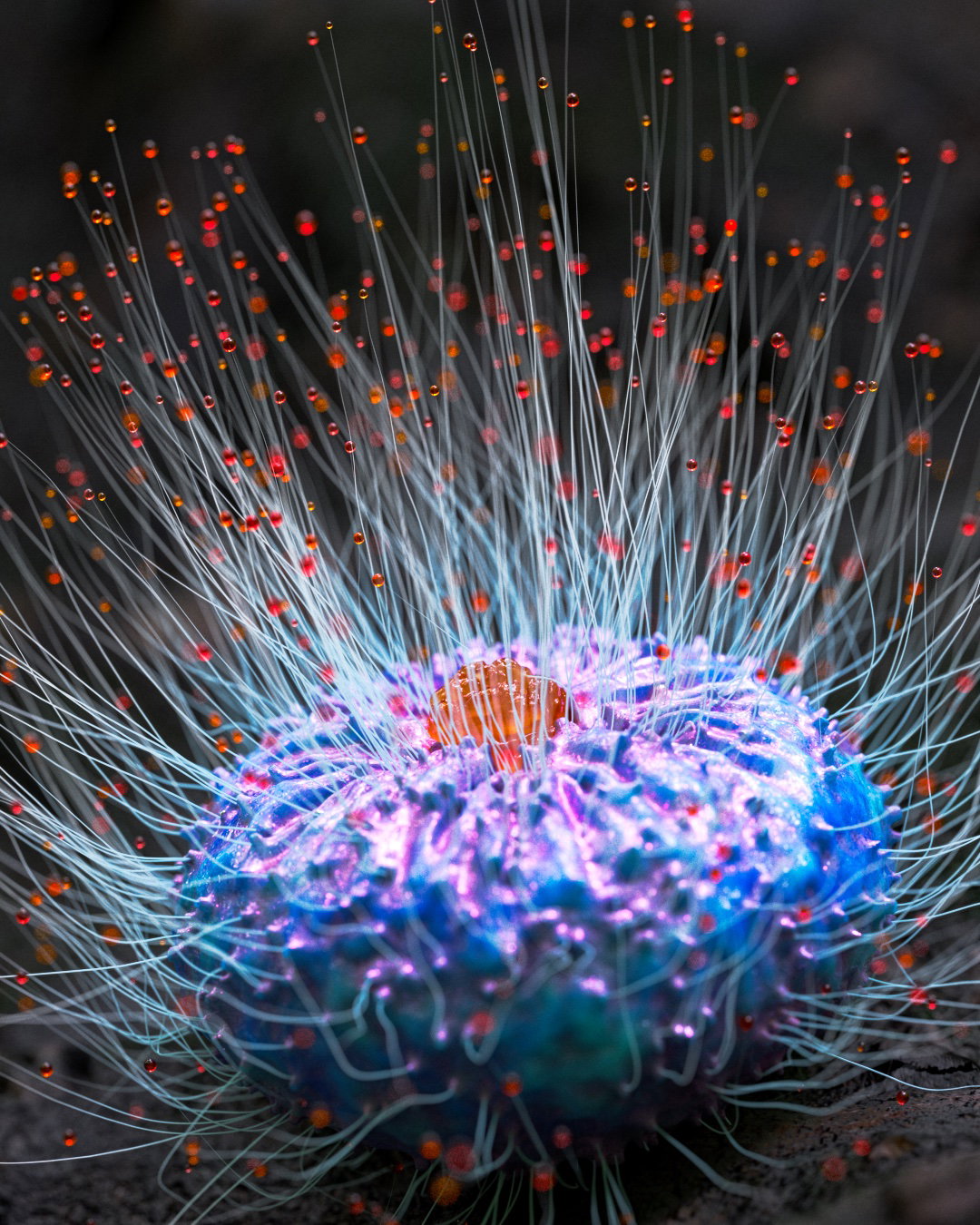
Luke Penry: Fungus (Copyright © Luke Penry, 2022)
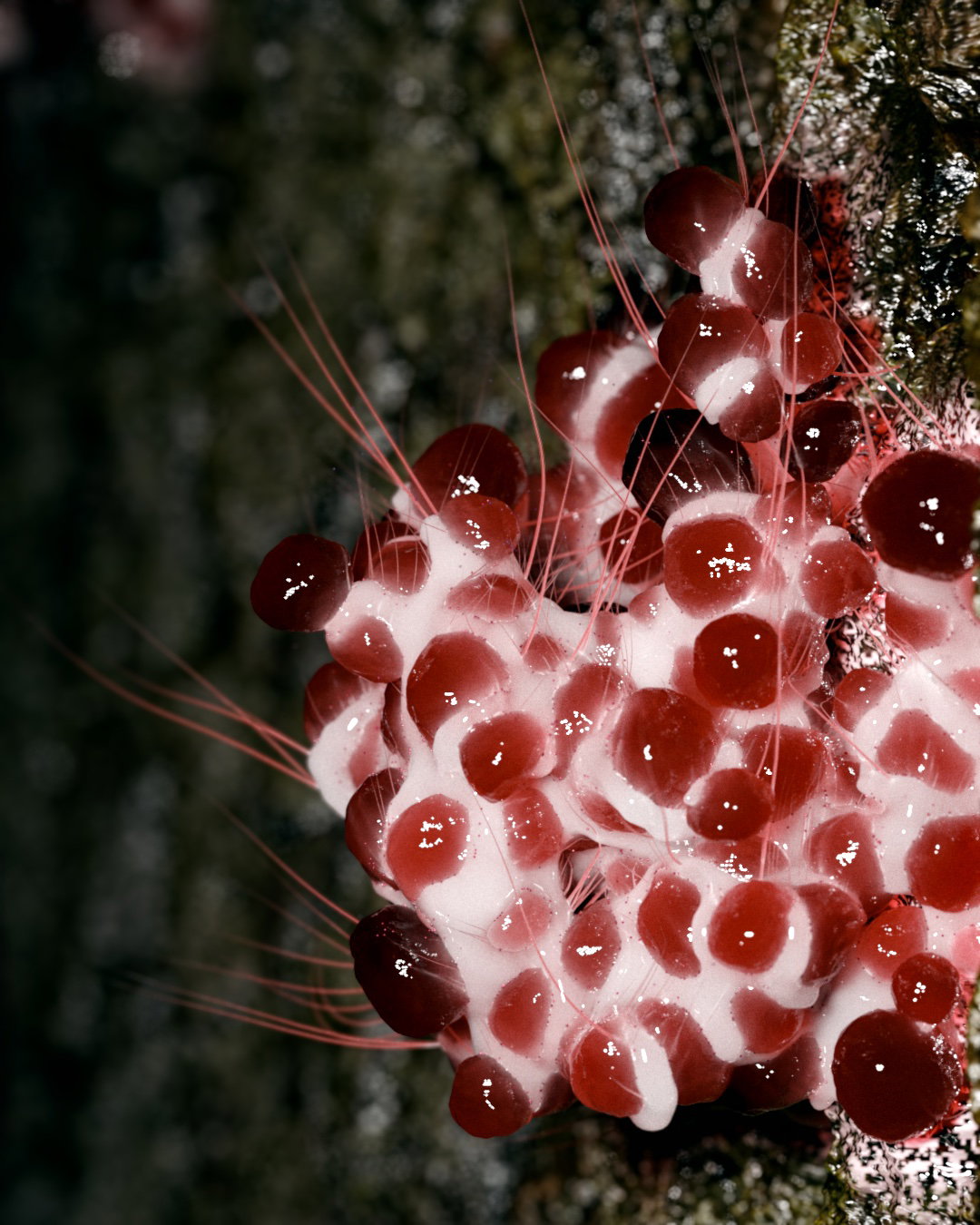
Luke Penry: Fungus (Copyright © Luke Penry, 2022)
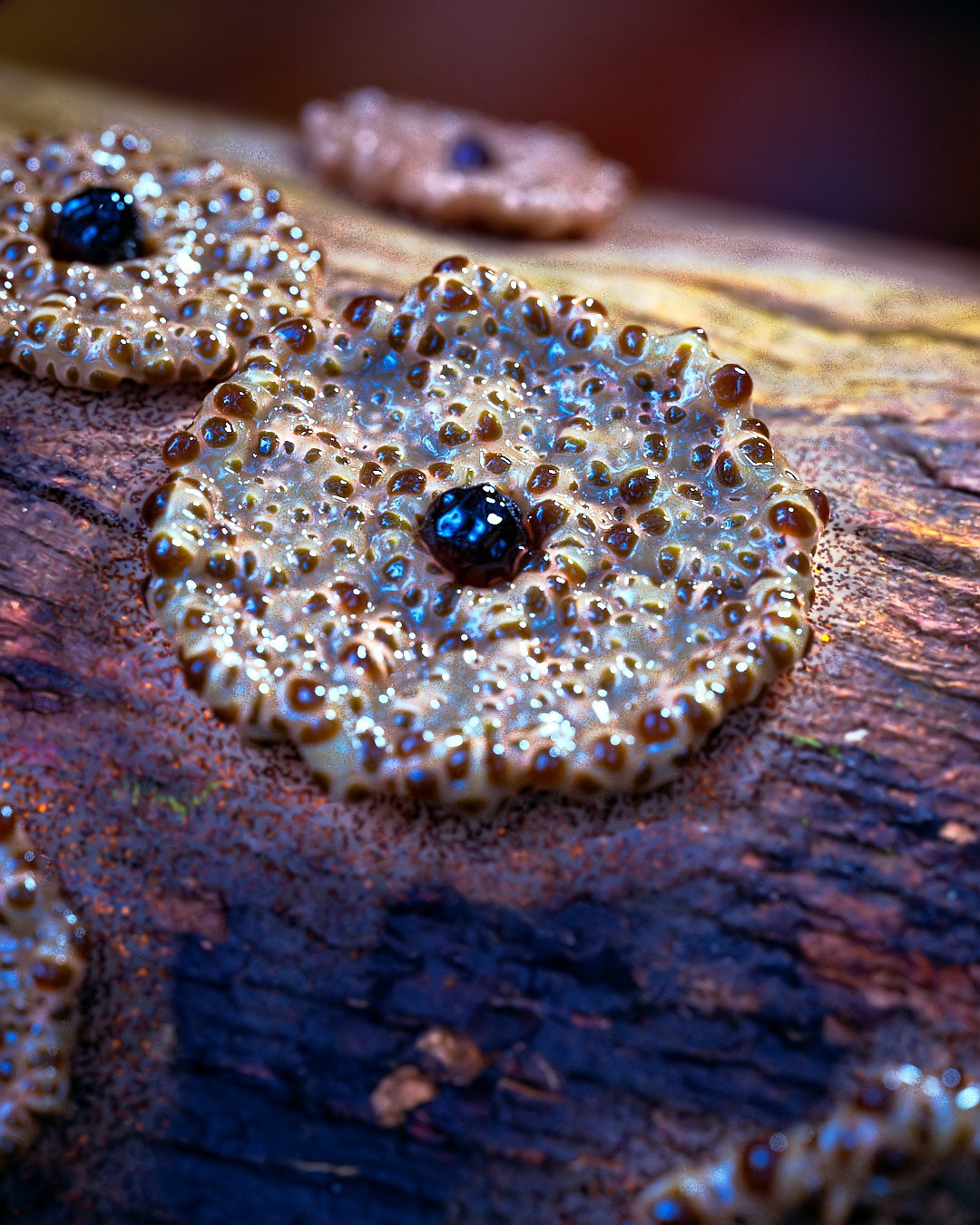
Luke Penry: Fungus (Copyright © Luke Penry, 2022)
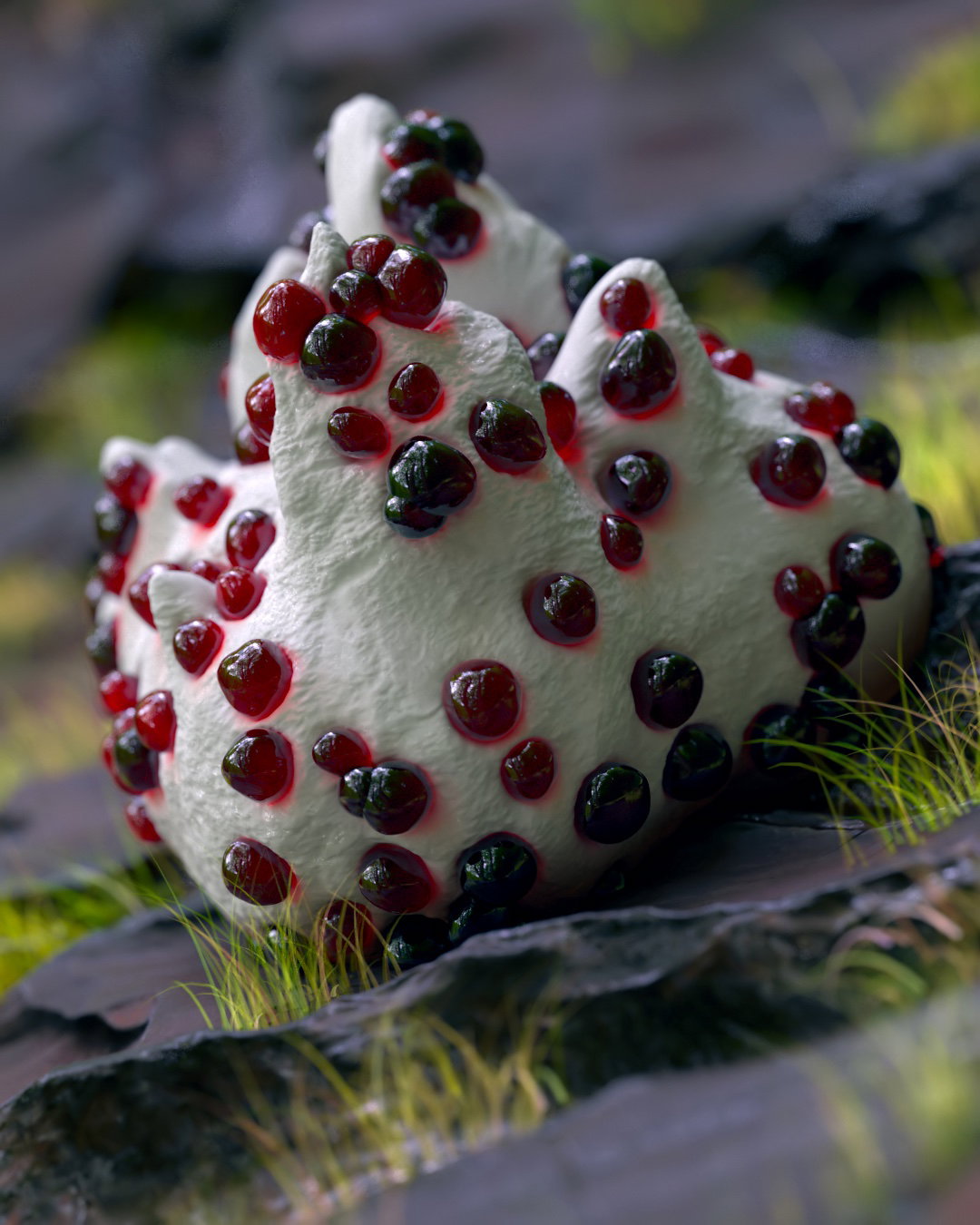
Luke Penry: Fungus (Copyright © Luke Penry, 2022)
Hero Header
Luke Penry: Fungus (Copyright © Luke Penry, 2022)
Share Article
About the Author
—
Ayla is a London-based freelance writer, editor and consultant specialising in art, photography, design and culture. After joining It’s Nice That in 2017 as editorial assistant, she was interim online editor in 2022/2023 and continues to work with us on a freelance basis. She has written for i-D, Dazed, AnOther, WePresent, Port, Elephant and more, and she is also the managing editor of design magazine Anima.