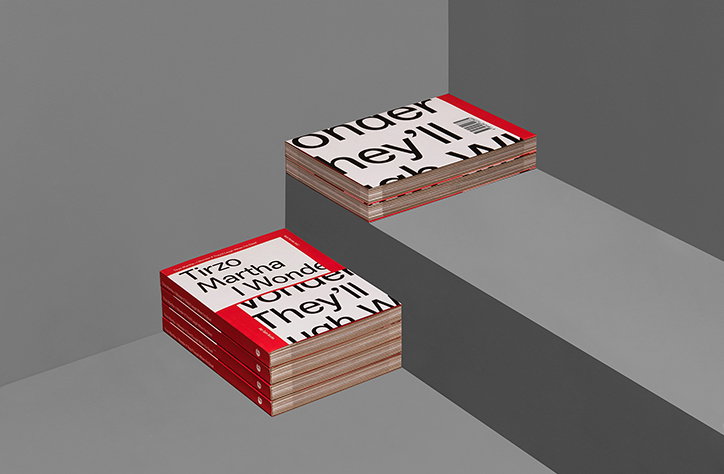
Mainstudio's publications merge conceptual art, architecture and graphic design
Based in Amsterdam, Edwin van Gelder, aka Mainstudio, boasts a portfolio packed with satisfyingly slick books exploring the intersections of art and architecture. Edwin’s designs are characterised by a strict editorial approach, placing typography, grids and systems at the forefront.
“I’m mostly influenced by architecture and conceptual art from the 60s and 70s,” Edwin tells It’s Nice That. “I see a lot of similarities in these two fields in relation to graphic design. For example, the pass-through of a building in architecture or Sol LeWitt’s Straight Lines in Four Directions & All Their Possible Combinations.” From his initial ideation process all the way through to the actual making, Edwin establishes parameters in which he can experiment and find form–fitting solutions for every concept.
When working on Caribbean artist Tirzo Martha’s first monograph, I Wonder If They’ll Laugh When I’m Dead, Edwin began by printing out the sculptor’s complete archive, categorising it in sequences of each project. It was after visiting Tirzo’s exhibition All You Can Art at the Kunsthal in Rotterdam, however, that Edwin discovered “you can literally view Tirzo’s work from different sides because of the possibility of walking around it.” This creates a specific interaction between the viewer and the work: from a distance, you see a busy scene and a lot going on which prompts you to move closer. From here you discover details and nuances not possible from further away. “I discovered I was looking at his work the same way I do when analysing a building. In architecture it is common to start with an overview of the building then a total shot, a side view, the inside and lastly a detail of, for example, a facade,” Edwin explains.
To replicate this interaction through the printed page, the works are presented in a sequence that unfolds in scale from “overwhelming, to fine detail.” Running throughout the entire book is a margin that snakes around the images and runs along the top of the pages, always connected. “The margins as a concept refer to the paths of walking through an exhibition,” Edwin says, at the same time creating an “information path” of page numbers and photo captions.
In order to further translate Tirzo’s three–dimensional work into two–dimensional form, Edwin interspersed a series of essays from eleven curators and art historians. The essays, reflecting on Tirzo’s work, are structured in sections of four, eight, 12 or 16 and printed on a recycled brown paper to introduce a tactility and mirror the colour of wood Tirzo uses.
This purposeful, considered approach can be seen across Edwin’s editorial design in which he constantly coverts solutions into grids using self–constructed systems. For example in Above Rotterdam, he took artist Ellen Kooi’s highly constructed visual scenarios set at the top of B’Tower in Rotterdam and turned them into an adept photo–book. With images printed on thin paper to imitate filmstrip on a Lightbox and fictional narratives reverse–printed silver on black paper the book has an almost ghostly atmosphere altogether fitting of Ellen’s strange series.
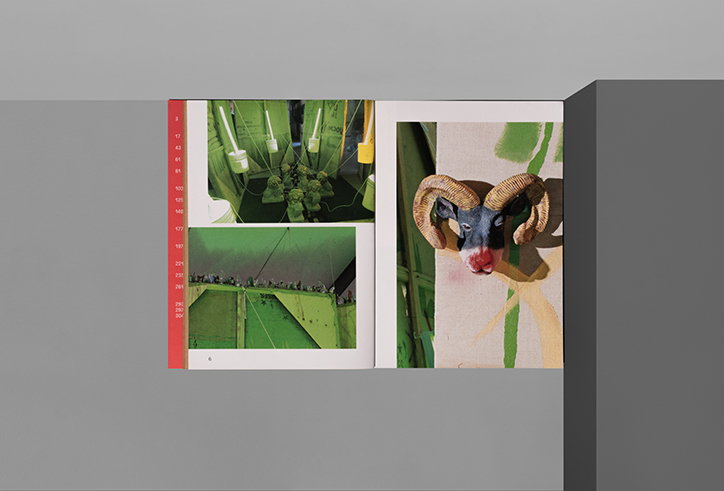
Mainstudio: Tirzo Martha, I Wonder If They’ll Laugh When I’m Dead
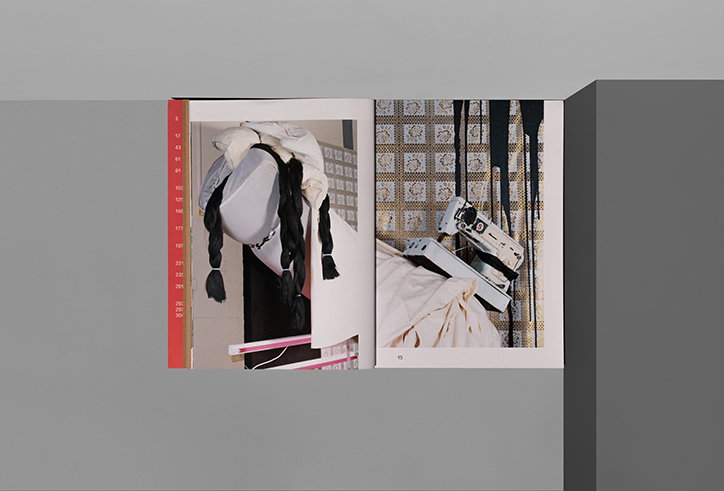
Mainstudio: Tirzo Martha, I Wonder If They’ll Laugh When I’m Dead
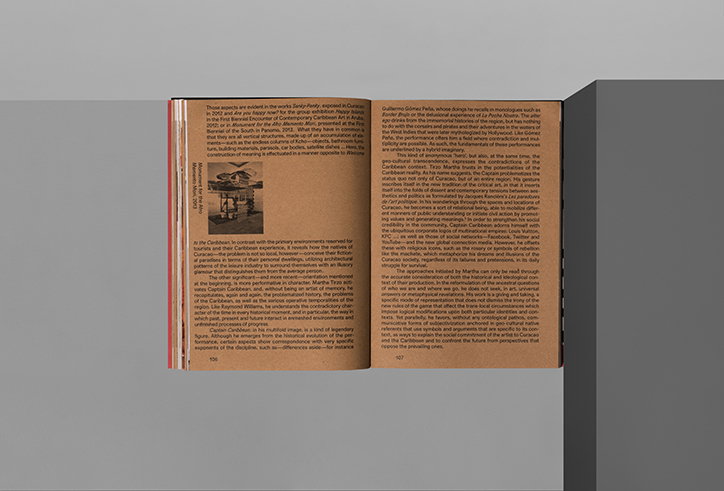
Mainstudio: Tirzo Martha, I Wonder If They’ll Laugh When I’m Dead
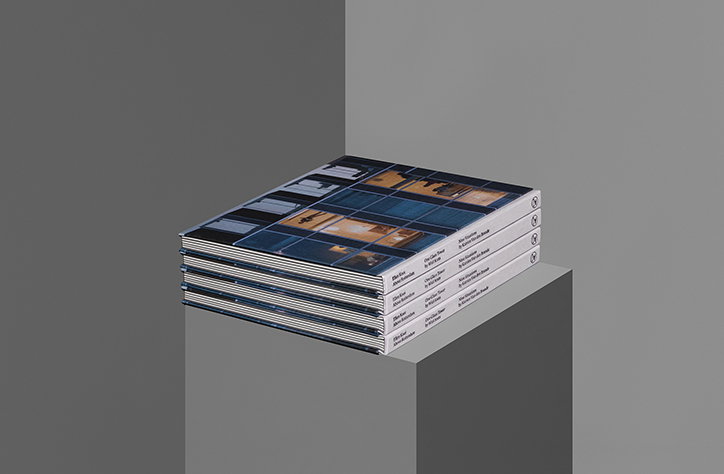
Mainstudio: Ellen Kooi, Above Rotterdam
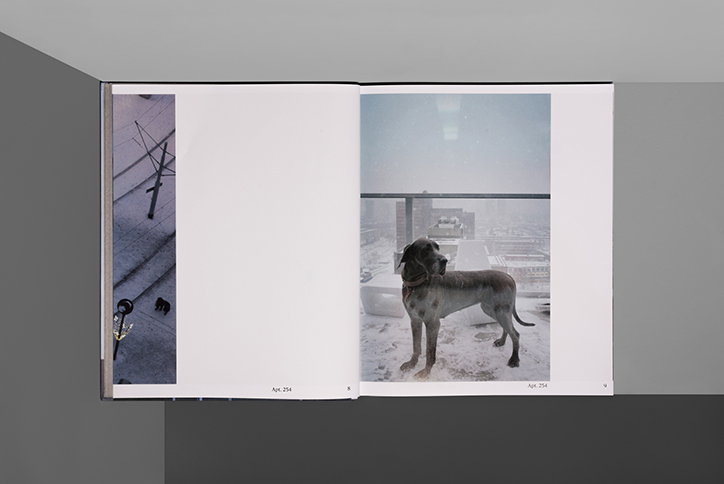
Mainstudio: Ellen Kooi, Above Rotterdam
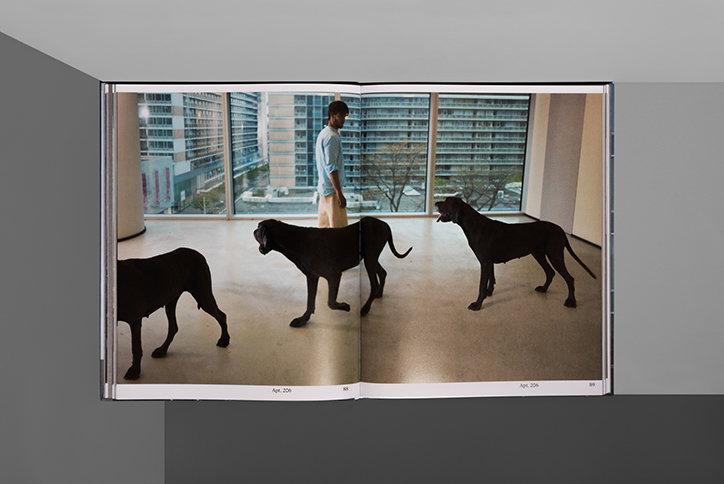
Mainstudio: Ellen Kooi, Above Rotterdam
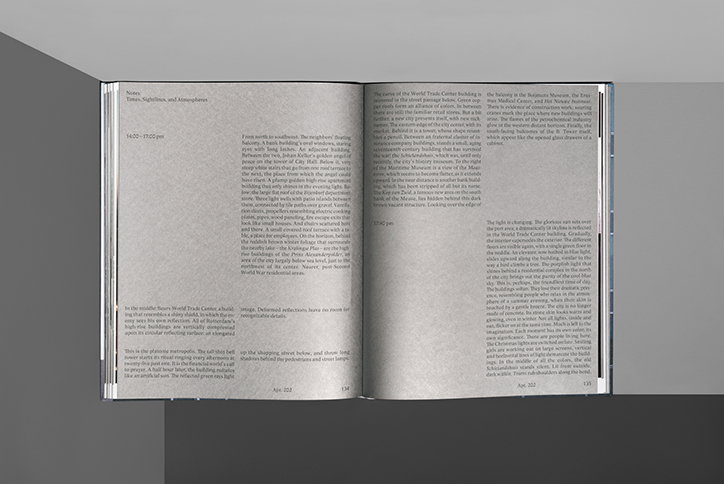
Mainstudio: Ellen Kooi, Above Rotterdam
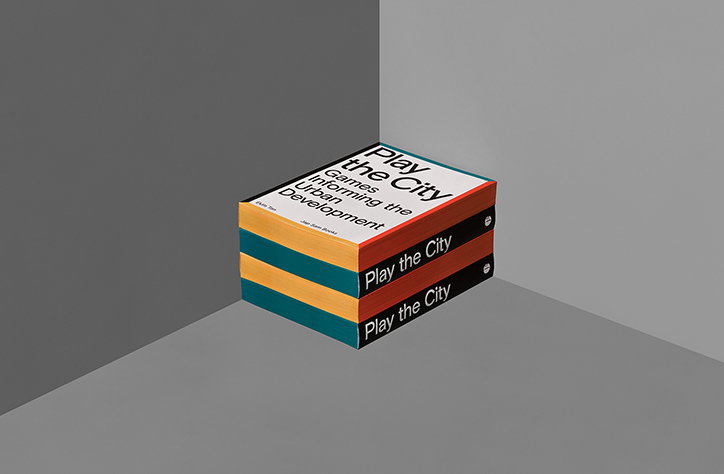
Mainstudio: Ekim Tan, Play the City
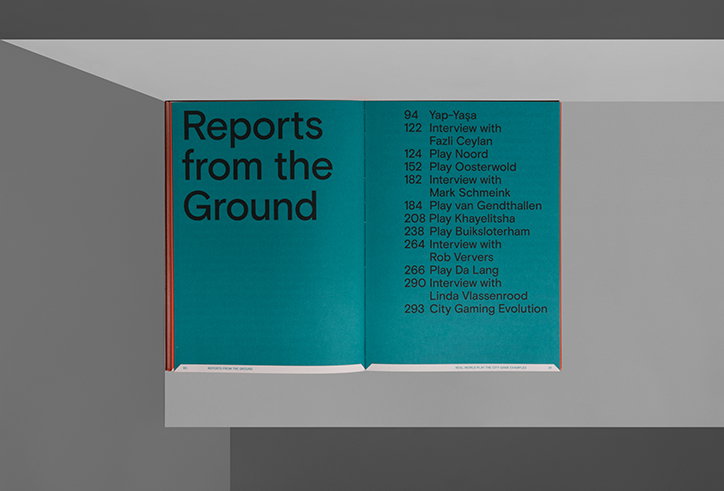
Mainstudio: Ekim Tan, Play the City
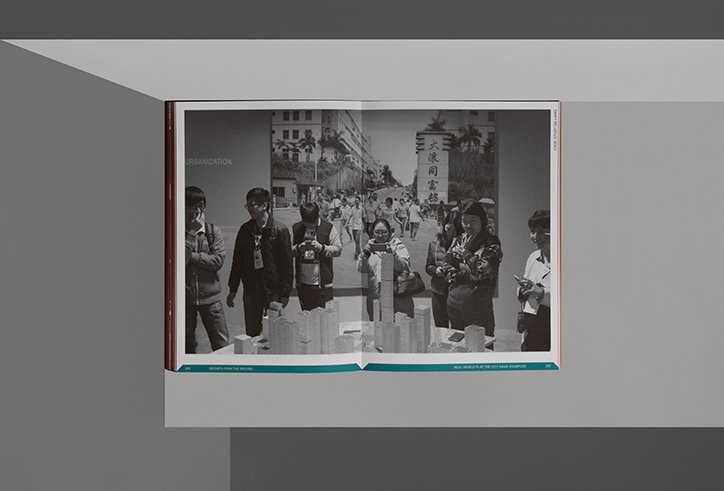
Mainstudio: Ekim Tan, Play the City
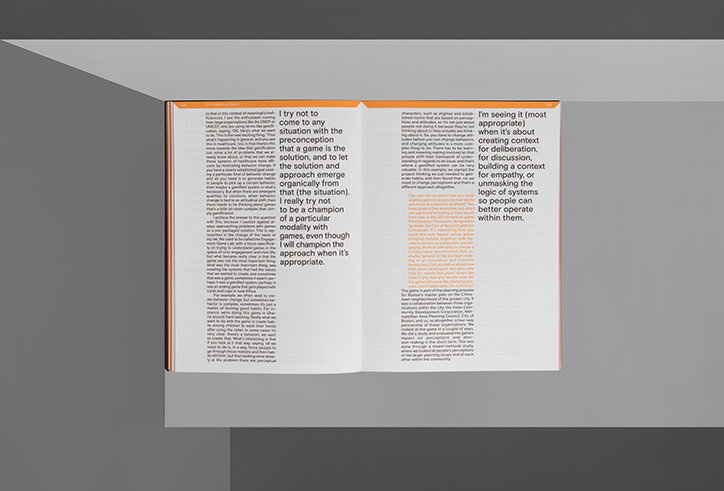
Mainstudio: Ekim Tan, Play the City
Share Article
Further Info
About the Author
—
Ruby is Senior Creative at It's Nice That, overseeing our visual output across platforms and projects. Before that, she was associate editor on the editorial team, after joining in September 2017 following graduation from Central Saint Martins.