


Can scientific research be beautiful? Inside Marianne Tricot’s tactile book of drawings from the Quebec forest
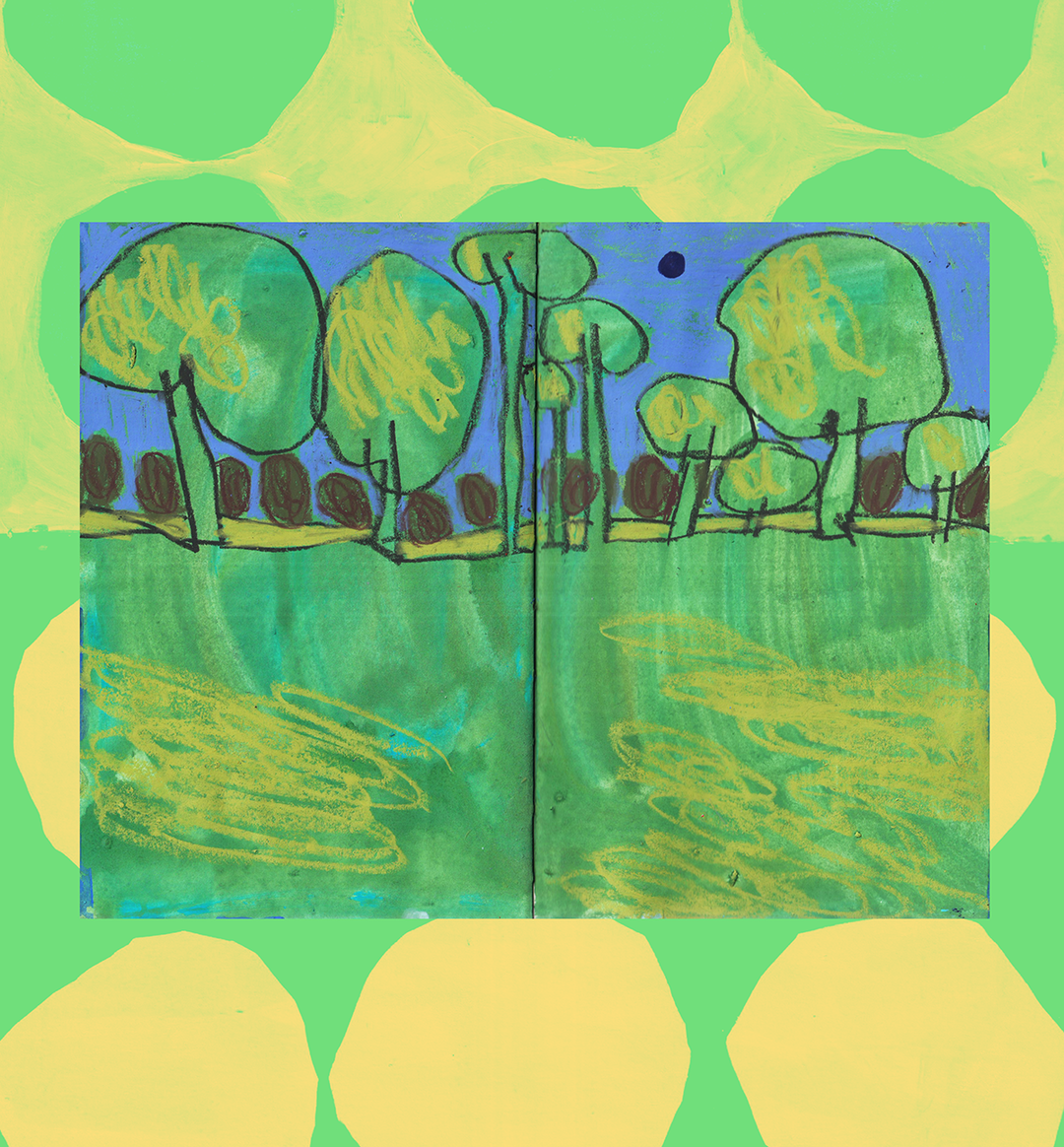
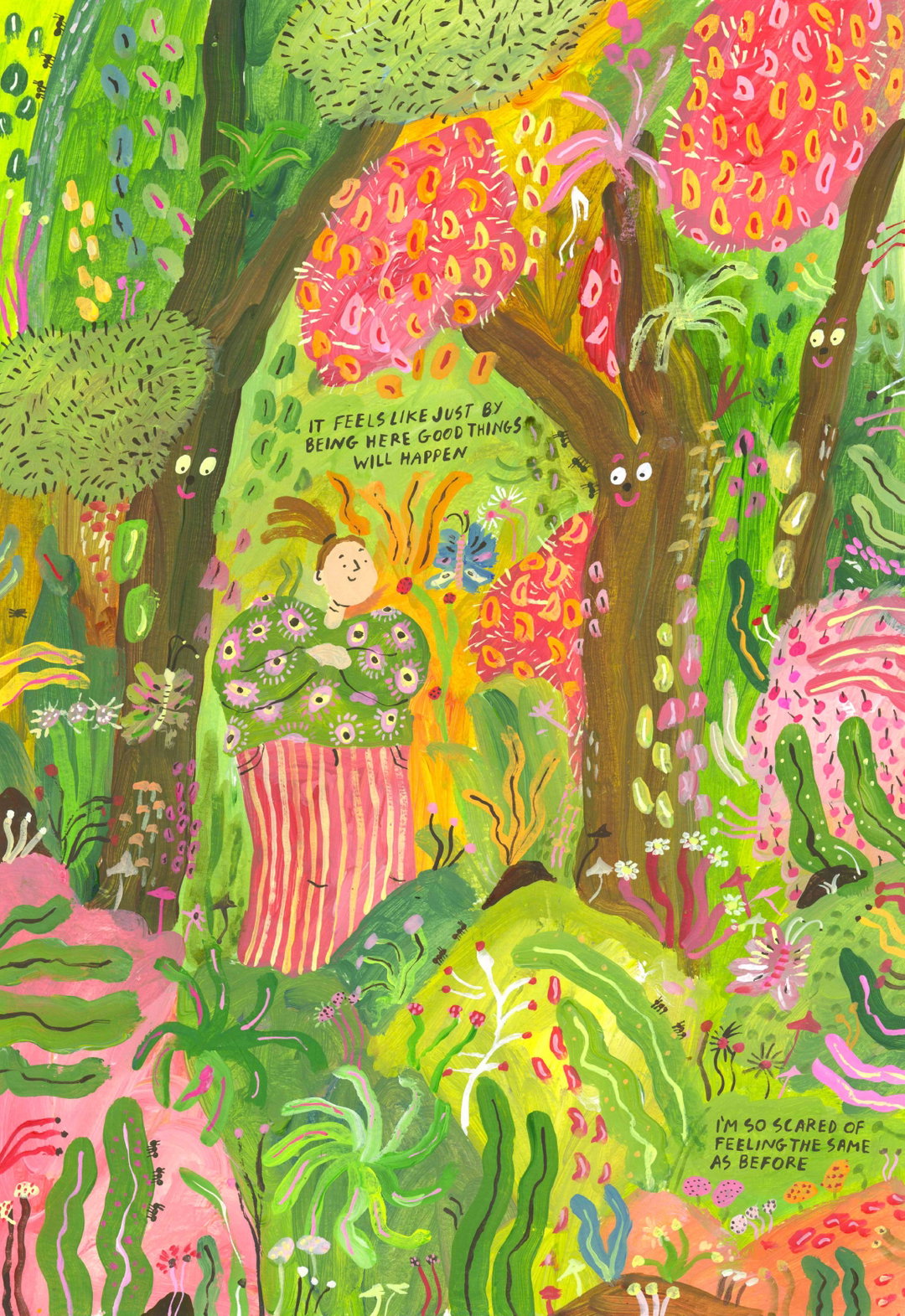
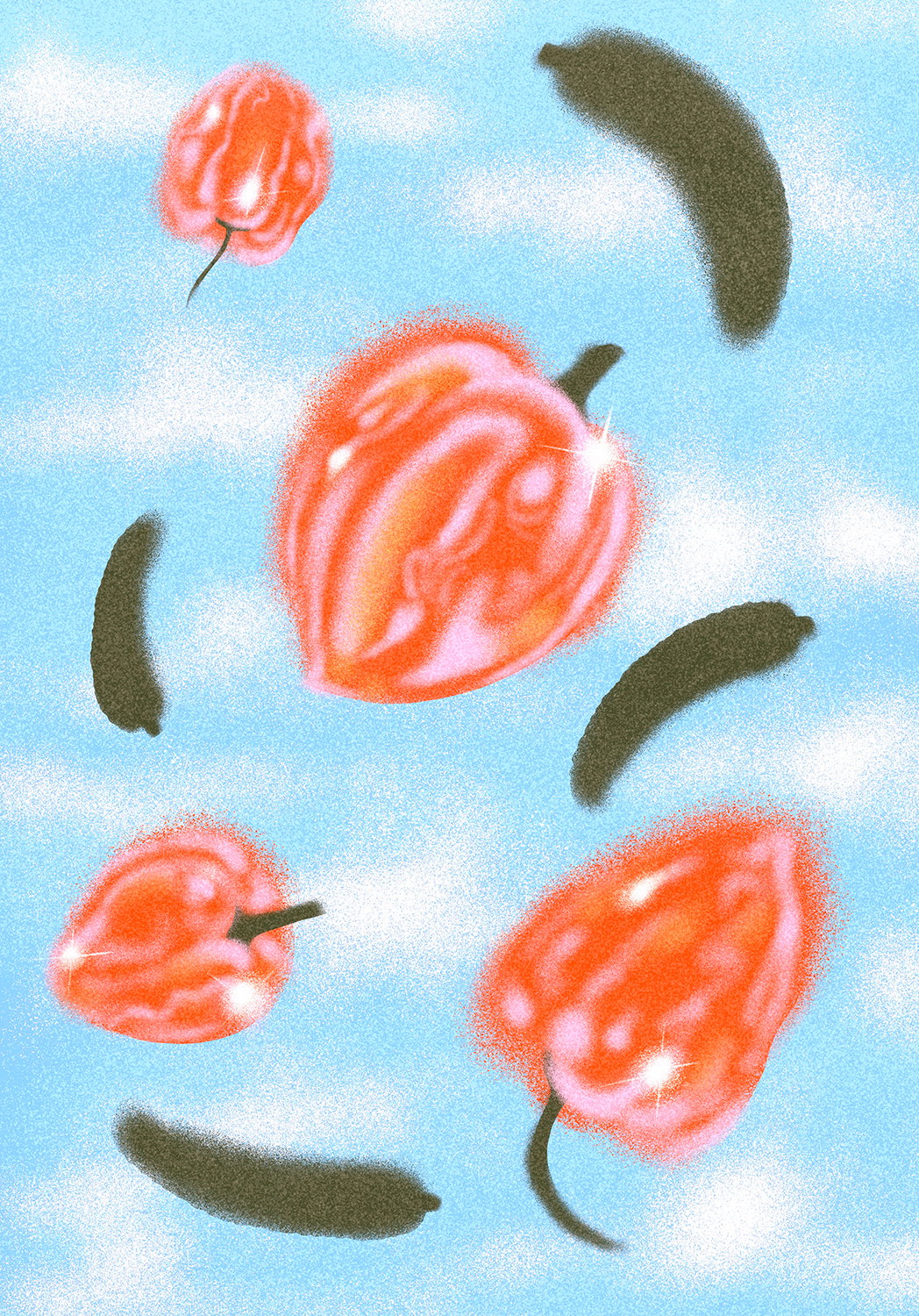
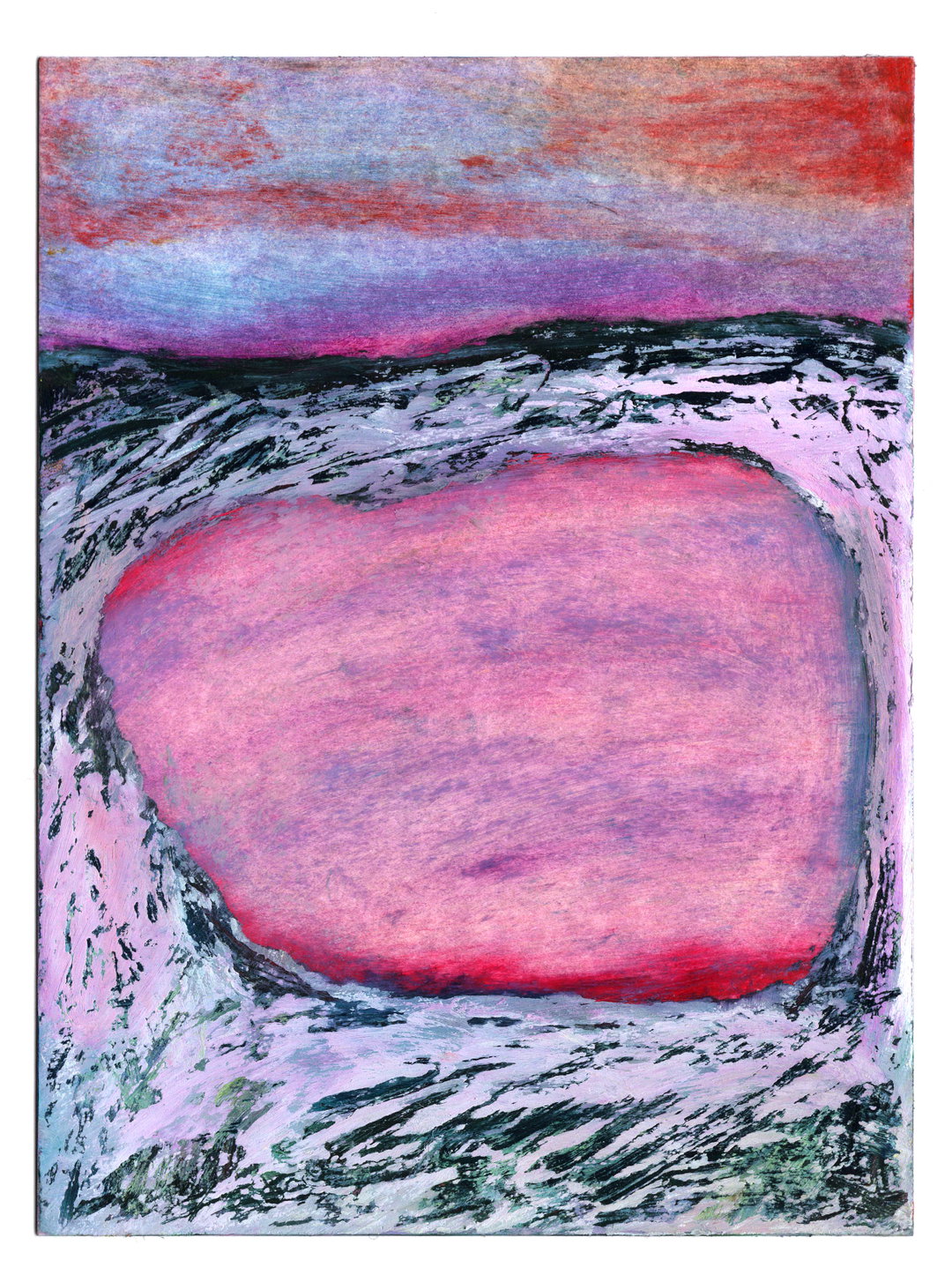
For Petit Bois, the artist combined oil pastels and collage to capture the personal and poetic experience of exploring the forest.
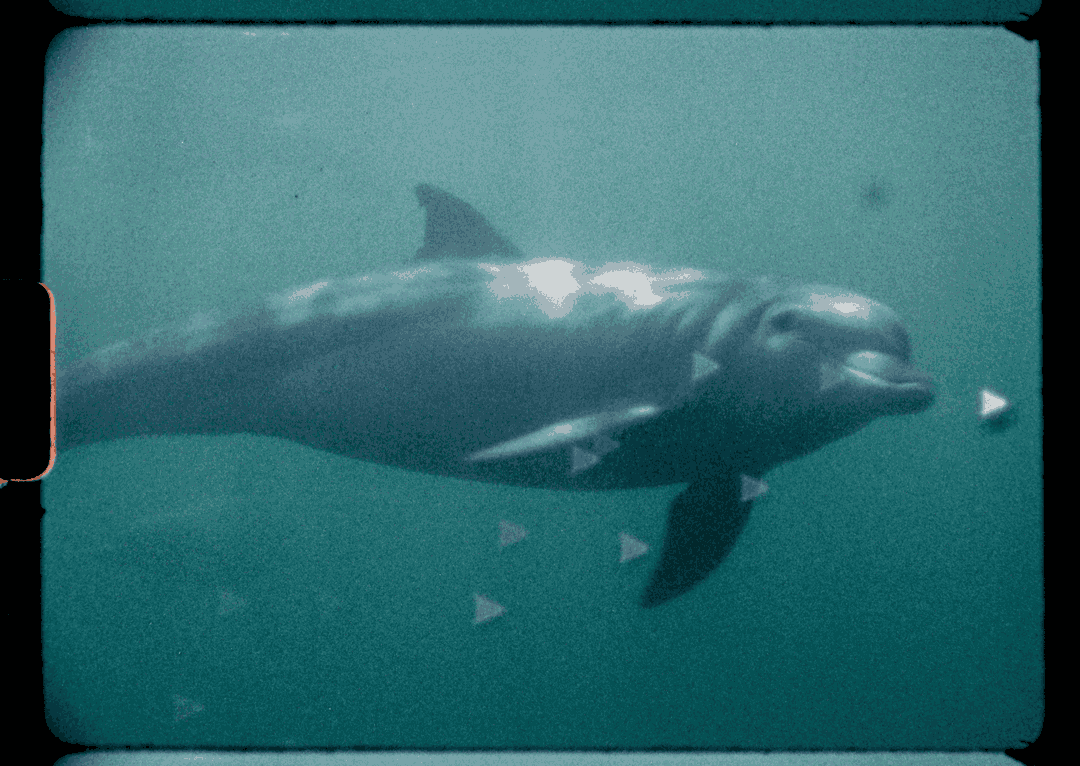
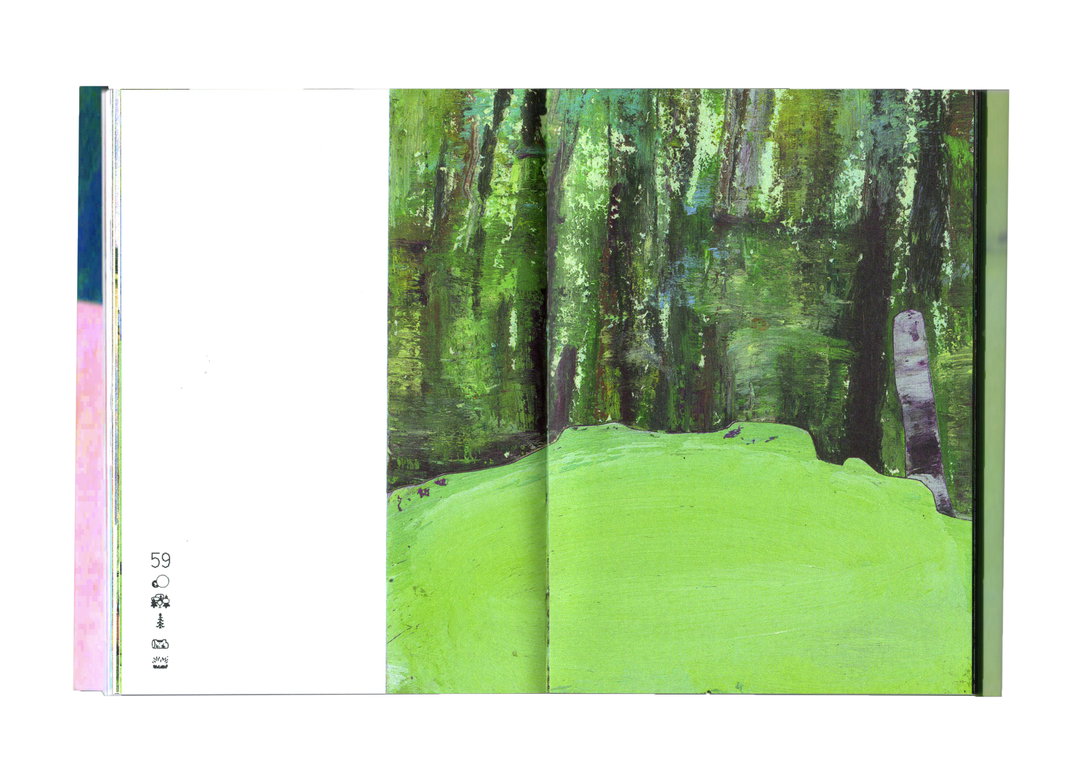
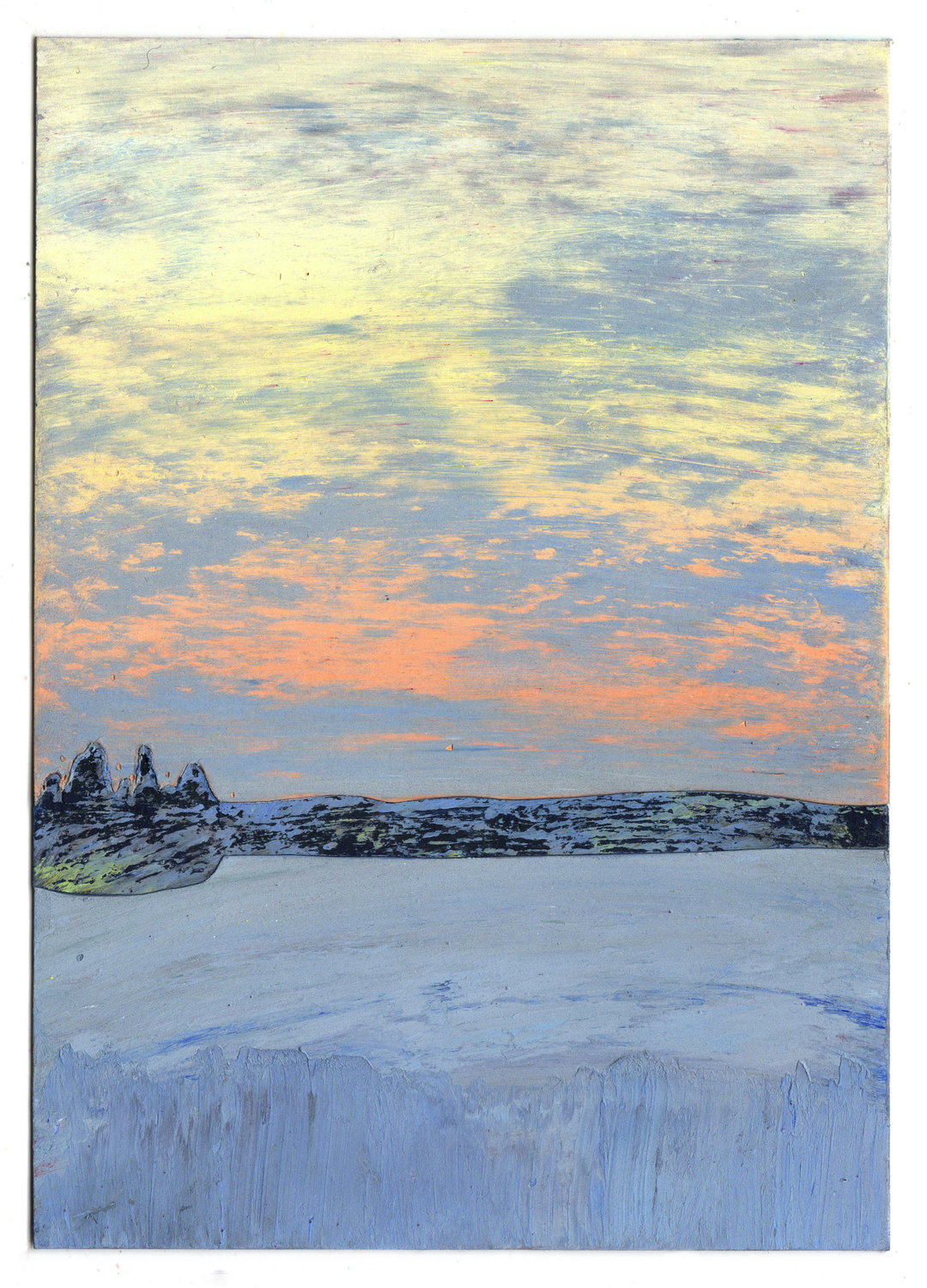
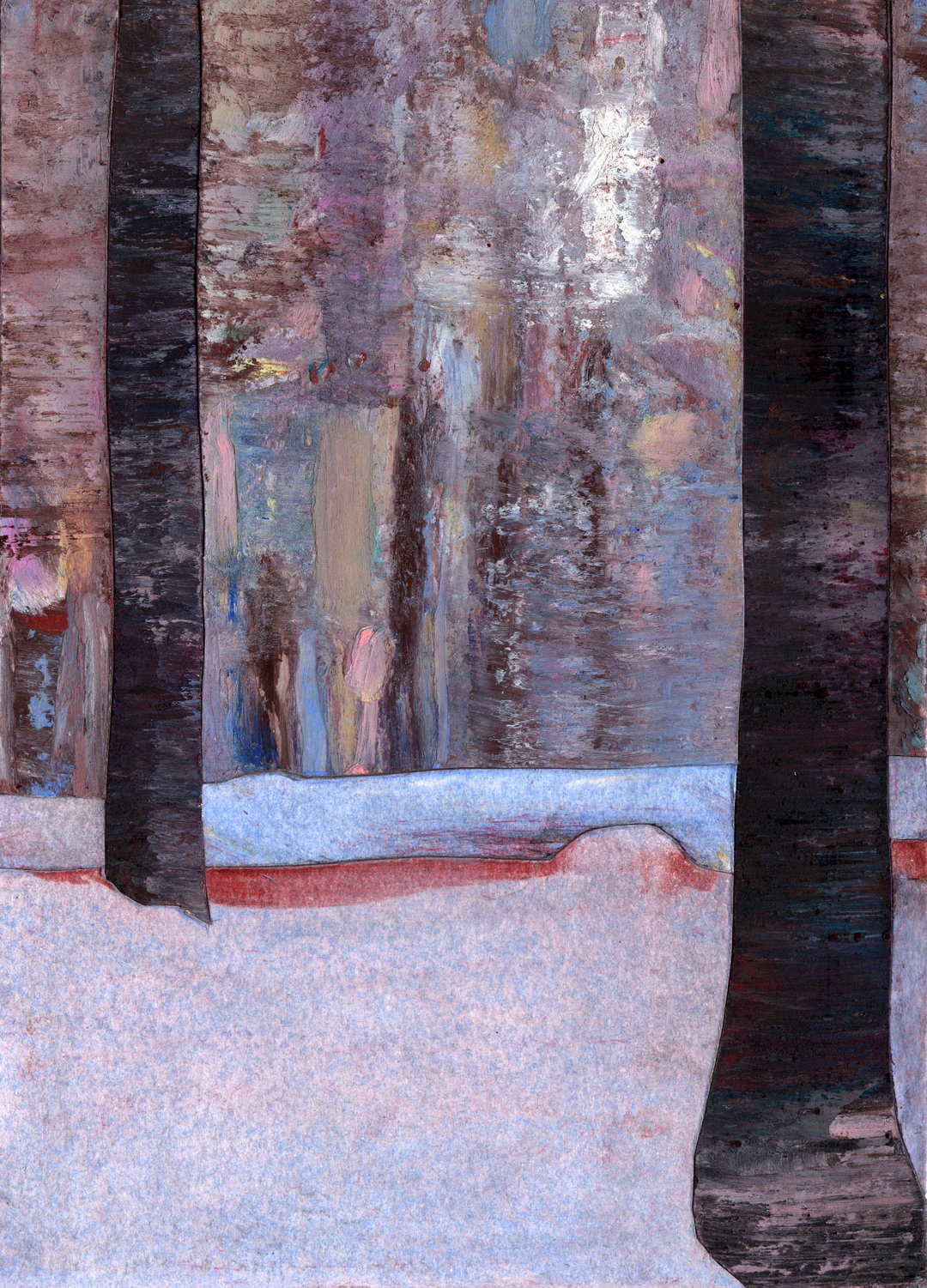
The forest holds many stories – in the rings of its trees, deep in the soil, or through oral histories passed down by generations of those that have lived on the land. In 2024, Marianne Tricot was awarded two month-long residencies at a research station deep in the forests of Quebec, first in winter and then again in the summer. She packed up her studio just outside of Paris and set it up in one of the labs, following scientists into the field, using oil pastel and collage to “share the personal, social and scientific stories”.
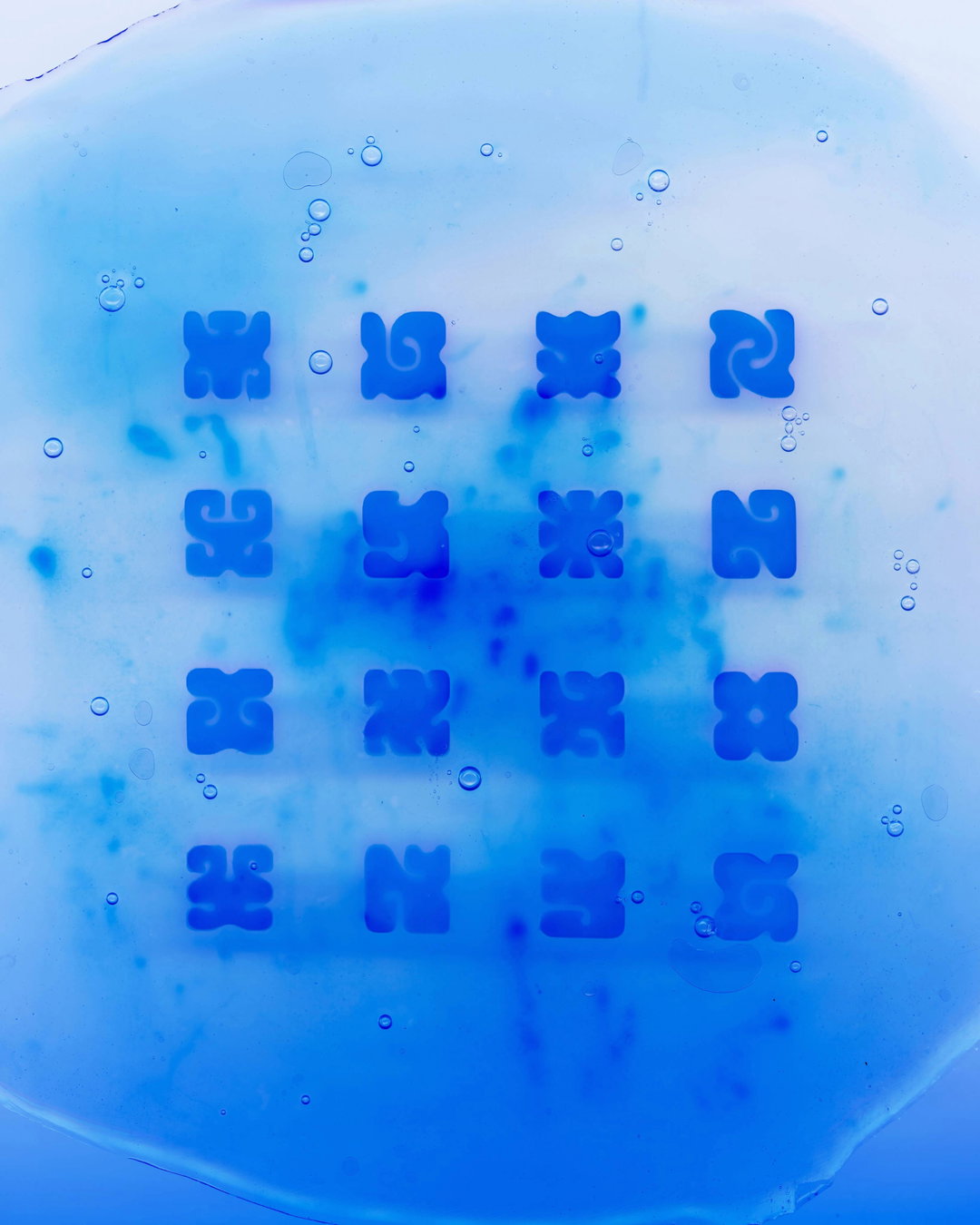
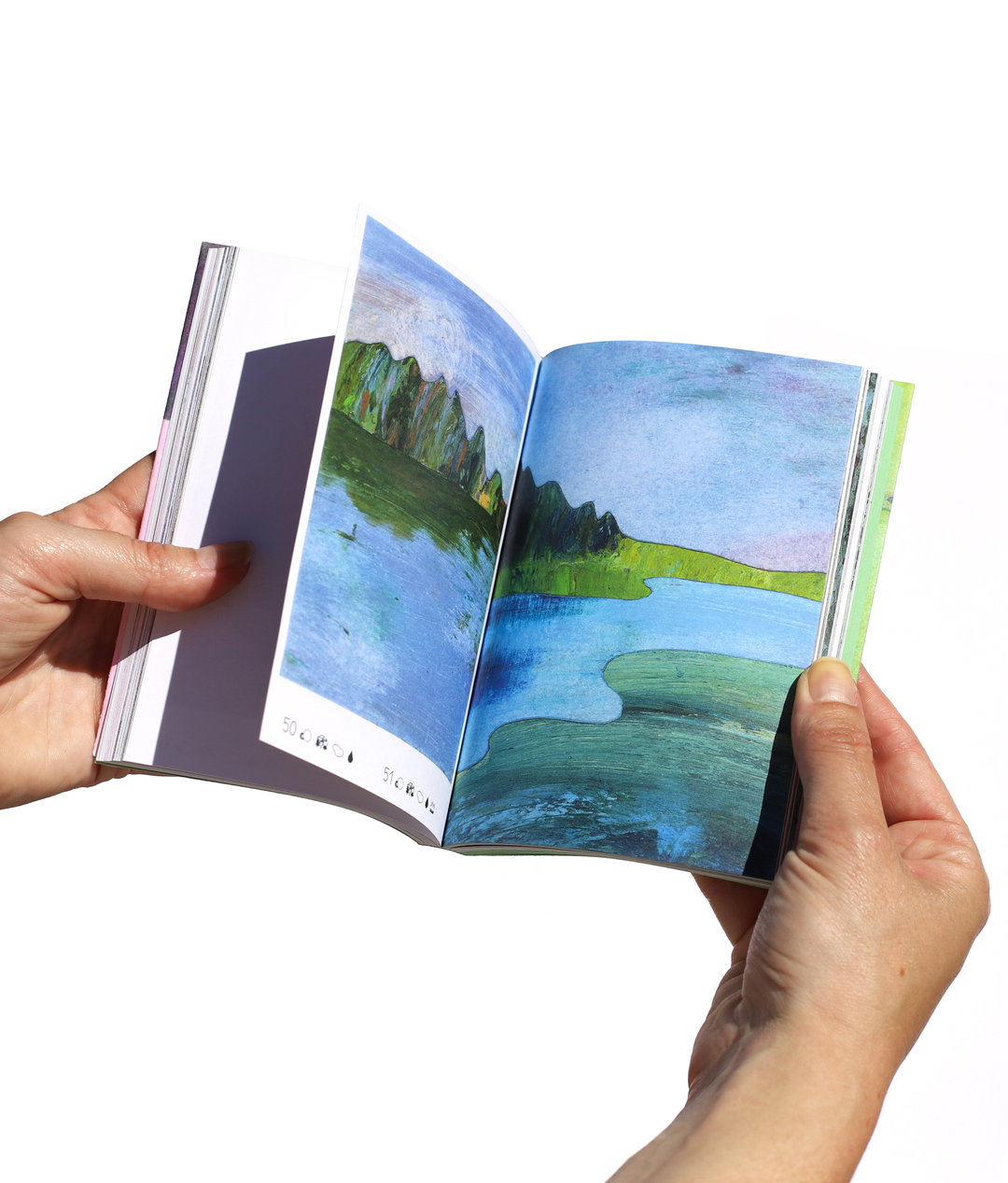
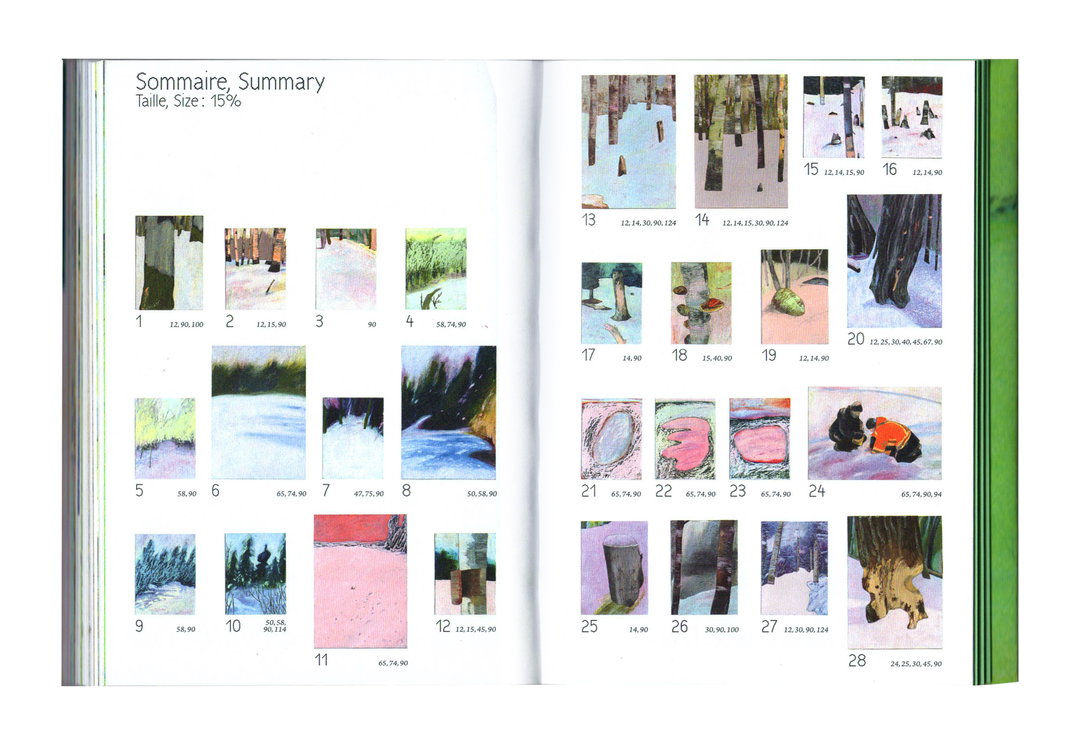
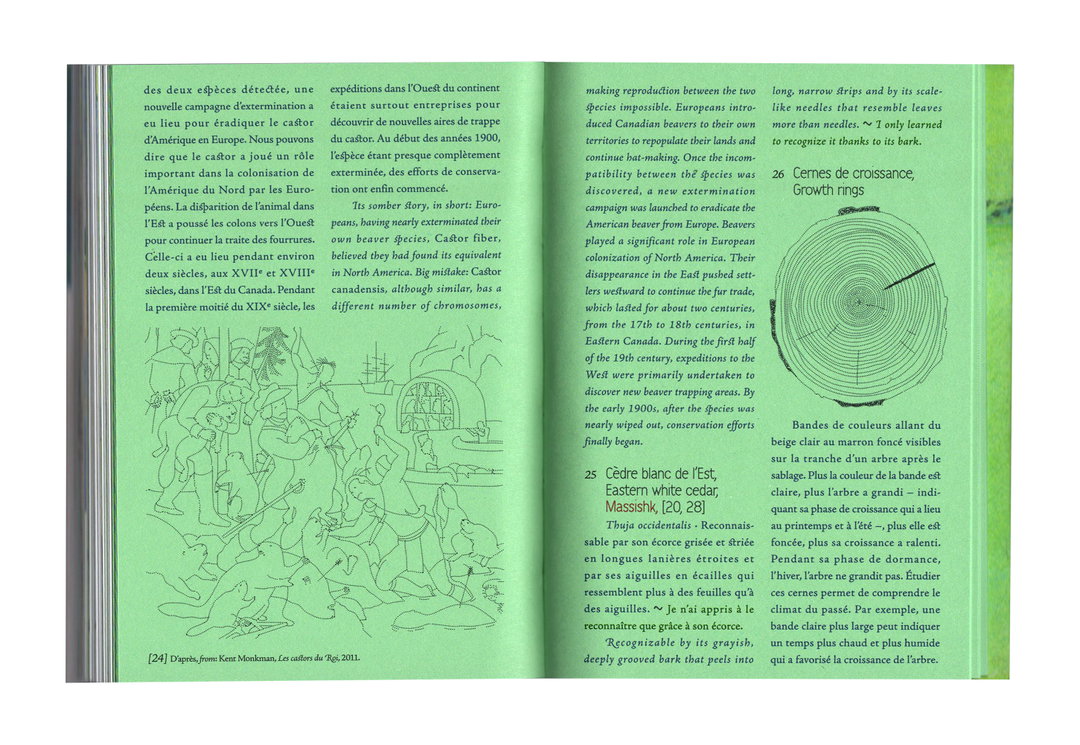
The result of her journey is a pocket-sized book titled Petit Bois – French for ‘small forest’. Designed by Paul Dagorne, it contains 92 pastel drawings, alongside collages and a glossary of scientific terms – all bound by a set of hand-drawn pictograms that thread the visual and the verbal together. “I liked the idea that they would offer clues about the nature of the elements depicted in the pastels and that they would be scattered throughout the book, adding another type of visual language to decipher,” says Marianne. The pictograms were developed with Paul and another designer Cléo Chevillon. These are drawn at the same scale and with the same dot-based DNA as the book’s typeface, Harber by Benoît Bodhuin’s studio bb-bureau.
GalleryMarianne Tricot: Petit Bois (Copyright © Marianne Tricot and Paul Dagorne, 2025)
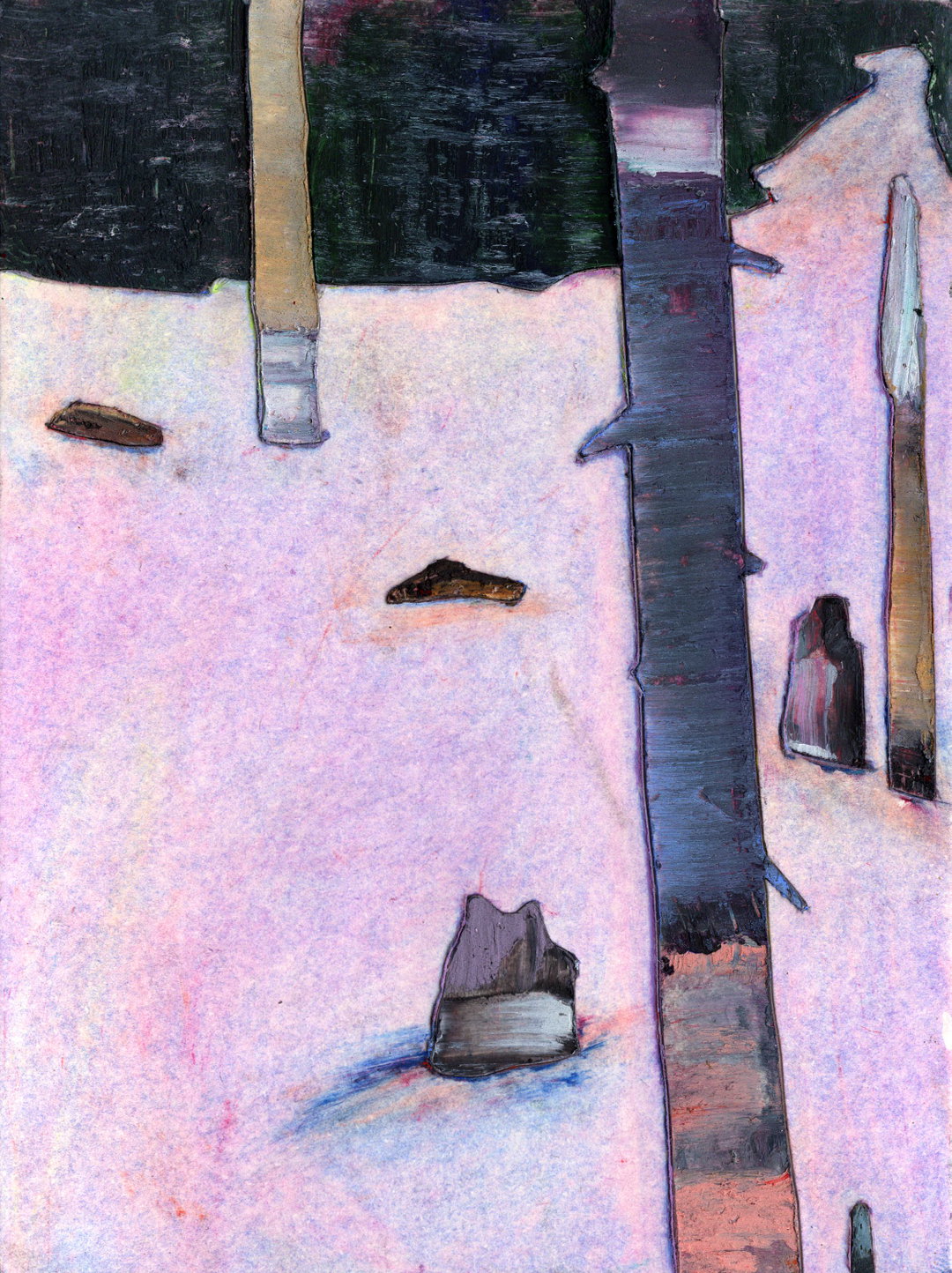
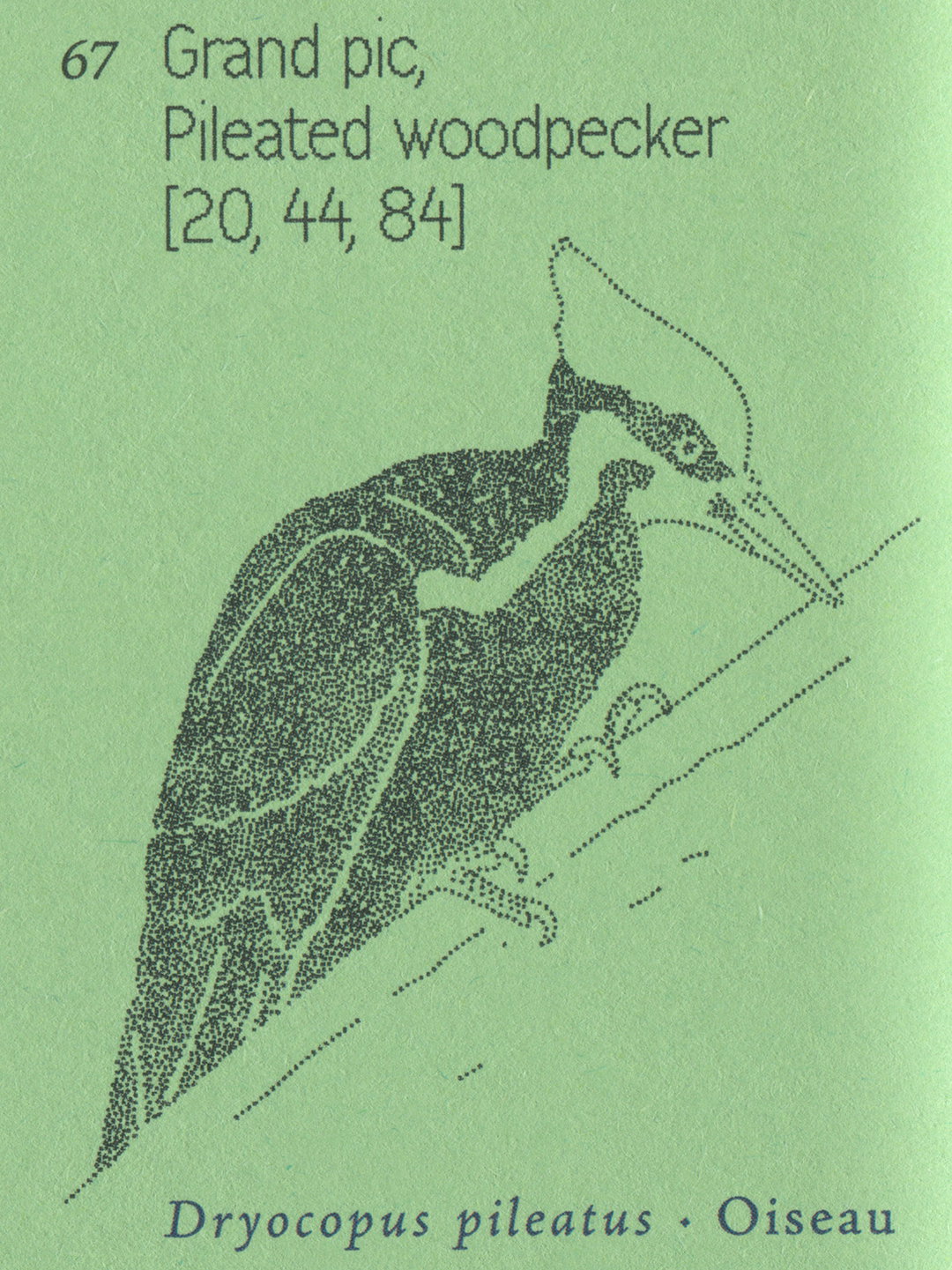
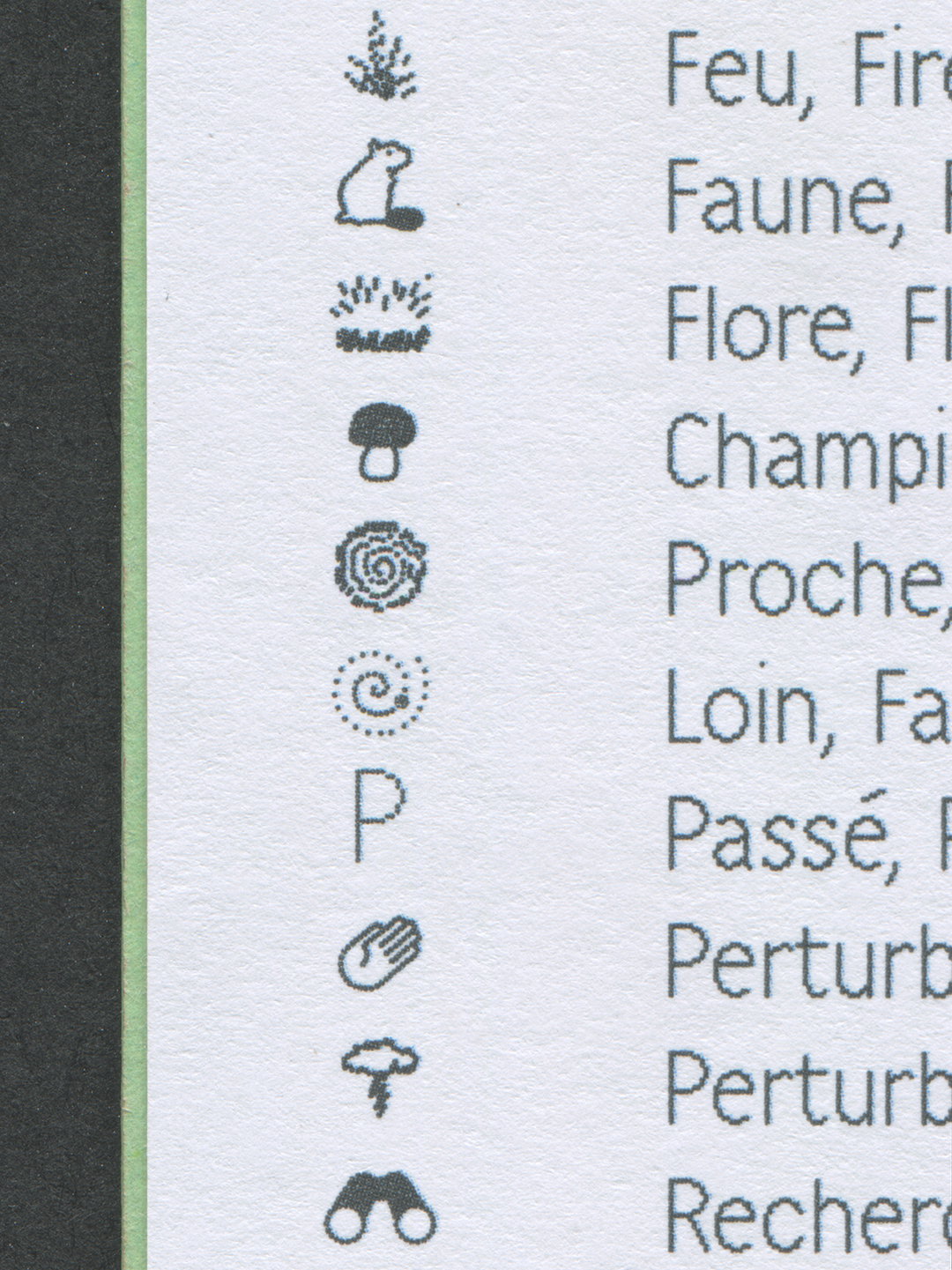
“My intention was to create an object that would encourage pictorial experimentation,” says Marianne. “I wanted to create a book where different types of images and narratives intersect, reflecting the richness and complexity of what unfolds in this forest environment.” She also chose a small format to reflect the residency’s remote, immersive nature. “I liked the idea of depicting such a vast landscape – a whole world – in small formats,” she says.
Originally, Marianne planned for the book to be more “didactic”, with diagrams to explain scientific processes. “But during my residencies, exploring the forest with the scientists and our discussions with them were so rich and spontaneous that it was difficult to choose which concept or idea to illustrate over another. It would have felt somewhat arbitrary,” she says. The artist soon realised that what she really wanted was a book of drawings, but one that held onto the project’s scientific side. She began working more intensively on the pastels, reshaping the book’s overall look and content. During her second residency, she decided to weave the stories she’d heard into a glossary, inviting paleoecologist Dorian Gaboriau and land guardian Mélanie Bellefleur, a member of the Innu Indigenous community, to contribute.
In the end, the book emerged as a dialogue between three different perspectives on the same subject: an artistic one, through Marianne’s personal and poetic experience of the residency; a scientific one, informed by a paleoecologist’s research; and a third rooted in place, through the perspective of a land guardian. A single physical object, holding the forest’s many stories in one place.
GalleryMarianne Tricot: Petit Bois (Copyright © Marianne Tricot and Paul Dagorne, 2025)
Hero Header
Petit Bois (Copyright © Marianne Tricot and Paul Dagorne, 2025)
Share Article
About the Author
—
Marigold Warner is a British-Japanese writer and editor based in Tokyo. She covers art and culture, and is particularly interested in Japanese photography and design.