- Words
- Ellis Tree
- —
- Date
- 23 November 2026
- Tags
Paris Photo was proof that the future of photography demands we keep publishing
As we unwind from the visual overwhelm of the fair, It’s Nice That reflects on the importance of the photobook format to tell the most intimate visual stories. Here, we list our bookshelf of highlights from 2026, including Aperture’s Photobook of the Year.
Share
Share
On the second day of the Paris Photo fair, it hit me that I’d probably never consumed this many images in the short space of 48 hours. I say consumed, because seeing each new exhibit felt like getting a dessert when you know you don’t actually have a second stomach. As my friend Céline put it, when she came back from Paris Photo last year, “I felt like I was going to throw up photos.” But... kind of in a good way?
It might have been anticipation of visual overwhelm that led me to turn around and retreat a little when I first came into the entrance of Grand Palais. The sheer scale of the maze of ground floor exhibitors booths that lay ahead was astounding: 246 to be exact, encompassing 199 photography galleries. Discovering a sign that read ‘Books Upstairs’ I escaped to the safety of looking at things page by page, carefully touring the stands of an ever so slightly less overwhelming figure of 49 publishers.
Pouring over photobook after photobook before setting foot on the main gallery floor gave me a renewed appreciation for the kind of access to images that the format offers. Everything upstairs on the printed page felt new, contemporary and exciting. Each publisher presented editions that constitute what a photobook is at its best: a more democratic way to share and experience photography, whilst offering no less of an exhibition because we’ve traded four walls with two covers to see it.
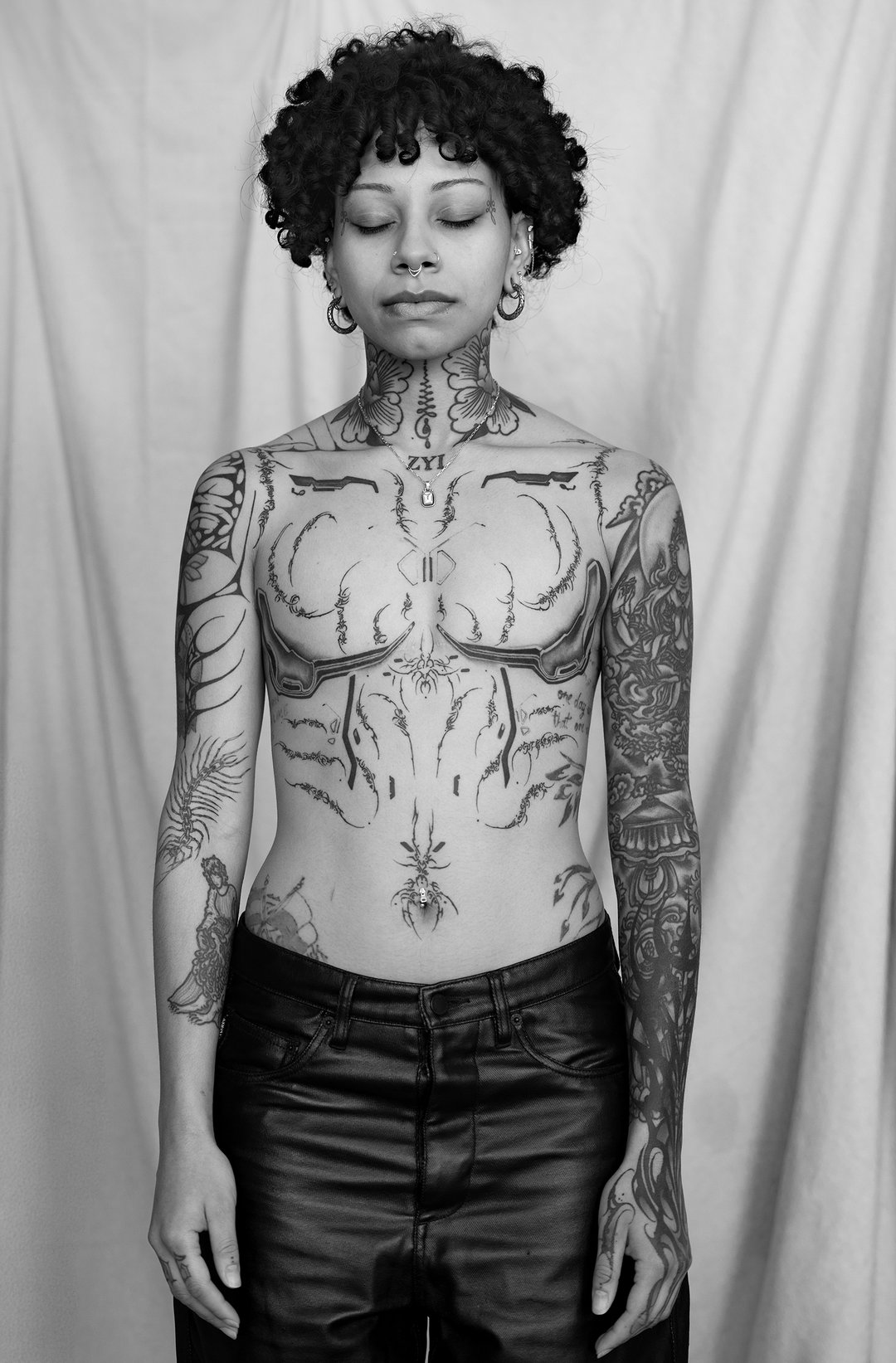
1 of 5
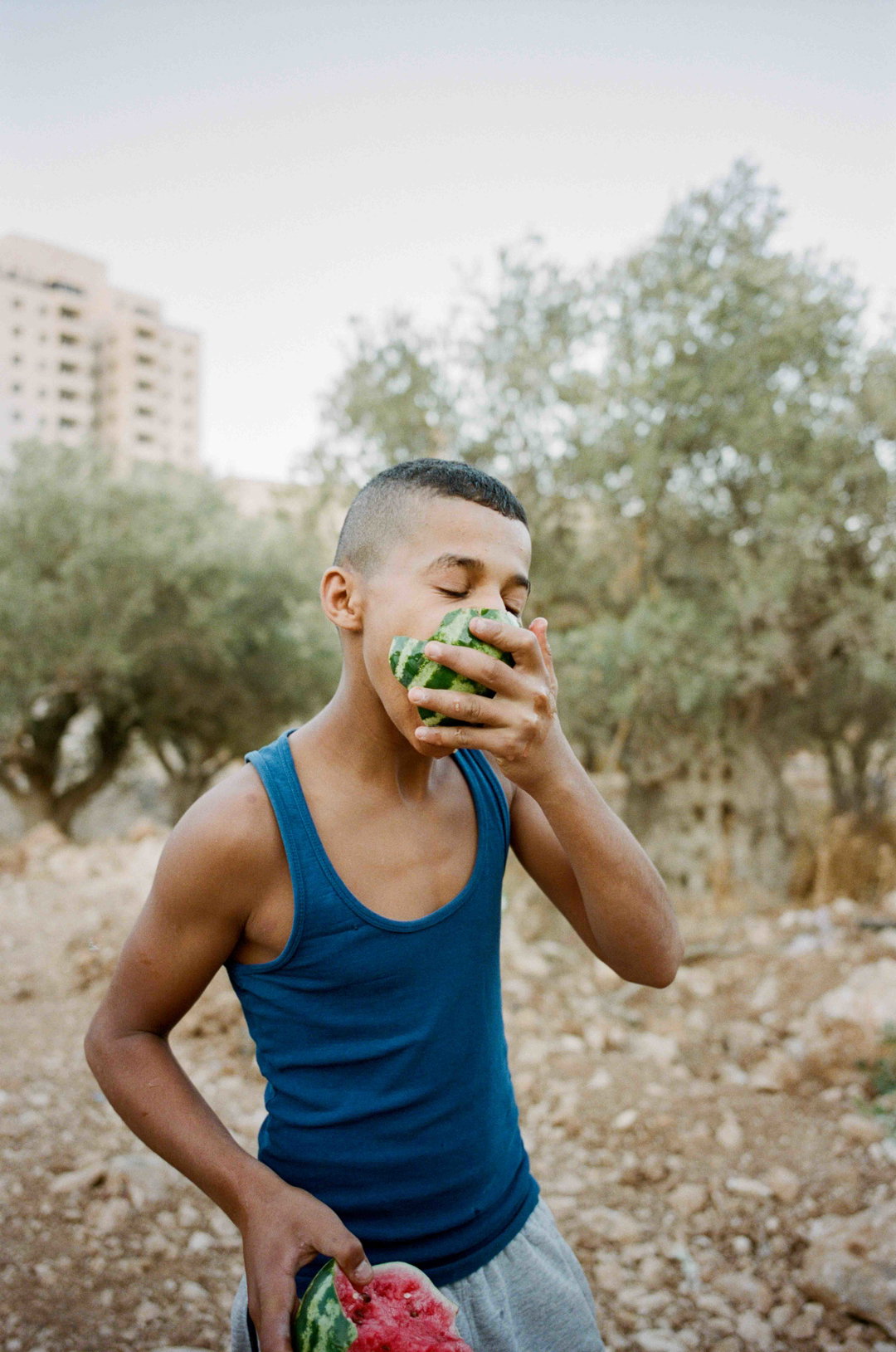
Adam Rouhana: Before Freedom, published by Kaph Books (Copyright © Adam Rouhana, 2026)
1 of 5
Adam Rouhana: Before Freedom, published by Kaph Books (Copyright © Adam Rouhana, 2026)
“It’s vital to keep on printing because that is just the most unique way to consume and to see and feel images.”
Hamid Sallali
By contrast, the exclusivity of the art world felt like it hung over gallery booths downstairs. On some parts of the floor it was hard to find photographs that were dated after 2000. And whilst it’s always incredible to see the legendary works of figures like Henri Cartier Bresson or William Eggleston in print, the fact that it was an art sale that supports key photographic estates felt increasingly present, as more and more coloured dots appeared next to titles. This was only emphasised by the weather: many photos were soon covered with cloth as the sun started pouring through the glass roof of Grand Palais, for which you had to request a brief unveiling to be able to view.
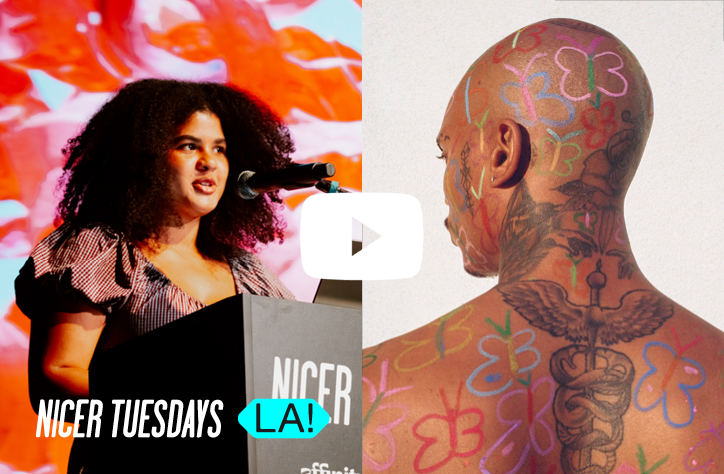
After gravitating towards the printed books, the Nicer Tuesdays talk from chief editor Katy Hundertmark and former art director Hamid Sallali of Foam Magazine from earlier this year resurfaced in my mind. They spoke to how much the image-first photography magazine “cherishes” paper and why it continues to exist as a printed publication: “It’s vital to keep on printing,” Hamid said, “because that is just the most unique way to consume and to see and feel images.”
This year, the photobook certainly was the most exciting way to feel images – they were the site of all the exciting and the emerging at Paris Photo. Titles both within and beyond Aperture’s shortlist were a welcome reminder that it’s always best to experience the most personal photo stories at the scale of something you can hold. When your sights are flooded with hundreds of images unfolding across pages, it really does take something special to stick out. Here are a few of the publications that stopped me in my tracks...
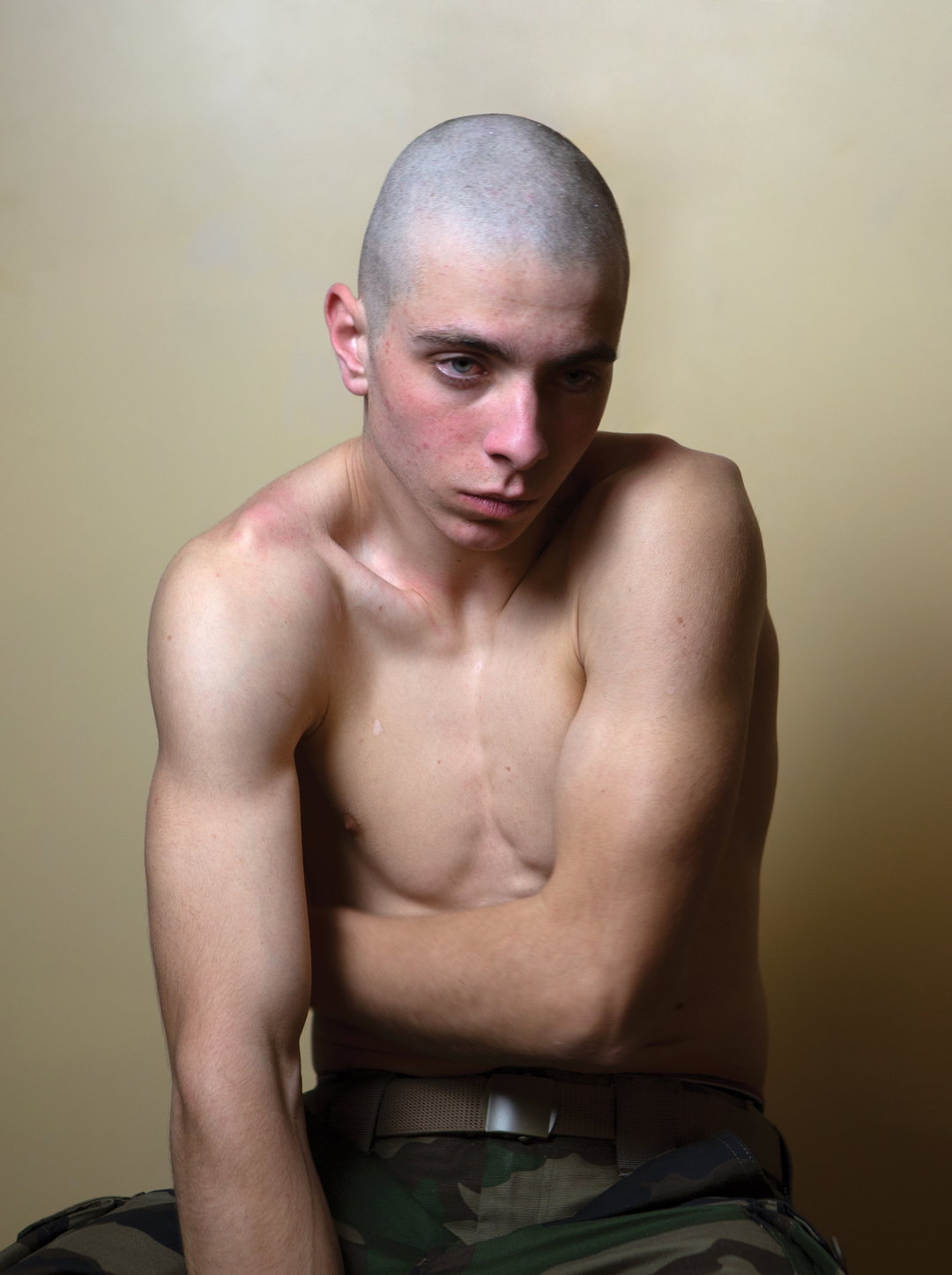
Julie Joubert: Patria Nostra published by Loose Joints (copyright © Julie Joubert, 2026)
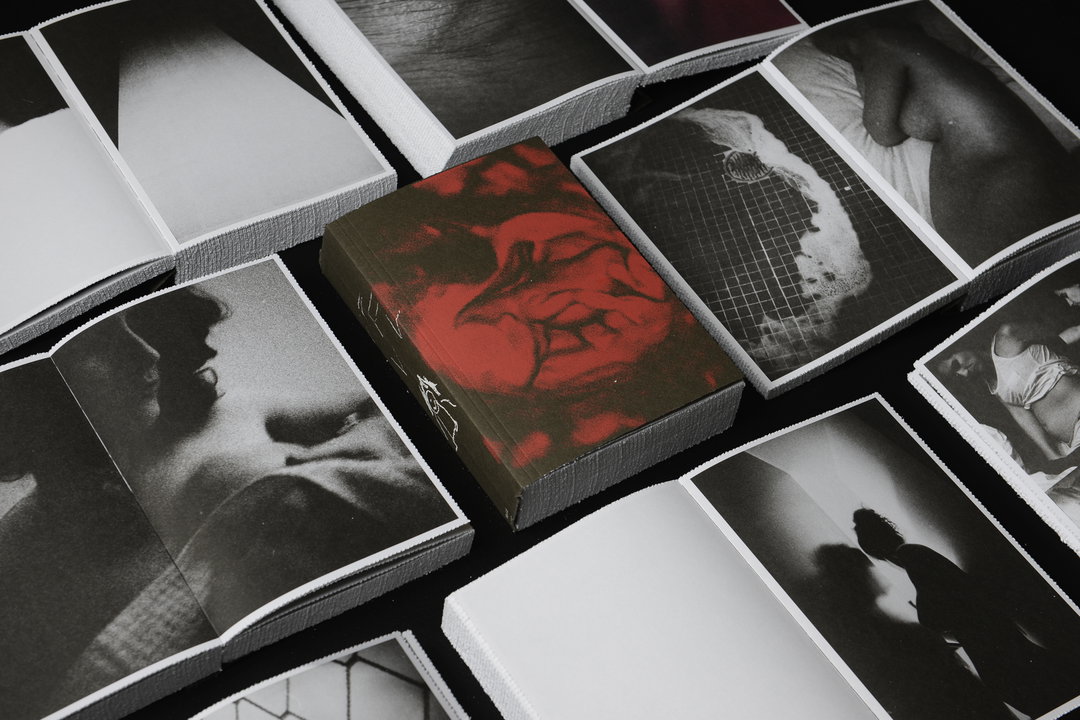
João Linneu: JJ VFF VV, published by Void Books (Copyright © João Linneu, 2026)
JJ VFF VV by João Linneu, published by Void Books
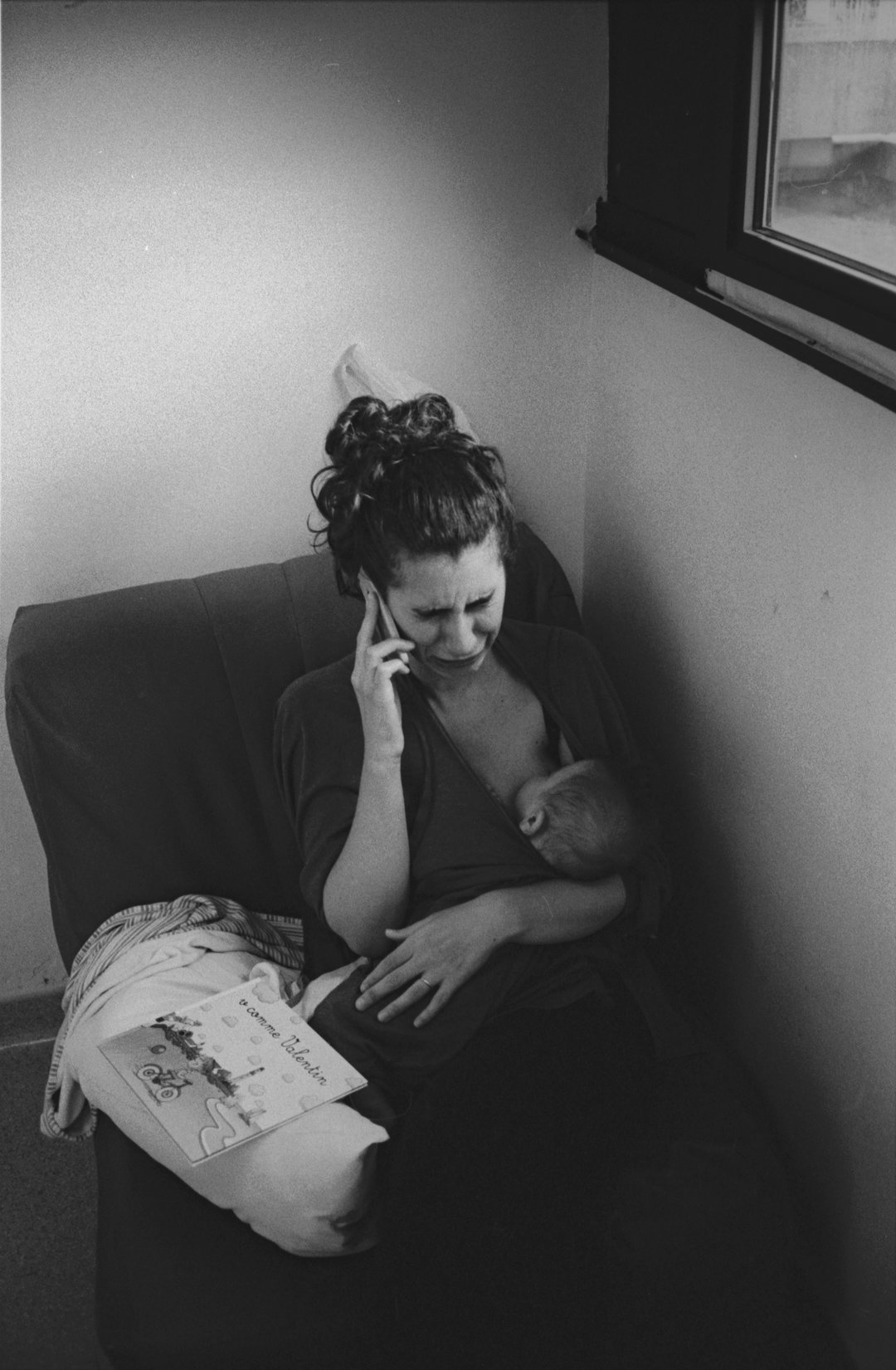
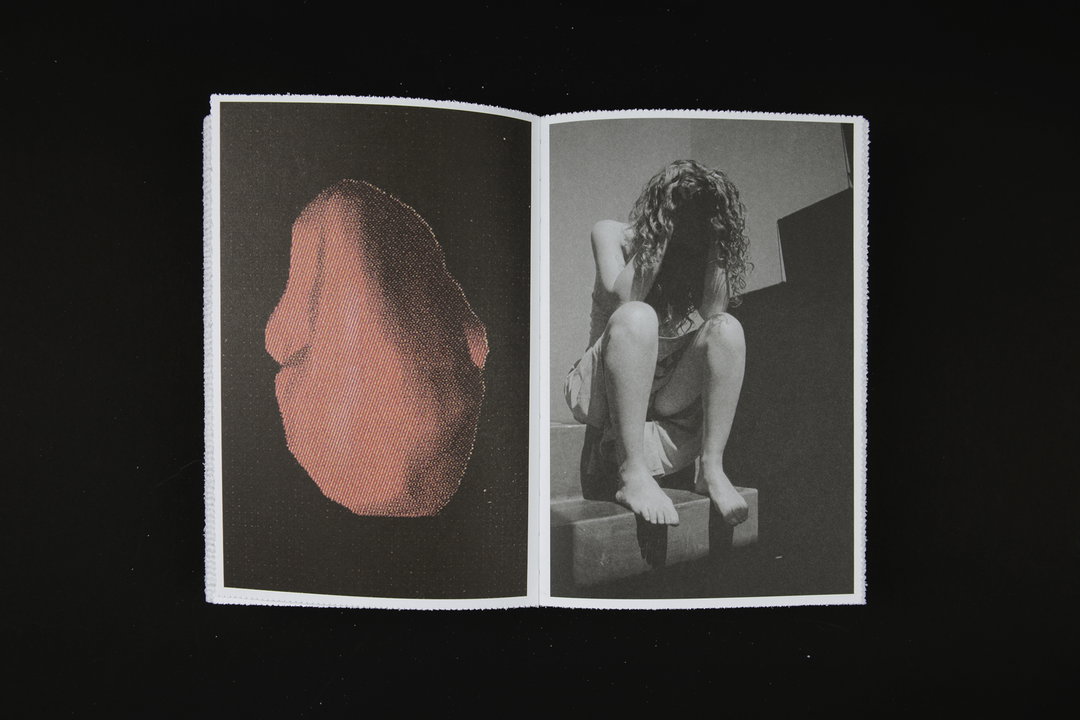
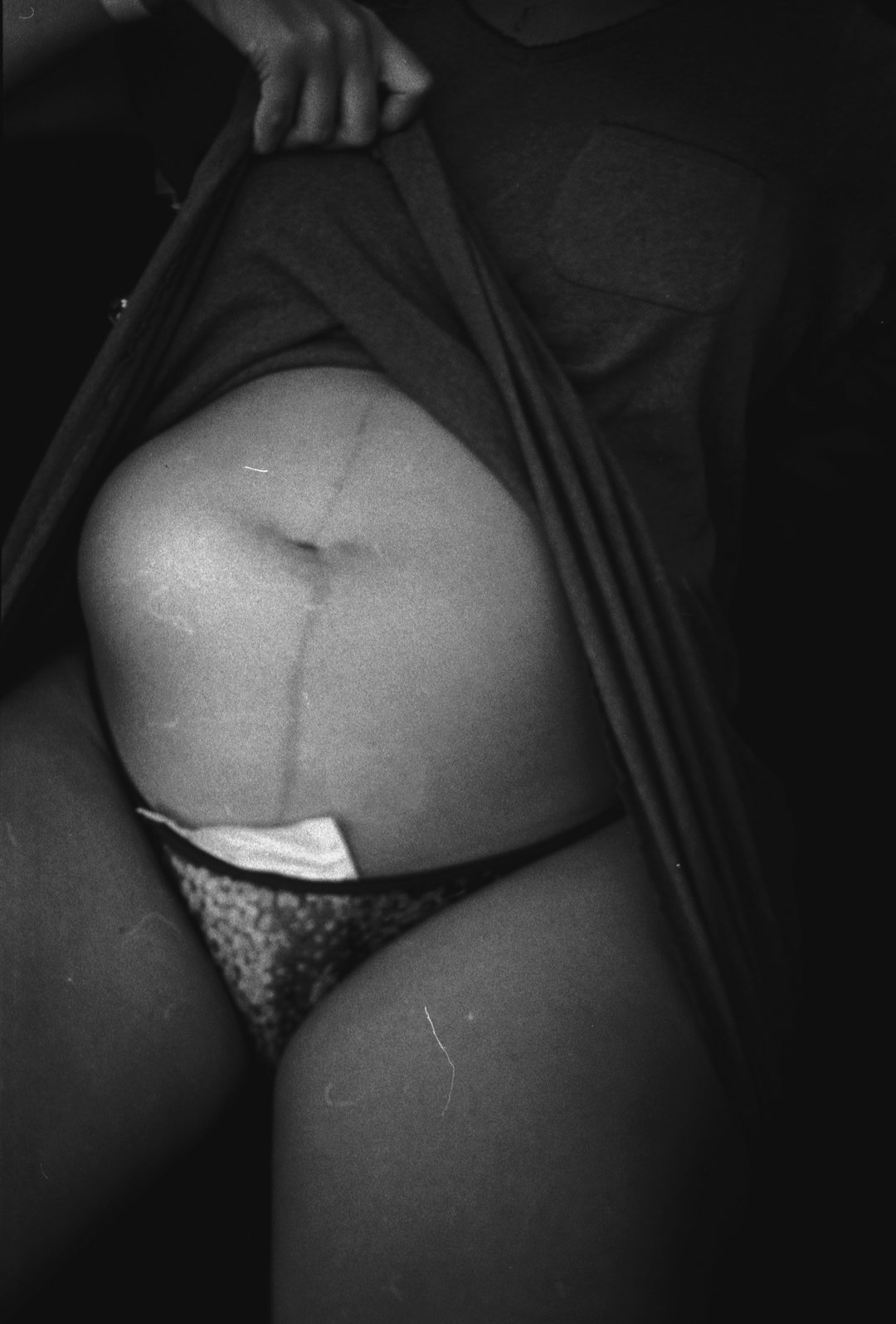
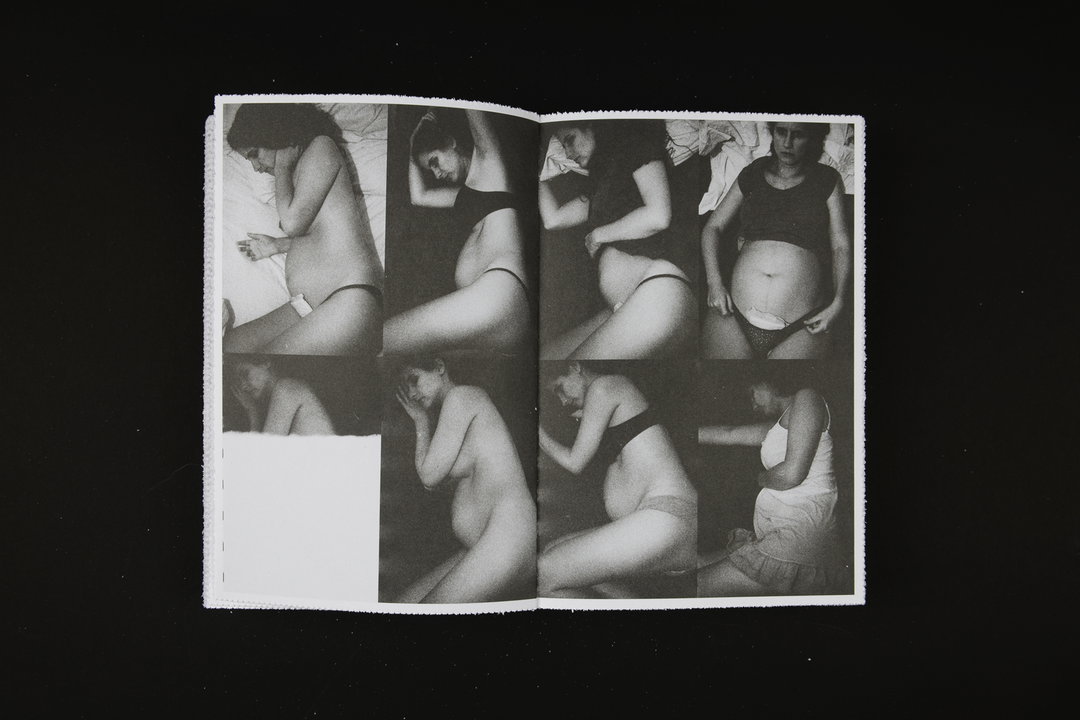
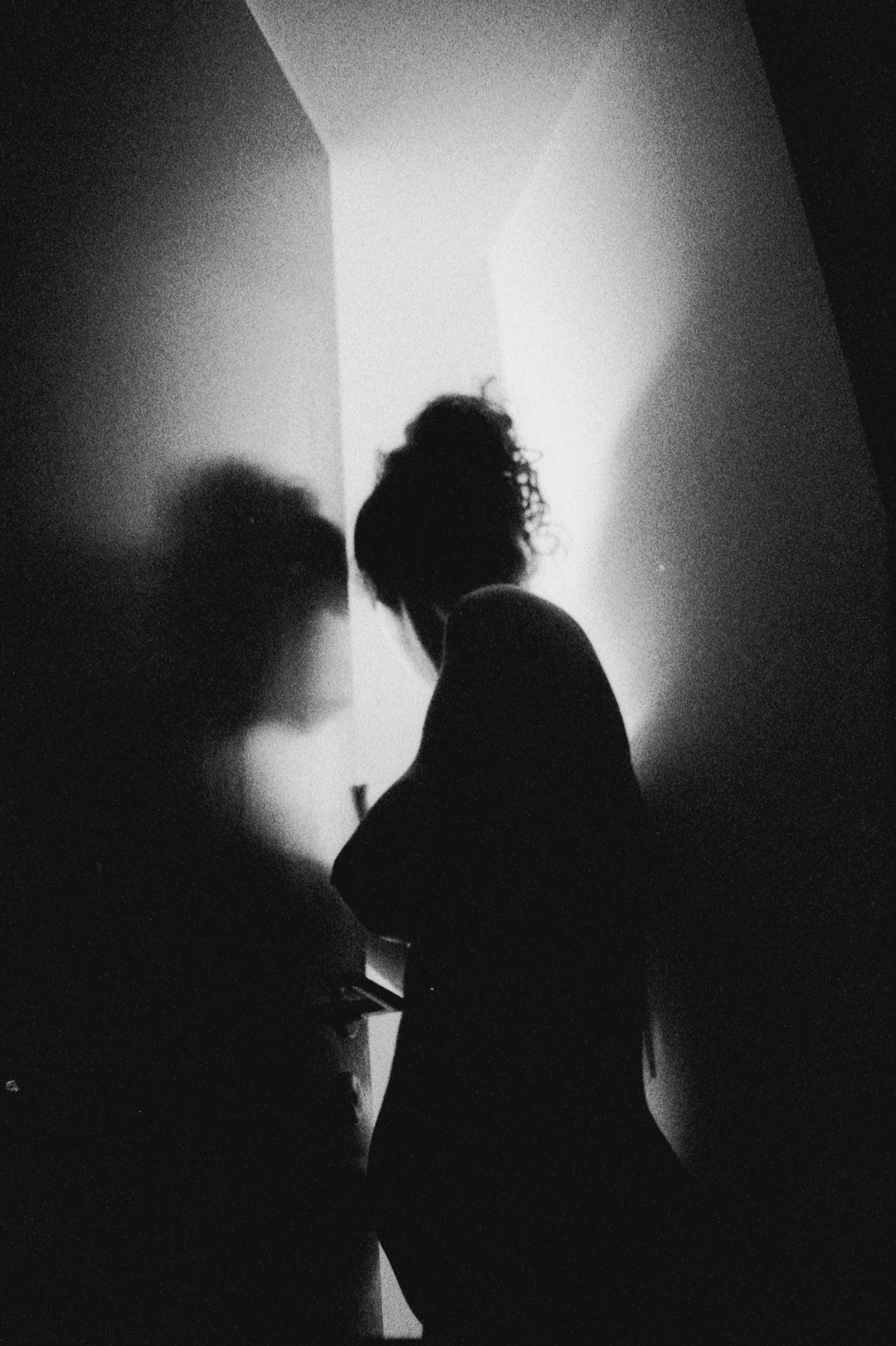
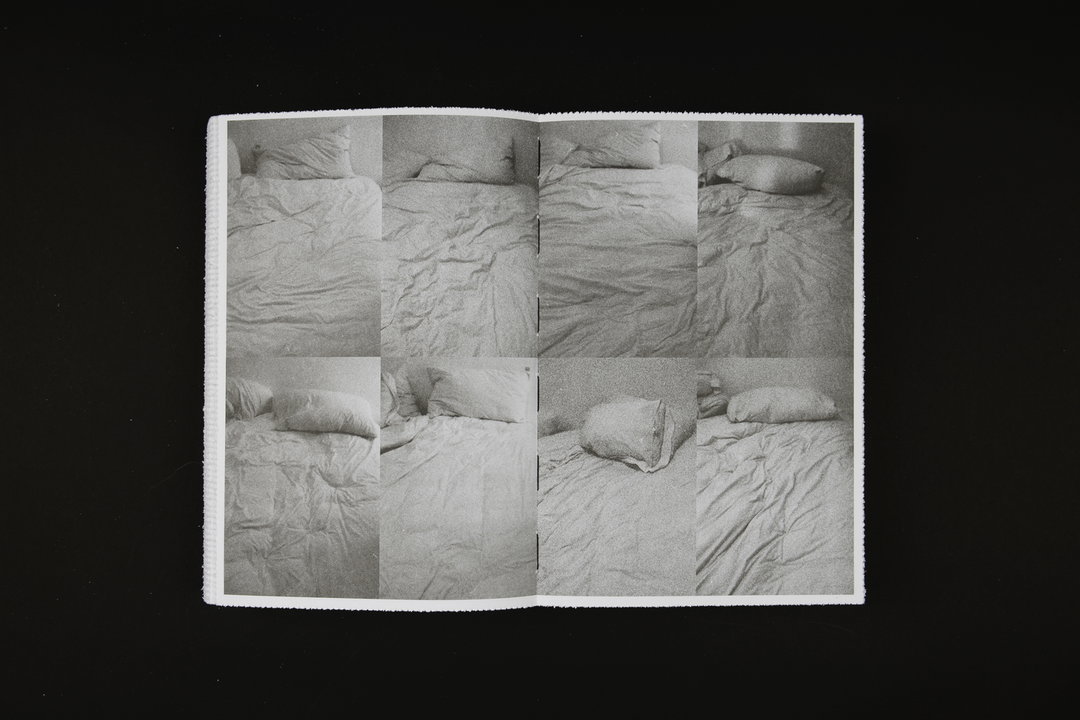
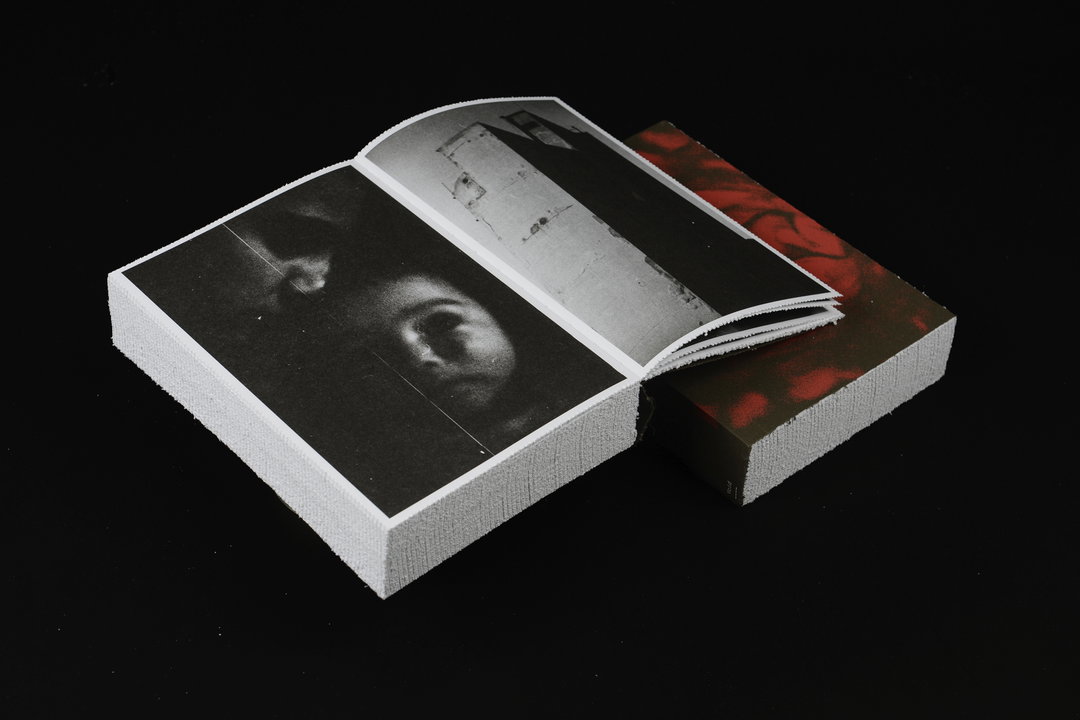
The Athens-based, independent publisher Void has an incredible line-up of unorthodox editions that pose all sorts of interesting print experiments. I think it was no coincidence, however, that the edition that was shortlisted for the Aperture Awards this year was co-founder João Linneu own photostory JJ VFF VV, a raw, tender and deeply personal documentation of the challenging pregnancy and premature birth of his and his partner Fernanda Fajardo’s first child, Valentín. When picked up by a fellow Paris Photo goer next to me, João announced: “That one is actually by me,” to which the man replied: “Oh, so you’re a photographer?” and João humbly responded: “No not really, I think I realised I’m much better at being the publisher for other people’s photographs, but this story – this is mine.”
Akin to Nick Haymes’ Choronograph, (another photobook that made it into Aperture’s shortlist this year), JJ VFF VV doesn’t shy away from a side of family life we don’t often see shared in public. Moving through hospital wards to the privacy of their own bedroom the series of images shaped by João is a close collaboration with Fajardo (from her self-portraits made when hospitalised and portraits she has captured of João himself) and his son Valetin, now aged 11, who illustrated the book’s final cover. The photo story on Fajardo’s experience is in João’s words “from the perspective of a powerless close witness” – this vulnerability is palpable in its pages. It provides a view on bringing new life into the world that, “despite being painful and dark, is still beautiful, powerful, and meaningful”, he says. “If anything, I want the book to be a very small drop against the stigmatisation of what beauty is, and what a pregnancy is.”
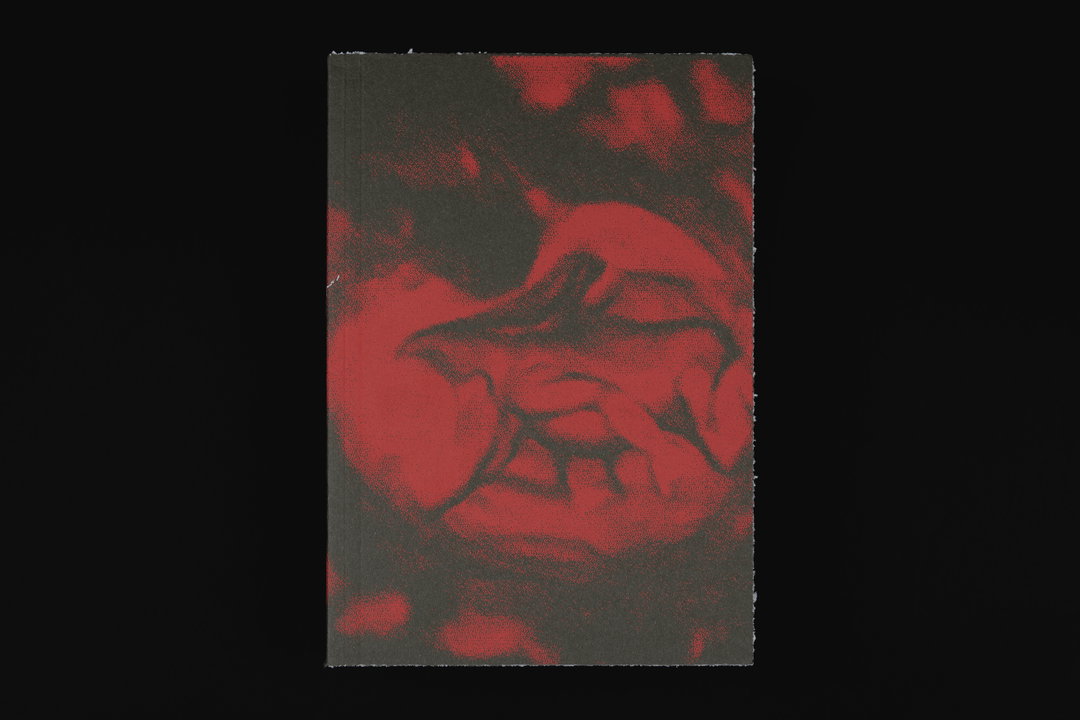
1 of 8
João Linneu: JJ VFF VV, published by Void Books (Copyright © João Linneu, 2026)
1 of 8
João Linneu: JJ VFF VV, published by Void Books (Copyright © João Linneu, 2026)
Keisha Scarville: Passports, published by MACK (Copyright © Keisha Scarville, 2026)
Passports by Keisha Scarville, published by Mack Books
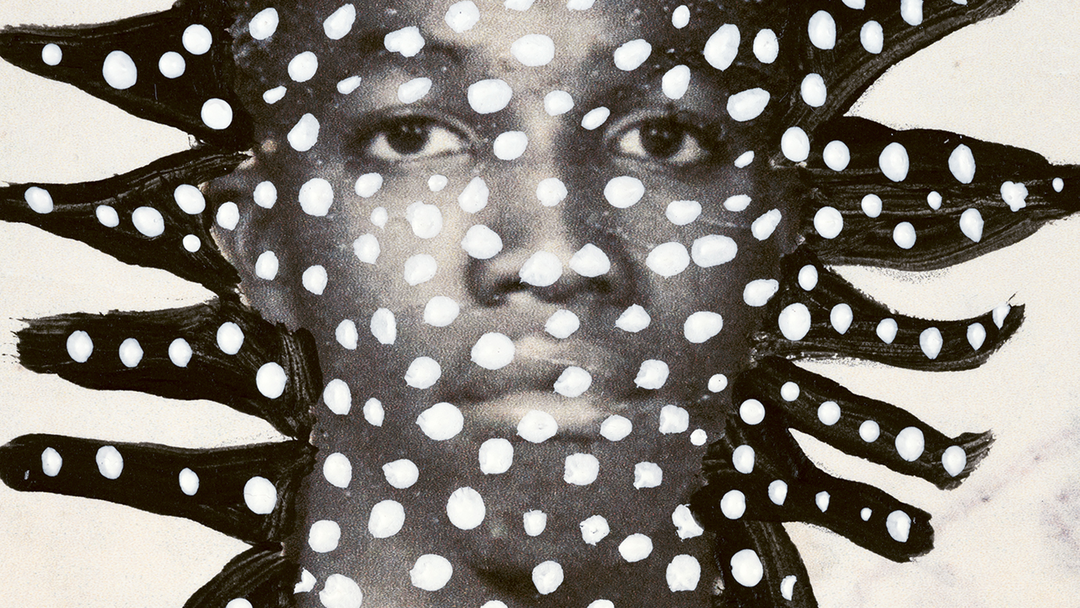
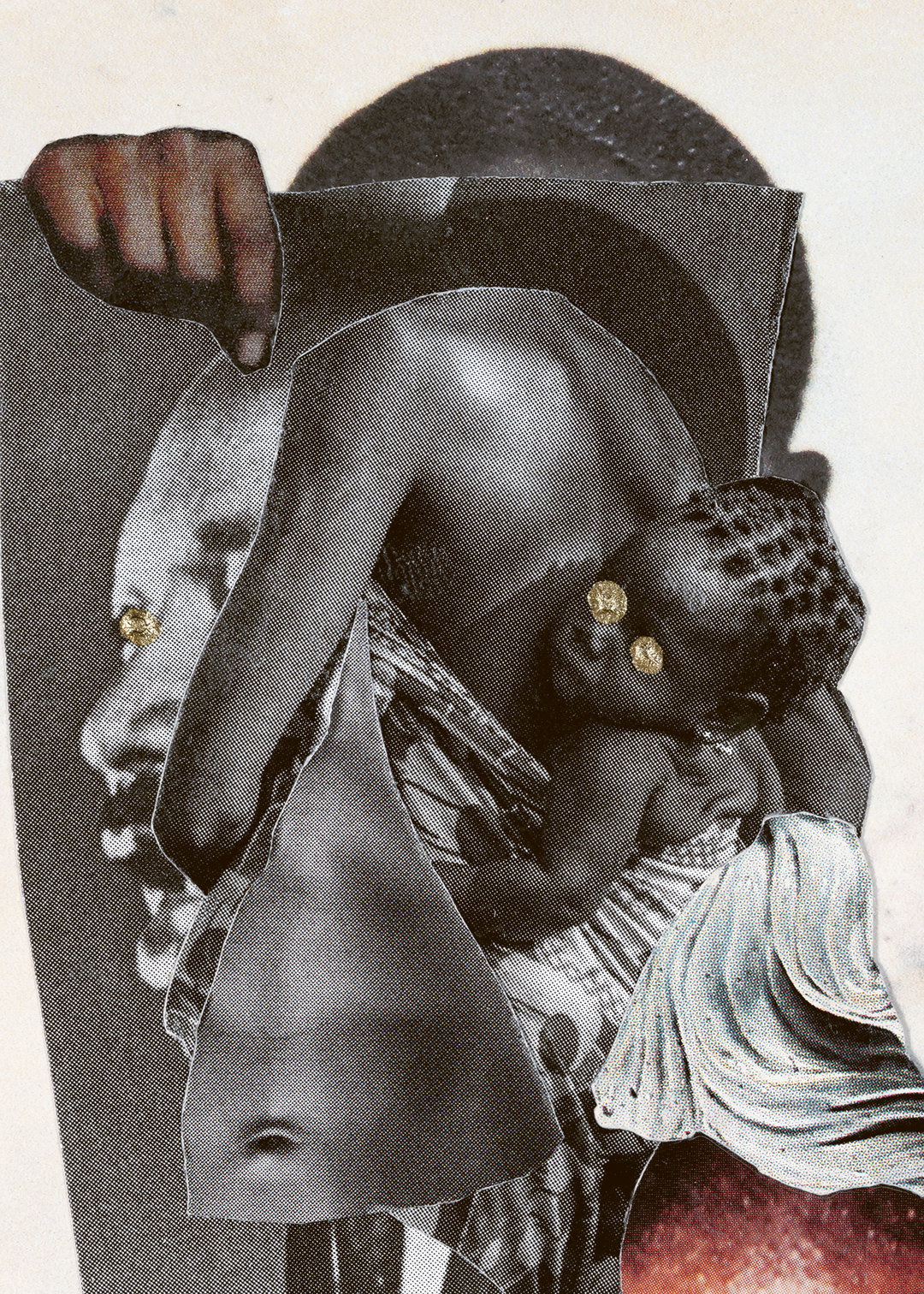
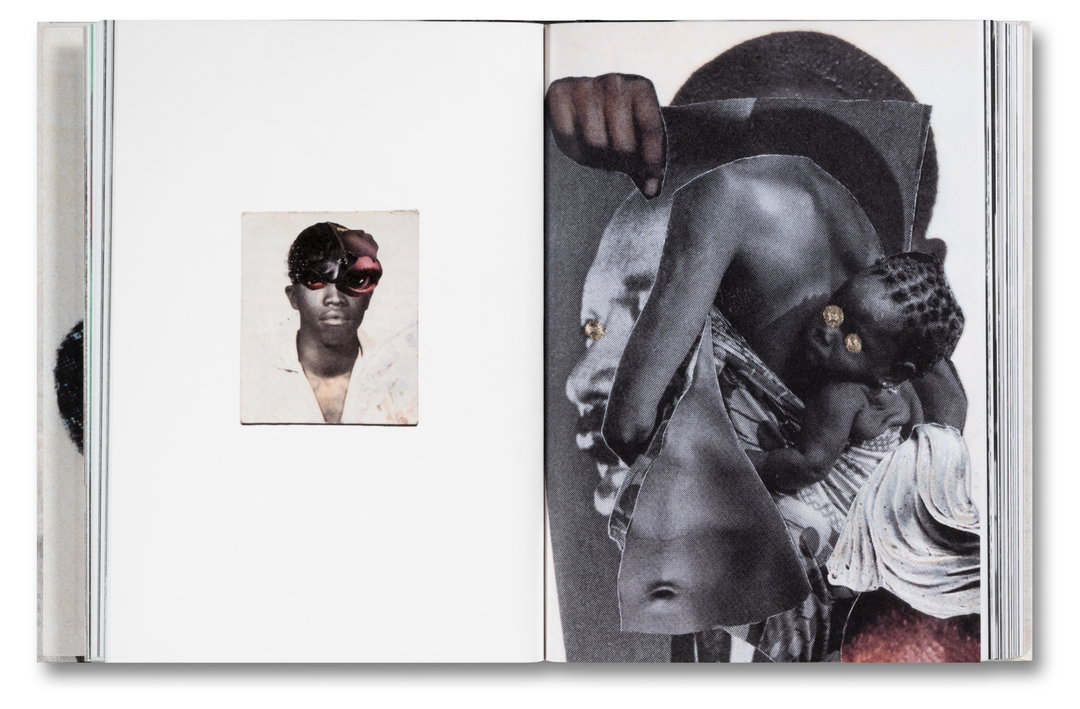
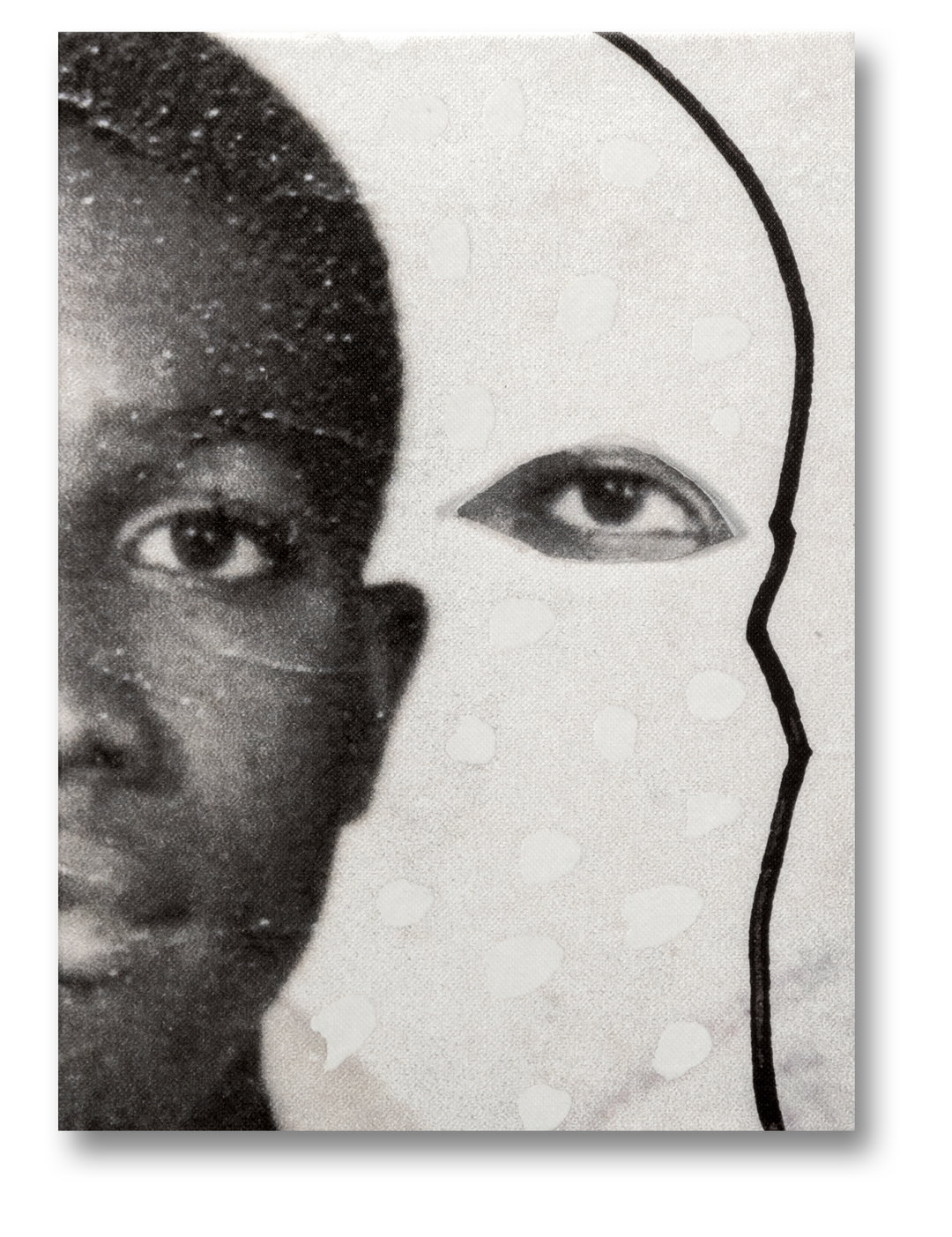
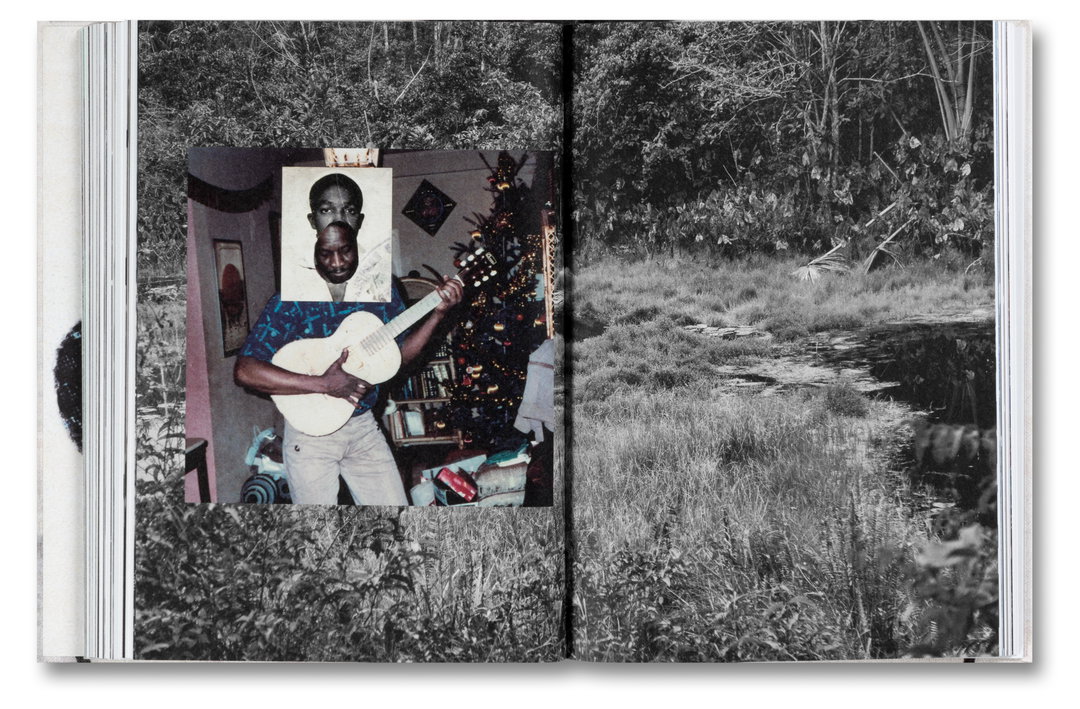
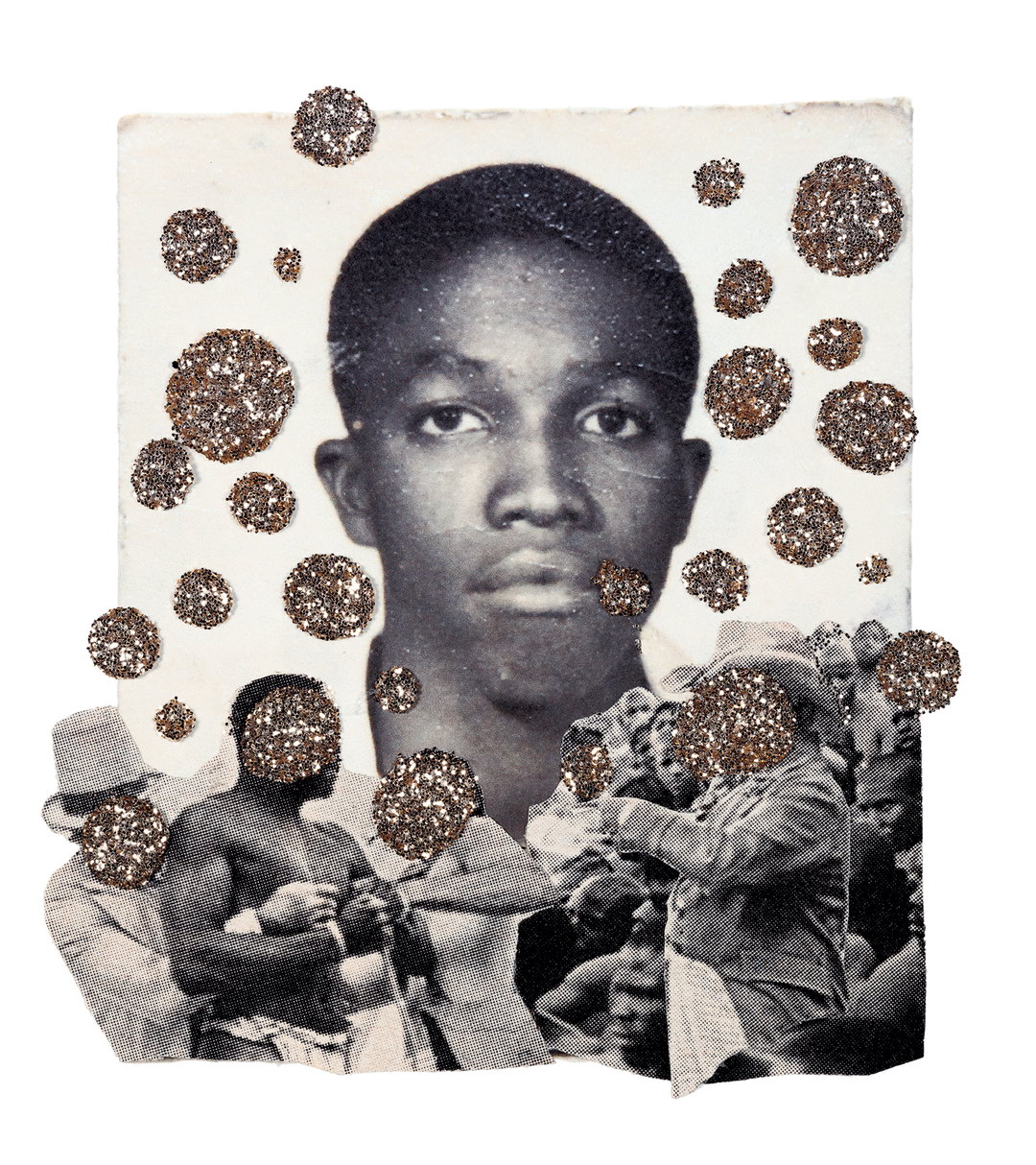
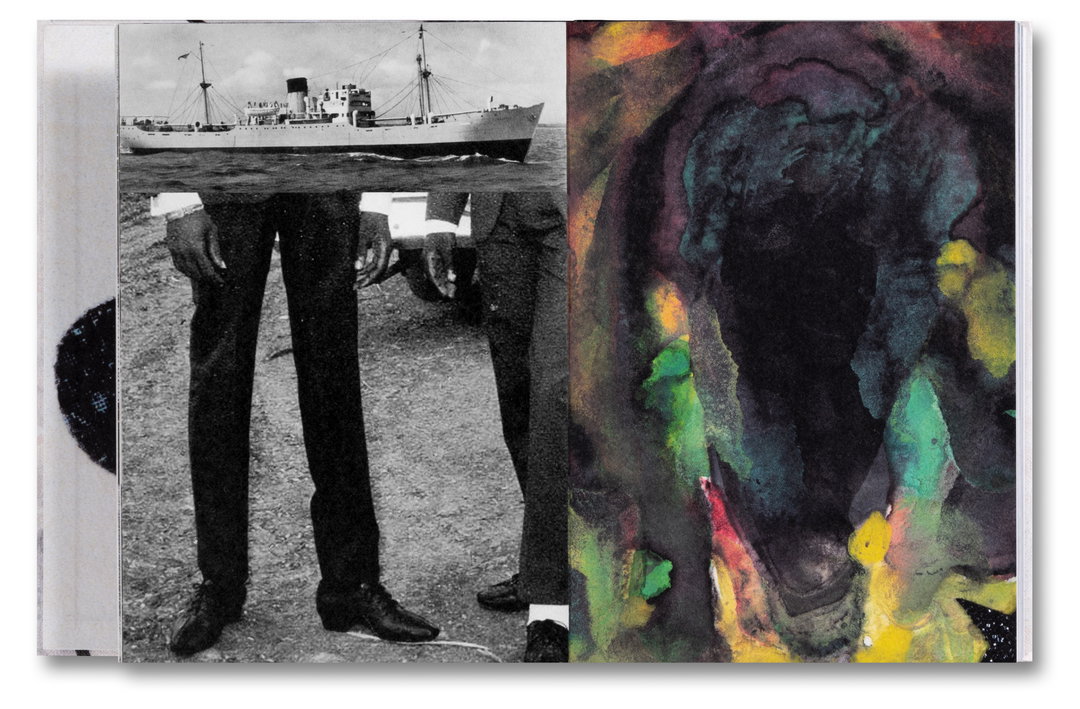
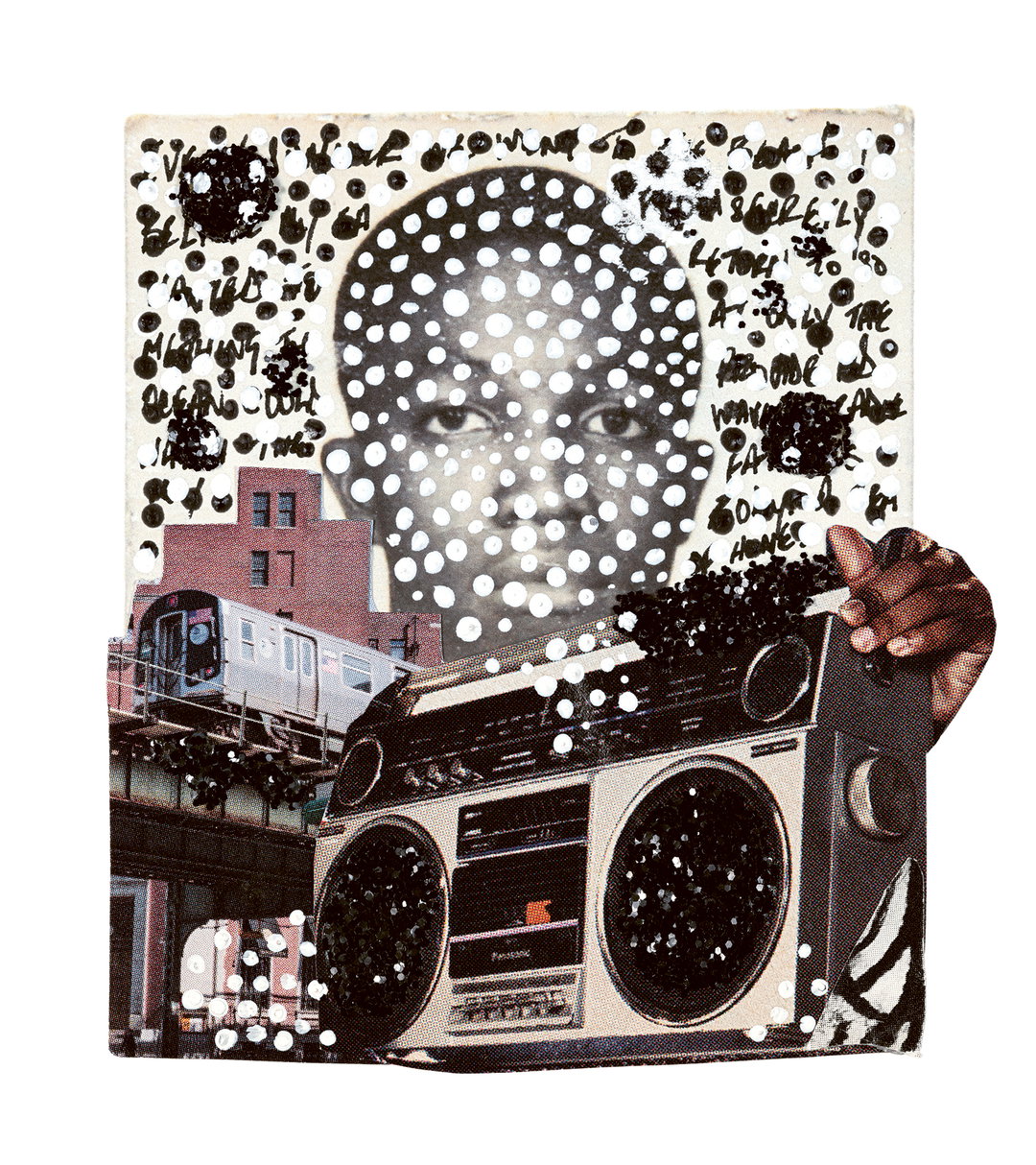
On Friday 13 November Aperture’s award for Photobook of The Year was announced: Keisha Scarville’s Passports published by Mack Books. This incredible edition contains a photographic archive of over a decade of image-making all surrounding a singular photograph and one question: Who are we beyond the documents meant to define and categorise us?
Since 2012, the American photographer has been reworking an ID photo from her father’s first passport, taken when he was sixteen years old and living in Guyana, through a range of mixed media and photo collage techniques. The book compiles 300 of these unique artworks to date, each a visual protest against the fact that these photographic documents get to determine where we can or cannot go can, but supply so little about our humanity. All of the artist’s inventive embellishments aim to fill that void – from tears of yellow ribbon to strings of beads, stars and daubs of paint.
Shortly after the awards the book was mentioned by Professor Tina Campt in a conversation with Zanele Muholi, facilitated by senior editor of Artforum Pablo Larios. Tina spoke to how visual artists like Keisha have given her a vocabulary for the materiality of absence in her writing that she could not have found through words alone: “Keisha’s work is a reminder of the very materiality of absence,” Tina says. “It’s something that touches you, it has a feeling.” And as Office Magazine beautifully put it, in this body of work, “that absence opens into an entire universe.”
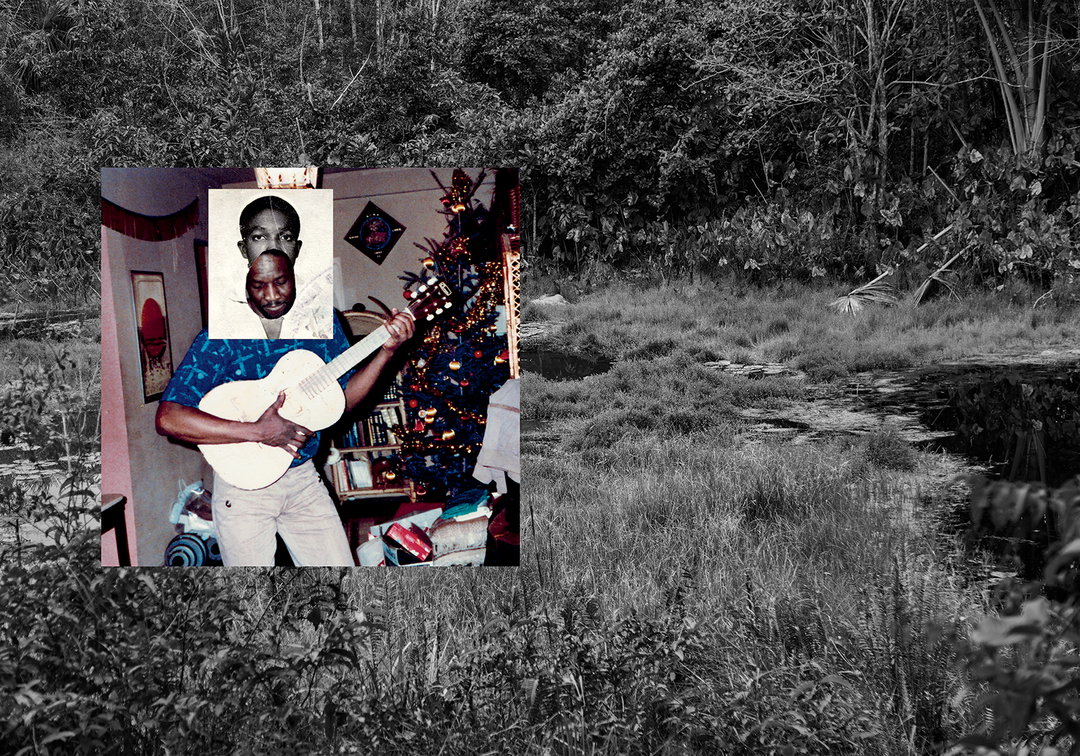
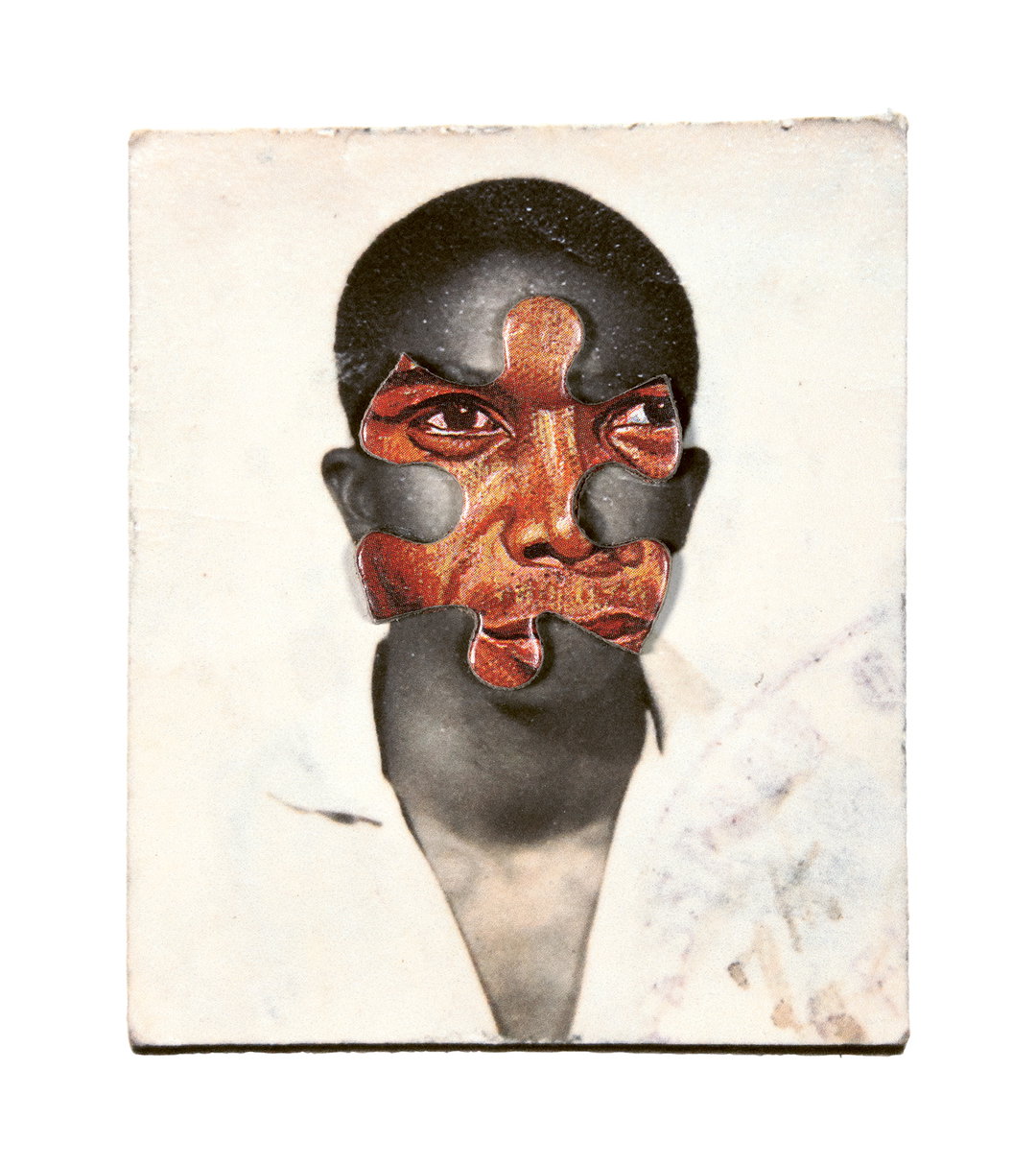
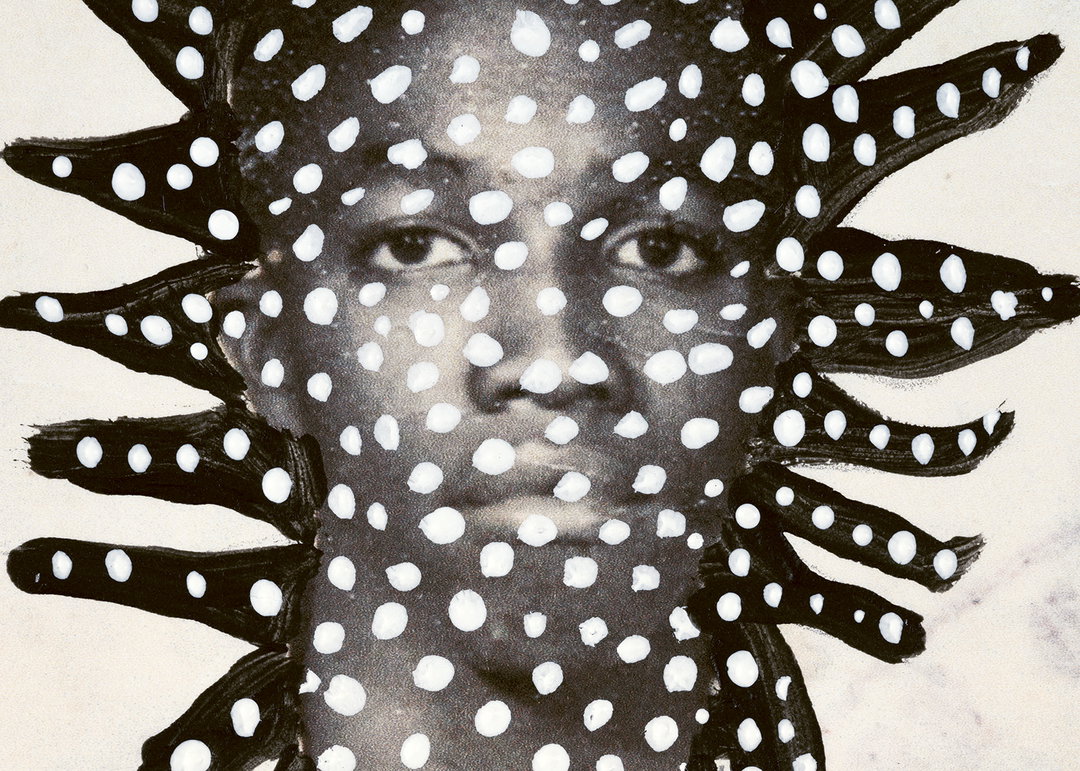
1 of 8
Keisha Scarville: Passports, published by MACK (Copyright © Keisha Scarville, 2026)
1 of 8
Keisha Scarville: Passports, published by MACK (Copyright © Keisha Scarville, 2026)
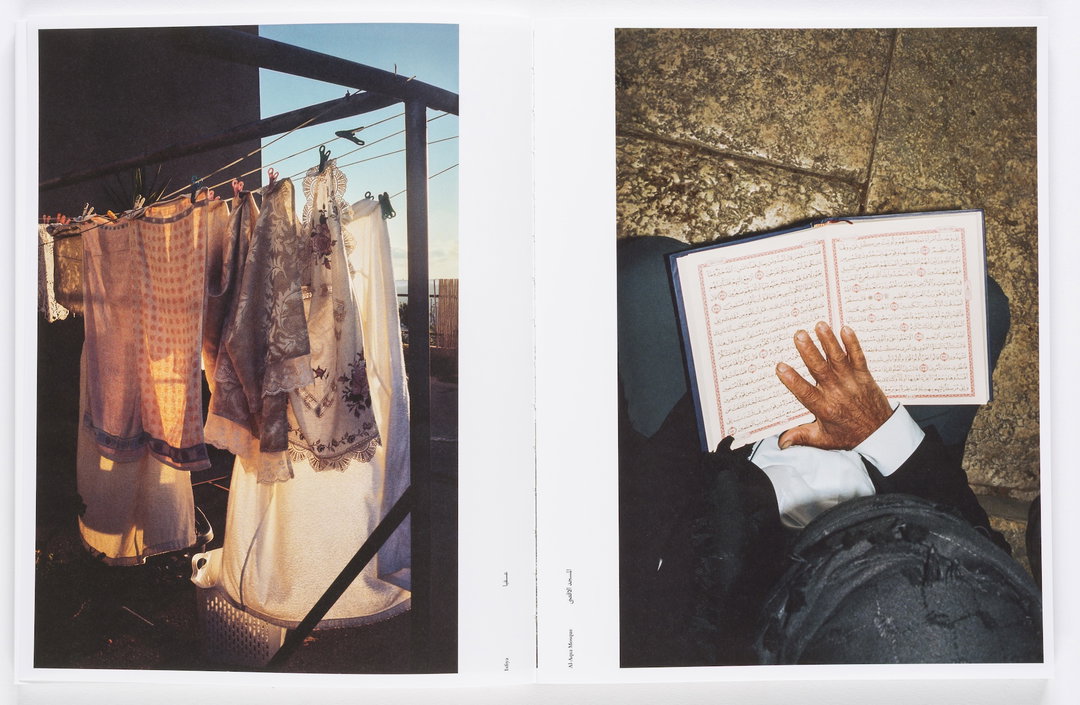
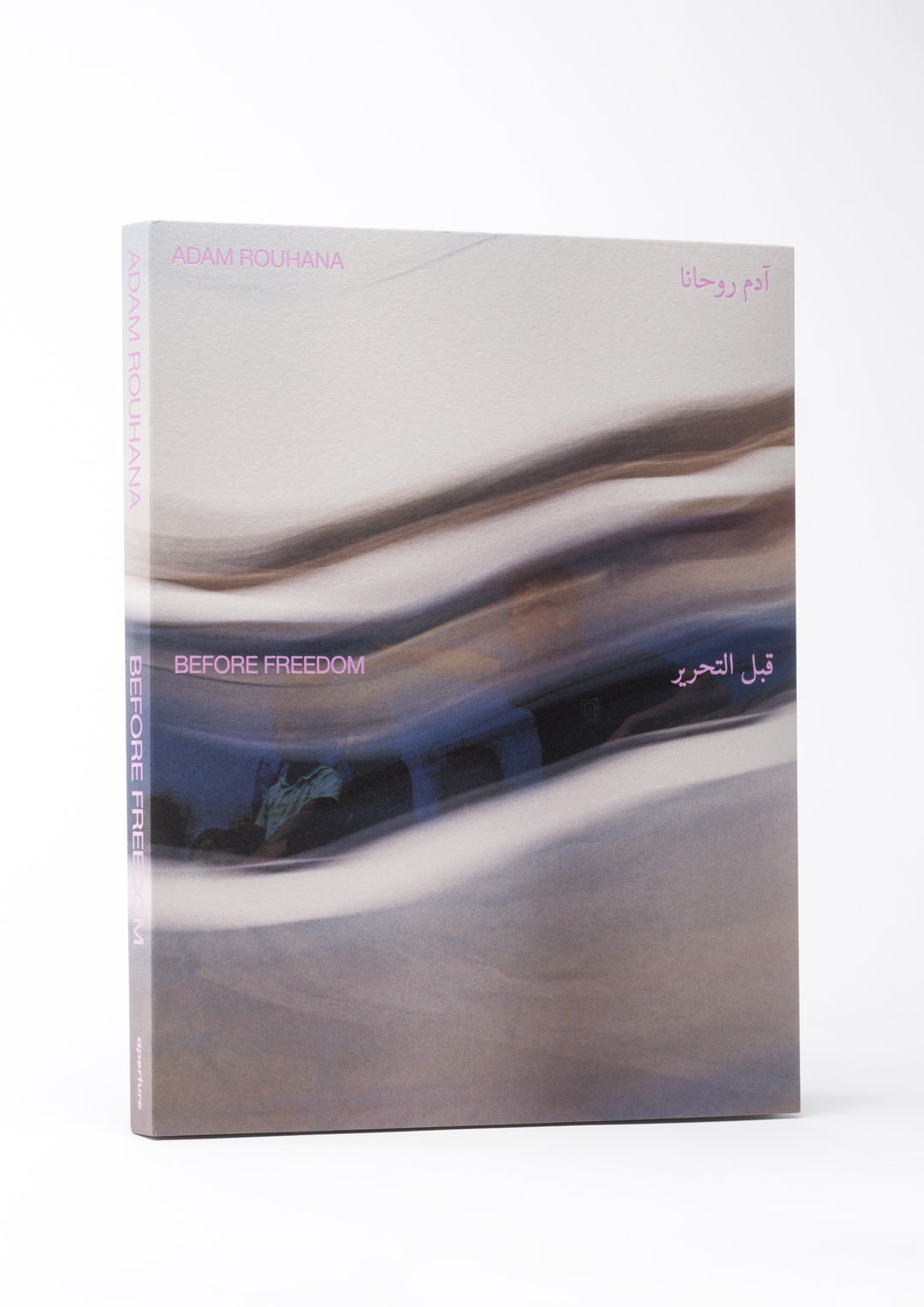
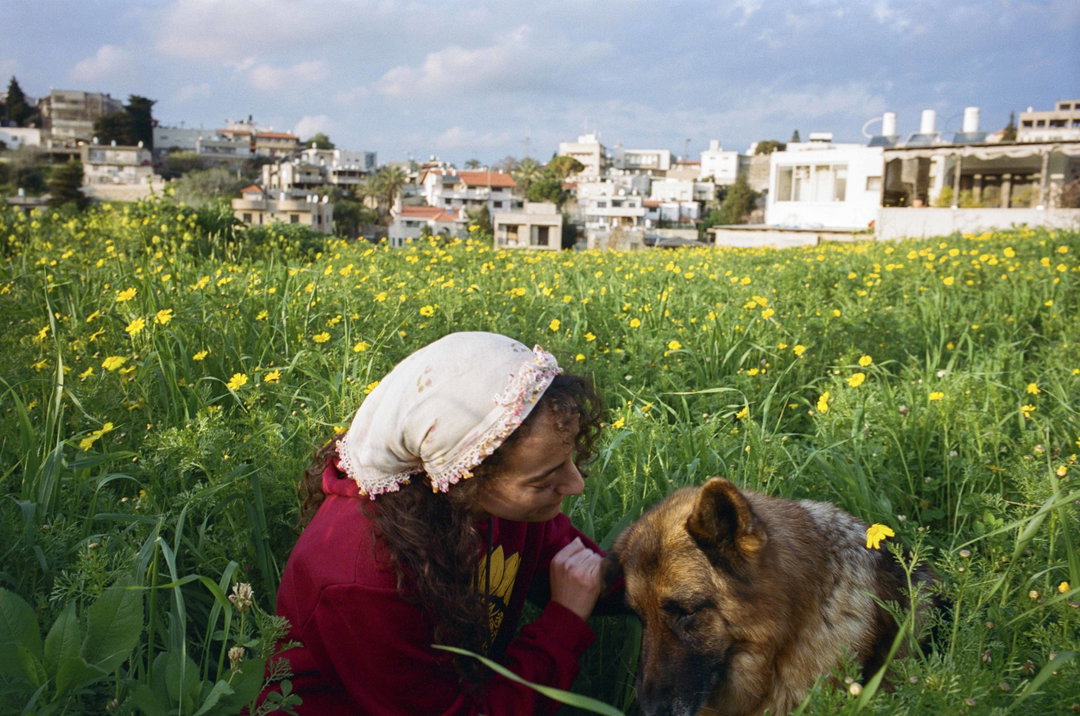
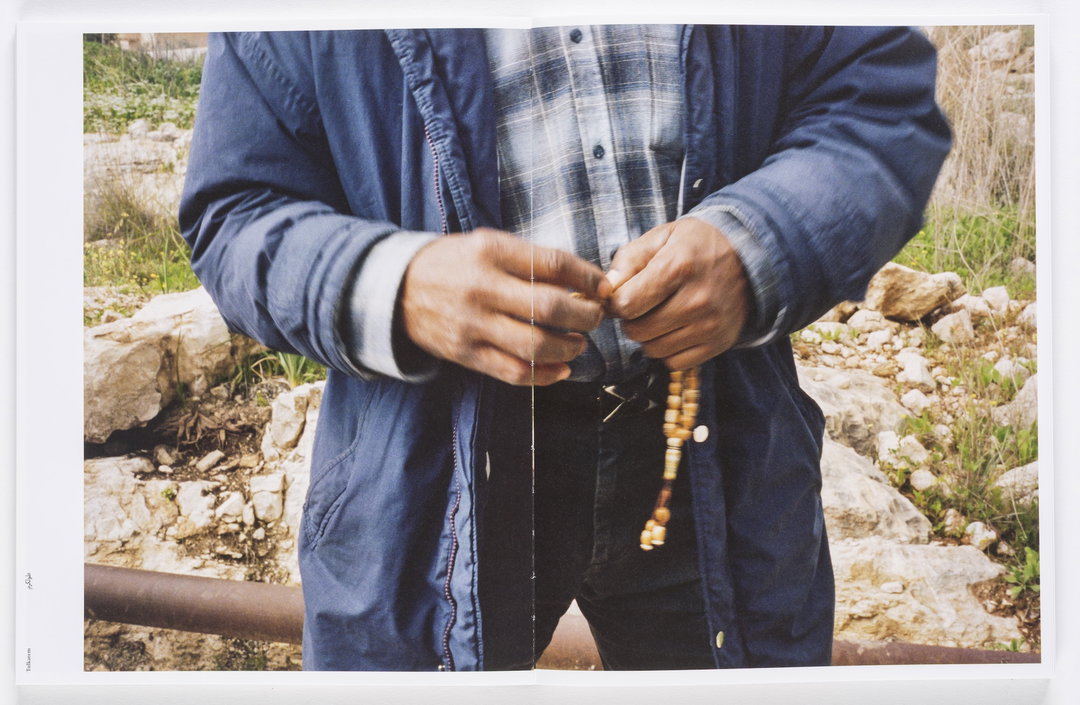
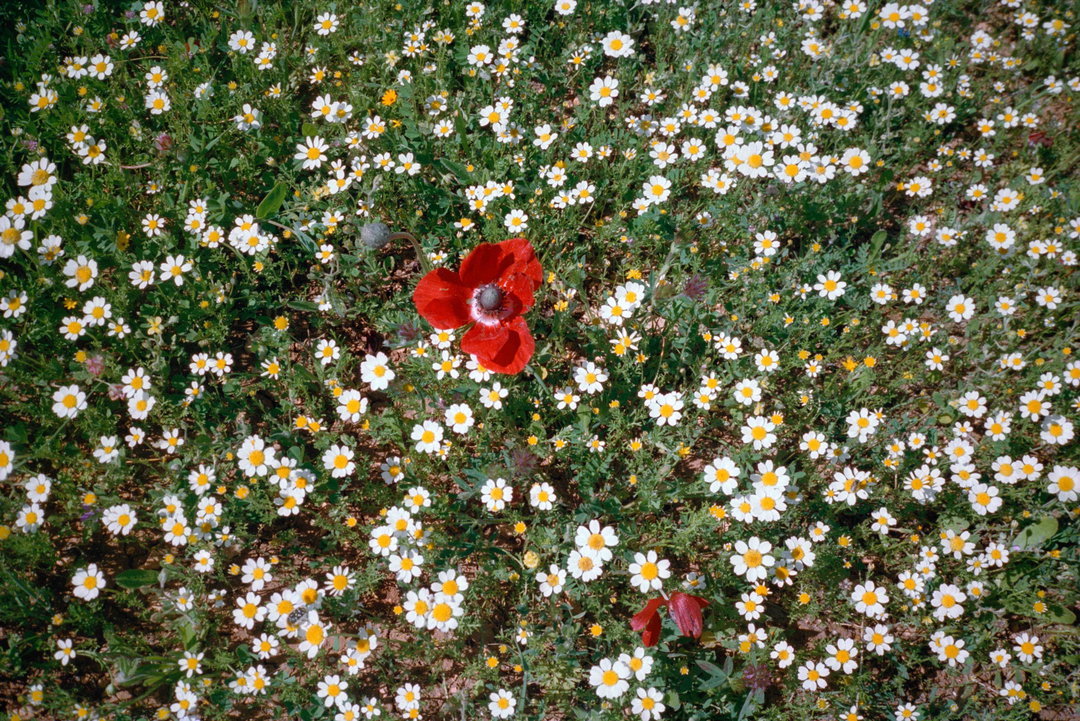
Adam Rouhana: Before Freedom, published by Kaph Books (copyright © Adam Rouhana, 2026)
Before Freedom by Adam Rouhana, published by Kaph Books
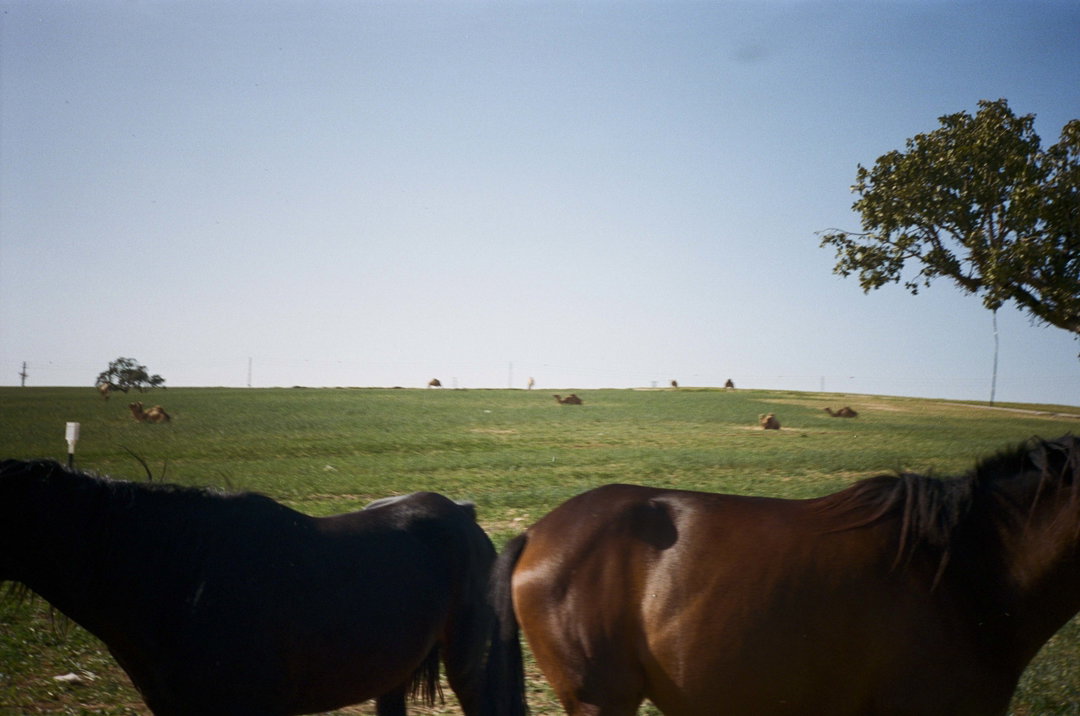
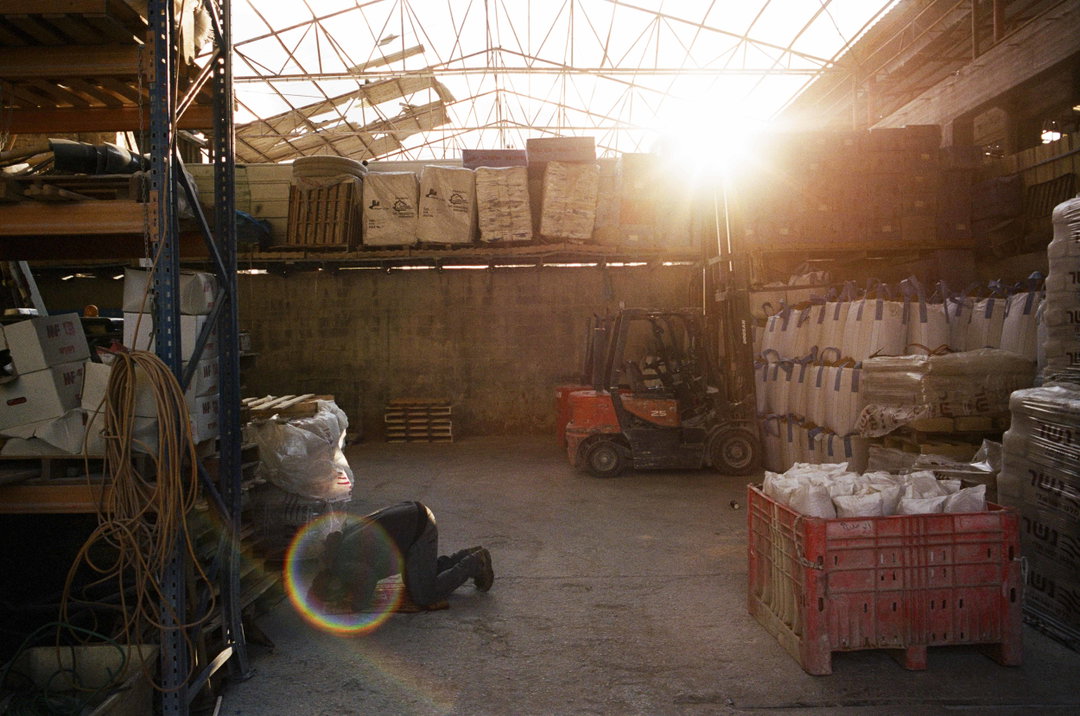
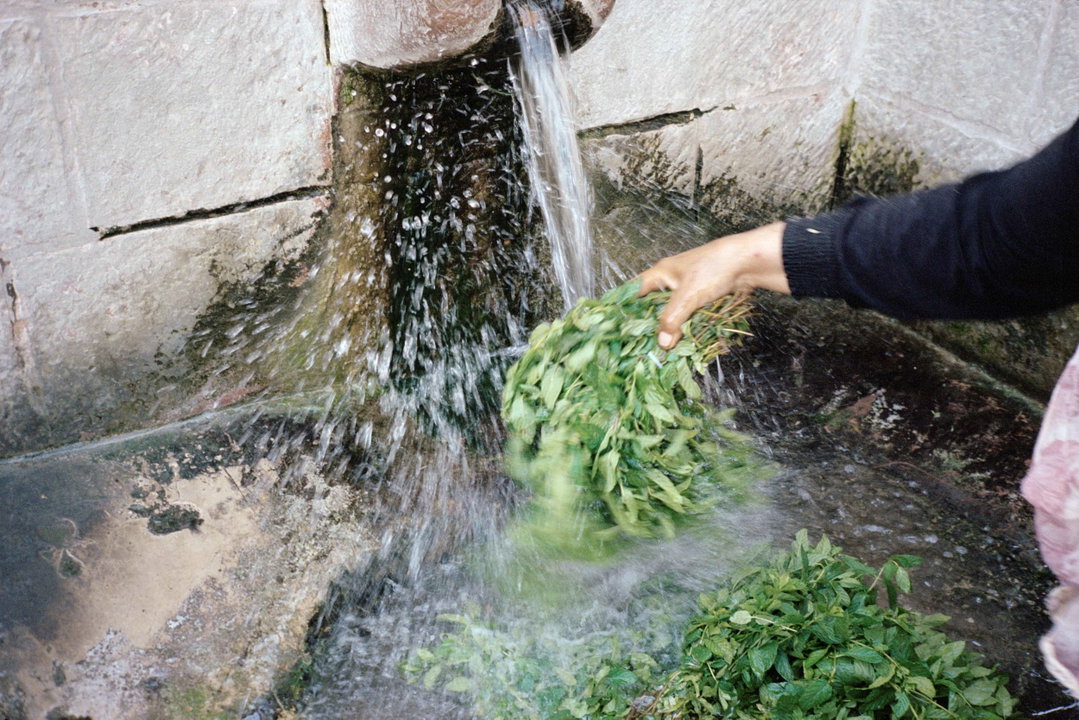
If you come along to Nicer Tuesdays in London quite often, you’ll know that Palestinian photographer Adam Rouhana took to the stage in December 2025 to talk about his ongoing project Before Freedom, documenting Palestine. This talk is certainly one ingrained into my brain – one I’ll never forget. When I heard that Adam was debuting his first monograph at Paris Photo this year, published by Kaph Books, I was keen to get down to his Book Talk (organised by Printed Matter) in conversation with writer and curator Taous Dahmani to hear more about how he had compiled this ongoing series into print for the first time.
Shot with the slowness of film, from Jerusalem to Jericho, from Haifa to Hebron and beyond, the photo project offers a glimpse of a Palestine rarely seen; Adam was determined to go “where journalists don’t usually go”. Beyond the the constant onslaught of harrowing news coverage of Palestinian deaths since the genocide in Gaza began, Before Freedom establishes a counter narrative by celebrating Palestinian life. Much of the discussion between Adam and Taous about the resulting photobook surrounded the power of image making in creating new representations and changing those that are outdated. For Adam, putting this body of work into print and the distribution of it on a larger stage is inherently a political act: “What we know is mediated by what we see,” he said. “So what we know is often only what people have chosen to take photos of, but photography has the power to shape our world. If images have created our understanding of the past and present they can therefore influence the future.”
Adam has recently started a print sale of twelve photographs from this landmark series on his site. The prints are available in a limited edition until the 12 December 2026. 50 per cent of the proceeds will donated to mutual aid in Gaza.
“Photography has the power to shape our world. If images have created our understanding of the past and present they can therefore influence the future.”
Adam Rouhana
1 of 8
Adam Rouhana: Before Freedom, published by Kaph Books (copyright © Adam Rouhana, 2026)
1 of 8
Adam Rouhana: Before Freedom, published by Kaph Books (copyright © Adam Rouhana, 2026)
Julie Joubert: Patria Nostra published by Loose Joints (Copyright © Julie Joubert, 2026)
Patria Nostra by Julie Joubert published by Loose Joints
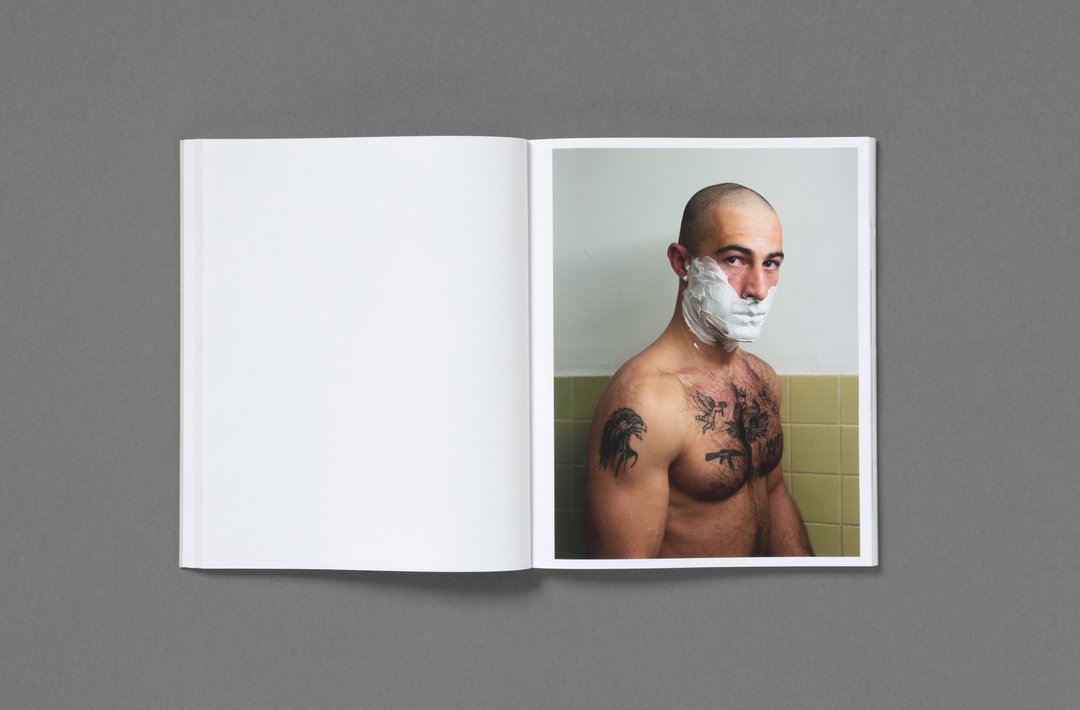
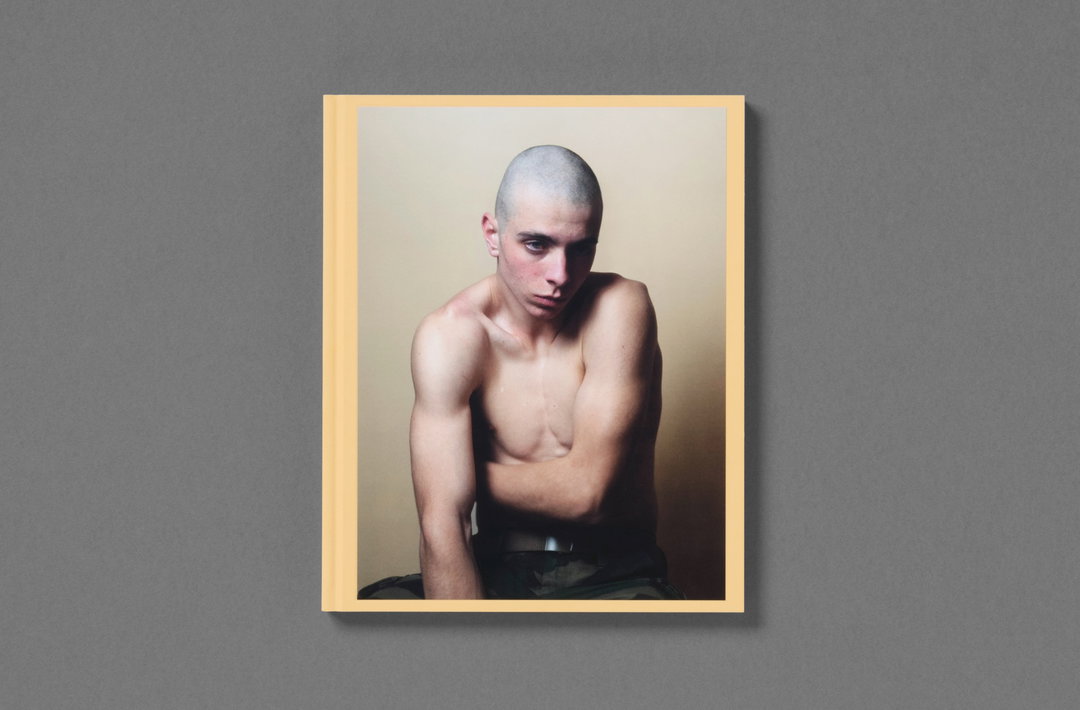
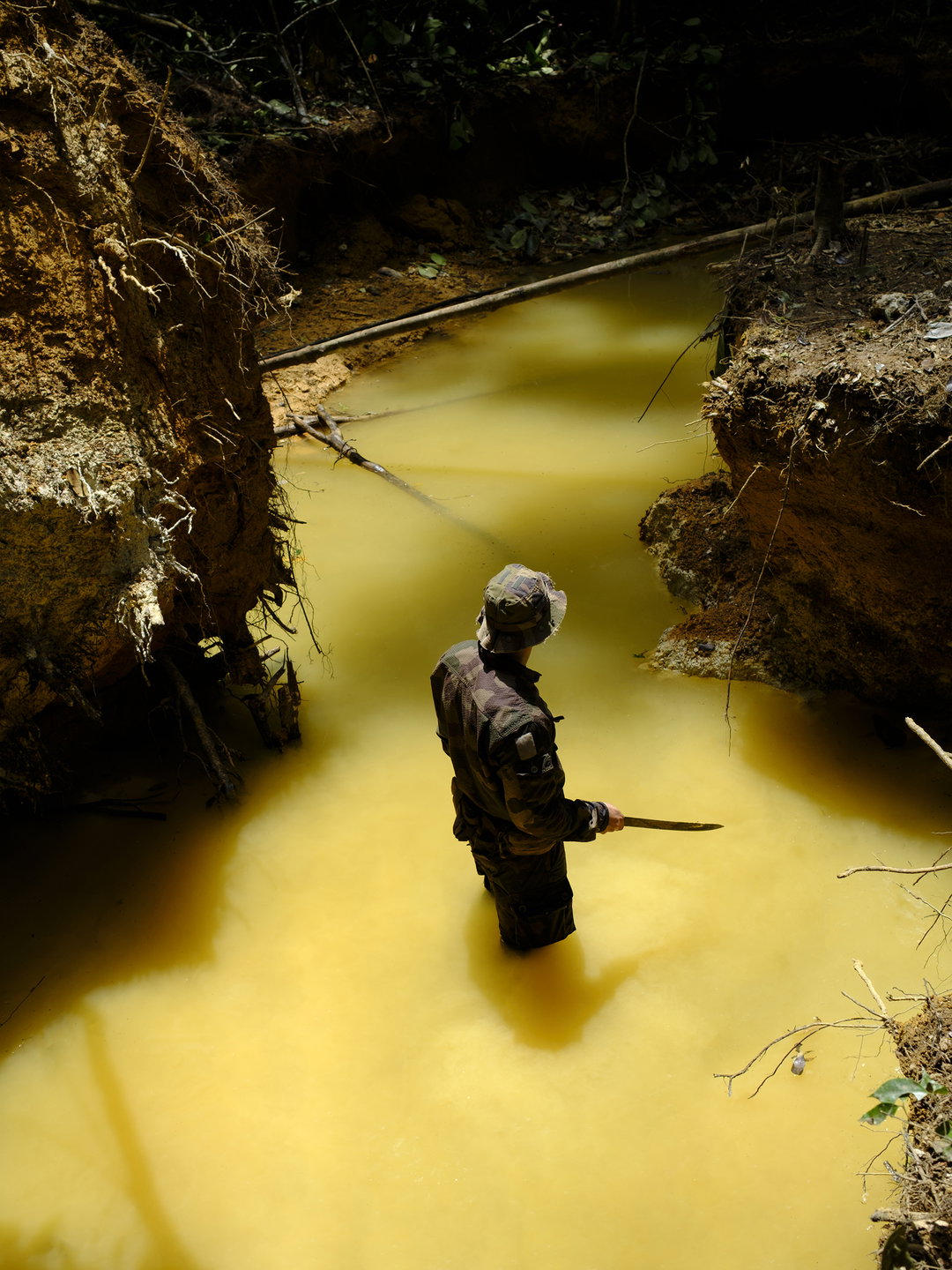
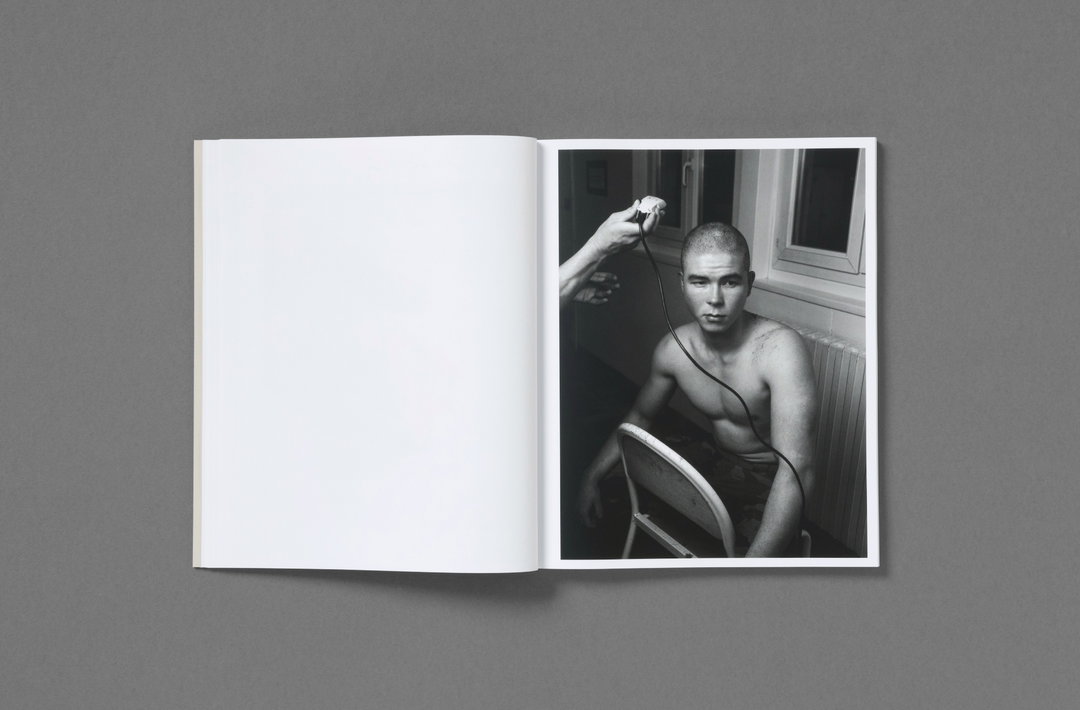
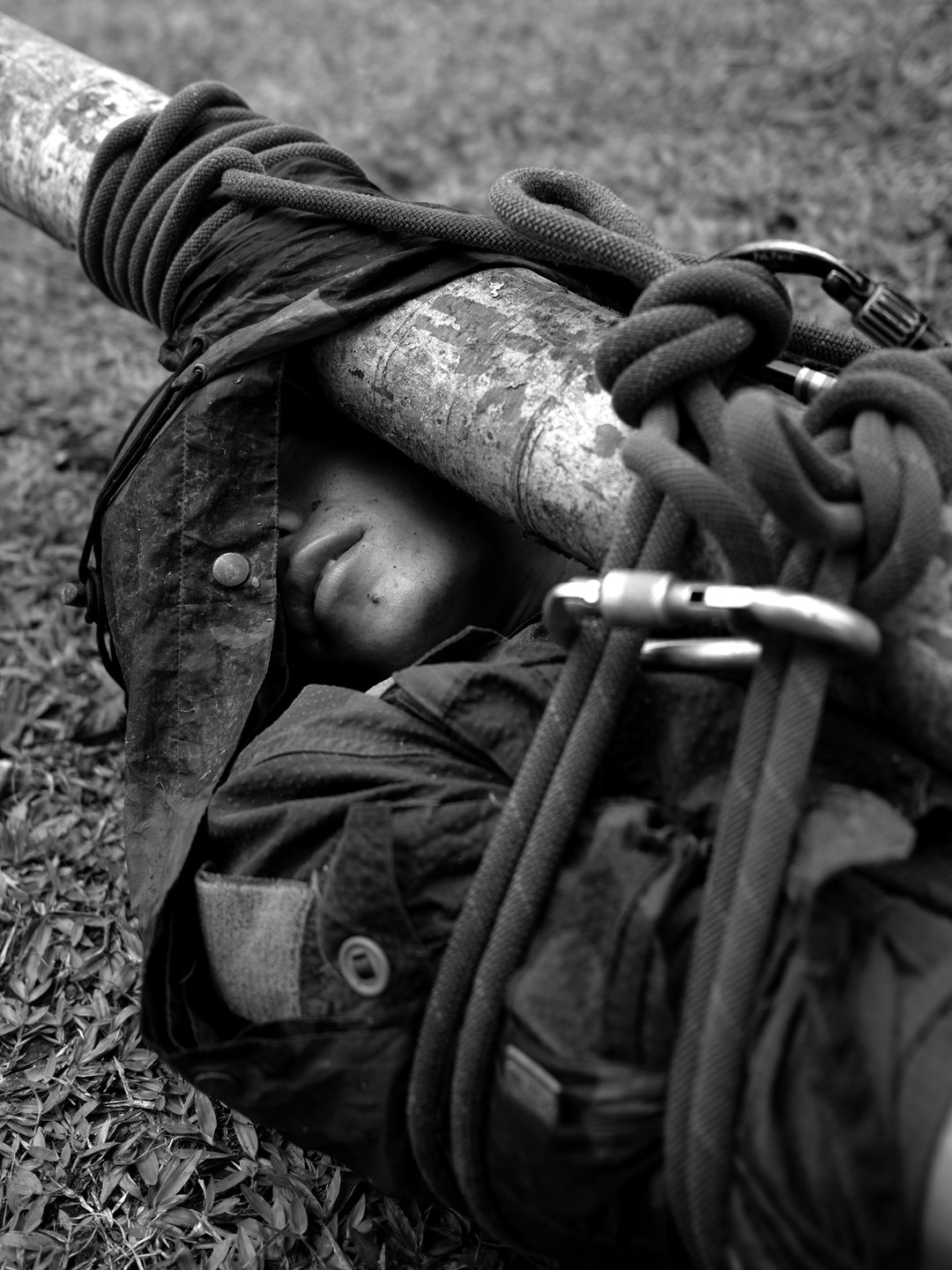
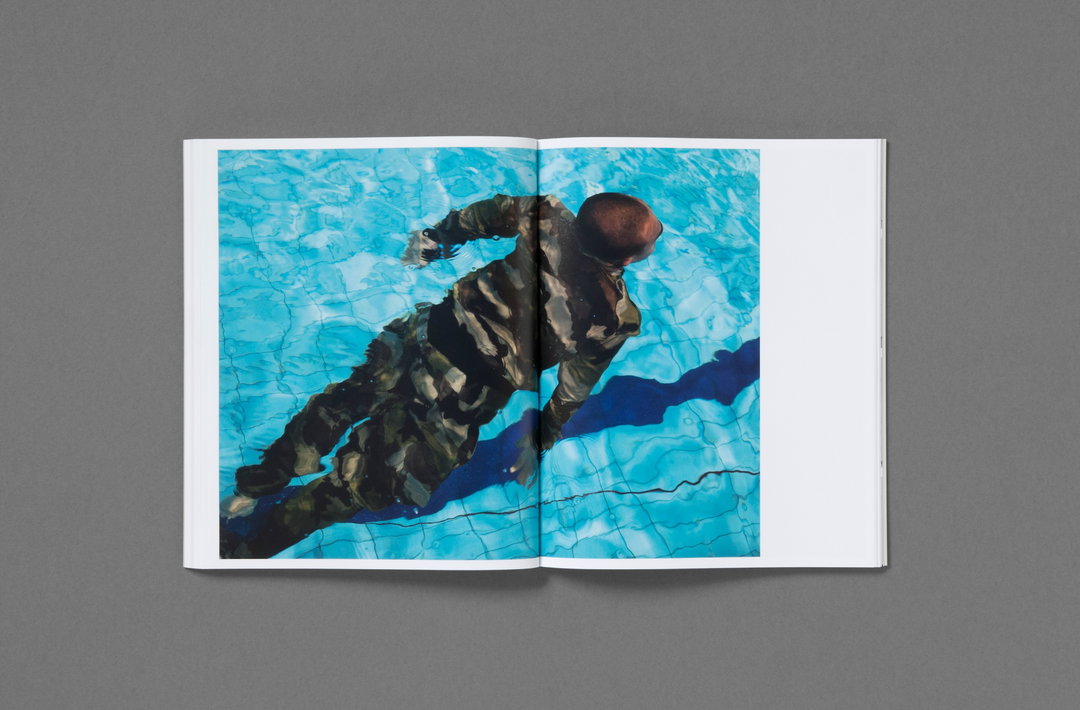
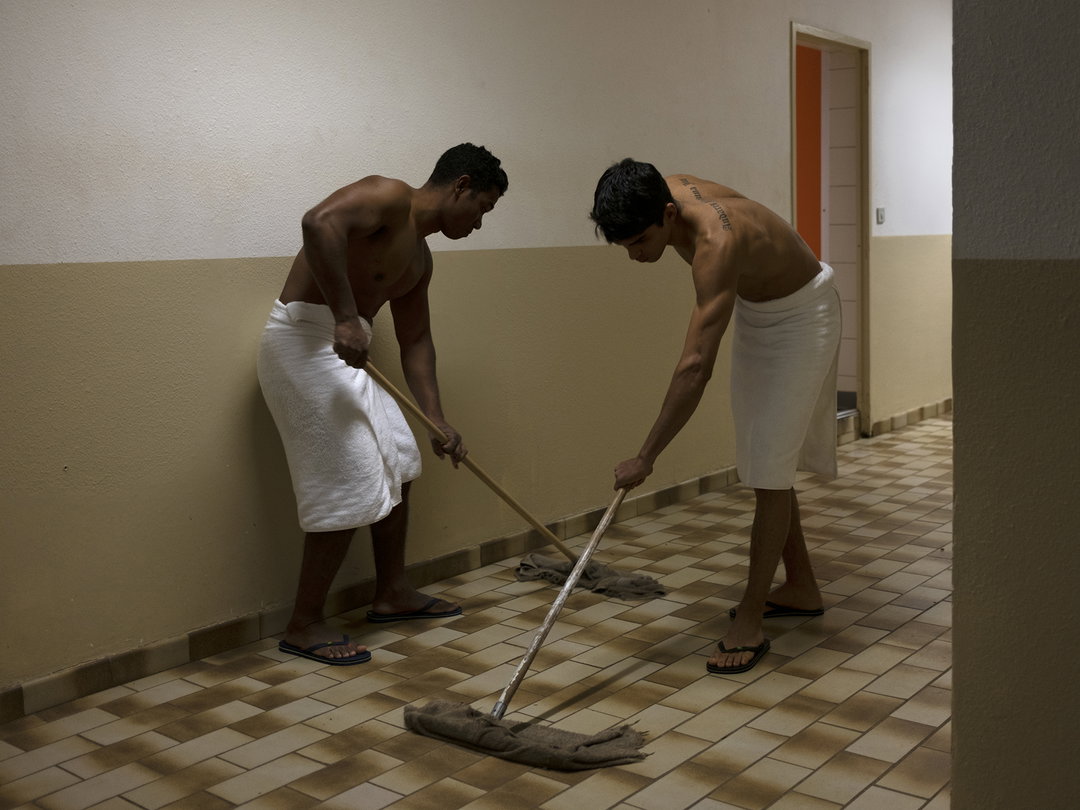
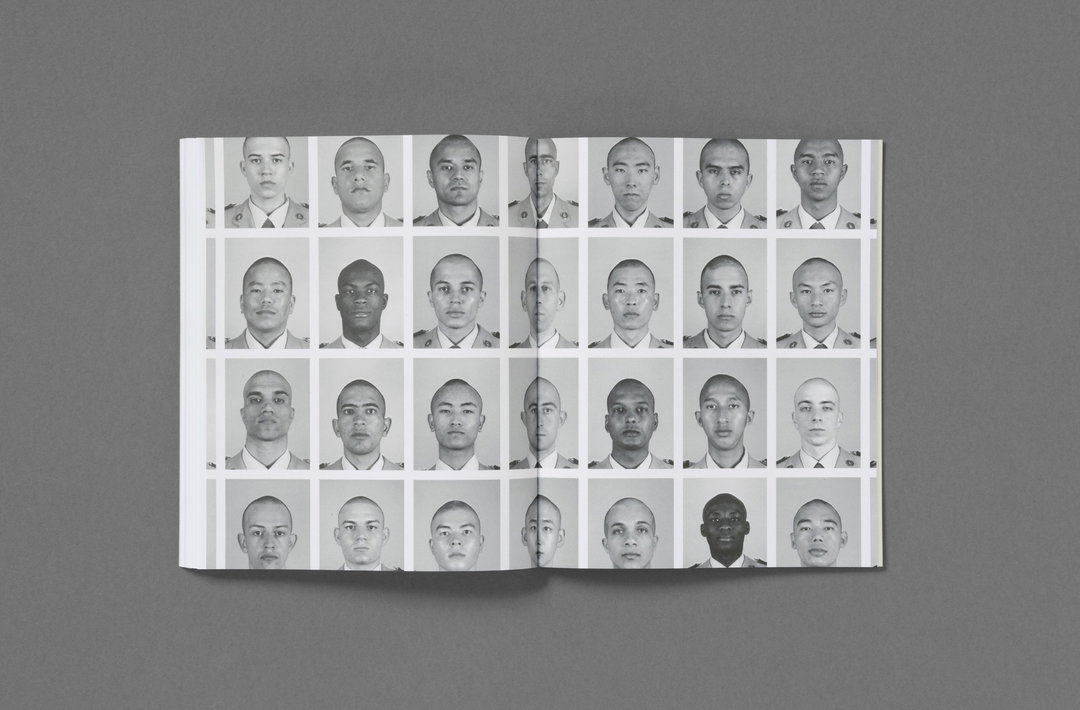
If Claire Denis’ Beau Travail was a photobook it would be Julie Joubert’s Patria Nostra by Loose Joints. Spotted at the Marseille-based publishers stand that swept the photobook awards last year with The Classroom by Hicham Benohoud, this look inside the French Foreign Legion debuted at Paris Photo in print and at Galerie des Filles du Calvaire. It holds true to one of the most common sentiments behind reviews of Denis’ film: The most beautiful film about masculinity was made by a woman.
A photo documentary series of military soldiers in the legion that Julie started over three years ago, the book compiles a stark visual investigation into the global military institution that “offers citizenship, recognition and belonging in exchange for the surrender of name, history and almost everything that came before”. Its very title taken from the motto ‘Legio patrai nostra’ (The legion is our homeland) an expression that pledge’s a soldier’s loyalty to his regiment, transcending that of his birth country. Julie’s focus on close-up portraits and more tender details of the individual soldier’s domestic rituals, like shaving or showering, parallel Denis’ compassionate portrait of masculinity. We perceive the project’s participants through a new lens, through the beauty of this book’s pages – one that hints at their humanity and individuality, despite the fact that they must now become anonymous.
1 of 8
Julie Joubert: Patria Nostra published by Loose Joints (copyright © Julie Joubert, 2026)
1 of 8
Julie Joubert: Patria Nostra published by Loose Joints (copyright © Julie Joubert, 2026)
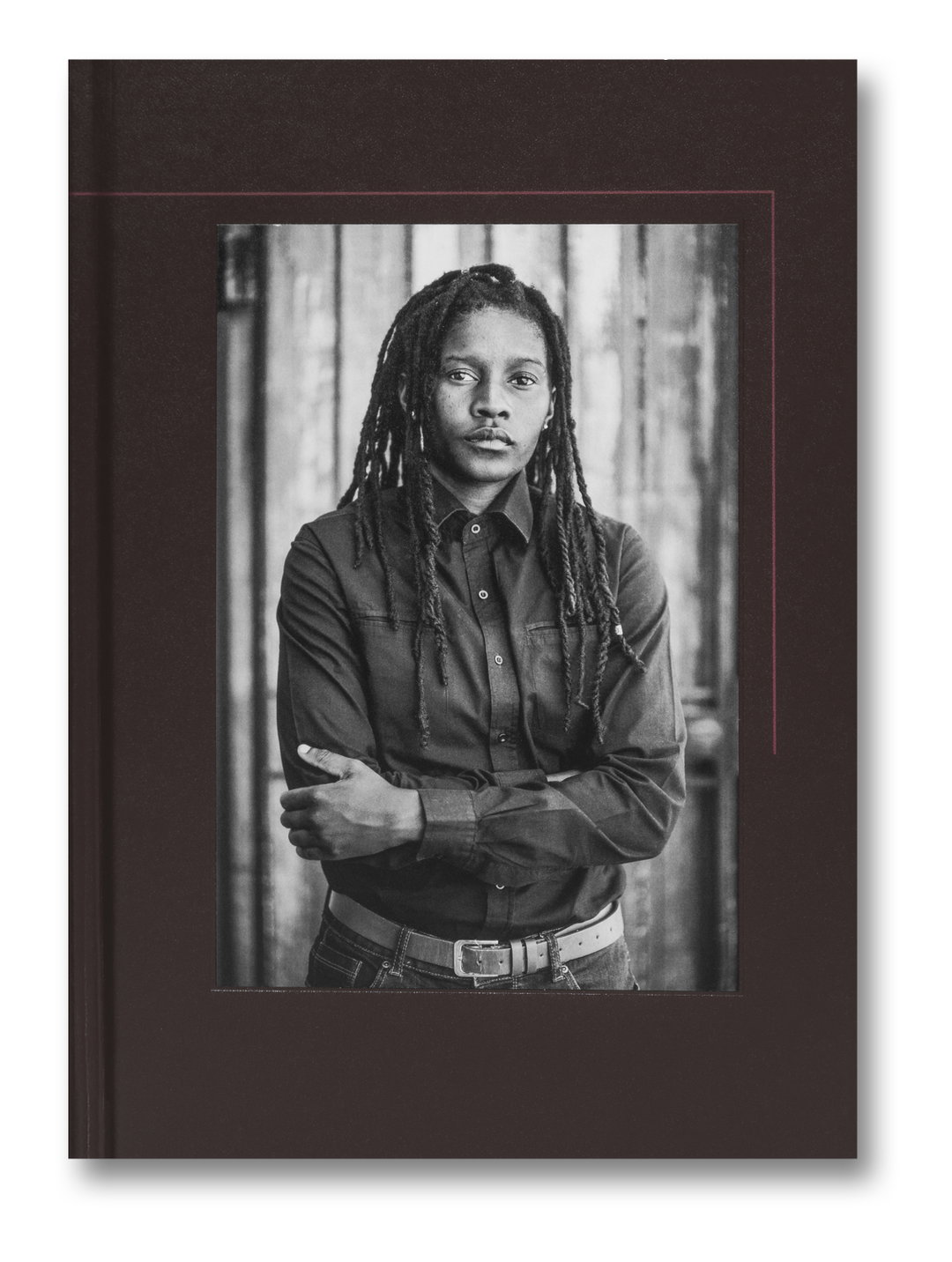
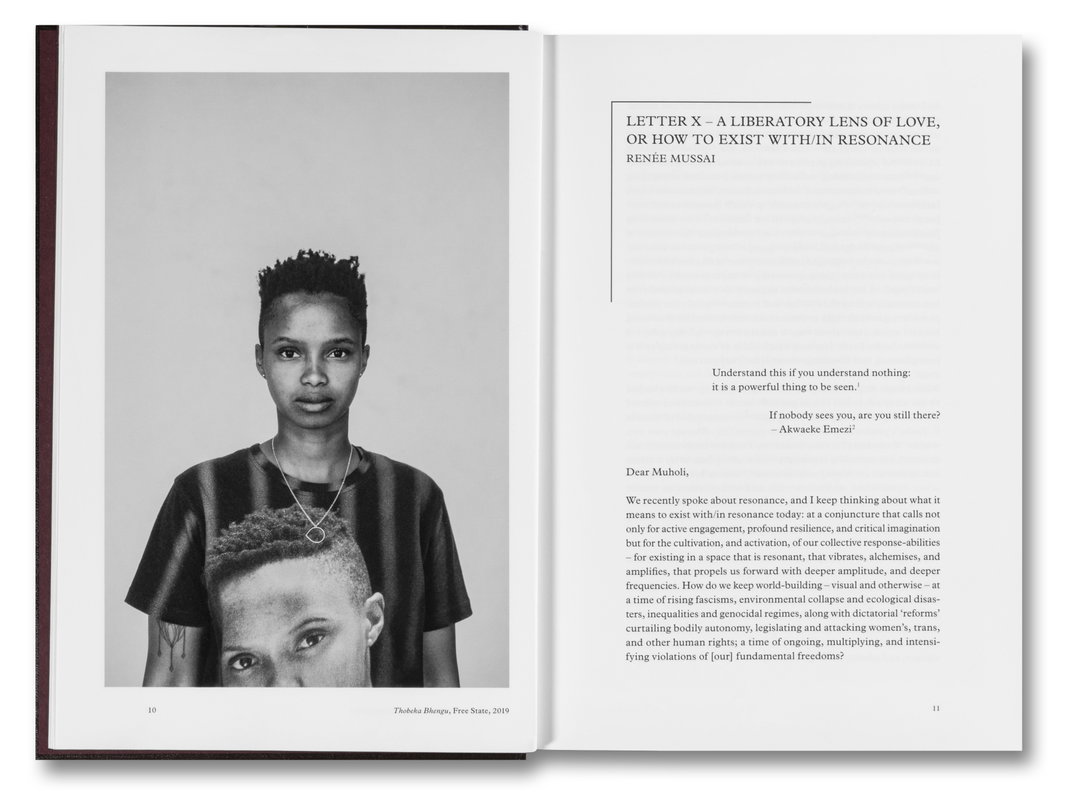
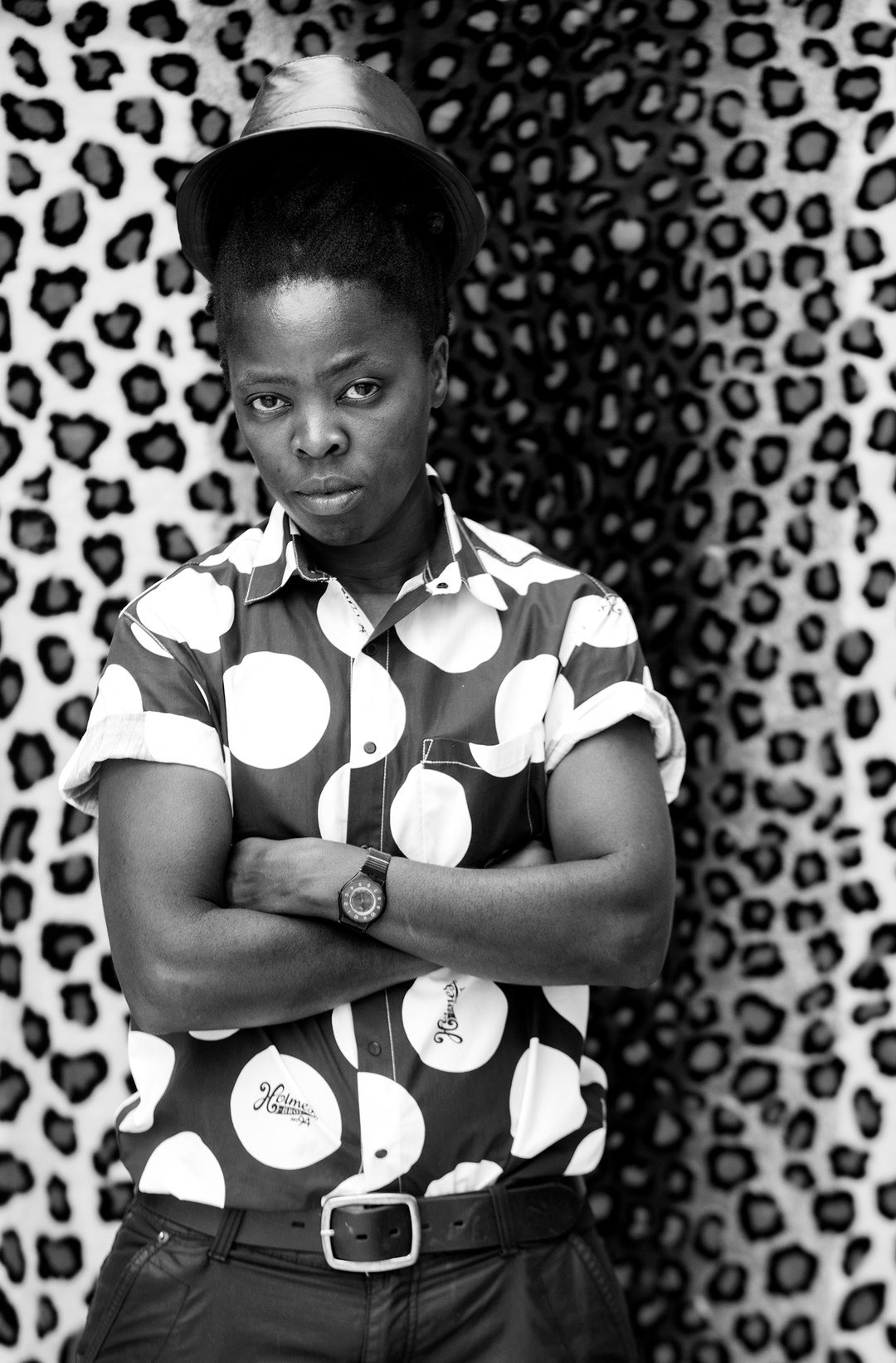
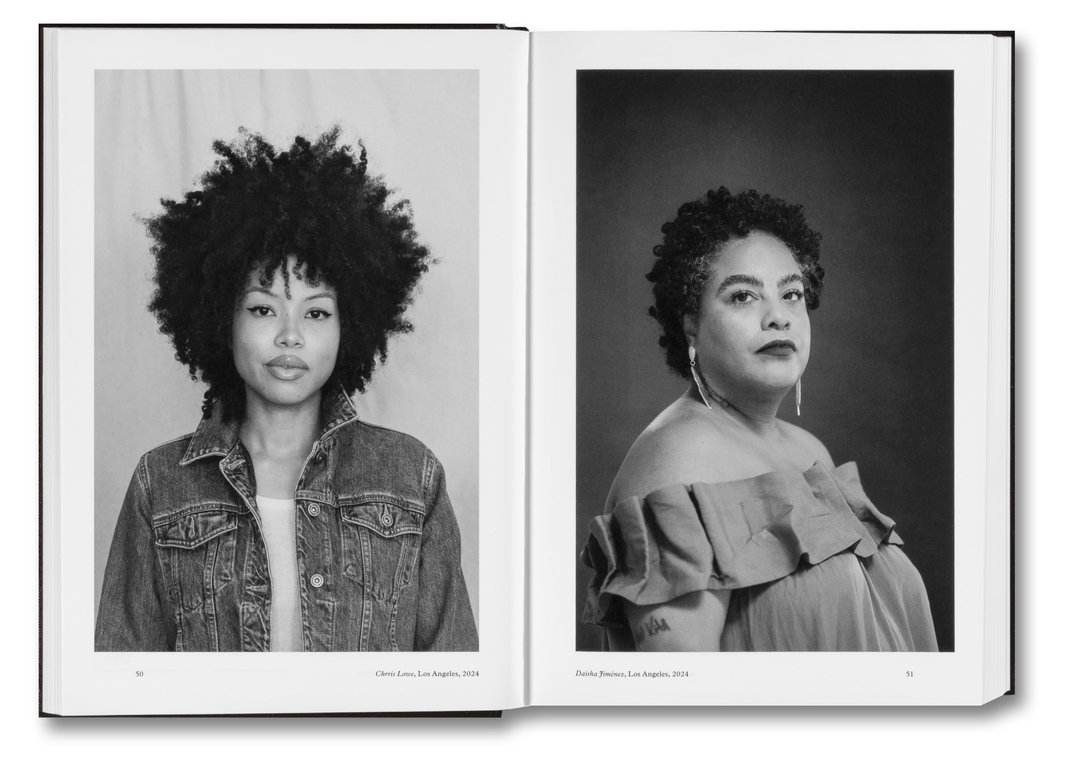
Zanele Muholi: Faces and Phases, published by MACK (Copyright © Zanele Muholi, 2026)
Faces and Phases by Zanele Muholi, published by Mack Books
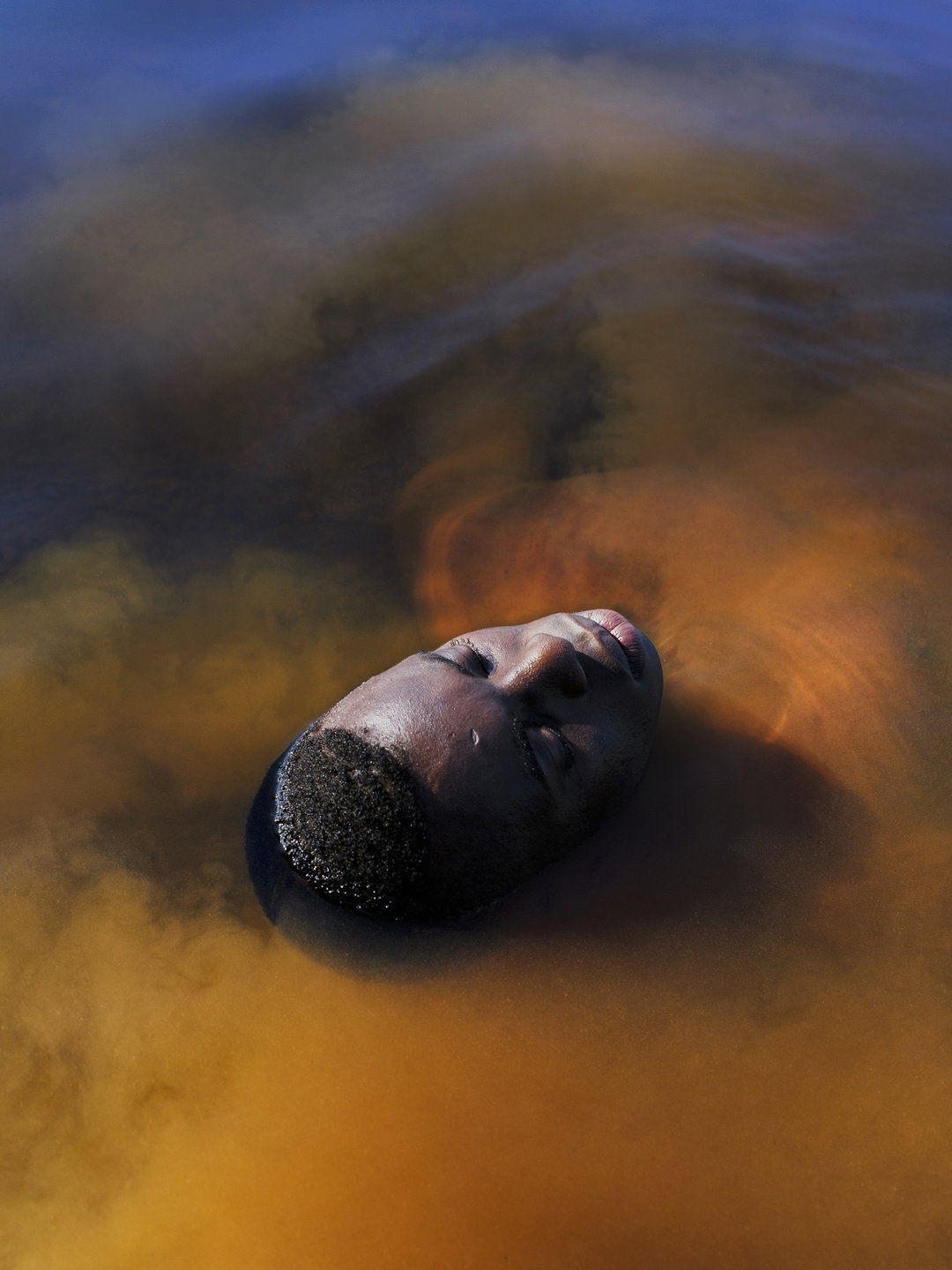
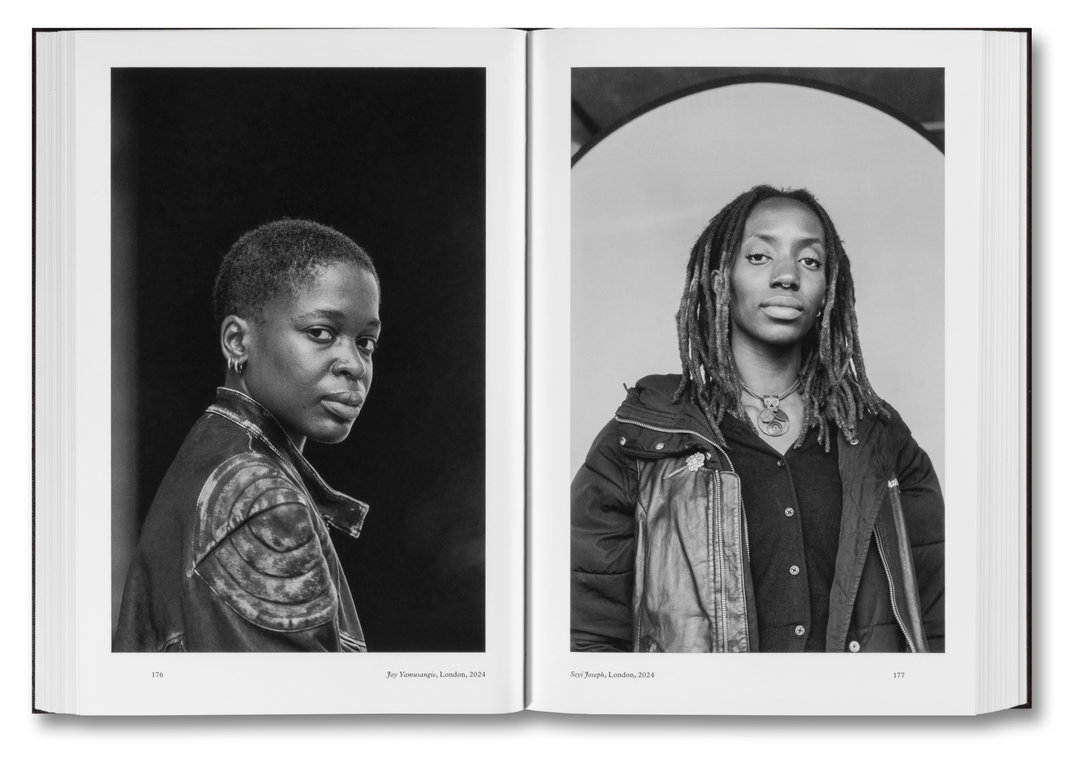
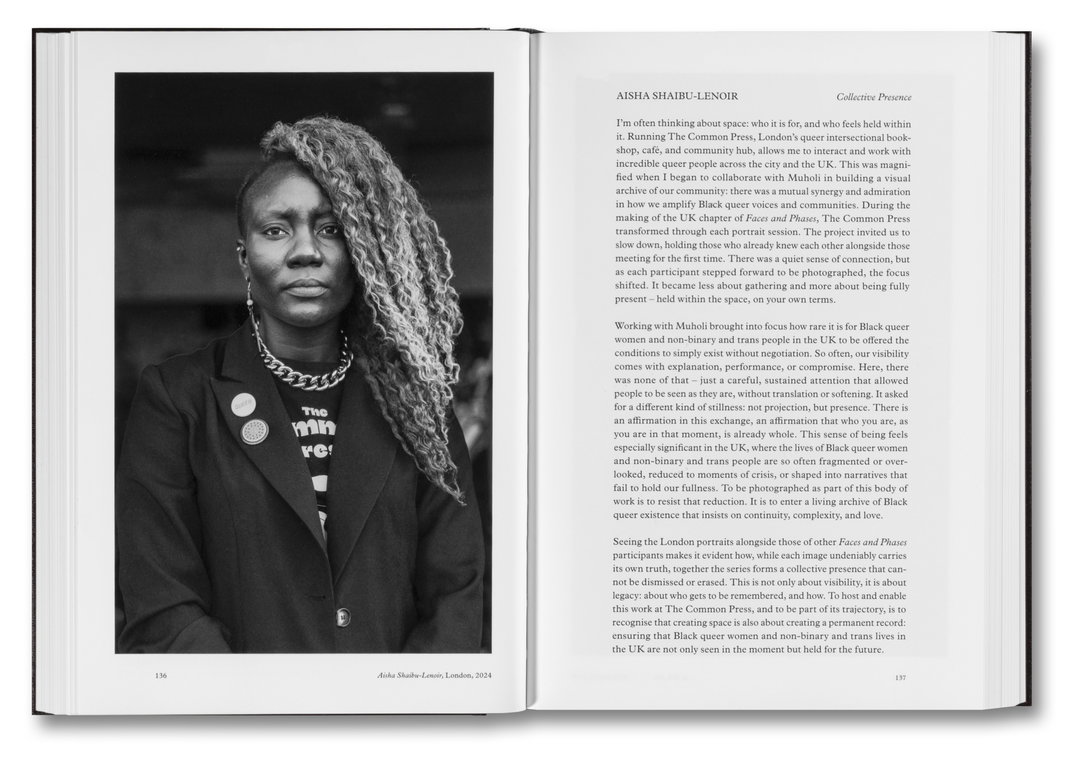
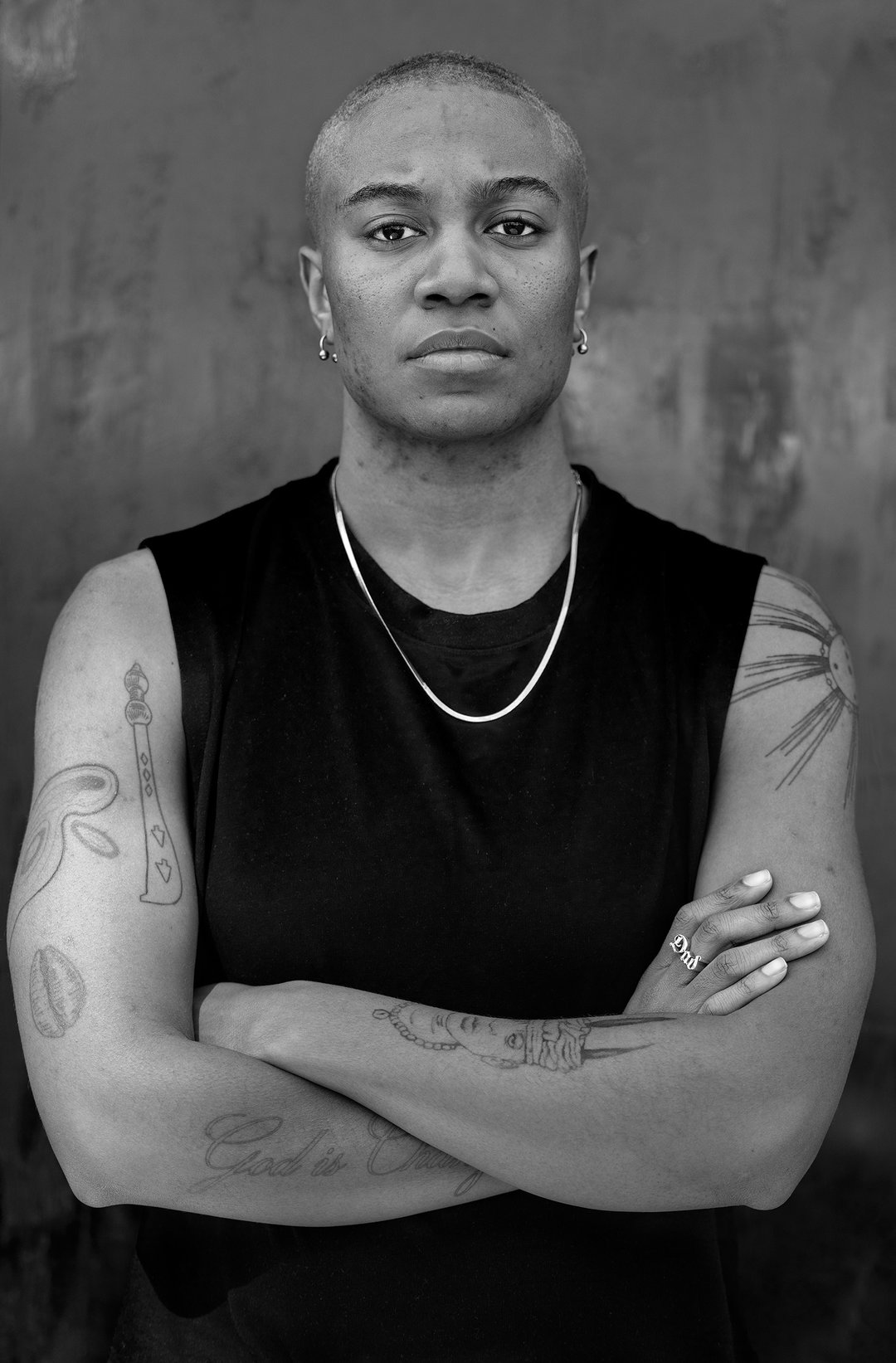
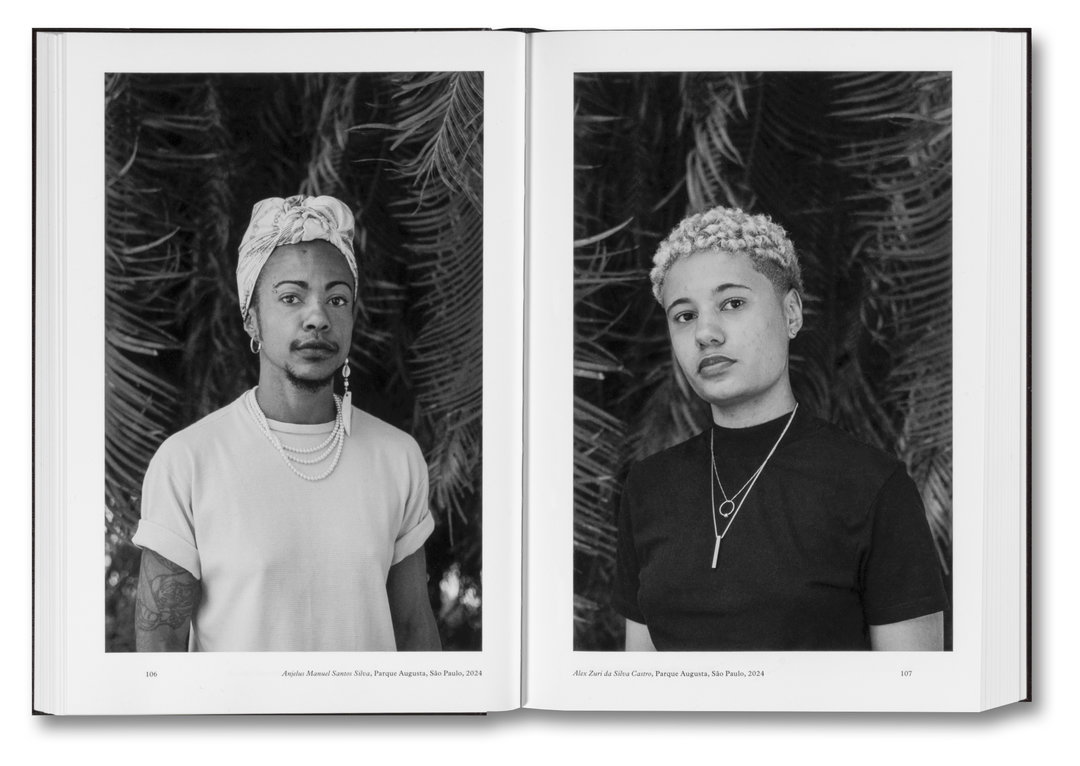
I was lucky to get a seat in the auditorium where Zanele Muholi sat down to talk to Professor Tina Campt and senior editor of Artforum Pablo Lario about their new publication – Faces and Phases – published by Mack Books. The publication marks twenty years of Muholi’s landmark portrait series made from 2006 to 2026. Edited together by Renée Mussai, the photobook stands as one of the largest archives of portraits of Black lesbian and bisexual women, queer, trans, non-binary, and gender fluid people in South Africa and beyond. A collection of portraits that, in the book’s opening, Muholi defines as biographies, not just images.
One of the things that I most admire about Zanele is that they call themselves a ‘visual activist’ not a photographer. Their mission? To “re-write a Black queer and trans visual history, for the world to know of our resistance and existence”. If there’s anything that the scale of this photobook project reflects, its that the work of the visual activist lies in creating visual archives – collections of images that, if left undocumented, would cut future generations off from their own history. “The people that are changing the landscape for queer people in South Africa,” Muholi said during the discussion, “will never be written about in books. I wanted to make this book for people that come out now, that come out in the future – to give them something to hold on to and to know that people like them have always been here.” The ambitious volume is a showcase of not only its incredible span, but the beautiful breadth of its participants.
“I wanted to make this book for people that come out now, that come out in the future – to give them something to hold on to and to know that people like them have always been here.”
Zanele Muholi
1 of 8
Zanele Muholi: Faces and Phases, published by MACK (Copyright © Zanele Muholi, 2026)
1 of 8
Zanele Muholi: Faces and Phases, published by MACK (Copyright © Zanele Muholi, 2026)
Hero Header
Keisha Scarville: Passports, Courtesy of MACK and the artist (Copyright © Keisha Scarville, 2026)
Share Article
Further Info
About the Author
—
Ellis Tree (she/her) is a staff writer at It’s Nice That. She joined as a junior writer in April 2024 after graduating from Kingston School of Art with a degree in Graphic Design. Across her research, writing and visual work she has a particular interest in printmaking, self-publishing and expanded approaches to photography. [email protected]
To submit your work to be featured on the site, see our Submissions Guide.