

- Words
- Paul Moore
- —
- Date
- 5 October 2026
- Tags
Nick Haymes’ new photobook is a sprawling testament to the blood, tears and joy of growing up
Chronograph collects 25 years of photographs of his children turning into adults. It’s funny, bittersweet and sometimes heart-wrenching. We speak to Nick Haymes and his two sons about the trials and tribulations of childhood and parenting, as well as the process of recording life.
Share
Share
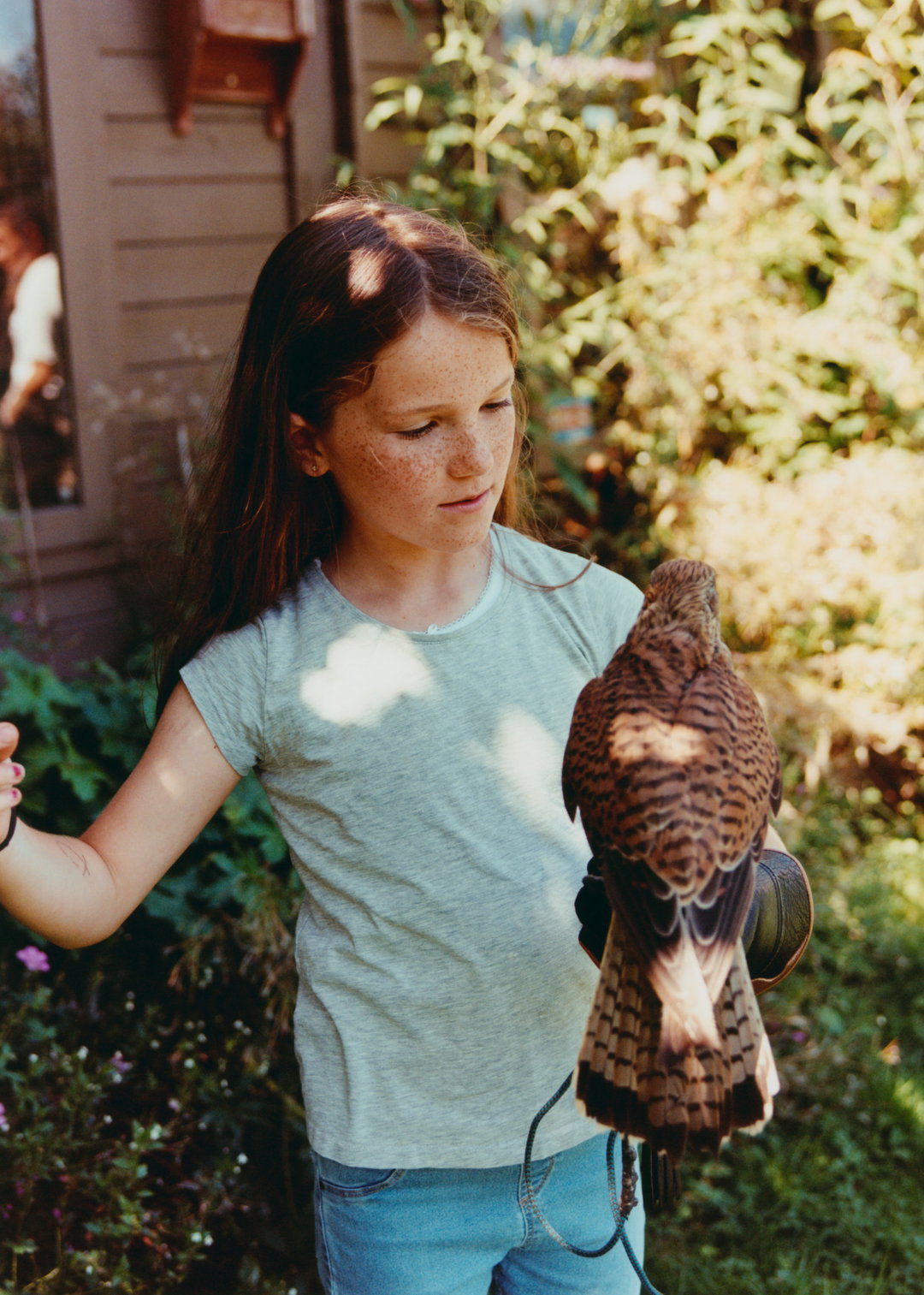
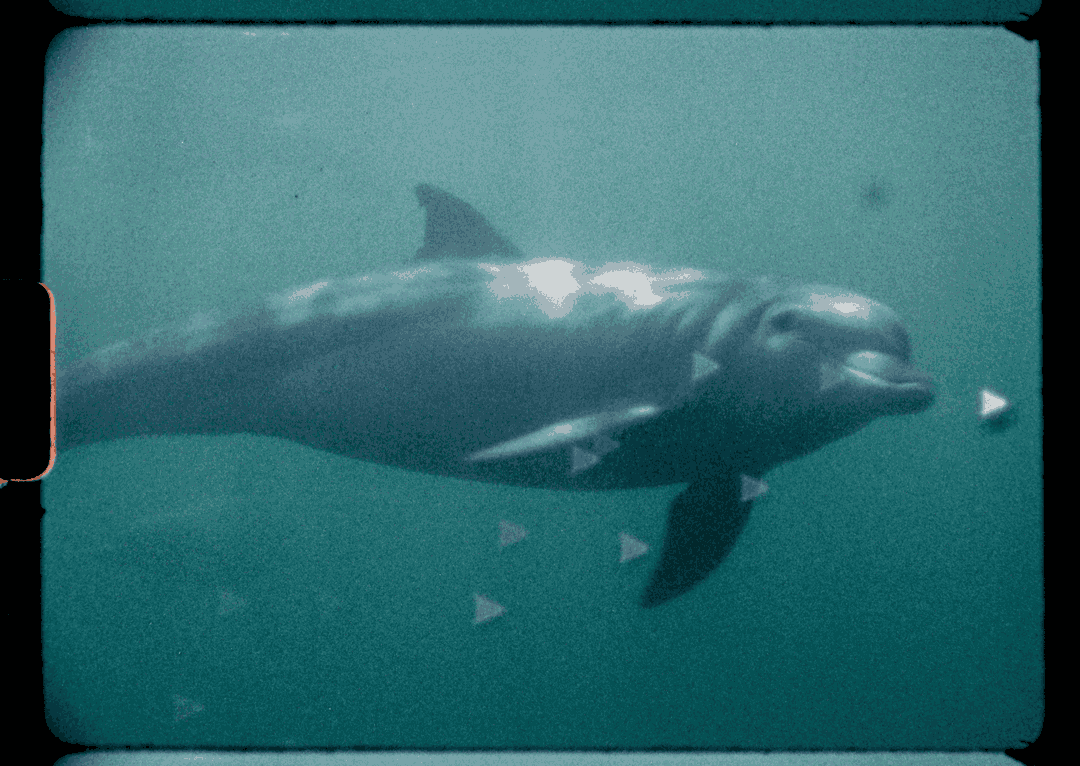
Chronograph, the new photobook by Los Angeles-based photographer Nick Haymes, published by Mack, begins with a sledgehammer image: the destruction of the Twin Towers, which fell 25 years ago this year. At first, it’s a startling gut-punch of an opening, especially as the viewer flicks through this large photographic collection of Nick’s two kids, Philipp and Lawrence. It doesn’t take long, however, as we stare into the familiarity of these sentimental childhood photos, filled with drooling baby faces, bright eyes and porcelain skin that blooms into teenage acne and whispery facial hair, to realise there was no other way to begin such a collection. As two monoliths of Western iconography fell in New York City, elsewhere, two boys began growing up. It’s a narrative that is equally as macro and micro.
It’s through Chronograph that Nick, who is a profoundly grungy photographer (just take a look at his brilliantly scruffy, Larry Clark-esque collection The Last Survivor), makes some of his greatest statements on youth, pain and loss – it’s almost impossible to escape the shadow of that very first image, but it’s equally as impossible not to fall into a dream-like reverie as we grow up in parallel with Philipp and Lawrence. Chronograph, in its Greek etymology, means the recording of time – and what Nick does here is make time feel touchable, through light and image – he records parenthood, childhood, happiness and sadness, the fleetingness of this all, born from literal ashes and blooming into something speculator and new, although small and commonplace.
It’s Nice That speaks to Nick and his sons Philipp Lerman and Lawrence Haymes in a unique interview about this wonderful book and themes of permission, growing up and how photographs are a way to hold on to the living.
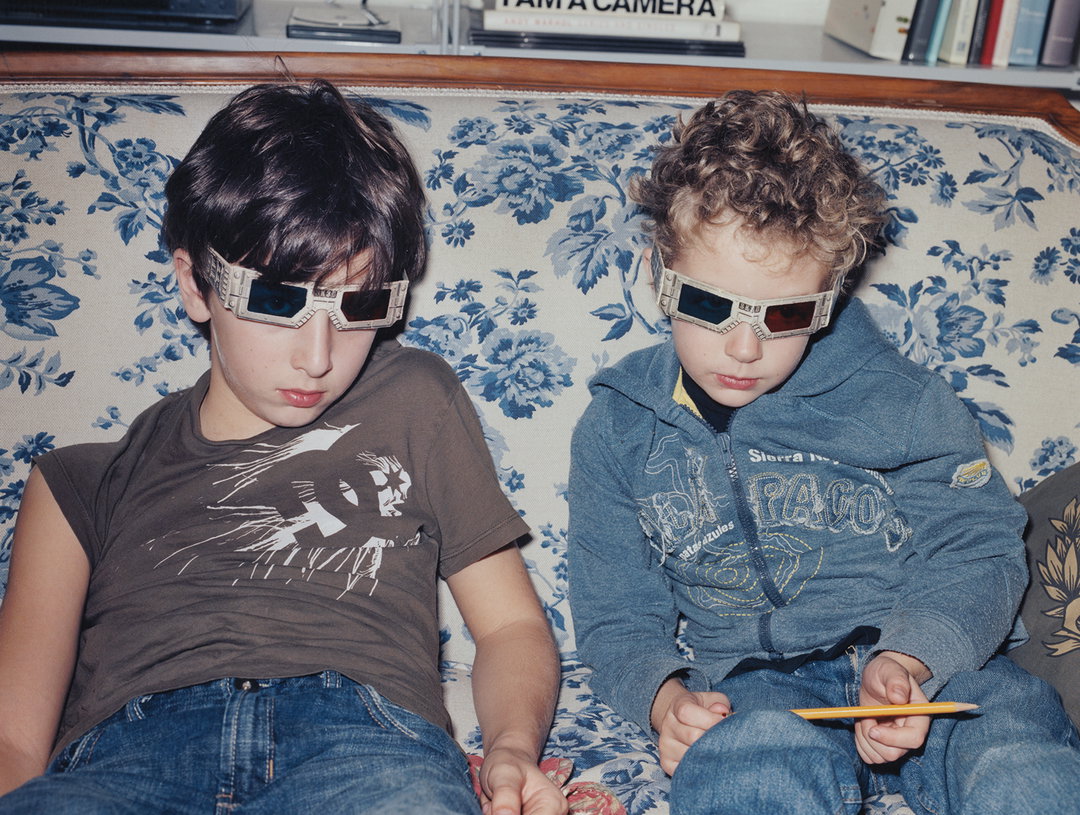
Nick Haymes: Chronograph. Courtesy of the artist and Mack (Copyright © SPBH Editions, 2026)
It’s Nice That:
Considering that Chronograph is about your two sons, beginning the book with stark images of the attack on the Twin Towers is gutting and profound. Was there really any other way to begin this book?
Nick Haymes:
I’d only been in New York for just over a year or so when the towers collapsed. I was living only a few blocks away from them at the time and [the Twin Towers were] there every morning when I opened the blinds to my tiny apartment on West Broadway. The destruction of the Twin Towers was a huge devastating thing for so many people but it’s also the catalyst to shaping my whole future with my now-wife. Lina and I had been only friends for quite some time (she was already married with a child hence making our friendship even more complicated). That particular day we were due to spend the evening together attending her friend’s exhibition opening (and meet prior). When the first tower was hit, I called her to say that something had happened downtown and I was going to check it out and take some photos. The power went out in the downtown area so there was no means of communication and as the situation developed, Lina feared the worst and decided to look for me right as the second tower came down making her search for me even more impossible. With confusion all over the city, I was unable to gain access to my apartment, so I made my way back to Lina at her work. She had already written off seeing me again and upon my arrival was met with mixed emotions.
The days after the catastrophe in New York brought home how short life can be and indeed is. It sealed our future together, so there really is no other way to begin the book than with this massive historical moment that also had more macro consequences.
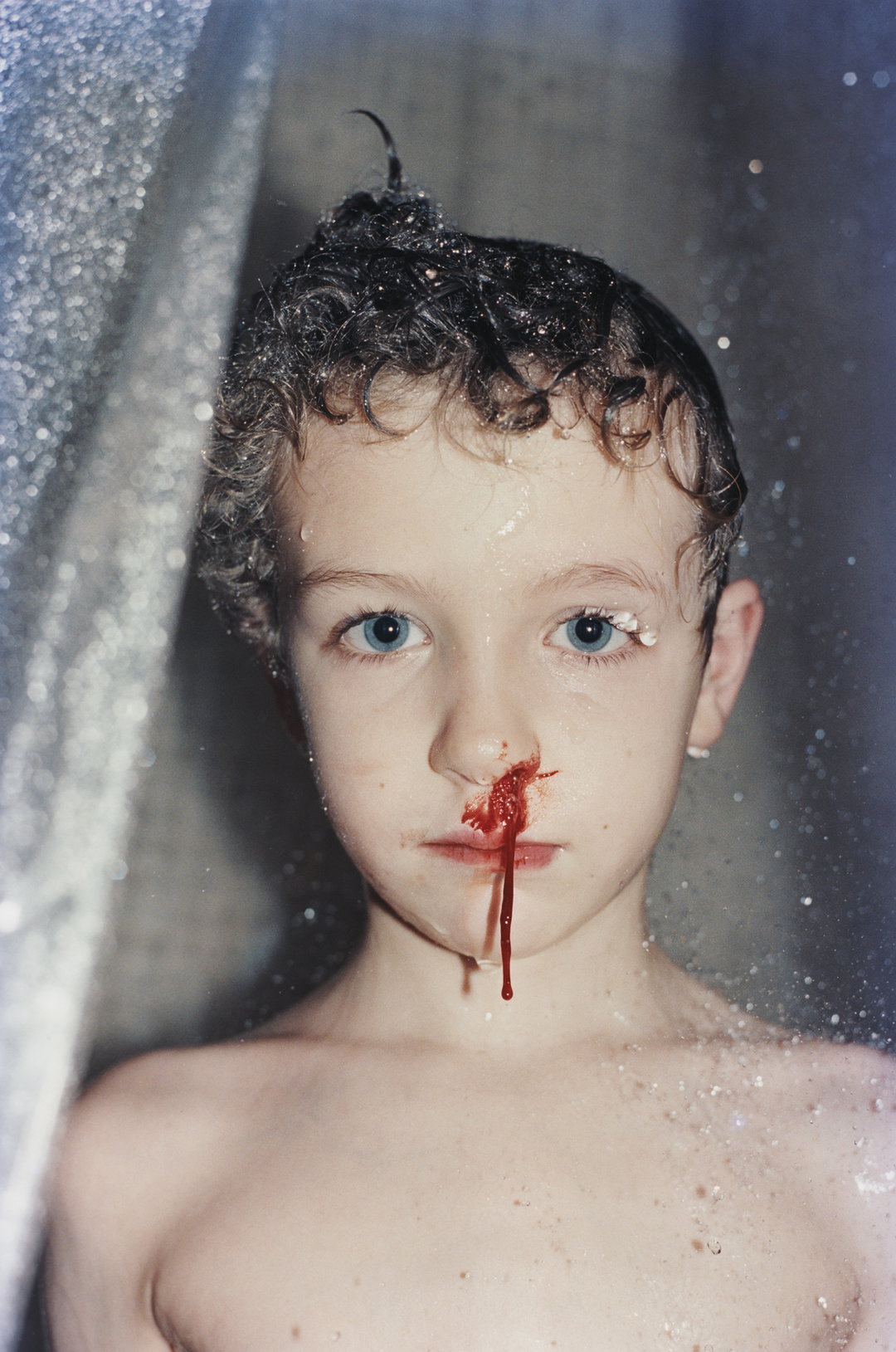
Nick Haymes: Chronograph. Courtesy of the artist and Mack (Copyright © SPBH Editions, 2026)
“We mostly saw past the camera and just saw our dad.”
Philipp Lerman
INT:
Parents commonly shoot photos of their kids, but your dad really captures everything: injuries, nudity and dead pets in cardboard coffins. Was the camera just an accepted part of your environment growing up?
Philipp Lerman:
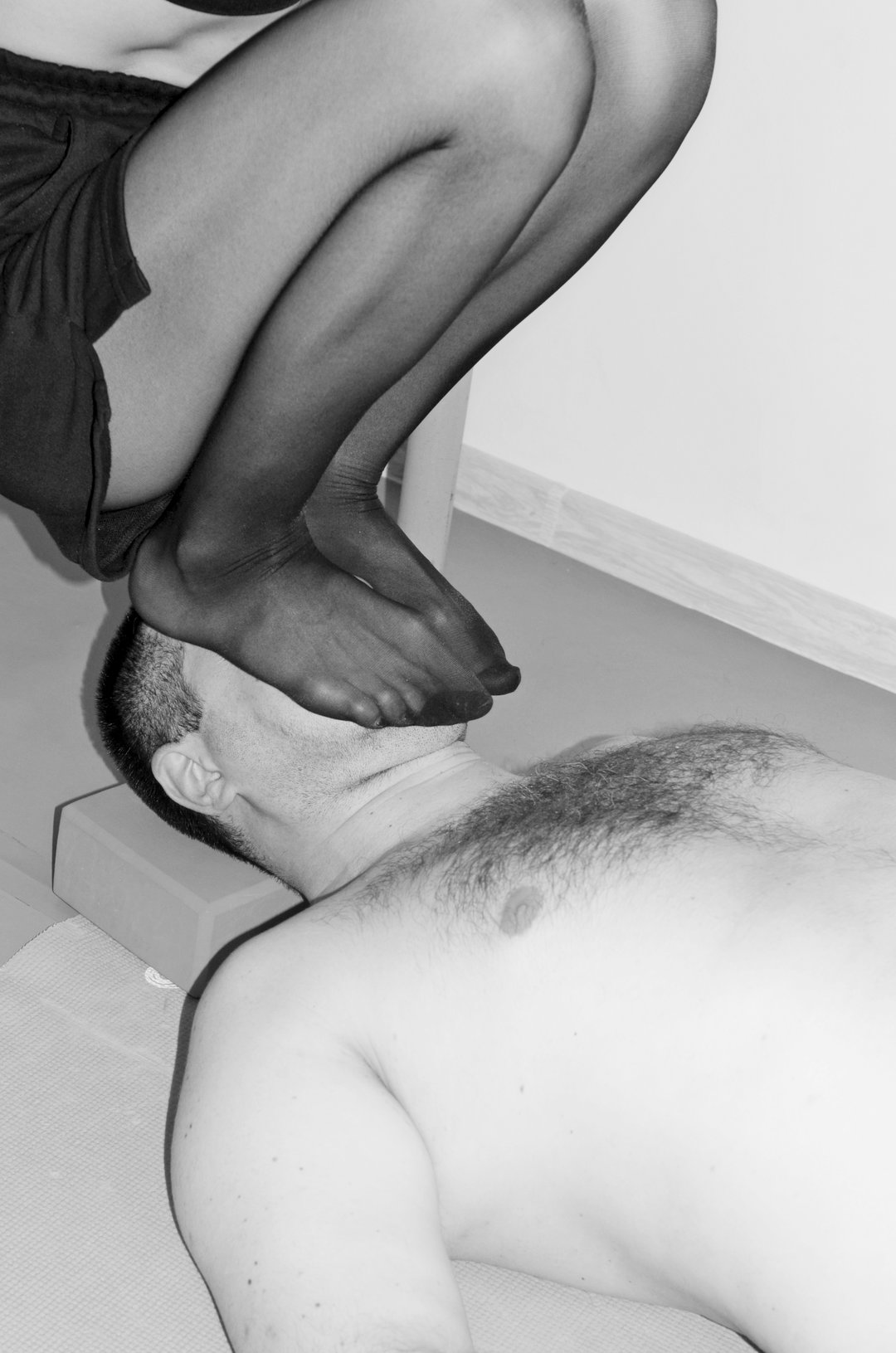
Honestly, it was mostly just something happening passively in the background. We weren’t looking at the photographs afterward or hanging them on the wall – and as children I’m sure we had no real understanding of why our dad was photographing those things. This was also right before digital, so there wasn’t even the chance to see the photos. The camera was just part of our environment. Of course, there were moments when we resisted it, especially once teenage angst and puberty hit, but during childhood we were so used to it that we rarely questioned it. Running around naked for example was completely normal and comfortable. So when you’re already that comfortable around someone, being photographed by them doesn’t feel intrusive. I’d say later we either let the picture happen or flat-out refused, but we never really stopped to ask why he was taking it.
INT:
Sometimes I pass by schools that have a sign that warns parents about being non-present for their children with the words: “Greet your children with a smile, not a camera." Growing up, did you ever see the camera, or did you see past the object and see your Dad instead, who seemingly was always present?
Lawrence Haymes:
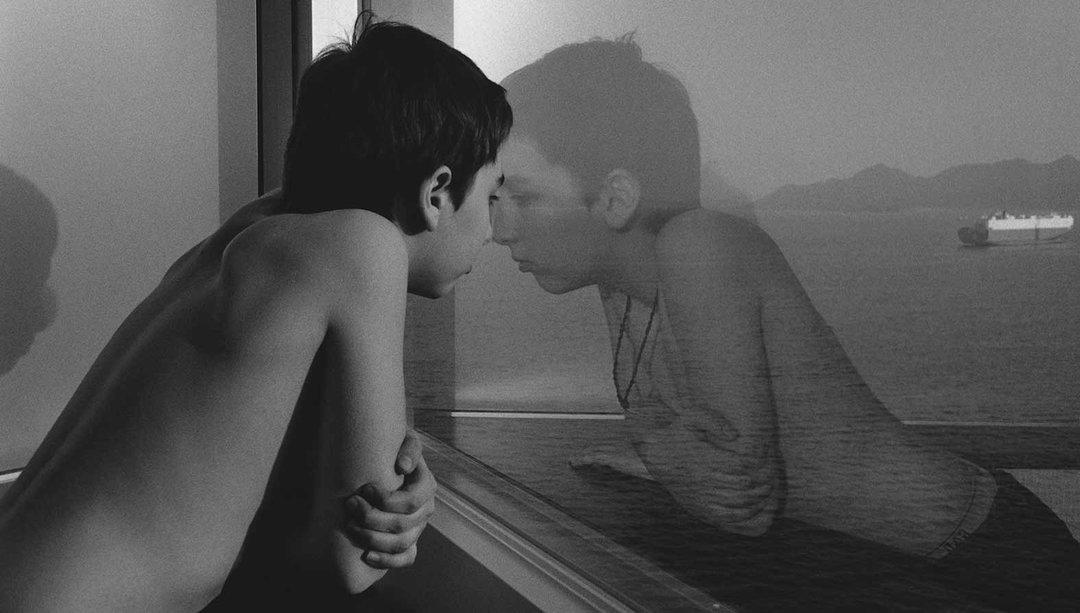
Separating my dad from a camera is impossible. It’s the image I grew up with, a father with a camera. If anything, it would be notable if he didn’t bring his camera somewhere. The camera is an extension of him and his eye. Nothing speaks more to someone’s presence than wanting to capture it via photograph.
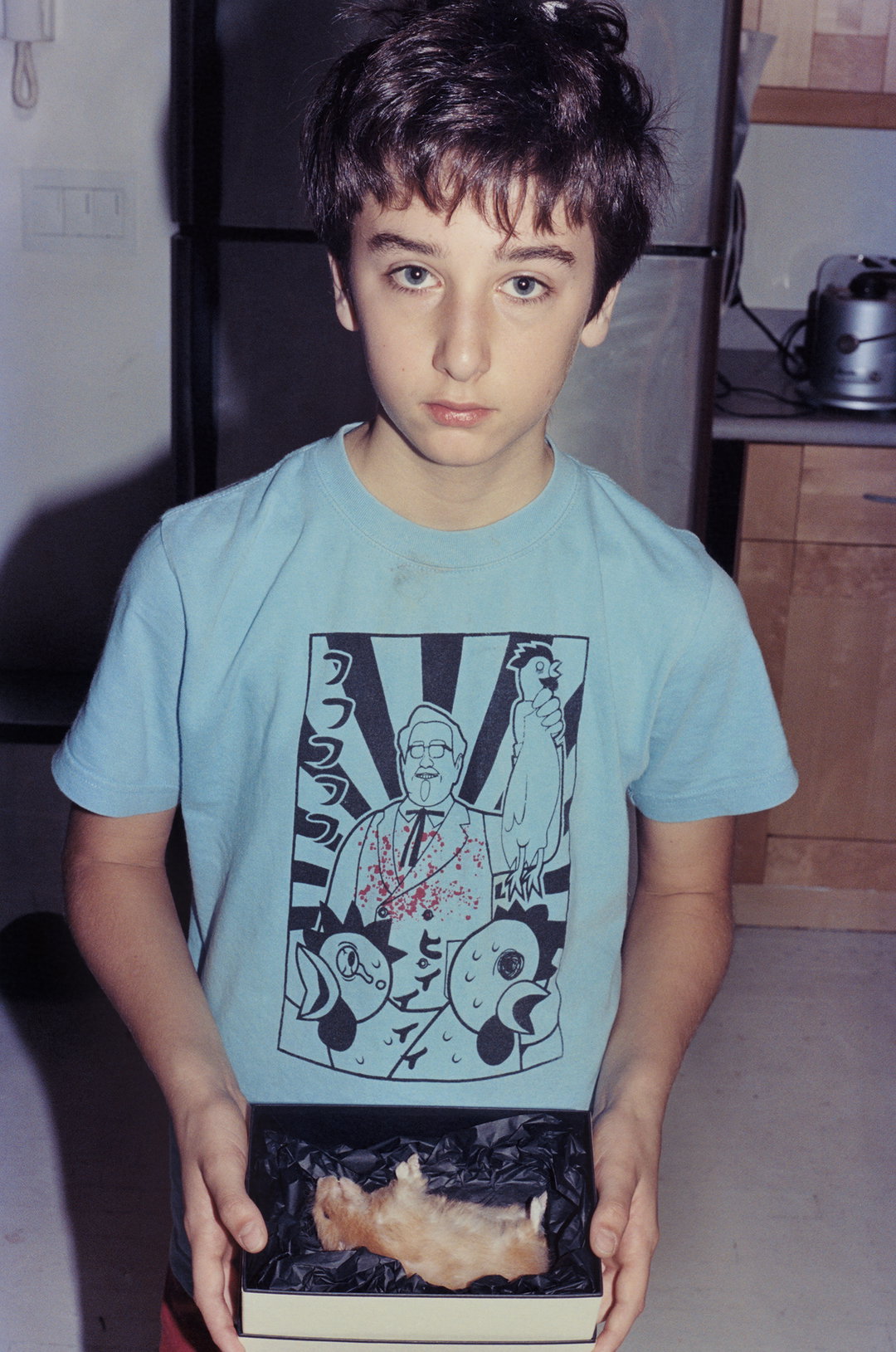
Nick Haymes: Chronograph. Courtesy of the artist and Mack (Copyright © SPBH Editions, 2026)
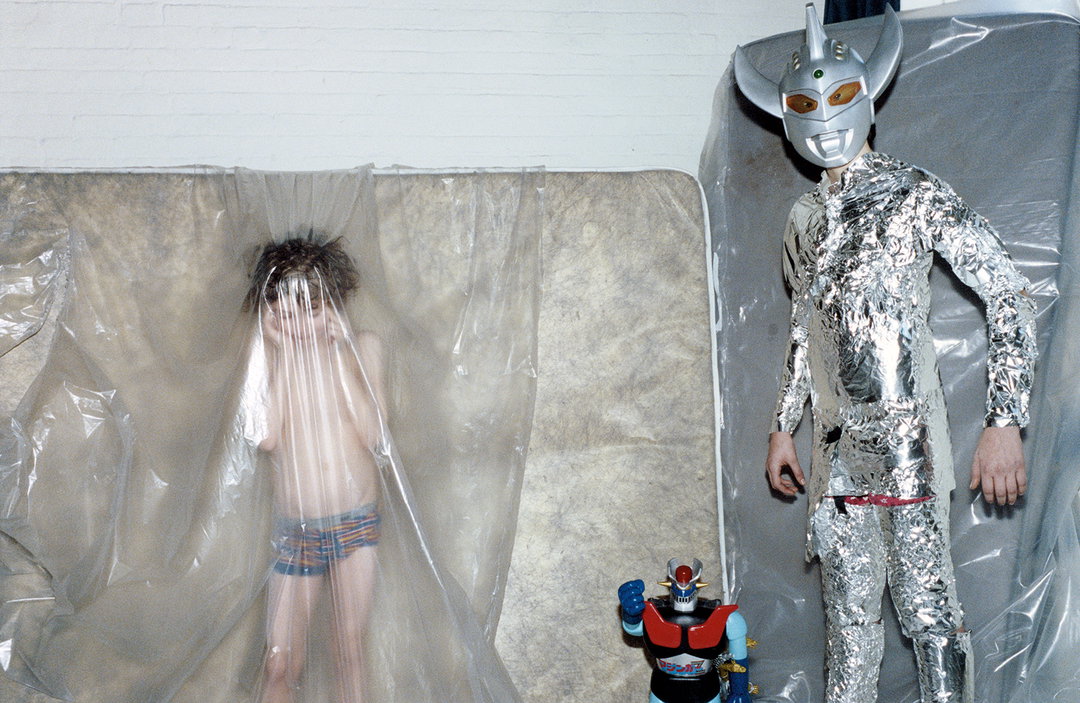
Nick Haymes: Chronograph. Courtesy of the artist and Mack (Copyright © SPBH Editions, 2026)
INT:
Nick, it strikes me that Chronograph is not just about Philipp and Lawrence, but about Lina, as a person, presence and a mother. Your parents also feature frequently, making this quite the portrait of intergenerational parenting. Looking back at some of these photos, what did you learn about parenting from the parenting that happened around you?
NH:
I think parenting is an impossible thing to get right. It’s something no one teaches you, it’s all science project. I knew that I didn’t want to bring up my kids in a similar fashion to how I was brought up. I tried to allow for a certain amount of freedom and chaos. I only ever spoke to them in the same way I would speak to other adults and I kept them included at all times.
INT:
You mention the importance of photographing happening in parallel to “holding onto living” – can you explain the significance of taking photographs for you? Was there any way for you to be a father without taking photographs?
NH:
At that time I had a need and desire to photograph all that was around me at that particular time. It was a way of understanding my situation. A way of holding on to moments in my life that were moving so fast. A means of staying present and comprehending what, how and why. Also knowing that if I did not photograph the present at that time there would be no concrete proof that everything around me existed in those fleeting moments.
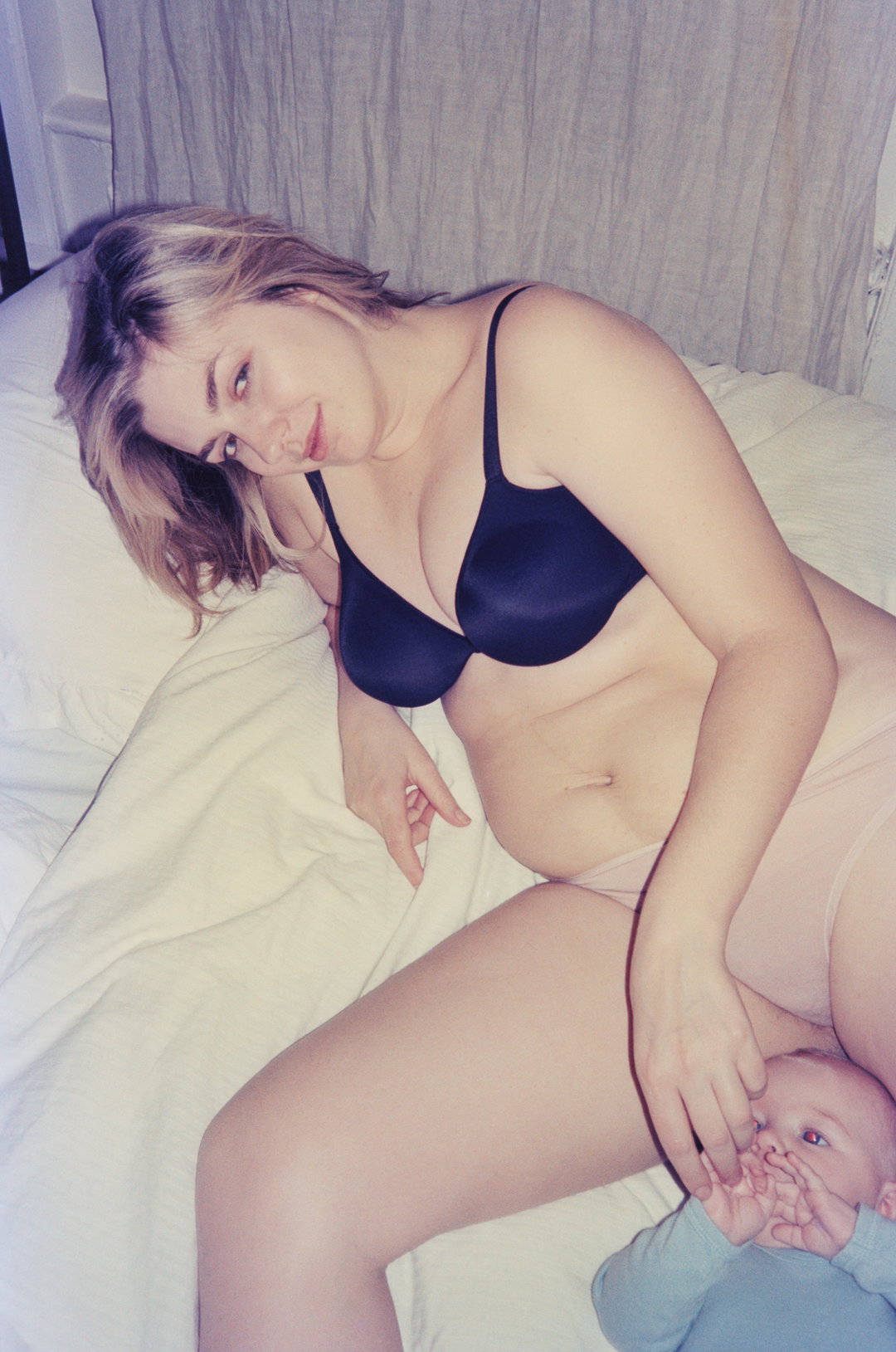
Nick Haymes: Chronograph. Courtesy of the artist and Mack (Copyright © SPBH Editions, 2026)
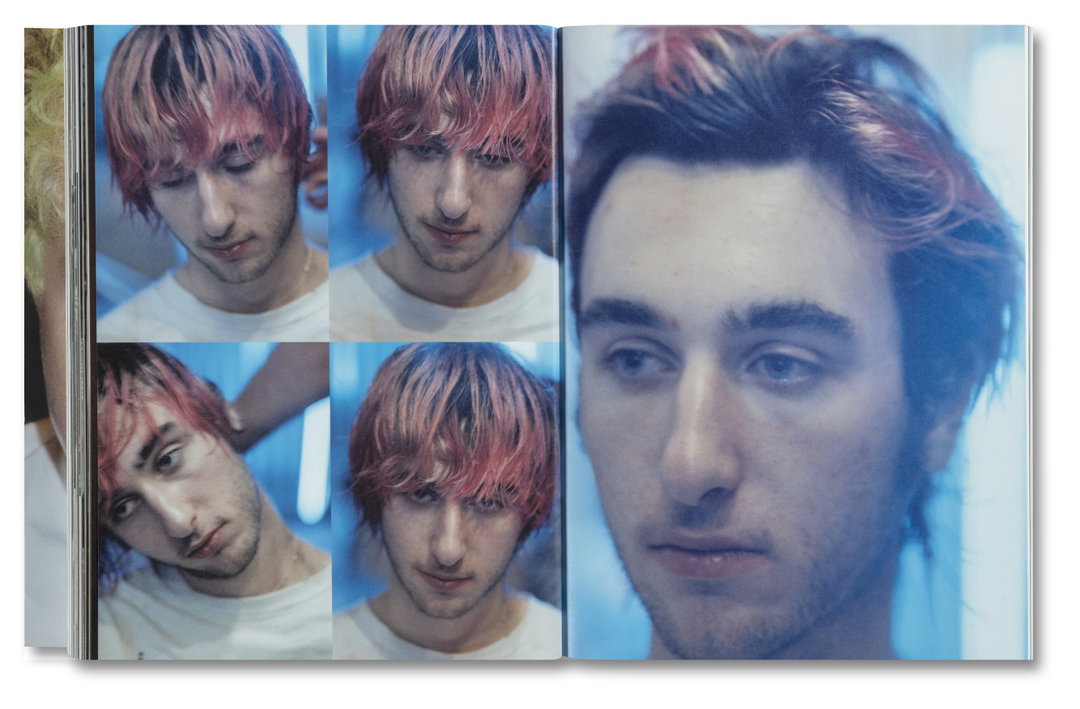
Nick Haymes: Chronograph. Courtesy of the artist and Mack (Copyright © SPBH Editions, 2026)
INT:
Philipp, as you say, there was some natural pushback on photographs as you grew up. But as adults, how did you navigate the conversation around which images would be included in the book?
PL:
I wasn’t involved in choosing which images appeared in the book. I actually chose not to see any of the project before it came out. When I was a kid, maybe I used to feel apprehensive about my appearance, body, face, etc... but now I’m quite thankful for any photograph I have of myself. Each era and moment seems to have shaped me in some way, whether the images are flattering or not. And now I think I’m simply grateful to have those moments to look back on.
INT:
Given the sheer wealth of images in this book, how have you come to understand your own image – your face, your body, how you’re perceived by the public? Many people are never photographed so much to ever really investigate these questions...
PL:
Being photographed since I was so young has probably made me less self-conscious about photographs. You just assume that there will be some moments you’re kind of embarrassed of or say ‘hey maybe your body looks a bit funny in that stage of your life’, but then time passes and it goes beyond something embarrassing and crosses into something valuable and important. And then you come to realise there are ways of seeing yourself that you can’t possibly do yourself in the moment. Someone else may recognise the value or importance of a period in your life before you do, especially when they’re family.
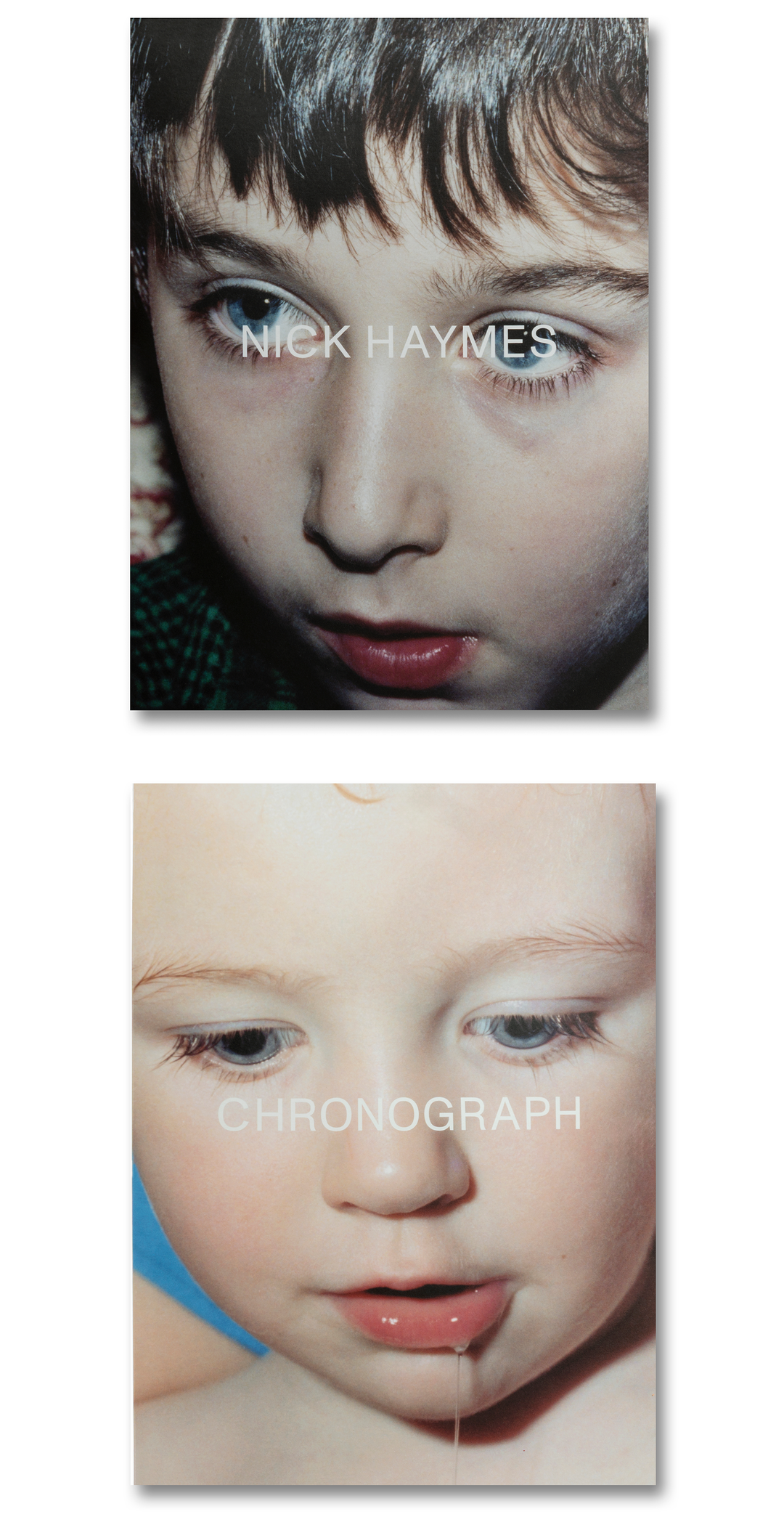
Nick Haymes: Chronograph. Courtesy of the artist and Mack (Copyright © SPBH Editions, 2026)
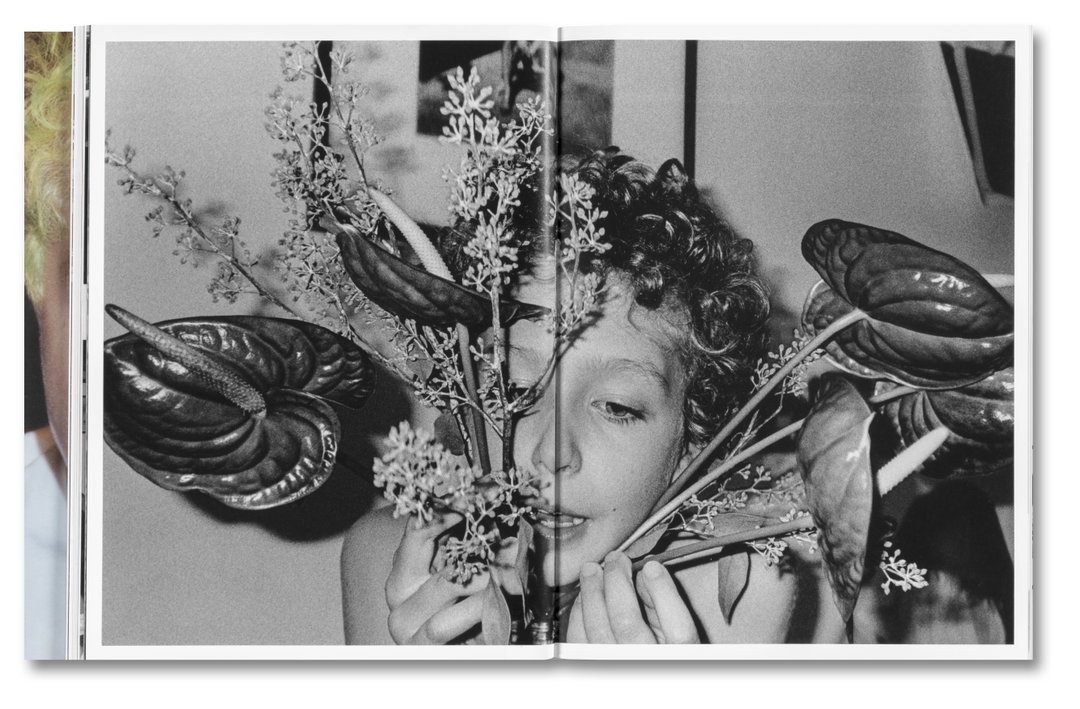
Nick Haymes: Chronograph. Courtesy of the artist and Mack (Copyright © SPBH Editions, 2026)
INT:
Nick, you’ve photographed kids, teenagers, performers, drug addicts, slackers, punks... you even shot Gabe Nevins as he slid into homelessness in real time. You seem to be very empathetic with your camera, always present and understanding. How do you approach different subjects to understand what you need from them and what they need from you?
NH:
I like to feel that I approach everyone I photograph exactly the same. Taking the photographs that I do are a very collaborative act. You have to be aware that people open up to you when taking photographs and it’s a very intimate act. So there’s always a level of communication, trust and openness that happens, and a deep respect on my part for each of my subjects. I tend to revisit many of the people I photograph to reshoot them as that level of communication between the three of us (camera, subject, myself) matures and becomes more sophisticated each sitting. There’s a far greater visual communication the more time you spend with someone.
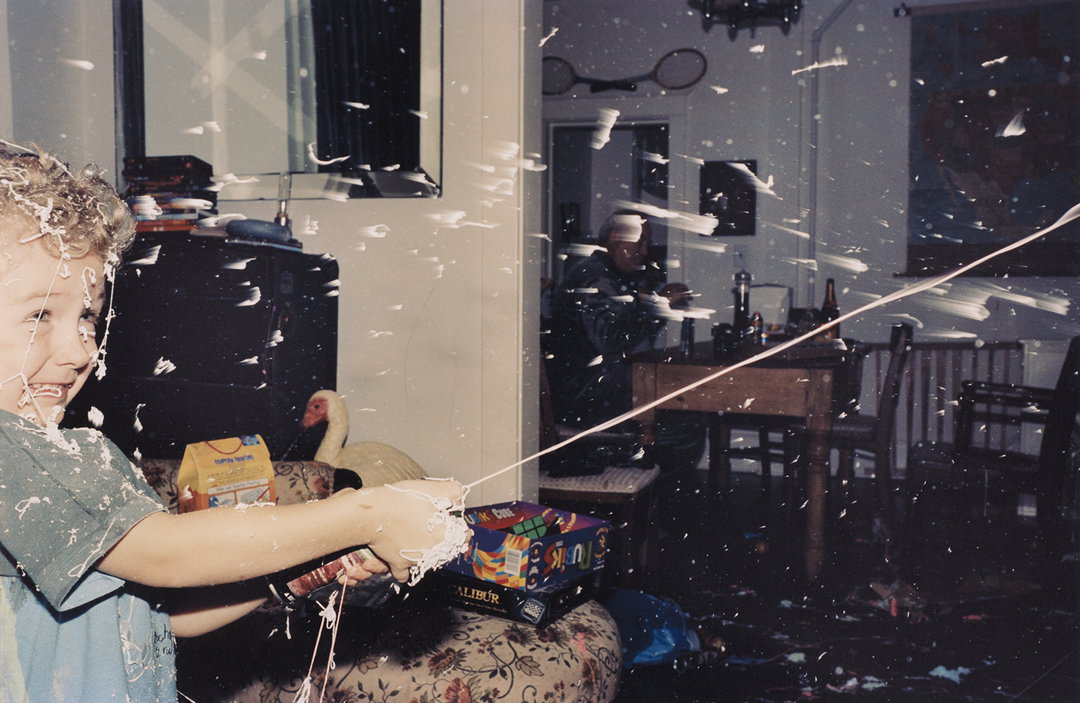
Nick Haymes: Chronograph. Courtesy of the artist and Mack (Copyright © SPBH Editions, 2026)
“Nothing speaks more to someone’s presence than wanting to capture it via photograph.”
Lawrence Haymes
INT:
You described parenting as an “impossible thing to get right” and a “science project” earlier, but looking at the completed collection, are there specific photographs where you visibly see the results of that experiment taking shape?
NH:
Ha! That’s a fun and interesting question. I never really extract a single photograph from the series as defining points. As many of the images have smaller narratives and backstories that only the family members truly know. Although, if I did have to pick a point, it’s more at the end of the book at the funeral. It was then I knew that the series had met with some conclusion, seeing my sons speak so coherently about their grandparents and about living and life itself. If this was the result of my parenting then I was very happy with the chaos of the last 24 years.
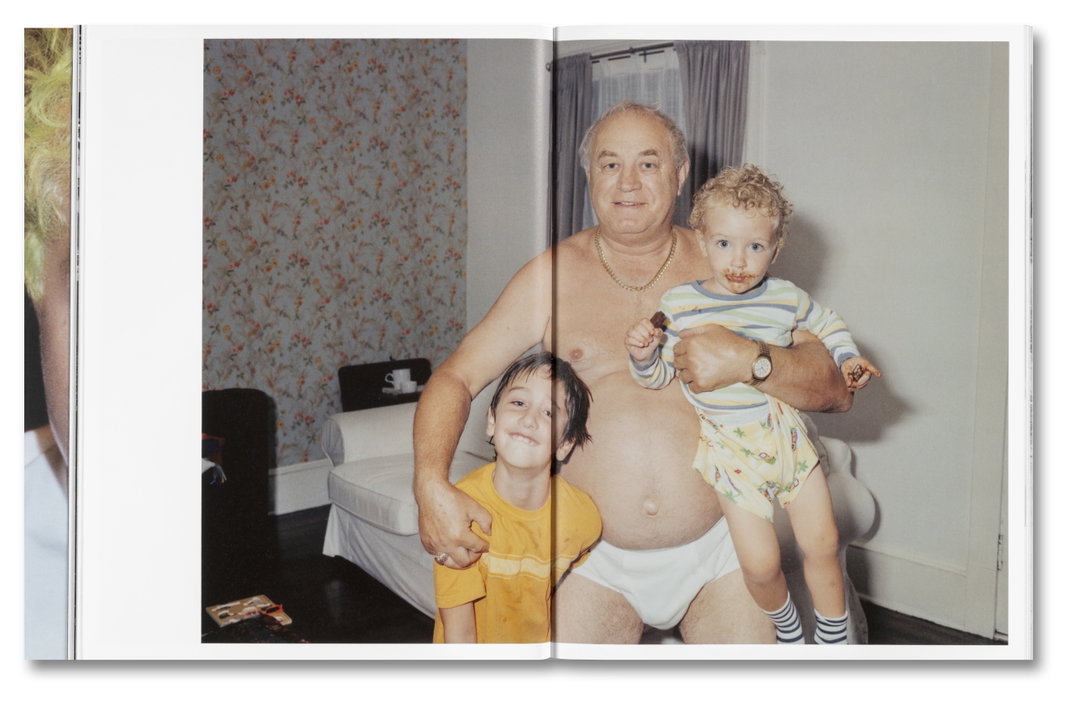
Nick Haymes: Chronograph. Courtesy of the artist and Mack (Copyright © SPBH Editions, 2026)
INT:
The title Chronograph refers to a specific kind of stopwatch that does more than tell time – it can also hold kinetic energy, measure heart rates and display active moon phases. What do your photographs hold other than images?
NH:
Chronograph, by meaning, is something that measures a record of time. It’s also in more romantic terms the parallel of a photograph, and both derive from greek as a means of recording something. A chronograph records time, while a photograph records light as an image. The images are a record of my time and others spent on this planet, of temporary moments, the mundane, the emotional, the frustrations, disappointments, growth, death, joys and sadnesses of time now gone. It’s a messy and an accurate chronology of what I can remember when photographing as much as I can hold onto living.
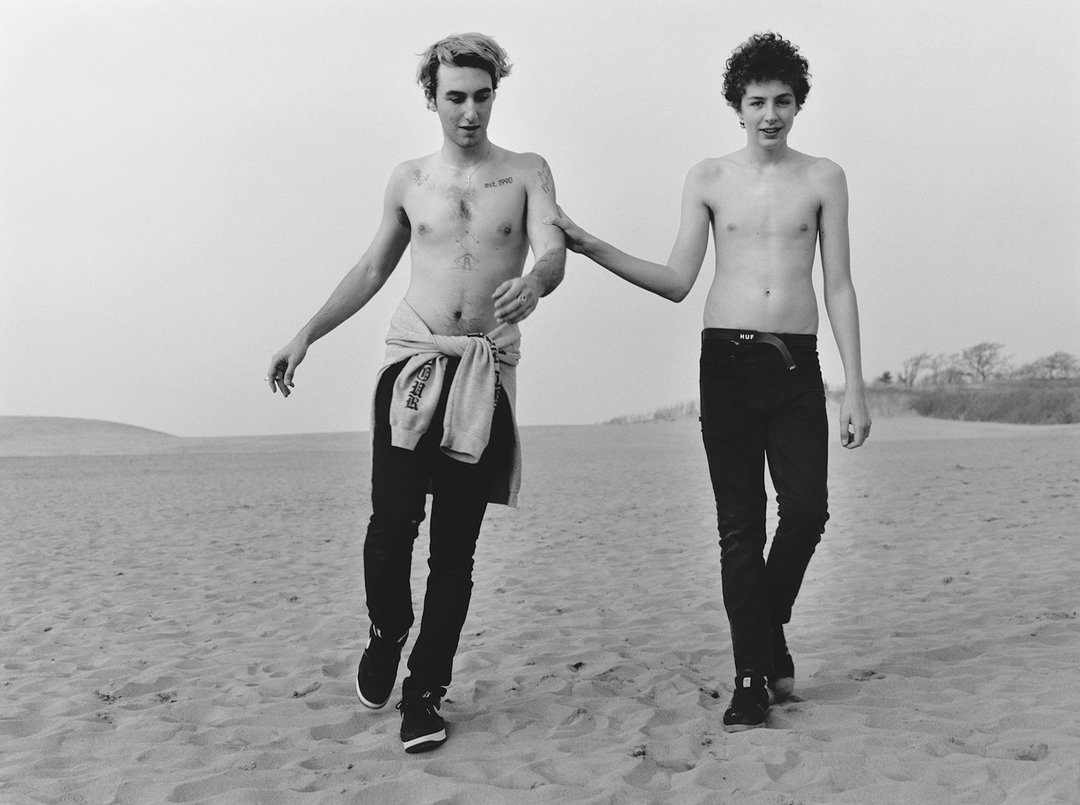
Nick Haymes: Chronograph. Courtesy of the artist and Mack (Copyright © SPBH Editions, 2026)
Hero Header
Nick Haymes: Chronograph. Courtesy of the artist and Mack (Copyright © SPBH Editions, 2026)
Share Article
About the Author
—
Paul M (He/Him) is a Junior Writer at It’s Nice That since May 2025. He has a strong interest in graphic design, digital kitsch, multimedia painting, collage, nostalgia, analogue technology and all matters of strange stuff. pcm@itsnicethat.com
To submit your work to be featured on the site, see our Submissions Guide.