

Peter Strausfeld’s linocut posters for classic cinema are elegant, sophisticated and deceptively simple
A new exhibition at Poster House in New York City celebrates the life and work of Peter Strausfeld, a German refugee posted at bomb sites who, for 35 years, created gorgeous illustrative posters for global auteurs.
In 1931, a year marked by a deepening economic crisis and political upheaval, cinema was still very much alive, despite being wracked by global war just as it began. Founded by Elsie Cohen, the Academy Cinema in London specialised in international cinema that eschewed classic Hollywood narratives and the city’s premier art house movie theater needed a talented poster artist. Introducing: Peter Strausfeld, a German refugee who interned on the Isle of Man during World War II and ended up creating 300 bold, predominantly single-colour linocut compositions for the Academy – which remain some of the most unique examples of localised cinema advertising in film history.
It’s Nice That spoke to Tim Medland, an independent curator who focuses on the history of visual and material culture, about Peter’s exhibition at Poster House Art For Art House: The Posters Of Peter Strausfeld – in fact, this is the fifth exhibition Tim has curated for Poster House, usually focusing on the visual languages of propaganda and activism. Telling us about Peter’s history as a refugee from Nazi Germany, some surprising facts arise, such as Peter’s status as an ‘enemy alien’ in the UK, then eventual job in the Ministry of Information, a British WW2 propaganda agency, where he made animated films. It was after teaming up with a friend from internment camp who happened to be the deputy general manager of the Academy Cinema, that Peter then ended up designing posters for the theatre.
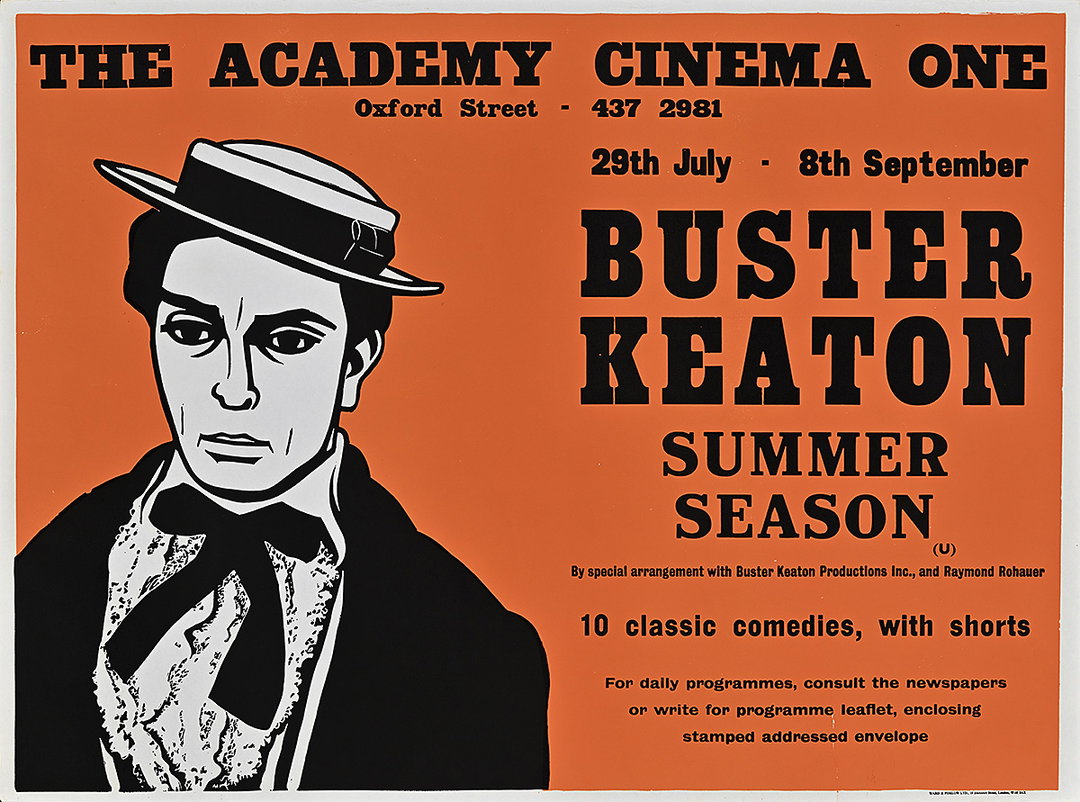
“Peter’s designs for the Academy were in a way representative of the cottage industry that was a cinema for art house films. Instead of the mass marketing of slickly produced, glossy, mass market studio posters, Peter’s were deceptively simple looking linocut images married with wood typography,” says Tim. “Produced in editions of around 300, essentially for display in the London Underground system, their hand printed appearance, allied with the fact they were predominantly single colour, made them stand out.” The results are beautiful regardless, but even more so in our current movie-poster culture with the average poster being phoned in, messy and garish. Peter’s posters reflect mid-20th century movies perfectly – deceptively simple, elegant, intelligent, no over-the-top FX.
Gallery(Image Courtesy of Poster House, 2025)
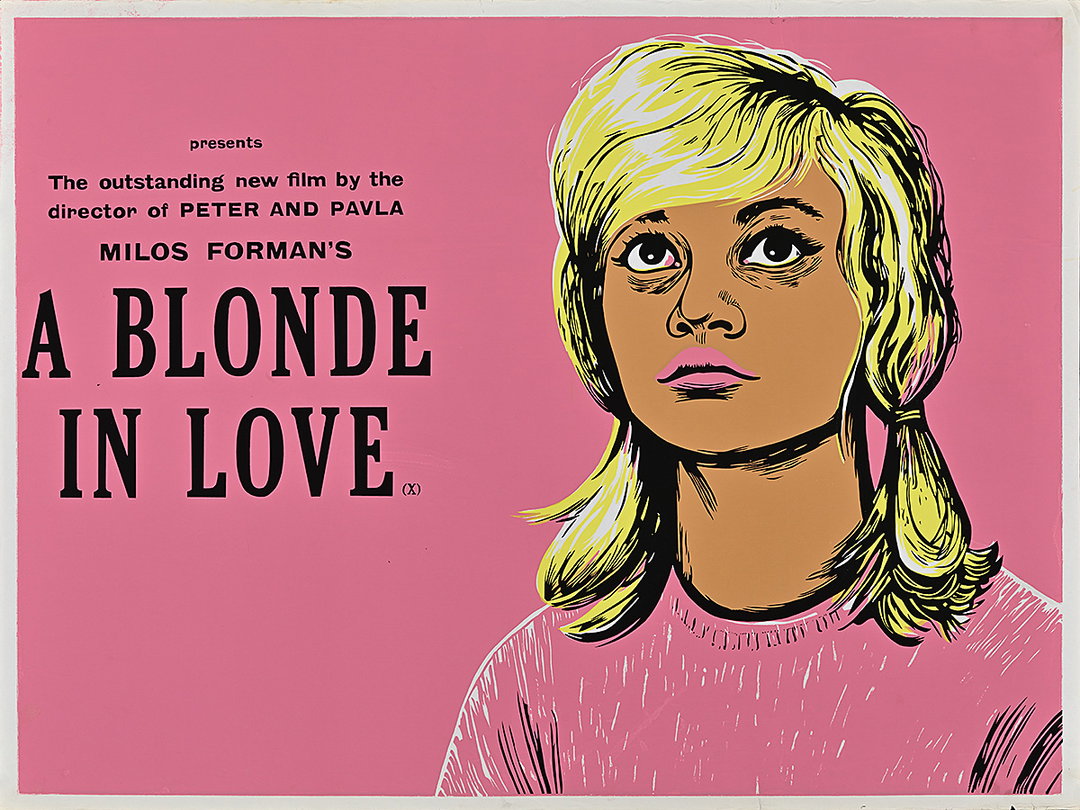
Peter Strausfeld: A Blonde in Love, Collection of Michael Lellouche
Peter’s posters represented the “antithesis of Hollywood blockbusters”, says Tim, designed for flicks by global auteurs such as Federico Fellini, Akira Kurosawa, François Truffaut, Ingmar Bergman, Andrzej Wajda and Satyajit Ray – all famous now, but back then, not so much. “[Films] were not interested in classic cause and effect narratives, they were all about the singular vision of the named director/auteur,” says Tim. “These films were visually stimulating, frequently surreal, with personal quirks, so the stills that were sent to Peter allowed him free rein to highlight certain subtexts.” Evidenced in his posters for movies such as Jean-Luc Goddard’s surrealist noir Alphaville, Éric Rohmer new wave drama My Night With Maud or Simon Spackling’s comedy Funnyman (which doesn’t even have its own Wikipedia page), Peter let names, faces and colour say the most, mostly keeping straight to the point.
Peter’s exhibition comes at a good time. “The commoditisation of movies and the franchise derivatives, which has been an ongoing process, is only accelerating with the streaming giants acquiring traditional companies, which will likely mean ever more cookie cutter films and thus posters,” says Tim. “Given that a lot of the posters Peter produced were for films made under repressive regimes, it would be interesting, in the present day, to see a Strausfeld poster for Iranian films by directors such as Mohammad Rasoulof or Jafar Panahi.”
As well as being a quietly influential poster designer, Peter was a graphic design teacher at Brighton University, where his skills and knowledge of art and design history transferred to the Academy nicely. The films he designed for ranged from Indian, Japanese, French and “behind the Iron Curtain”, so his influences reached far and wide too, from Käthe Kollwitz and Elizabeth Catlett to Hokusai or Abanindrath Tagore. Peter’s career in poster design began the year that World War II ended and the culture needed loud, effective visual languages that caught eyes and inspired, so Peter’s experience in propaganda also likely came into play. Whereas retro film posters often look propagandistic in of themselves, touting hyperbolic quotes such as ‘the greatest movie of all time!’, Peter’s posters worked around studio-mandated blurbs with illustrations that spoke for themselves.
Gallery(Image Courtesy of Poster House, 2025)
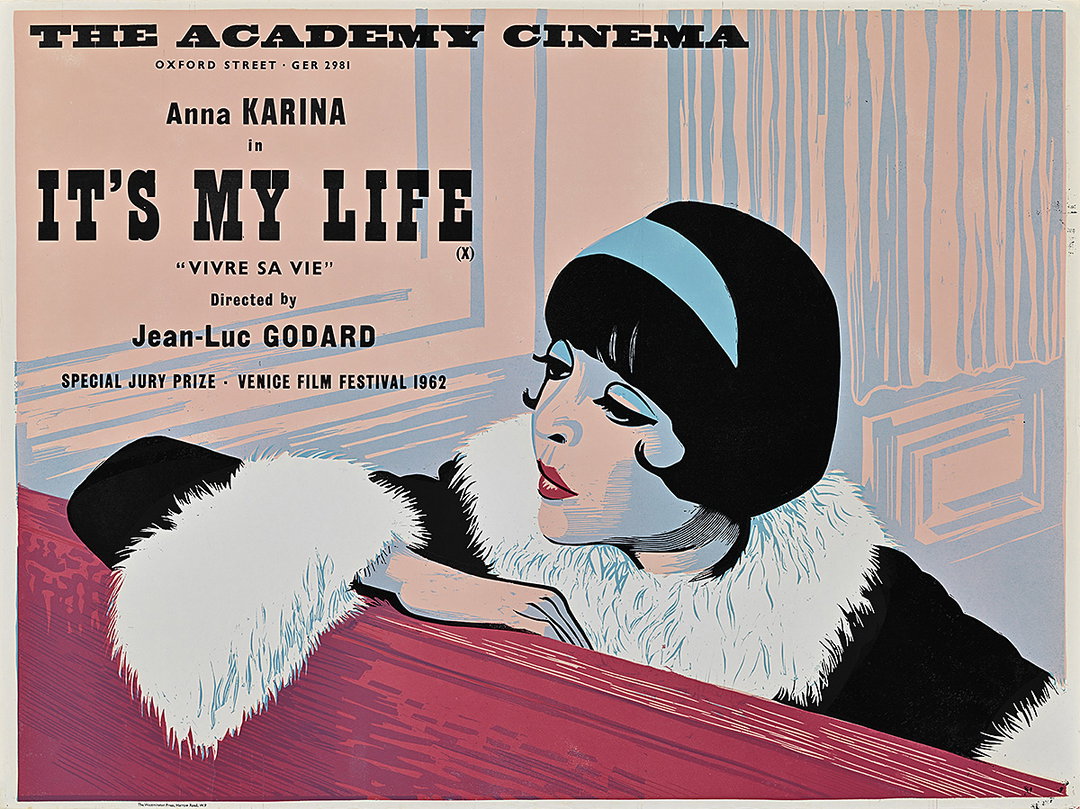
Peter Strausfeld: It’s My Life, Collection of Michael Lellouche
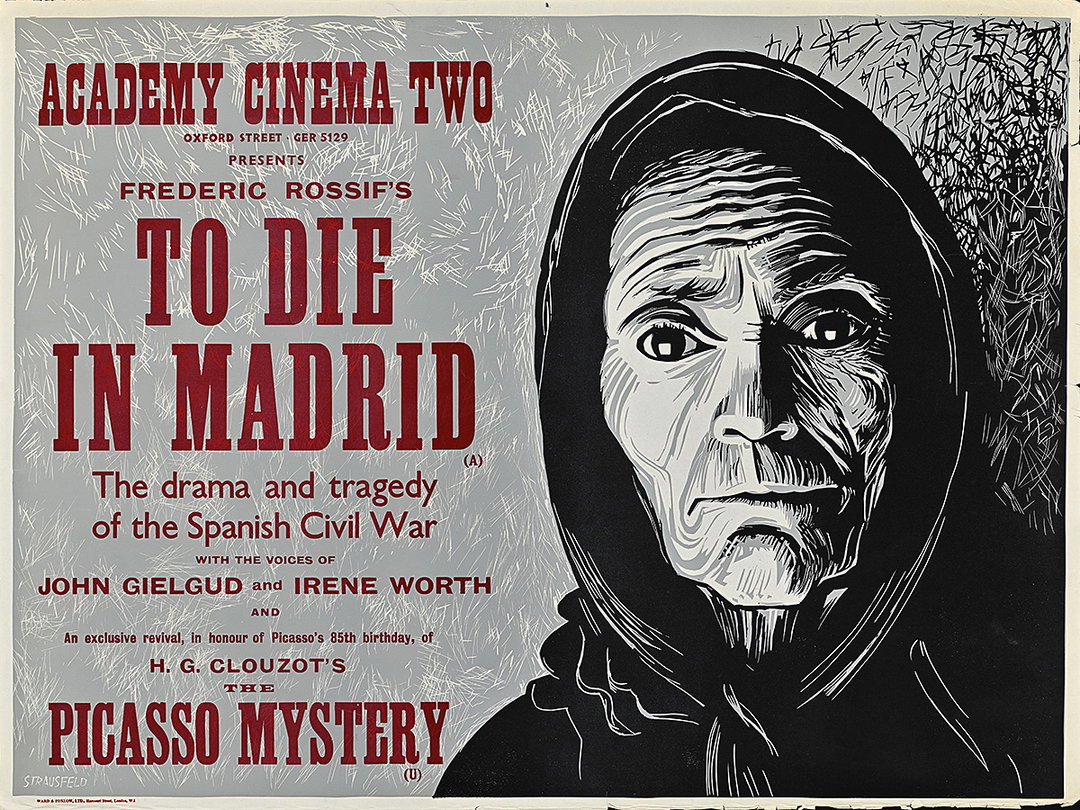
Peter Strausfeld: To Die In Madrid, Collection of Michael Lellouche
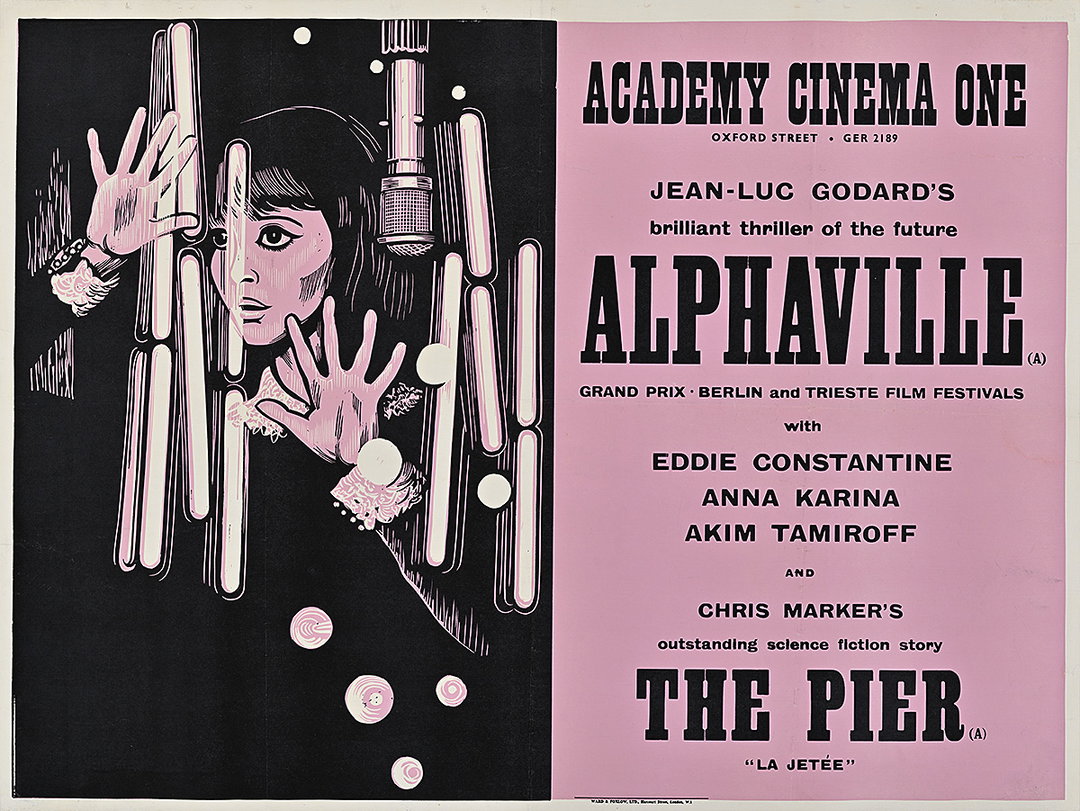
Peter Strausfeld: Alphaville, Private Collection, NYC
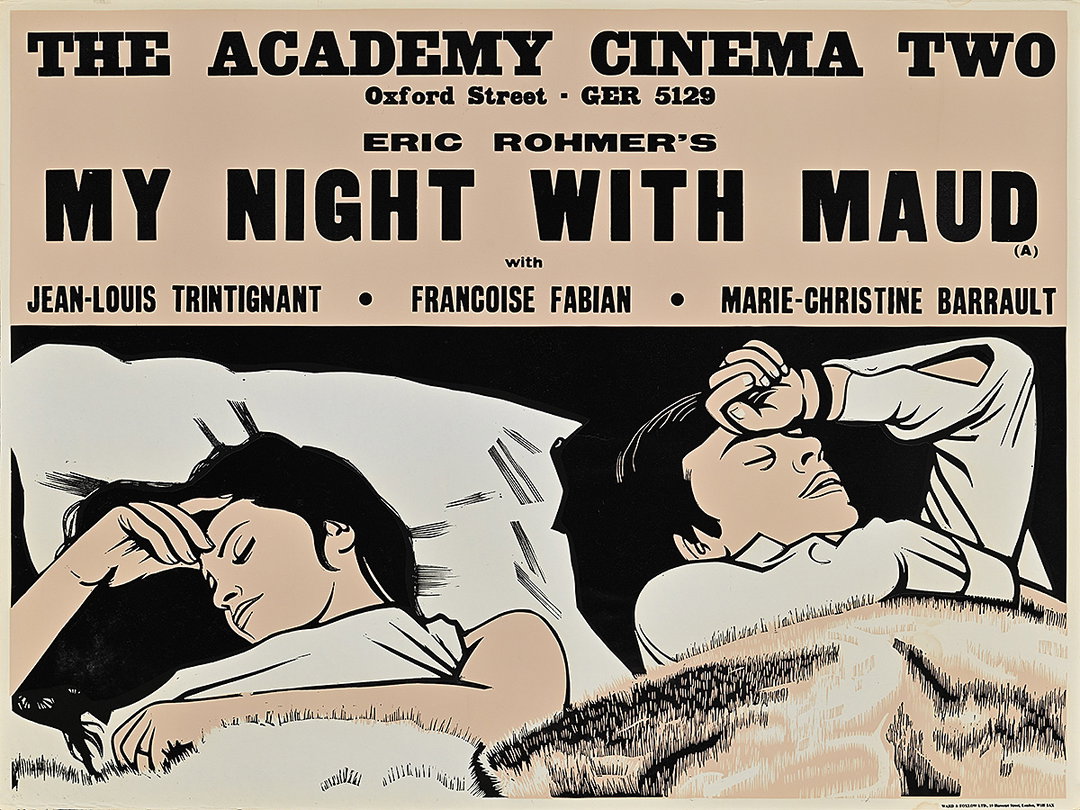
Peter Strausfeld: My Night With Maud, Collection of Michael Lellouche
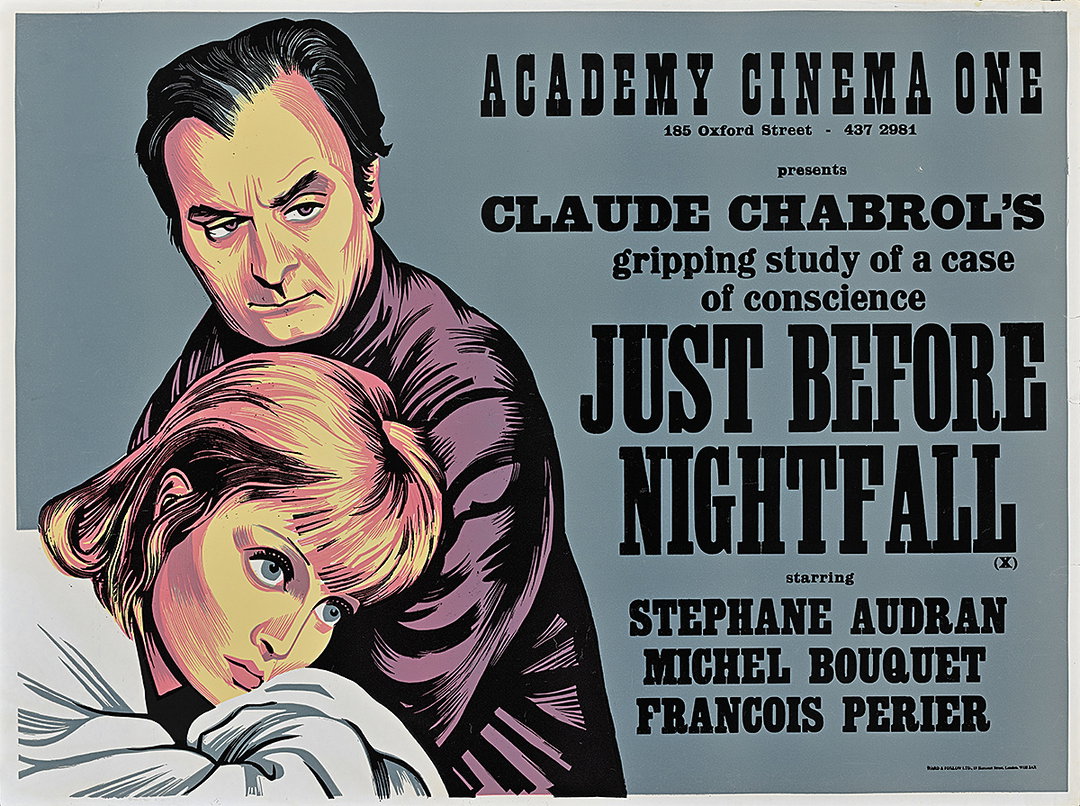
Peter Strausfeld: Just Before Nightfall, Collection of Michael Lellouche
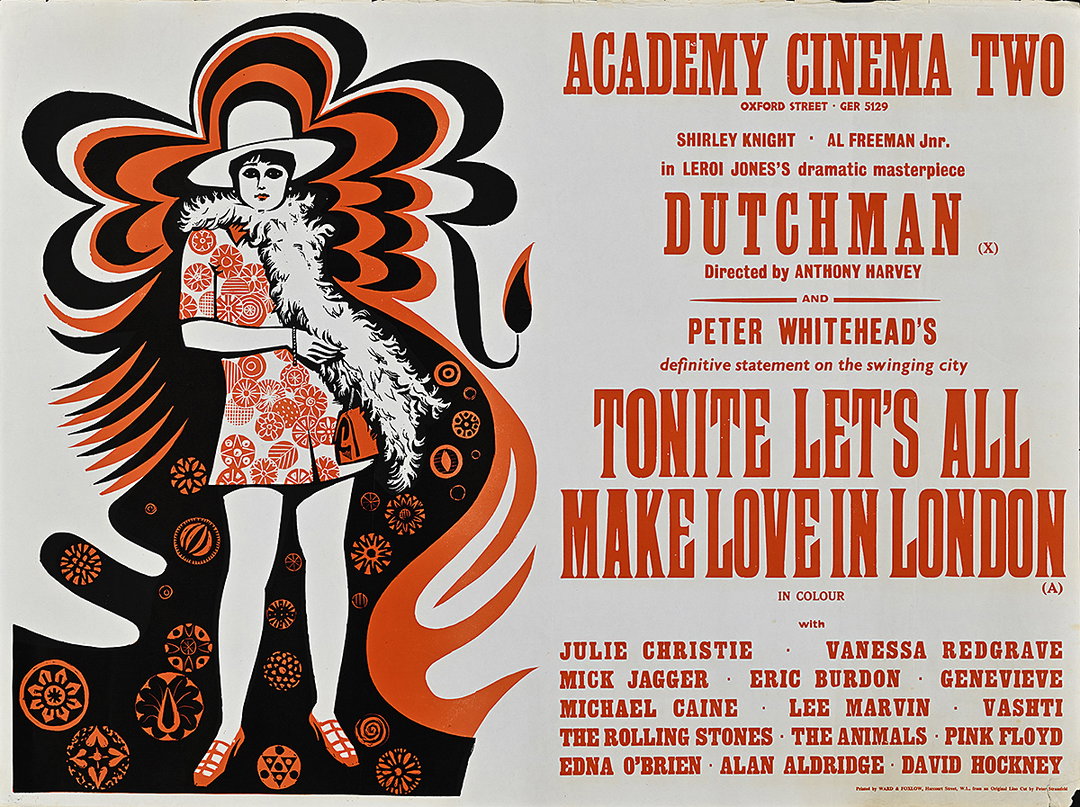
Peter Strausfeld: Let’s All Make Love in London, Collection of Michael Lellouche
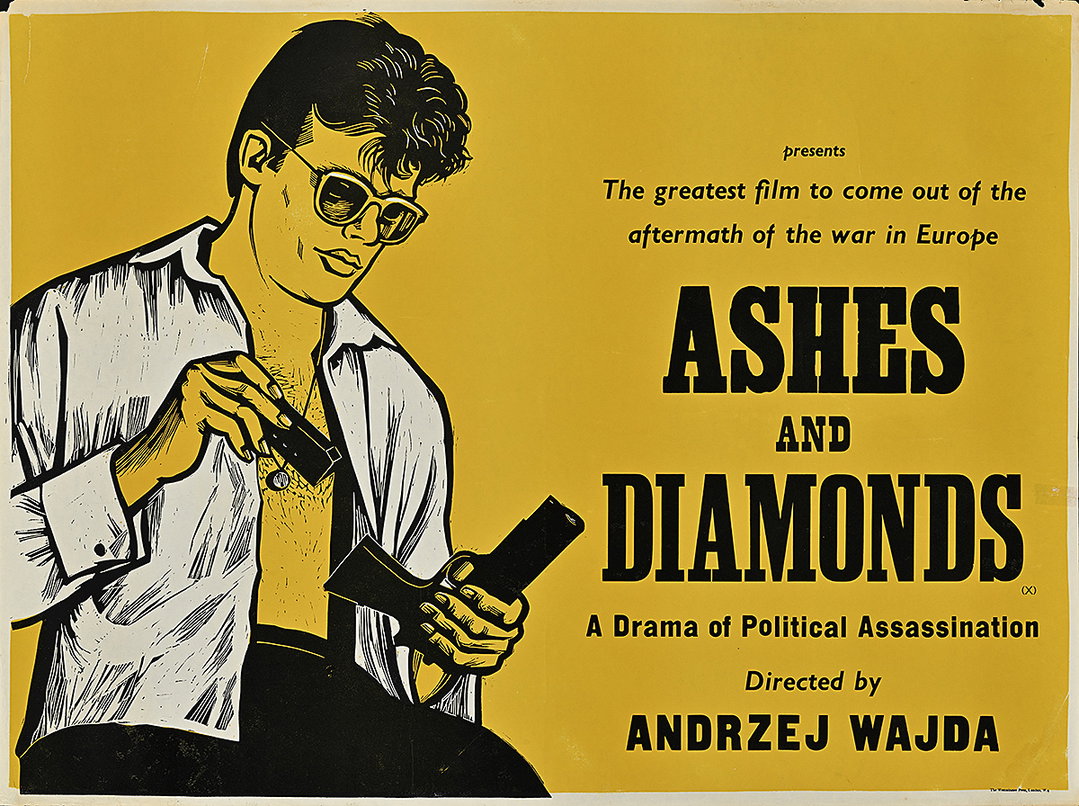
Peter Strausfeld: Ashes And Diamonds, Collection of Michael Lellouche
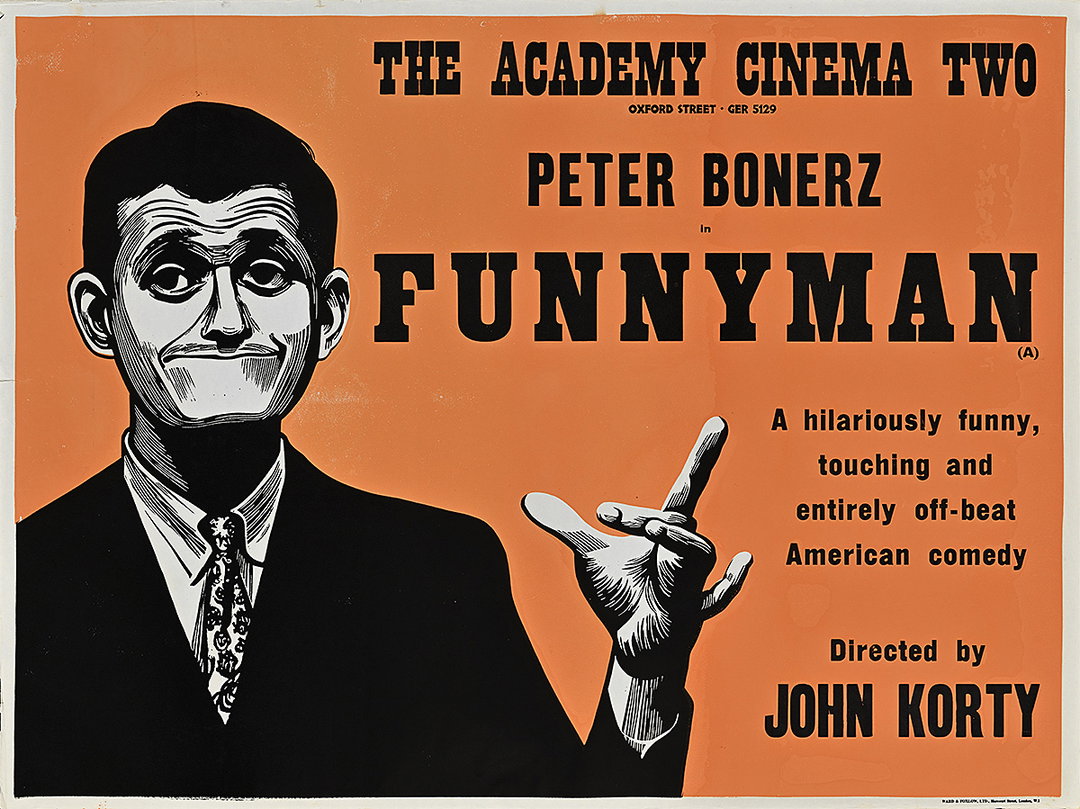
Peter Strausfeld: Funnyman, Collection of Michael Lellouche
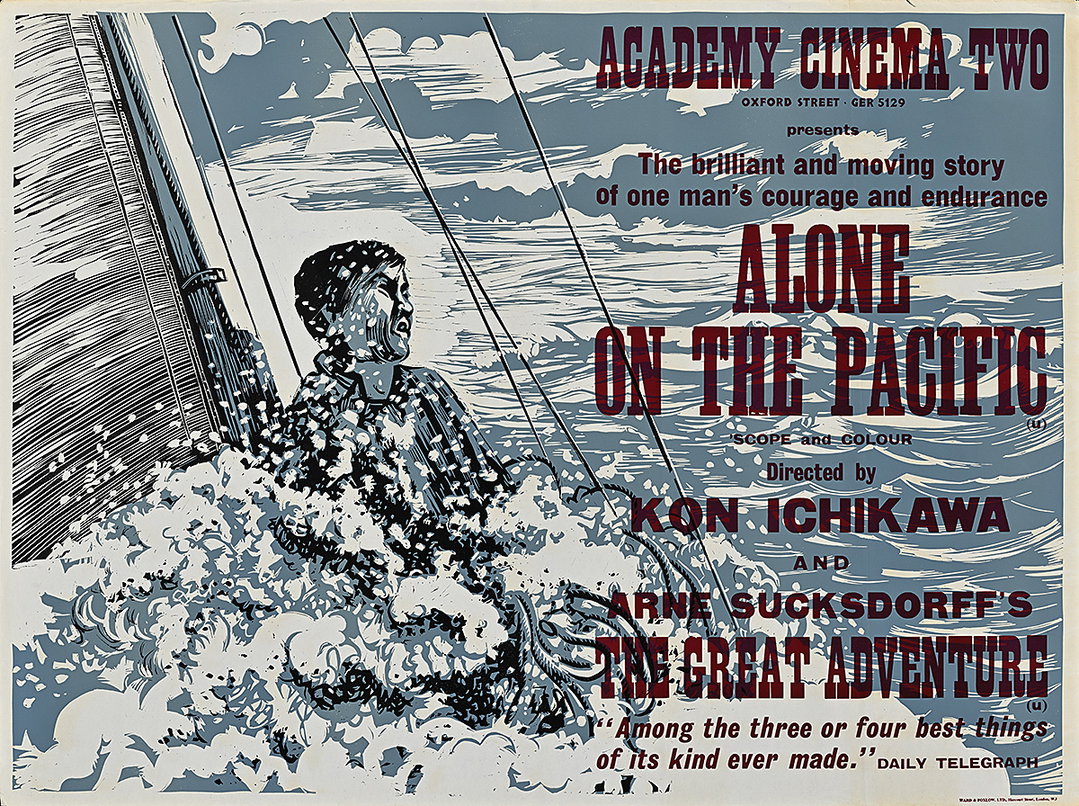
Peter Strausfeld: Alone on the Pacific/The Great Adventure, Collection of Michael Lellouche
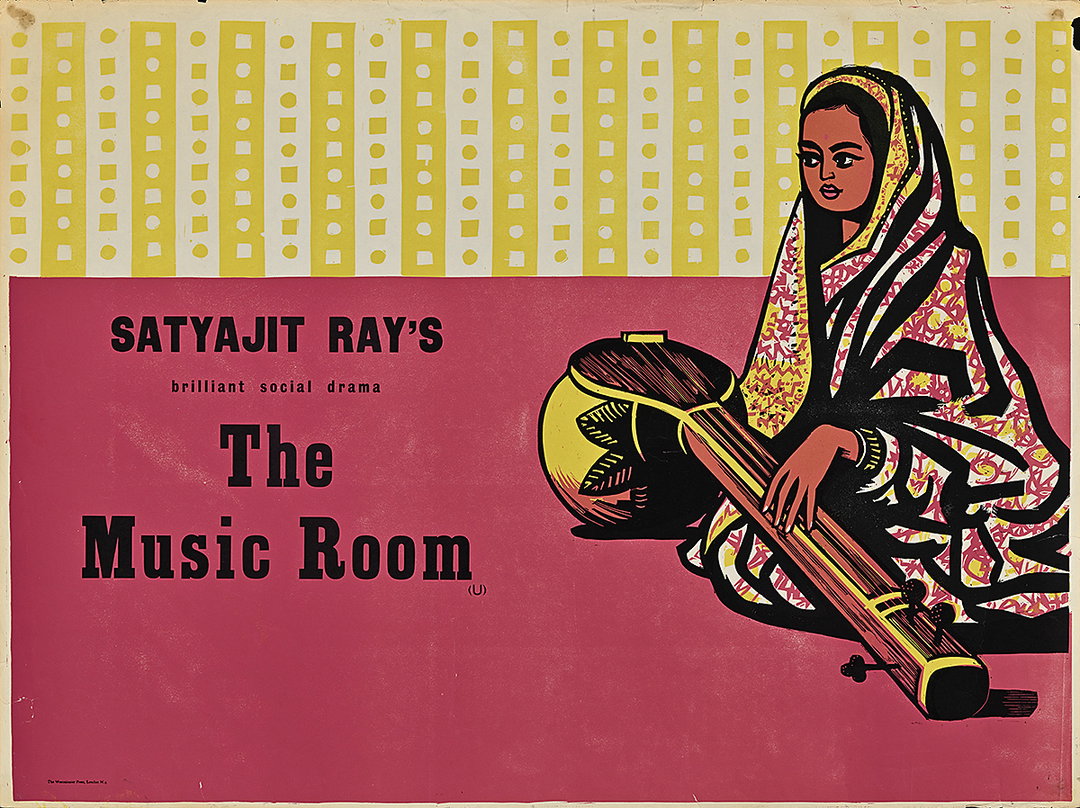
Peter Strausfeld: The Music Room, Collection of Michael Lellouche
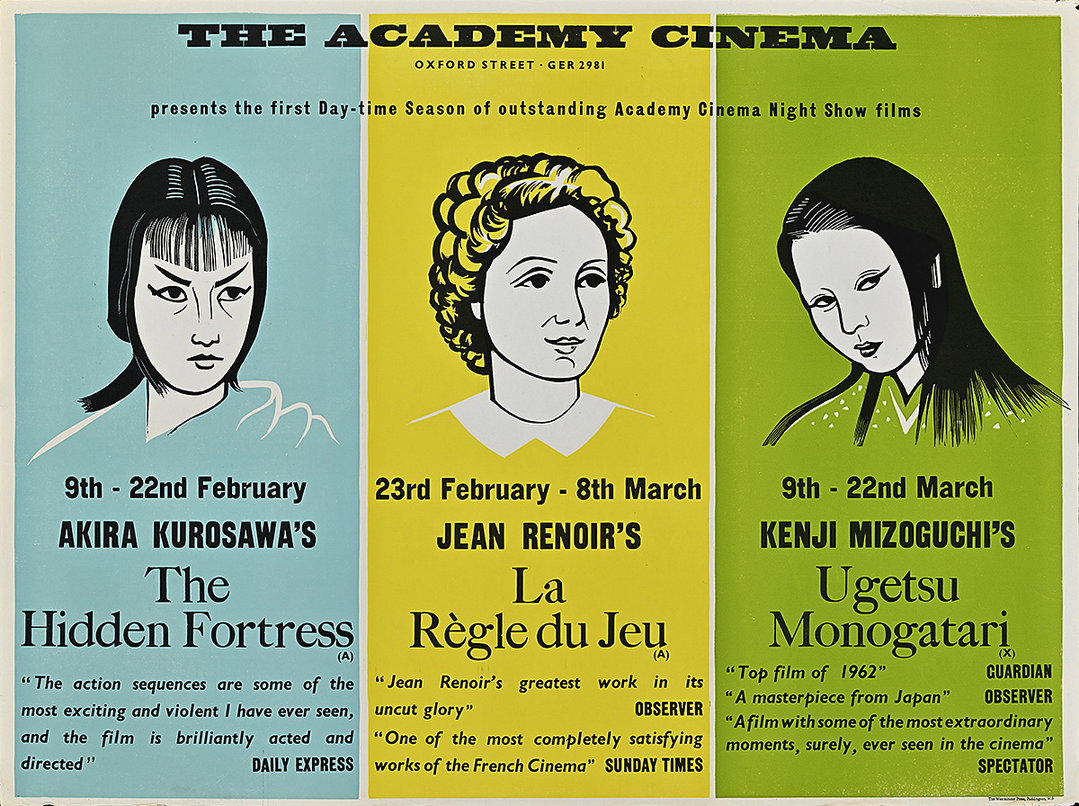
Peter Strausfeld: The Hidden Fortress /La Règle du Jeu/Ugetsu Monogatari, Collection of Michael Lellouche
Hero Header
Peter Strausfeld: Summer Season, Collection of Michael Lellouche
Share Article
Further Info
About the Author
—
Paul M (He/Him) is a Junior Writer at It’s Nice That since May 2025. He has a strong interest in graphic design, digital kitsch, multimedia painting, collage, nostalgia, analogue technology and all matters of strange stuff. pcm@itsnicethat.com
To submit your work to be featured on the site, see our Submissions Guide.