
Faber Editions’ type-led cover design system is breathing new life into old books
Art director Pete Adlington shares the “code” he devised to create a unifying branding system for the series that doesn’t “overwhelm” each book’s distinct character.
It can often feel like much of the discourse around books is divided into two channels: talk of the latest big release you have to get your hands on, and the weighty classics from a couple of hundred years ago that you really should have read by now. But Faber Editions is a series from the UK publisher Faber which is challenging that. Founded in 2021 and spearheaded by Ella Griffiths, Faber’s head of classics and heritage, the series involves Ella scouring both the publisher’s archive and further afield to uncover overlooked books that feel relevant, groundbreaking and deserving of a new lease of life and readership. One key factor in ensuring these new books get the renewed recognition they deserve? A strong cover.
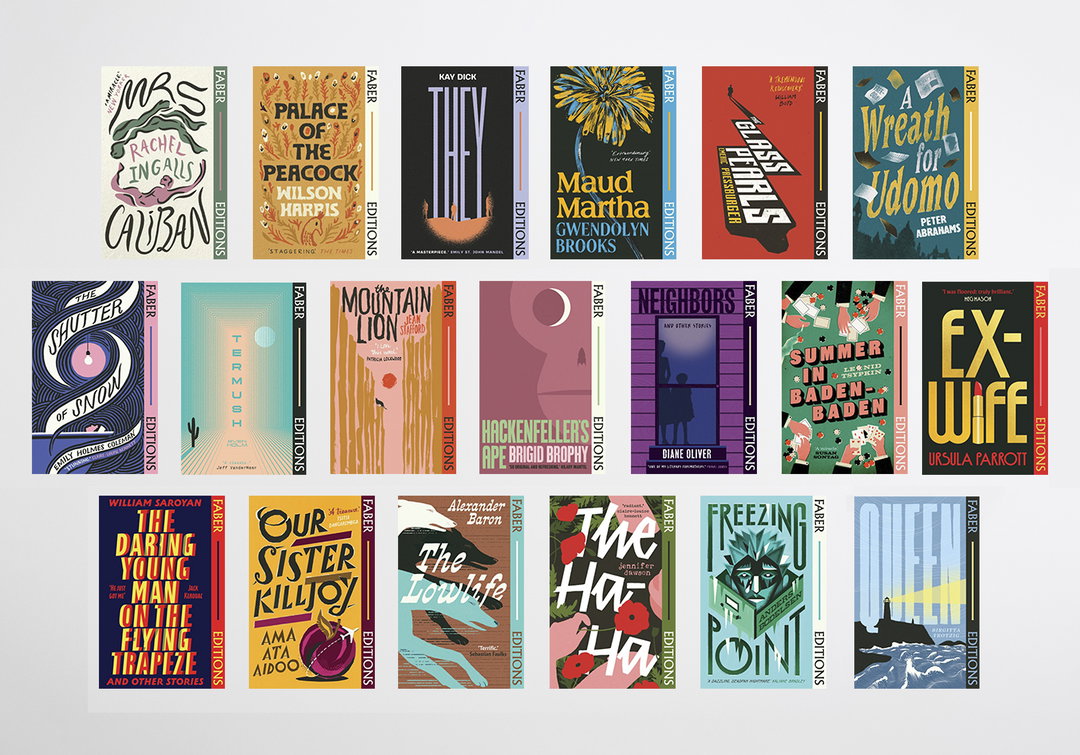
Faber art director Pete Addlington was sent the original Faber Editions brief by Ella back in 2021, under the guidance of his then-art director, Donna Payne, and he’s worked on the project ever since. Leading with the understanding the project was one that would nod to the publisher’s heritage while platforming work that was “radical and relatable to a modern audience”, says Pete, he knew he needed to create a recognisable, unifying branding system that still gave each individual book the chance to speak for itself. A key point of reference was Faber Paper Covered Editions, a series founded in the 1950s to offer a cheaper and more accessible route into their books, its visual look defined by two core aspects: a branding strip up each covered side and a primarily typographic approach.
Faber: Collected Editions
Upon reflecting on the original Faber Paper Covered Editions, Pete identified some strengths. Those he saw as “most successful” had a “bold typographic and/or illustrative treatment” which in turn “countered the dominance” of the branding strip that ran down the side. “This realisation led me to define some rules for the designs of the individual covers that tried to ensure that the covers would never feel overwhelmed by the branding system,” says Pete. “The core rule was that the Editions would essentially be typographic covers, or typographically-led covers in terms of the hierarchy between type and image.” To complement this rule, the illustrative element would always be the second dominant feature and the palette limited to an off black and off white (which Pete then set CMYK breakdowns for) so the designer had the choice of two colours, which could be used in varying tones. Finally, the branding strip would contrast to the main colour of the cover, using one of the four predetermined colours.
Another all encompassing ethos that Pete wanted to inject into the series was “a sense of craft” or, at the least “evidence of the human hand”. The art director identifies Faber art director Berthold Wolpe – who was working at the mid-point of the 20th century – as a key influence. Many of his works featured hand-drawn lettering which, in Pete’s words, had, “the effect of pulling the whole jacket together and making everything feel like a piece”. A brilliant example of this translating into the modern series is the cover for Rachel Ingalls’ 1982 Mrs Caliban, one of the first titles Pete designed for the series; its soft, sweeping lettering looks as if it’s been free-handed with a paintbrush dipped in fresh paint. “I really liked how the fluidity of the design reacted to the rigid branding bar without seeming out of place,” adds Pete.
There’s one moment Pete pinpoints in being integral to both his own creative development and that of the Faber Editions series, interning at Penguin in 2009 and encountering the work of David Pearson. “[I] remember seeing his Penguin Great Ideas series in the office and being completely mesmerised,” says Pete. “Every title looked completely unique and really purely reflected the personality of the book, but because of the simplicity of the overall series design they hung together with ease. This was a great lesson for allowing disparate designs to work together as a unit.” He adds: “I also loved the choice of finish, uncoated stock with a simple deboss on the key features and I adopted exactly this for the Editions so they have a tactility.”
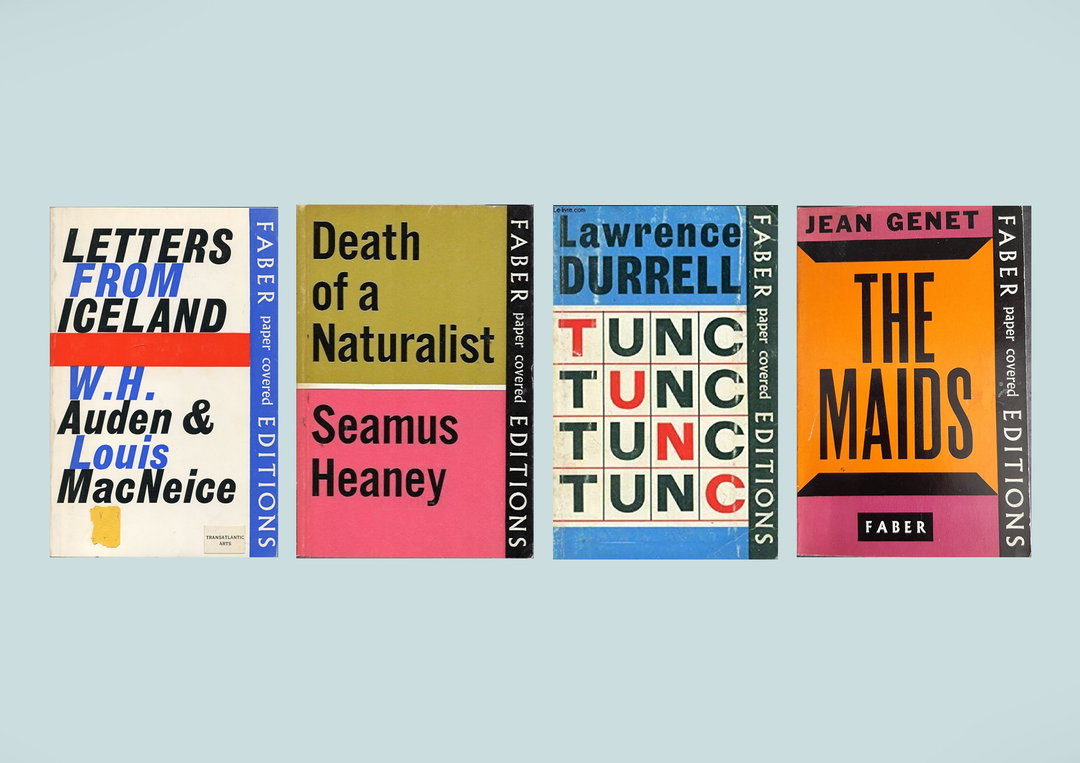
Faber Paper Covered Editions
In a nice full circle moment, David actually ended up designing one of the Faber Editions covers, William Saroyan’s 1934 The Daring Young Man on the Flying Trapeze. Pete reached out to David, because – with his well-trained knack for typographic covers – “if anyone could make that nightmare of a title work it felt like it would be him”. Funnily enough, despite the series being inspired by David’s design formulas, for this cover the pair decided the best route evaded the one Pete had developed, using no black or white and including no illustrative element. “David didn’t really care and nor did I,” says Pete. “It was quite a freeing moment when you can let go just a little in the name of getting something better.”
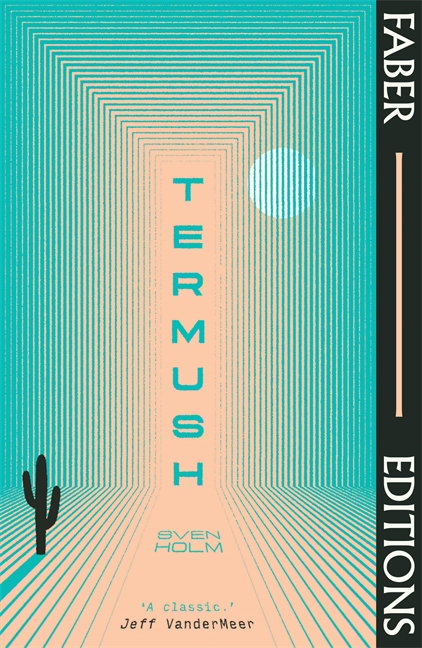
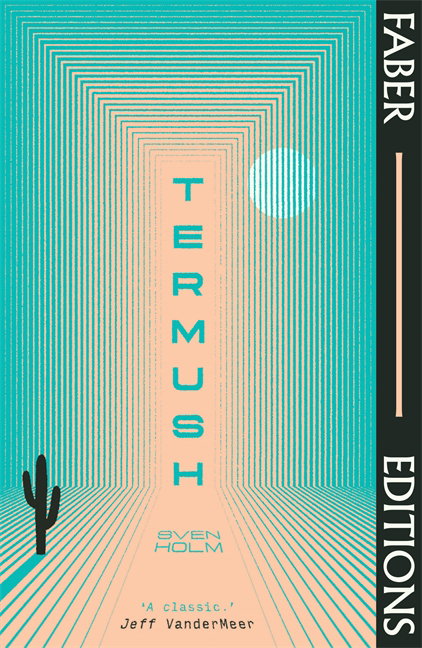
While one of the most enjoyable things about the Faber Editions project has been commissioning designers throughout the industry, it’s also involved working their talented in-house team hard. Take senior designer Robbie Porter’s cover for Sven Holm’s 1967 Termush, an optical illusion-adjacent and artfully sparse design that speaks perfectly to the novel’s post-apocalyptic themes that was landed on after many interactions, as seen in this Instagram post from Robbie. “I felt like we really put him through the wringer trying to get this one right. The eventual winner is stunning, totally different to any Edition at the time,” says Pete, and it’s one that went on to win an award at the Academy of British Cover Design Awards. In an industry that can often be focused on newness, Faber Editions is a great reminder of the groundbreaking literature that’s come before us, and a clear indicator of the importance of the artwork the words sit within.
GalleryFaber Editions
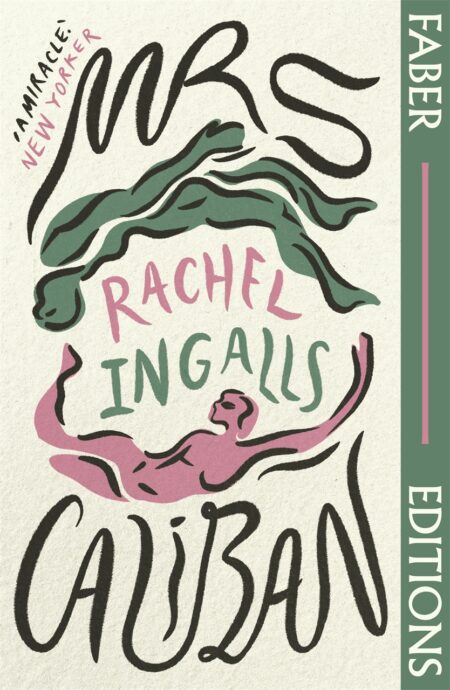
Designed by Peter Adlington
Designed by Sophie Harris
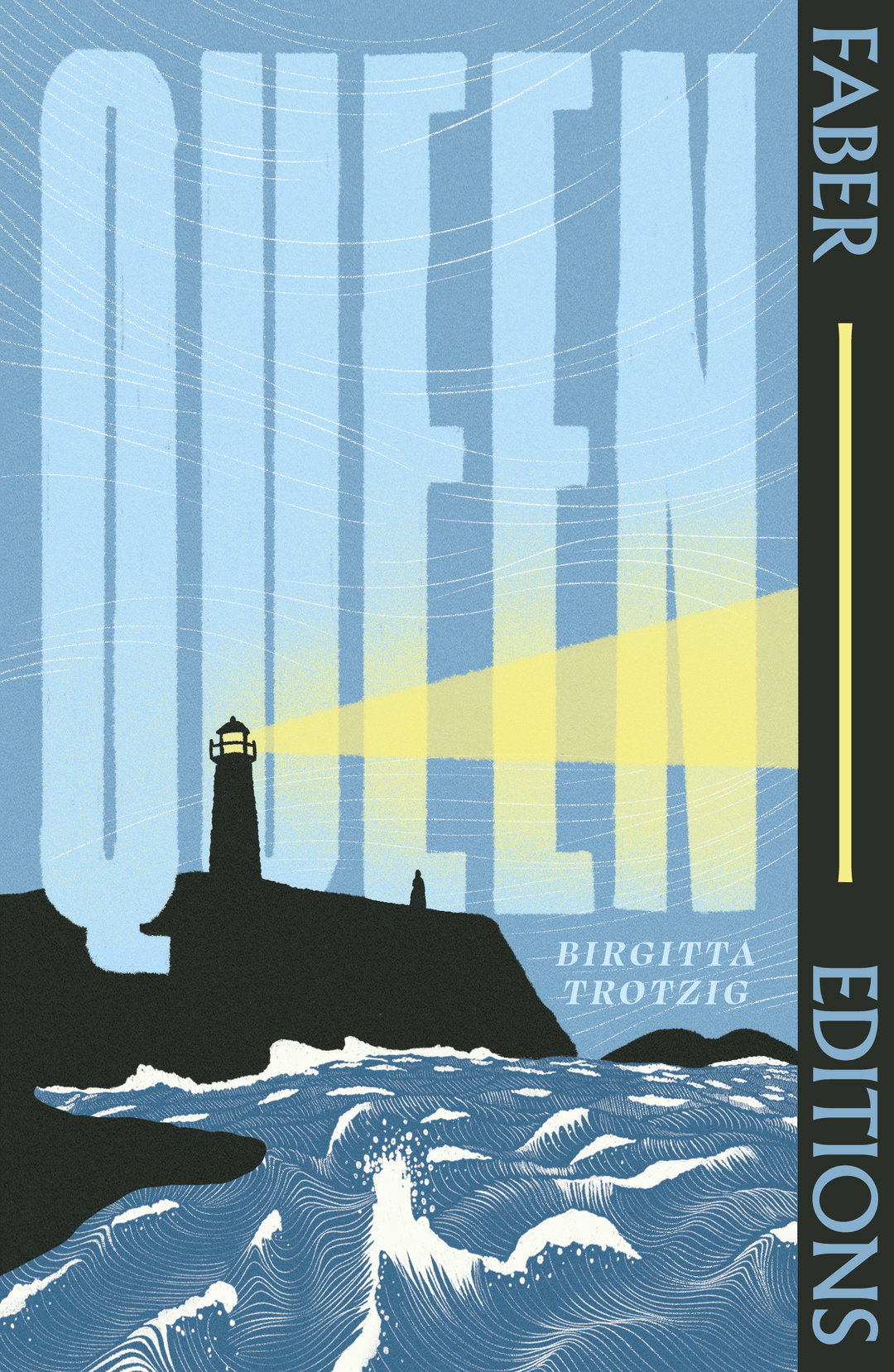
Designed by Sophie Harris
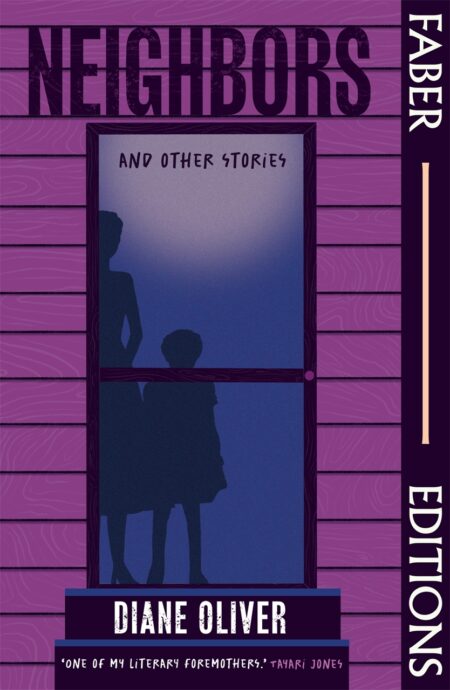
Designed by Simi Abe
Designed by Peter Adlington
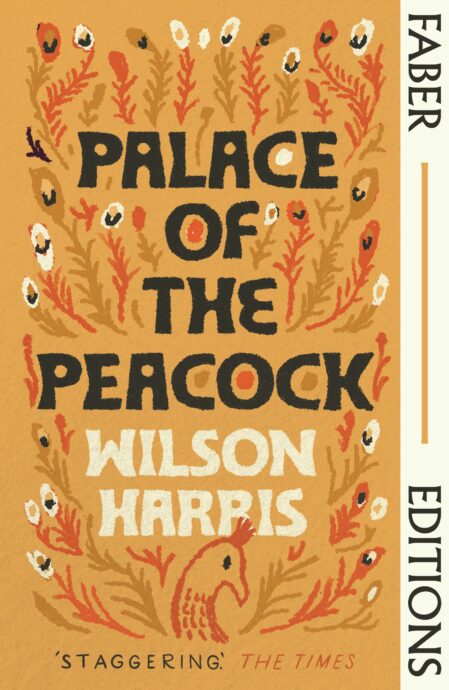
Designed by Peter Adlington
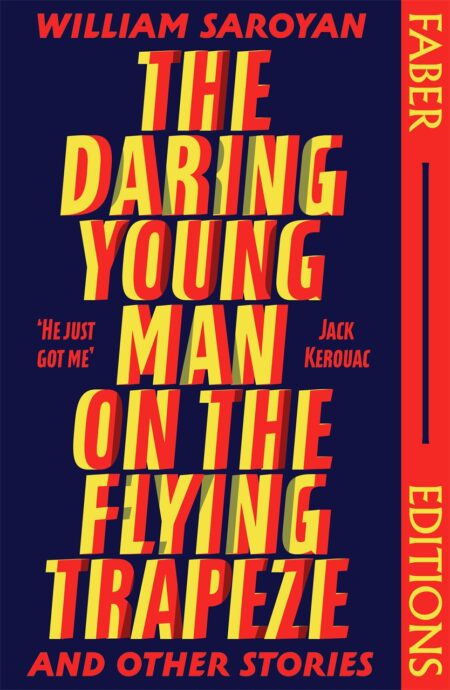
Designed by David Pearson
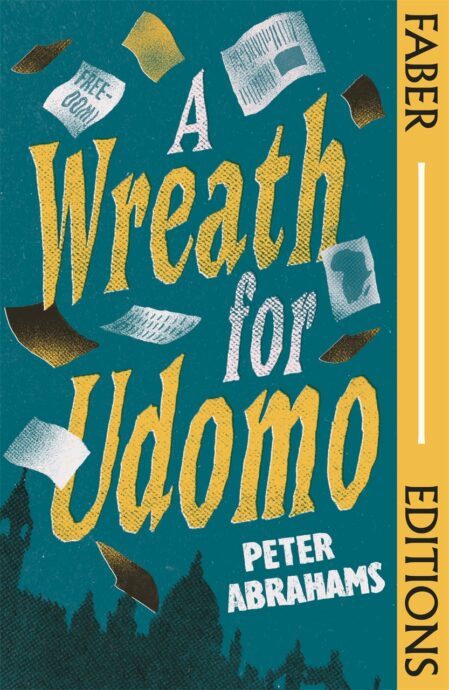
Designed by Peter Adlington
Designed by Louis Gabaldoni
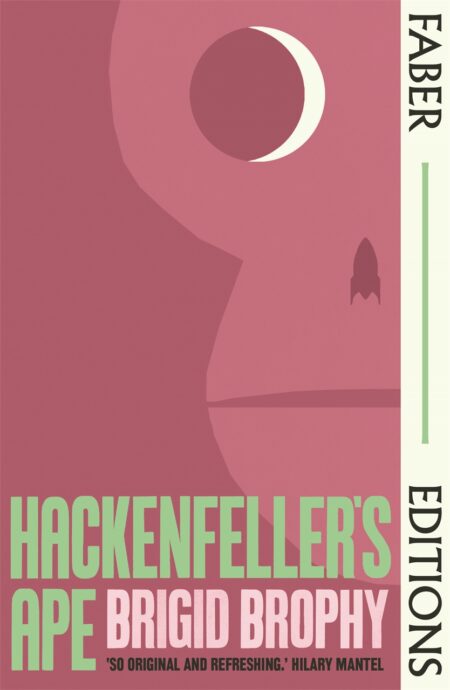
Designed by Louis Gabaldoni
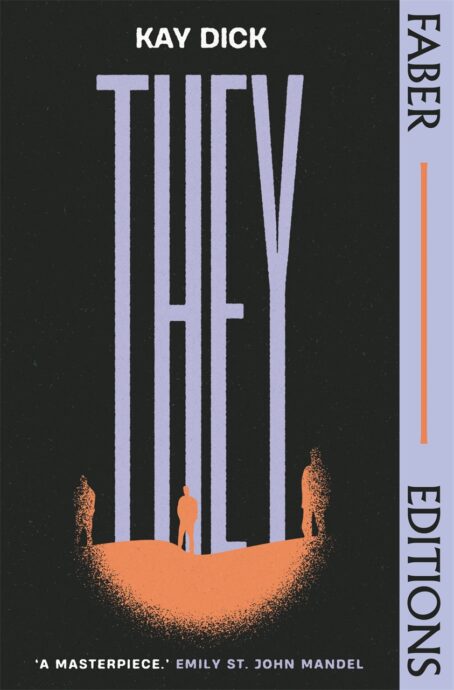
Designed by Jonny Pelham
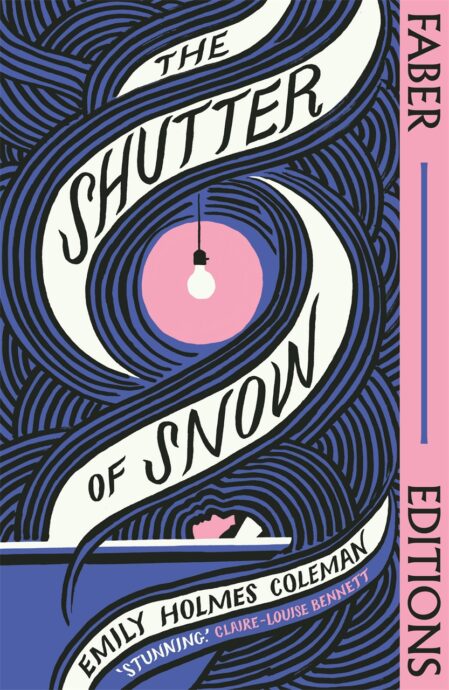
Designed by Bill Bragg
Designed by Holly Ovenden
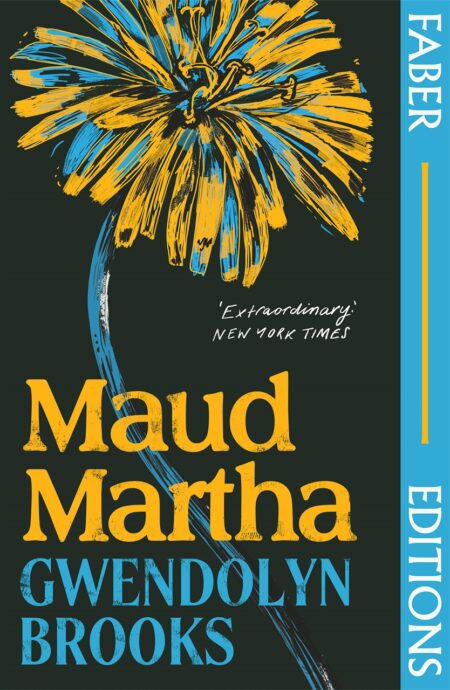
Designed by Holly Ovenden
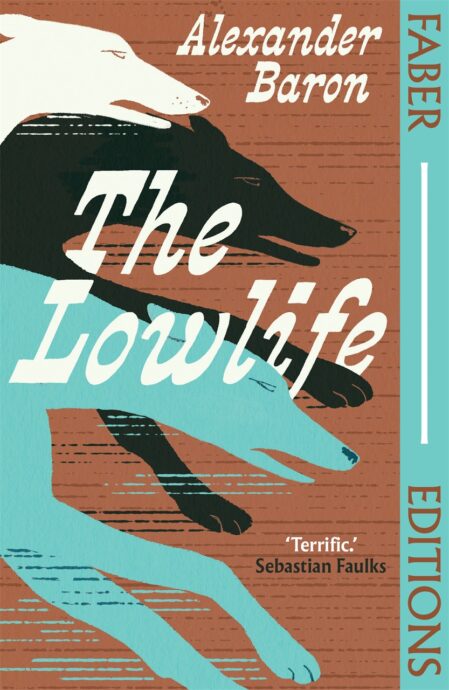
Designed by Peter Adlington
Hero Header
Designed by Robbie Porter for Faber Editions
Share Article
About the Author
—
Olivia (she/her) is associate editor of the website, overseeing the day-to-day editorial projects as well as Nicer Tuesdays events. She joined the It’s Nice That team in 2021. ofh@itsnicethat.com
To submit your work to be featured on the site, see our Submissions Guide.