

The grid system in Praktika’s new architecture identity takes inspiration from Lithuanian floor tiles
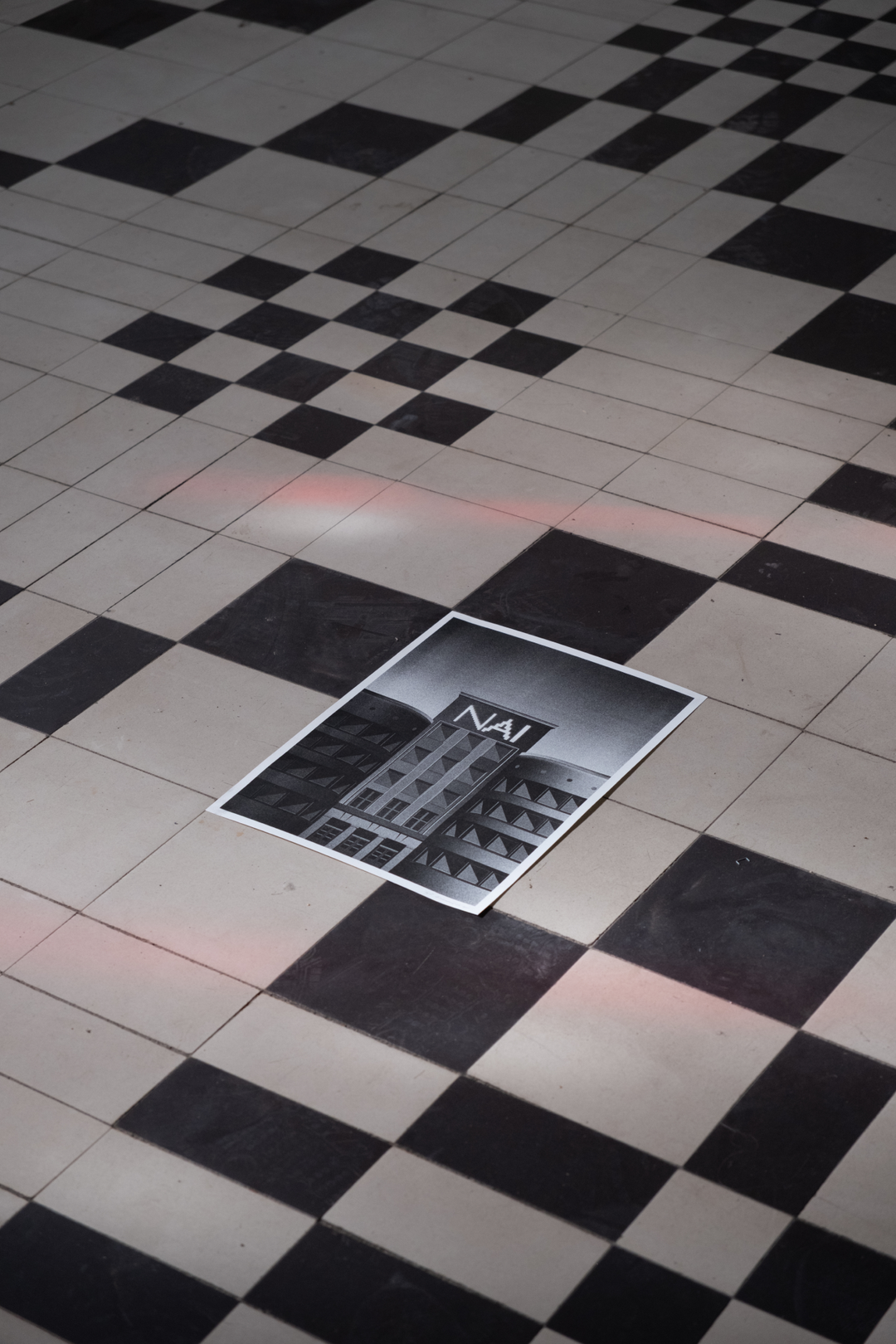
The National Institute of Architecture’s folkloric floor tiling influenced the strict grid and mosaic-like logo that underpin this visual identity.
Praktika is an architecture and branding studio based in Vilnius and Kaunas, Lithuania led by Rokas Sutkaitis and Julius Seniūnas. Collaborating since 2022, the pair’s joint practice brings together Rokas’ background in art history and Julius’ in architecture – “enabling us to create open yet rigorously structured projects that bring enduring cultural relevance,” Julius tells us.
Not looking at things not solely from the vantage of a traditional graphic design background, the studio’s inventive brand identities are often the result of bringing together design elements with an approach that’s much more spatially aware and culturally engaged, with a preference for drawing influences from the past to build enduring visual systems that will age well over time. One such visual system came about as a result of the studio’s collaboration with the National Institute of Architecture, a new centre dedicated to architectural research, heritage and initiatives in Kaunas, Lithuania, last year.
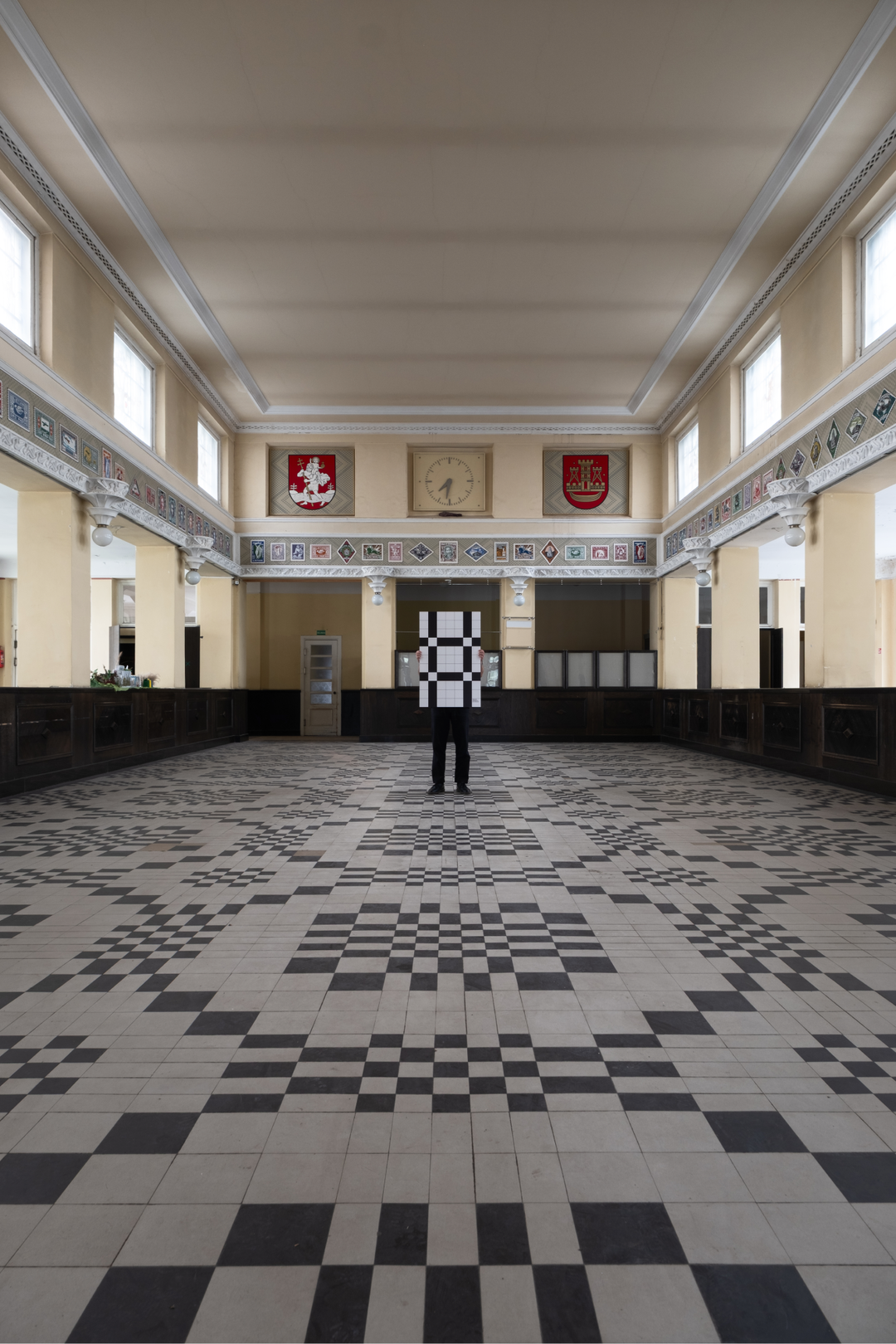
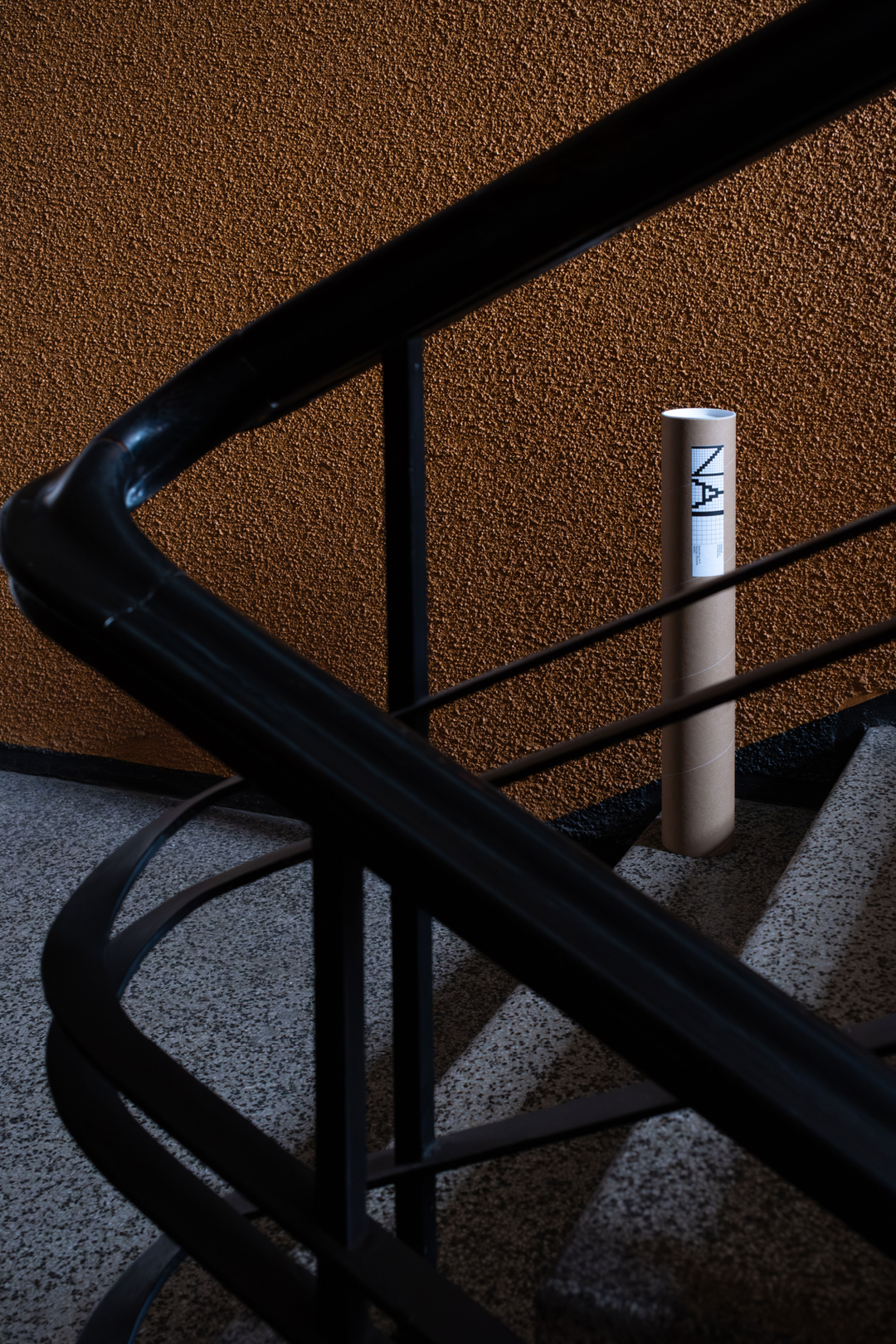
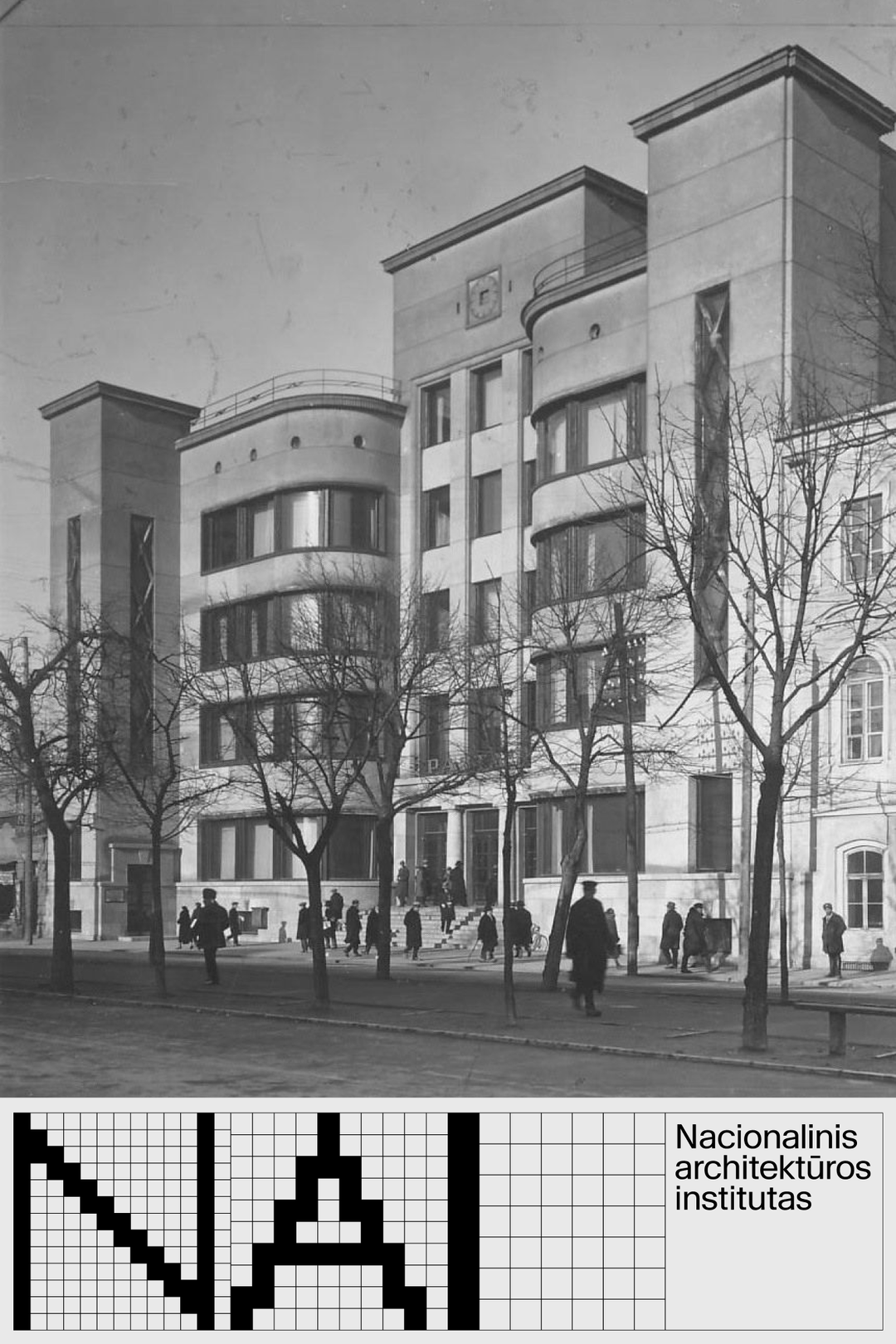
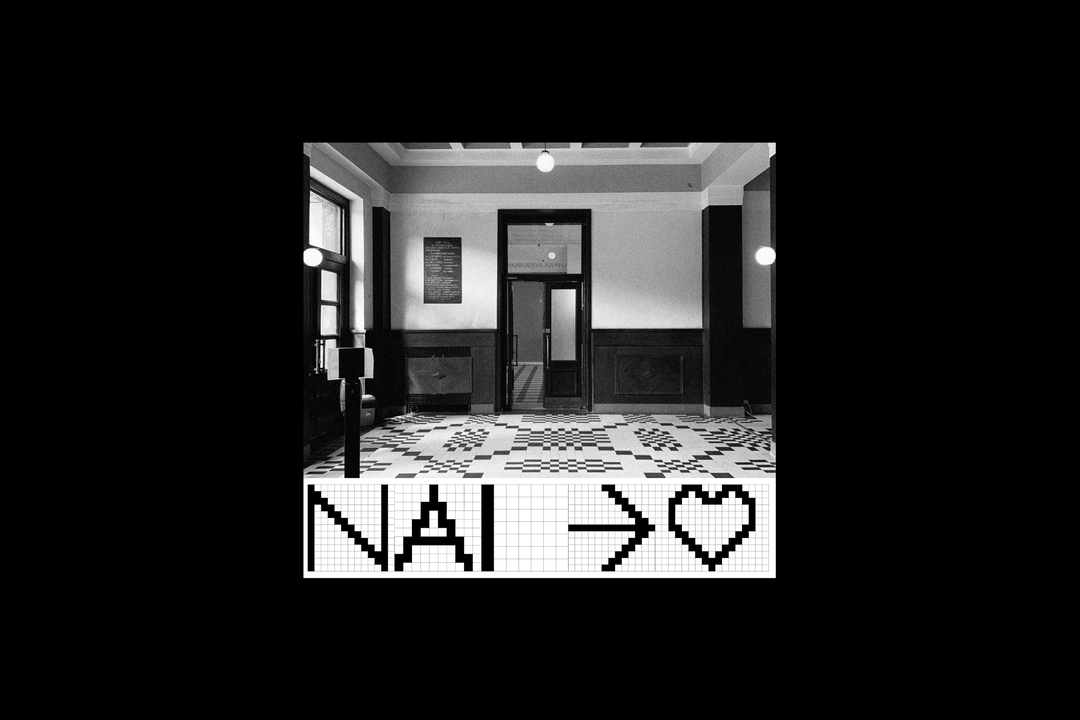
Located in a building that would be of particular interest to most architects, the National Institute of Architecture sits in a vacant central post office in Kaunas that is now a Unesco World Heritage-listed site of interwar architecture, preserved for public use. Immediately taken by the authentic Lithuanian architectural elements that have been conserved at the site, Rokas and Julius wanted to absorb even the smaller patterns and details found in the buildings structures into a flexible identity system for the institute: “The black-and-white folk pattern embedded in the building’s floors was something we reinterpreted as both a decorative national reference and a functional modernist graphic system,” says Rokas. “The identity aims to turn this historical motif into a contemporary part of global architectural and artistic language.”
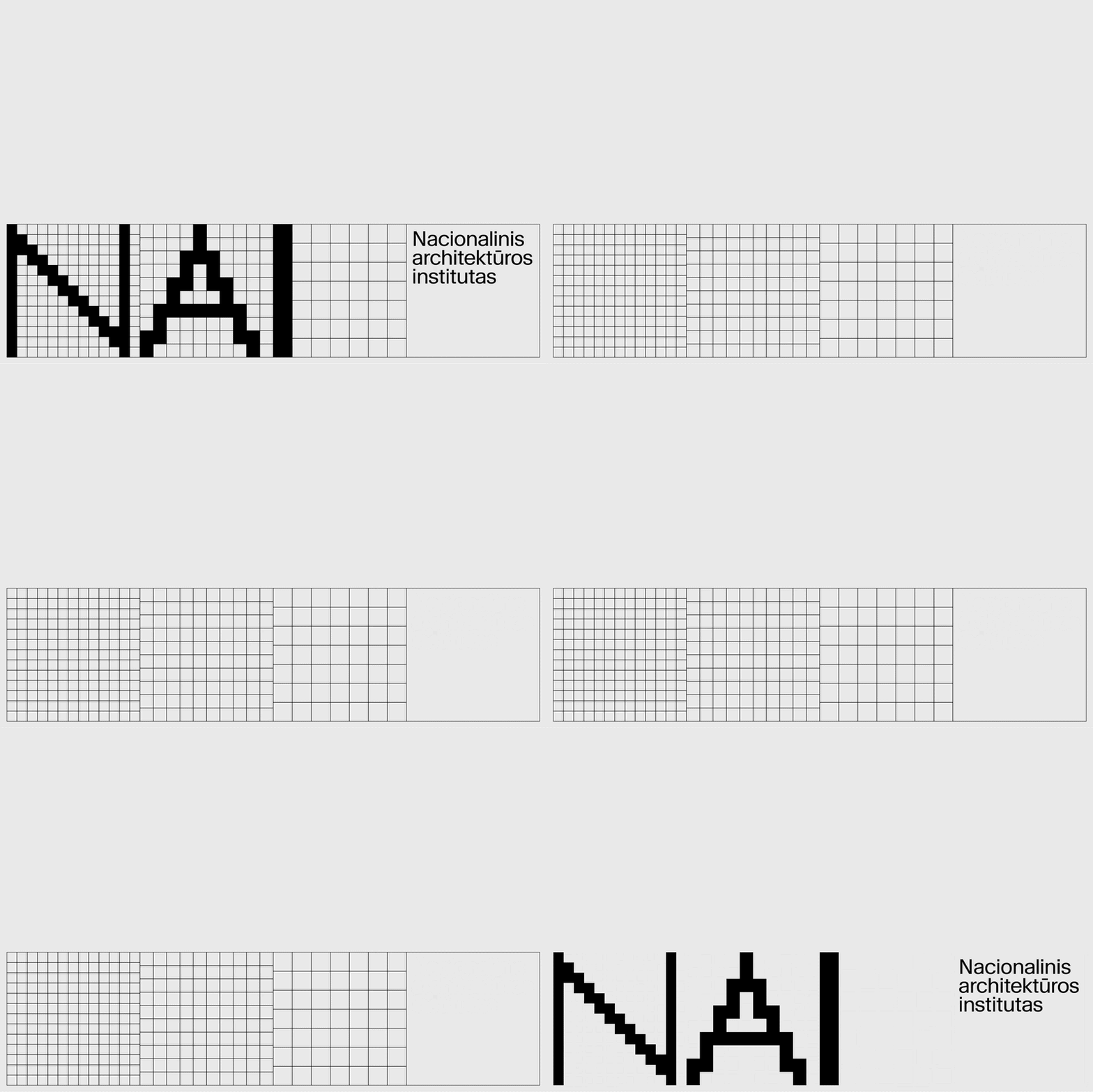
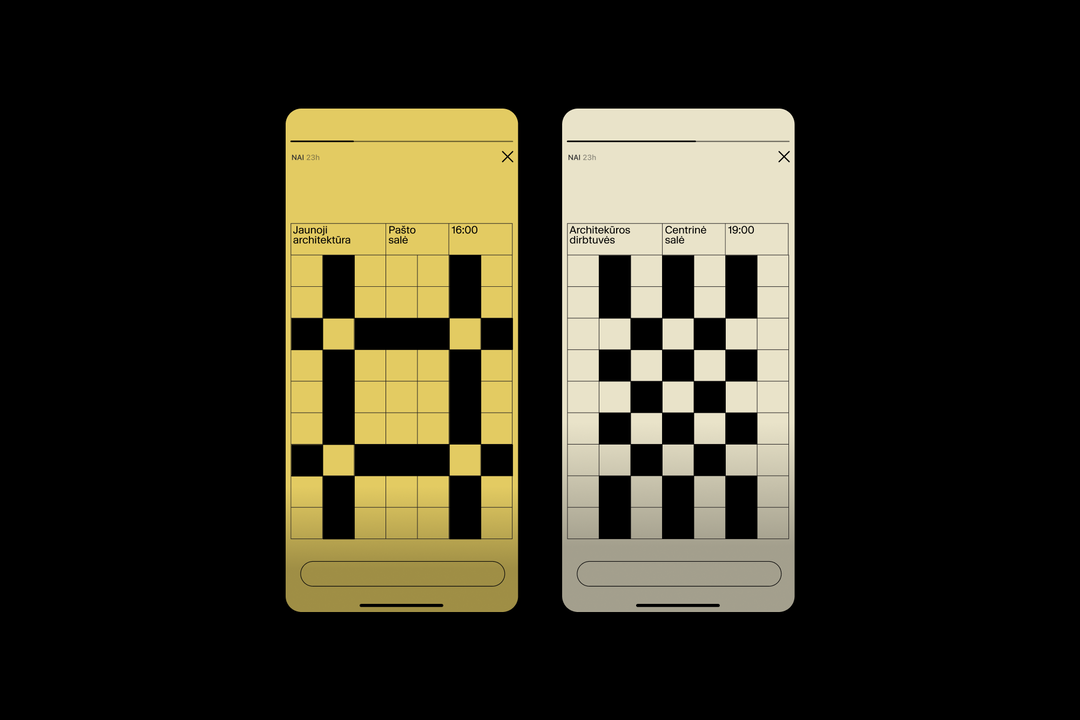
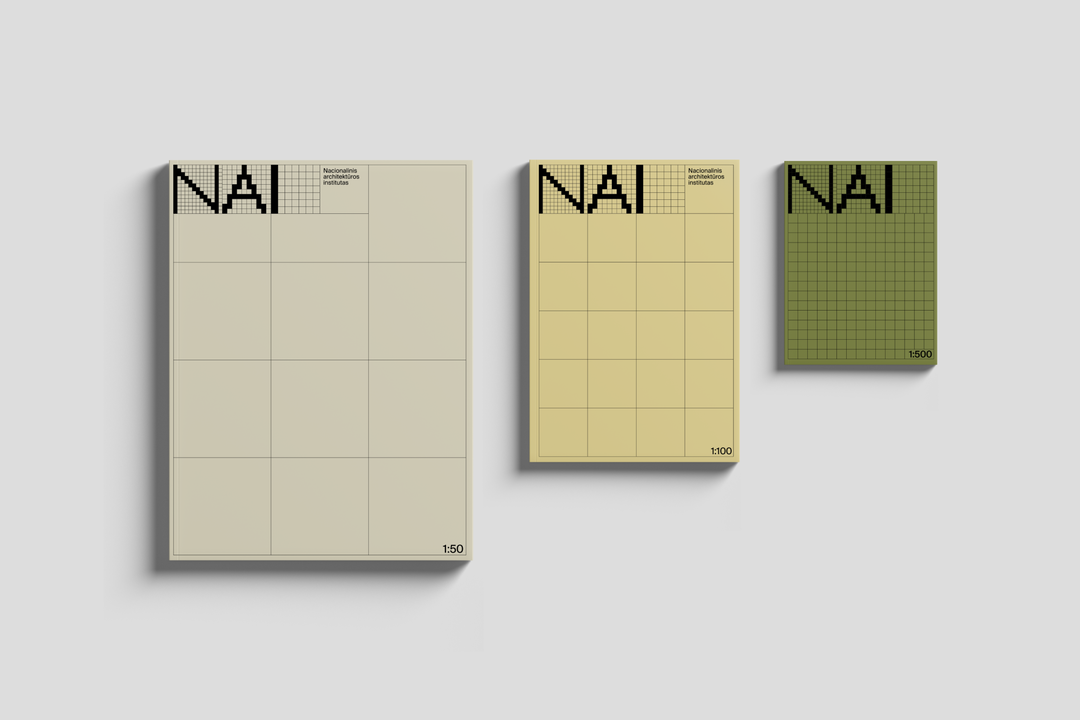
A graphic translation of the architectural grid pattern that emerged from the building’s tiling facilitated the creation of a logo that looks a lot like a mosaic – a typographic pattern that can be “expanded through a scale-based construction” to any size or application guided by its architectural grid, Julius says. “All letters are placed within four grids that grow progressively from the smallest to the largest.”
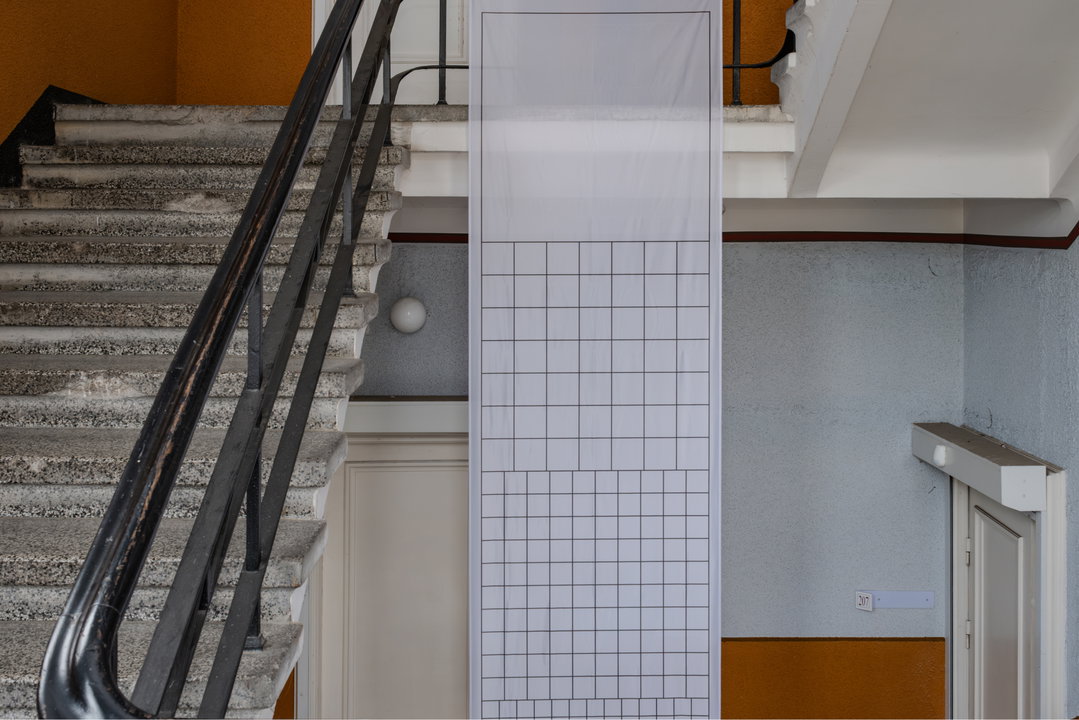
This fluidity creates what Rokas refers to as “a structural rhythm”, in the graphic identity, something they wanted to use to nod to the institute’s broad approach to architecture as a craft: “to human environments or from large-scale urban environments,” he says. The visual system can stretch across posters, print and wayfinding but can also slip seamlessly into clever digital pixels in digital applications and motion.
While the grid system works for the NAI logo, it has also created a basis from which an alphabet, icons or symbols can now emerge, seeing the institute into the future with a buildable visual base to experiment with. “It’s a visual system that can be adapted to the user’s needs,” shares Julius, “whether for the NAI team or a visitor.” With the NAI’s Lithuanian national Pavillion project to go up on show in 2027 at the Venice Architecture Biennale, Praktika hopes that this international event will be the first true test of the longevity of the design system and a display of the institution’s “openness, flexibility, and adaptability”, he ends.
GalleryPraktika: NAI (Copyright © Praktika, 2025)
Hero Header
Praktika: NAI (Copyright © Praktika, 2025)
Share Article
Further Info
About the Author
—
Ellis Tree (she/her) is a staff writer at It’s Nice That. She joined as a junior writer in April 2024 after graduating from Kingston School of Art with a degree in Graphic Design. Across her research, writing and visual work she has a particular interest in printmaking, self-publishing and expanded approaches to photography. ert@itsnicethat.com
To submit your work to be featured on the site, see our Submissions Guide.