100 tracks, 100 science projects: jazz-punk band Robocobra Quartet create a new band identity out of mould
Robocobra Quartet may not be the first band to create a sprawling album going way over the traditional track listing, but they are the first band to grow an entire musical identity in petri dishes.
Chris W Ryan and Thibault Barillon, members of the prolific, post-punky band Robocobra Quartet, are infatuated with capturing magic moments – it’s why they’ve largely chosen music as their practice, which welcomes improvisation, unexpected narratives and tangents. With their wry talky-singy style and punk-jazz instrumentation, the band doesn’t so much float down a stream of consciousness but ride its crashing waves. Their newest album is a behemoth experiment in capturing magic moments – 100 of them, in fact. It’s called Hundred Pieces, and it’s literally 100 tracks long. Inspired by how Marina Abramovic invents and commits to her performance situations and following through with it no matter what, the band felt moved by throwing out the established rule book and putting into place their audacious own.
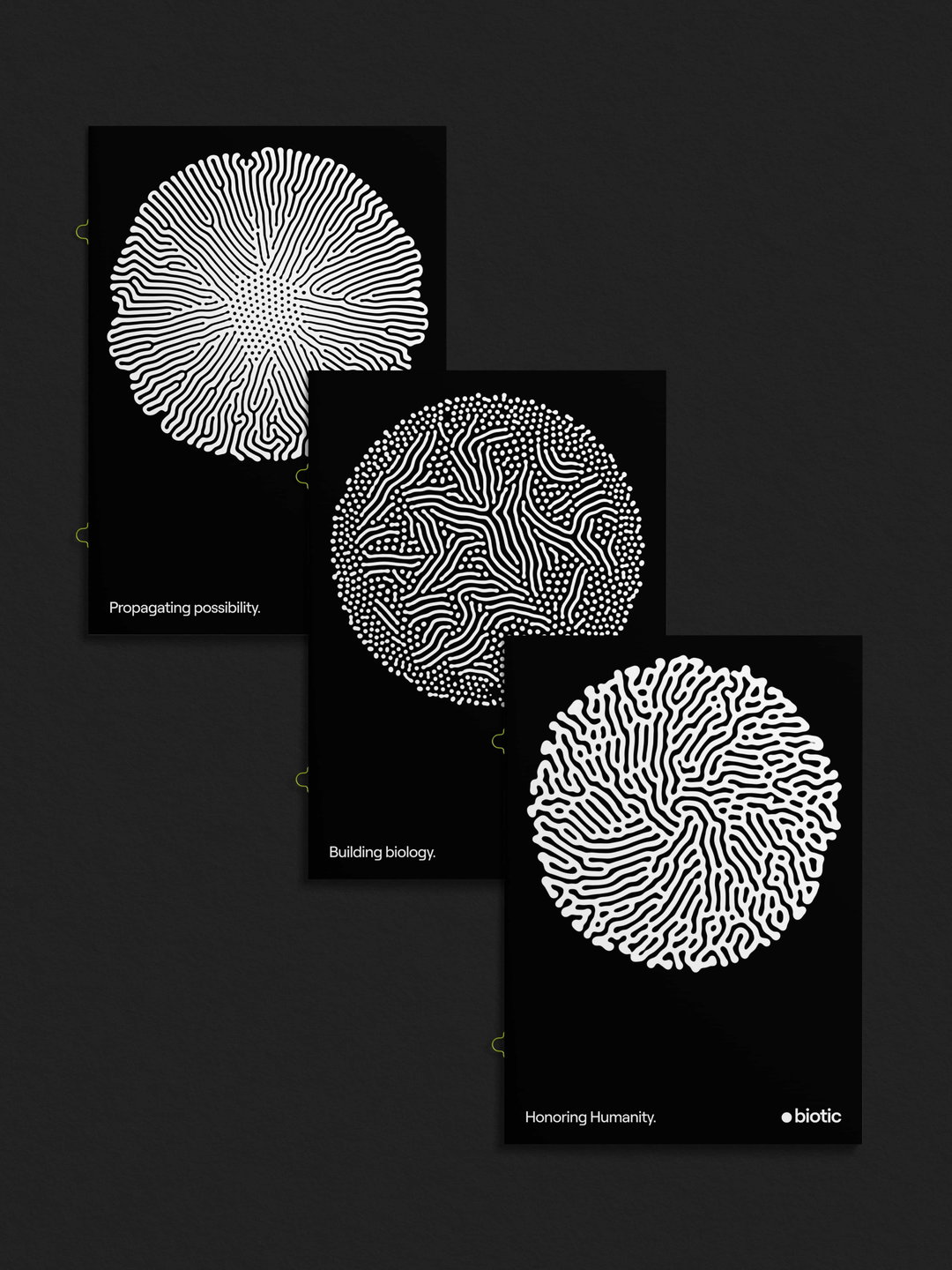
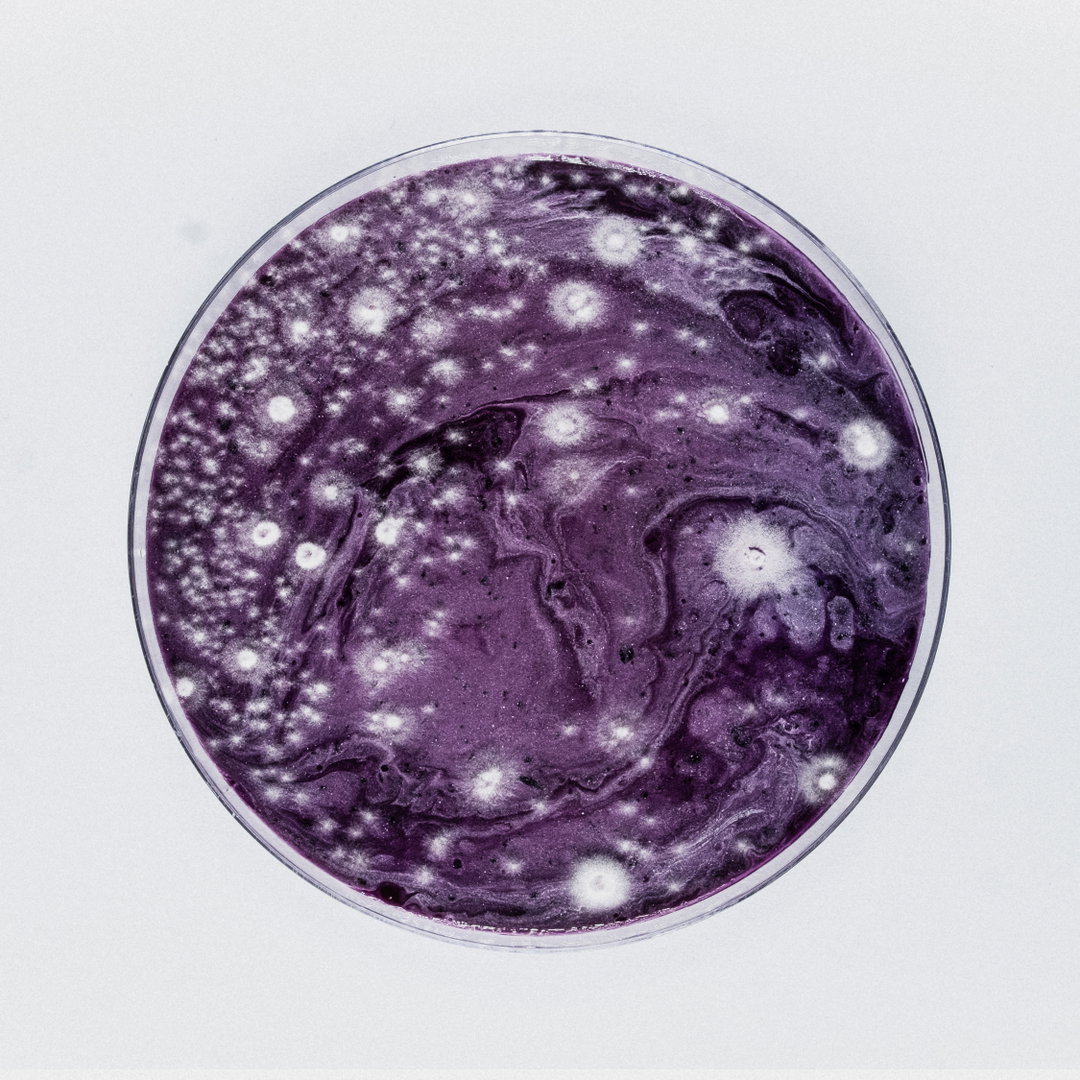
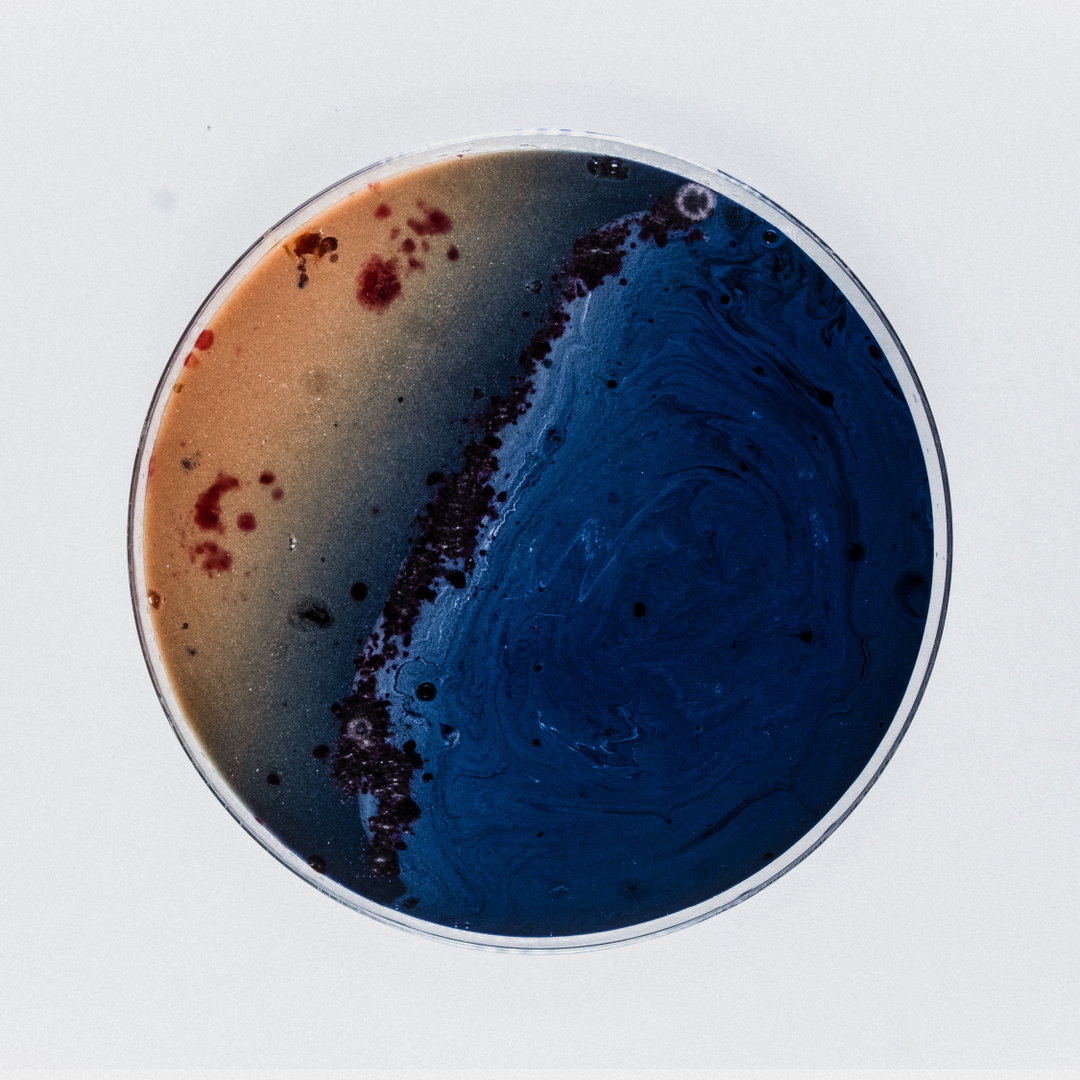
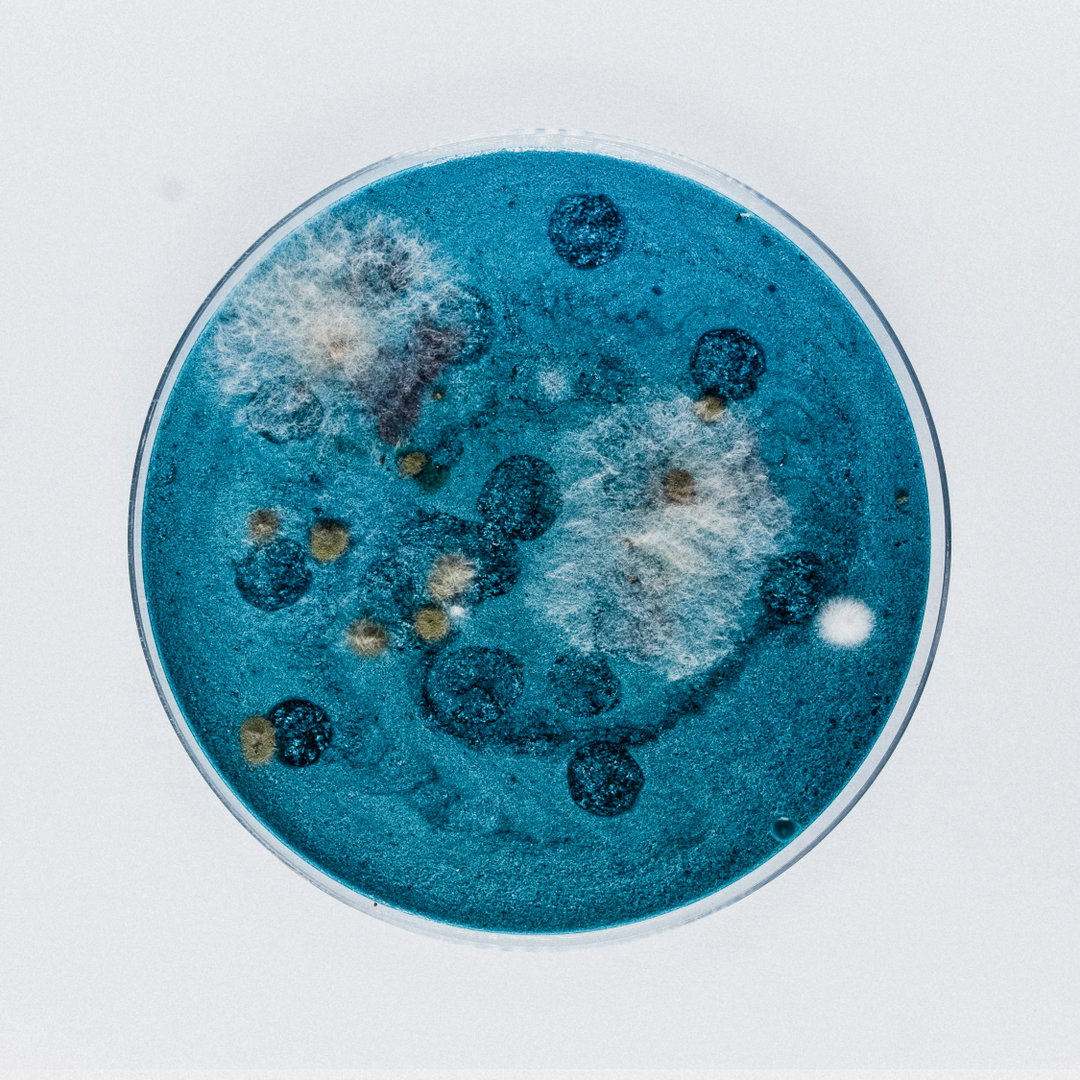
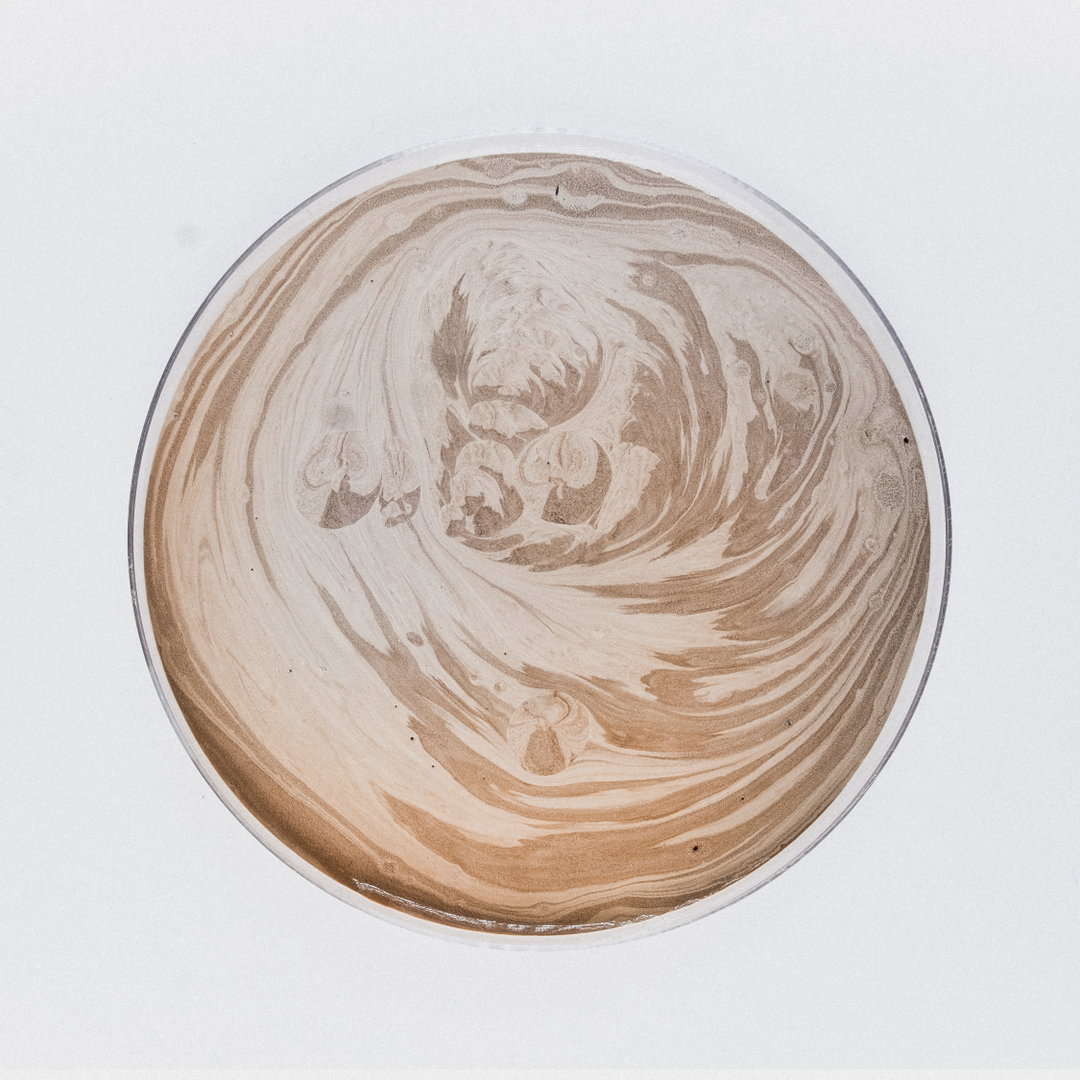
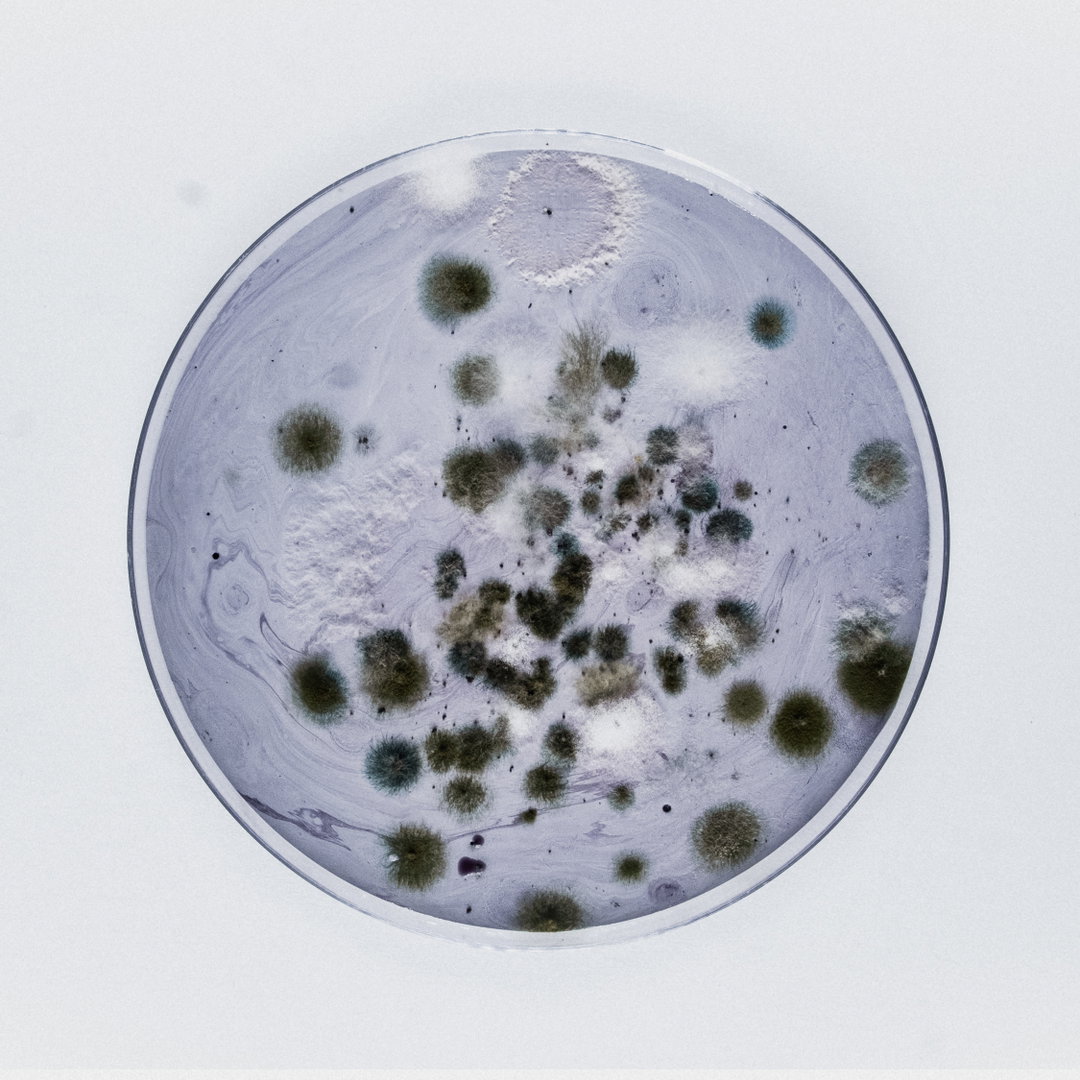
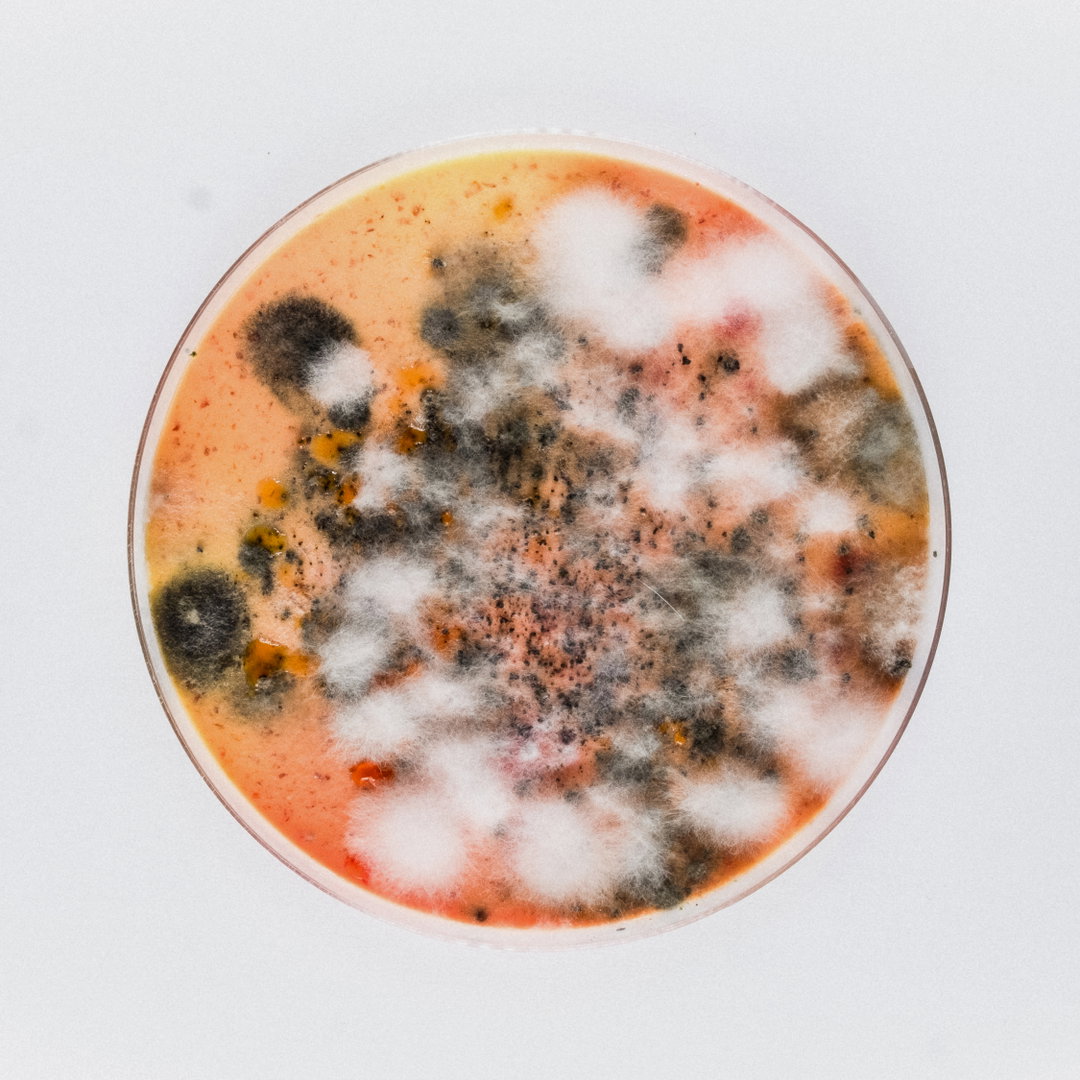
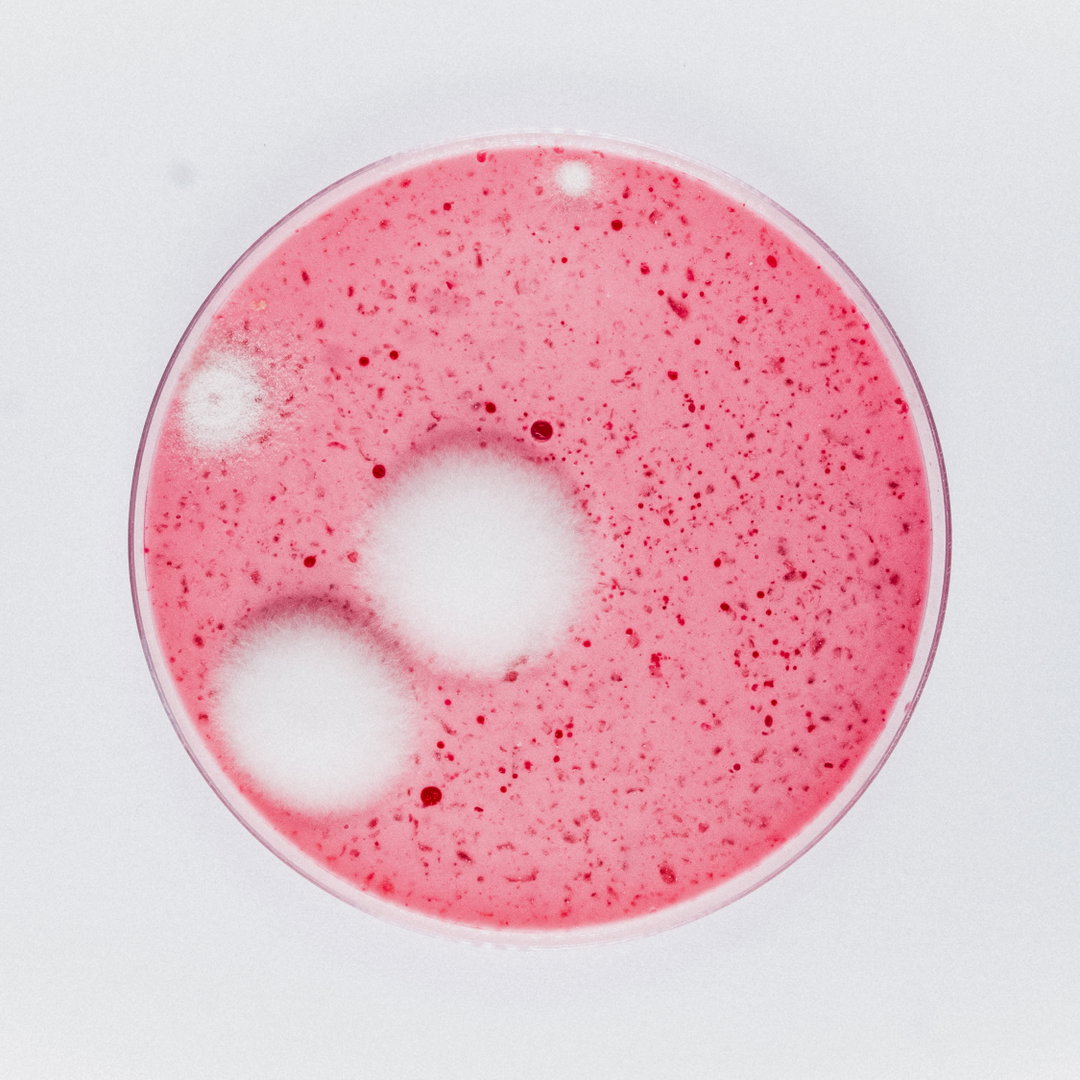
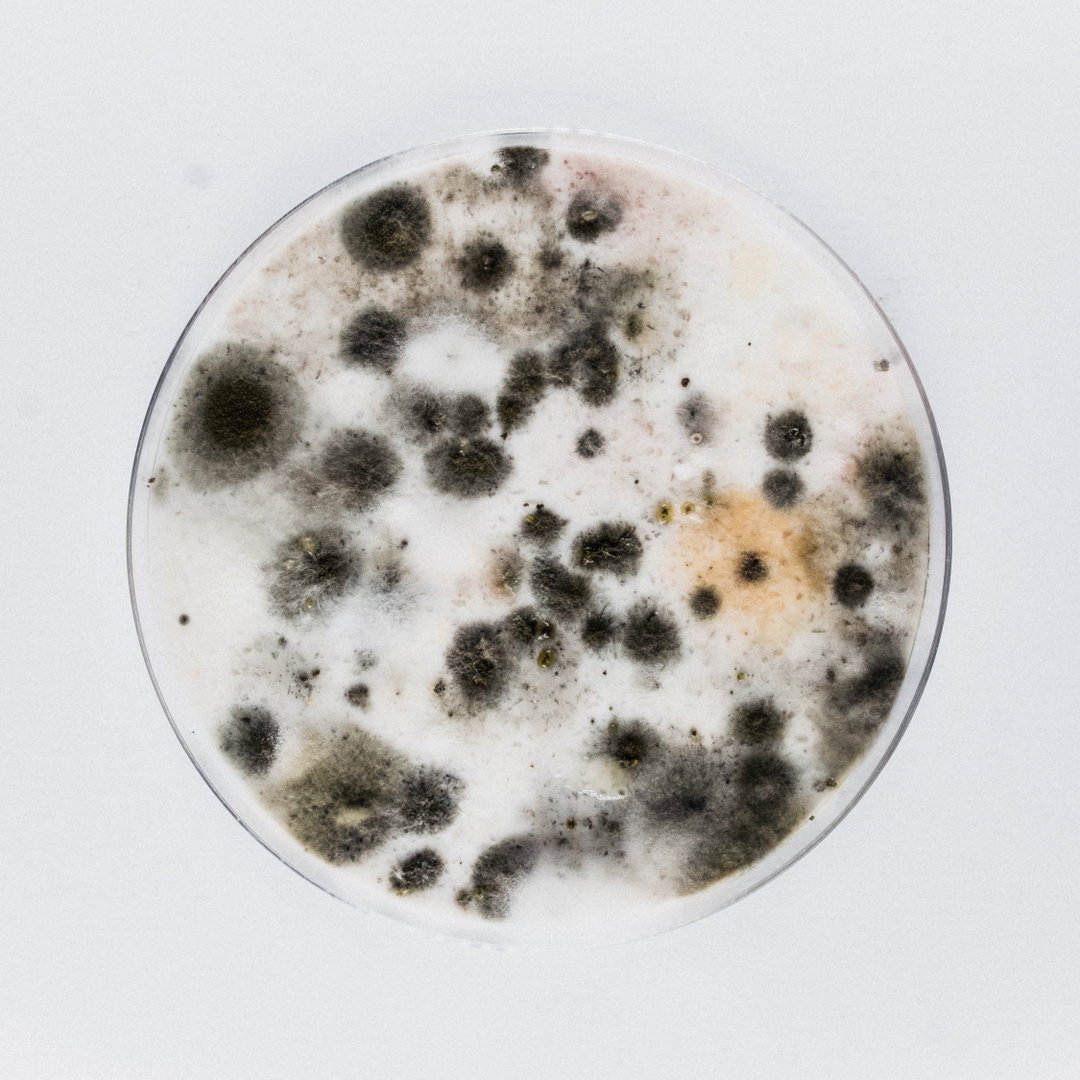
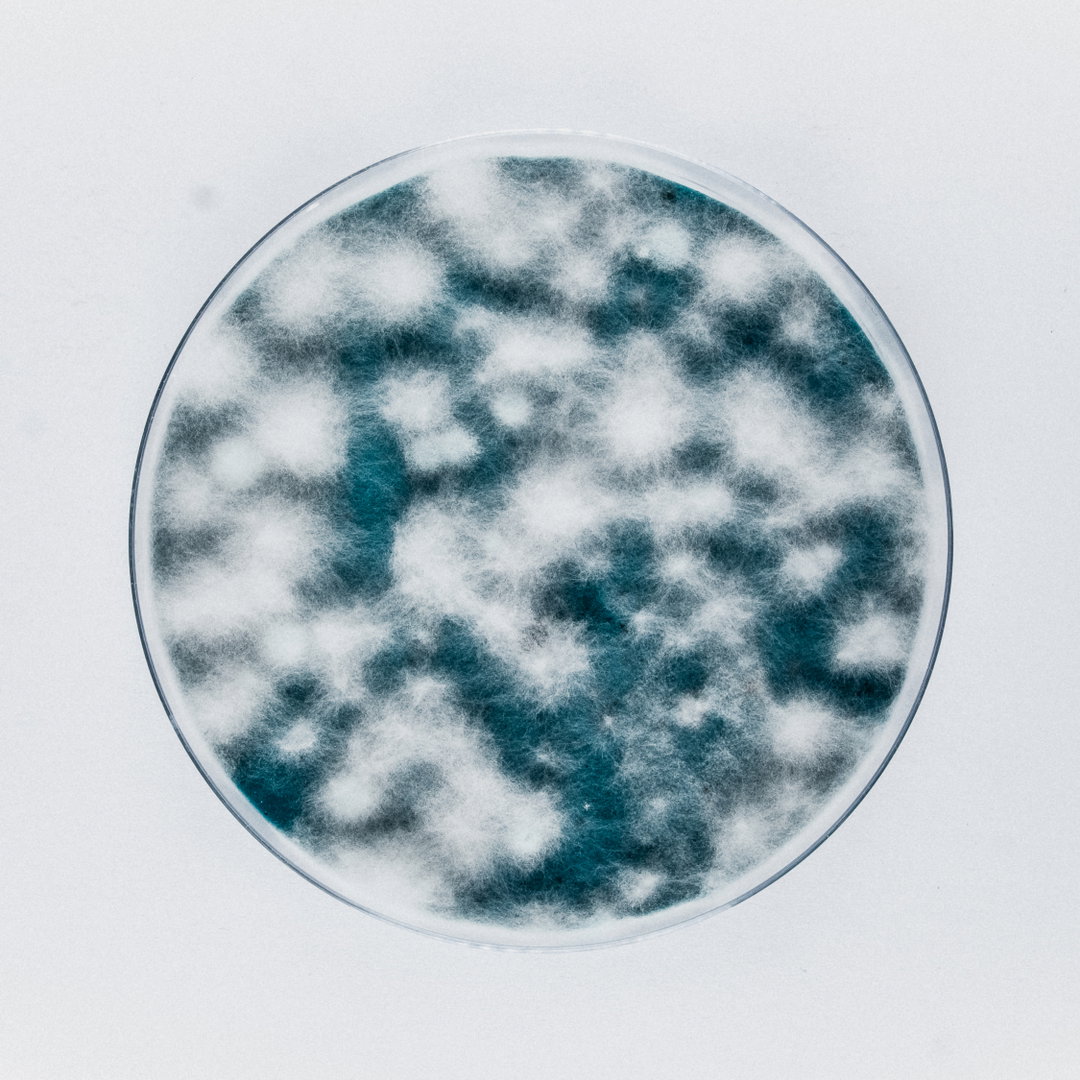
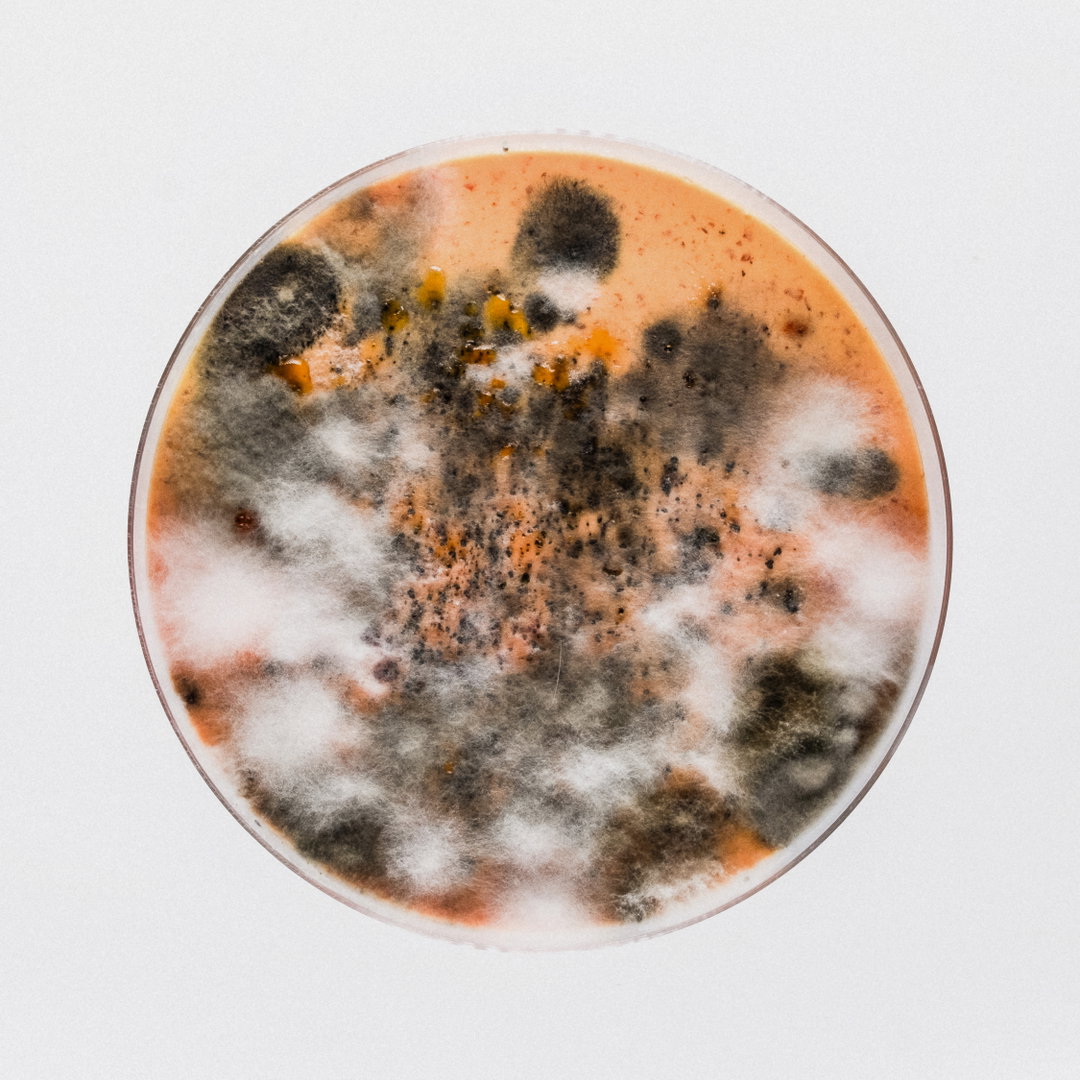
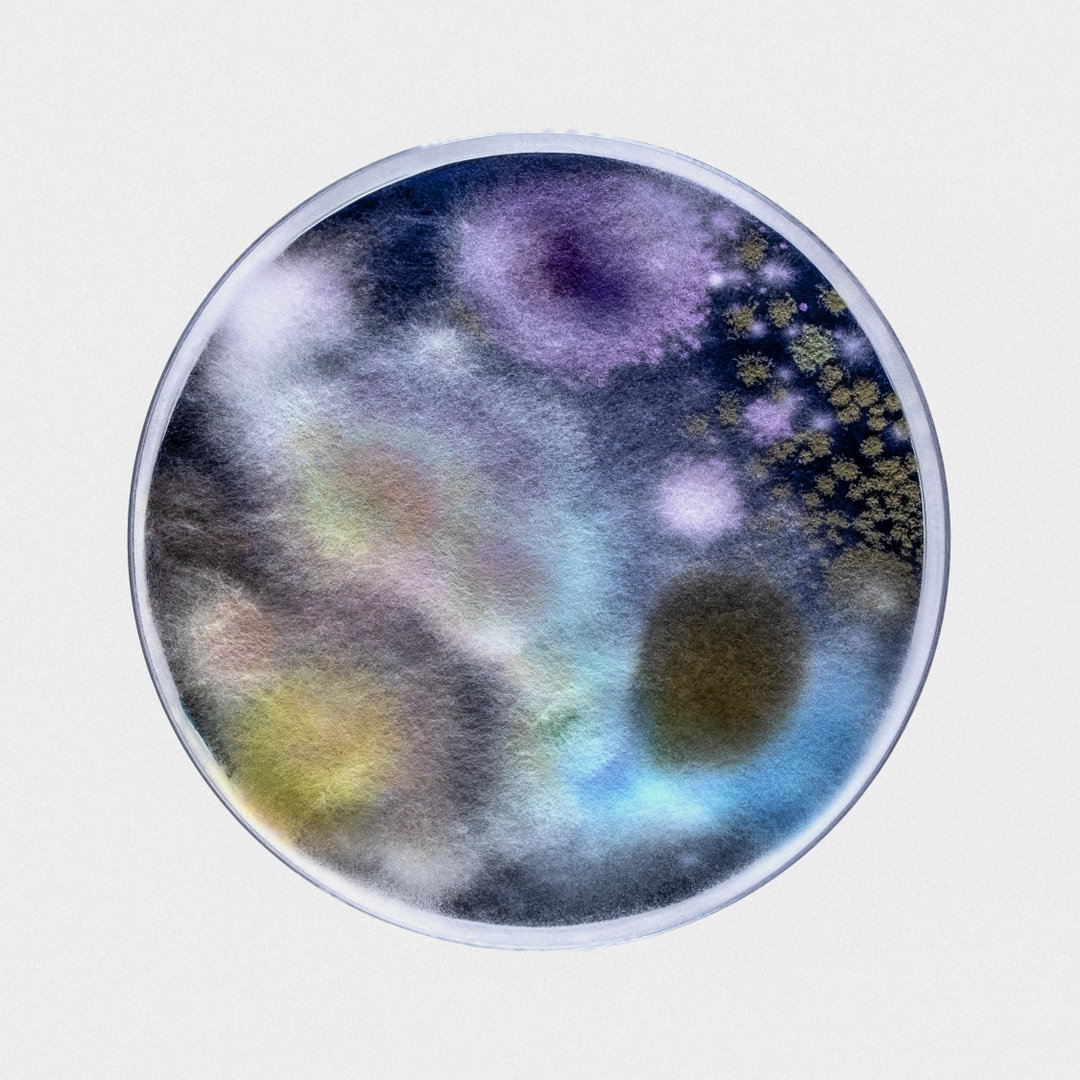
Every track has its own artwork: a unique petri dish with its own colourful spectrum of life growing on top of it. The constellations of mould were created with agar flakes and light malt extract in simmering water, once they cooled, a selection of fungi from rotting woods or brick walls, as well as cheese and meat moulds, were sampled onto the liquid medium (don’t try this at home!) “[The petri dishes were a] simple setup consisting of a white paper background with 2 LED panels on each side and the camera rigged to the top of the panels to keep it consistent over time so we could just use the photos as is and show the plates in their rawest form without much editing. The dishes were photographed at different points in time throughout the lifecycle,” says Thibault.
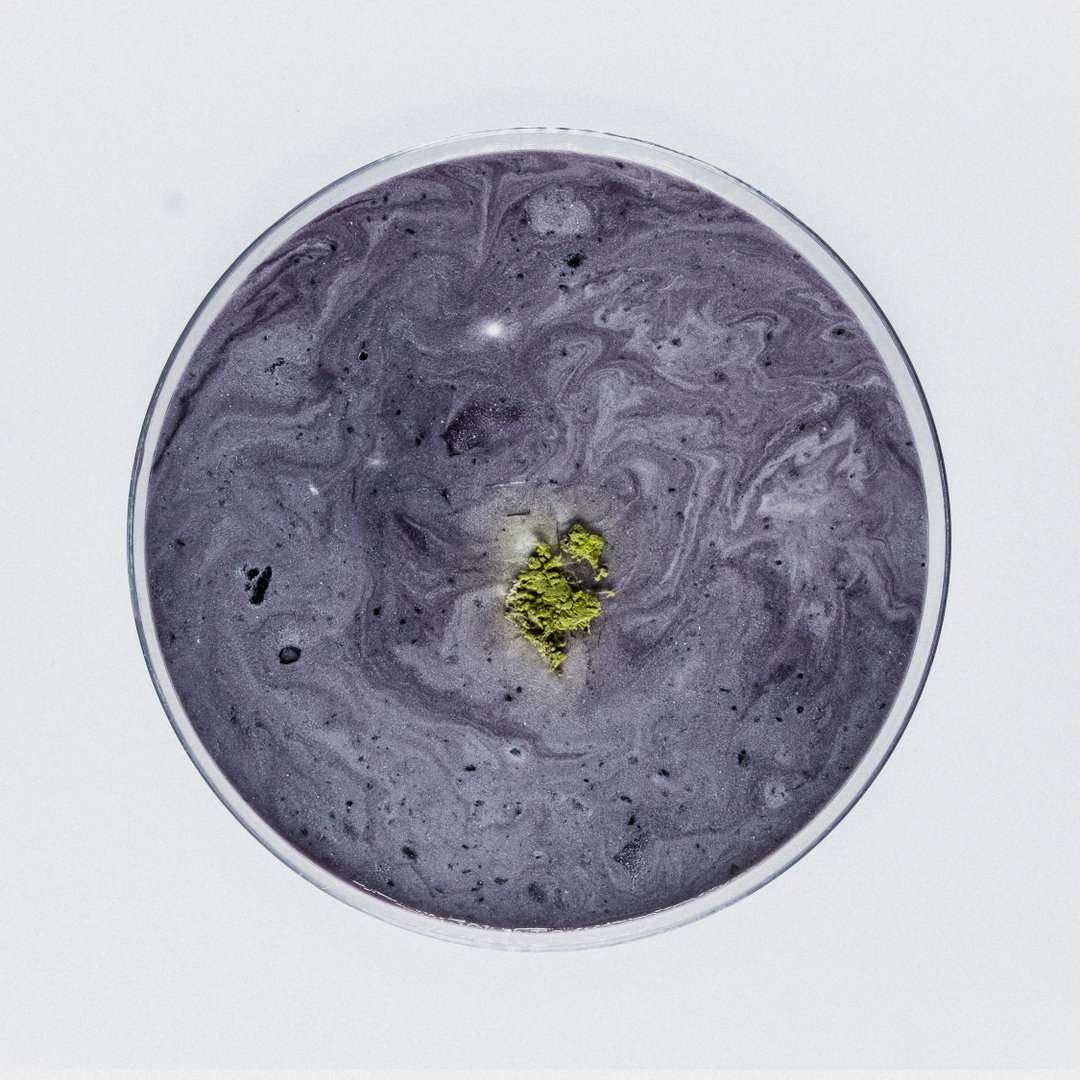
Robocobra Quartet: Hundred Pieces (Copyright © Robocobra Quartet, 2026)
“Creatively there’s something really exciting and stimulating in limiting your own options as an artist and finding freedom within tight boundaries. The petri dishes give you a really neat boundary in a tiny plate, but also they don’t even have a layout or even an orientation, you’re almost working in one dimension,” says Thibault. “The flip side of that is a 100 track album where all that creative space becomes available and allows you and pushes you to explore spaces you wouldn’t have on a 9-tracks 35 minutes record.” The album will likely draw comparisons to iconic albums such as 69 Love Songs by The Magnetic Fields, which is exactly what it says it is on the tin, but with Hundred Pieces, Robocobra Quartet can let ideas fly in wilder directions in a higher quantity.
100 tracks, 100 science projects – it helps that the dishes themselves are circular, like a vinyl record or a CD, making the dishes feel like musical media that is holding literal life. The idea is as playful as the concept; the band wanted to move away from the idea of “making twelve songs every three years” – the idea of the record was “to let the songs evolve only as much as they ask for, if the best version is a rough iPhone voice note recording from a rehearsal room.” And so, the petri dish artworks mirror the band’s relationship to song-making and improvisation better than anything; “It became a way of conceptualising what we were doing musically. For a long time we talked about ‘spores’: riffs, jams, incidental recordings, musings that we would let grow into their own songs, cross-pollinating, self-replicating and growing into different versions of the original. It became part of the language around the process,” says Thibault.
It’s hard to ‘predict’ or ‘curate’ bacteria, it just is the way it is. It’s natural art. “I have a degree of control into where the plate starts from: the colours and patterns of the medium, the organisms I inoculate it with. After that, nature takes its course over time and what emerges, the colours, the intricacies, the patterns,” says Thibault, who observed the “efficient purpose of surviving and thriving” in the organisms, which trigger a “hardwired instinct of beauty in us”. The petri dishes have become the quasi-identity of the band across their visualisers and playlist covers on Spotify, but in other ways too – Thibault also coded the band’s website to become a medium for ‘mould’ to grow there digitally using randomisation, an art piece in of itself. “Creating a language for a creative project like this is definitely such a vital thing (we actually called our new label Lingua Franca, latin for ‘shared language’). It also means you play with the conventions you’ve set up, and stretch the boundaries you created,” says Chris.
GalleryRobocobra Quartet: Hundred Pieces (Copyright © Robocobra Quartet, 2026)
Hero Header
Robocobra Quartet: Hundred Pieces (Copyright © Robocobra Quartet, 2026)
Share Article
About the Author
—
Paul M (He/Him) is a Junior Writer at It’s Nice That since May 2025. He has a strong interest in graphic design, digital kitsch, multimedia painting, collage, nostalgia, analogue technology and all matters of strange stuff. pcm@itsnicethat.com
To submit your work to be featured on the site, see our Submissions Guide.