Seunghyun Lee's dizzyingly disorientating kaleidoscope animations
Seunghyun Lee gets her kicks from making people dizzy. The 23-year-old is currently studying at Hongik University, Seoul, Korea, where she is double majoring in Visual Communication Design and Art Studies, which she tells us “helps me widen my range of interests and get myself exposed to various interesting topics.” Contributing to that exposure was a recent trip to London, where Seunghyun studied graphic design at Central Saint Martins for two semesters as an exchange student.
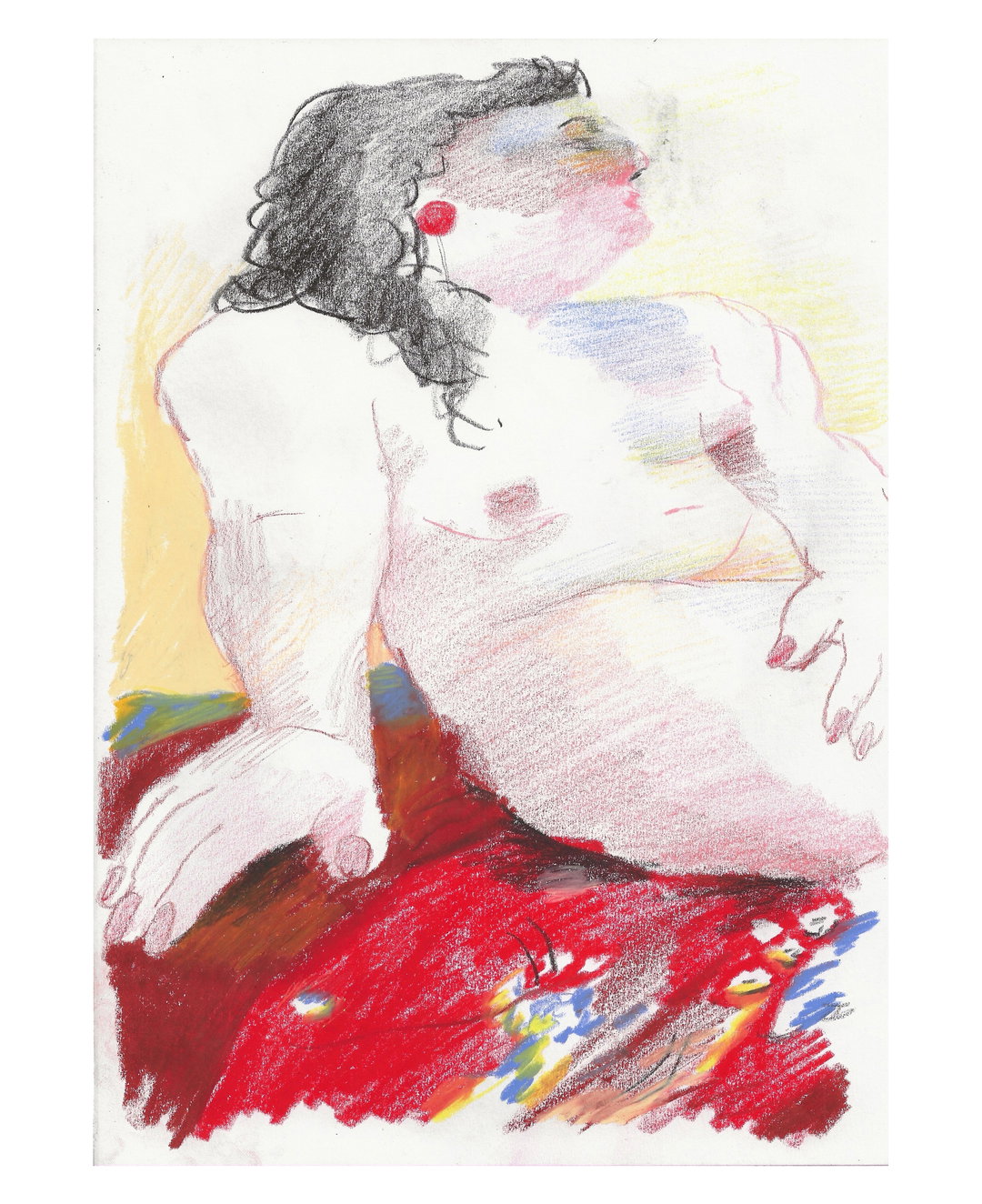
Seunghyun’s extravagantly detailed work comes in the form of part hand-drawn, part digitally-generated, always visually disruptive animations and gifs. “My works are based on mixed media, usually 2D and 3D graphics and illustrations,” Seunghyun explains. “Watching my work with millions vividly coloured and strangely shaped elements moving repetitively by themselves, someone said that it felt like looking through a kaleidoscope, and I liked the comment very much. Seeing people going dizzy and confused or having difficulties to guess which tools had I created my works with is one of the most exciting part of creating the images.” We asked the young creative to unravel the stories behind the images.
How did you develop your style, and how long have you been working in this way?
I don’t remember exactly when I started working in this way, but I always enjoyed making images based on combination of tons of randomly picked colours and shapes. I don’t put single text, shape or colour as the only main character in the image. I think all the parts play an important role when filling the screen, and hope they are equally treated by all who sees my work.
The most exciting part in the whole image-making process is right after making small elements or patterns. I combine those tiny units that I made, using certain functions. They play a wonderful role as a helper or collaborator during the latter half of image-making process. Plenty of colours make unexpected colours and atmospheres, and plenty of small, animated shapes make a single huge space or organism. For example, Inferno is a digital infernal area based on archive of crime records of a real person surnamed You. Based on Dante’s construction manual of inferno and You’s crime records, 1640㎡ of infernal space was built. When building this chaotic and strange-looking world, I borrowed Dante’s depiction of hell to arrange my topographical and geological units.
Can you talk us through two recent pieces of work?
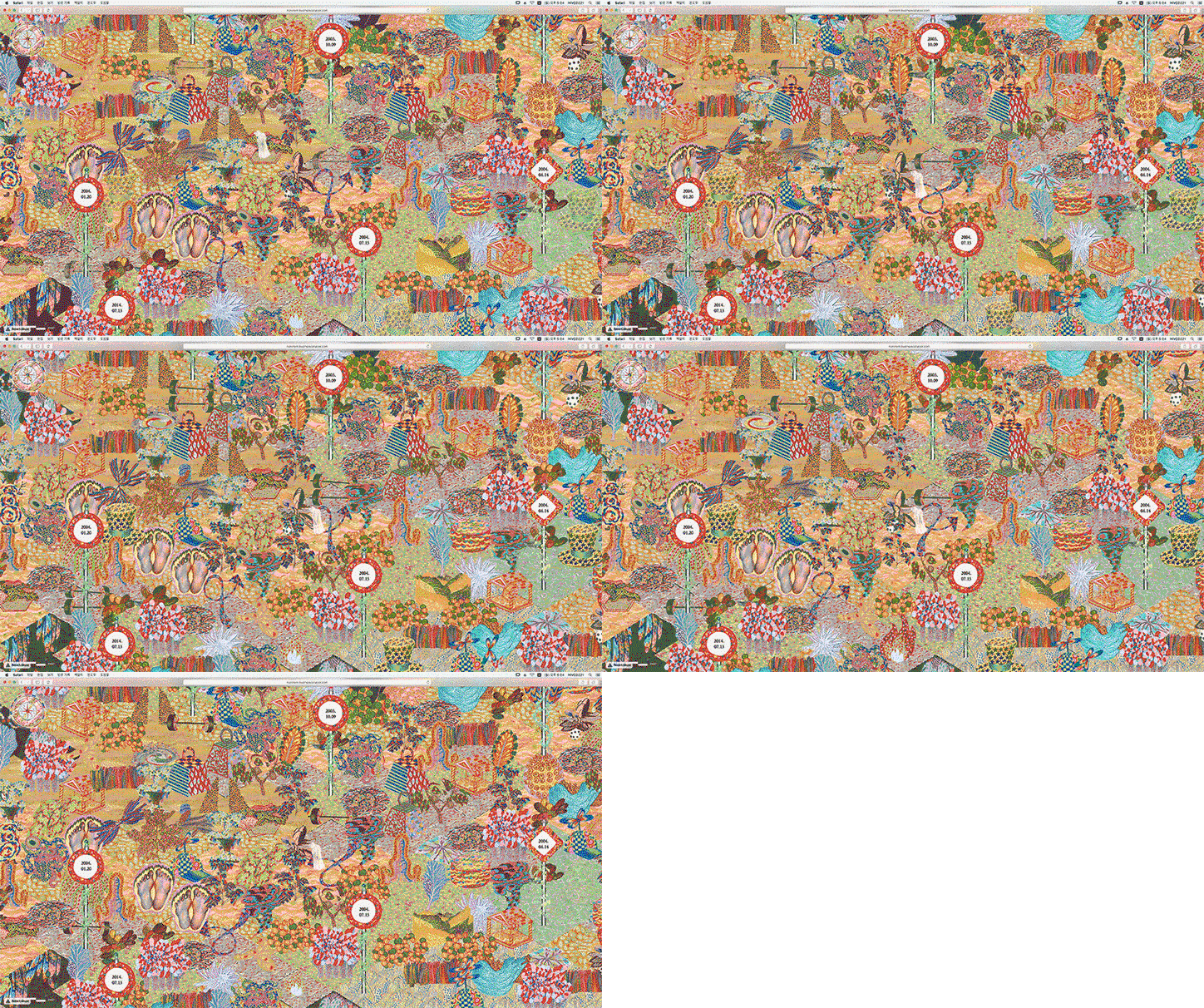
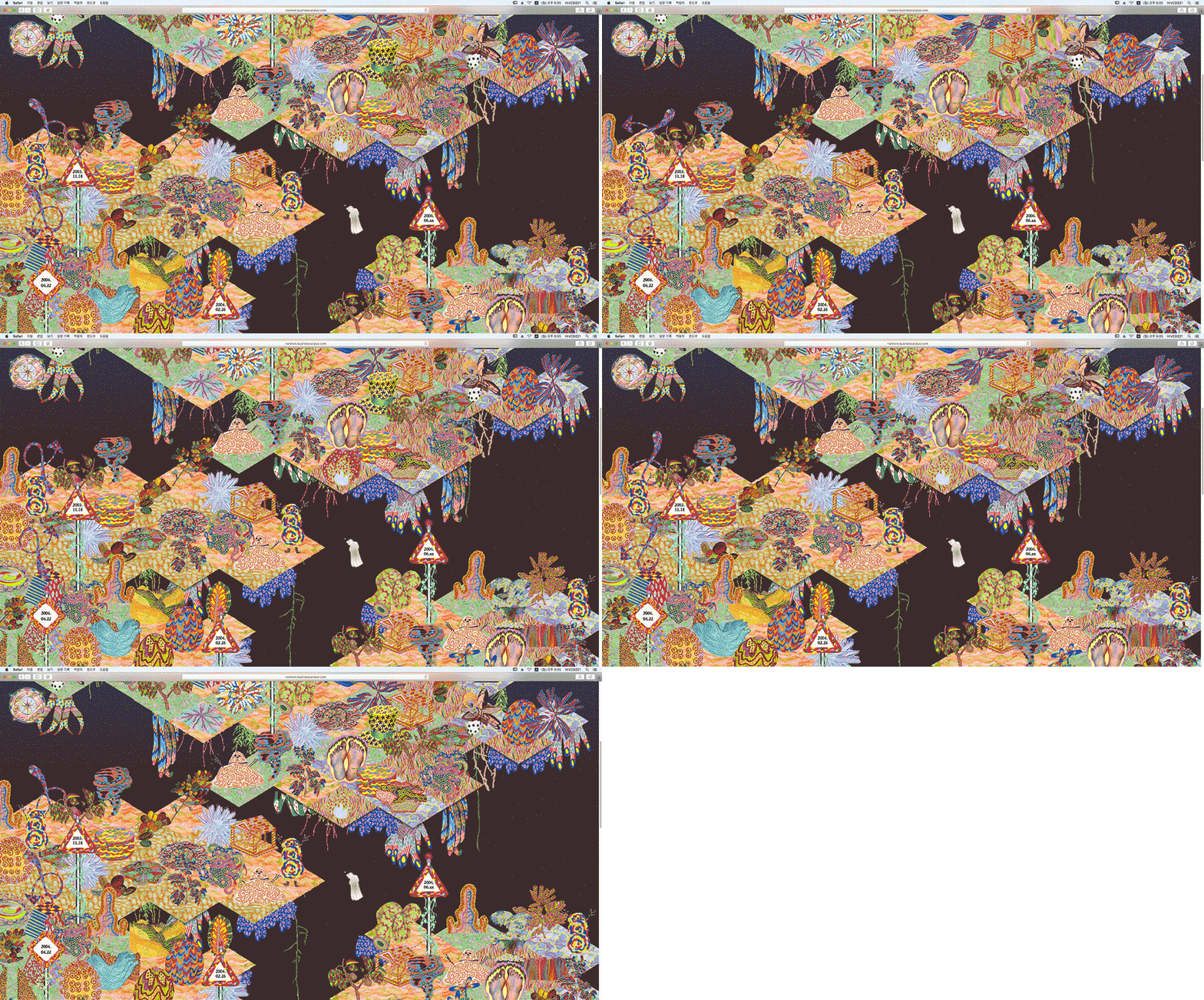
Crop Rotation is a graphic gardening work using the crop rotation idea as a cultivating method. In order to prevent myself – the gardener – from getting bored with limited number of floras, I used external sound as a function to cross-fertilise those crazy botanic elements that I have drawn, and then animated. Jesa for Jaded is a 12-page website following procedure of Korean traditional memorial service called Jesa. The three-dimensional space holding Jesa is made up illustrated patter which looks at real and beyond-real at the same time. Flow of the graphic and illustrated images goes along with Jesa’s original rules. All I had to do was to hold the rituals with prepared offerings and altars. Souls of those images eventually arrive at the digitally-blissful state, where there is no border between drawings, 2D and 3D graphics.
These systematic rules which came from the external world, prevents me from planning the image from start to end. Somehow I am shifting my full power of creating the image to the uncertainty. It maximises randomness and unexpectedness of the outcome, so that even I cannot predict how it it will be at the end. This is also one of the most interesting part of the whole process. It’s like doing experiments. The images are accidental, but beautiful.
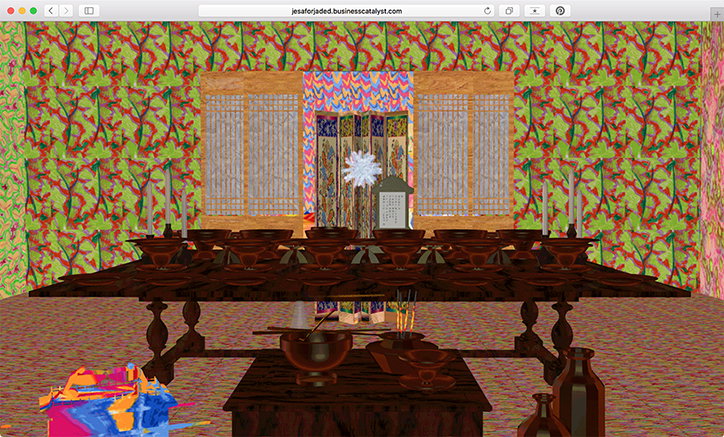
Seunghyun Lee: Jesa for Jaded
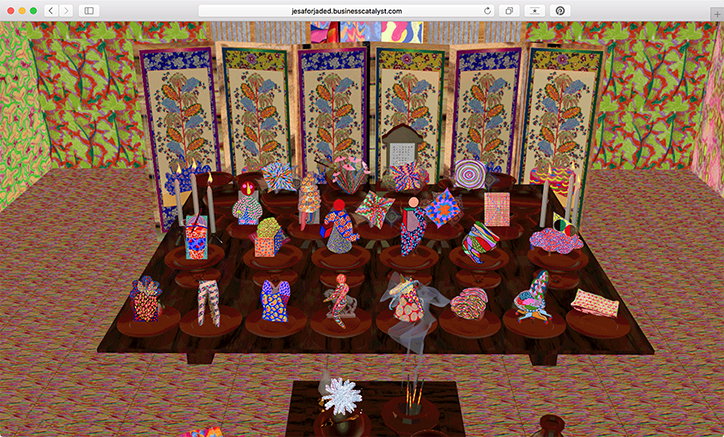
Seunghyun Lee: Jesa for Jaded
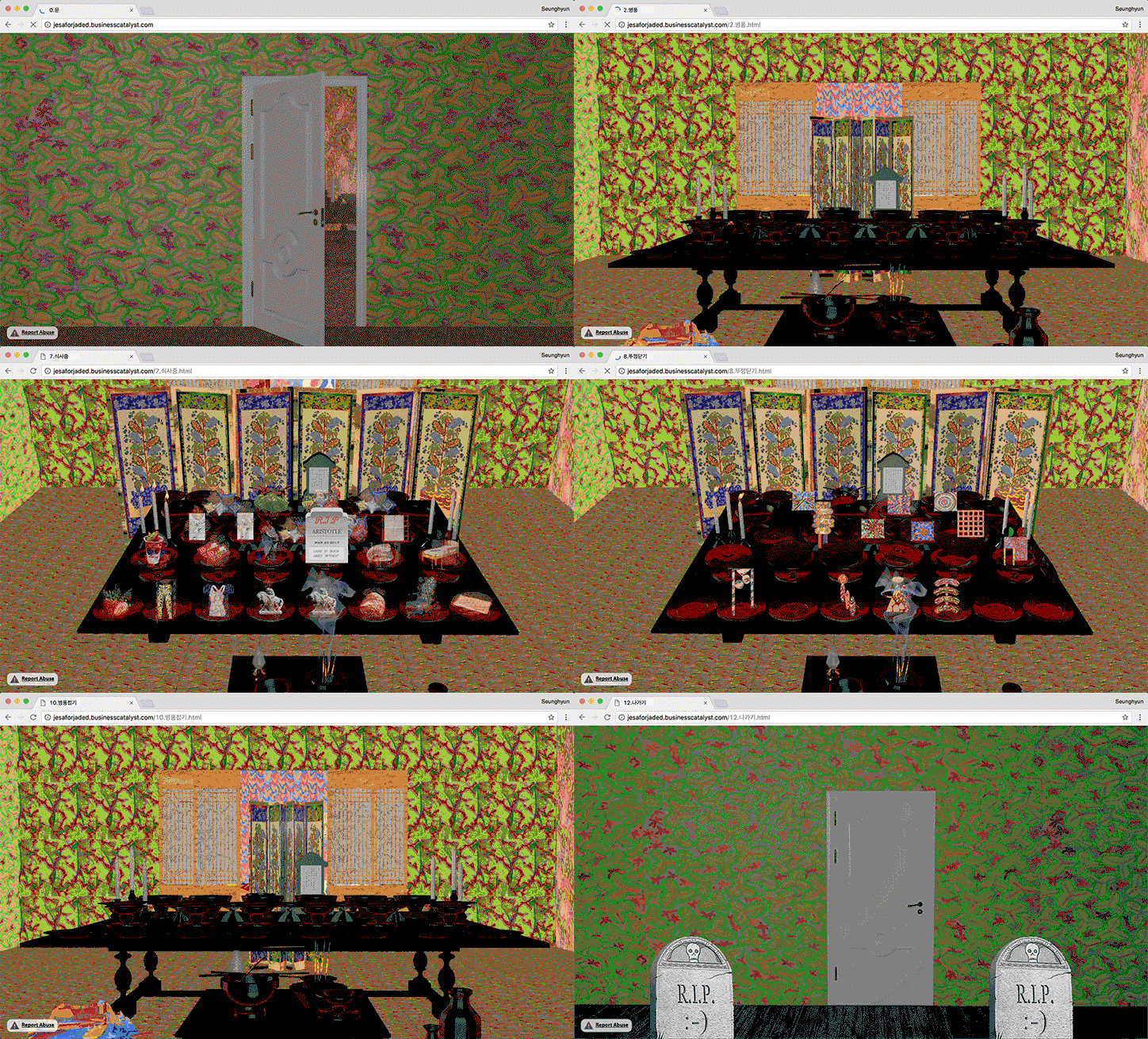
Seunghyun Lee: Jesa for Jaded
Can you tell us about the process which goes into the making of your animations and illustrations? What tools and techniques do you use? Do you have a specific way that you work for each piece of work?
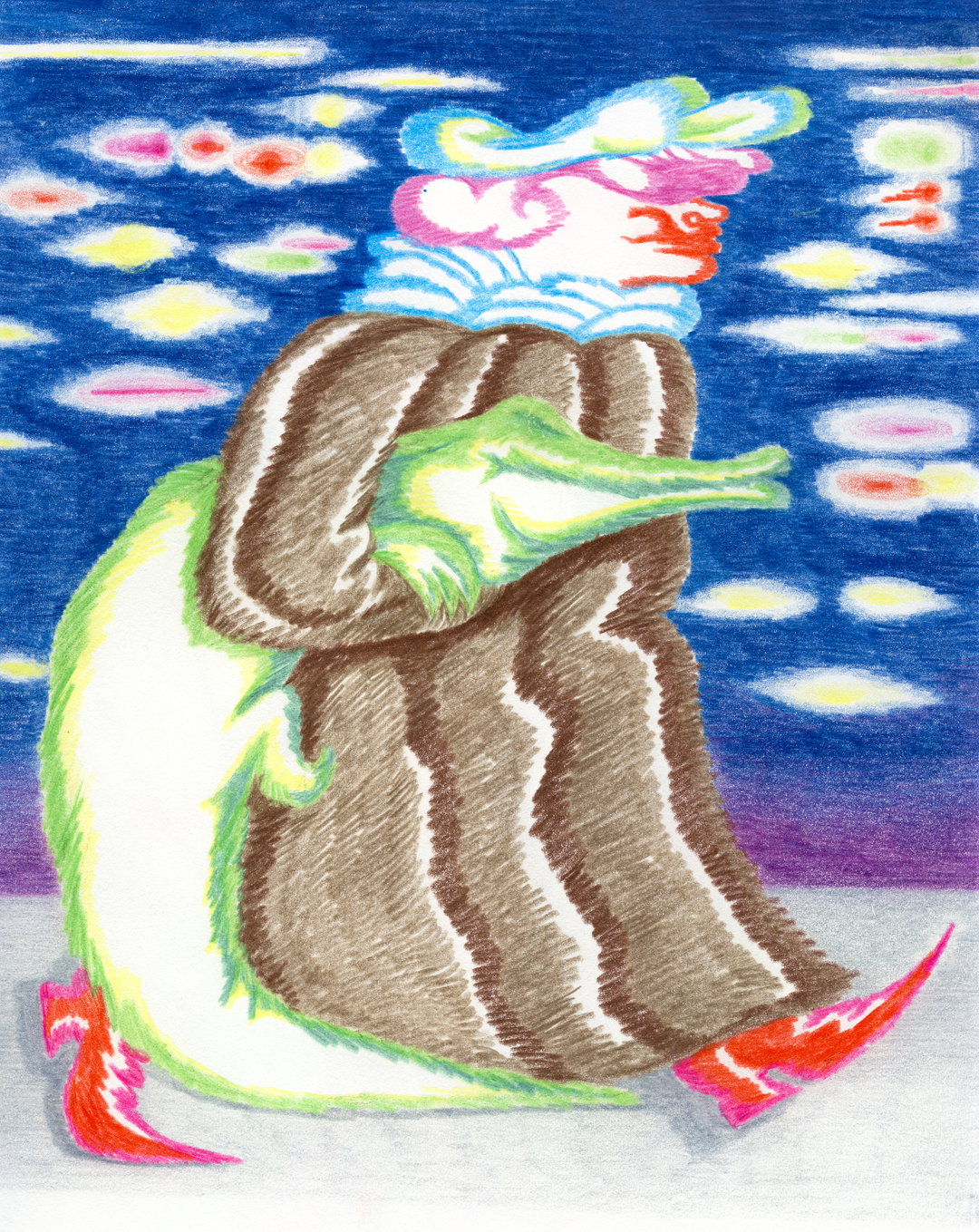
I also try to avoid specific single tool or technique. Mostly I find it more exciting and easier to start my work with traditional colouring tool, since somehow it is more likely to get unplanned outcomes. If I start making small elements with coloured pencils, crayons, watercolour, etc, then I would keep going on with digital tools.Sometimes I tear them into really tiny particles and then make them wiggle in weird ways. And recently I have been playing with making 3D images using my illustration as texture materials for them. However, if I start with digital tools, I would then print them on really bumpy paper. For example, Colouring Worksheet for Peeping Tom is a classic colouring worksheet drawn with numerous objects from alchemist’s laboratory. Through a keyhole silhouette, participant can get a colouring code to finish the rest. I printed it on printmaking papers, and handed them out to my peers to finish colouring by their own, and make their own image.
When working with Cabinet of Curiosities, I carefully assembled illustrated images of wooden textures and screws, and folded it into three parts – like real cabinet. After the assembly, then I added graphic and other illustrated images as if I really were putting objects in the wooden cabinet.
Where do you turn when you run out of ideas?
I usually do multiple works at the time, and it prevents me from running out of ideas. But since most of my works takes quite long time for each, I sometimes get bored or stuck in the middle. That is the moment when I set external functions for furthering my images and make unexpected outcomes with my halfway-done works. Or I make plenty of single posters, only just for fun and refreshing.
What are you working on at the moment?
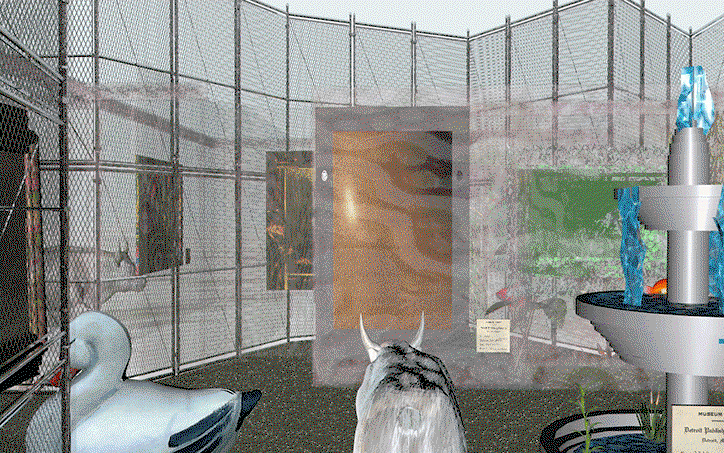
I am specially interested in visualising virtual worlds regarding desire, erotism, religions and myths. In these days I have been into studying Lacan, so I worked on virtual curation for Evil Museum and made its tour video and guiding website. The museum exhibits 18 masterpieces illustrating Ovid’s Metamorphoses. The museum is de-constructed under Lacanian theme of the Evil Gaze from Schema L. I got idea from the ‘z’ angle of Schema L’s diagram, and used it for arranging three different walls of the real, the symbolic and the imaginary. They are all made up of different material based on my illustrated pattern.
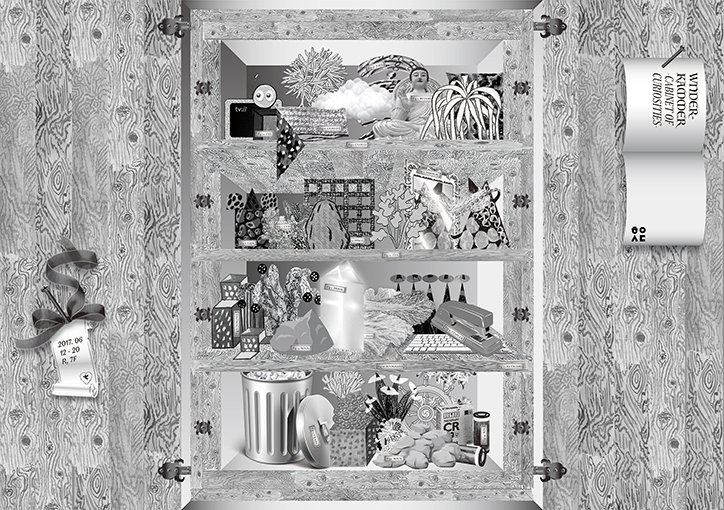
Seunghyun Lee: Cabinet of Curiosities
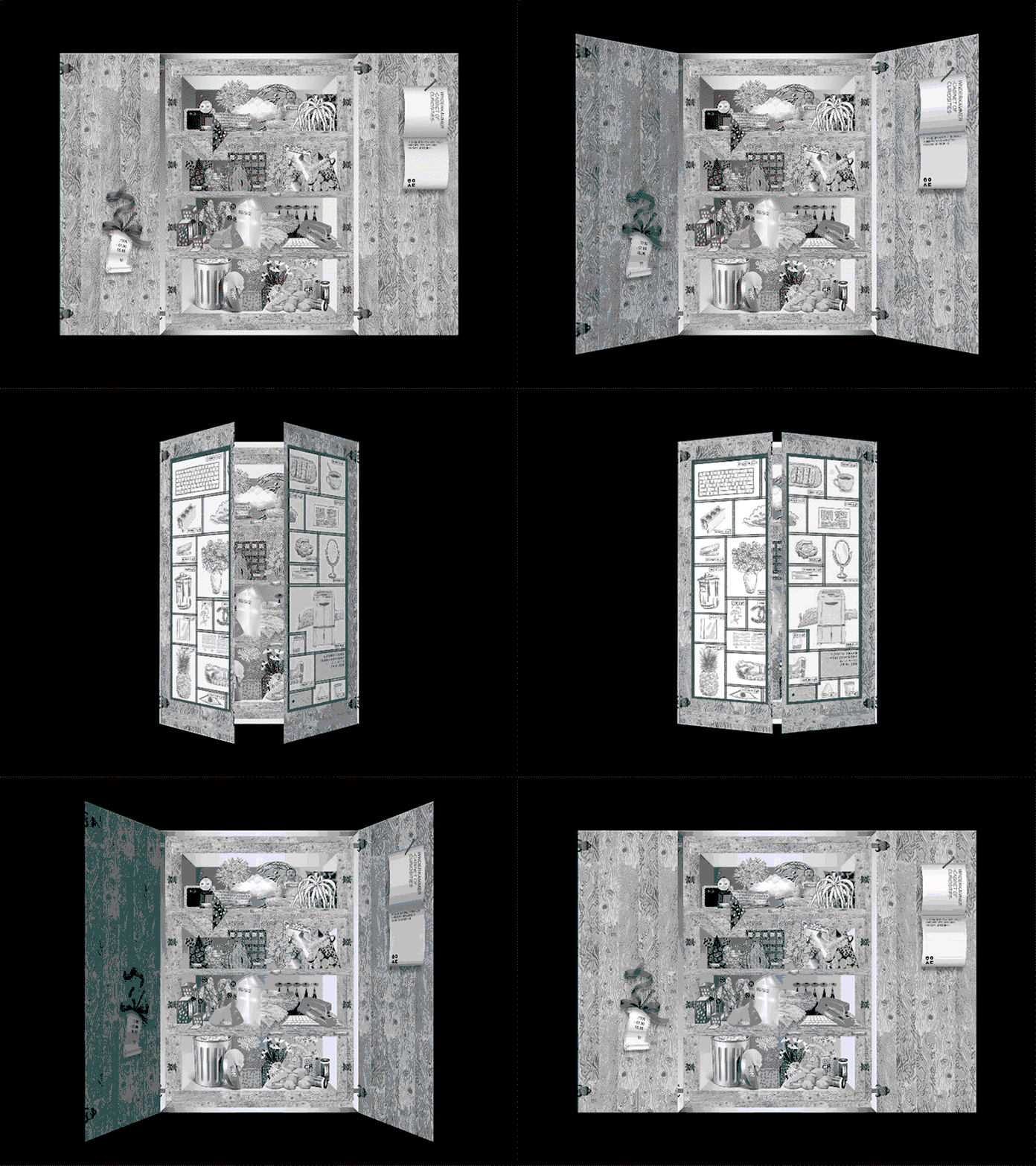
Seunghyun Lee: Cabinet of Curiosities
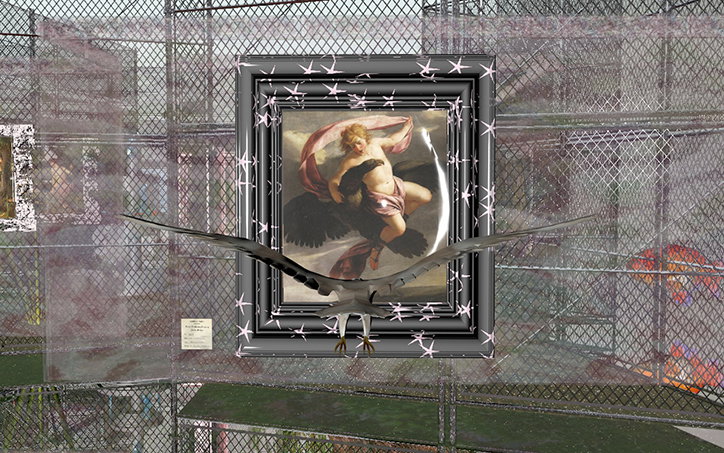
Seunghyun Lee
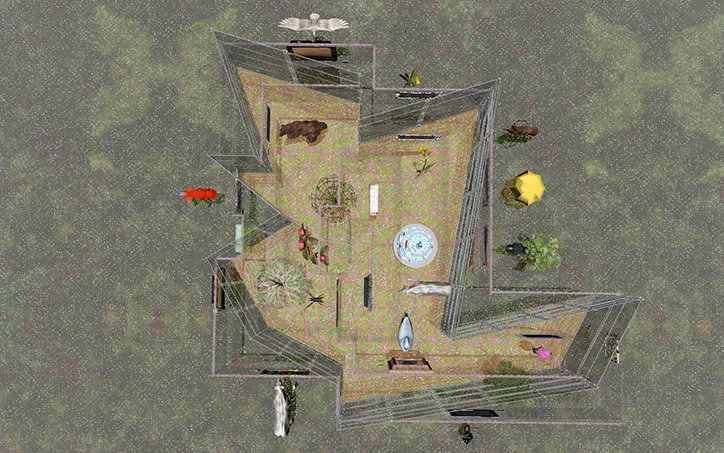
Seunghyun Lee
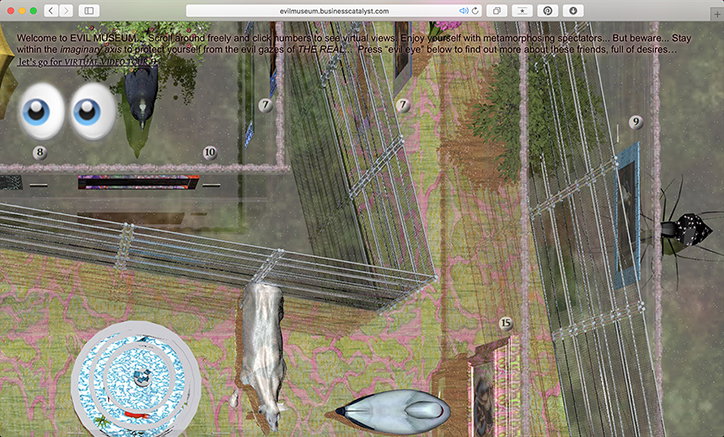
Seunghyun Lee
Seunghyun Lee
Seunghyun Lee
Share Article
Further Info
About the Author
—
Bryony joined It's Nice That as Deputy Editor in August 2016, following roles at Mother, Secret Cinema, LAW, Rollacoaster and Wonderland. She later became Acting Editor at It's Nice That, before leaving in late 2018.