Graphic designer Shamma Buhazza amalgamates the East and West to explore cultural identity
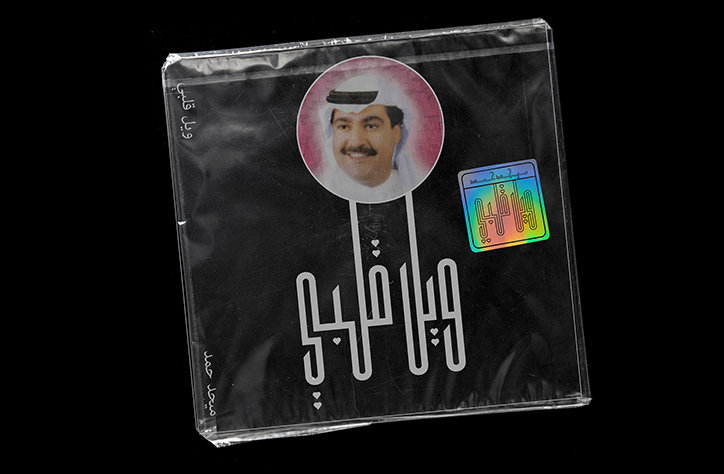
Originally from Abu Dhabi but now living and working (at Adidas) in Germany, graphic designer Shamma Buhazza’s portfolio is an amalgamation of cultural references. Through typography and editorial design, she brings together her times in the East and the West to explore cultural identity, nostalgia and the unfamiliar.
Shamma’s initial introduction to the creative world was through digital art, using photography and mixed media to create collages. “The themes I explored in my work were often based on unspoken matters in my society, which mostly revolved around women,” she recalls. “I constantly found myself in predicaments where it was quite risky to discuss certain topics as there is a sense of censorship in my country where there are issues that can’t be directly spoken about, so fine art was my first method of communication.” Graphic design, specifically, presented itself to her later, however, after completing her foundation year. “It felt like the most comfortable medium which allowed my work and what I was trying to communicate to be accessible, relatable and educational to an audience. As an English and Arabic speaker, learning about bilingual design and typography was something that I was really interested in at an early stage.”
Today, Shamma juggles working at a large-scale commercial company and completing personal projects in her spare time. While the former has opened her up to other styles outside of her culture, allowing her practice to be more fluid, the latter keeps her “engaged and fulfilled as I can explore things that lie in my own interests.” As someone who lives outside of their home country, Shamma’s personal work keeps her connected to it, she continues: “My practice tends to focus on cultural overlaps, merging Eastern and Western culture into one aesthetic. I like connecting things that don’t necessarily belong together,” she tells us. “I am also interested in topics such as gender identity, race, performance and perception.”
Shamma Buhazza: Decoding the Cultural Divide in the UAE
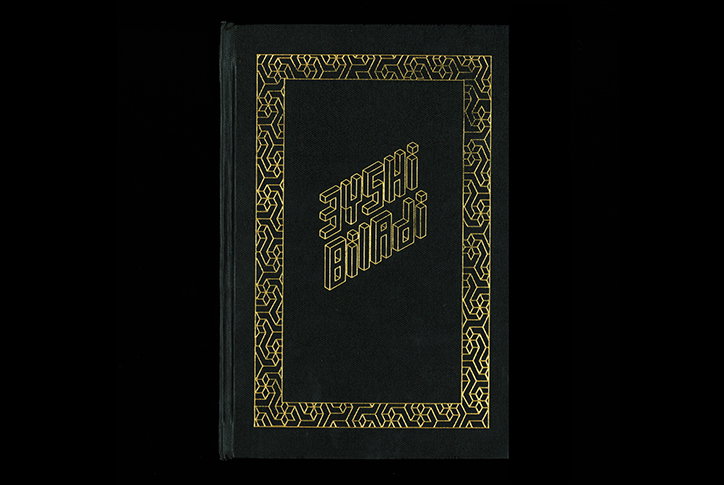
In one project titled Decoding the Cultural Divide in the UAE, Shamma explores how she could visualise the amalgamation of a half traditional, half futuristic culture. She explains: “The United Arab Emirates has undergone a rapid transformation from a conservative, traditional Middle Eastern culture to a cosmopolitan and futuristic melting pot of nationalities from all over the globe. This change, married with the almost warp speed development of the country from a barren desert to futuristic metropolis, has birthed a variety of unique issues. Expatriates make up the vast majority of the country’s population, and the population of local citizens is meagre in comparison.”
This, she continues, results in a somewhat segregated society, with two sides that don’t understand each other, generating cultural imbalance. “Western norms such as short skirts and alcohol consumption stand in stark contrast to the traditional values and beliefs held dear by locals. A lack of understanding creates confusion, social segregation, and in some cases resentment,” she says. The exploration resulted in a publication encasing a manifesto featuring Shamma’s words alongside those of expatriates and other Emiratis in text drawn from personal interviews, written articles, and online expatriate forums. “This visual interpretation of the cultural divide in Emirates aims to educate viewers to become more encouraging than critical about the cultural division. Setting differences aside and working towards a joint culture is what is needed. This thesis strives to promote an aesthetic of cultural integration, as well as educate viewers outside the UAE about this diverse utopia,” Shamma concludes.
Themes such as these resonate throughout Shamma’s portfolio where great design is used to bolster important conversations. Her projects expose her own cultural identity and her questions surrounding it, in turn, encouraging critical discourse in the nuanced, accessible way that only graphic design could, inspired by the fine art sensibilities that instigated Shamma’s creative career.
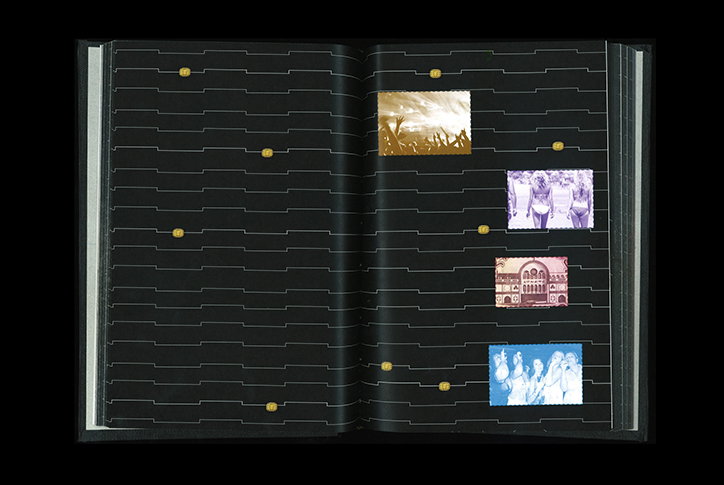
Shamma Buhazza: Decoding the Cultural Divide in the UAE
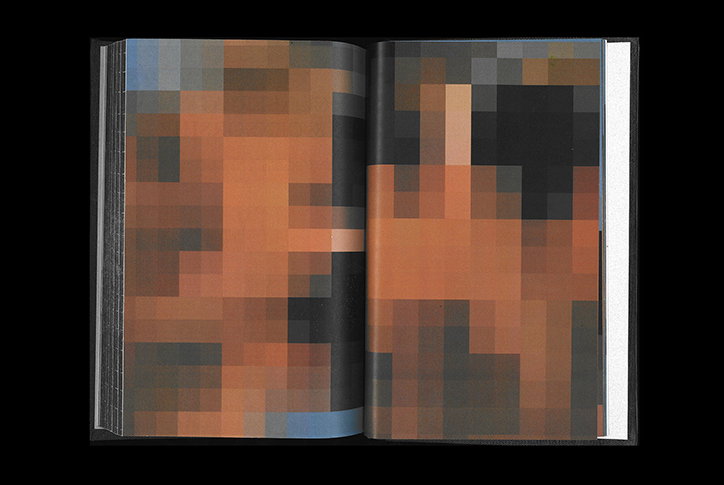
Shamma Buhazza: Decoding the Cultural Divide in the UAE
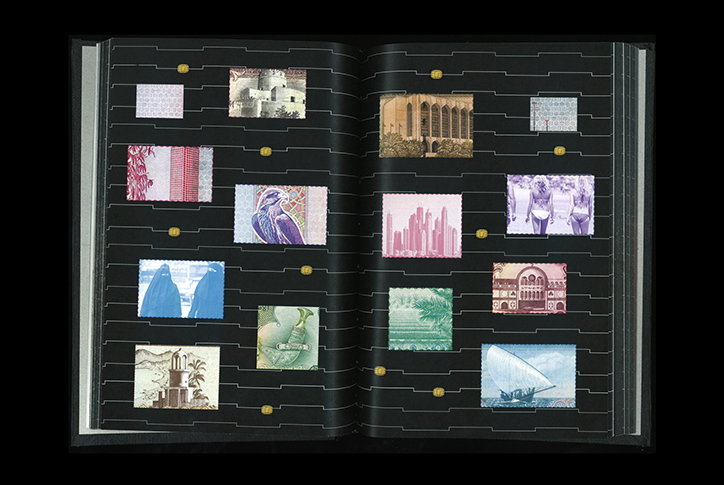
Shamma Buhazza: Decoding the Cultural Divide in the UAE
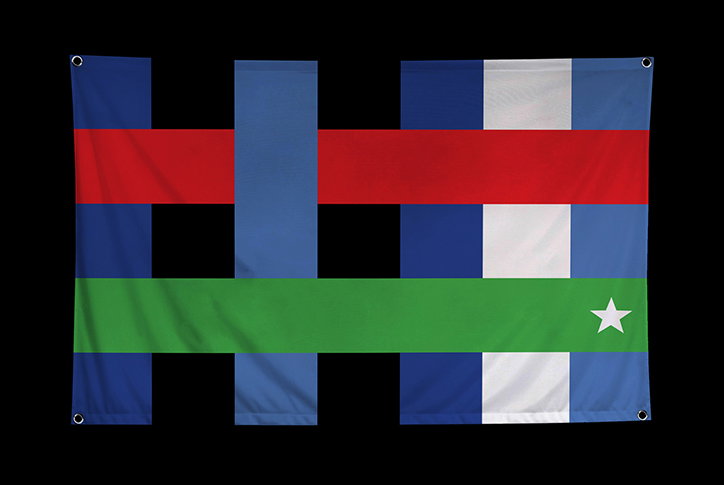
Shamma Buhazza: Disorientation
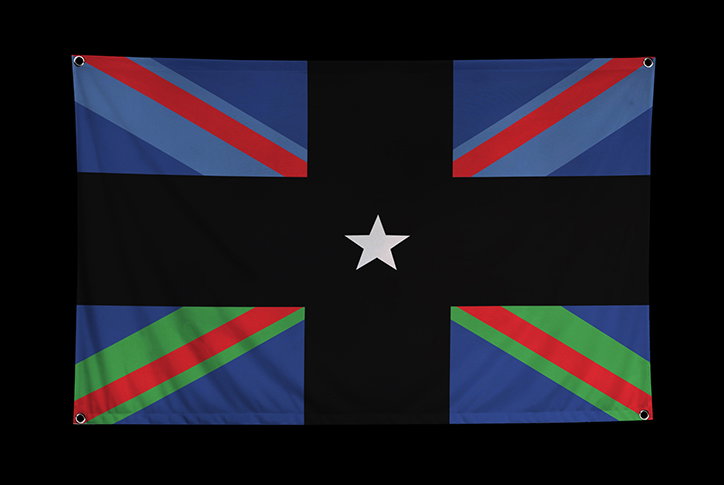
Shamma Buhazza: Disorientation
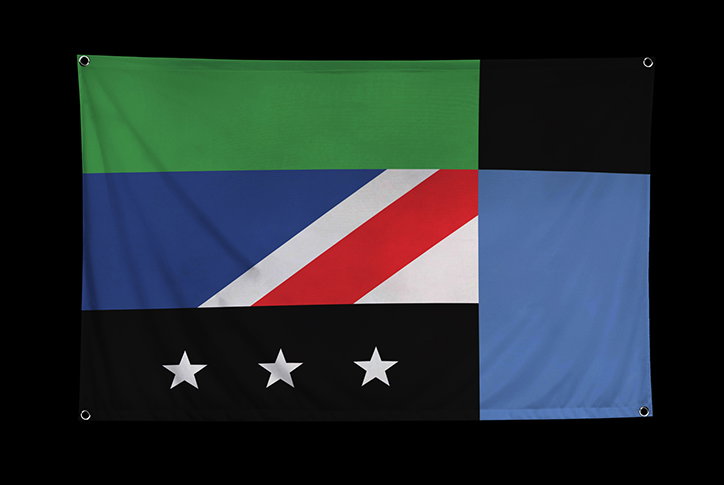
Shamma Buhazza: Disorientation
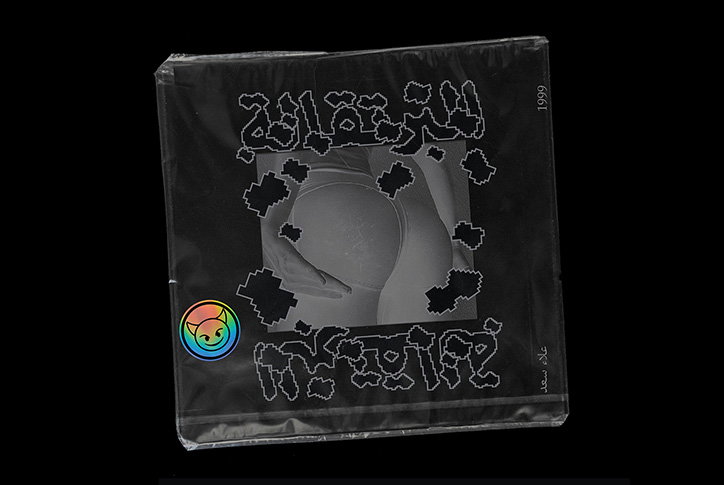
Shamma Buhazza
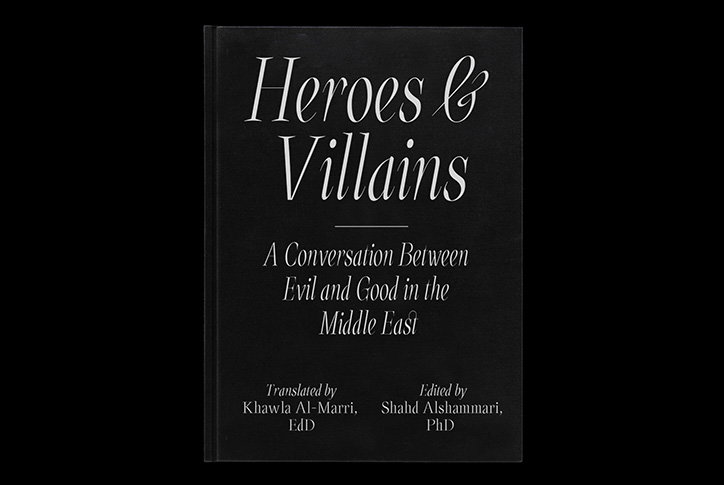
Shamma Buhazza: Heros and Villains
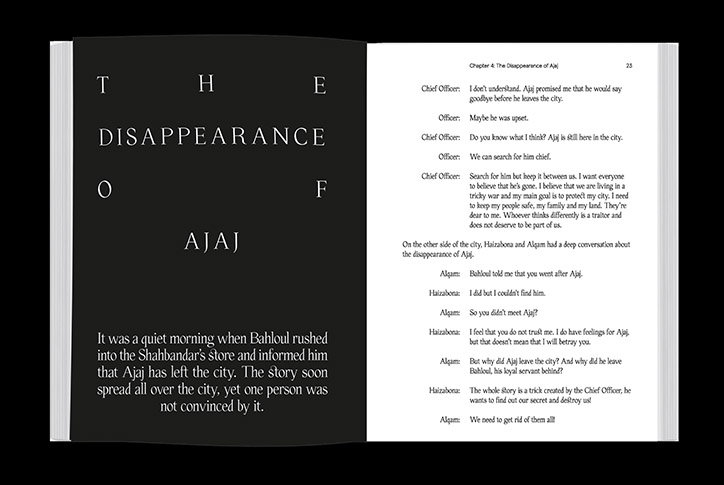
Shamma Buhazza: Heros and Villains
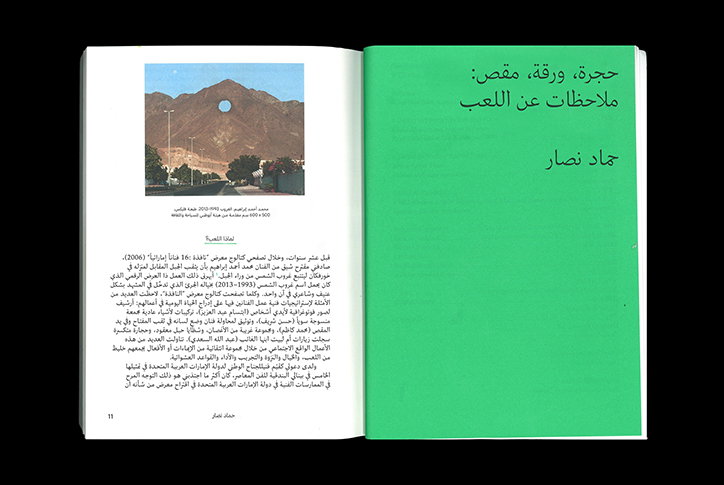
Shamma Buhazza
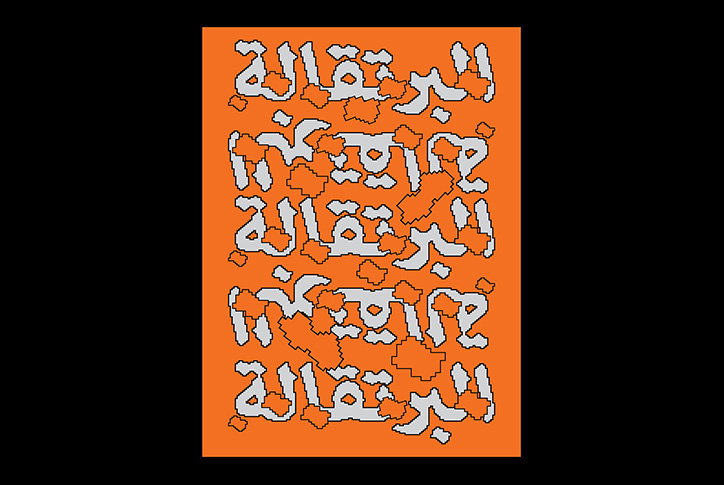
Shamma Buhazza
Share Article
Further Info
About the Author
—
Ruby is Senior Creative at It's Nice That, overseeing our visual output across platforms and projects. Before that, she was associate editor on the editorial team, after joining in September 2017 following graduation from Central Saint Martins.