

A new book catalogues both the grand and inconspicuous icons of British design
Lemon squeezers, prosthetic dentures and beanbags – Projecting British Design makes readers reconsider the origins of objects we know so well.
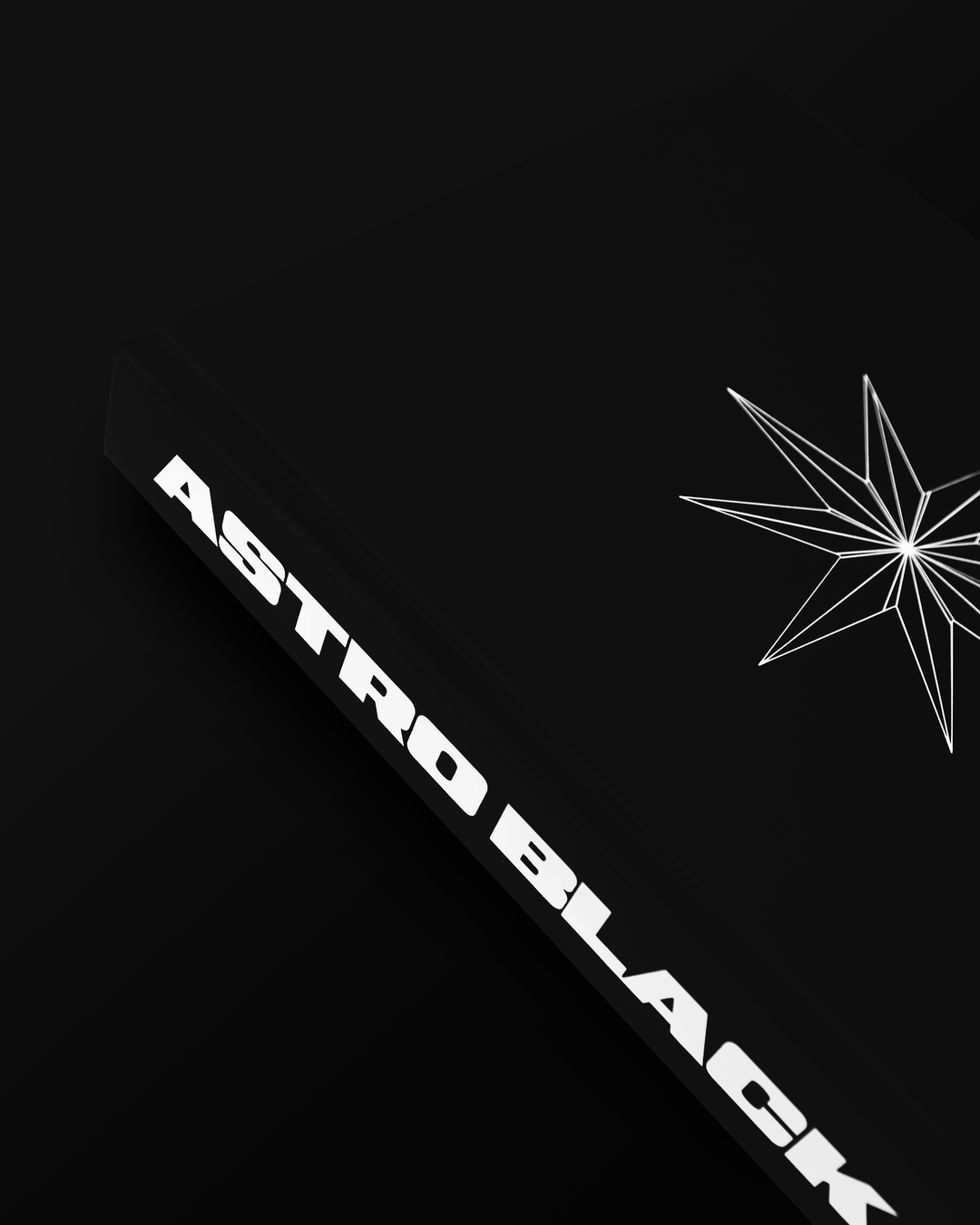
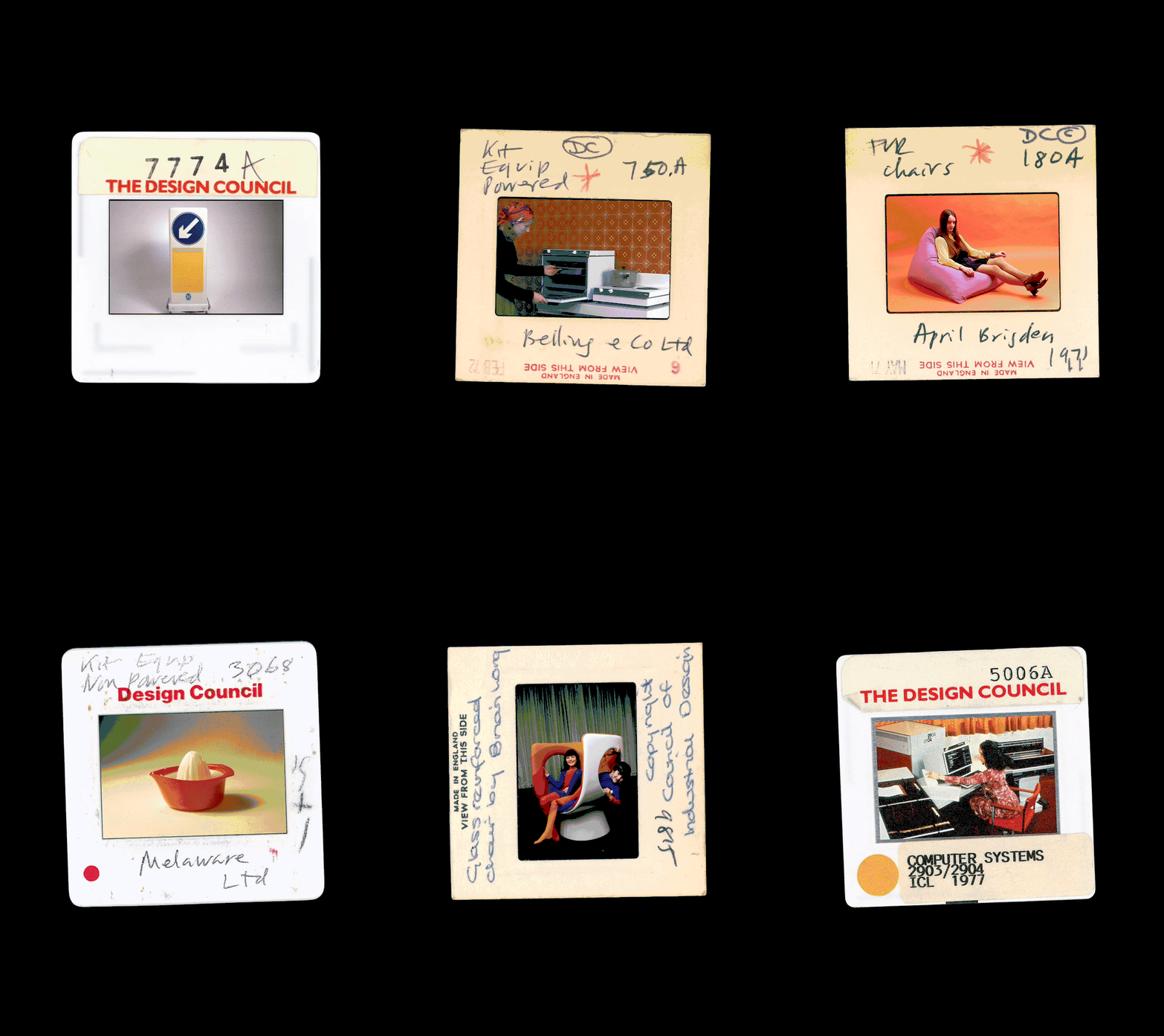
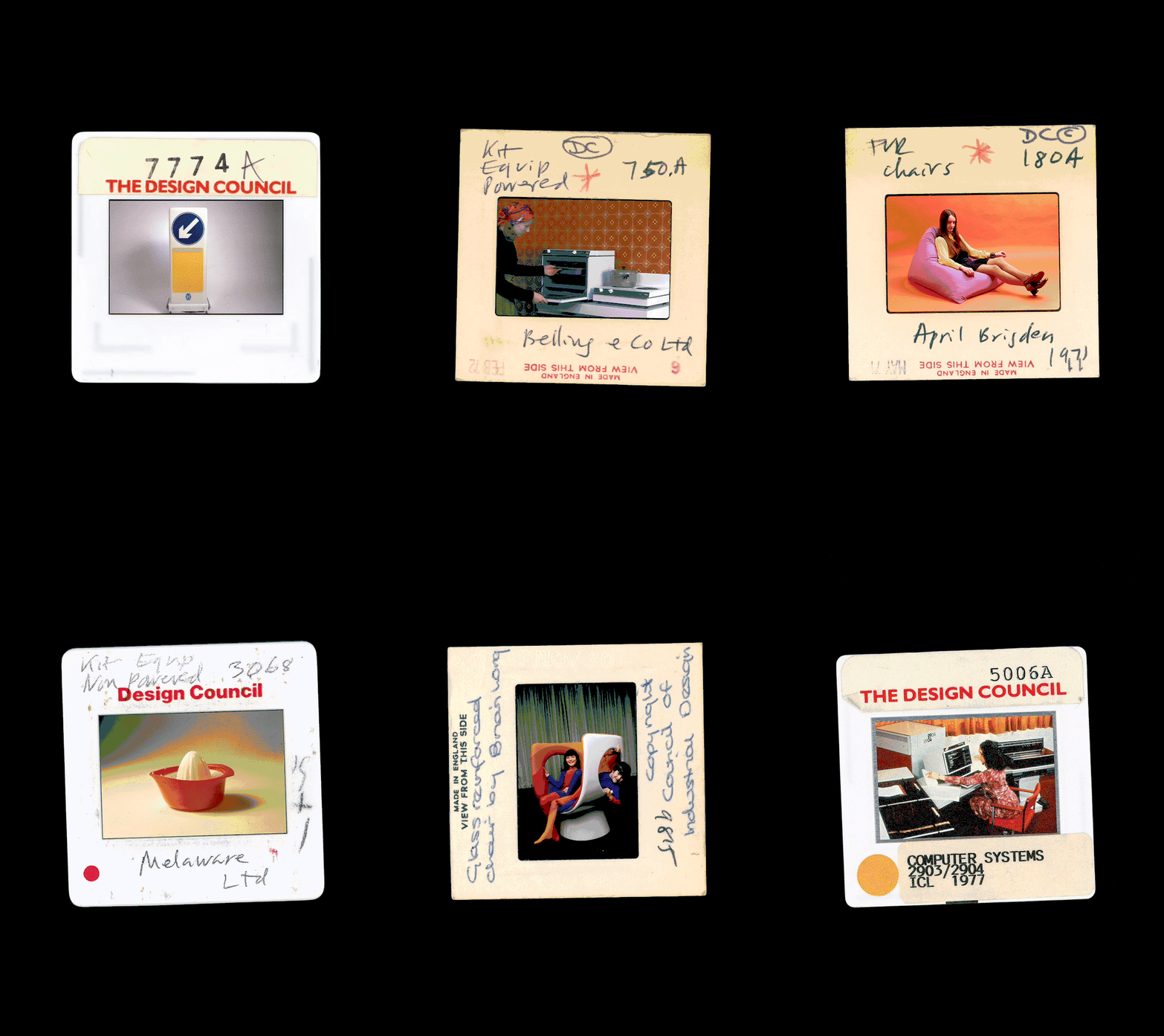
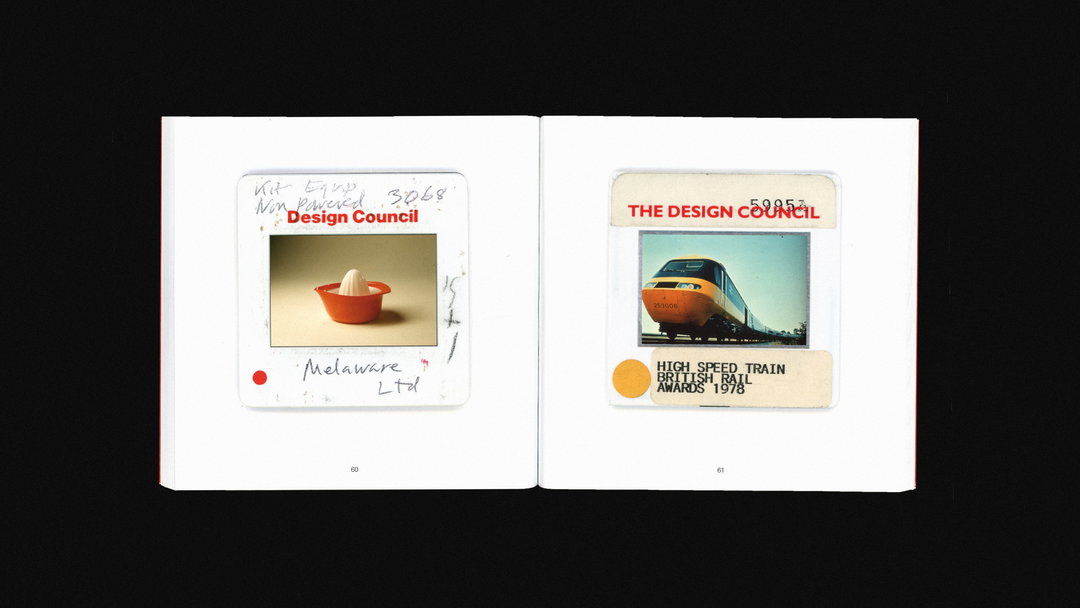
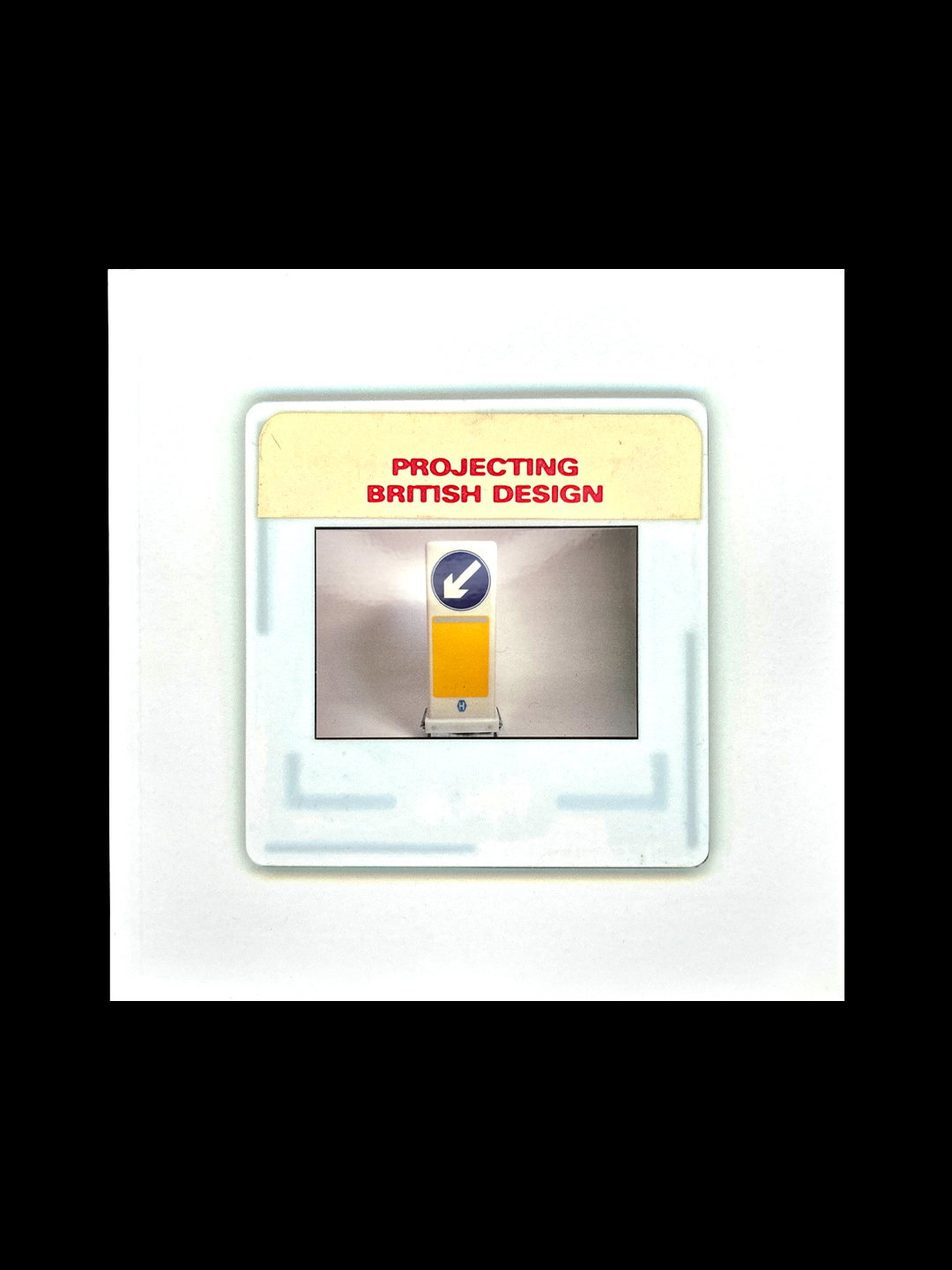
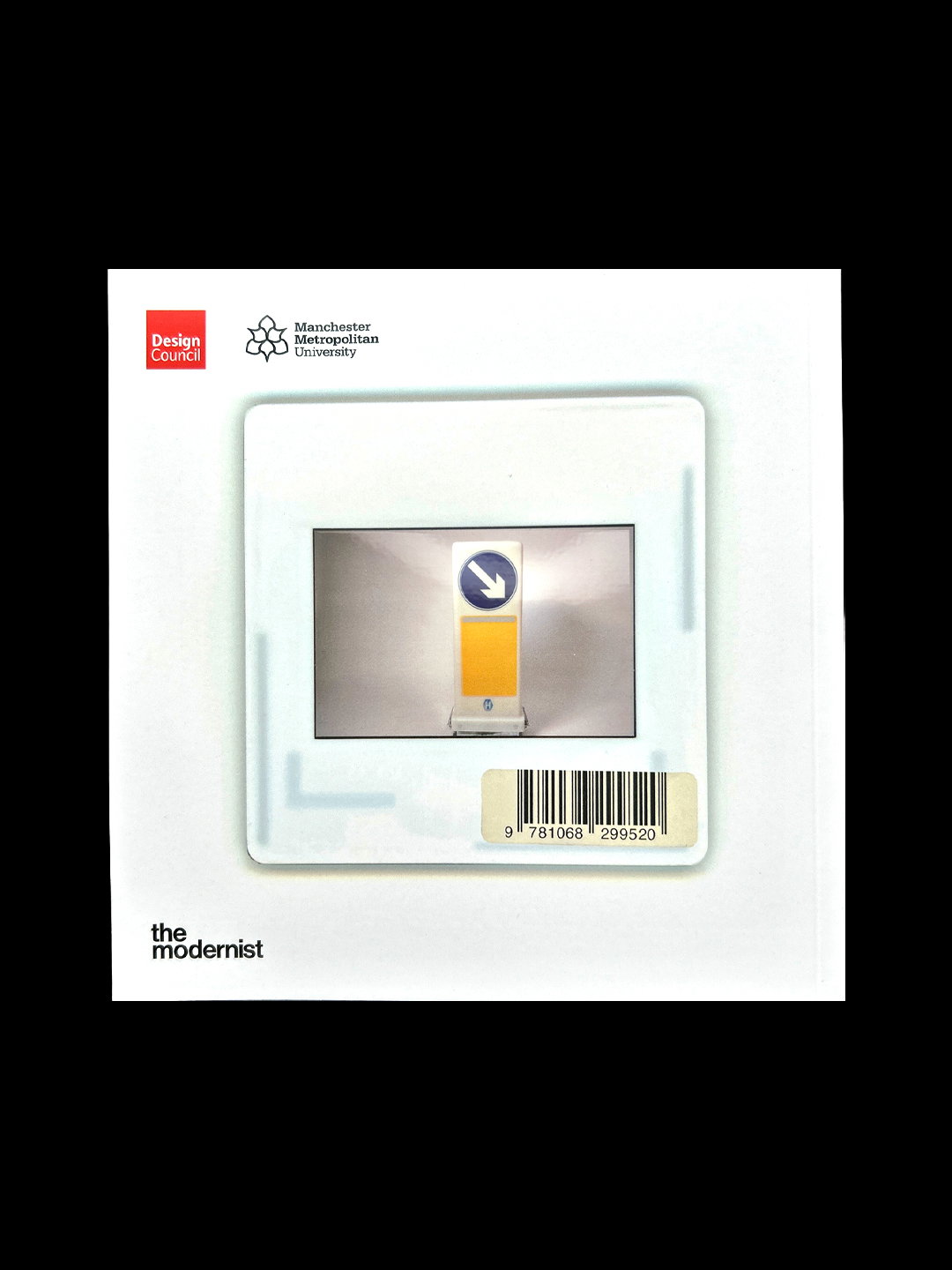
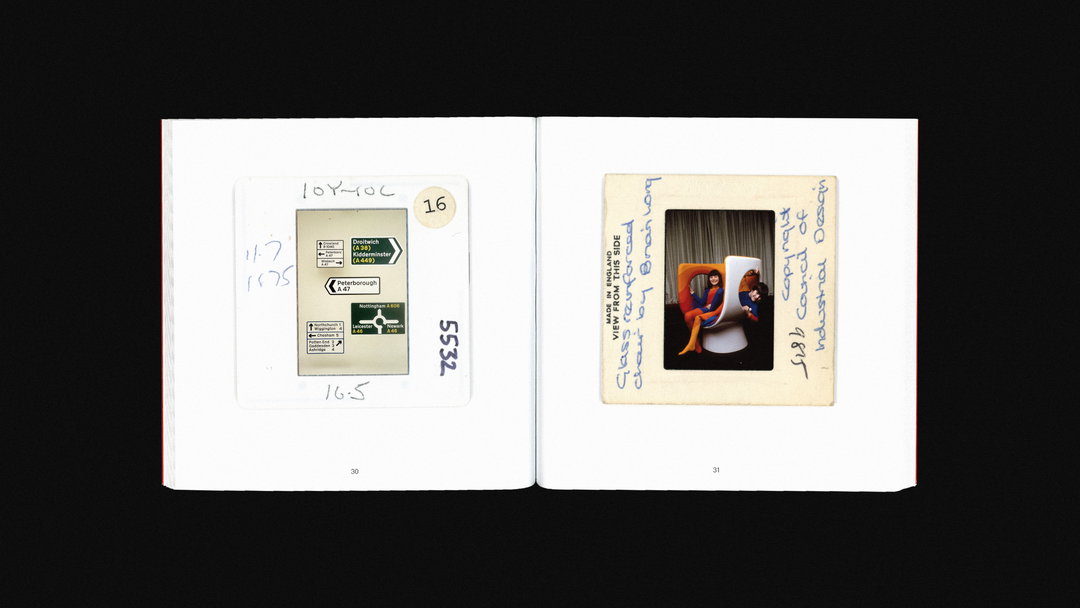
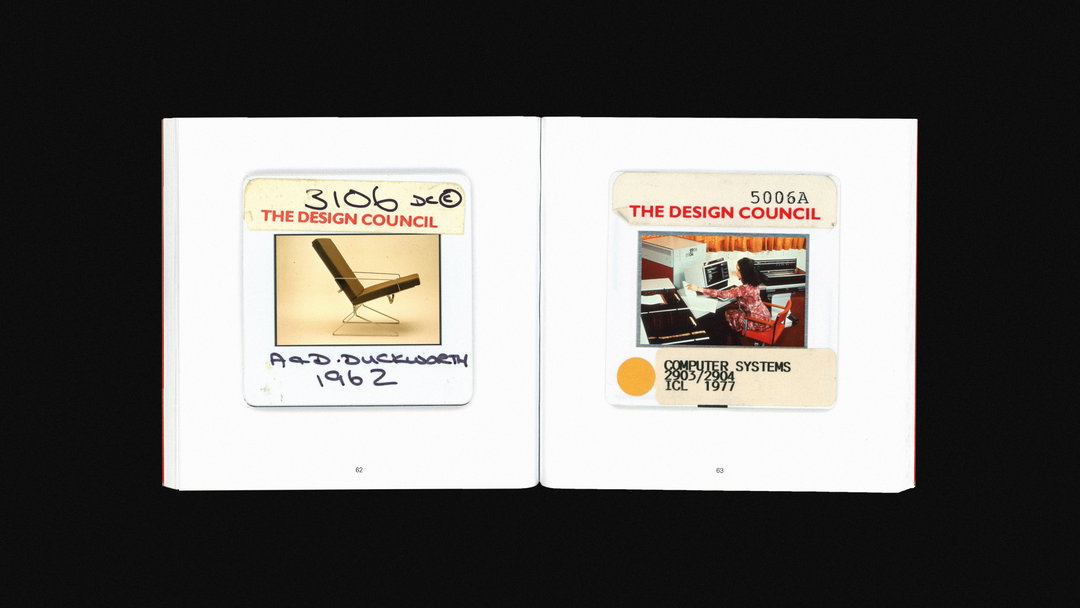
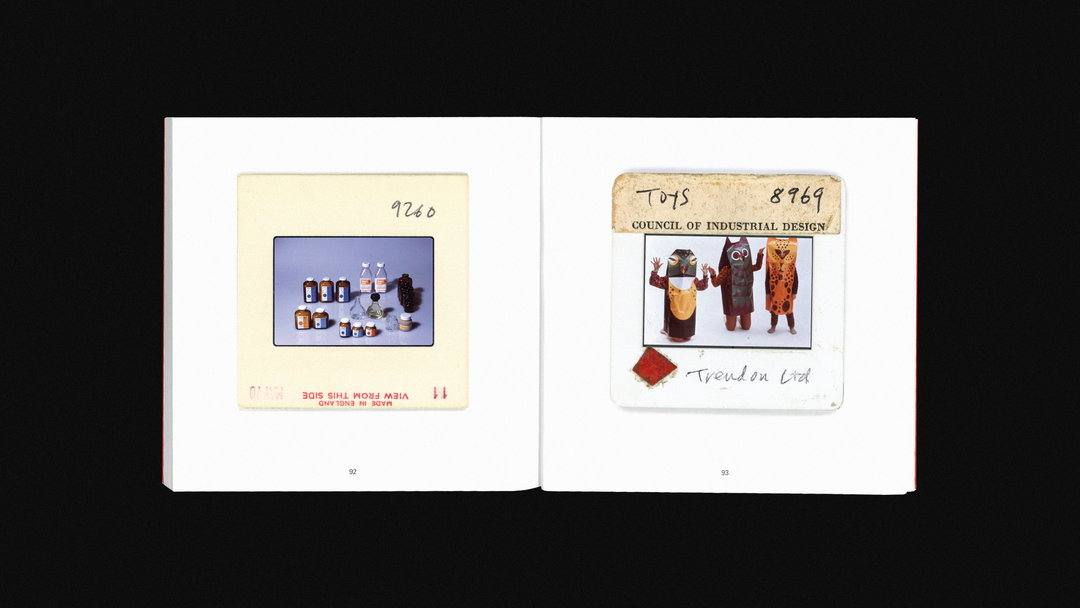
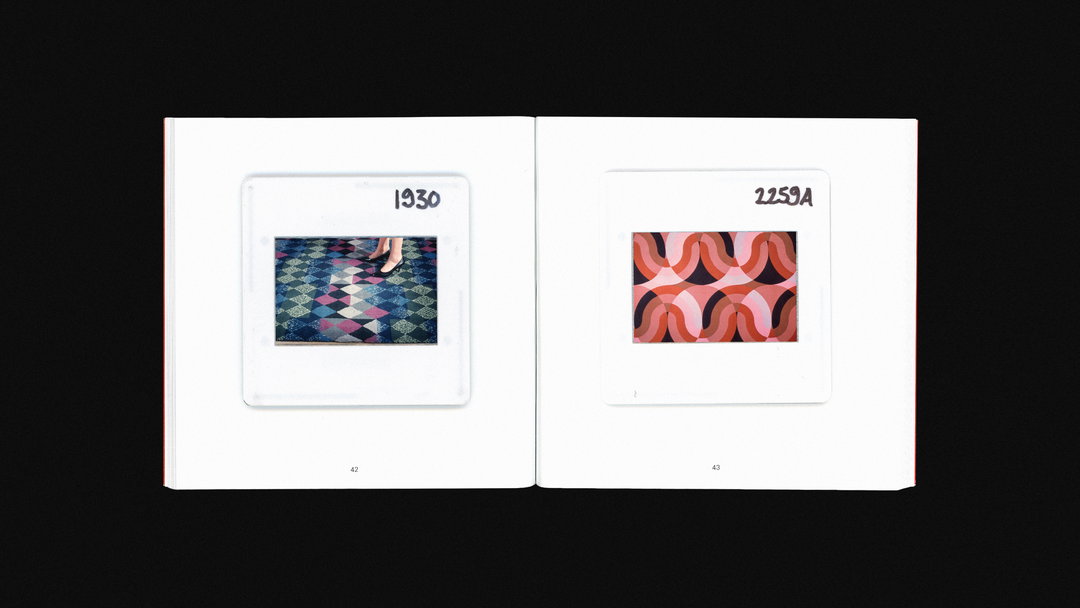
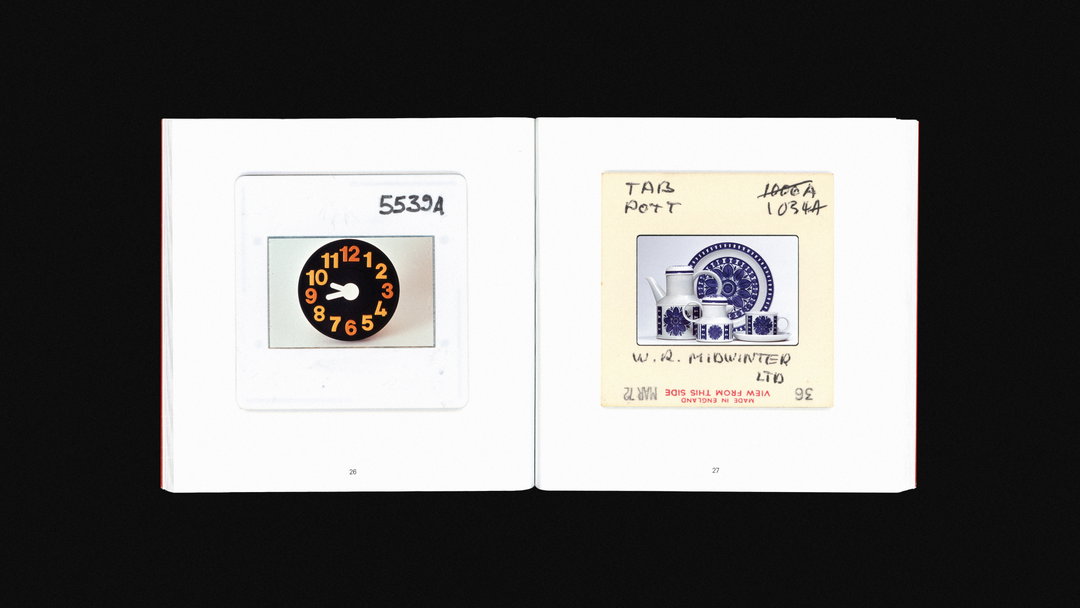
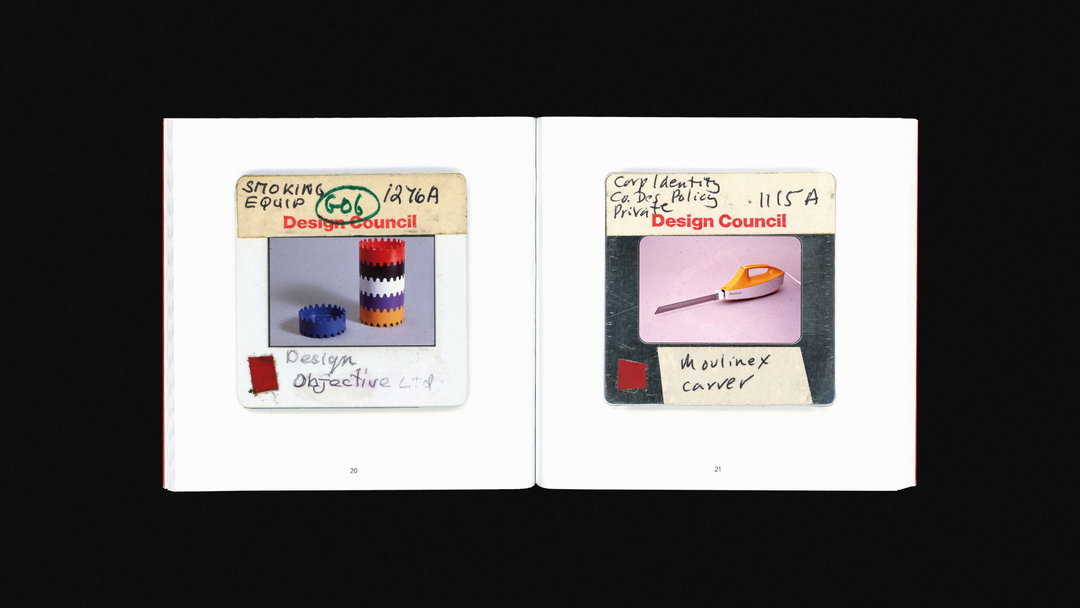
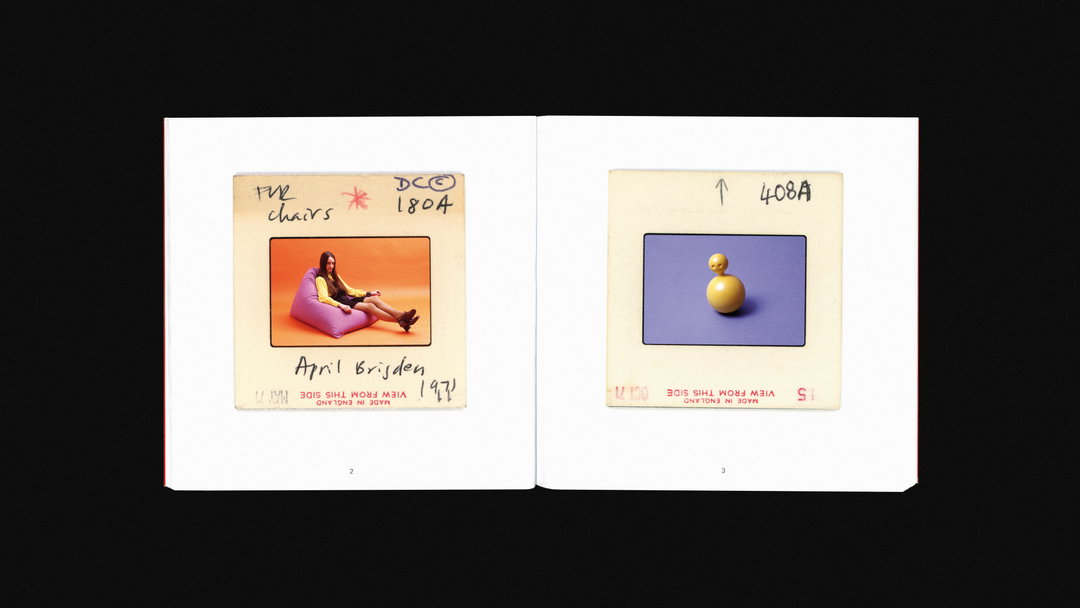
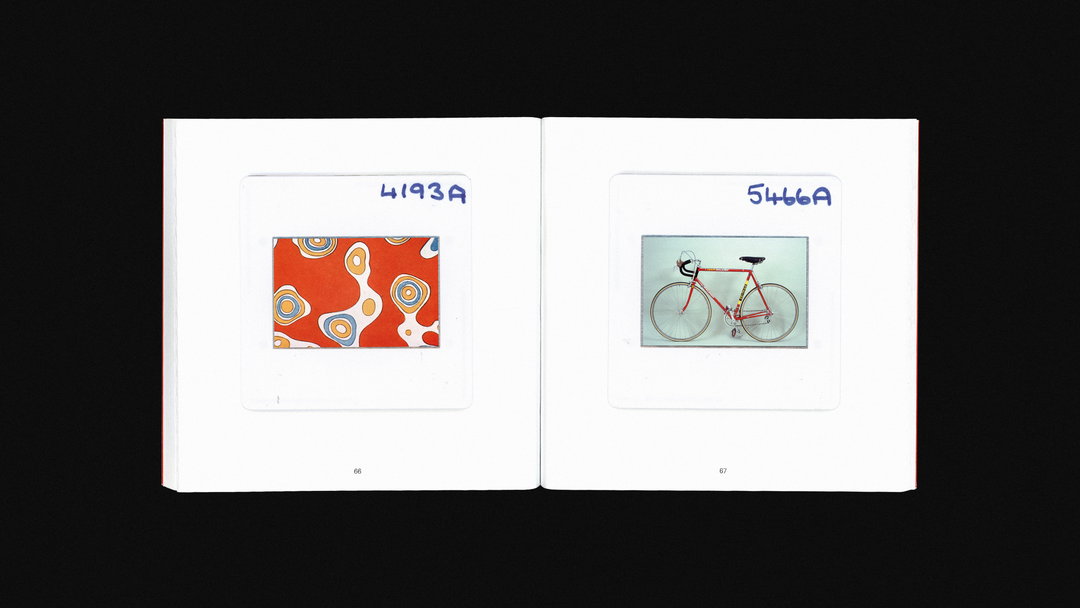
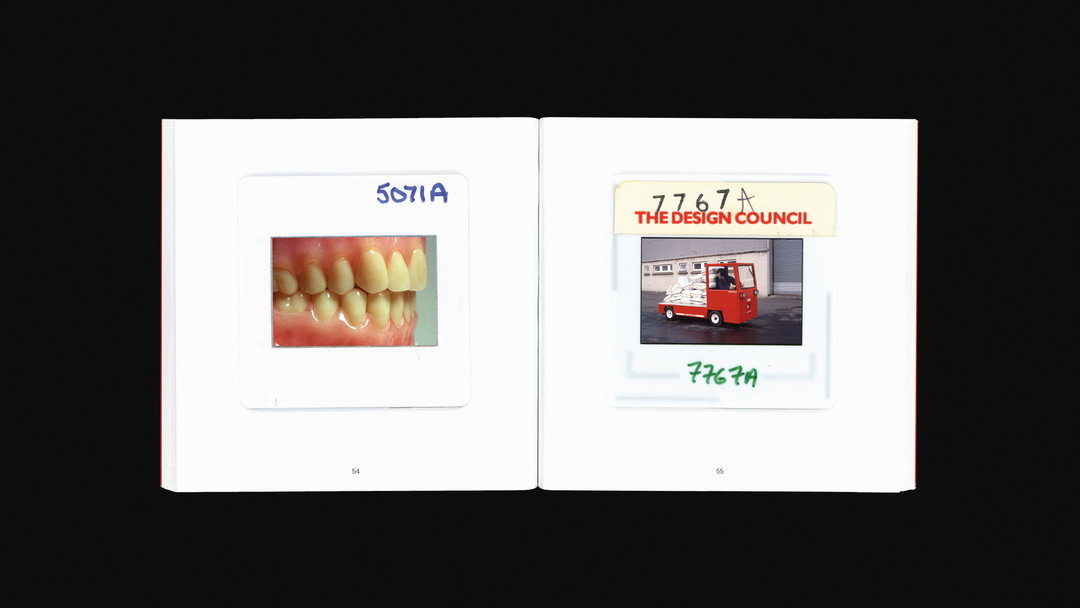
Tucked away in a Manchester Metropolitan University archive lies 22,000 photographic slides of iconic British post-war design, ranging from the grand (a high-speed passenger train, for example) to the seemingly inconspicuous (plush bean bags and stackable ash trays). These 35mm slides were made between 1948-1994 by the UK’s Design Council (formerly known as the Council of Industrial Design until 1972) as a means of cataloging and preserving the UK’s design history, alongside a select handful of items from abroad. Now, Projecting British Design, a book published by the modernist, documents a selection of 100 of those slides – in the process demonstrating the vast array of objects that have changed the way we live.
The slides were originally intended for purposes of “education and promotion”, says chief executive of the Design Council Minnie Moll, but now they’ve morphed into something of more significance and worth. “80 years on from the founding of the Design Council, it felt important to reconnect with the slides as not just images of objects, but evidence of a moment when design was openly discussed as something that could improve everyday life, expand opportunity, and express shared values,” Minnie continues. Many objects in the book are those that are now so ubiquitous to our everyday lives – motorway signage, fixie bikes, lemon squeezers and even prosthetic dentures – that it’s hard to imagine (and important to be reminded) that a designer once sat down and decided how they would operate, and what they would look like.
Design Council / the modernist / Thomas Steeles: Projecting British Design, 2025
To whittle the 22,000 down to the 100 featured in the book, members of the Manchester Metropolitan University Special Collections team and staff at the modernist each picked 40 favourites, which then went on to inform the final line-up. “Thankfully, we all drifted towards the same enjoyable mix of items like toys, homeware and electronics – proof that great design sneaks into everyday life more often than we realise,” says Hannah Neate, editor at the modernist. “Some slides are gloriously stuck in their era (if you can picture 70s orange plastic, you’re already halfway there), while others are bona fide design classics. The end result is a wonderful blend of the sleek and the surprising.”
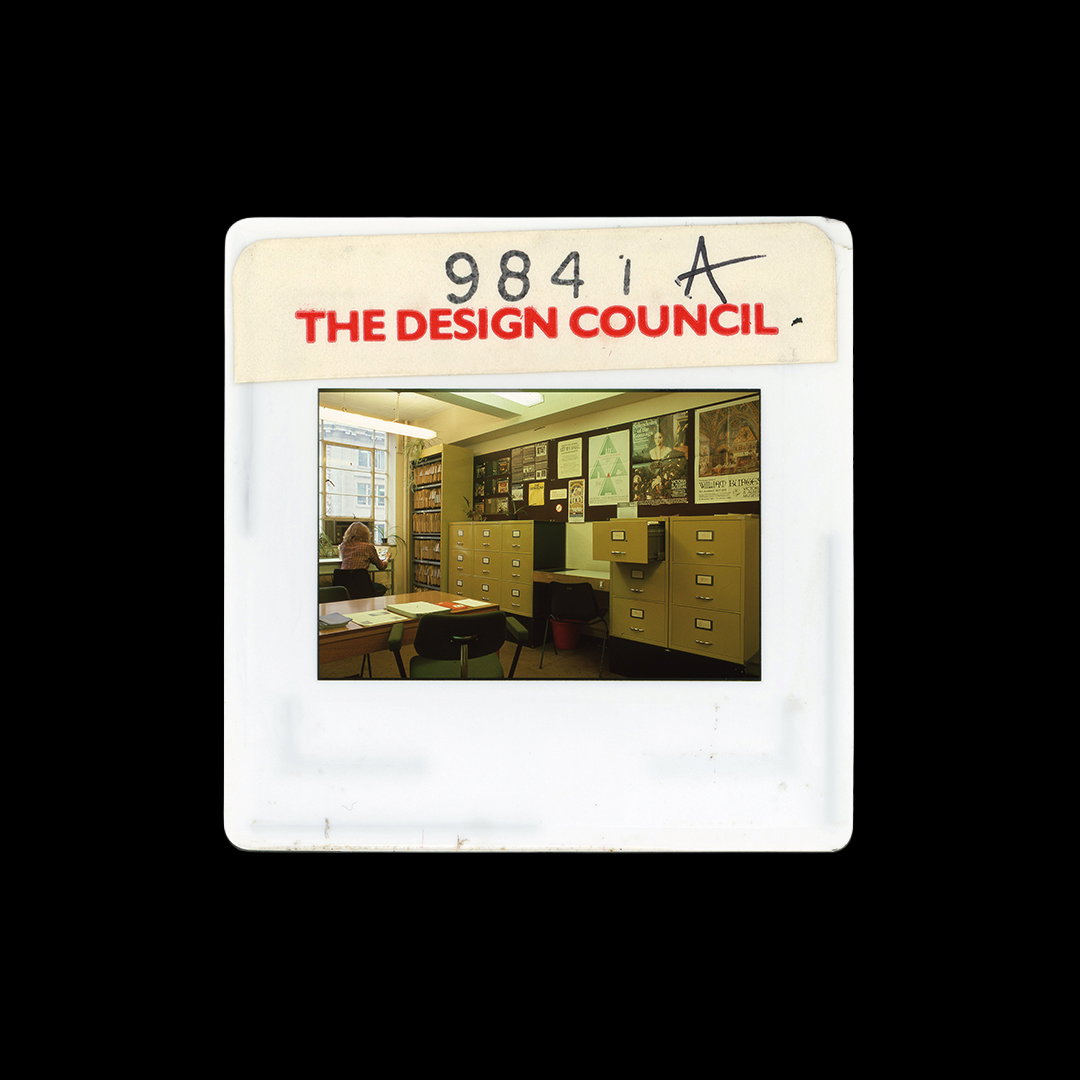
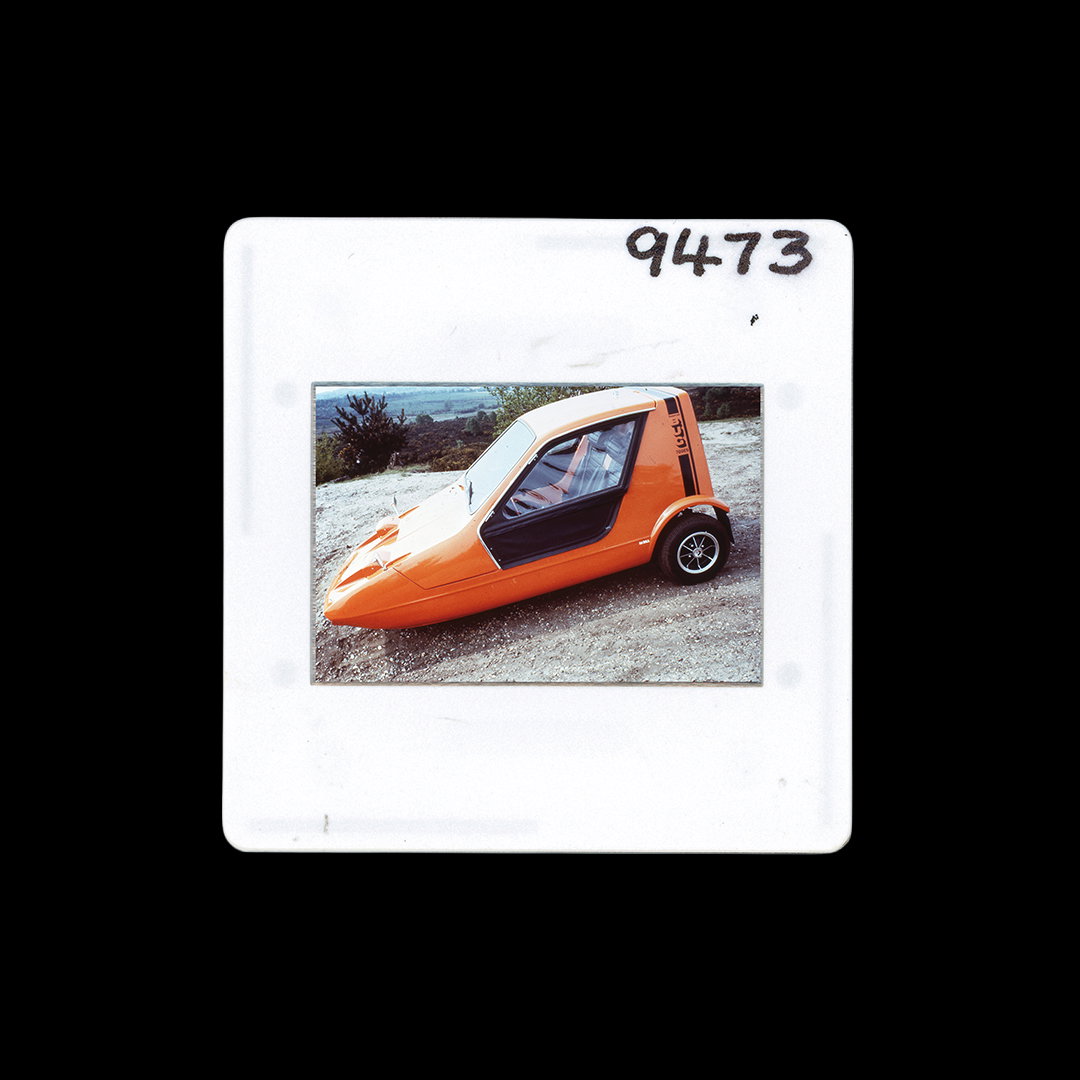
It’s true, the book’s collection will surely whip up some feelings of nostalgia. For John Davies, former curator of the Design Council Slide Collection, one such image is of the 1970 Bong Bug, a three-wheeled, two-seater microcar, a once ultra-modern motor that aimed to appeal to younger drivers. “When I was about ten years old, someone down the street from where I lived bought one of these tiny cars shortly after they were launched,” says John. “I was enthralled by the futuristic quirkiness of this bright orange, wedge-shaped vehicle and even used some of my pocket money to buy a Corgi diecast model of the Bond Bug, which I still have to this day.” John also points to another slide in the book, one that doesn’t depict an object but instead the slide library itself. Taken in 1981, the image is infused with an on-brand sepia tint and shows a glut of beige filing cabinets. “It reminds me of the huge pleasure to be gained by physically browsing through analogue slide collections,” says John, “and the joy of discovering all sorts of visual (but also tactile) treasures in the process.”
To really pay homage to the tactile, physical roots of the book, when it came to the design, a square format was adopted, one that would allow for the shape and size of the slides as close to their original 50mm format. As well, “the book’s design is intentionally minimal,” says Thomas Steeles, a Manchester-based designer who worked on the book. “I wanted the slides to be seen without any distractions so as to not dilute the magic the slides encased.” One of Thomas’ primary concerns was also keeping a sense of systemisation and curation, seeking to “develop a clear index to make it the most accessible to readers”. Thomas now hopes the book will bring some deserved attention to the archive. He ends: “If you’re reading this, I encourage you to check out the online archive, or if you’re lucky enough, visit the collection in person.” With 22,000 to peruse, who knows what past design treasures you might uncover.
GalleryDesign Council / the modernist / Thomas Steeles: Projecting British Design, 2025
Hero Header
Design Council / the modernist / Thomas Steeles: Projecting British Design, 2025
Share Article
About the Author
—
Olivia (she/her) is associate editor of the website, overseeing the day-to-day editorial projects as well as Nicer Tuesdays events. She joined the It’s Nice That team in 2021. ofh@itsnicethat.com
To submit your work to be featured on the site, see our Submissions Guide.