The New York Times’ creative studio creates a stunning digital narrative of the Black experience in America
The team at T Brand, NYT’s in-house advertising studio, tells us how they hope Soul of Us will encourage brands to elevate their representation of Black stories delivered by Black voices.
Share
Ever since the resurgence of the Black Lives Matter movement last year, brands have been hyper-aware of their missions to uphold diversity standards. But brands often fall short of enabling those who wish to tell or build their stories through leadership and executive roles. A three-part custom series from The New York Times’ creative content and advertising studio T Brand focuses on the creation of leaders in the Black community. The stories are live online, encouraging brands to sponsor narratives that make up the multifarious nature of the Black experience in America.
The creative team for the Soul of Us was made up of Vida Cornelious, the vice president creative at NY Times Advertising, Nicole Marie Rincon, the design director at T Brand, Jennica Bocchino, art director, and Yinersi Gonzalez, a designer. “After a very racially-charged year,” they tell It’s Nice That, “Soul of Us was a way for our team to open the aperture on not only the complexity but the completeness, the colourful and joyous tapestry that comprises Black life and why it most certainly matters.” They continue that their goal is to expand the narrative around the Black experience in American history. It was vital for Vida and her team to give Black creators, artists, and writers this platform to “craft insightful Black stories,” which her team believes is how the broader advertising community will be educated.
For the design of the story-telling franchise, Vida, Nicole, Jennica and Yinersi created a system robust enough to evolve with the franchise and adaptable enough to respond to the “unique stories that would emerge from the reporting.” It was important, the team tells us, to make space that would lend itself to narratives and formats beyond just article pages. This meant doing many iterations of design and UX features that aren’t live yet. “For instance, how do we approach a video experience that isn’t disruptive? How do we design for a series when the first story is still being uncovered? What’s our approach with integrating audio if we have incredibly compelling first-person narratives? We’ve done a good deal of leg work, but we’ll be continuing to ask these questions as the work progresses.”
The Soul of Us team boldly claims that “the totality of the Black experience is limitless,” so the visual language needed to embolden the spectrum of voices that have been used, and will be used in the future, to “paint a tapestry of Black life.” Ultimately, the design needed to be productive and practical, as well as beautiful and symbolic: “It needed to serve as a supportive canvas for storytelling,” the team continues. “These were our guiding principles throughout the design process.”
The wordmark takes its cue from notions of “limitlessness”. A “deceivingly simple” design element refers to the range of voices and ever-evolving perspectives that capture a group of individuals. “The outlined form nods to participation, progress, and expansion beyond definability. It’s a visual mechanism that carries throughout the visual language,” say the designers. Infinity also took shape in the colour palette: “That Black is not a single hue, that Black contains multitudes of every colour.” Thus, the team decided on a tonal approach, with the darkest hues being the most prominent, which then serve as the background for each digital article.
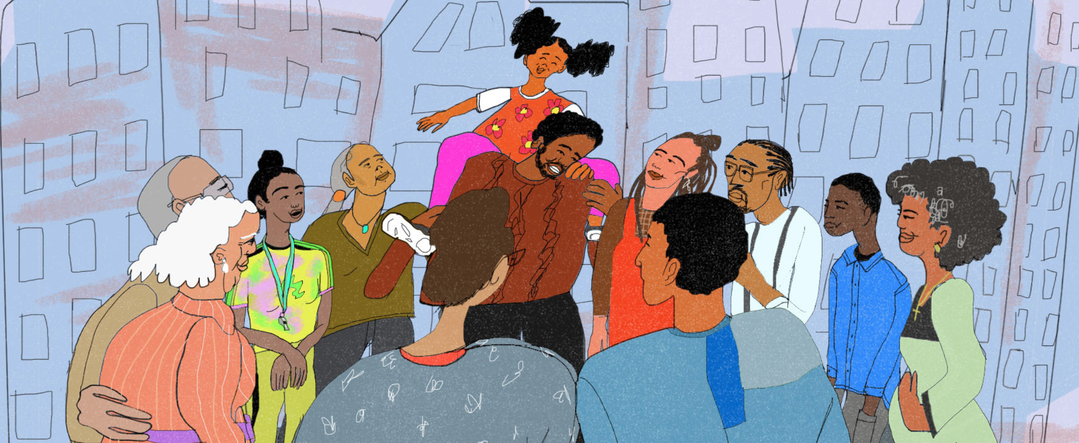
Hannah Buckman: Soul of Us (Copyright © The New York Times, 2021)
The typeface for the franchise was as vital a decision as any other, and the team wanted to work with “something bold, dynamic, and contemporary, crafted by a Black typeface designer,” carrying Black collaboration at a leadership level through to all aspects of design. The designers wanted something that could “play” in the editorial space, so whilst adhering to certain aesthetic cues, it also needed to be clear and legible. “Legibility might seem like an obvious requirement, but it was incredibly important to us. Because when we talk about legibility we’re also talking about access.”
The Halyard font family, designed by Joshua Darden, delivered information in the Black-leadership oriented franchise in ways the team say they “couldn’t have even imagined at the outset.” By leveraging heavy all-caps letterforms, they’ve created large, impactful pull quote moments which they hope punctuate the page with short visceral statements. “Harkening back to our motive to uplift Black voices,” the design team explains to us: “We created a format for longer quotes that uses indentation as a mode of pacing. Both are intended to invite readers to take a beat, pause, digest.”
The artist research was the most exciting and enjoyable part of this project, claims the team. “We are endlessly discovering photographers, illustrators, cinematographers, multimedia artists who we would love to collaborate with and this was an ideal opportunity to partner with them.” The team knew it would be important that the visuals meet at an intersection between “contemporary culture and historical perspective” so as to begin to aptly narrate the included stories. This meant the design team looked at visual artefacts from the 1950s-60s, during the growing Civil Rights Movements, and “all the way to contemporary graphic design cultures’ responses to BLM. But imperative to us was creating aesthetic templates that would never compete with the incredible work we would be commissioning and showcasing.”
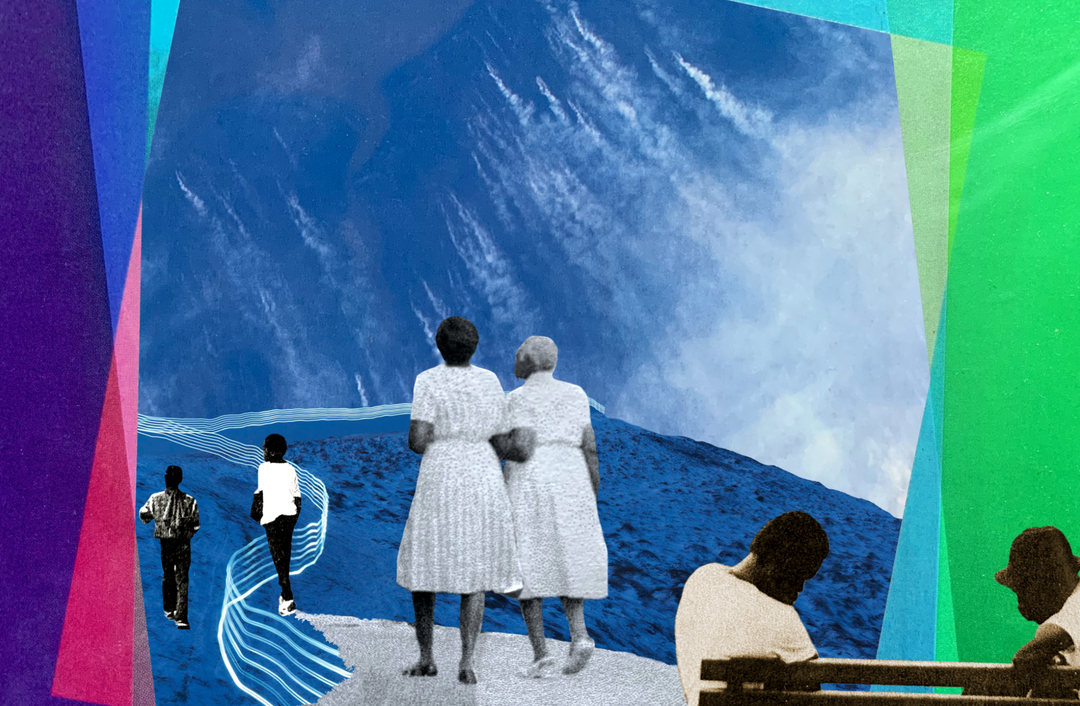
Stunning visuals for the project were contributed by the likes of Naima Green, Marc Clennon, and Destiny Belgrave. For the programme’s first story, It Takes A Village, illustrator Hanna Buckman used a playful scene to complement stories about youth, development, and mentorship. And for From Many Comes One, a piece that charts solidarity and resilience across time, collage artist Yannick Lowery created visceral scenes that fuse together archival and contemporary imagery.
“For the opening collage of imagery on the hub, we wanted to showcase work that embodied and expressed a varied look at Black life,” says the team. “All of the creators that have joined us on this project have a passion for the accurate portrayals of Black people.” As they continue to build upon the Soul of Us series, the team will add creators in film and multimedia creatives to evolve the narrative journey they’ve built and develop a visually eclectic, dynamic form of storytelling.
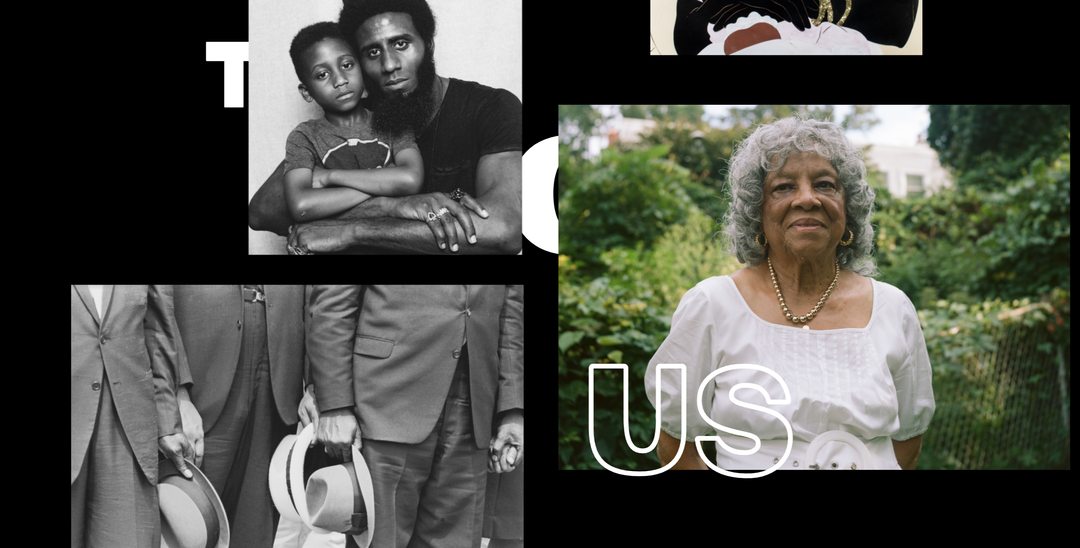
NT Advertising and T Brand: Soul of Us (Copyright © The New York Times, 2021)
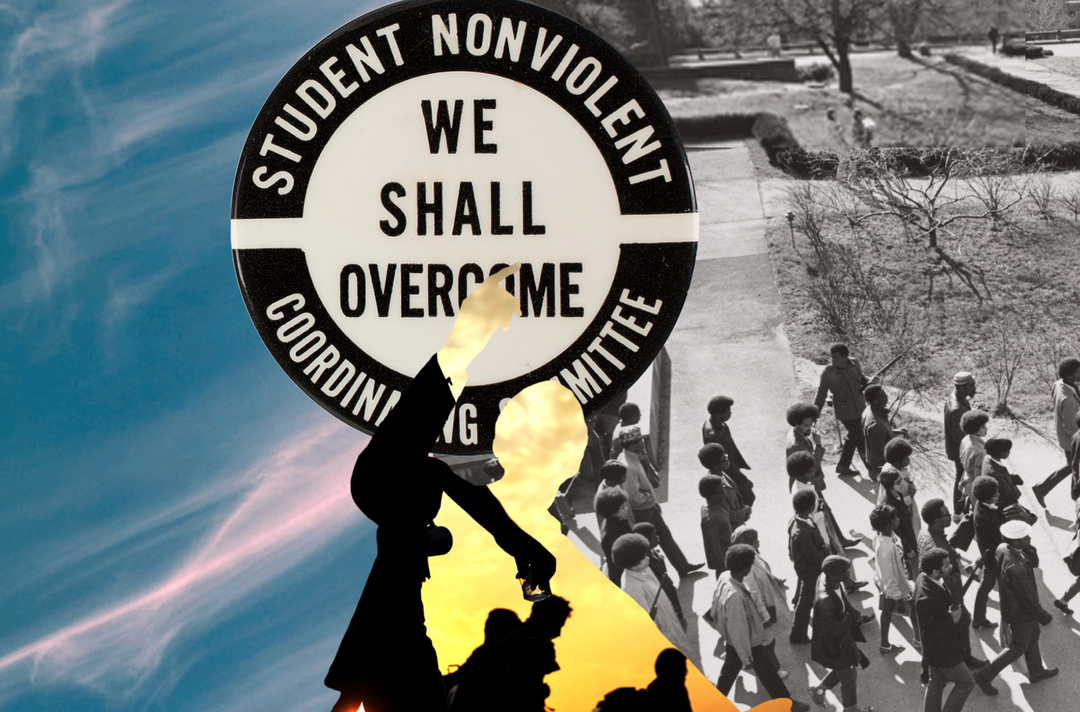
Yannick Lowery: Soul of Us (Copyright © The New York Times, 2021)
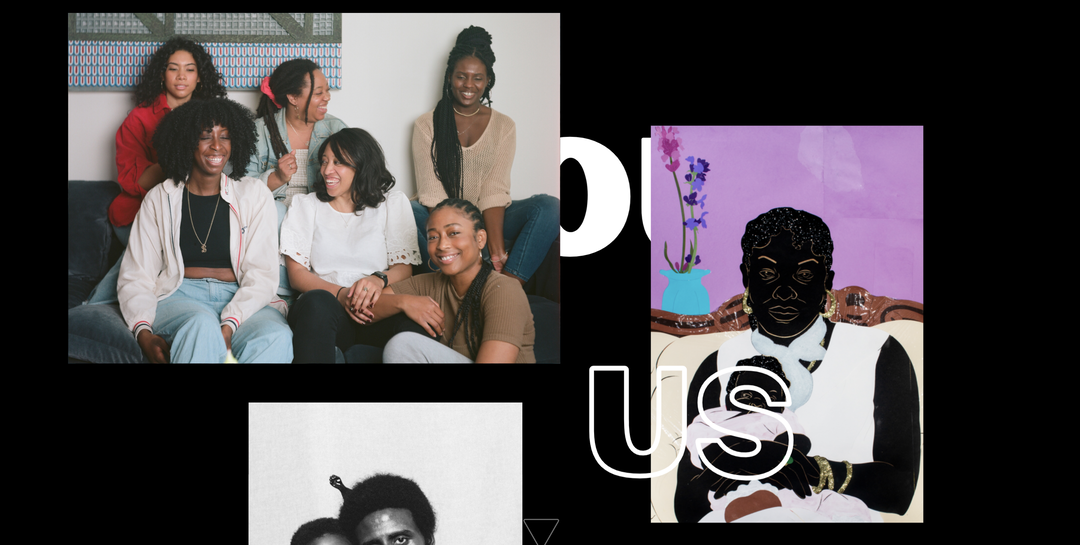
NT Advertising and T Brand: Soul of Us (Copyright © The New York Times, 2021)
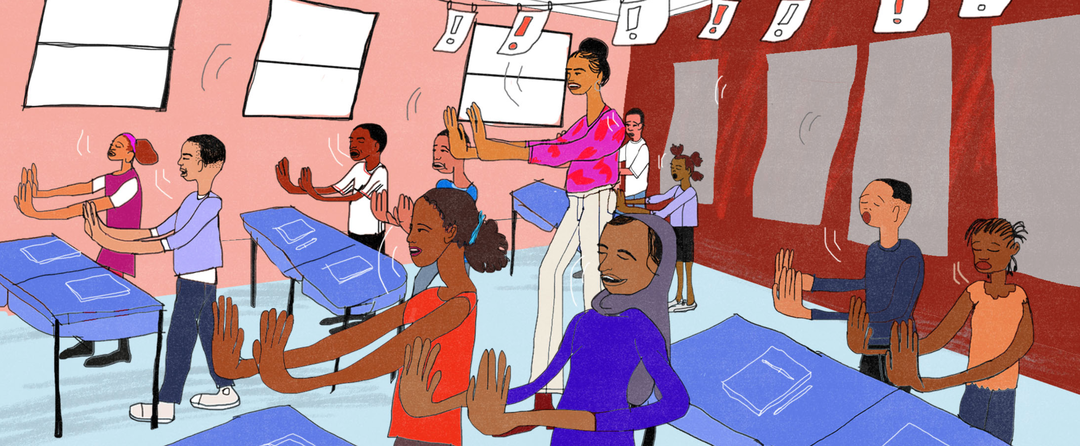
Hannah Buckman: Soul of Us (Copyright © The New York Times, 2021)
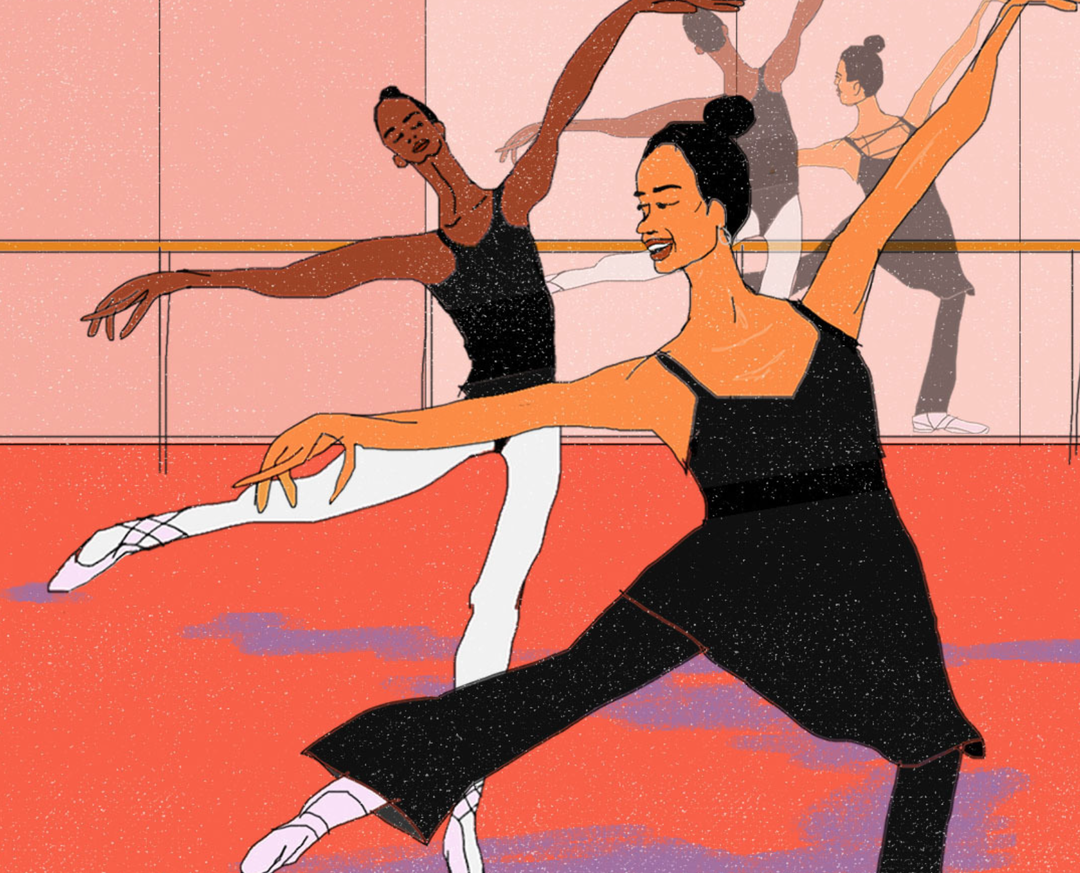
Hannah Buckman: Soul of Us (Copyright © The New York Times, 2021)

Yannick Lowery: Soul of Us (Copyright © The New York Times, 2021)
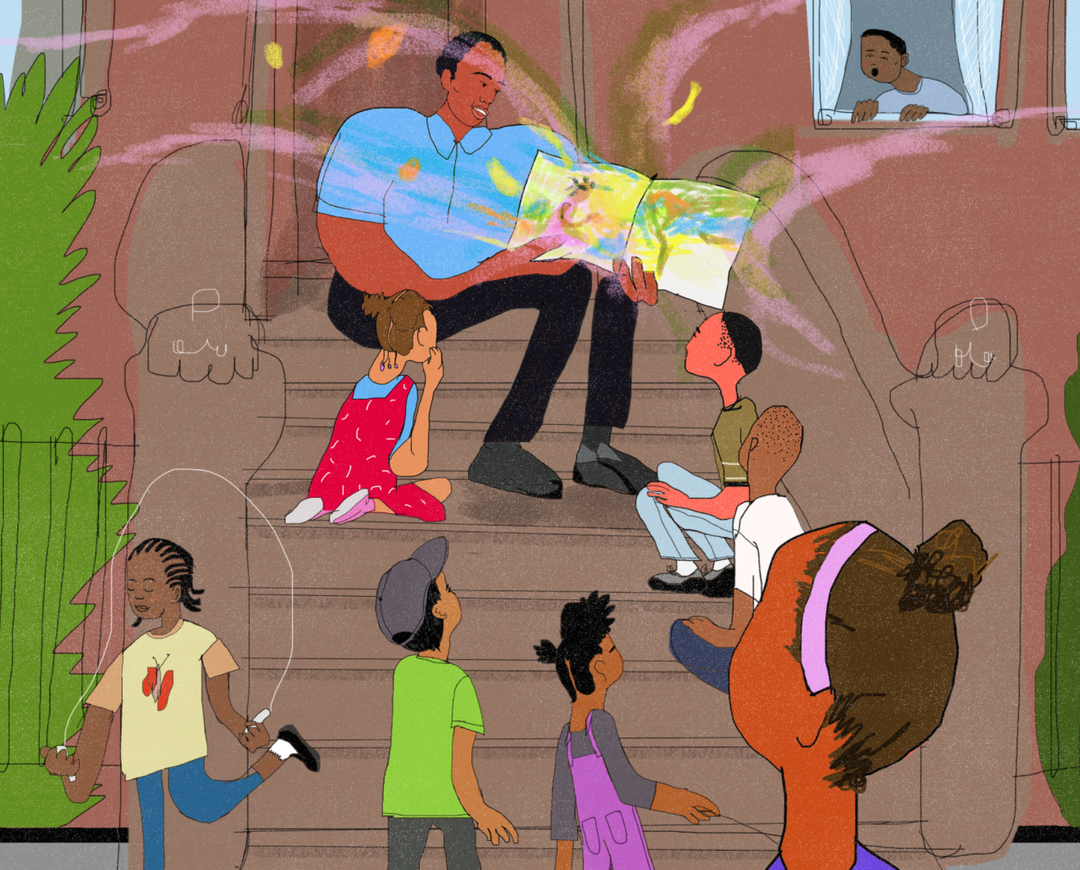
Hannah Buckman: Soul of Us (Copyright © The New York Times, 2021)
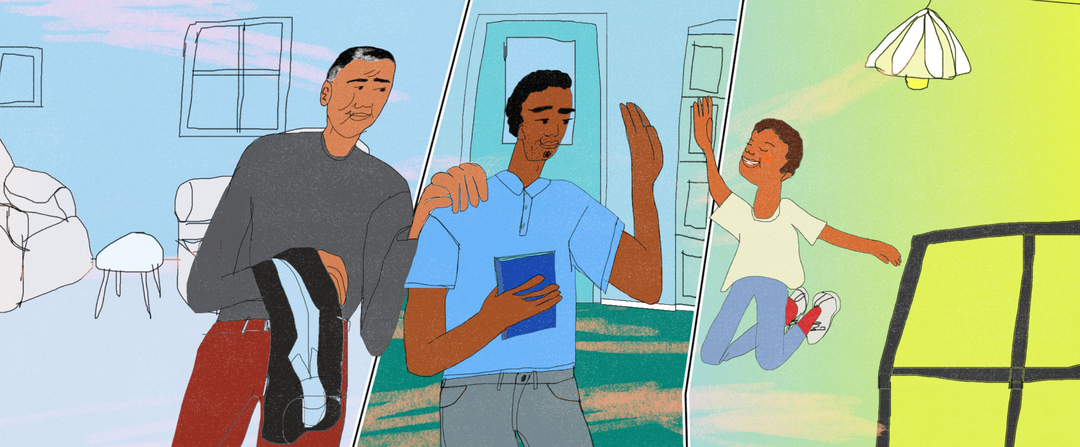
Hannah Buckman: Soul of Us (Copyright © The New York Times, 2021)
Hero Header
Yannick Lowery: Soul of Us (Copyright © The New York Times, 2021)
Share Article
Further Info
About the Author
—
Dalia is a freelance writer, producer and editor based in London. She’s currently the digital editor of Azeema, and the editor-in-chief of The Road to Nowhere Magazine. Previously, she was news writer at It’s Nice That, after graduating in English Literature from The University of Edinburgh.