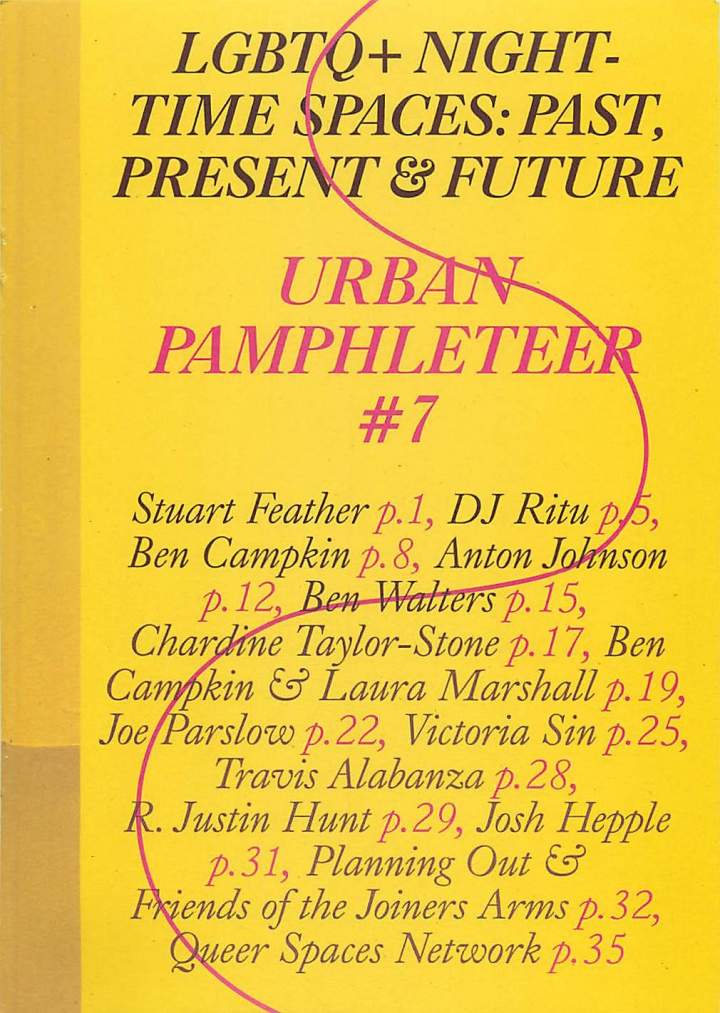
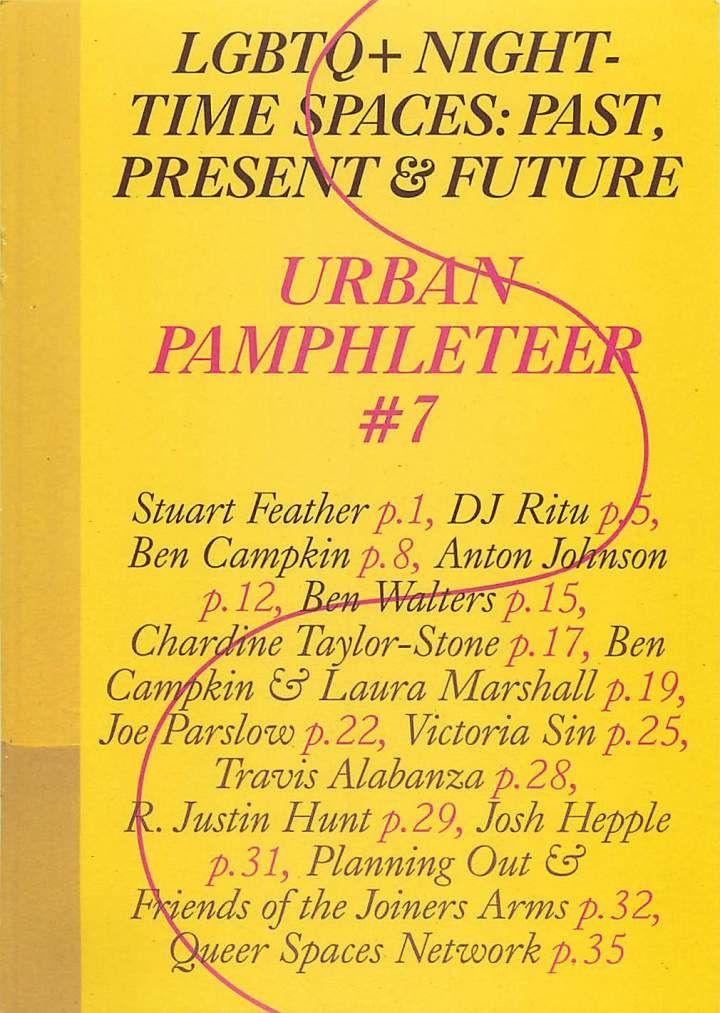
Urban Pamphleteer #7 shares narratives from London's LGBTQ+ night-time spaces
Issue seven of Urban Pamphleteer gathers “perspectives, provocations and vignettes on London’s LGBTQ+ night-time spaces”. The publication was founded in 2013 by Rebecca Ross and Ben Campkin as an experiment into “the boundaries and public-ness of university-based publishing.” Now in its seventh issue, the magazine continues the tradition of radical pamphleteering, confronting themes in contemporary urban debate from a wide range of perspectives. With an aim to empower and inform citizens to “positively shape change”, Rebecca and Ben discuss the latest issue of Urban Pamphleteer, which they co-edited with Lo (Laura) Marshall.
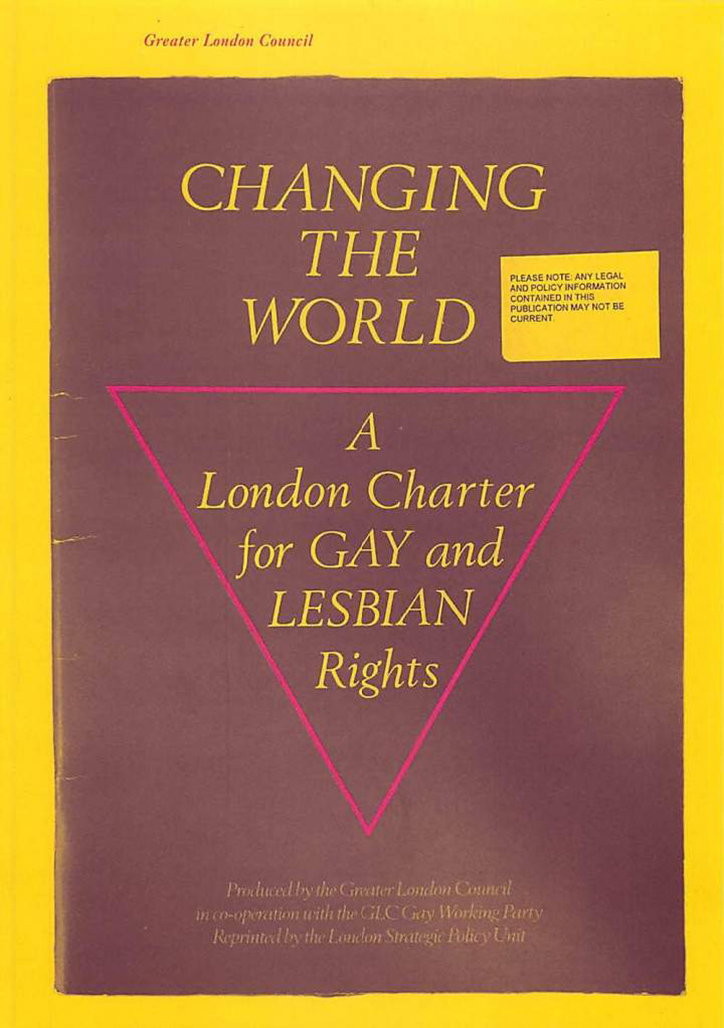
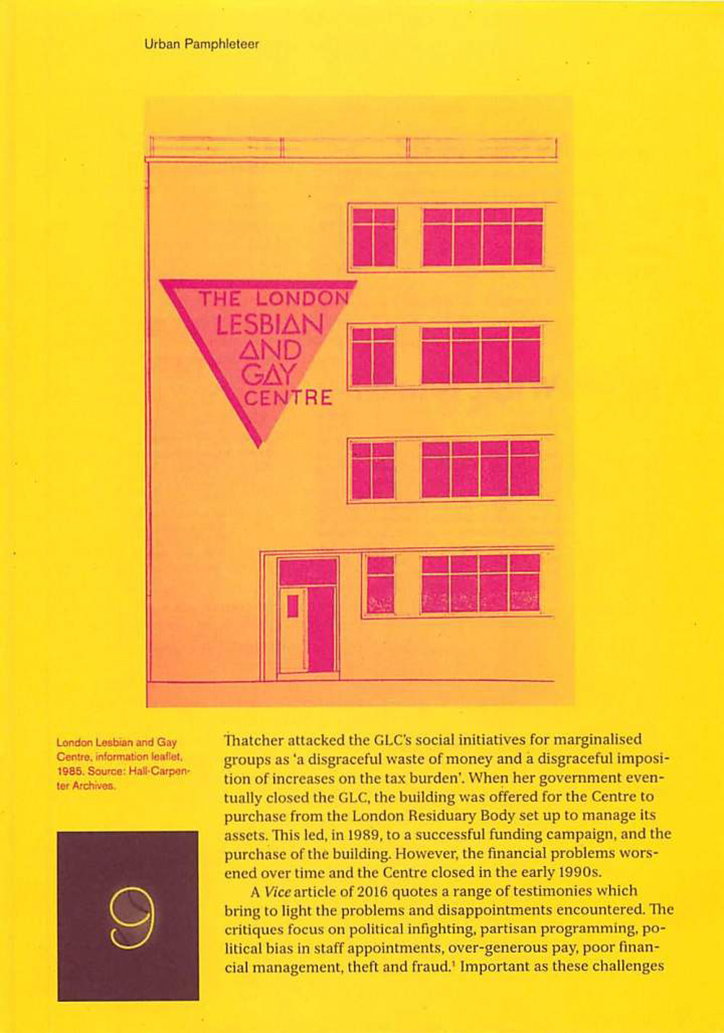
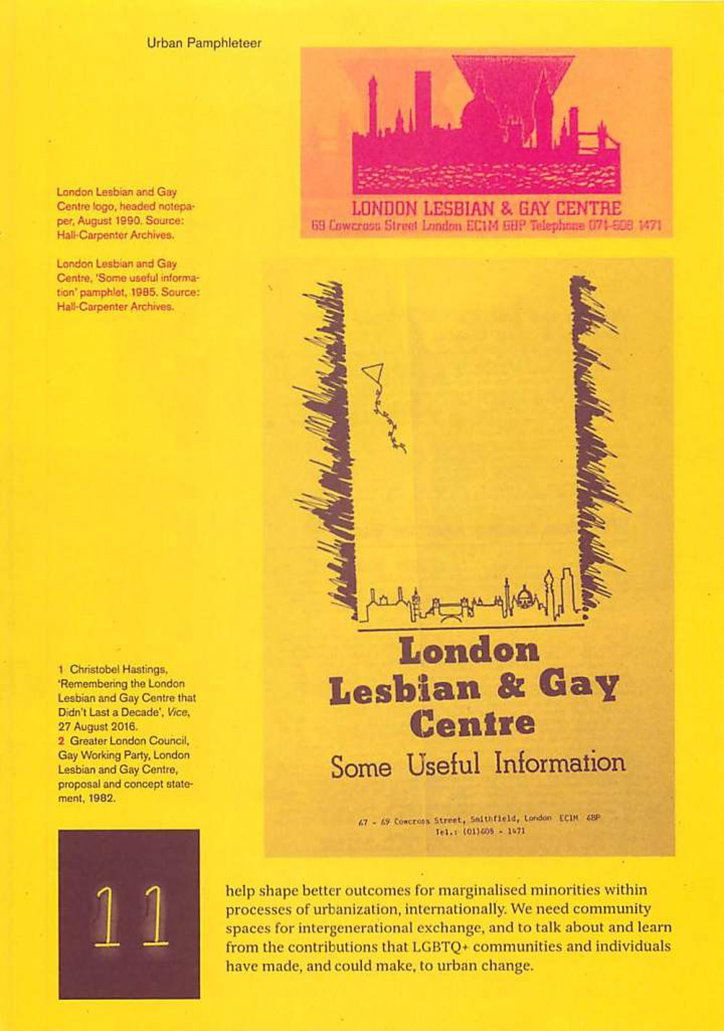
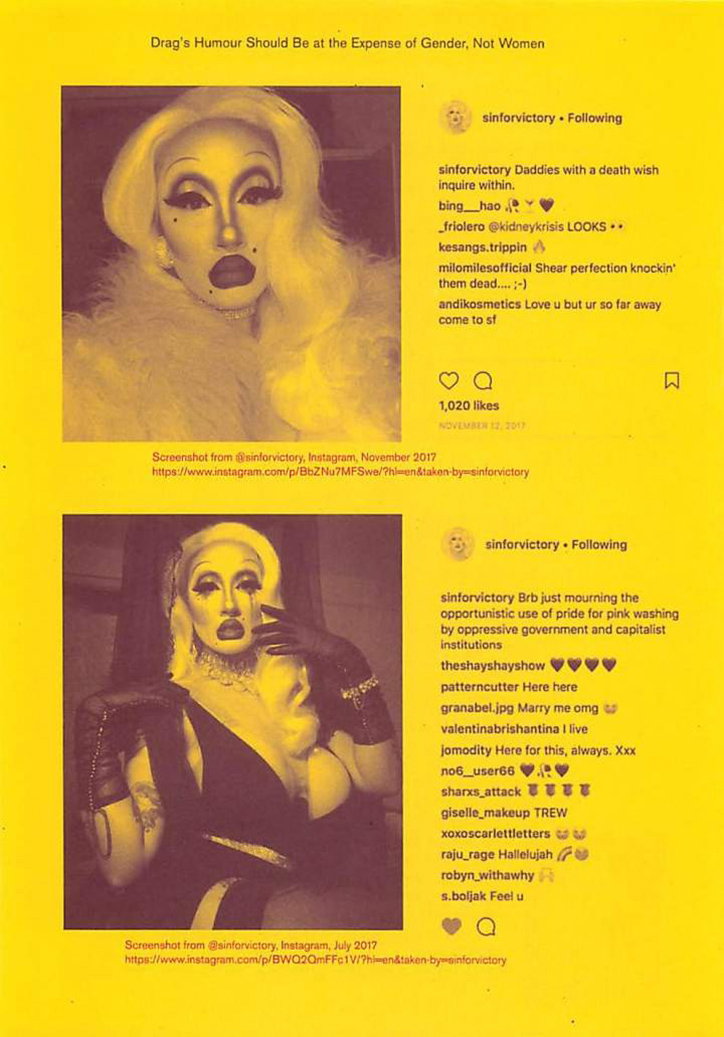
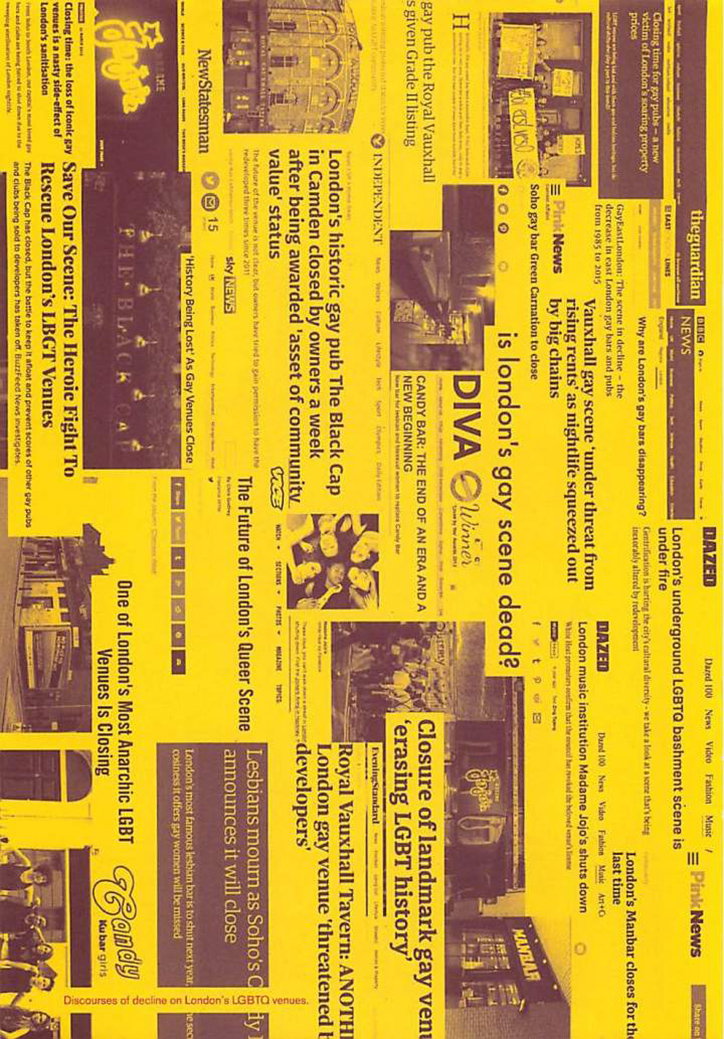
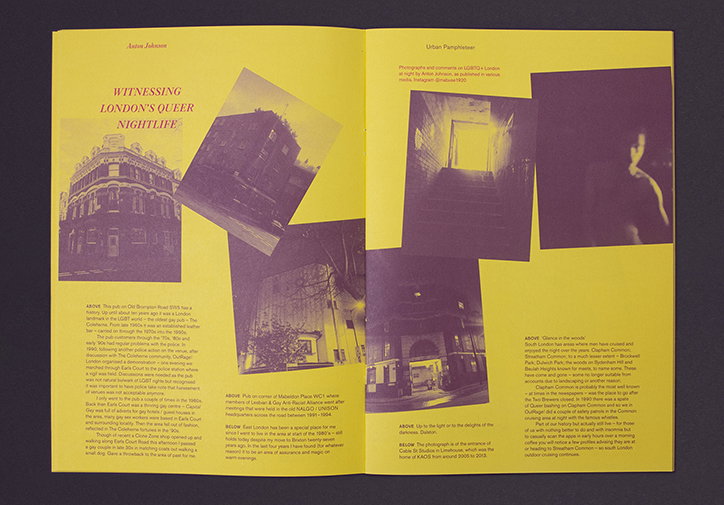
The design approach for issue seven involved a heavy editing process. The two founders, along with the designer Guglielmo Rossi, arranged a vast amount of archival material “ranging from club flyers, architectural plans as well as historical documents from the Greater London Council”. Carefully curating the mass of found material, the editorial team took care to reference the historical findings in the typographic and visual treatment of the publication, also “using colour to present a compelling narrative”.
In contrast to the previous six issues of Urban Pamphleteer, the team chose to involve colour in the seventh issue. “When we first started thinking about the theme of LGBTQ+ night-time spaces, we set ourselves the challenge to involve colour without referencing cliches of the rainbow flag”, explains Rebecca. Deciding on yellow, pink and purple, the creatives agreed that this colour scheme serves “as a loud, but also quite subtle, visual wink toward solidarity against rigid or binary categorical thinking.”
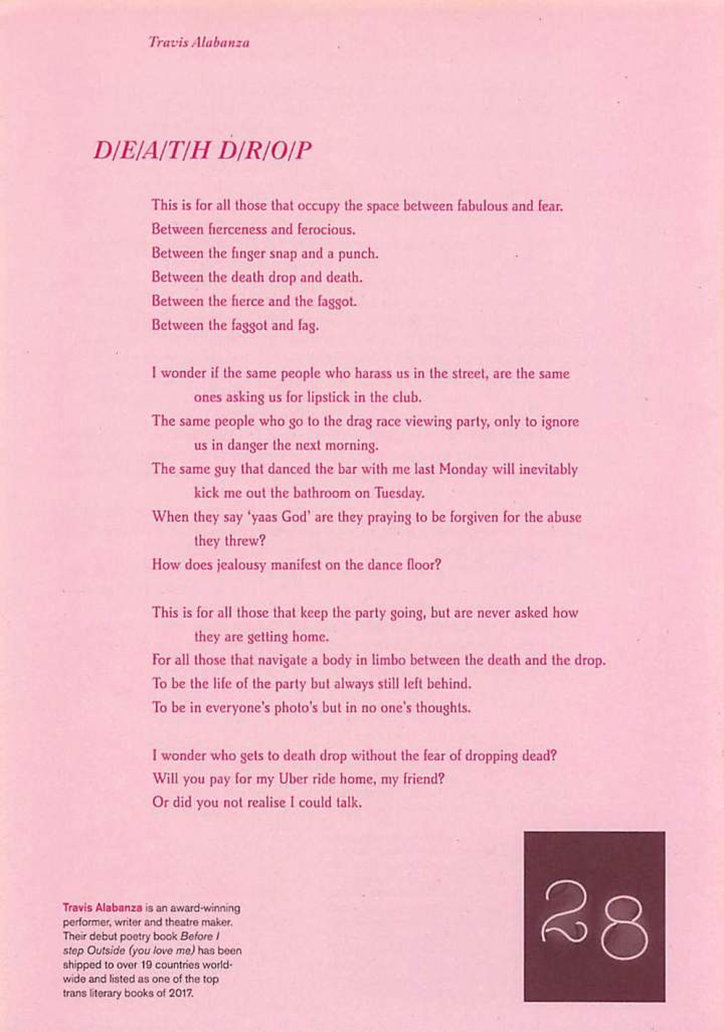
From issue to issue, certain design features are held consistent. “The modest production budget, format, starting grid, main text-face, tight time-scale, and paper” more or less remain the same but occasionally, there are “good, practical and conceptual reasons to break these rules.” For instance, Travis Alabanza’s poem D/e/a/t/h D/r/o/p is appropriately typeset in favour of the lyrical rhythm within the piece.
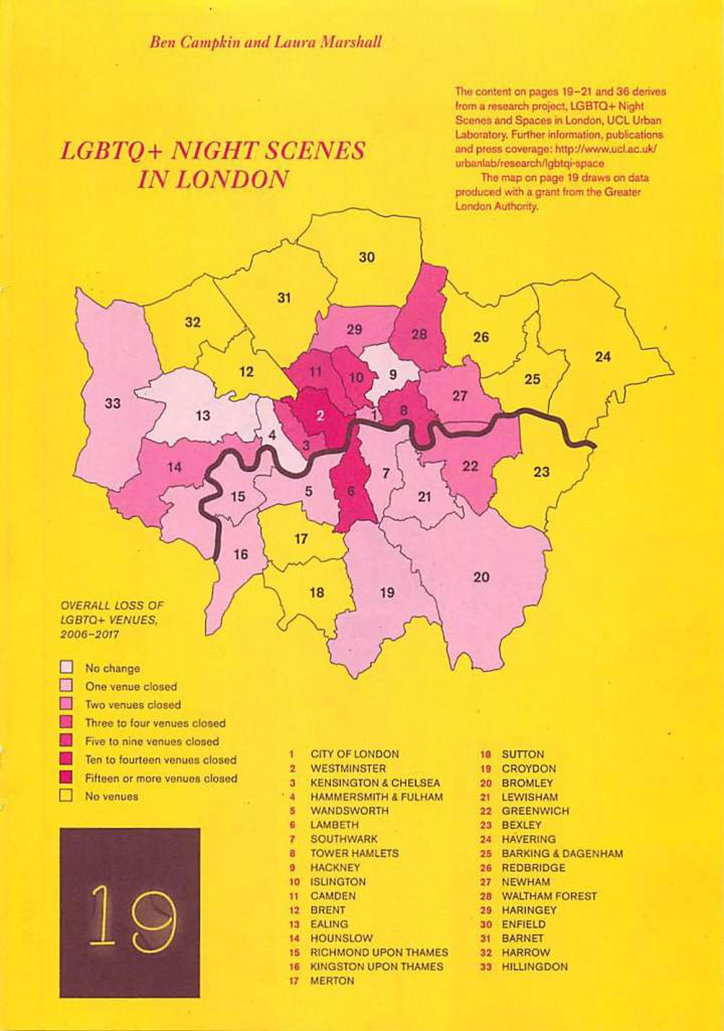
Along with a variety of stories about the “queer communities’ inhabitation of the capital”, the publication also shows technical planning documents which depict how night-space is governed. Ben adds that, “as a collection, these stories provide nuance behind the shocking headline that there has been a drop of 58% of licensed LGBTQ+ venues over the past decade.” The array of contributions from the likes of Victoria Sin, Joe Parslow, R. Justin Hunt and DJ Ritu, showcase a plethora of voices and opinions from the LGBTQ+ community. Ultimately, night-spaces “serve multiple functions for specific groups, and emerge from histories and present-day contexts of oppression and discrimination.”
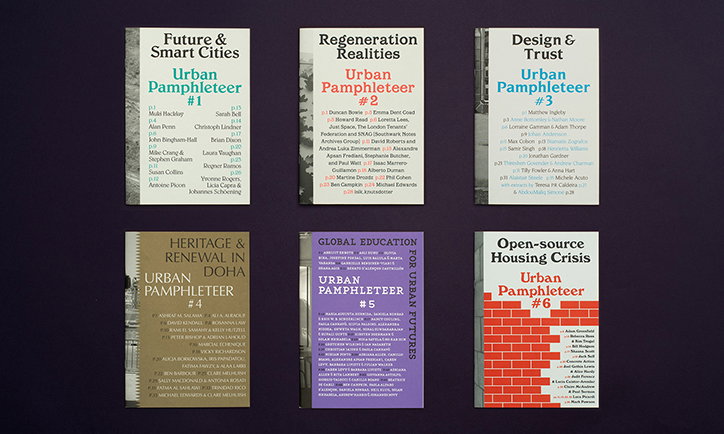
Urban Pamphleteer #7
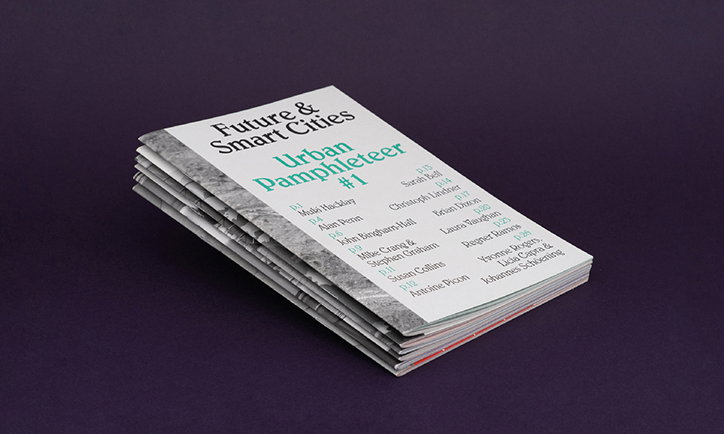
Urban Pamphleteer #7
Urban Pamphleteer #7
Urban Pamphleteer #7
Urban Pamphleteer #7
Urban Pamphleteer #7
Urban Pamphleteer #7
Urban Pamphleteer #7
Urban Pamphleteer #7
Urban Pamphleteer #7
Share Article
Further Info
About the Author
—
Jynann joined It’s Nice That as an editorial assistant in August 2018 after graduating from The Glasgow School of Art’s Communication Design degree. In March 2019 she became a staff writer and in June 2021, she was made associate editor. She went freelance in 2022.