

Painting the worlds of Studio Ghibli with art director and background artist, Yoji Takeshige
We speak to the esteemed Studio Ghibli art director about creating atmosphere through “humidity”, and how the films create magic rooted in reality.
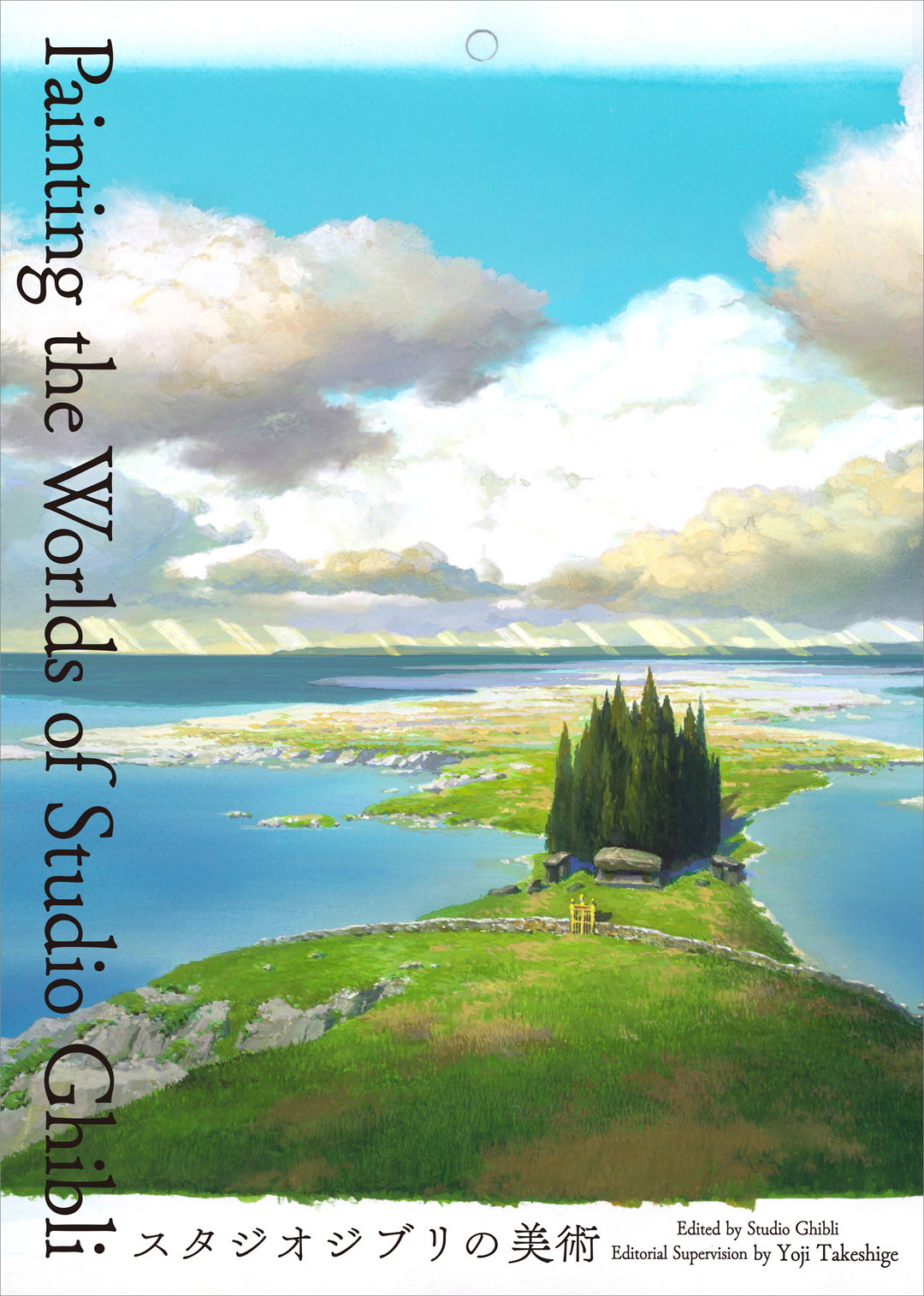
Make room on your bookshelves people! Painting the Worlds of Studio Ghibli, a new 500-page book published by Pie International, is a thing of beauty. Housing a comprehensive collection of background art from all of Studio Ghibli’s 27 theatrical releases, it features 844 artworks spanning Nausicaä of the Valley of the Wind (1984) to The Boy and the Heron (2023).
Yoji Takeshige supervised the selection of the artworks from thousands of backgrounds created for each film, many of which he worked on himself, having started his career as a background artist on My Neighbor Totoro (1988) and served as art director on celebrated films including Princess Mononoke (1997), My Neighbors the Yamadas (1999), Spirited Away (2001), Howl’s Moving Castle (2004) and Tales from Earthsea (2006).
Here, we chat to him about the project and his work at the beloved Japanese animation studio. He shares fascinating insight to some of their process – from how he and the Ghibli painters depict light and humidity, and its impact on atmosphere, to the studio’s resolute dedication to traditional processes, and how the films toe the line between otherworldliness and tangible realities – as well as sharing an unexpected inspiration found in an iconic British comedian and filmmaker.
Painting the Worlds of Studio Ghibli, published by PIE International (Copyright © Studio Ghibli)
It’s Nice That (INT):
Tell us about your role at Studio Ghibli, and how your career has evolved to this point? How did you get into this line of work?
Yoji Takeshige (YT):
I’ve loved movies since I was a child and when I was in high school, I became fascinated by the films of the American directors Stanley Kubrick, Martin Scorsese, and Ridley Scott, and Japanese films by directors Akira Kurosawa and Kenji Mizoguchi. When I was in my second year in art school, I found a job listing for an art department position at a film production company and went to the interview thinking it would be an art department for a live-action film, but it turned out to be an animation company. It was there that I first found out about a job called ‘background’. I thought I’d give it a try so I joined the company, but it closed down after just six months.
My first job was working on the background production of Royal Space Force: The Wings of Honnêamise (1987) at a company called Gainax, which I was introduced to when my first company closed down. The next film that I worked on was Studio Ghibli’s My Neighbor Totoro. From there, I joined Studio Ghibli and worked on background art. Princess Mononoke was my first feature film as art director. After that, I worked as art director on Spirited Away, Howl’s Moving Castle, Tales from Earthsea, The Boy and the Heron, and, outside of Studio Ghibli, I also worked on the director Mamoru Hosoda’s Summer Wars.
The job of an art director is different depending on the project and the director, but at Studio Ghibli, in my case, director Hayao Miyazaki expresses almost all of the film’s settings and worldviews through imageboards, storyboards, etc., so as art director, it’s up to me to decide the colours and atmosphere that will come next. First I draw what’s called a production imageboard, which shows the colour tone I want, and then have it checked by the director. Once he says it’s ok, I draw up a kind of instructions based on that, attach them to the layout, and then issue orders to the various staff members in charge of background art. Once an illustration is finished by each staff member in charge, I have it checked again by the director, and if there are any revisions based on our discussion, the art director will make adjustments or corrections based on what he wants. In this sense, art director is like a foreman.
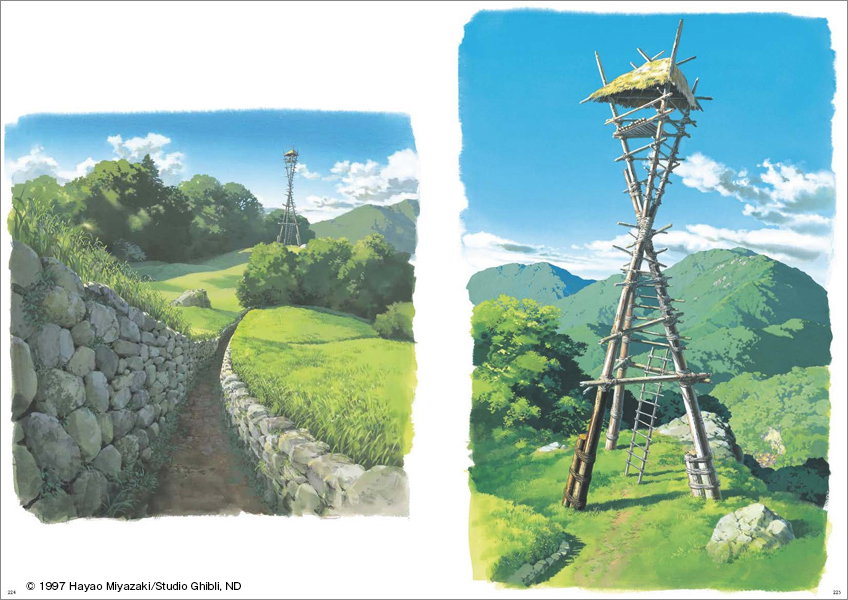
Painting the Worlds of Studio Ghibli, published by PIE International (Copyright © Studio Ghibli)
INT:
What was it like to look back at nearly 40 years of work for the book?
YT:
This book was created with the aim of compiling the art of all Studio Ghibli films into one volume, and I had no intention of looking back on my own work. Art for animation is just one part of the film, and I don’t think of it as something personal. My work has become a part of the films and, looking back, this book has made me realise once again how lucky I was to have come across this job.
INT:
When you look back, do you notice how the background art has morphed in style? How has it changed and what has stayed consistent?
YT:
The style of background art is developed for each film, so there is no such thing as a Studio Ghibli style. When working on a background, I always keep in mind the atmosphere, light, and a sense of everyday life. Each background is painted after searching for the right “colour” to be used in each scene, but another thing I am conscious of is “humidity”. Whether indoors or outdoors, the humidity of the air, along with how it spreads light, the sense of perspective and so on, are important factors in creating the atmosphere of a scene.
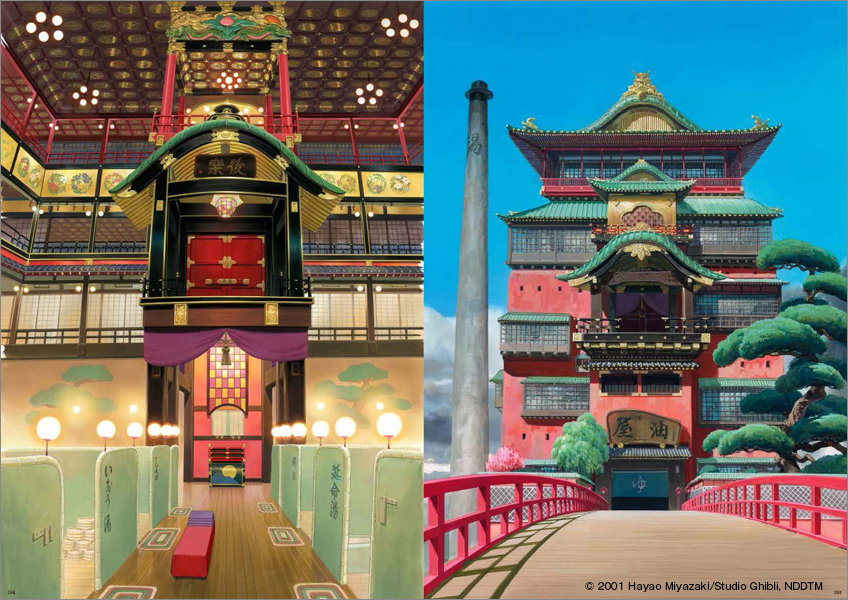
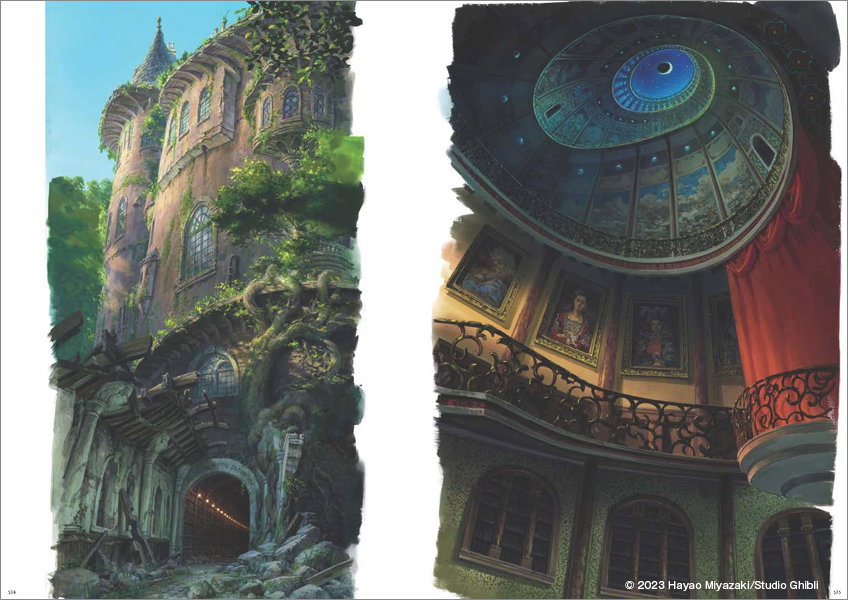
Painting the Worlds of Studio Ghibli, published by PIE International (Copyright © Studio Ghibli)
INT:
What were the creative processes like back on My Neighbor Totoro, and what are they like on the more recent films?
YT:
Director Miyazaki’s works, including My Neighbor Totoro, begin with the director’s imageboard, and the world of the film is created almost completely at the storyboard stage. Then we add detailed design, details, colours, etc., to create the film. This process has not changed in recent years. With the exception of Earwig and the Witch (2020), all of the background art is basically painted on paper using paint.
INT:
In your opinion, what is so magical about the scenery of Studio Ghibli films, and what worlds does it create for the stories?
YT:
In director Miyazaki’s case, a world unfolds that has never before been seen on film, yet each of these worlds is a collection of things you have seen somewhere before. When we paint backgrounds, the director offers this guidance: “Make it scenery that looks familiar.” That does not mean ‘nostalgia’, but rather the underlying theme of director Miyazaki’s work, which is “the lives of the people who live there”. I think that the question of how to portray this has always been what my work is about. If the audience feels that the scenery they see for the first time in a movie is somehow familiar, then perhaps you could call that magic. By the way, one of my favourite directors is Terry Gilliam, and I personally can feel the same philosophy in his works.
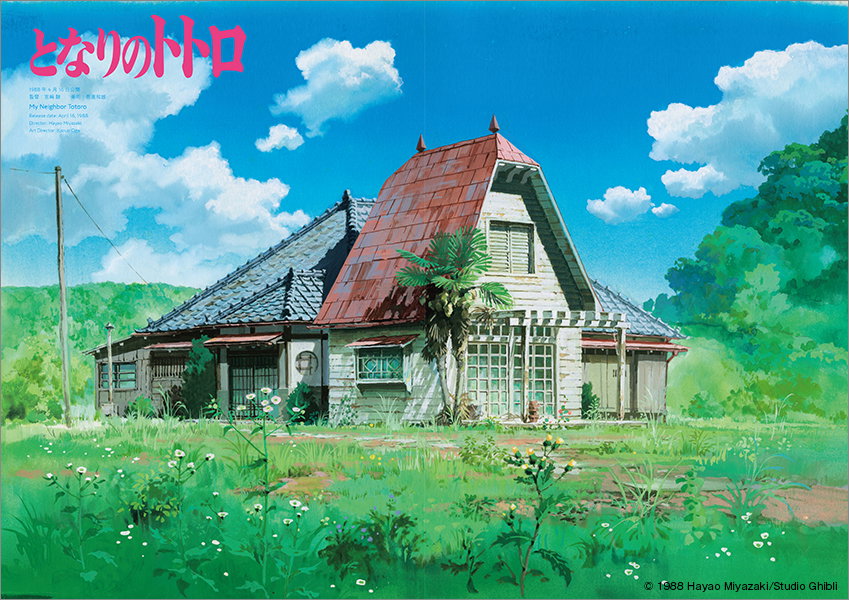
Painting the Worlds of Studio Ghibli, published by PIE International (Copyright © Studio Ghibli)
INT:
What was your favourite to work on and why?
YT:
Mr. Dough and the Egg Princess (2010), which is currently being screened at the Ghibli Museum and Ghibli Park. This film, which captures the world of Miyazaki, is a completely unexpected story: Mr. Dough, who is a live piece of dough, rescues the Egg Princess who has been captured by a witch. I am an artist who likes to use many colours, and I was able to use as many colours as I wanted in this film and had a really fun time. In Mr. Dough and the Egg Princess, all of the characters, including the witch, are depicted as “living” their everyday lives in that world.
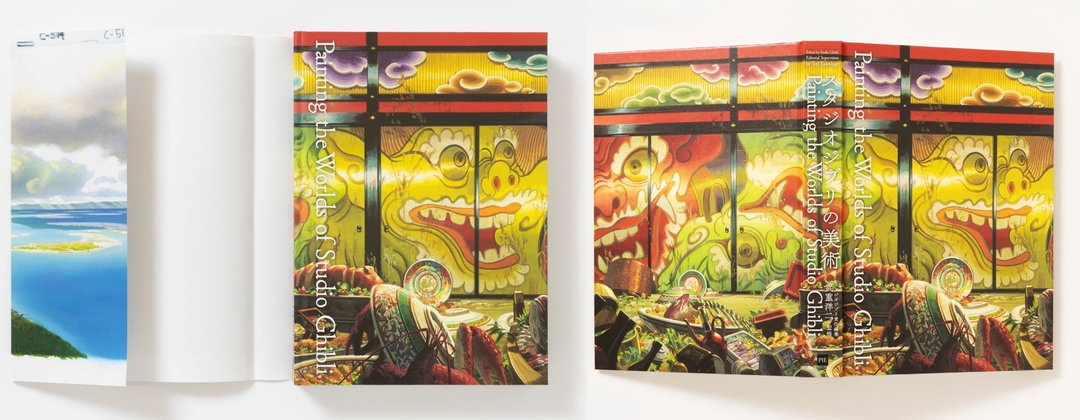
Painting the Worlds of Studio Ghibli, published by PIE International (Copyright © Studio Ghibli)
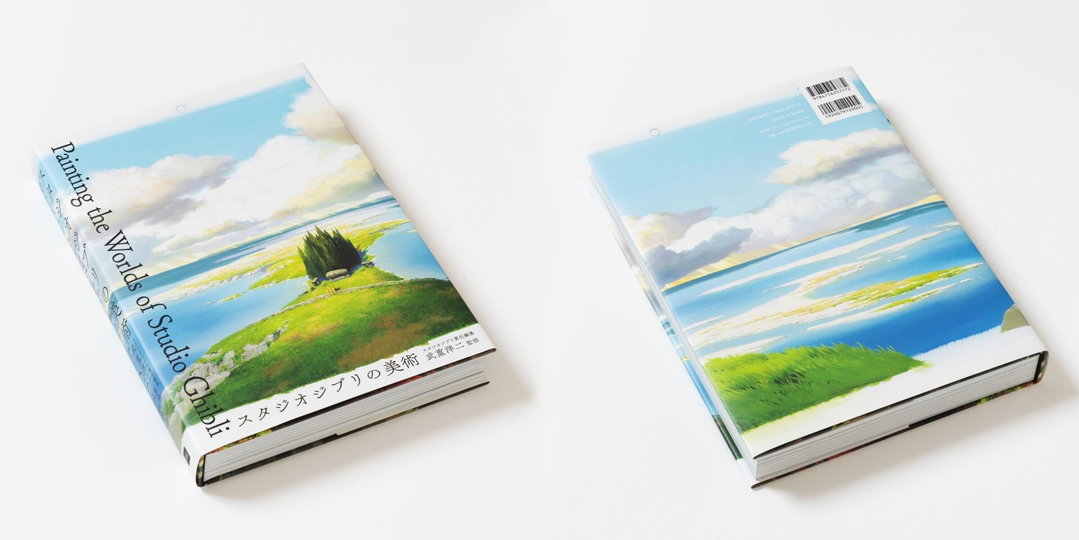
Painting the Worlds of Studio Ghibli, published by PIE International (Copyright © Studio Ghibli)
Hero Header
Painting the Worlds of Studio Ghibli, published by PIE International (Copyright © Studio Ghibli)
Share Article
Further Info
About the Author
—
Jenny oversees editorial output across It’s Nice That. Get in touch with writing pitches for features or opinion pieces, big creative story tips, or questions about all things editorial. jb@itsnicethat.com
To submit your work to be featured on the site, please see our Submissions Guide.