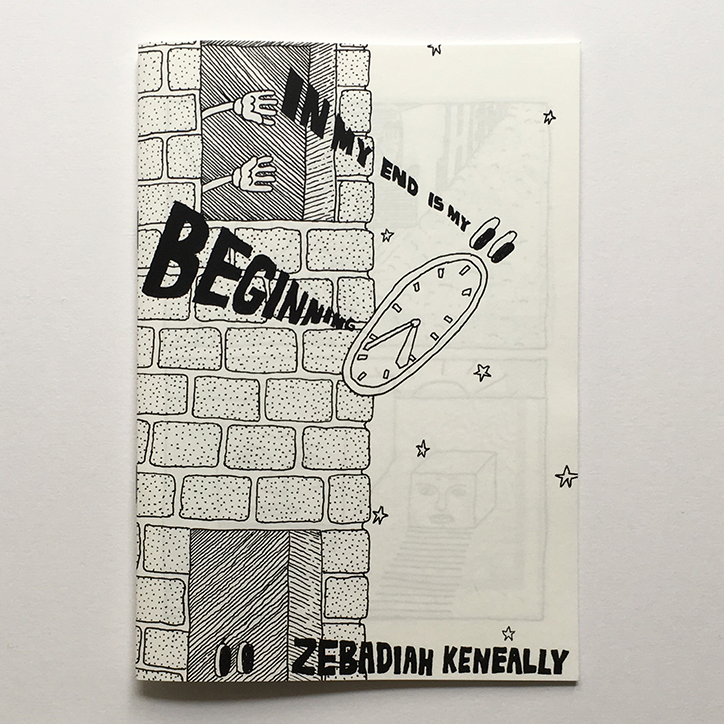
Zebadiah Keneally’s philosophical zine explores themes of time, love and self
Zebadiah Keneally’s zine, In My End is My Beginning, is a series of meditations on being, time, love, death and self. “I’m interested in themes that unite humanity in our shared experiences and mythologies,” says Zebadiah. “Expressing these concepts and related emotions is an ongoing project and the zine captures where the work is now.”
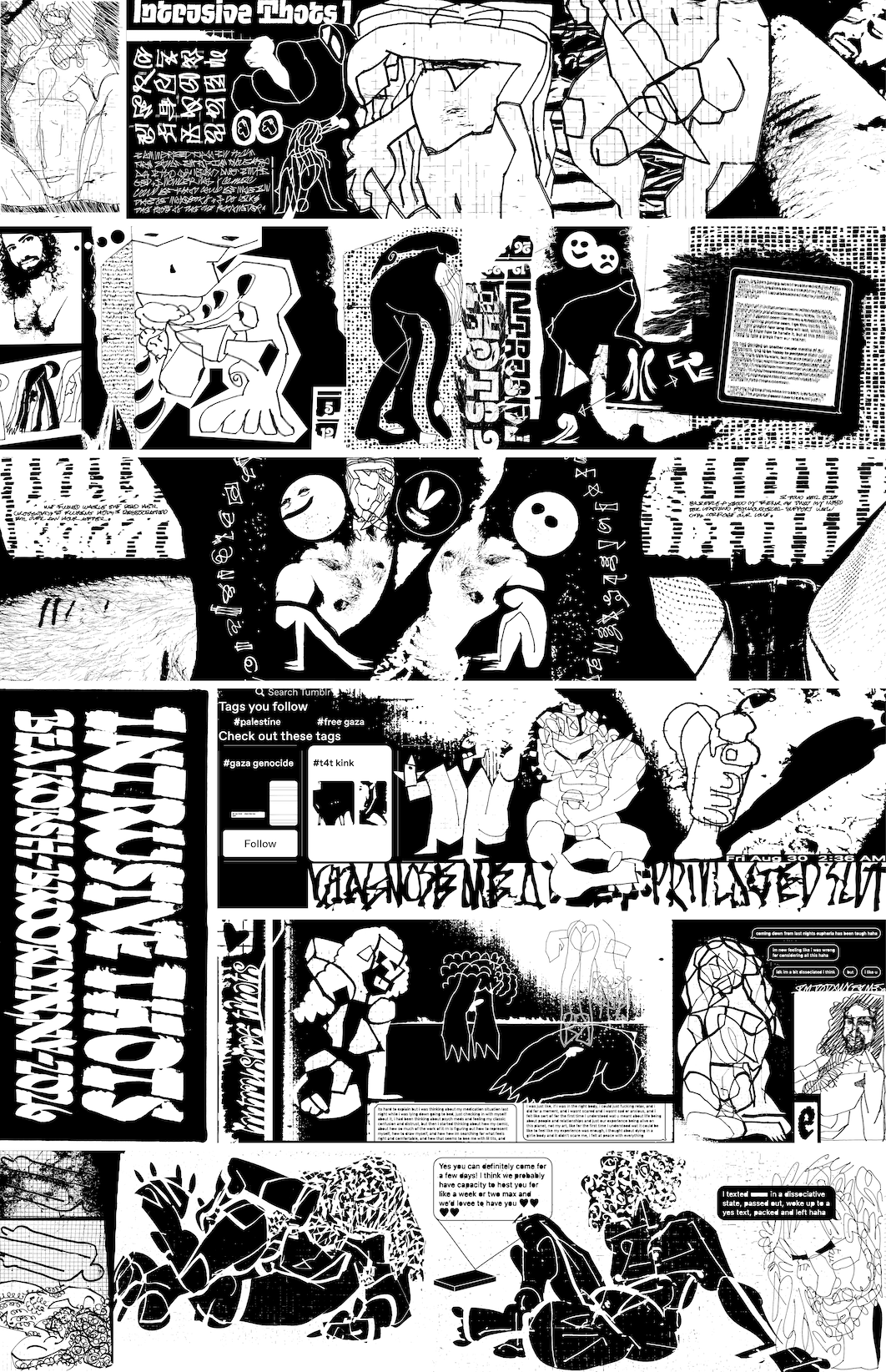
Published by Nieves, the 32-page publication sees Zebadiah explore the things we know and the things we don’t by creating a cast of characters that are archetypal and recognisable. “While thinking about an idea or emotion, I tried to identify what universal symbols were at play and created a scene that depicts how [the characters] are interacting,” explains the illustrator. “Then I juxtapose two scenes in an attempt to mirror the transient, random nature of consciousness. I can’t stand being bored so the drawings are infused with absurd humour that at its best makes them accessible. Or at least entertains me.”
Zebadiah’s style is spontaneous and improvised and as such his line drawings feel full of energy drawing with felt tip pens in notebooks to get his ideas down. “A friend recently introduced me to the Italian term ‘sprezzatura’, meaning a studied carelessness. That gets close to describing my style – it developed as a way to work despite my self-judgement.”
The title of the zine is taken from T.S. Eliot’s East Coker and for the zine, his editing process involved going through his notebooks and gathering the best drawings from the last few months. For each image Zebadiah wrote a line for each, “a poetic version of the sentiment” to help him order the narrative. “Then I begin to organise them sequentially using the narrative that forms in the writing and an attention to the visual rhythm of the drawn figures,” he says. “I didn’t include the text with the zine, the drawings stand alone. It’s like looking out of the window on a train – you know you’re going somewhere but it doesn’t matter, you’re absorbed in what you see passing by.”
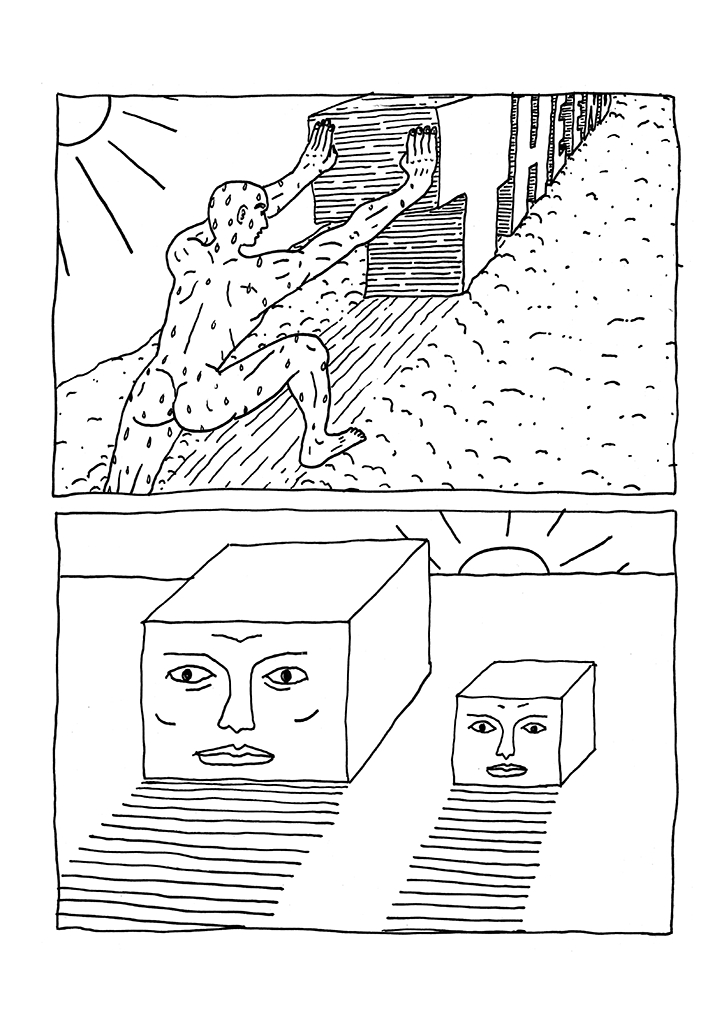
Zebadiah Keneally: In My End is My Beginning
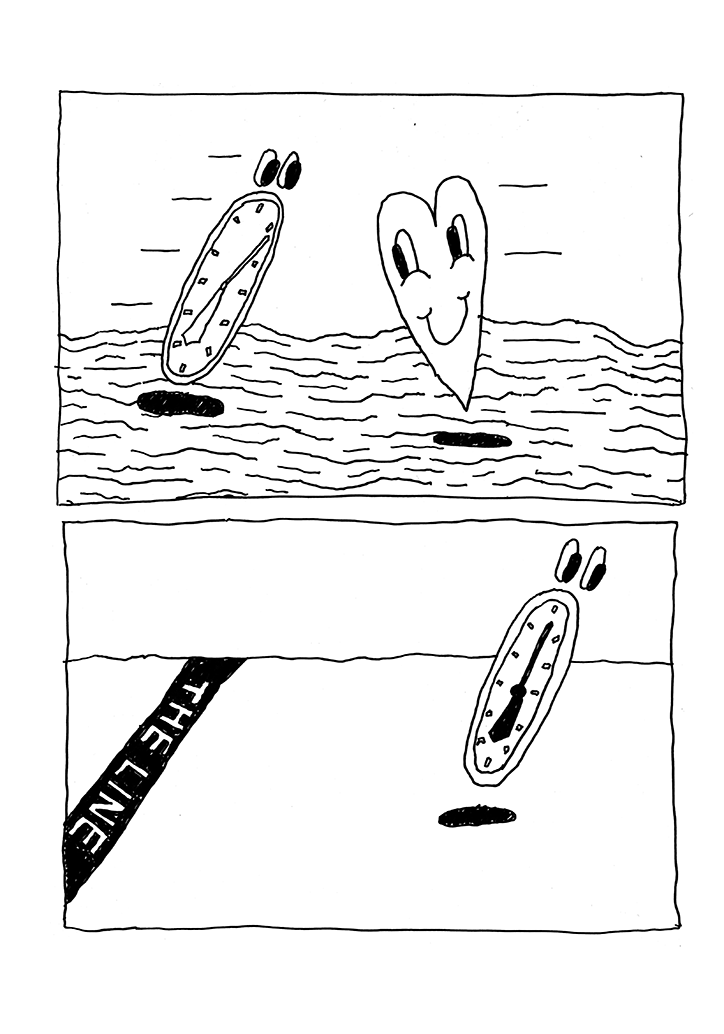
Zebadiah Keneally: In My End is My Beginning
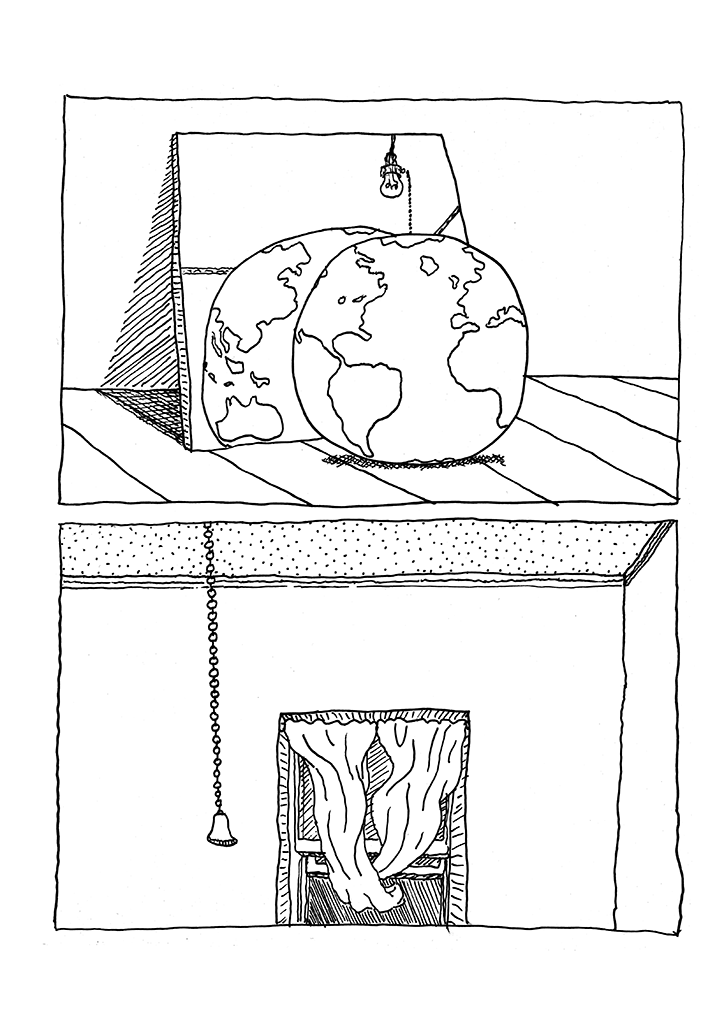
Zebadiah Keneally: In My End is My Beginning
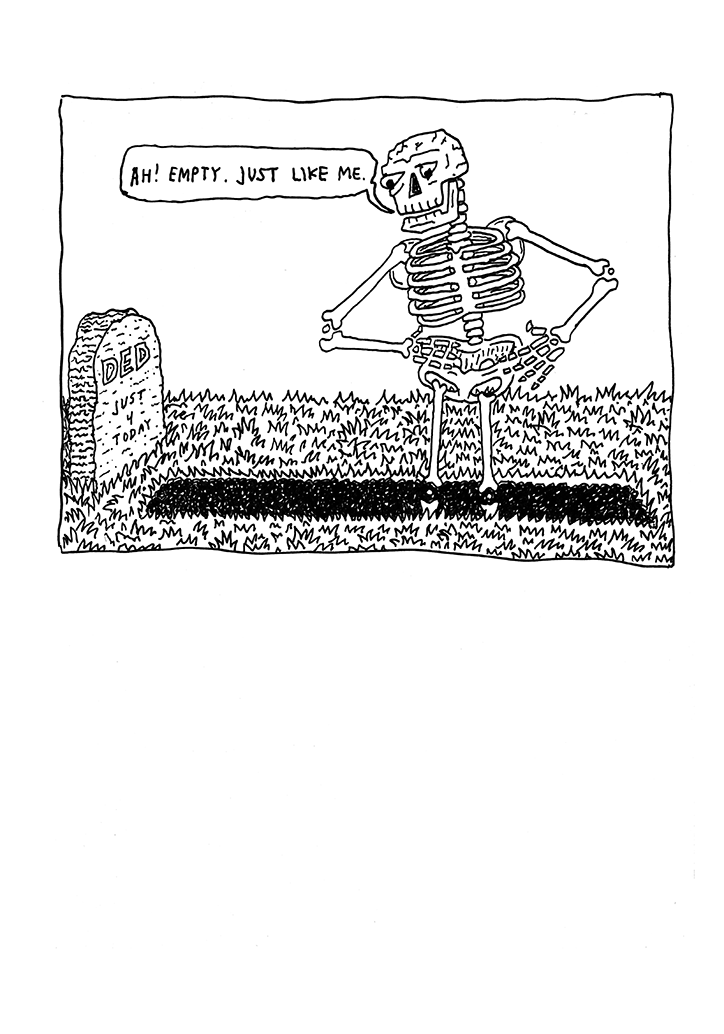
Zebadiah Keneally: In My End is My Beginning
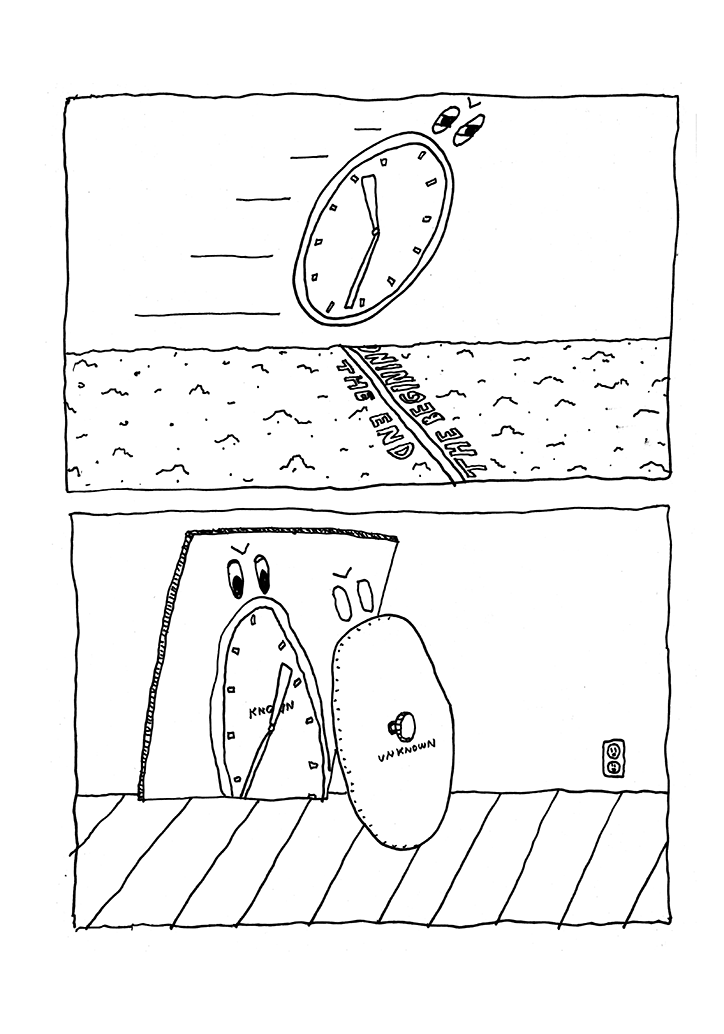
Zebadiah Keneally: In My End is My Beginning
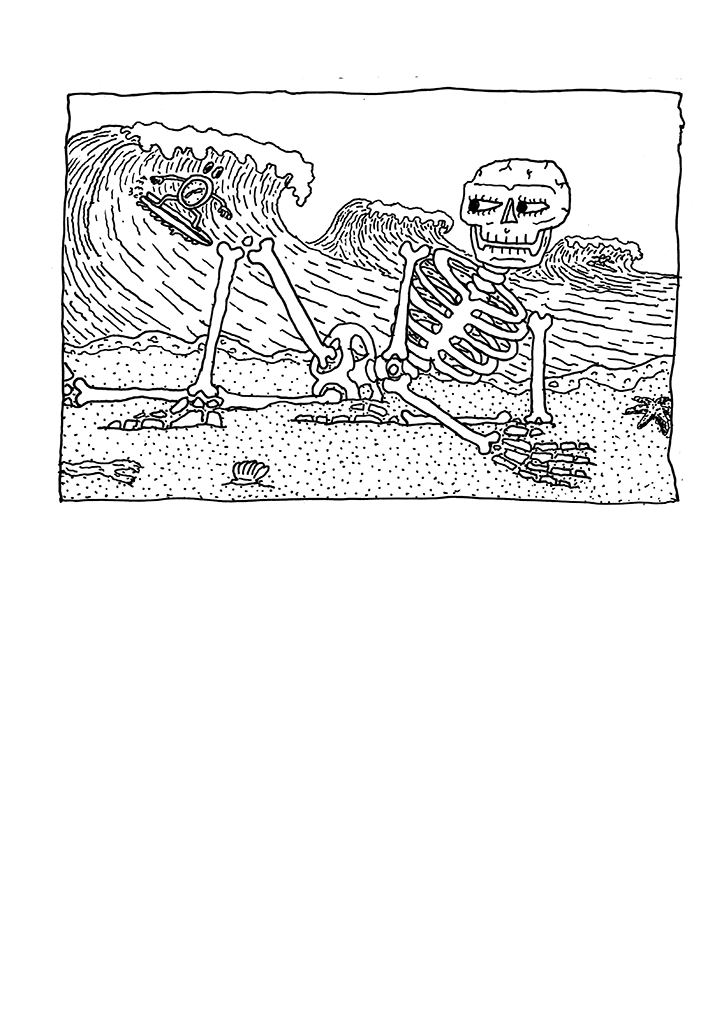
Zebadiah Keneally: In My End is My Beginning
Share Article
Further Info
About the Author
—
Rebecca Fulleylove is a freelance writer and editor specialising in art, design and culture. She is also senior writer at Creative Review, having previously worked at Elephant, Google Arts & Culture, and It’s Nice That.