

- Words
- Ellis Tree
- —
- Date
- 10 June 2026
- Tags
Meet the iconic printmakers that shaped half a century of the UK’s contemporary graphic art
In this deep dive into 50 Years of Print, the exhibition celebrating art from the archive of Harvey Lloyd screens, we go behind the scenes on the studio’s remarkable legacy and its imprint on design and illustration today.
Share
Share
Sometime in the late noughties, graphic artist Anthony Burrill was looking for a screen printer to produce quite an unconventional set of post cards. After quite a few studios had turned the complexity of the job down, he opened the Yellow Pages phonebook and came across Harvey Lloyd: a screen print studio based in East Sussex. The artist made a call and soon after, a man called Steve Fachiri was sourcing paper samples and sending him a quote.
“I was used to dealing with printers who weren’t always enthusiastic about experimentation or unconventional materials,” Anthony tells us. But Steve and fellow printmaker and business partner Tracey Day were quite different: “Rather than being put off by my requests, they were instantly intrigued, and that curiosity became the foundation of a long-standing friendship,” he says. Through Burrill, and then through word of mouth, many more collaborations with artists, illustrators and designers took place at Harvey Lloyd’s studio over the coming years – slowly shifting its name from the world of commercial screen printing right into the very centre of the UK’s contemporary art and design scene.
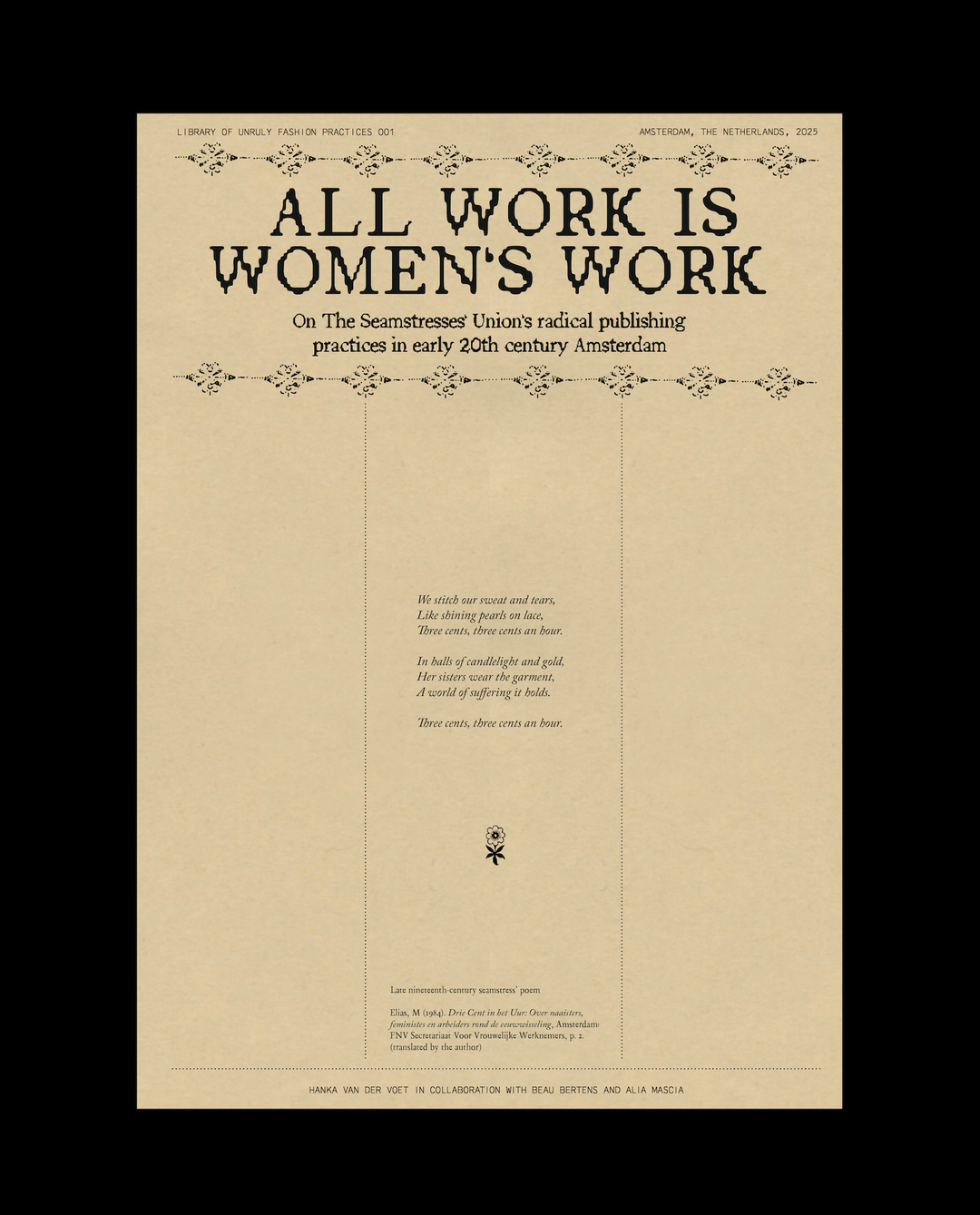
Almost 50 years later, the printmakers have worked side by side with some of the biggest artists shaping the visual language of contemporary graphic art over the last five decades, including: Orla Kiely, Anthony Burrill and Mr Bingo to Oliver Jeffers, Adrian Johnston and Mr Doodle – all with a fearless sense of adventure. Pulling everything from iron filings though the screen to make prints that actually rust to inks that are invisible during the day and light up at night, there haven’t been many limits to their material experiments with the process.
Now on show at the Marine Workshops in Newhaven in partnership with Look Again, 50 Years of Print is an unveiling of the studios extensive archive, curated by artist Owen Gildersleeve. The exhibition opens the doors to half a century of contemporary graphic art – a celebration of not only the legacy of Harvey Lloyd screens on its 50th birthday, but of the UK graphic art scene as a whole in its vibrancy, energy, and diversity.
50 Years of Print will run until 27 June 2026 – find out more about the lineup of talks and events surrounding the exhibition on the Look Again site.
“Rather than being put off by my requests, they were instantly intrigued, and that curiosity became the foundation of a long-standing friendship.”
Anthony Burrill
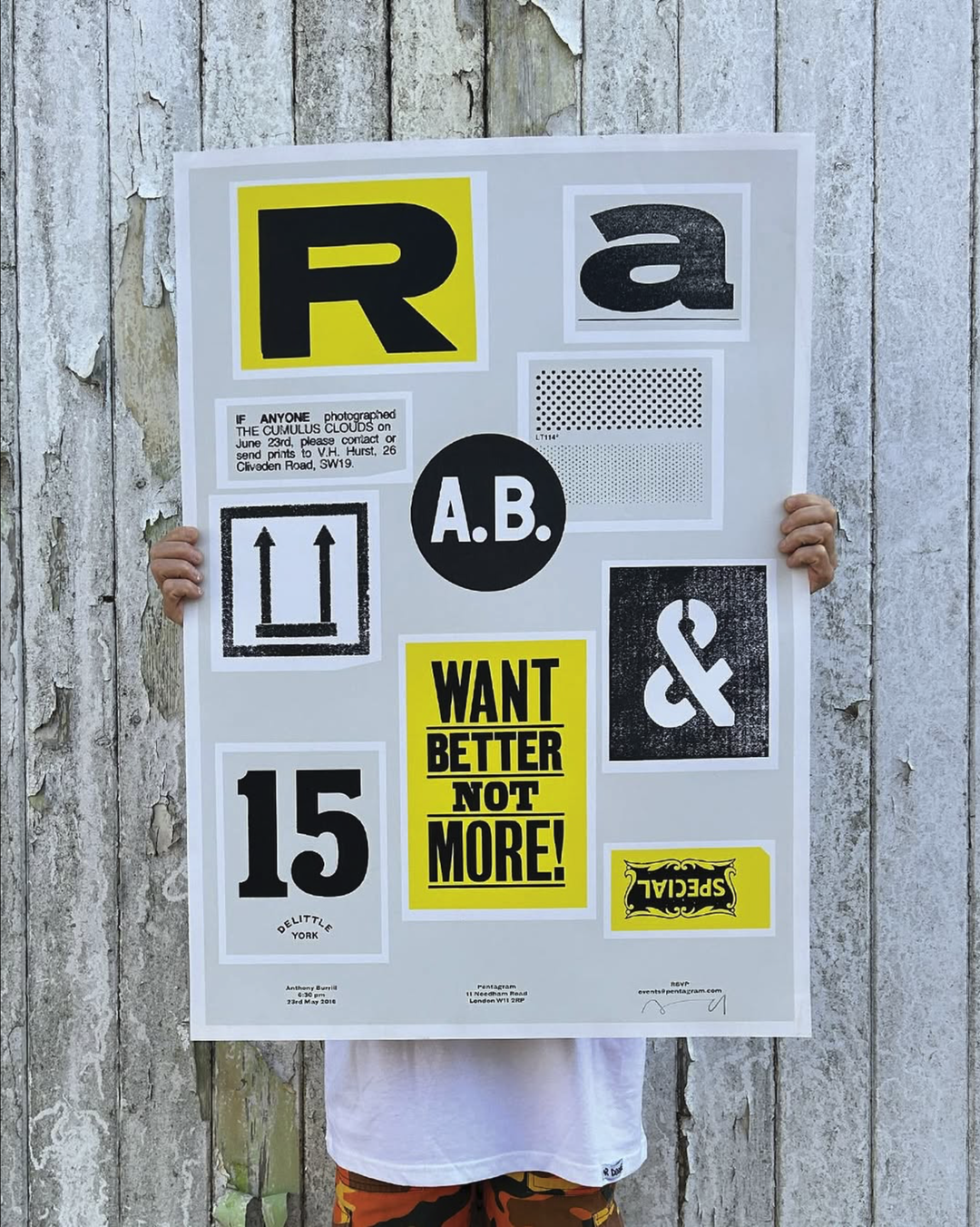
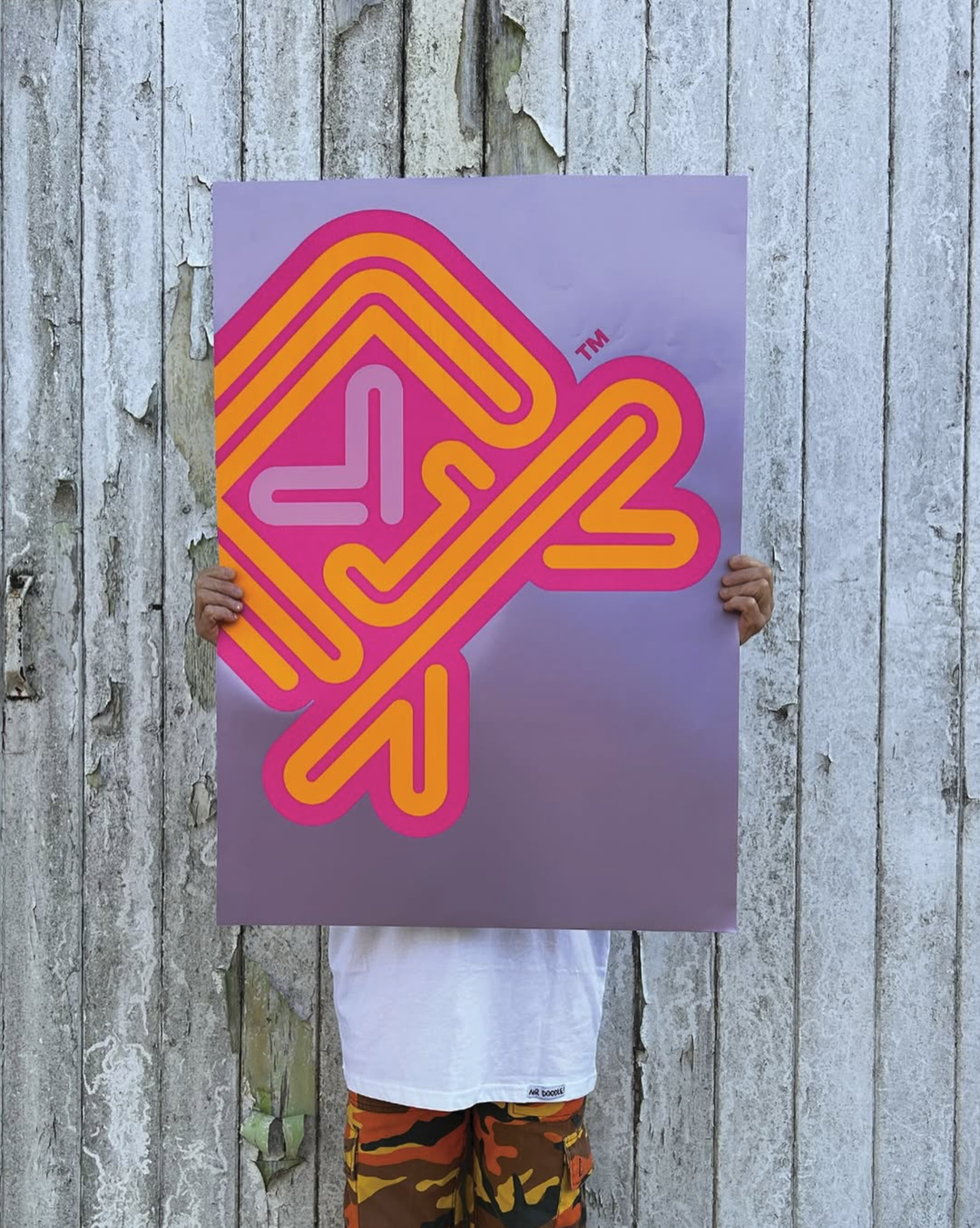
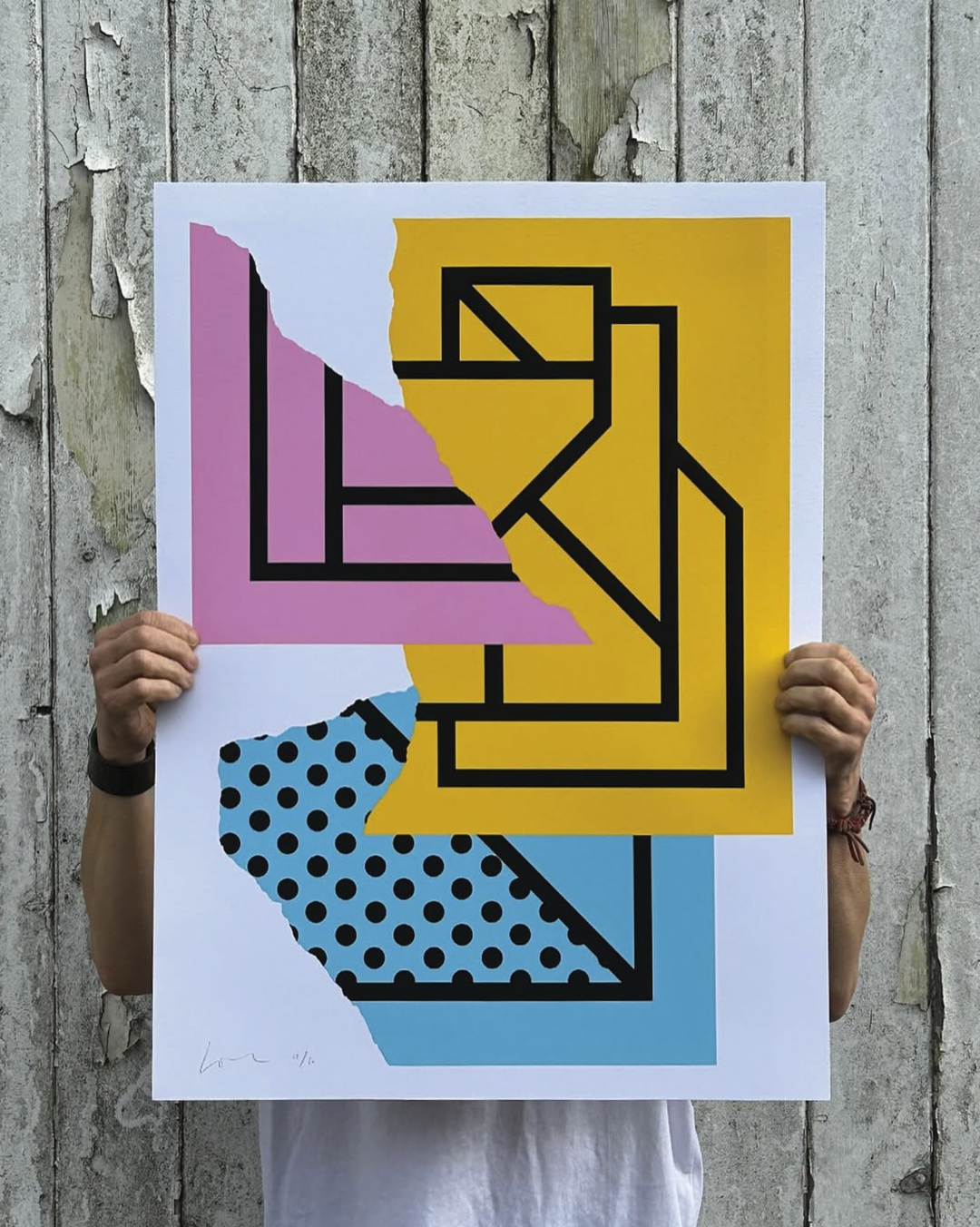
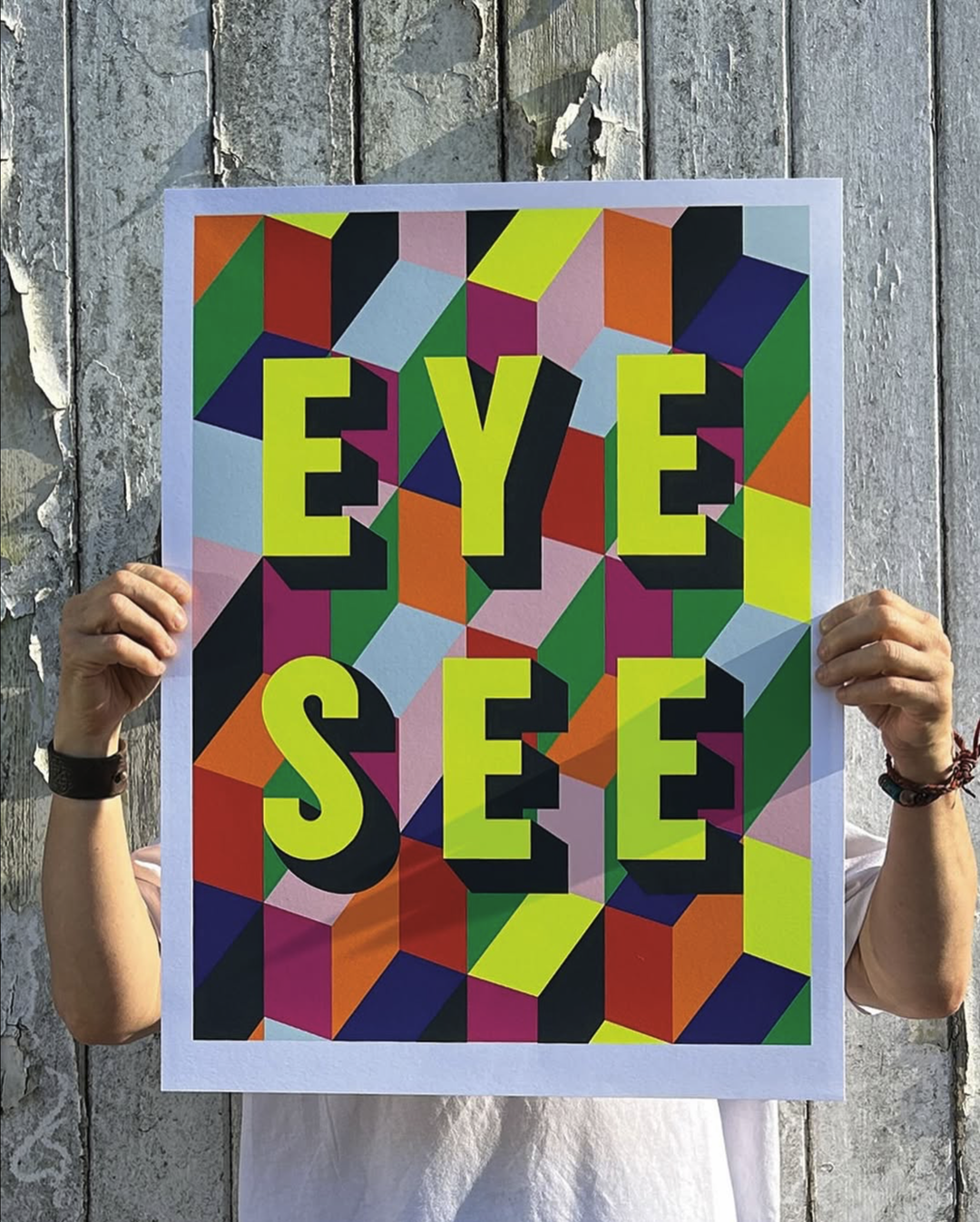
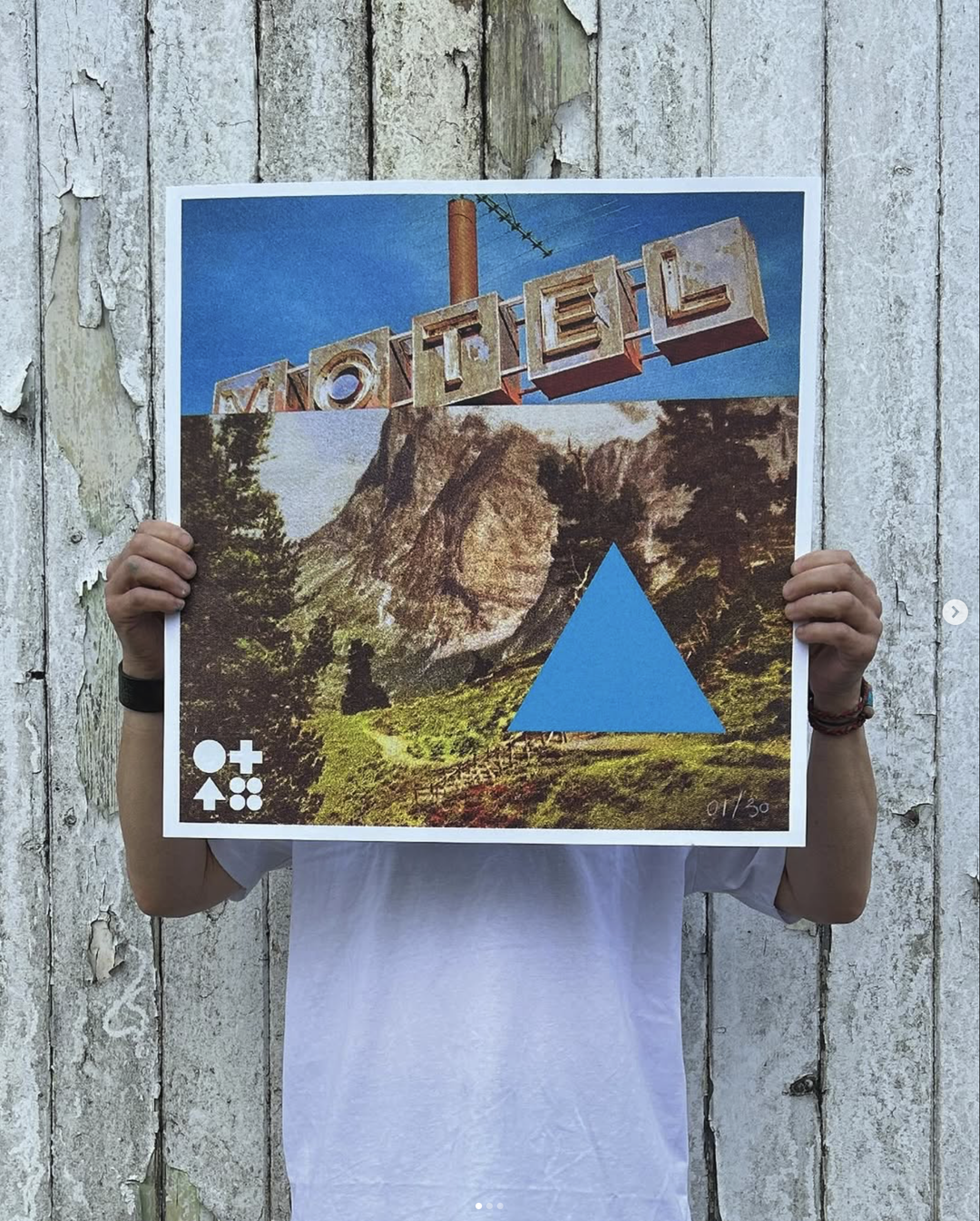
1 of 7
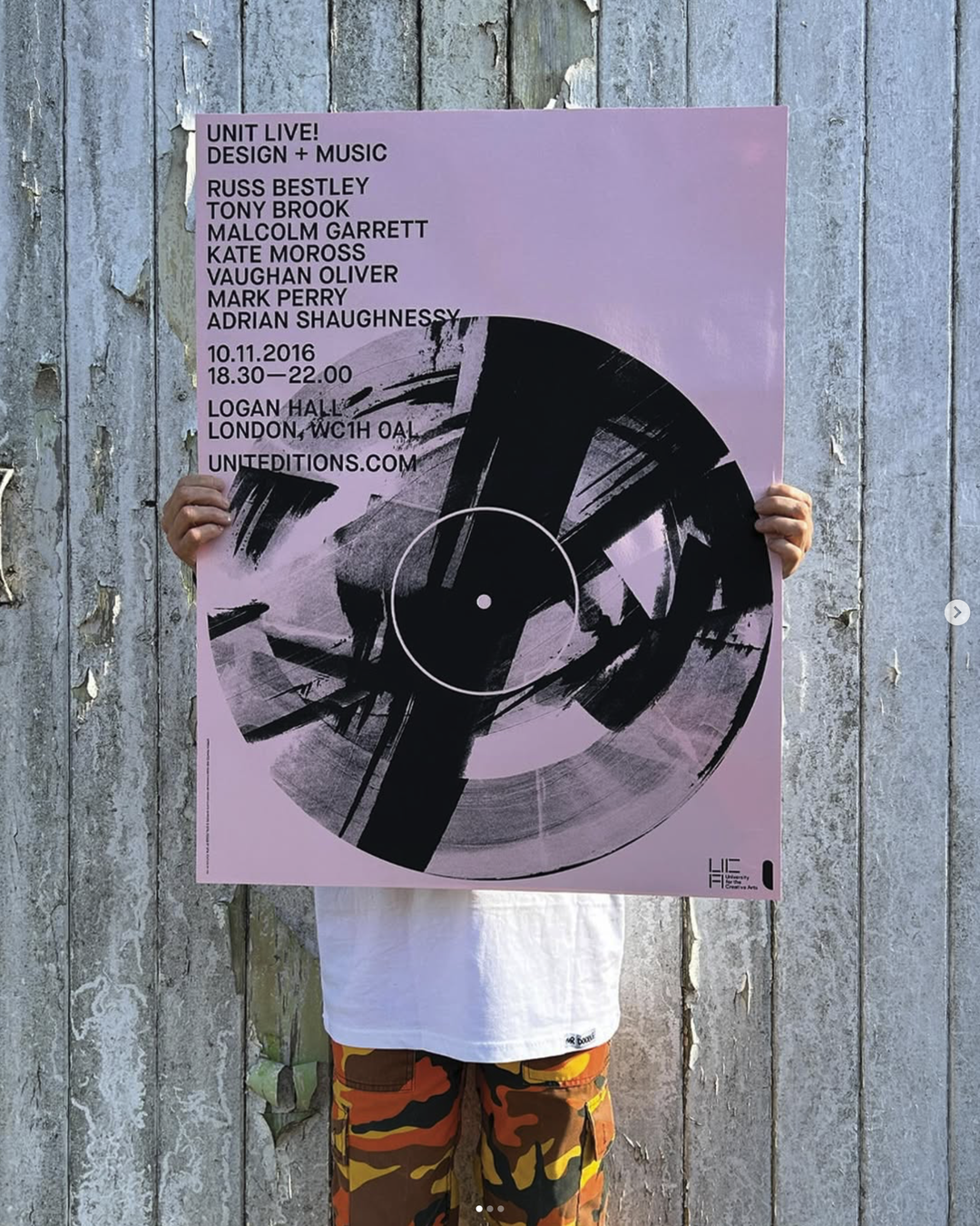
Unit Editions: Poster to promote Unit Live (Copyright © Unit Editions, 2016)
1 of 7
Unit Editions: Poster to promote Unit Live (Copyright © Unit Editions, 2016)
Q&A with Steve Fachiri and Tracey Day of Harvey Lloyd Screens and Owen Gildersleeve, curator of 50 Years of Print.
It's Nice That (INT):
To start – I’d love to hear a bit about your personal connections to Harvey Lloyd Studio, Owen? This isn’t the first show you’ve all worked on together – you previously collaborated with Steve and Tracey back in 2023 on your exhibition Like no Other. What did you learn about their practice from working with them so closely back then?
Owen Gildersleeve (OG):
I initially found Steve and Tracey through Mr Bingo, who I used to share studios with in Dalston. I saw that he’d been doing so much beautiful work with them, and I had this idea for a project where I wanted to create a series of pieces using bold, quite Burrill-esque type overlaid with colour gradients. I thought screen printing would give it the handmade touch I wanted, so I reached out to them both in 2023.
What was so lovely about the first encounter was that they both immediately invited me to their studio to come and visit the space that they’ve had since 1986, which is just oozing with history and creativity. There’s old prints all over the walls, stacked floor-to-ceiling with used paint cans signed by Peter Blake and various others incredible artists. This is how these two often work with artists, in person, in their studio whenever they can.
Tracey Day (TD):
With everybody we work with, we always say come down, come down! Actually working with artists one on one, and letting them have an input in what we do is the way we prefer to work. For Owen’s show Like No Other in 2023, we initially started off with small pieces and then we produced the larger prints when Owen came down to the studio – all three of us were involved in the project’s making.
OG:
They took the idea I had and it made it even more fitting, which was incredible. And I think that’s the magic of what these two do, is that they take people’s creative visions to the next stage and that’s why this show that’s celebrating 50 years of their print practice is so exciting, so vibrant and so diverse. It’s just their ability to bring ideas to life, no matter what they are.
INT:
It makes sense, then, that you’ve come to collaborate with one another again on this show celebrating five decades of Harvey Lloyd and of the contemporary graphic arts scene in the UK really! How did you come to lead the curation on this Owen and what was the process of bringing the show together like as a team?
TD:
The show is actually all down to this man here [points at Owen], because when he was writing up a bio for his show Like No Other, crediting us for the printmaking, he read up a bit more about the studio and noticed we turned 50 in 2026.
OG:
Steve’s initial reaction, when I called him and asked him, “What are you going to do for your 50th?” was “Oh, I don't know, probably go to the pub.” And I thought, maybe we could do something a bit better than that! So I immediately reached out to some of the big artists they had worked with such as Mr Bingo and Anthony Burrill who is really the seed of this whole show, in that he is the guy who found Harvey Lloyd in the Yellow Pages and did that initial set of prints with you, only to recommend Harvey Lloyd to every artist since!
Steve Fachiri (SF):
Before we met Anthony, most of our clients were big London advertising agencies and design groups. We were working on accounts like Mastercard, Body Shop and other big brands. Artist print making was really where we wanted to go and things really steered that way because of Anthony and the circle of artists that surrounded him.
TD:
In a strange kind of way, this lined up with when digital came in and much of that commercial print for advertising dried up – a lot of the work we were previously doing had gone digital, and it just so happened that that was the time that Anthony found us.
INT:
I loved hearing the story from Anthony about when he was looking for a printer at the time, loads of people kind of turned him down because he wanted to print on – I think he was making beer mats? Yes, beer mats. Everyone was like: “Oh, we don’t want to bother with printing on more difficult materials.” But you guys were up for it straight away.
ST:
We weren’t afraid of beer mats! We’d actually done a lot of them before. We’ve printed on all kinds of strange items over the last 50 years – we’ve even made prints that rust for a show at the V&A once.
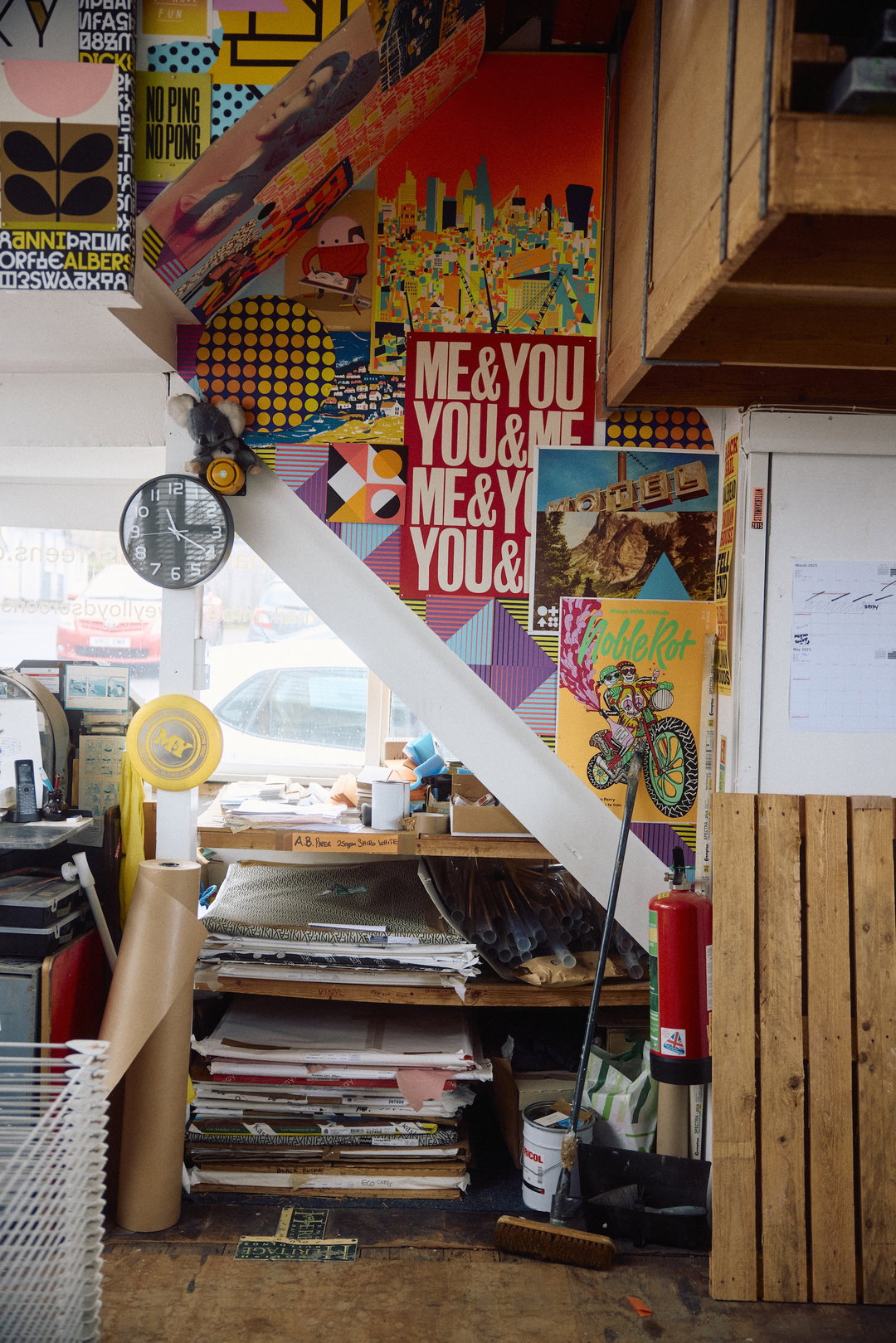
Jack Terry: Harvey Lloyd studio (Copyright © Jack Terry, 2025)
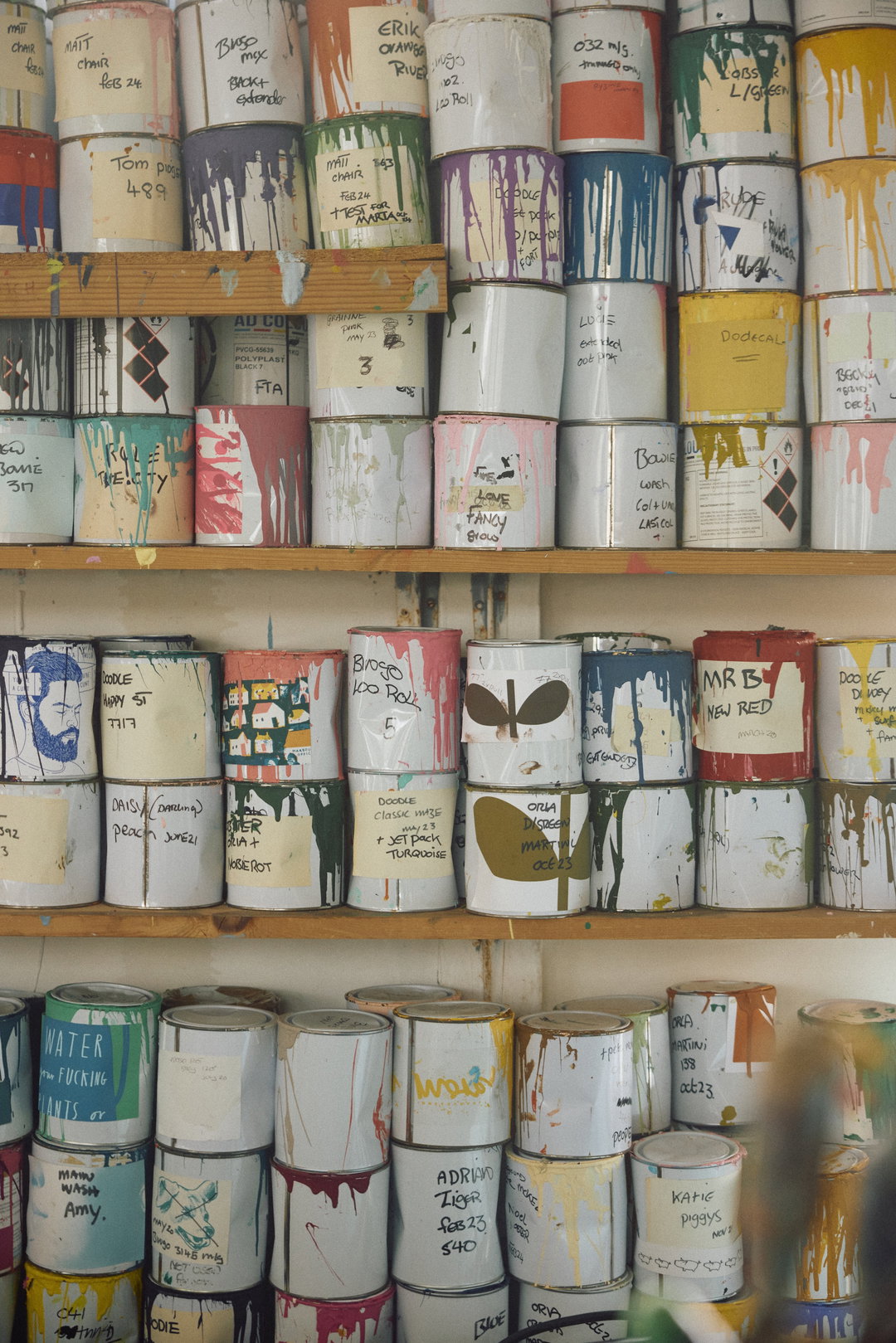
Jack Terry: Harvey Lloyd studio (Copyright © Jack Terry, 2025)
“That’s why this show that’s celebrating 50 years of their print practice is so exciting, so vibrant and so diverse – it’s just their ability to bring ideas to life, no matter what they are.”
Owen Gildersleeve
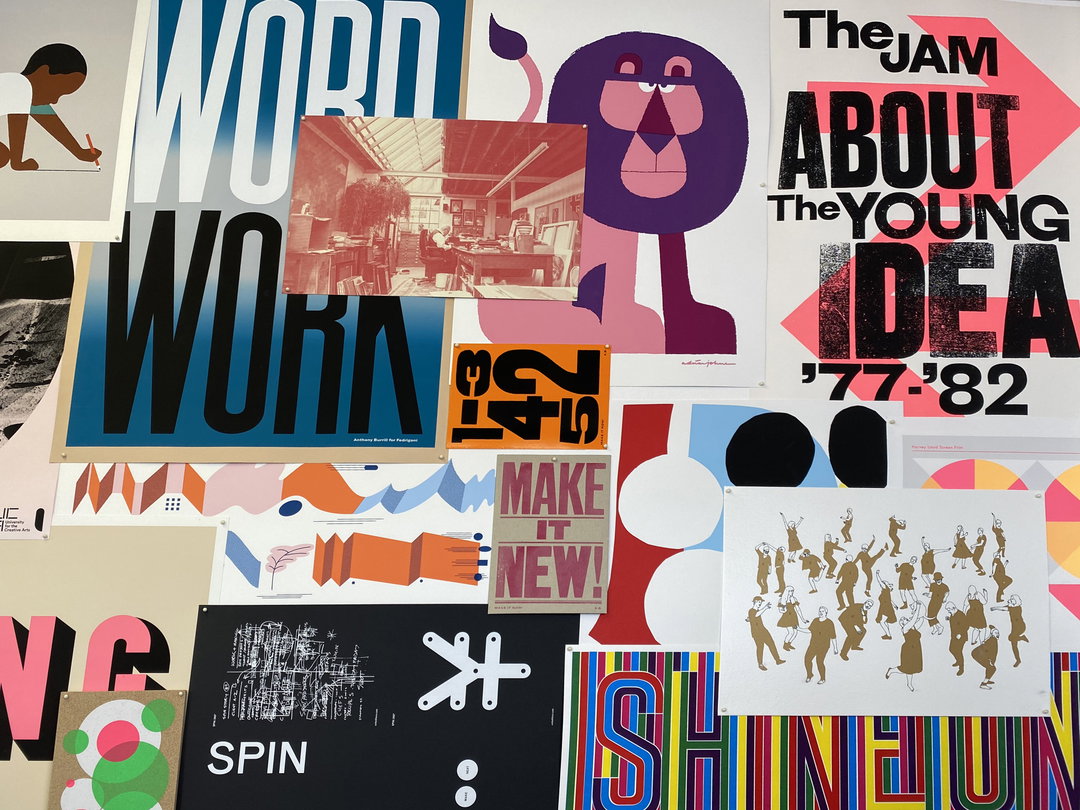
Anthony Peters: Harvey Lloyd studio (Copyright © Anthony Peters, 2025)
INT:
Do you think that spirit of experimentation has steered all the work you’ve done over the years?
SF:
Yes definitely. The nice thing about silkscreen printing is it’s very tactile and physical. There are mistakes that happen within the process, and a lot of creatives actually quite like to keep them in. If you’re doing an edition and you want to test something else or suddenly there’s something slightly odd that happens by mistake on one print, we always operate with the openness that it could become part of the art.
OG:
I think that is the thing that really ties the whole show together is your openness to different types of arts, to experimentation, to different processes. And I think you can see that running through because there’s so many different styles, approaches, and materials – some prints were straight onto wood or cork or various other things.
TD:
We love a challenge. We always find that we’re inputting our ideas into an artist’s work – it really is a collaboration. We just don’t take a get given a brief and stick to the brief.
OG:
Yes, and I think so many unconventional methods have come out of that! I loved seeing your work with Louise Lockhart in particular, because she basically just sends you giant cutout paper and stencils in the post and you print with them. It’s Fantastic!
TD:
Yes, because none of her work is done on the computer she hand cuts everything and sends it to us. Along with one of her children’s books to colour match to the cover. Or in the case of her pear print, she just asked us to colour match it to a real pear. So, I had brought a pear into the studio that day that I was looking at for reference. I was in the process of colour-matching and turned around and Steve had eaten it!
SF:
I actually did, yeh.
“I was in the process of colour-matching and turned around and Steve had eaten it!”
Tracey Day
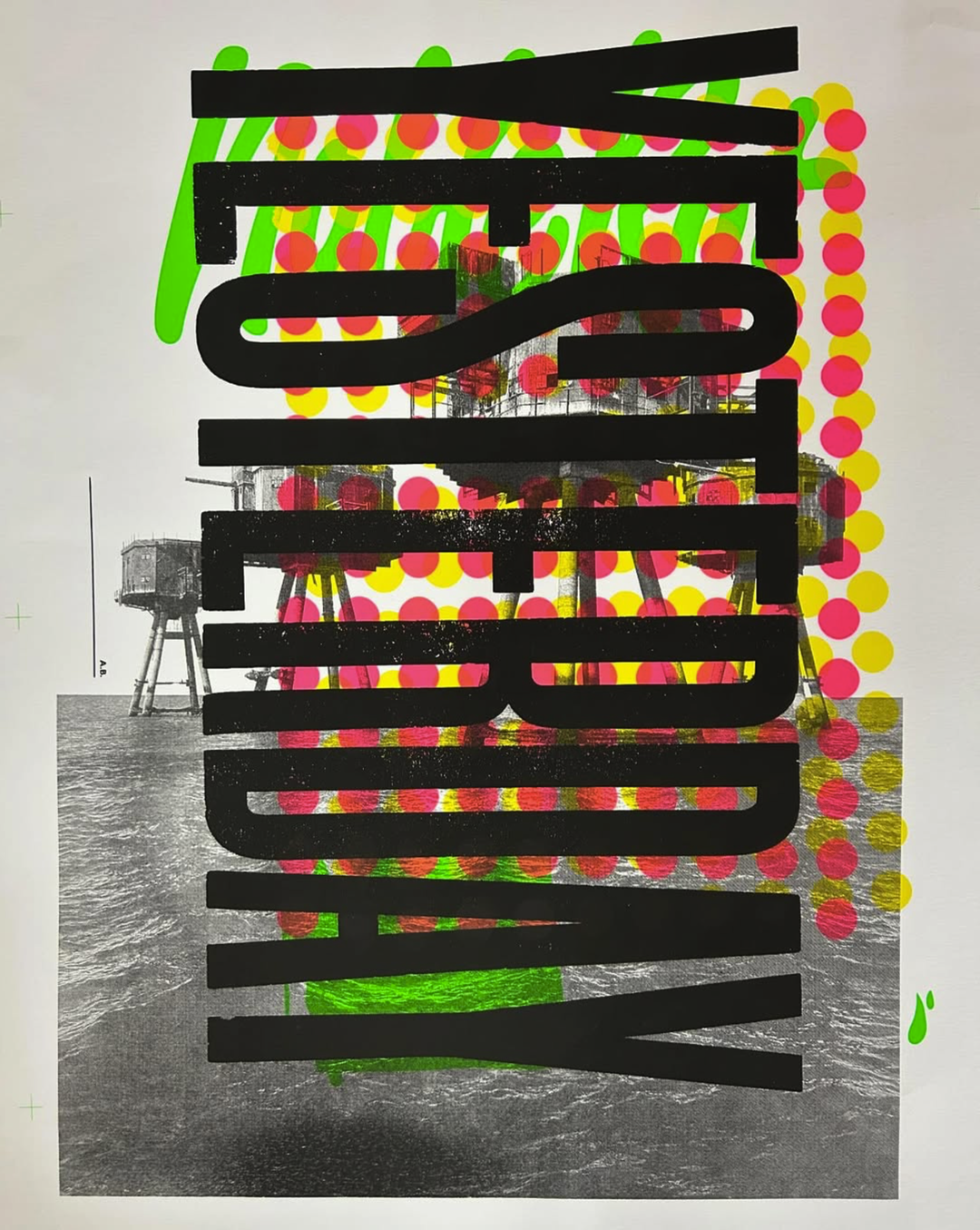
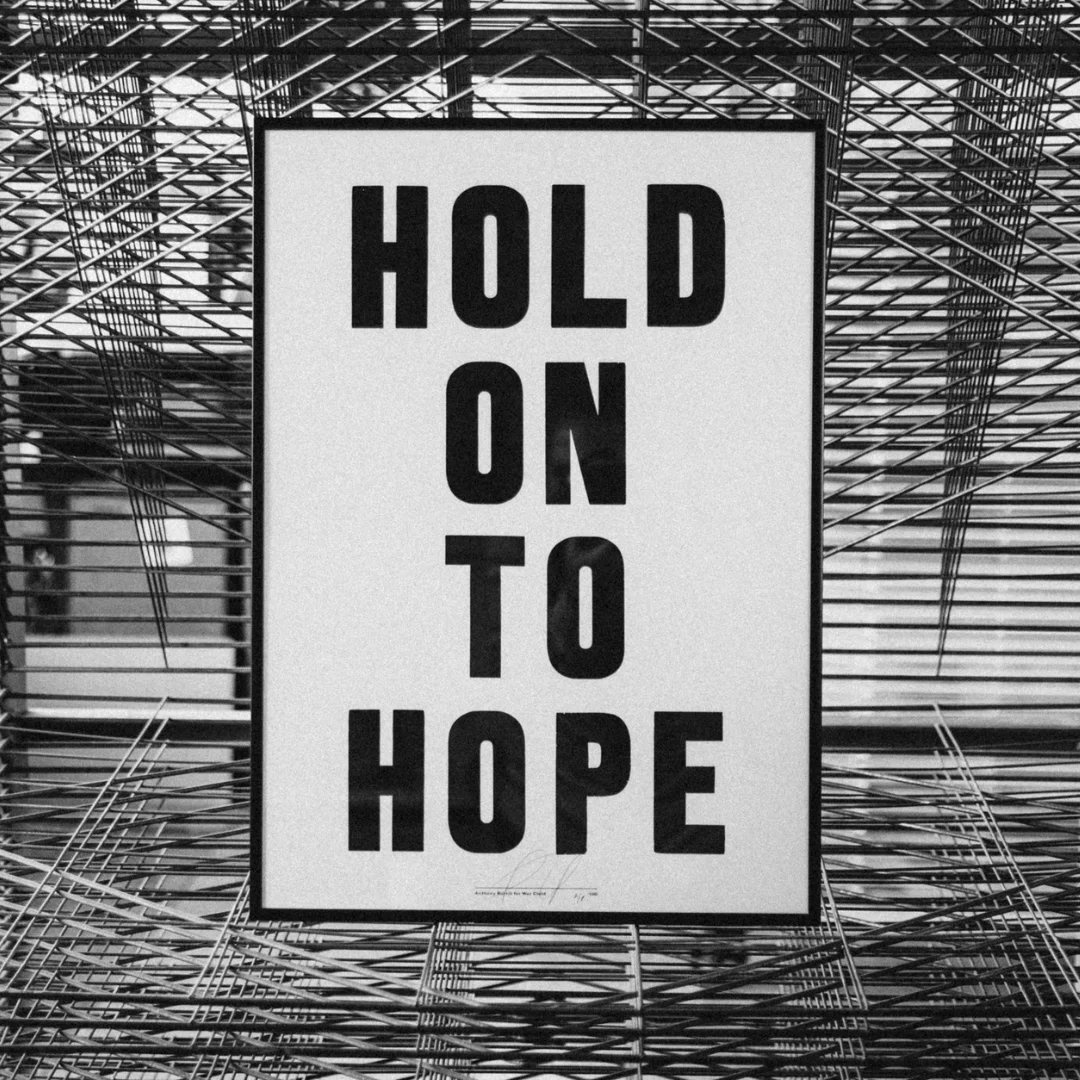
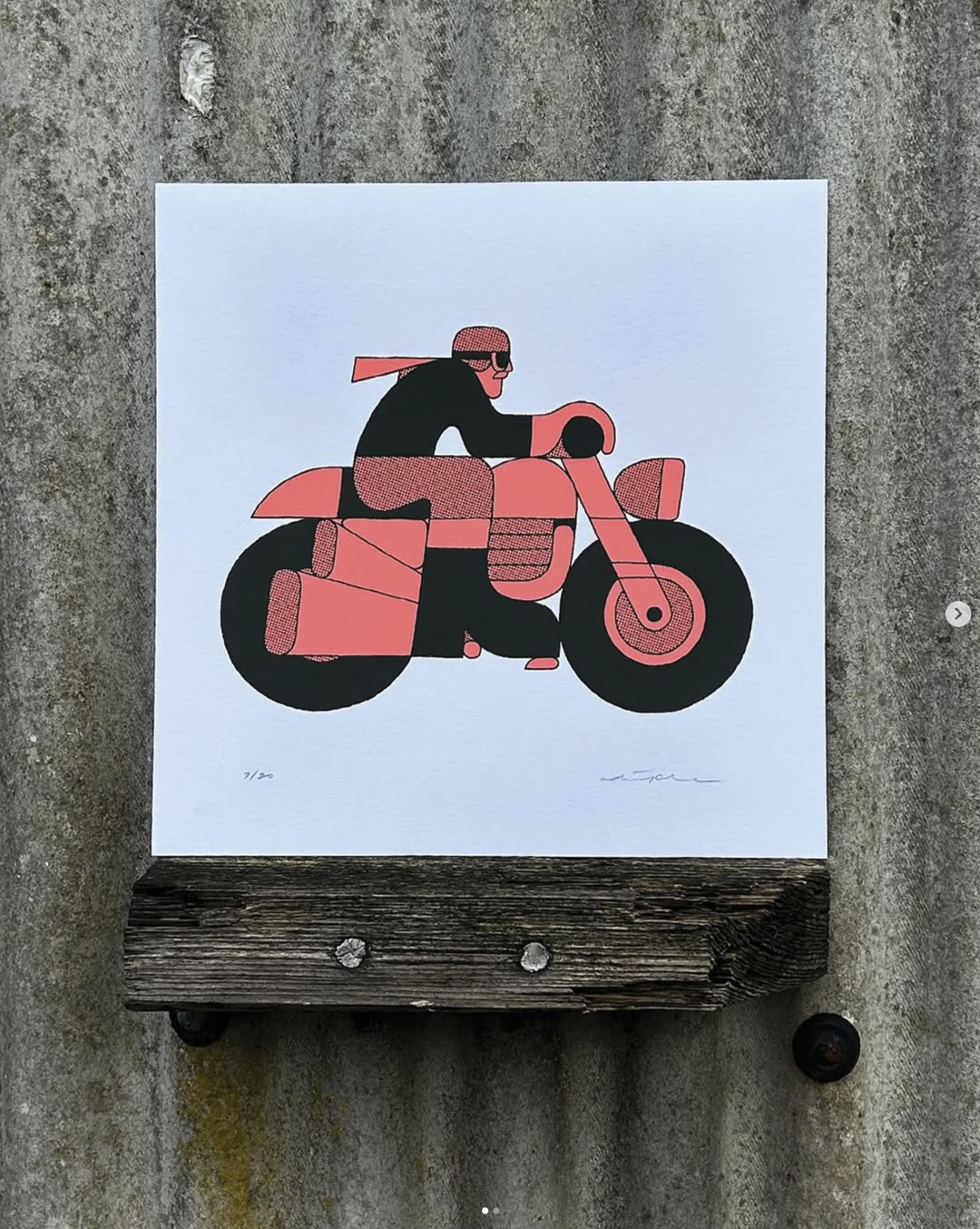
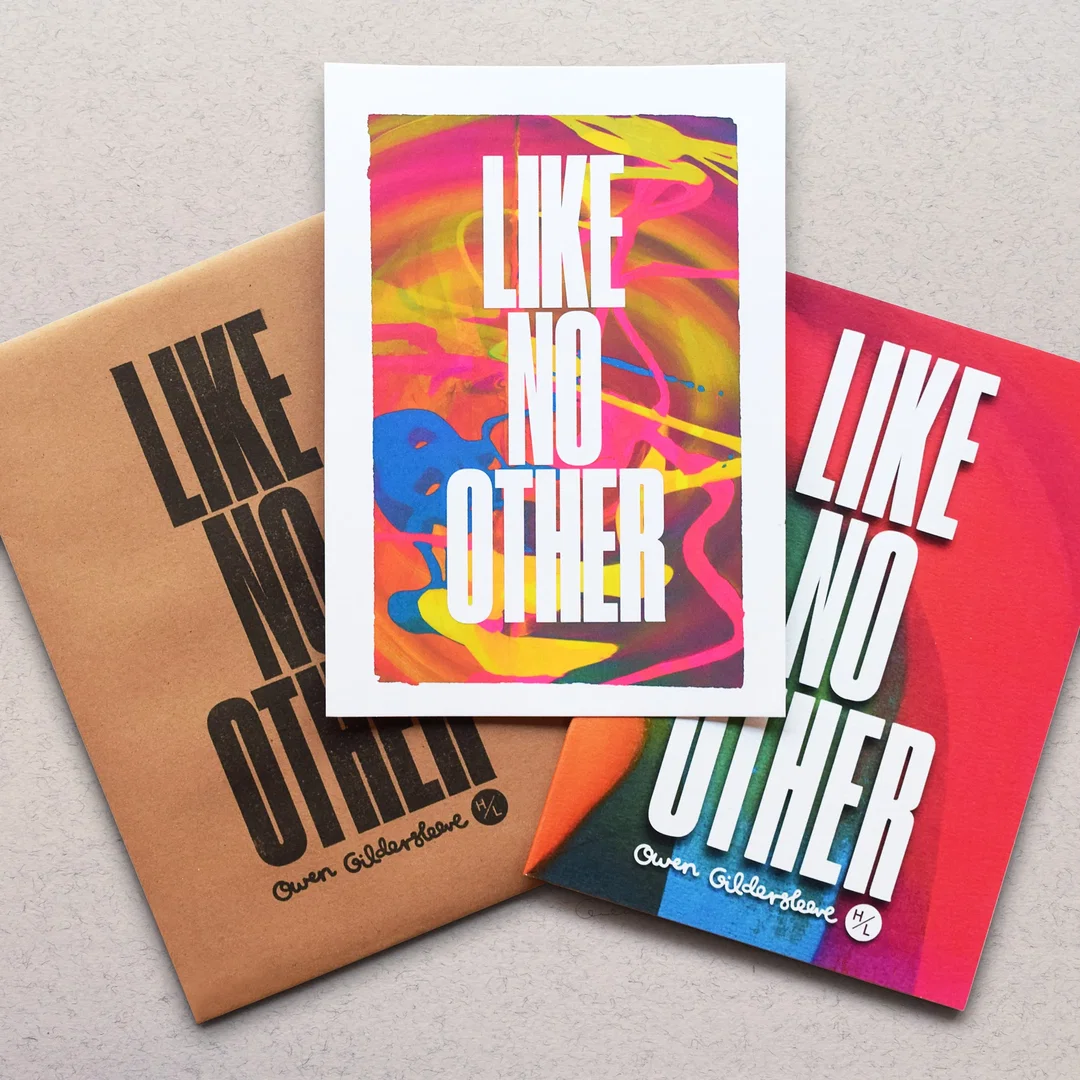
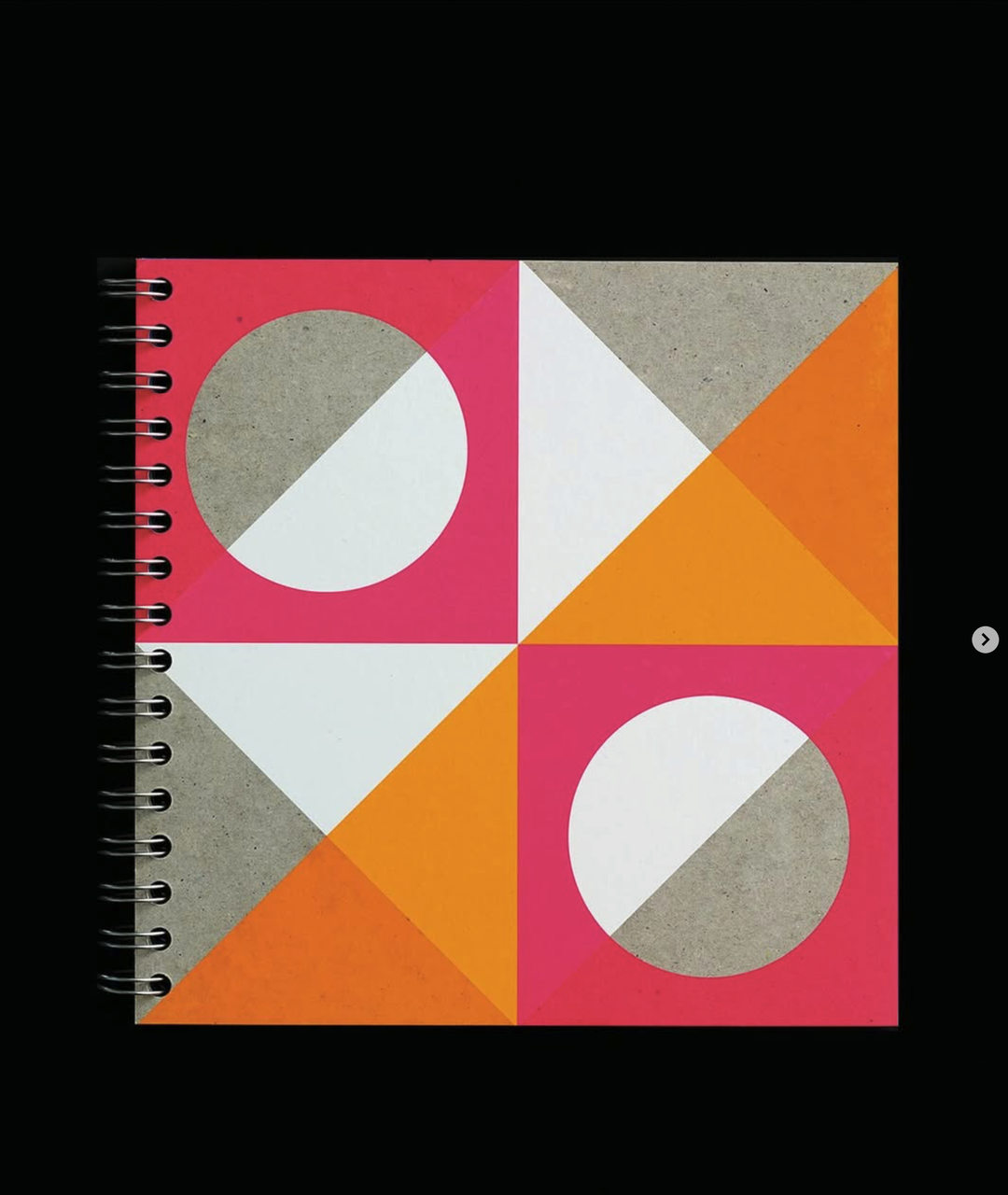
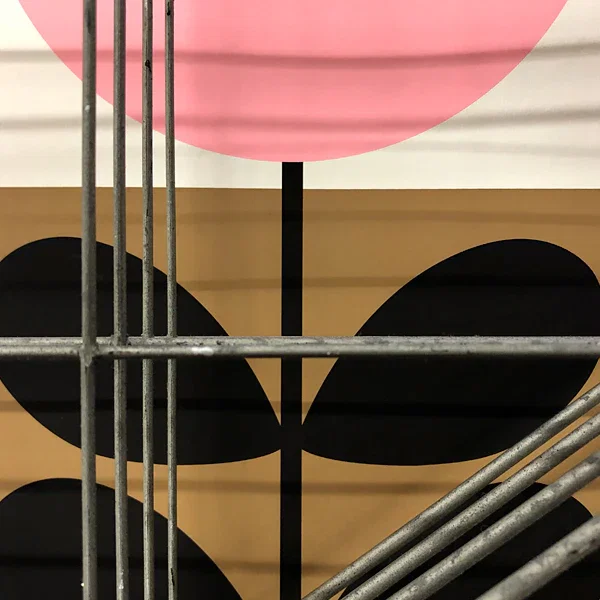
1 of 6
Anthony Burrill, Bethan Davies, Noble Rot & Harvey Lloyd: Running Sheet (Copyright © Harvey Lloyd, 2024)
1 of 6
Anthony Burrill, Bethan Davies, Noble Rot & Harvey Lloyd: Running Sheet (Copyright © Harvey Lloyd, 2024)
INT:
It’s so lovely to hear about how collaborative your process is and how much you work in ways that suit each particular artist best.
SF:
Working with people like Owen and Anthony and Mr Bingo is great because they actually recognise that we have input, and they mention it as well, which is nice. That’s what’s great about artist printmaking – with advertising agencies, you were dealing with an art director, and often you’re completely anonymous. There’s not that closeness to it, you’re just a service provider.
OG:
I think that’s what’s different with Harvey Lloyd. Working with Steve and Tracey creates a space for play. It’s a feeling I had when I first stepped through the studio door. When I’ve reached out to printers in the past, there’s such a lack of connection, you’re just sending your files, they’ll do the print and send it back and because of that, there’s no real space to explore something new.
INT:
Bringing the show together must have been no mean feat. It must have been an extensive process to organise all these works – the Harvey Lloyd archive is huge. Can you give us an insight into how you brought everything together?
OG:
We’ve been working on this show since August last year and for me, it just had to be really methodical. The first thing we were keen to do was just check with every artist to make sure they were happy to be involved. Steve and Tracey went through their whole archive, listing every single print that they had, all the artists, found each of the emails, and then I went through and contacted every single artist inviting them to the show. What was lovely is everyone came back not only saying, “Yes, I'd love to be involved”, but also saying really, really lovely things about Steve and Tracey and how much they loved working with them.
The biggest challenge was then working out what to put up where. It’s been a lot of planning, but we just wanted every artist to feel like they had their work celebrated and give a little bit more space to those artists who’ve done more works with Steve and Tracey. There’s been lots of back and forth – lots of times where these two called saying, “Oh, we found another drawer of prints!” It’s like... What? This wasn’t in the plan! We could have actually probably filled the same space again. It was a huge amount of work – just under 300 prints, so we couldn’t include everything.
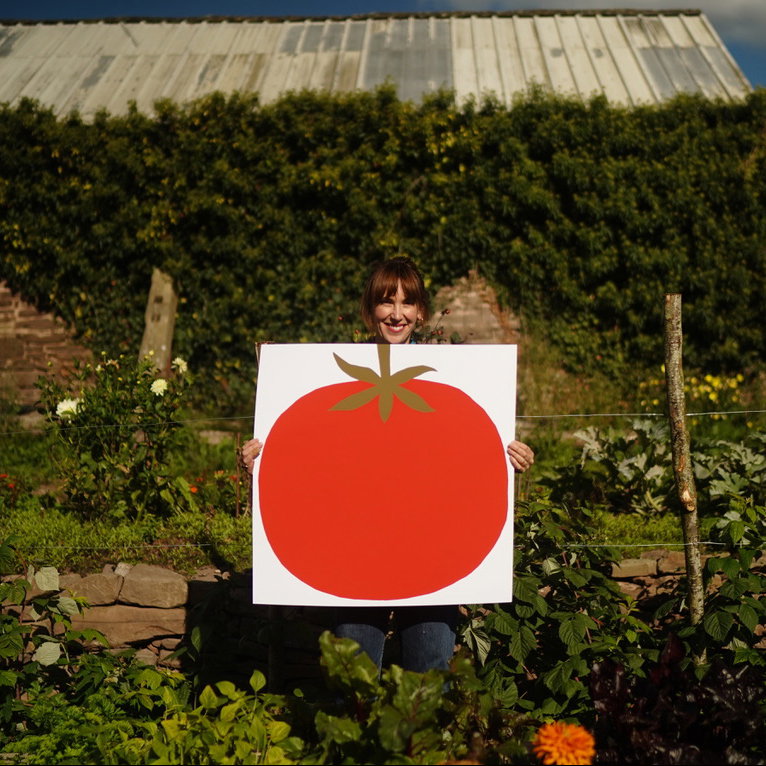
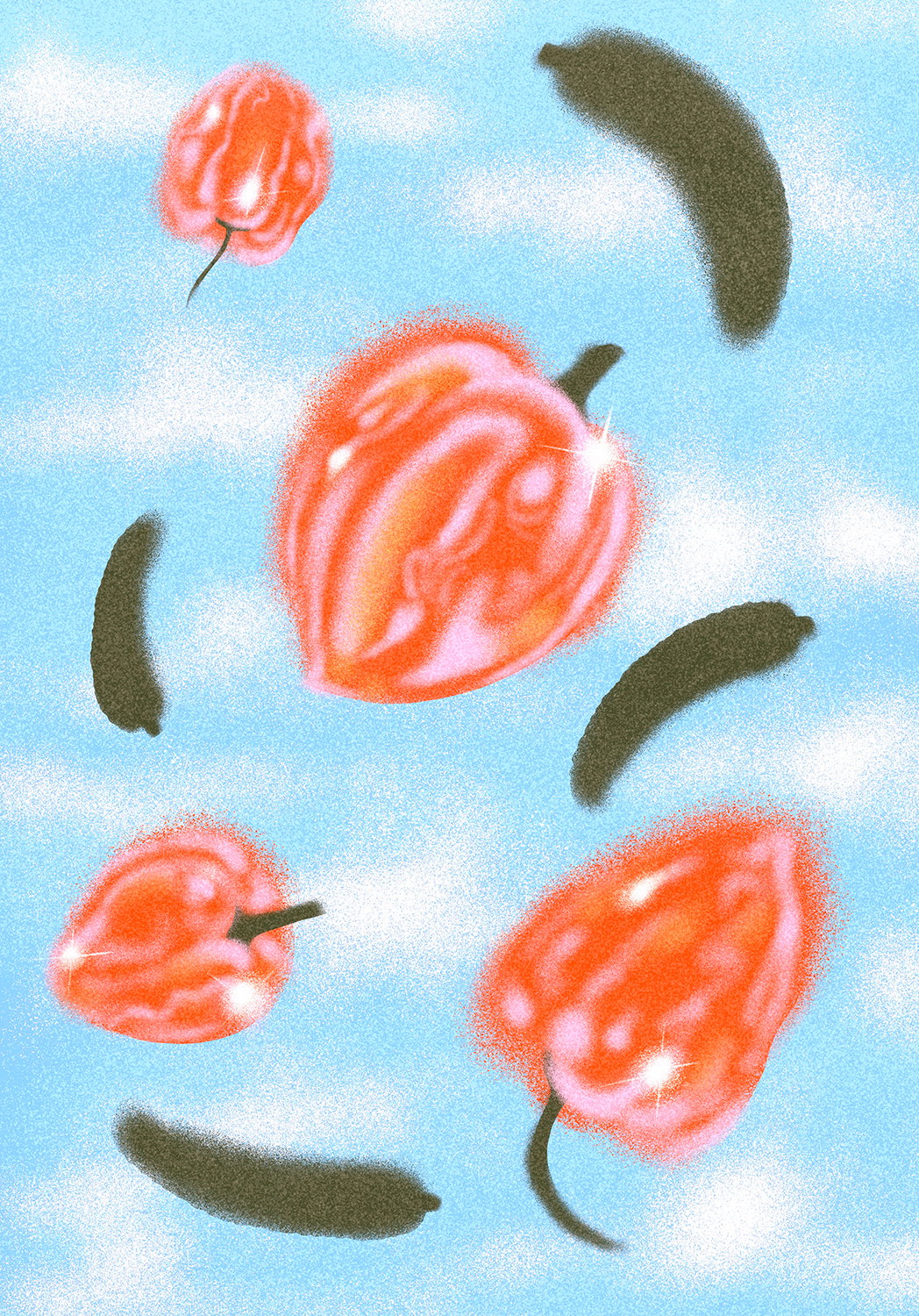
Louise Lockhart: Tomato, Giant fruit prints (Copyright © Louise Lockhart, 2026)
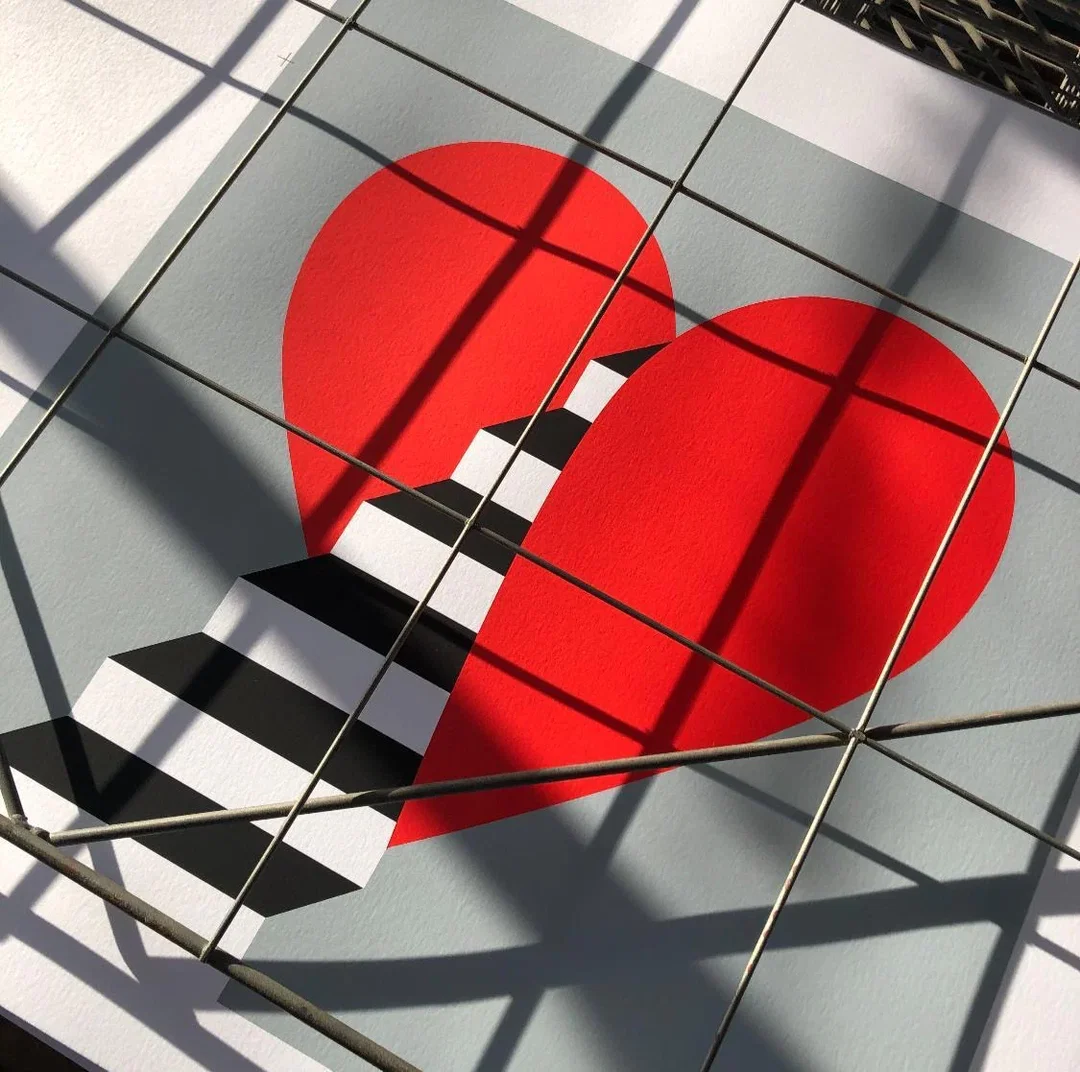
Sarah Boris: One Step (Copyright © Sarah Boris, 2021)
INT:
What reflections has this overview on Steve and Tracey’s archive brought about? Visually, are there any enduring styles or uses of the process that stick out in the collection? Things that have emerged in the last 50 years or things that have come full circle in screen printing?
OG:
I think there’s a real graphic sensibility amongst all of them: simple forms, like really bold uses of typography, celebrations of colour. What’s quite interesting is even though quite a few of these prints are from different stages within your time, I do feel like they all still sit together really well. You’ve got some prints from sort of the early 2000s here, which still look very contemporary on display. So I think there is, in that sense, a very timeless feel to Steve and Tracey’s work.
INT:
Has looking back at the last 50 years of work made you excited for the future of the studio? Can you let us in on any exciting future plans or collaborations happening at Harvey Lloyd? What are you going to do next?
SF:
Probably having a nap. We’ve found that a lot of people have said: “Well, how are you going to grow this?” We don’t need to grow. Tracey and I have worked superbly well together for 38 years. We know exactly what the other one’s thinking and what is needed for each project.
TD:
Yeah, we’re just very happy as we are.
SF:
We might buy a new print bench but we’re quite happy to just keep doing what we’re doing.
Hero Header
Anthony Burrill / Look Again: 50 years of Print (Copyright © Anthony Burrill / Look Again, 2026)
Share Article
About the Author
—
Ellis Tree (she/her) is a staff writer at It’s Nice That. She joined as a junior writer in April 2024 after graduating from Kingston School of Art with a degree in Graphic Design. Across her research, writing and visual work she has a particular interest in printmaking, self-publishing and expanded approaches to photography. ert@itsnicethat.com
To submit your work to be featured on the site, see our Submissions Guide.