


Unpack how Amanita Design created an entire game out of cardboard, paper and 3D programmes
The newest game from Czech games studio Amanita Design doesn’t just think outside of the box, it’s literally made from the box.
- Date
- 9 June 2026
- Words
- Paul Moore
Share
You’re a kid sitting at the giant hunk of noisy plastic also known as the humble 2000’s family computer. On the screen is a world far from our own, but everything about it is strangely recognisable. Fans of point-and-click adventure games largely agree that Amanita Design, founded by game-maker Jakub Dvorský, are some of the best to ever do it. Their first video game, Samorost, perfectly set the tone for the studio’s future output: cute characters, absorbing stories and environments crafted gorgeously out of photographic, natural elements – using real stone, wood and grass textures to make the worlds feel fuzzy and organic.
The Czech games studio’s oddball world-design always explores new feelings through familiar materials. Just like all great games studios do, Amanita are interested in pushing the sensory envelope, whether it’s through bleak metallic hellscapes in which players control adorably rusty robots in Machinarium or a cast of seeds, insects and critters roam a microscopic natural world in Bontanicula. Not to mention, the soundtracks slap. 23 years after the studio’s first game, Phonopolis, a video game crafted almost entirely out of cardboard, paper and paint, is here to become a childhood classic all over again.
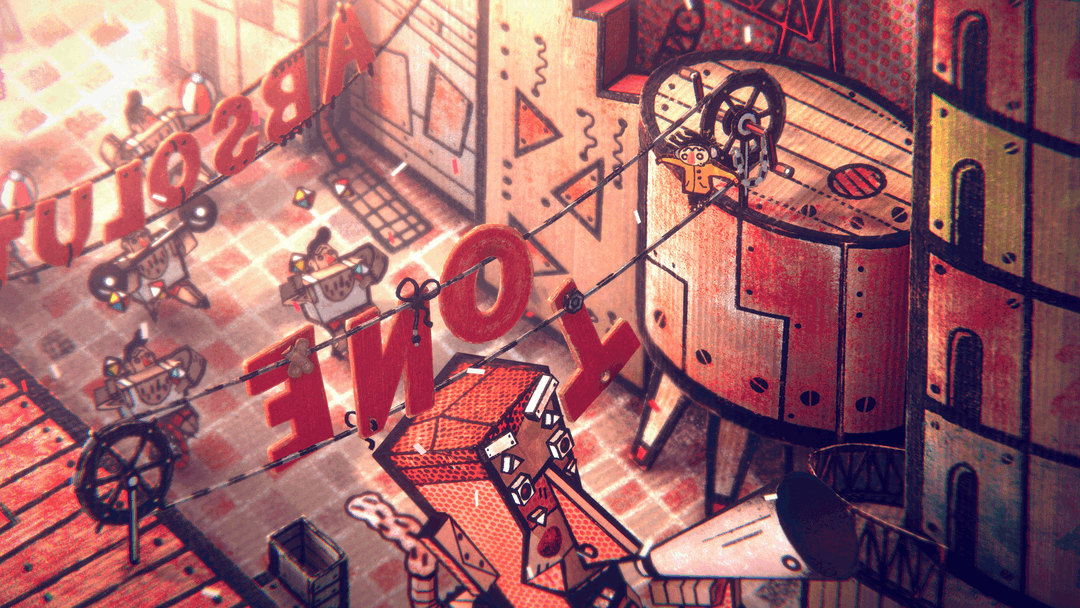
Amanita Design: Phonopolis (Copyright © Amanita Design, 2026)
The puzzle adventure game surrounds the character of Felix, a young rubbish collector who lives in the titular Phonopolis, a city gripped within the iron fist of a fascistic leader who sonically controls society through amplions (no doubt inspired by the classic and obscure 1920s loudspeakers of the same name). After Felix finds a pair of headphones which suppress the manipulative amplions, he sets off on a journey to thwart the city’s oppressors in a rollercoaster story.
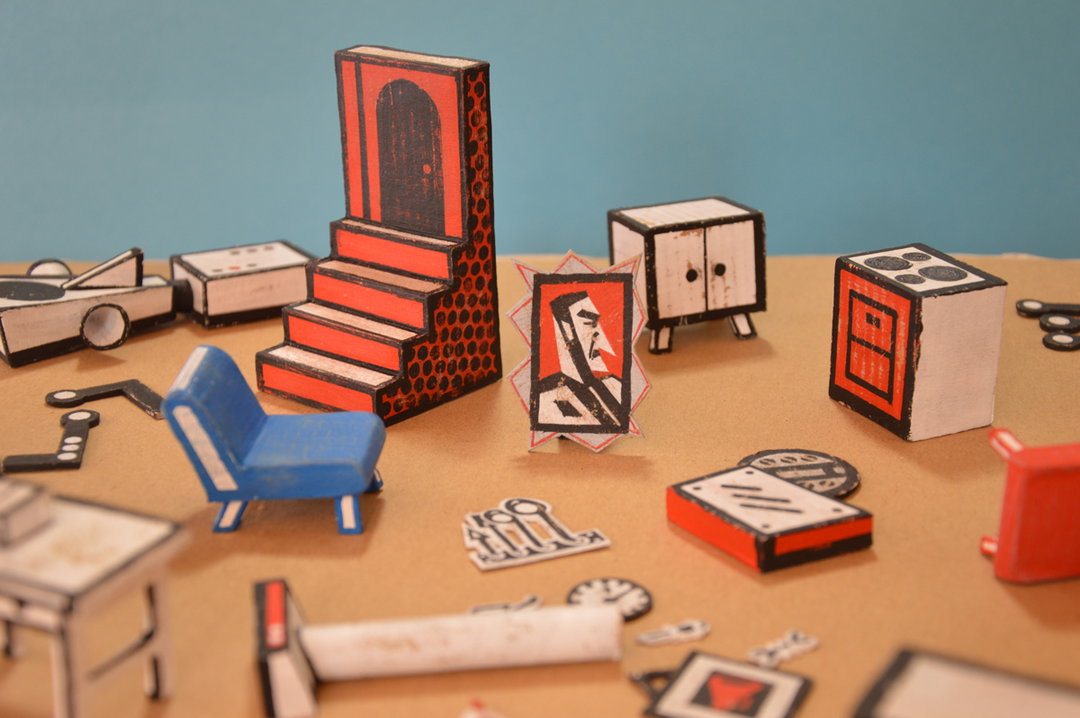
The concept for the game began in 2014 when Petr Filipovic, Eva Markova and Oto Dostal were fresh animation graduates and wanted to create something that felt authentic, auteur and fresh in its approach. As animators, the trio had experimented with different ways to animate with 3D graphics and unique perspectives, not to mention a plethora of different materials, so it was inevitable that they would end up landing on an animated video game made out of cardboard and paper. “The reason we chose paper was because we felt we wanted to work with a material that can be touched, to enjoy its texture and literally experience the whole process first-hand,” says Eva. “Working with paper often provides an irreplaceable quality, but in today’s fast-paced era, it’s quite a luxurious choice. Yet, cardboard is a great, beautiful, cheap and accessible material. It has a suitable volume and a nice colour.”
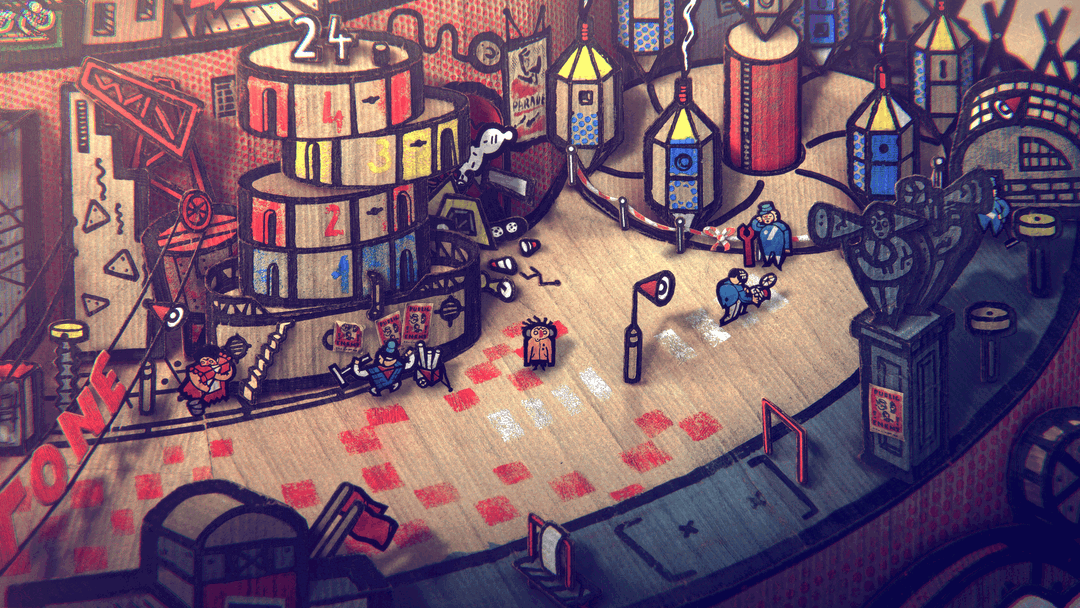
Amanita Design: Phonopolis (Copyright © Amanita Design, 2026)
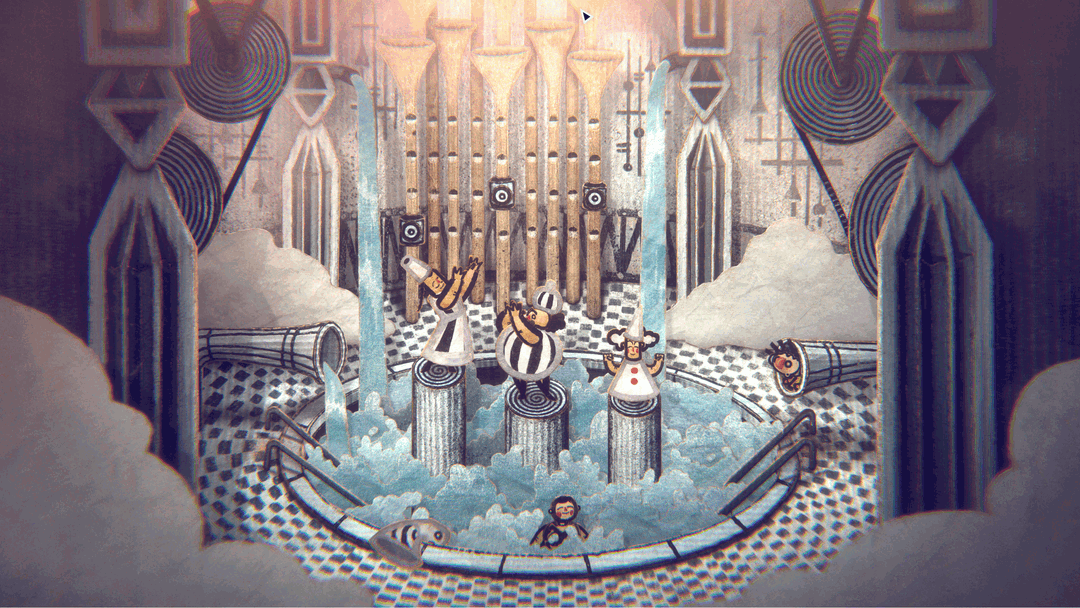
Amanita Design: Phonopolis (Copyright © Amanita Design, 2026)
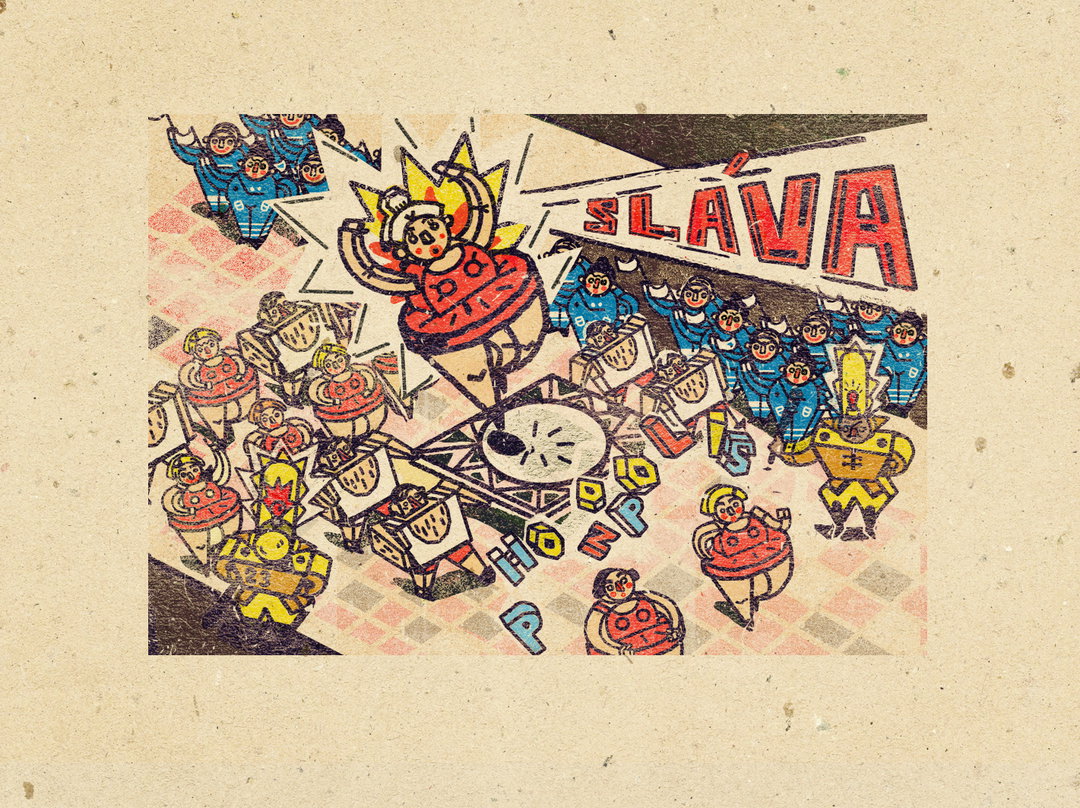
Amanita Design: Phonopolis Concept Art (Copyright © Amanita Design, 2026)
Inspired by the avant-garde movements of the interwar period such as Russian constructivism and futurism, early 20th century propaganda, as well as the novels of Karel Čapek or We by Yevgeny Zamyatin, Phonopolis is undeniably Czechoslovakian. The team aimed for a “greater degree of exaggeration worthy of an animated film,” says Petr, and incorporated much of their childhoods and historical experiences of Central Europe into the game. “As children, we experienced the end of communism and certain formalised behaviours stuck in our memories,” says Petr. “The effort to erase the past in favor of innovative revolutionary ideas, to abandon human sensitivity in favour of the power of the masses, is a chillingly inspiring period,” adds Eva. The game has the same kooky, endearing and exciting organic personality that is so signature to many brilliant Czech films, like Jan Švankmajer’s Alice and the films of Jiří Trnka – the ‘Walt Disney of Eastern Europe.’ When playing the game, you get a brilliant sense of something really working-class through the sheer wealth of familiar materials on-screen – as the player interacts and transforms the world in order to gain autonomy and free his community, they must confront tactility at every turn; the importance of touch and feel in an increasing digital video game landscape (and our reality!)
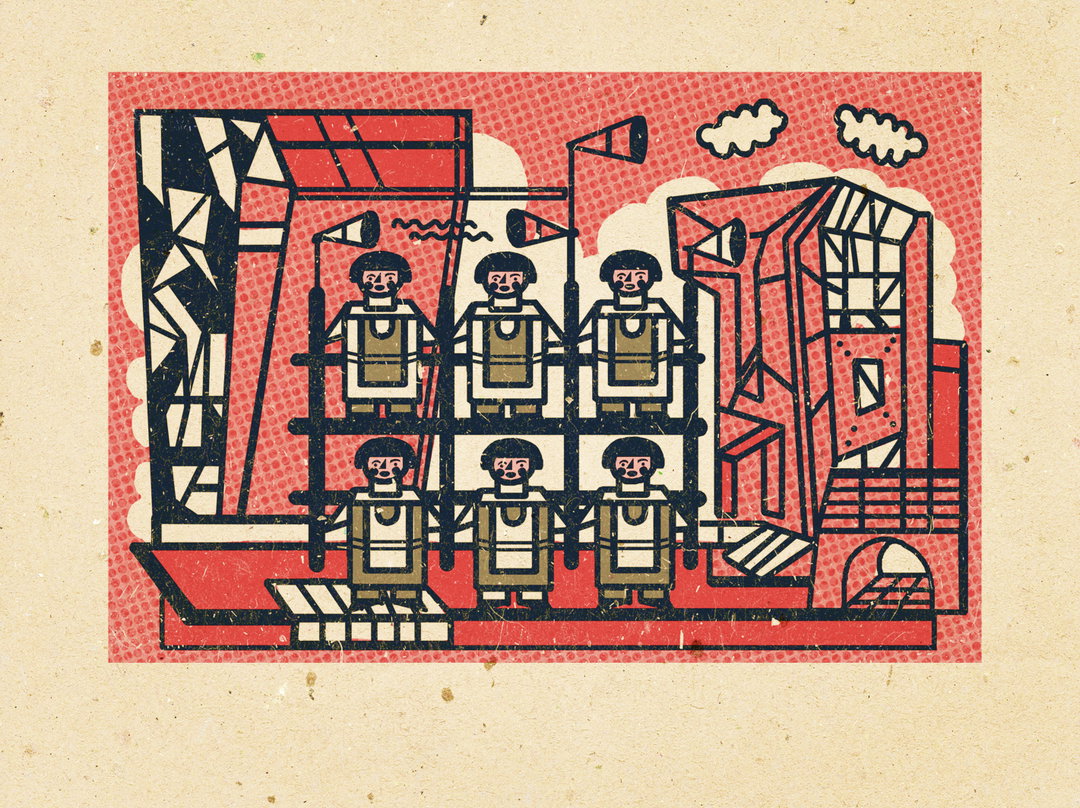
Amanita Design: Phonopolis Concept Art (Copyright © Amanita Design, 2026)
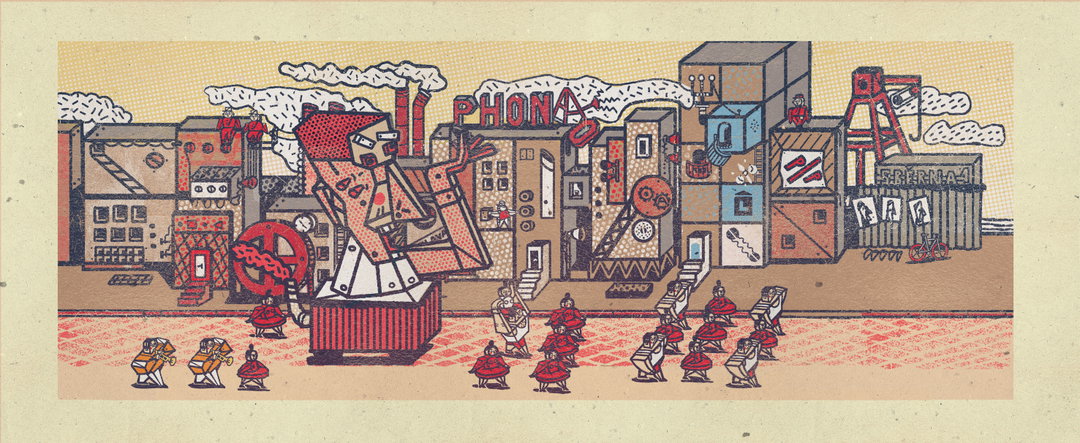
Amanita Design: Phonopolis Concept Art (Copyright © Amanita Design, 2026)
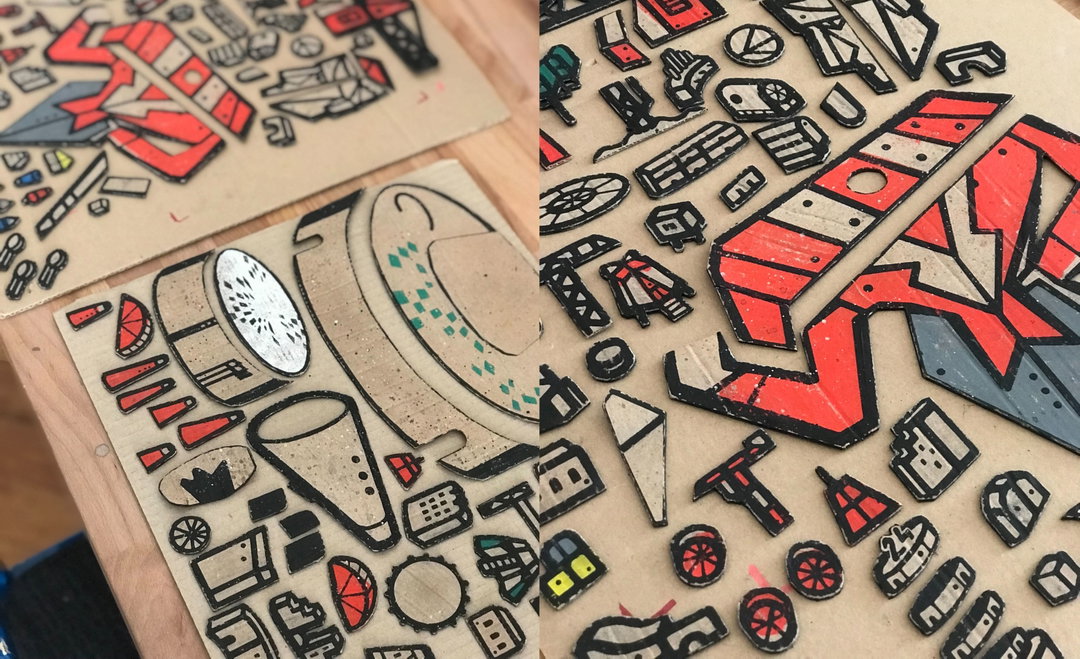
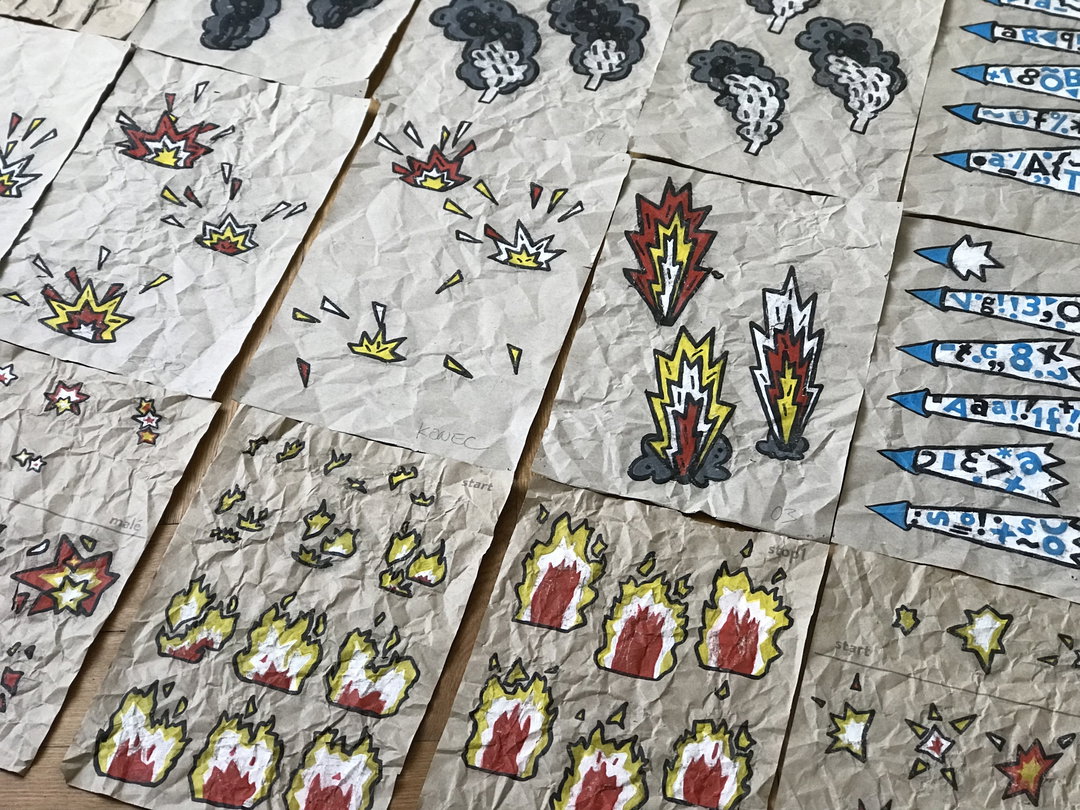
Phonopolis’ aesthetic is one of ultimate playfulness, experimenting with the graphic nature of clean lines, flat colour blocks, three-dimensionality and lighting. “It is a kind of balancing act between graphics, legibility and composition – the materials, contrast in lighting and a sort of believability that we are looking at a paper model,” says Petr. The game originally used photographed sets in the game, but to focus on the crucial interactivity of the game, the team transferred the sets into a 3D engine, where the individual interactive elements could function freely and responsively. “At the beginning, a sort of simplicity and even childish playfulness was important to us. The cardboard models were a big challenge, we didn’t want to just make a ‘paper game,’” says Eva. For the game’s textures, the team scuffed surfaces with sandpaper, bent it, gave it patinas then mapped it into the game’s 3D space using the programme 3D Studio. One shudders to think of all of the paper-cuts and eye-strain involved in making this cardboard-opus.
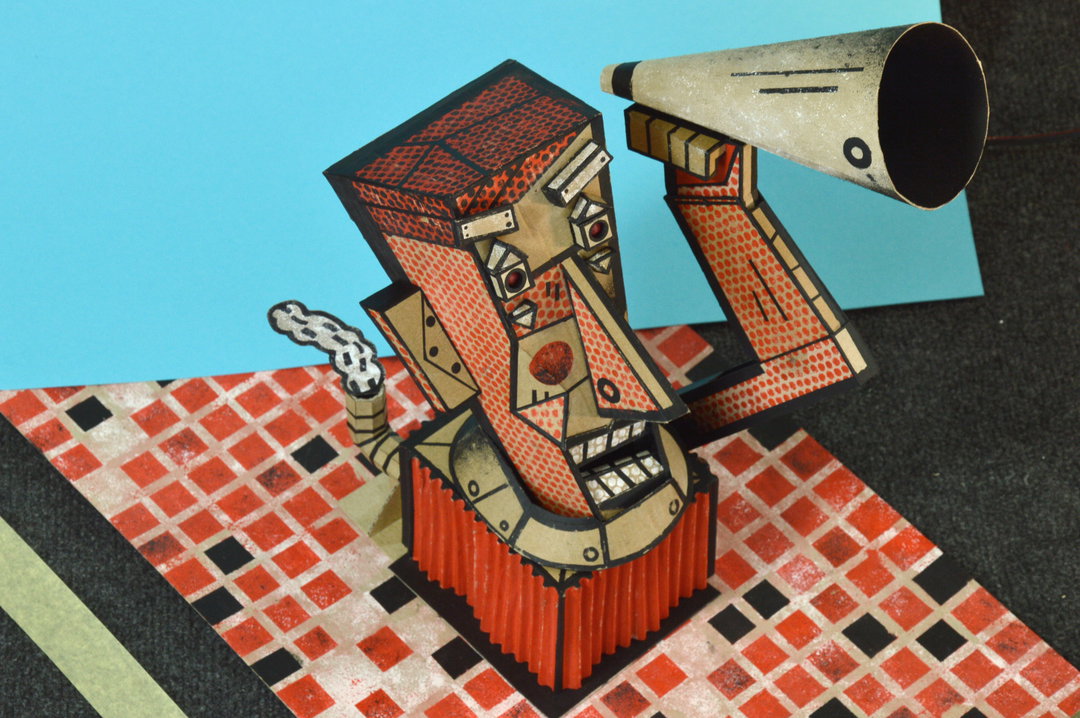
Amanita Design: Phonopolis BTS (Copyright © Amanita Design, 2026)
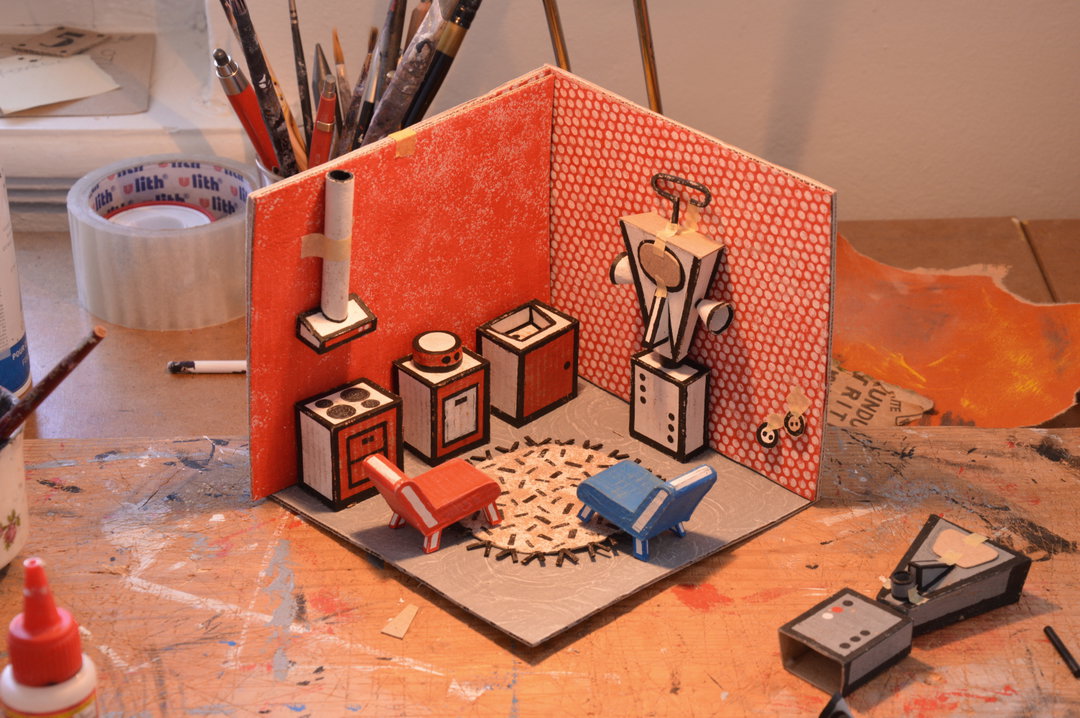
1 of 4
Amanita Design: Phonopolis BTS (Copyright © Amanita Design, 2026)
1 of 4
Amanita Design: Phonopolis BTS (Copyright © Amanita Design, 2026)
The enigmatic catalogue of Amanita Design’s games didn’t only grace our childhoods, but also the team behind Phonopolis, who played Machinarium when they were still studying. “We looked up to it, and it undoubtedly influenced us. I think we have a similar approach. We want to create interesting auteur worlds, and we like the multidisciplinary nature of game development – the synthesis of story, game design, visuals, sound and music,” says Petr. “Phonopolis is our first fully professional game project. The studio’s experience from previous projects reached us mainly thanks to Jakub, who gave us good advice many times and without whom the project wouldn’t have had a chance to be created.” Perhaps Phonopolis will lay the foundation for a new generation’s formative memories of challenging, bizarre point-and-click adventure games, just like how Amanita Design has been doing for two decades. This cardboard dystopia awaits your liberation.
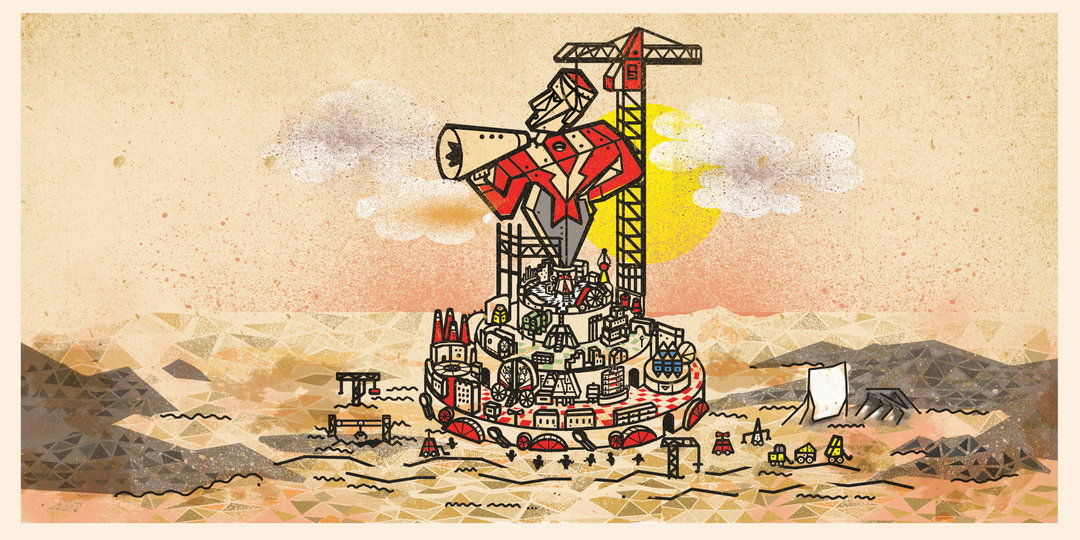
Amanita Design: Phonopolis Concept Art (Copyright © Amanita Design, 2026)
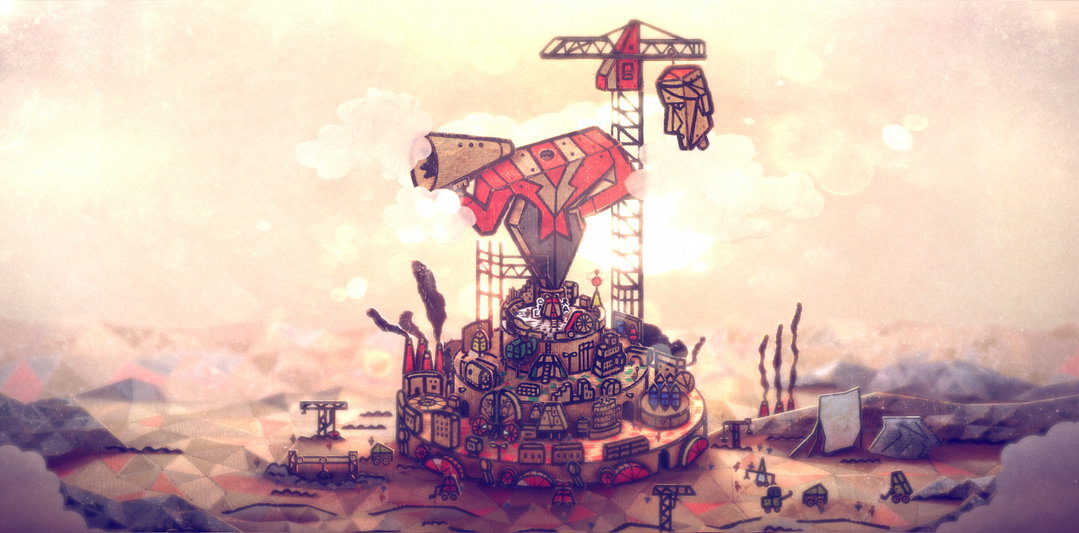
Amanita Design: Phonopolis (Copyright © Amanita Design, 2026)
Hero Header
Amanita Design: Phonopolis (Copyright © Amanita Design, 2026)
Share Article
About the Author
—
Paul M (He/Him) is a Junior Writer at It’s Nice That since May 2025. He has a strong interest in graphic design, digital kitsch, multimedia painting, collage, nostalgia, analogue technology and all matters of strange stuff. pcm@itsnicethat.com
To submit your work to be featured on the site, see our Submissions Guide.