- Words
- Owen Pritchard
- —
- Date
- 6 October 2016
- Tags
Past and Present Dreams of the Future: Benedict Redgrove chronicles Nasa
Share
Share
“The whole space race was, genuinely, my earliest memory. I remember being in a pram at a friend of my mums house. It was a dark room, there was no-one else in the room and on the TV there were images of people walking on the moon,” says photographer Benedict Redgrove. “That stuck with me. I love the tech and design side too. This was the brave new world.”
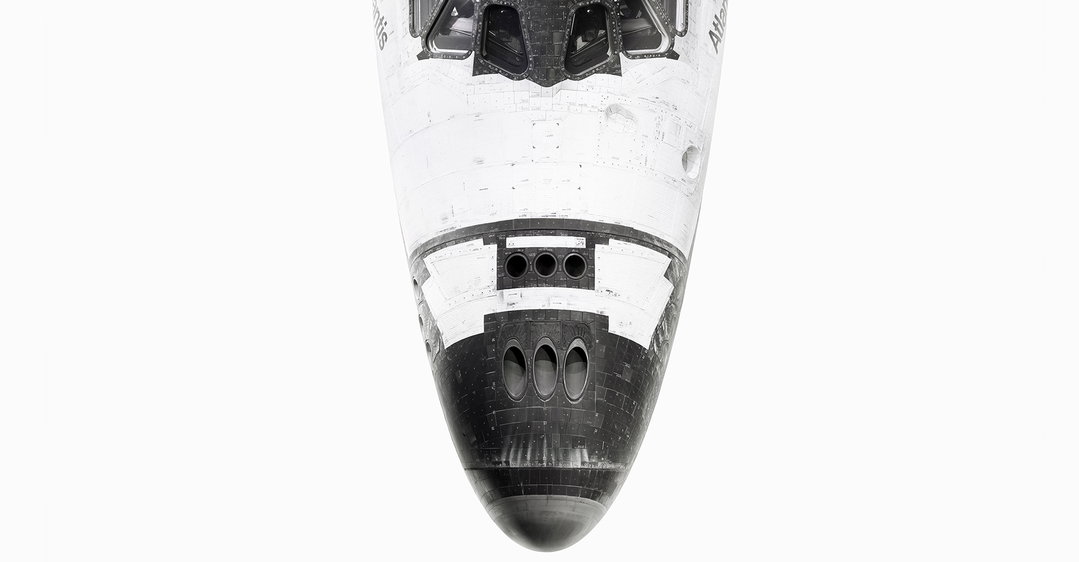
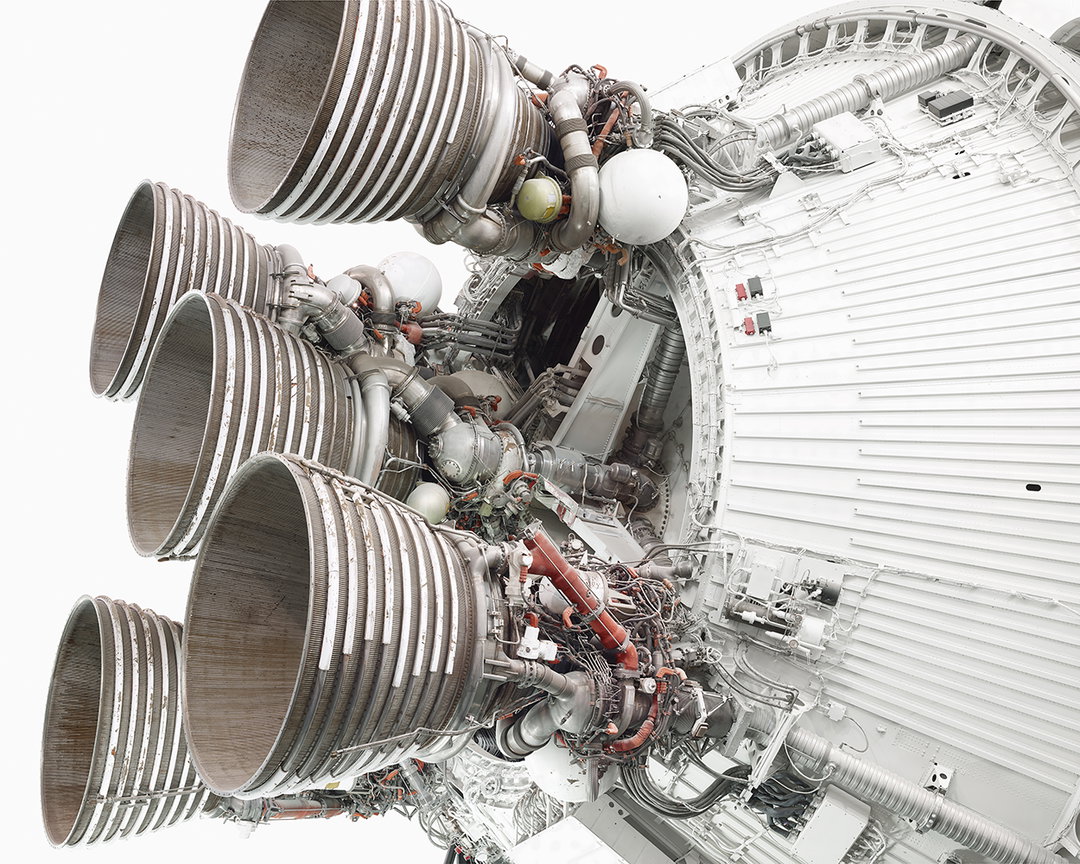
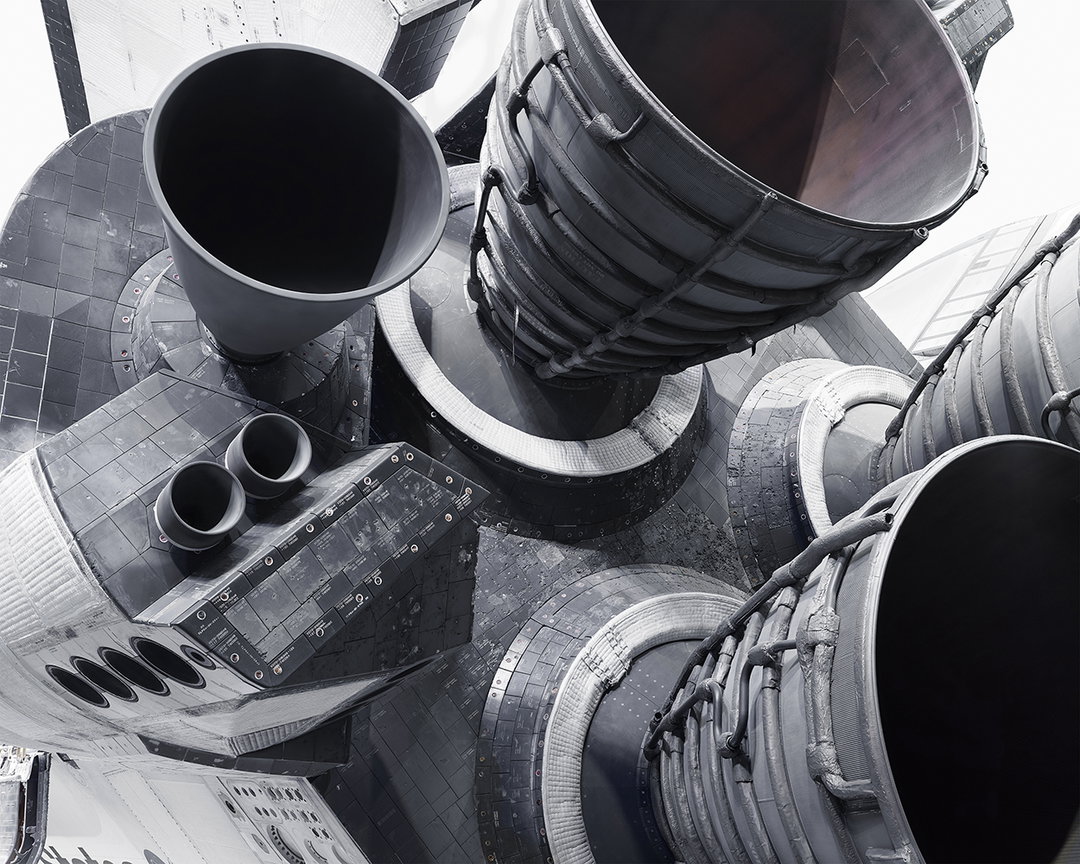
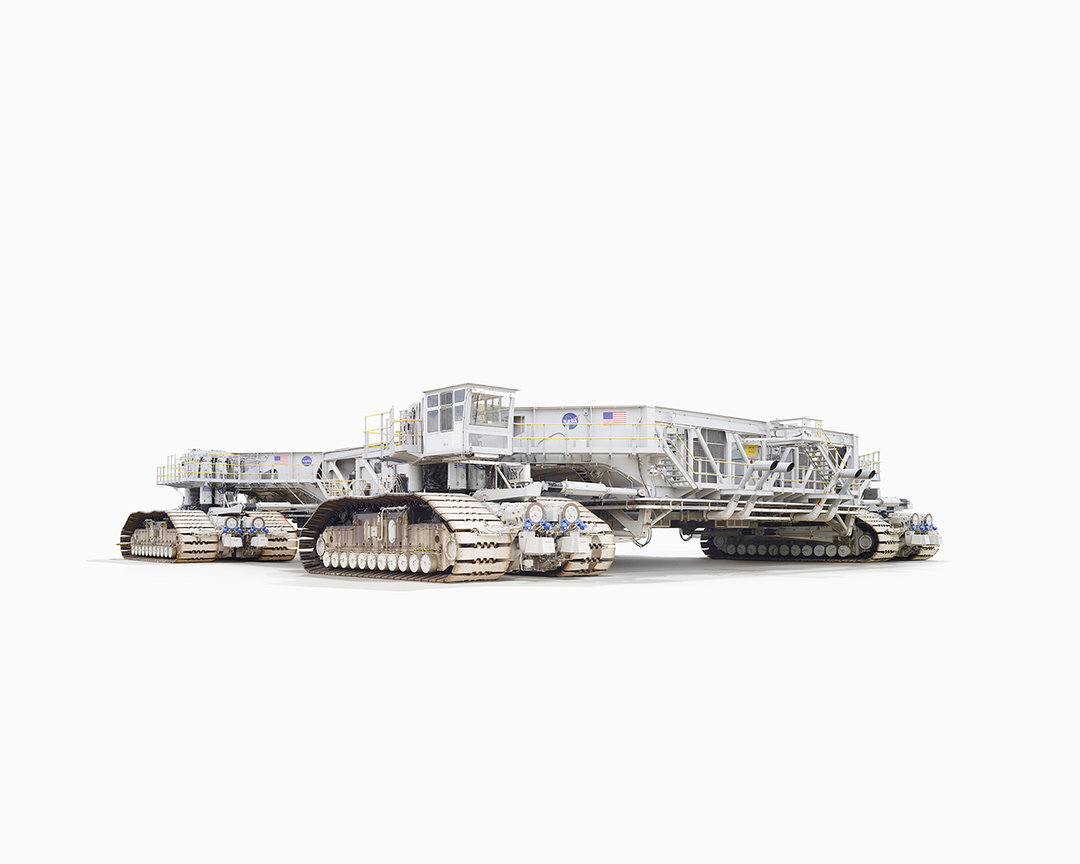
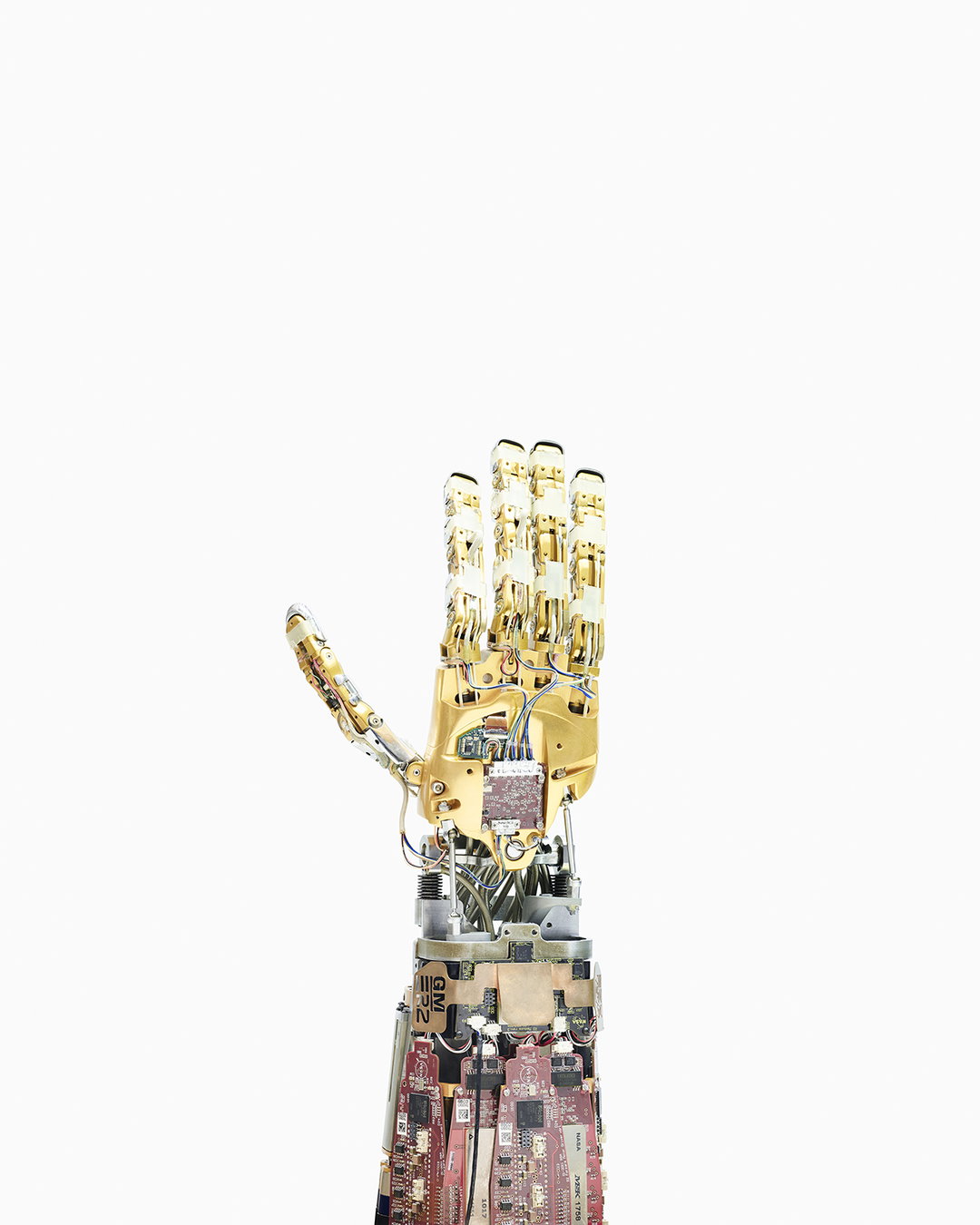
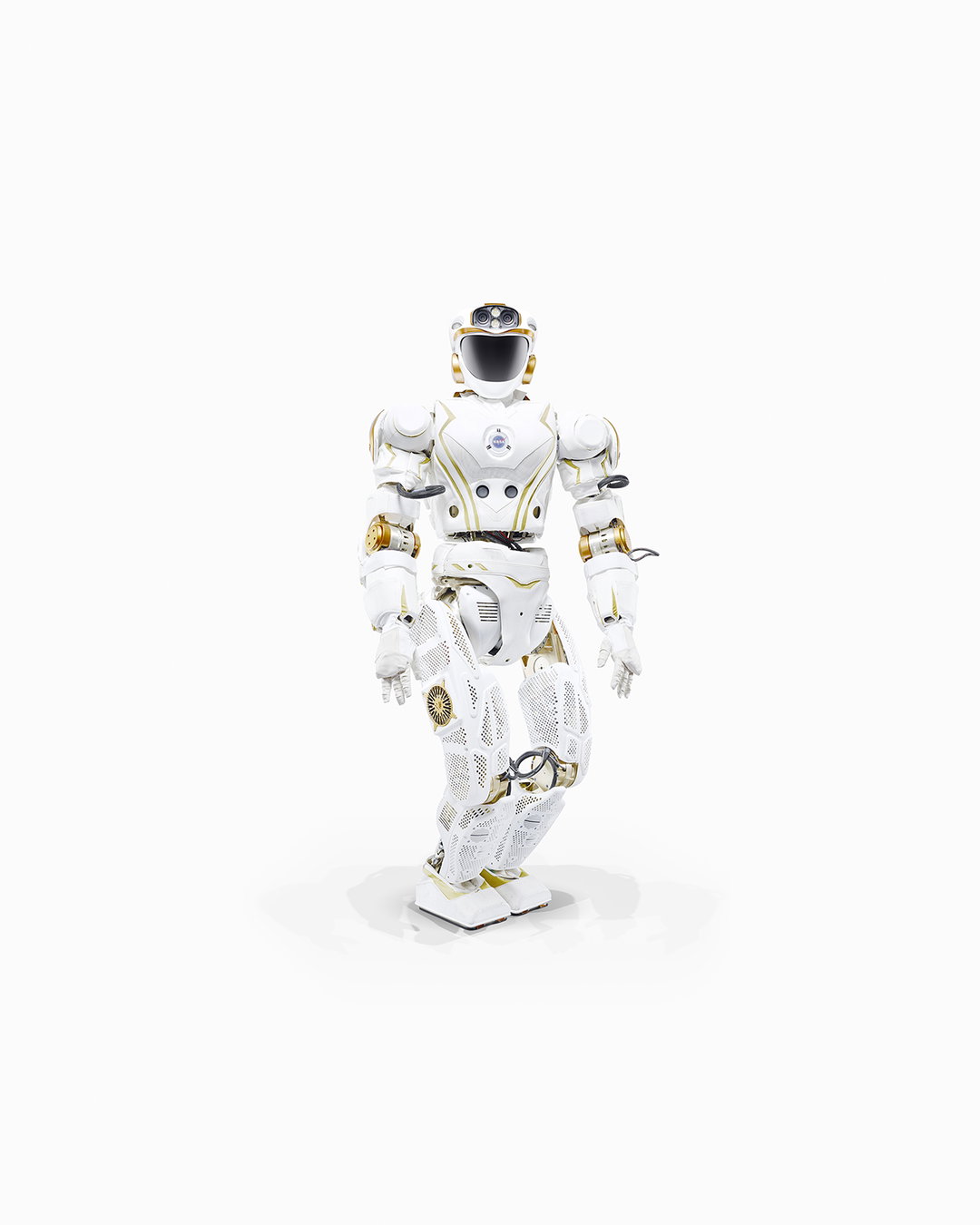
Today, Benedict has unveiled a project seven years in the making. Past and Present Dreams of the Future is an extensive and captivating survey of Nasa Technology. Benedict captures everything from space shuttle Atlantis, the awe inspiring Vehicle Assembly Building and the new Orion Crew Module, to the latest updates with robot Valkyrie R5 and Boeing’s Starliner capsule. The project, in collaboration with Wired UK, began in 2010 and and will culminate with the launch of the new SLS rocket in 2018, when the works will be exhibited. The large scale images celebrate the scale, majesty and intricacy of the technology Nasa has developed for space exploration. “It’s been a seven year labour of love and about not giving in and there are still two years to go,” explains Benedict. “We have shot about half of the images so far.”
We caught up with the photographer to learn more about this epic project.
How was the idea conceived?
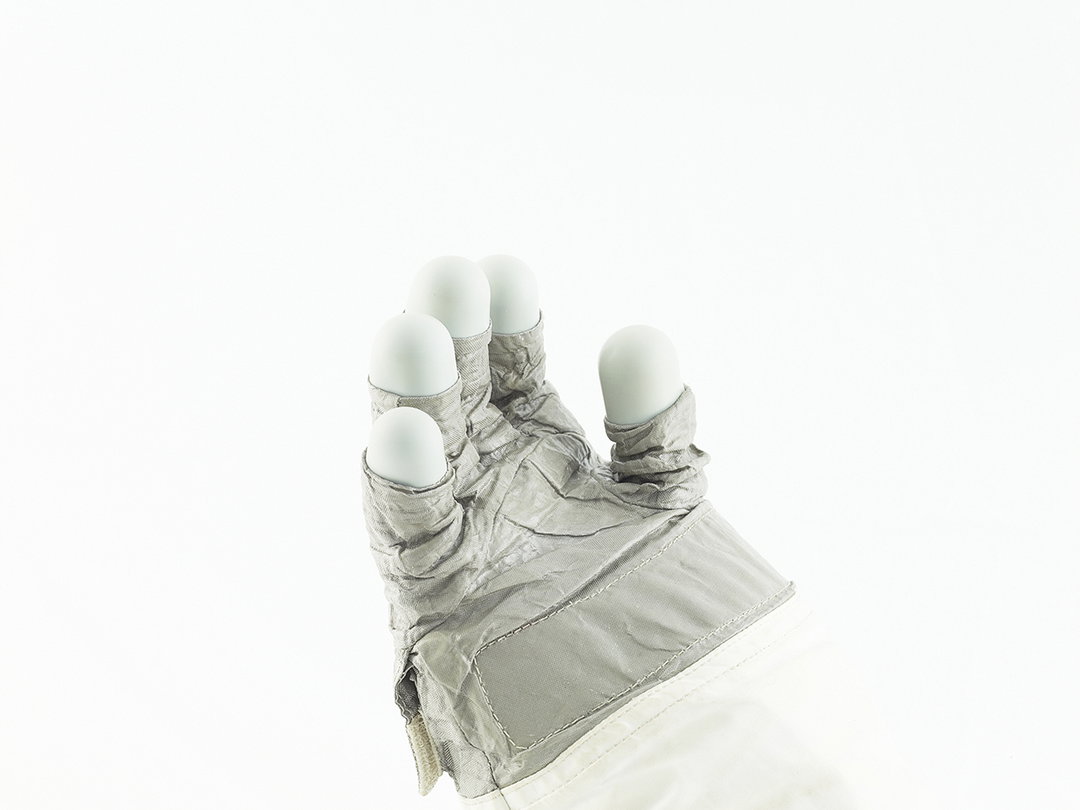
It was about seven years ago. I was in New York with a friend of mine Phil Toledano, an artist and photographer. We were chatting about projects that we wanted to do. I said I wanted to shoot people more, but because of my approach to things, I was interested in how they relate to machines and suits. I wanted to a project called Second Skin about people in their work environments and the suits they have to use, and how this might affect their persona. Working apparel protects you from the environment you are in, but you become a character, a superhero of sorts. The ultimate example of this is an astronaut. When you look at an astronaut, particularly the specialists, they are really nice, slightly geeky people. But after you stick them in a space suit they become this amazingly heroic character.
Where were the images taken?
The images were taken at the Kennedy Space Centre, Johnson and the Smithsonian. The places are insane, you can’t see everything at these facilities they are so large. The next images in the series will show the lunar lab and training facilities that are highly restricted. There are rocks from the moon in there.
How did you create the images?
The images are shot on an Alpa and are made up of multiple stitches. The camera moves left, right, up, down on an x-y axis. So you take the frame of the shop and divide it into four. So rather than your chip reading 30 megapixels for the whole image, we are shooting on between 60-100 megapixel chip and shooting in sections, so you make up the shot by stitching it together. Some of the images are made up of 60 individual images. My retouchers really hate me. One of them had to build a new computer built to work on the files. I said to them that some of the next images will be shot at 100 mega pixels. most of the current works are at 65 megapixels, and they said I can’t because they can’t work with the files.
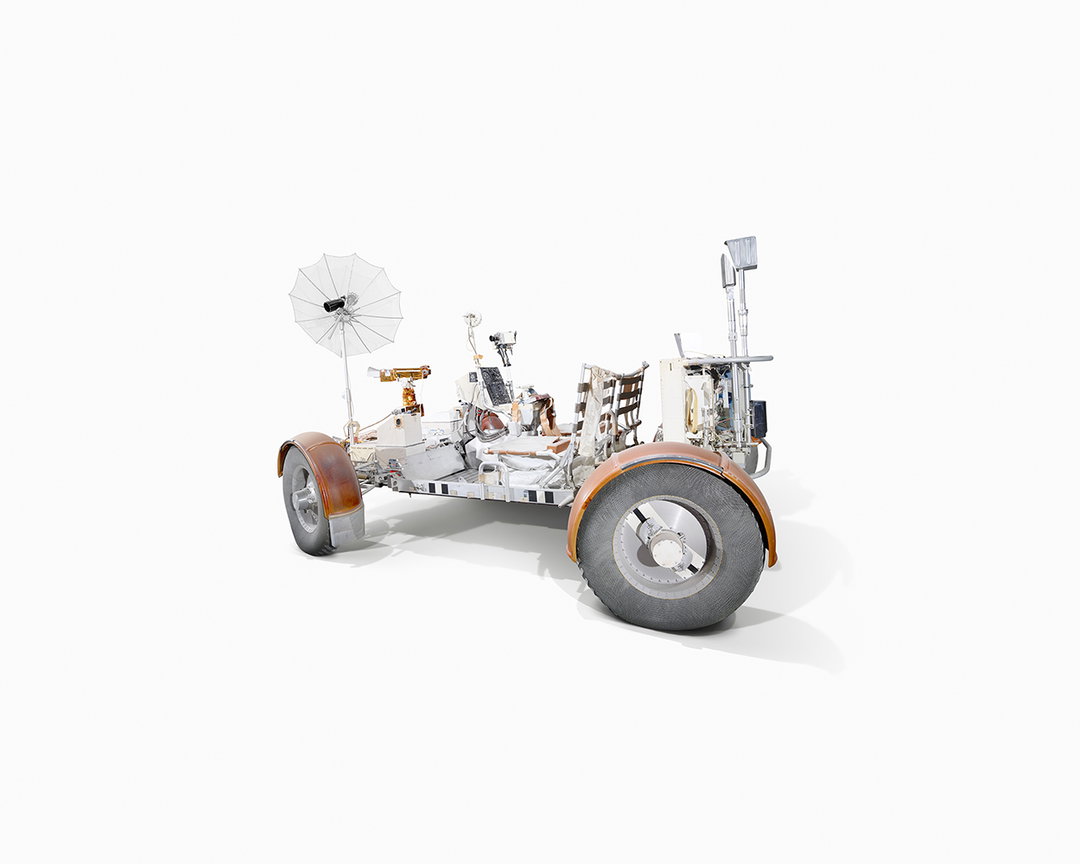
I shot everything as large as possible, one of the images can go up to 200 metres in length at 100dpi. At the end there will be an exhibition and a book. In the show the spacesuit images will be about seven feet high. And we will make the capsules as big as possible and the lunar rover will be about life size.
The images are presented in a clinical way, devoid of context or a background. Why is this?
The cleanliness of the images heightens the feeling of precision and engineering. The point of all of this to ask what these objects make you feel. The composition of the shots is about getting people to look around. It’s about perception and perceived reality. You look at the images and start to understand the majesty. There is a calmness to the images which lets the viewer start to investigate what they see. You look at the design and how understand how beautiful these things are.
Were there any personal highlights when carrying out the project?
It was a really strange experience seeing the Atlantis shuttle for the first time. I saw that launch as a kid. When I saw it was it was like meeting a heroic figure in my life, a semi-religious experience. I was blown away. When people meet their hero and start shaking — I was like that. I felt it was the most awe-inspiring thing i’d ever seen. It’s travelled 125 million miles, it has had so many missions. It’s a nuts piece of kit, and it is beautiful. A perfect piece of engineering.
How do you hope people will react to the project?
People are really getting into science technology and space, and wanting to understand what is going on with our planet and on others as well. It’s that level of excitement, determination, drama, engineering and design that led me too this project. Pretty much everything I have done has led me to this. Everyone at Nasa is united by a cause to make something, then explore something that we haven’t found yet. What they discover will help humanity improve. All of this is for the betterment of mankind. It’s looking to outer space, and looking back at ourselves.
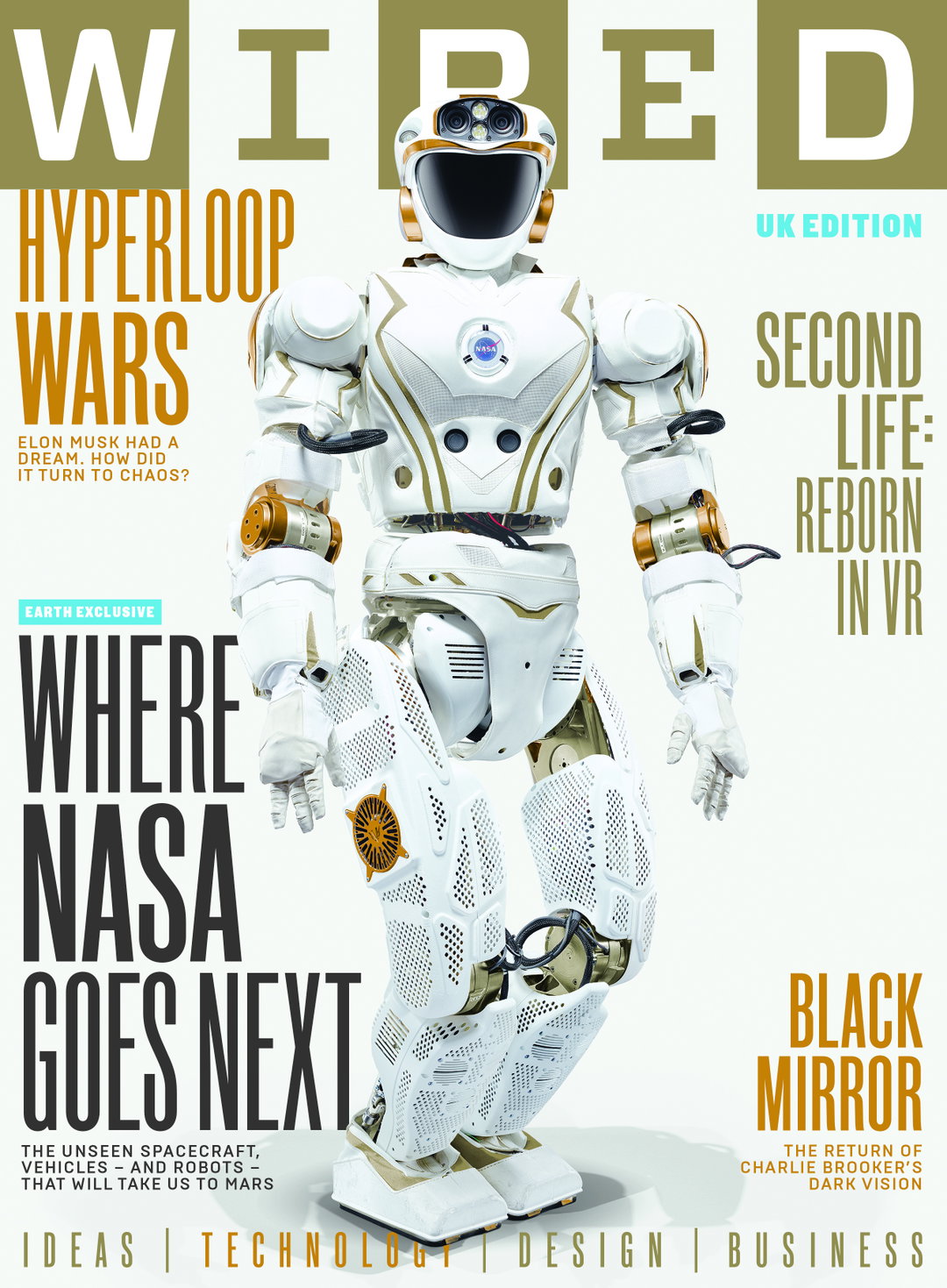
WIRED UK is on newsstand and available to download on iPad and iPhone today (Thursday 6 October)
Share Article
About the Author
—
Owen joined It’s Nice That as Editor in November of 2015 leading and overseeing all editorial content across online, print and the events programme, before leaving in early 2018.