- Words
- Bryony Stone
- —
- Date
- 4 October 2016
- Tags
Buffalo Stance: photographer Paul Vickery's last project with Barry Kamen
Share
Share
One year after Barry Kamen’s death, former friends and collaborators photographer Paul Vickery and Exposure founder Raoul Shah launch Boxer, an exhibition and book featuring some of Barry’s final work as a stylist, in dedication to their “beautiful” friend.
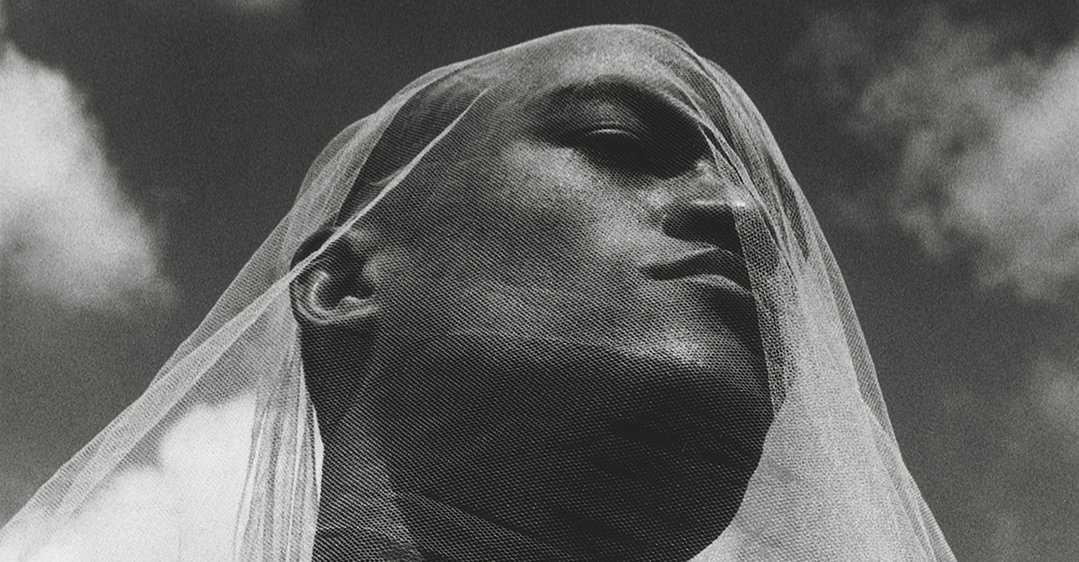
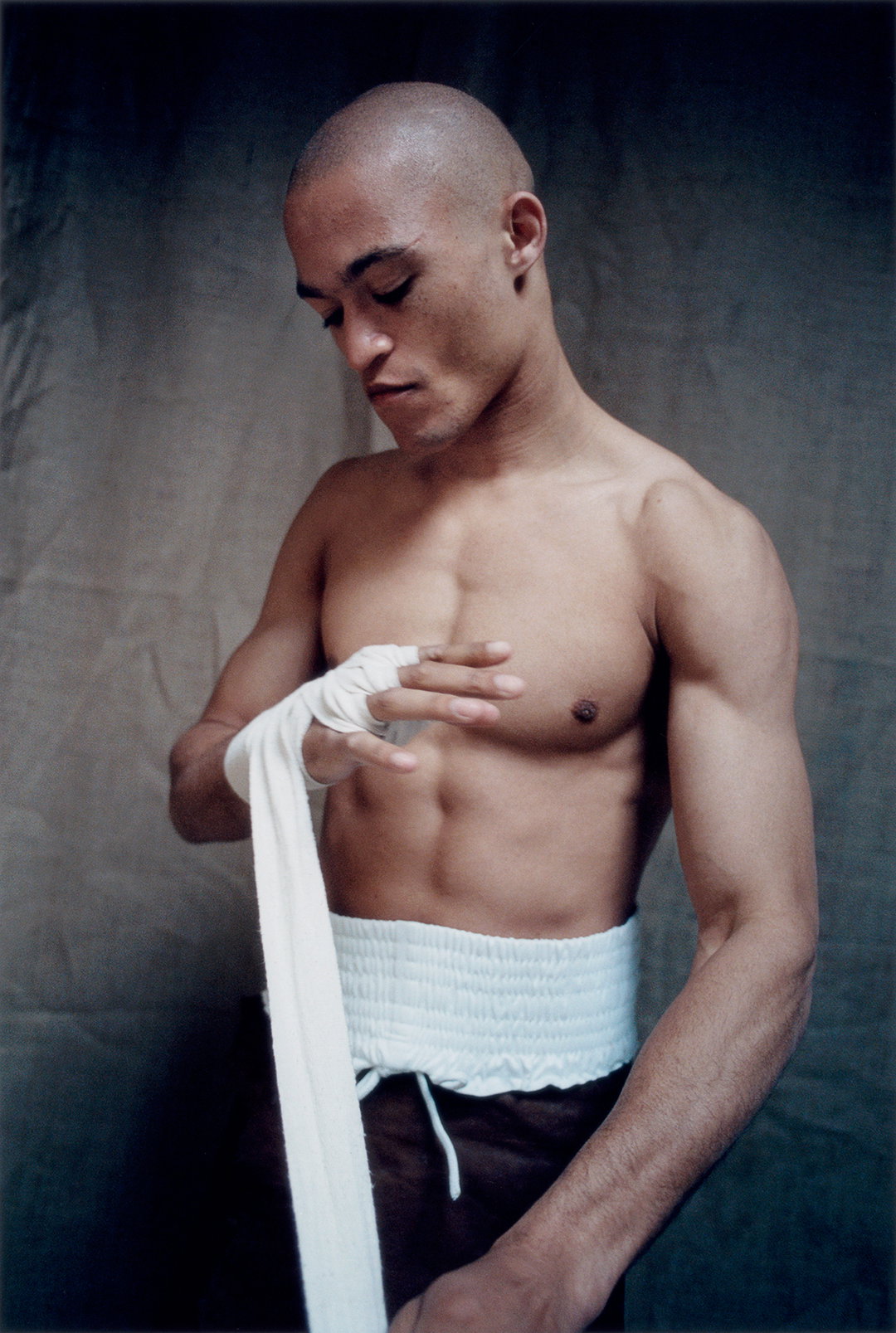
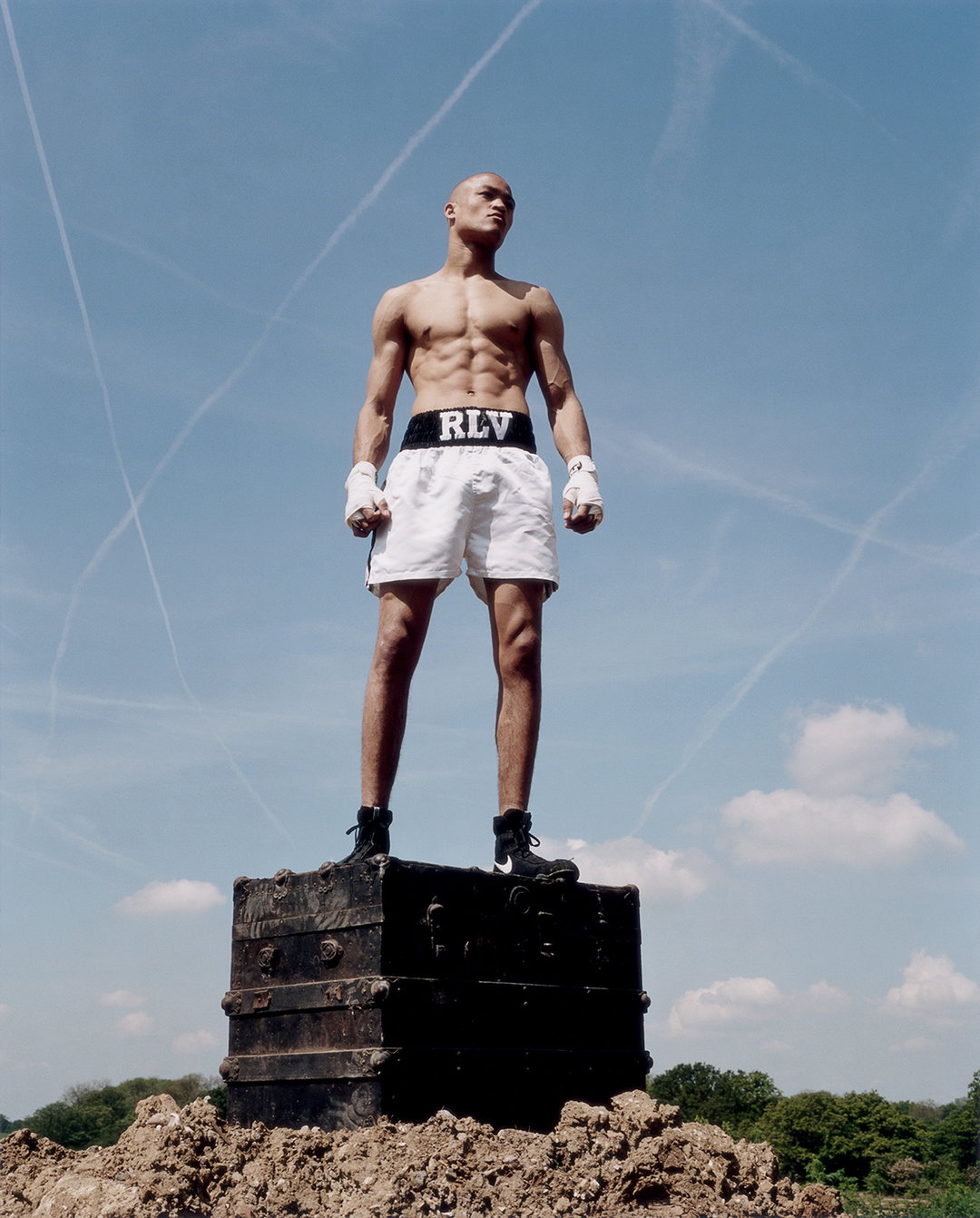
One year ago today, stylist, artist and original Buffalo boy Barry Kamen died at his east London studio. A longtime contributor to Arena Homme + since his days as one of the Buffalo movement’s figureheads, the last shoot Barry produced for the magazine was a series of images of an unknown boxer shot by photographer Paul Vickery. The pictures are taken in two locations: Barry’s studio, shot in black and white, and outdoors, shot in colour. The soft focus of the studio images is matched by Barry Kamen’s styling — a suit jacket, wide-brimmed hats — and the boxer-model’s achingly-sharp cheekbones. The colour images are sharper still, and more confrontational. Boxer Ramon Levy-Lassie stands on a rusting metal case, fists up, gaze focused on an invisible opponent. “Days before publication we found space for Barry’s engaging new work in the mix,” the magazine’s owner and editorial director Ashley Heath recalls in a letter of tribute to Barry published in Arena Homme + shortly after his death. “It’s revelatory for me now to re-view those images next to the great pictures of Barry himself taken by Roger Charity.”
The images were part of a wider project initiated by Paul Vickery several months before. Quite by chance, the photographer had spotted Ramon on the tube one day. “It’s quite normal to me to chase people down tubes or buses or whatever, it’s become quite usual,” Paul explains. “I was sat opposite Ramon on the Bakerloo line. There’s a sense that you know that someone is probably a boxer from the way that they carry themselves, but there’s also a spirit about someone that you can sense, and I had this feeling that there was probably a bit more to him. I was sat there thinking what am I going to do, where’s he going to get off? We got off at Paddington and I approached him from the side… My opening line was ‘Where do you box?’”
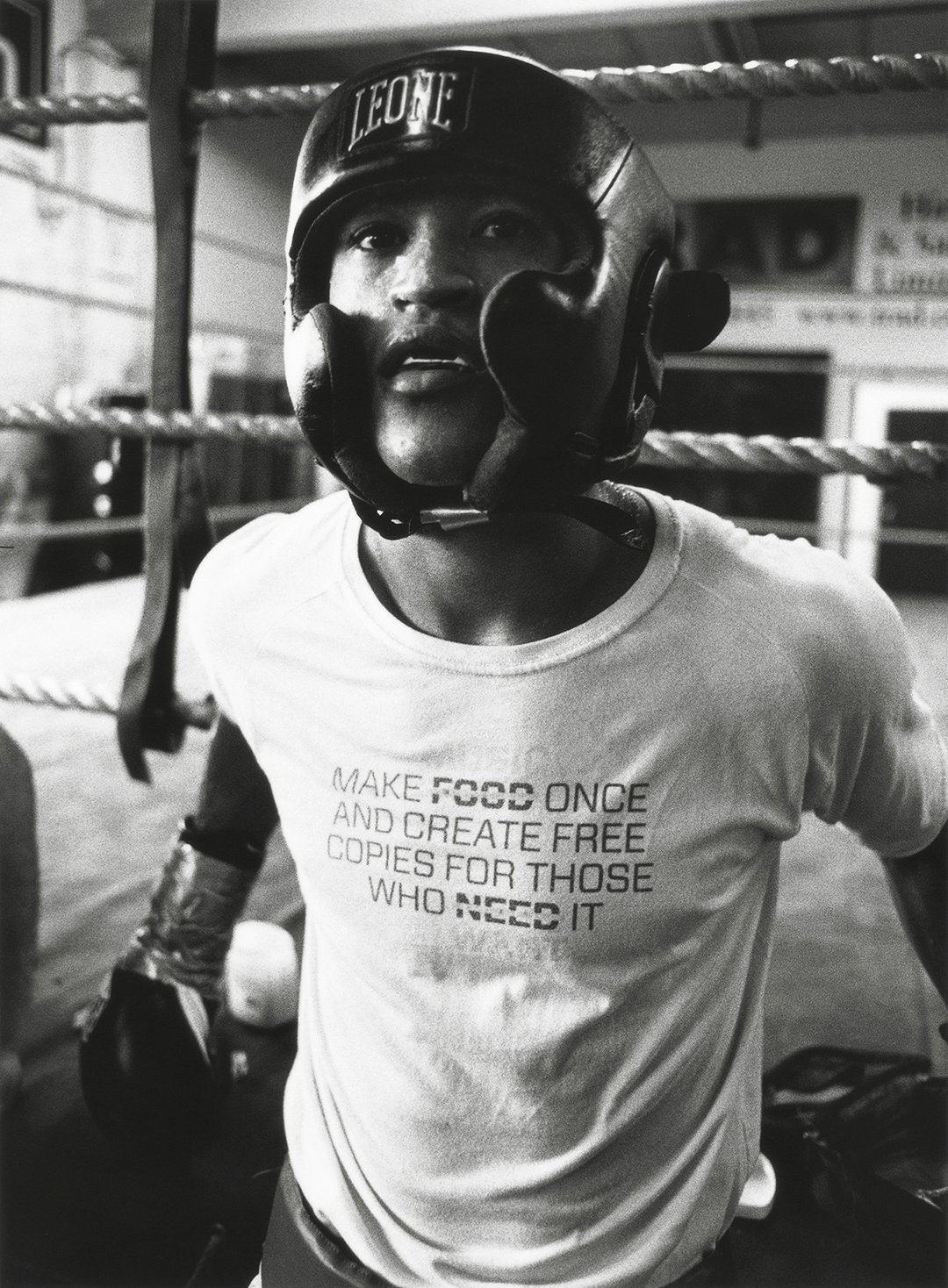
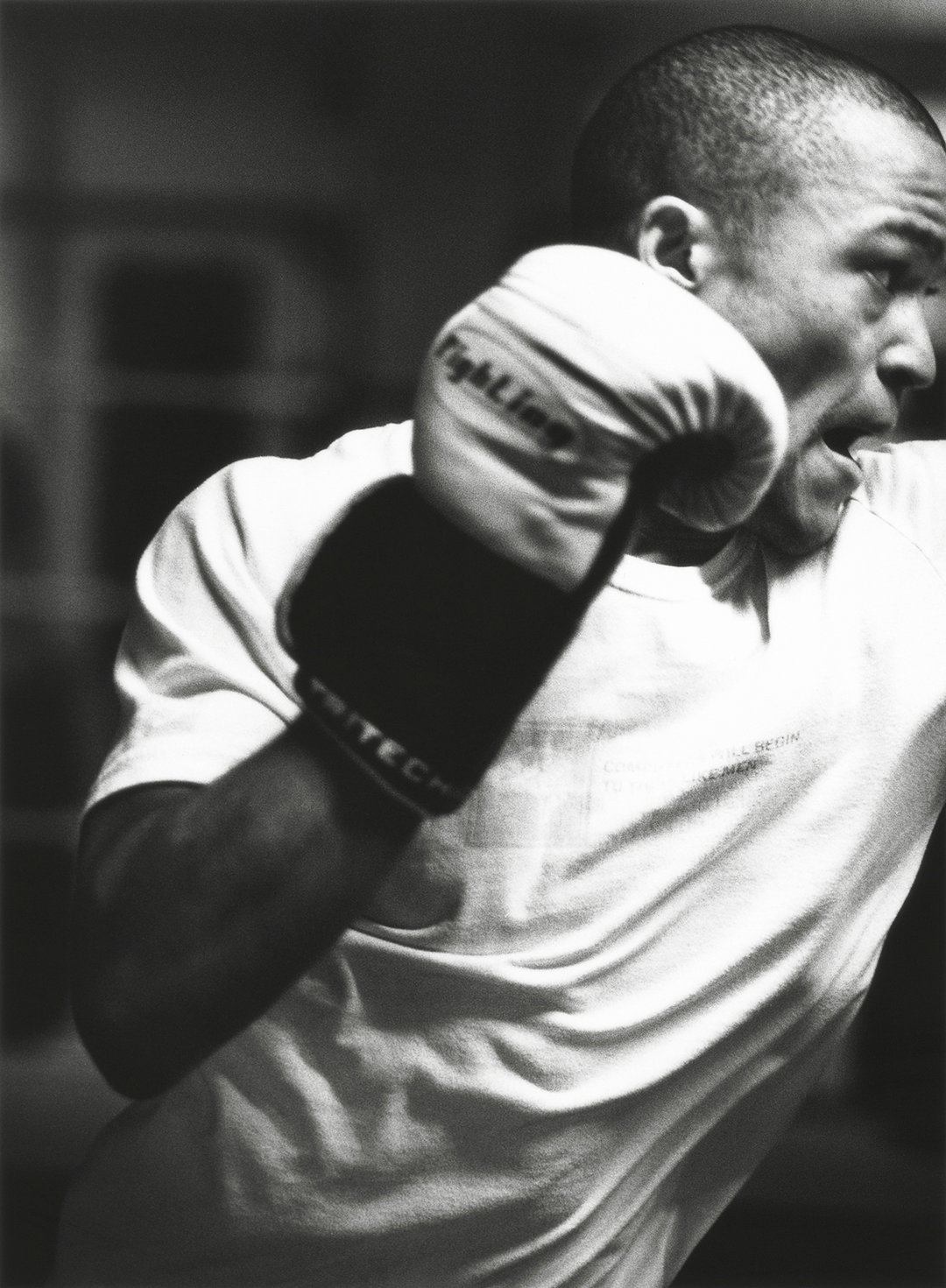
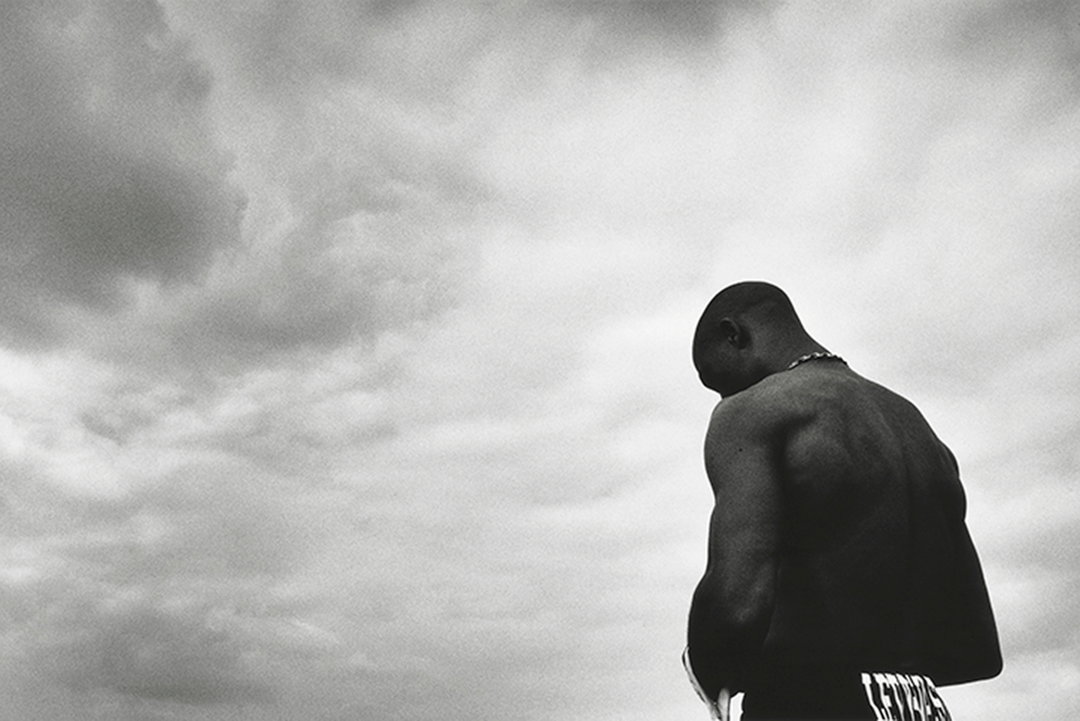
Paul’s intuition was right — more than a boxer, Ramon was an artist. “Very quiet, very considered, the artist, the writer,” Paul tells me. “He broke the mould for me.” The meeting in a tube carriage grew into a year-long creative partnership and a set of images now set to be published as a photo book and exhibition named Boxer. To begin with, Paul took some portraits of Ramon before deciding to do some documentary shots at Johnny Eames’ now closed boxing gym TKO in Canning Town. Afterwards, with the addition of Barry Kamen, the tone shifted. “It’s essentially in four sections,” Paul explains. “It starts off as documentary — Ramon at the gym, training and working towards his first fight. It becomes collaborative, because I chased him down on the tube so we went back [to shoot some staged portraits on the train]. And then I showed the work to Barry, and Barry said ‘We got to work with this kid!’ He knew straight away as well. The last two sections of the project, there’s one that’s shot in Barry’s studio, and then the very last bit is near to where Ramon lives in Berkshire.”
Bringing together documentary, portraiture, fashion and art (“It’s difficult because people want to bag you as a social documentary photographer or a portrait photographer or a fashion photographer or whatever, but I think if you’re able to speak in those different ways then you can say something more,” Paul says), Boxer may sound chaotic, but the 60-or so images resonate with the same mixed-up genius as the Buffalo movement’s styling. As the Buffalo spirit ran through Barry Kamen, the Burmese, Irish, Dutch and English boy born in Harlow, so it was in Ramon Levy-Lassie, a mixed-race welterweight from Windsor, another pebble dash-walled satellite town.
The inspiration for the shoot which ended up being Barry’s last in Arena Homme + was the more impressive Stadio dei Marmi, a marbled-filled sports stadium built in Rome during the 1920s under the fascist dictator Mussolini. “So we thought we’d turn that completely on its head,” Paul explains. “In the stadium there are statues of athletes, one of which is a boxer, so it was loosely based around that. And that’s where the idea of the chest came in as well, because I was going to have a plinth built and Ramon said ‘Look, I’ve got this chest…’ It turned out that the chest belonged to his grandmother, and she’d brought all her worldly goods over when she’d migrated from the Caribbean. He was standing on his own history.”
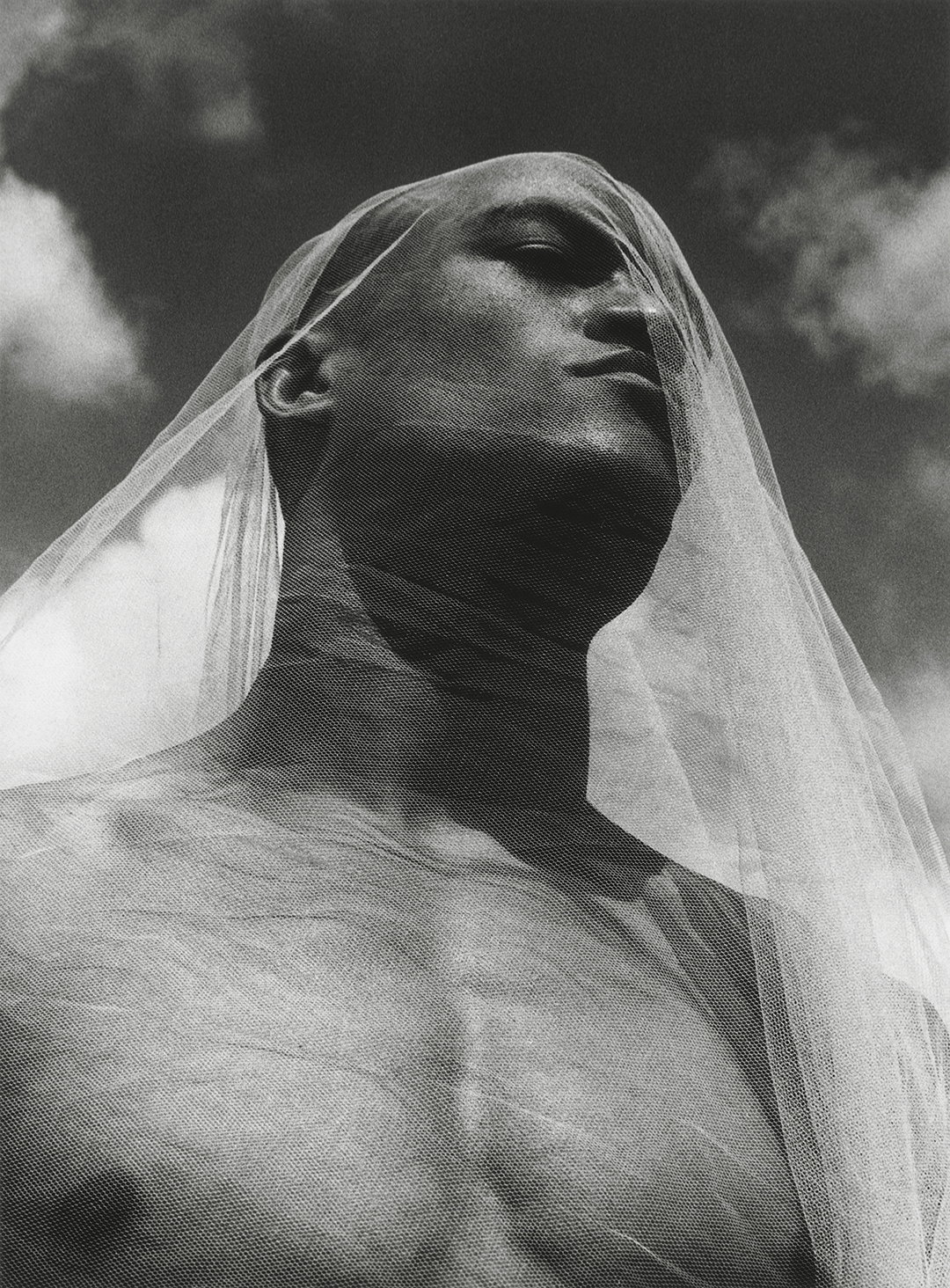
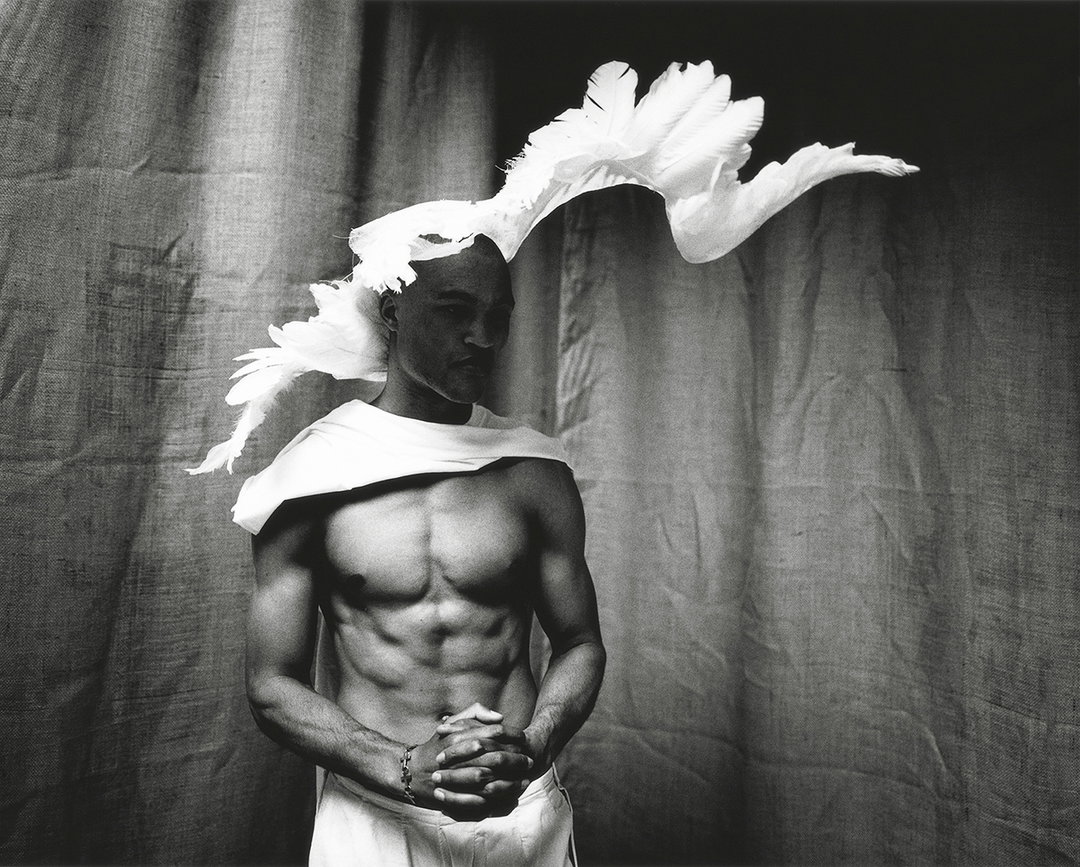
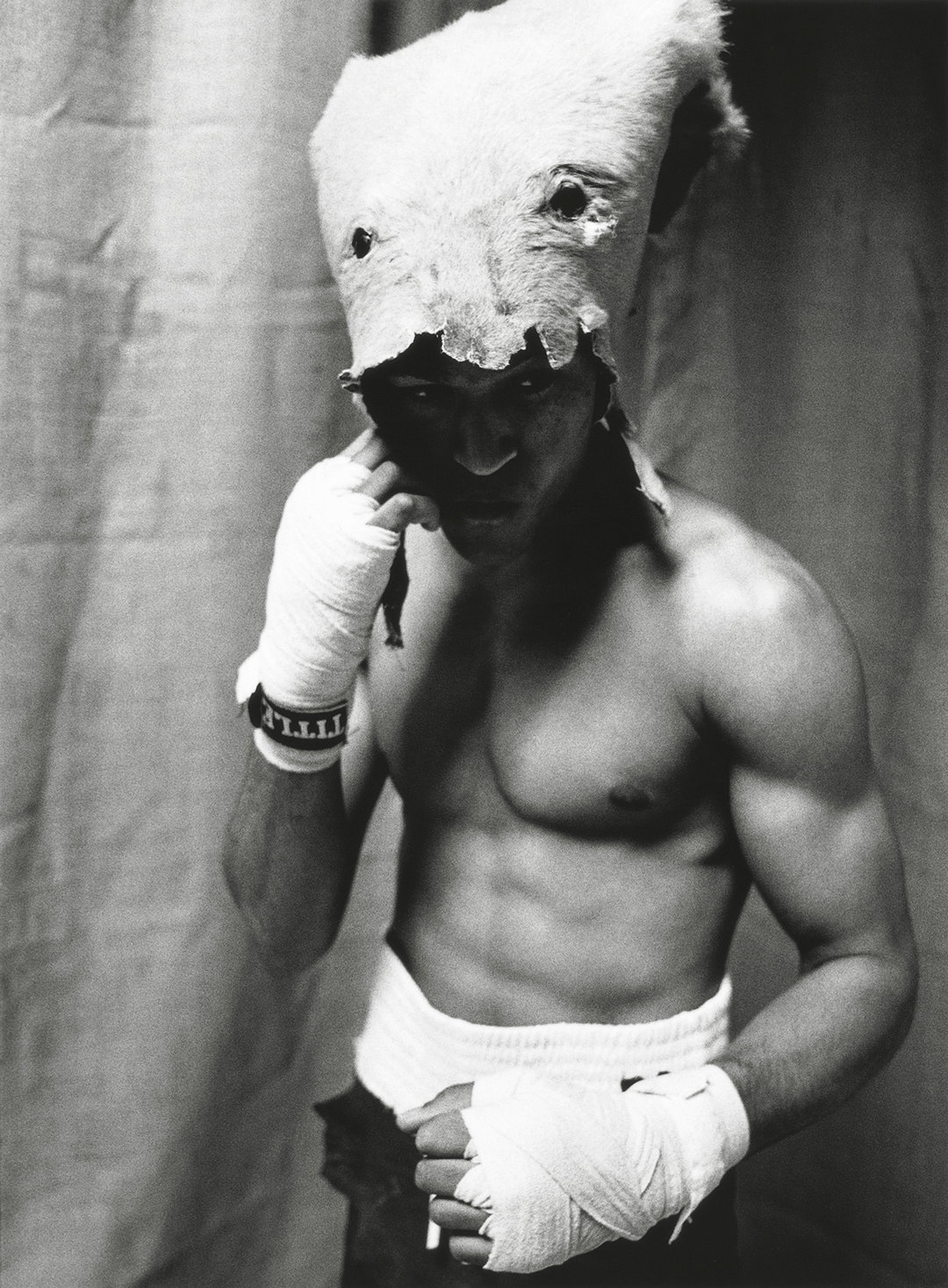
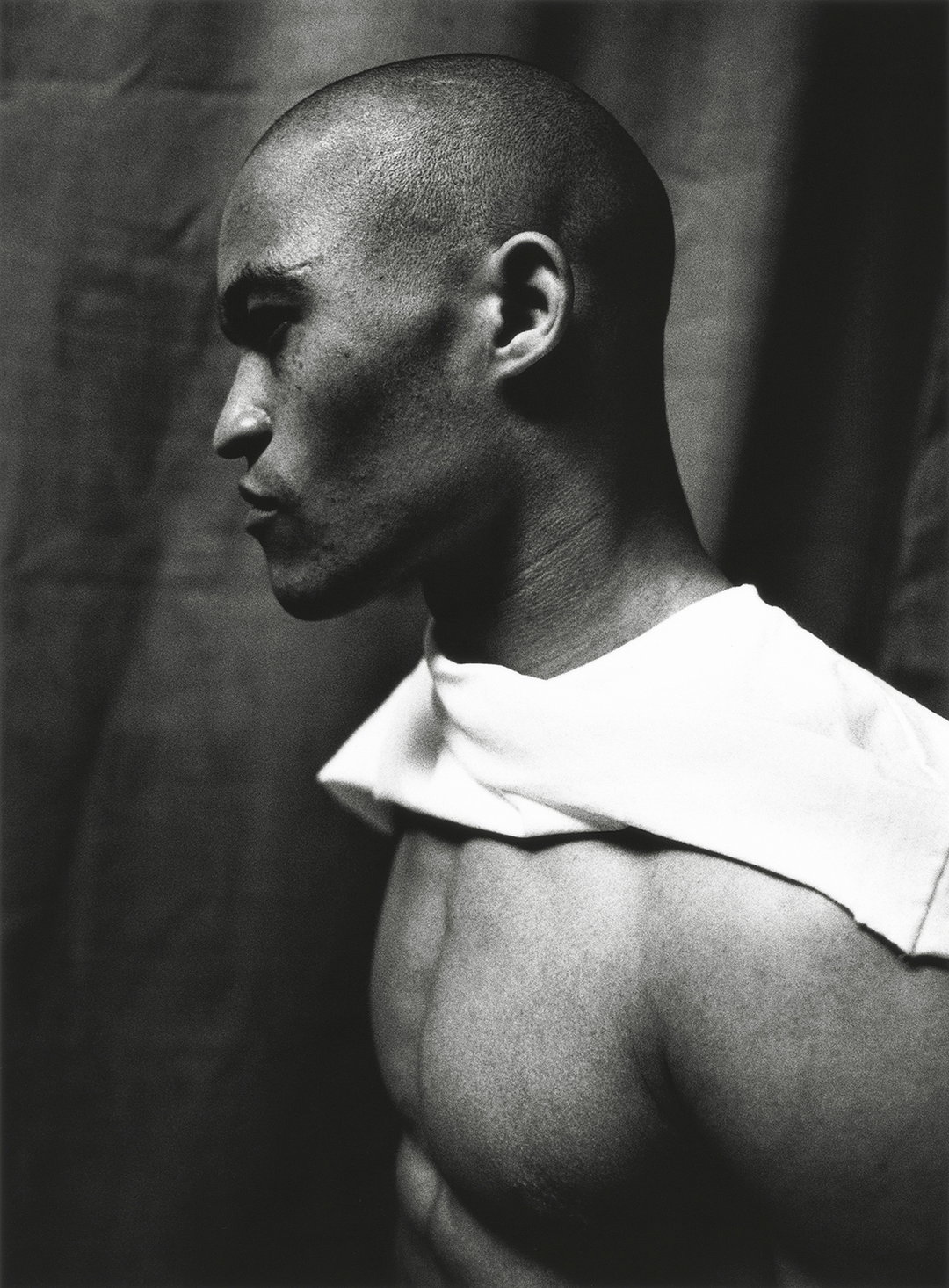
“We didn’t — as far as I’m aware — set out to create Buffalo images. That just kind of flowed naturally,” Paul says. “We almost didn’t say anything. Very little had to be communicated. It was almost like we knew instinctively, each of us, what we were going to do and how we were going to do it.” For Raoul Shah, founder and CEO of Exposure, where Paul will exhibit 40 of the images he took of Ramon, the images sung Buffalo. Raoul had known Barry closely for 25 years, having originally commissioned him to produce ads for Hardcore Denim, a sub brand of Pepe Jeans. “I looked at Boxer and everything about the work, every single picture in the book, reminded me of Buffalo: The Style and Fashion of Ray Petri. It was almost too close and coincidental.”
“For me,” Paul says, “Buffalo is a spirit. There’s that spirituality about it that you can’t put your finger on. And I think it comes from that way of working where it’s about the person and not just about the clothes. People like Barry know instinctively what’s going to work on that person because it’s to do with their spirit, how they carry themselves, their look, it’s all of those things.”
Boxer opens tonight and runs until 25 November at Exposure Gallery, Little Portland Street, London, W1W 8BU
Share Article
Further Info
About the Author
—
Bryony joined It's Nice That as Deputy Editor in August 2016, following roles at Mother, Secret Cinema, LAW, Rollacoaster and Wonderland. She later became Acting Editor at It's Nice That, before leaving in late 2018.