- Words
- Owen Pritchard
- Illustration
- Mason London
- —
- Date
- 26 February 2018
- Tags
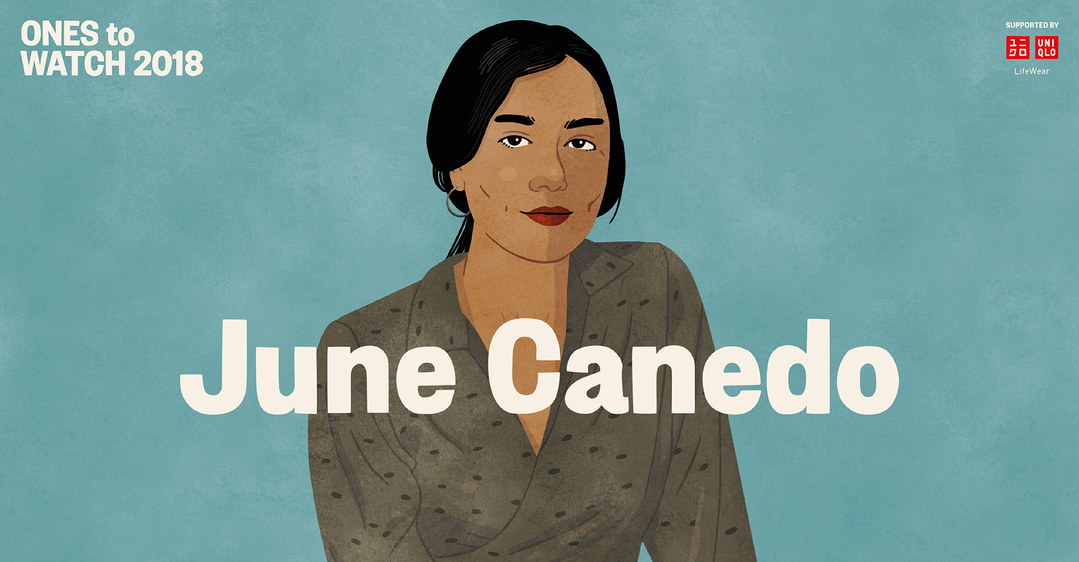
Ones to Watch 2018: photographer June Canedo
Share
Share
In partnership with

Style doesn’t have to be superficial; it can keep you warmer, cooler, drier. Uniqlo creates LifeWear by evolving the ordinary, producing innovations that benefit you every day.
It’s Nice That’s Ones to Watch shines a light on 12 emerging talents who we think will conquer the creative world in 2018. From a global pool of creative talent, we have chosen our 2018 Ones To Watch for their ability to consistently produce inspiring and engaging work across a diverse range of disciplines. Each of our selections continually pushes the boundaries of what is possible with their creative output. Ones to Watch 2018 is supported by Uniqlo.
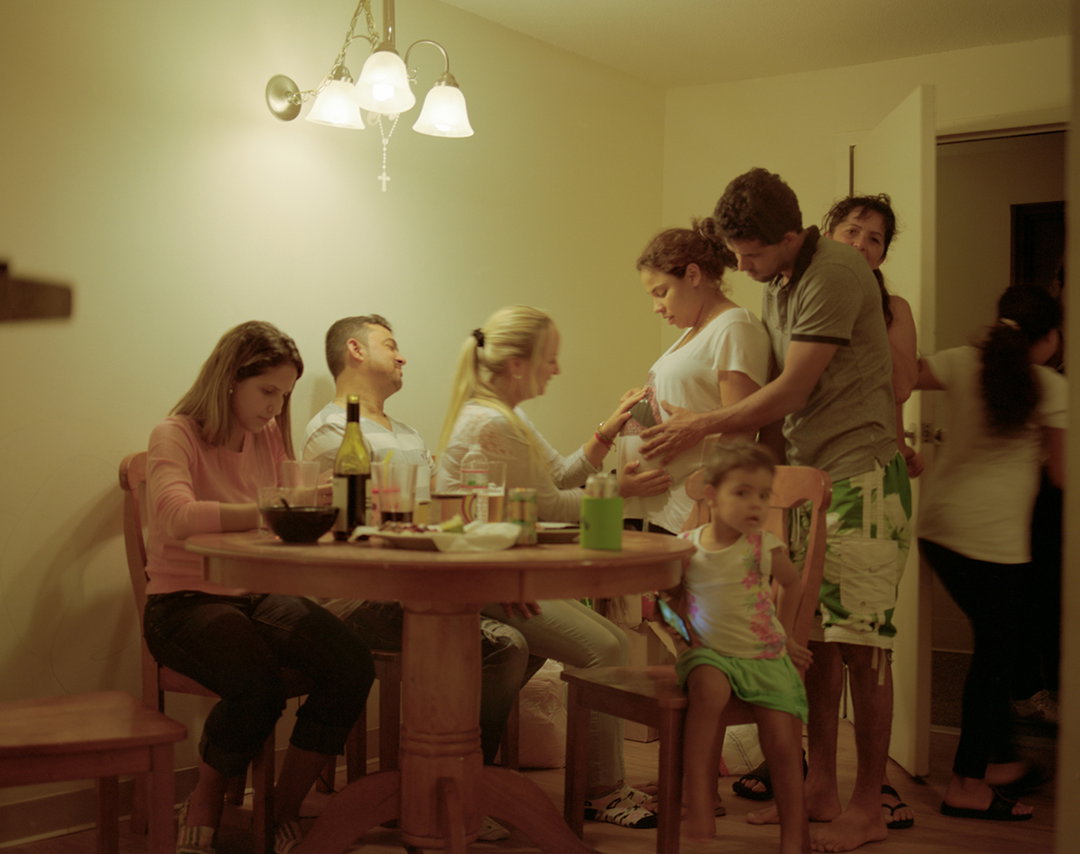
US-based June Canedo is a photographer whose images are captivating and thought-provoking whether for a commercial client or a personal project. Working out of her studio in Brooklyn, June first turned to photography after moving to New York in 2013. Previously, she had studied painting at university in South Carolina – the state where she grew up. “When I came to New York it was tough to find the space and time to do the painting I wanted to do,” she explains. “Photography was an easy thing to get into – in terms of space, logistics and the like. I then started to learn how to express myself using photos. I started dreaming of projects. Once I realised that I could fulfil my ideas and projects using the camera, that’s when it stuck.”
June didn’t look back. Feeding off the energy of the city she has produced a body of work at a relentless pace. “This city forces you out of complacency. Everyone is dreaming up projects, so you end up dreaming things up together. For me, collaborating comes easy so I am involved in several projects at once. My coasting pace feels really fast because of this. It’s hard to draw back and pause,” she says.
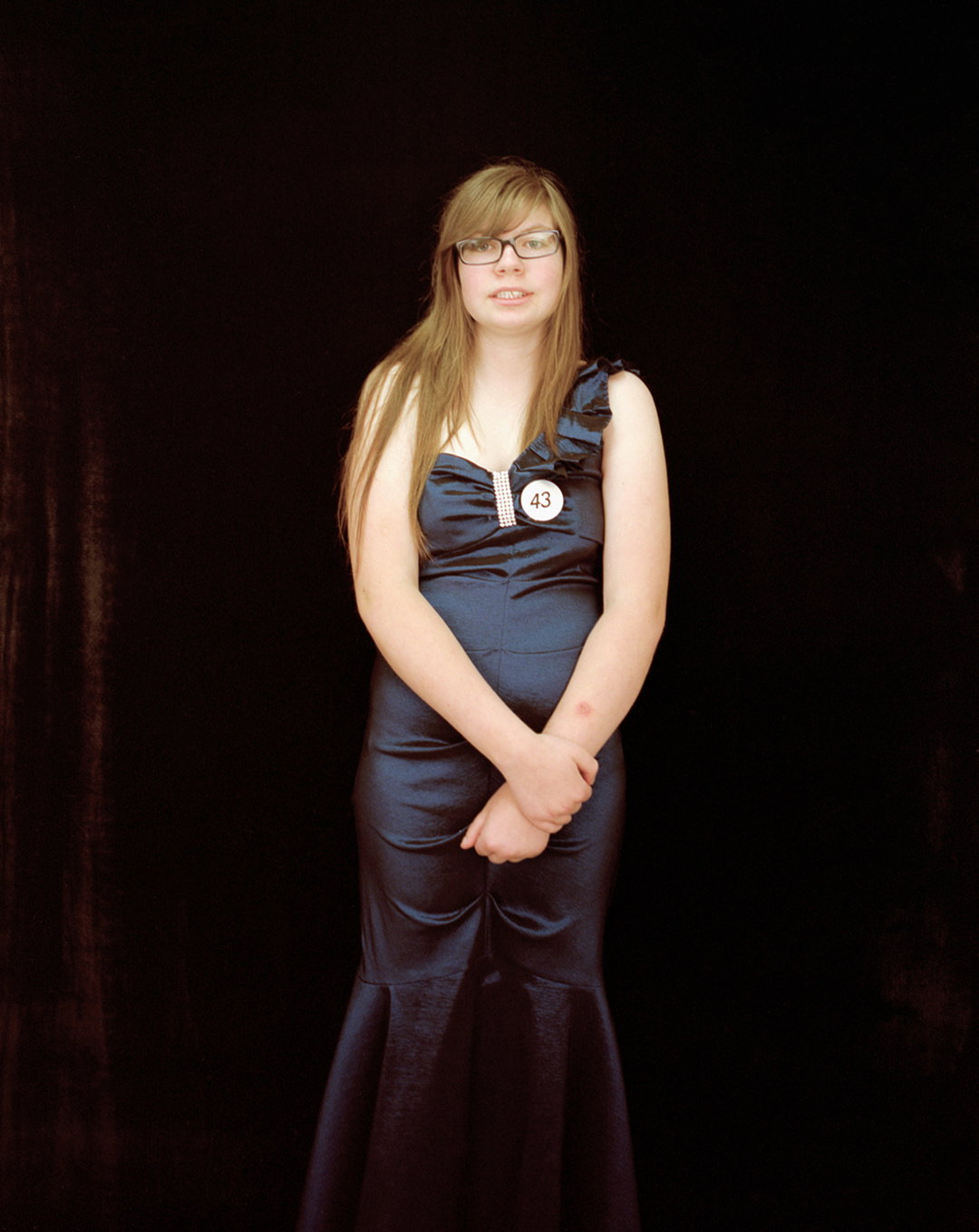
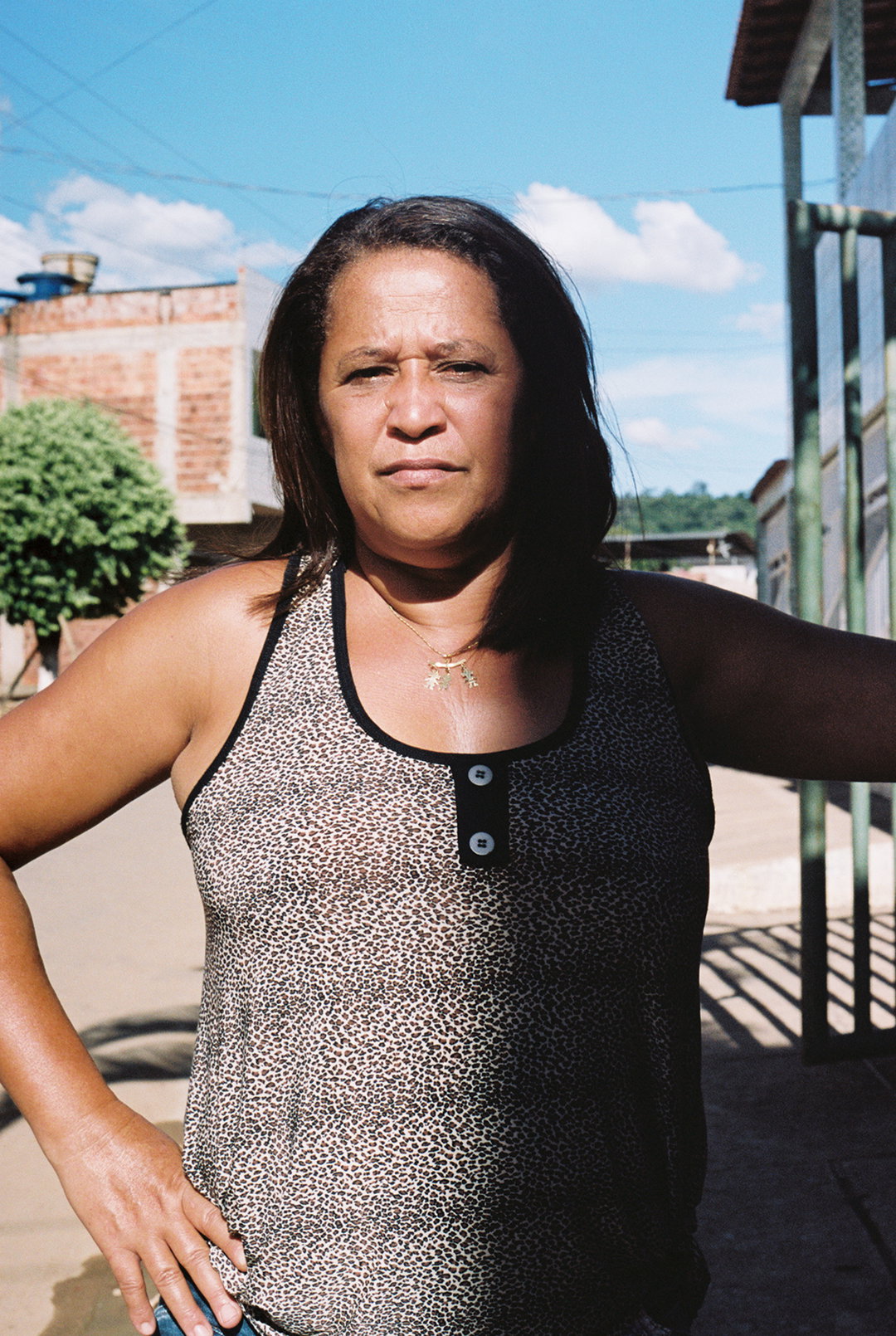
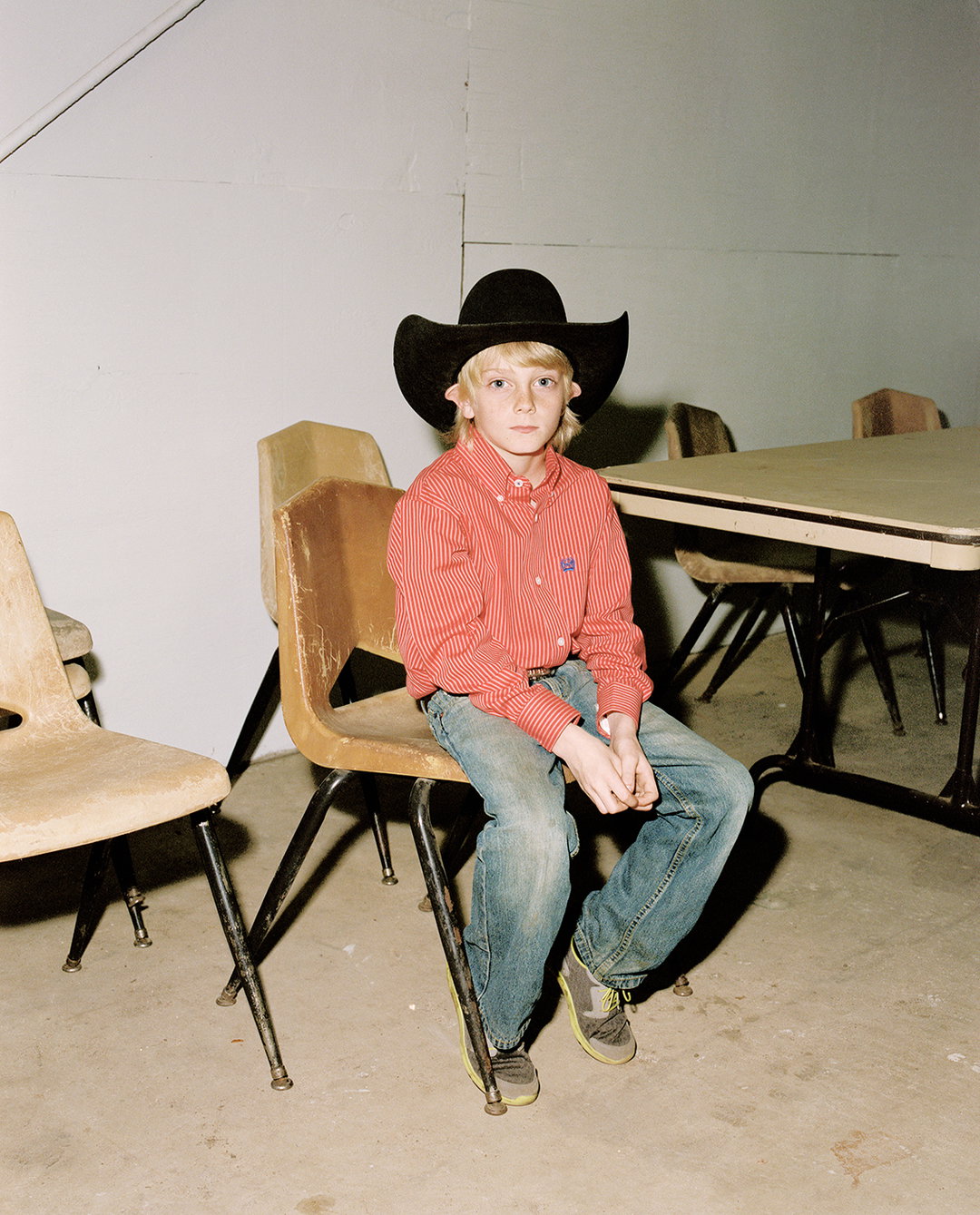
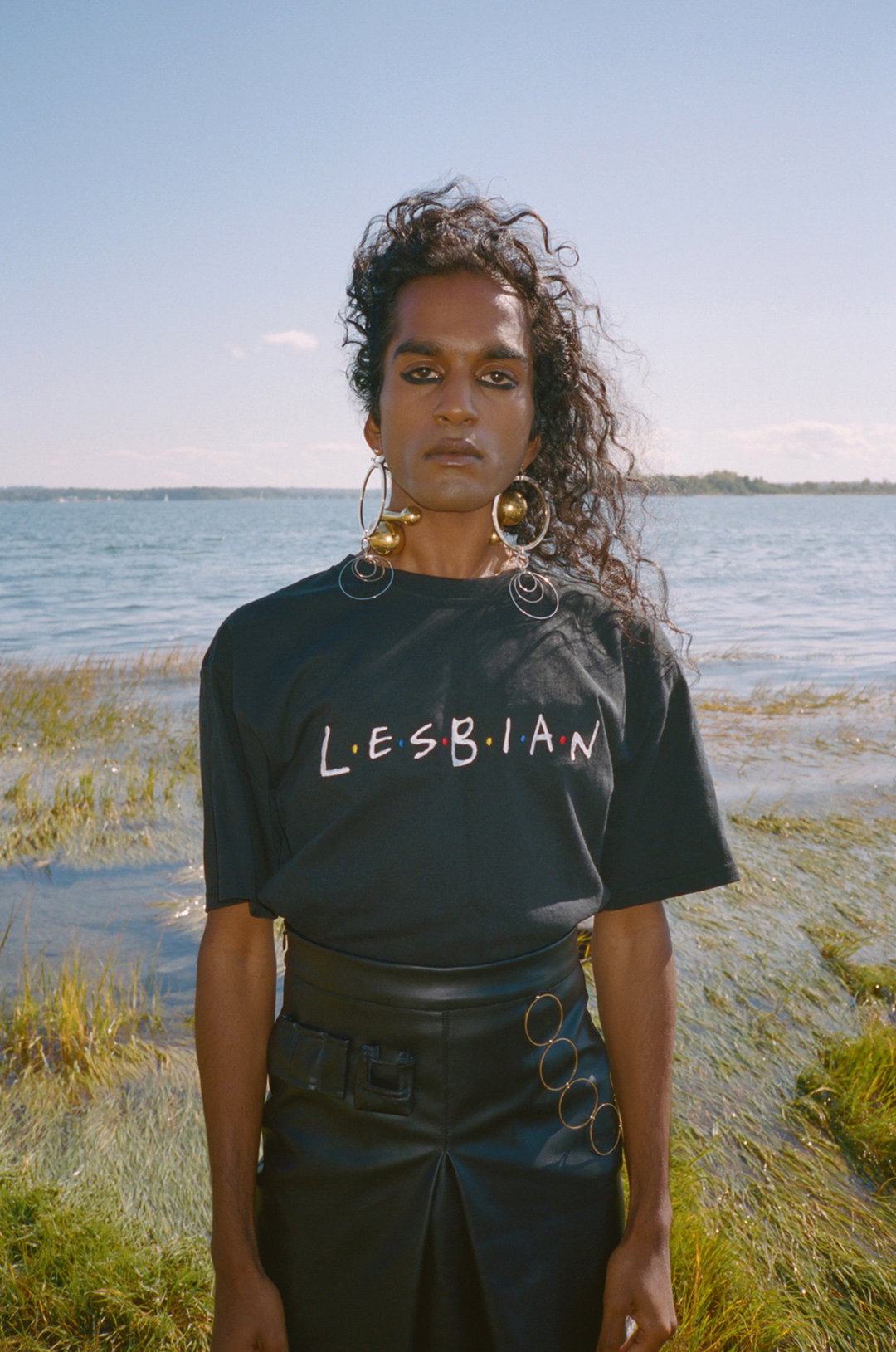
Complacent isn’t a word that you would use to describe June or her work. Her projects such as Brazilian Girls, or her cowboy-themed editorial for Bon magazine last year, show the talents of a photographer who can forge a connection between the subject, the camera, and ultimately the viewer. “It’s important for me to put my work to good use,” she explains. “I don’t like the idea of street photography: sneaking up on people. It feels invasive like your taking ownership of their space or body for the sake of a photo. I hope for a connection with everyone I shoot, or at the very least get their permission to photograph them."
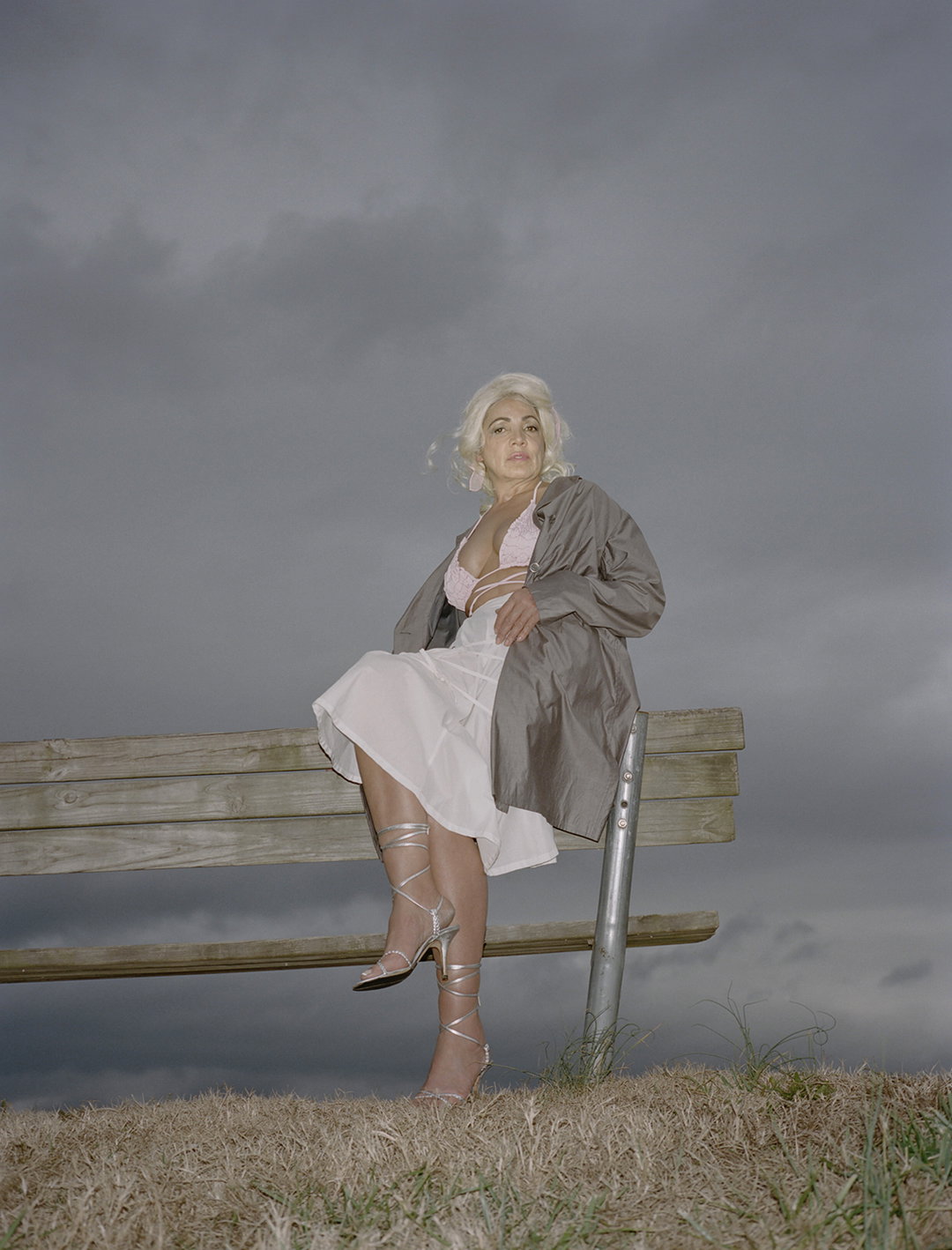
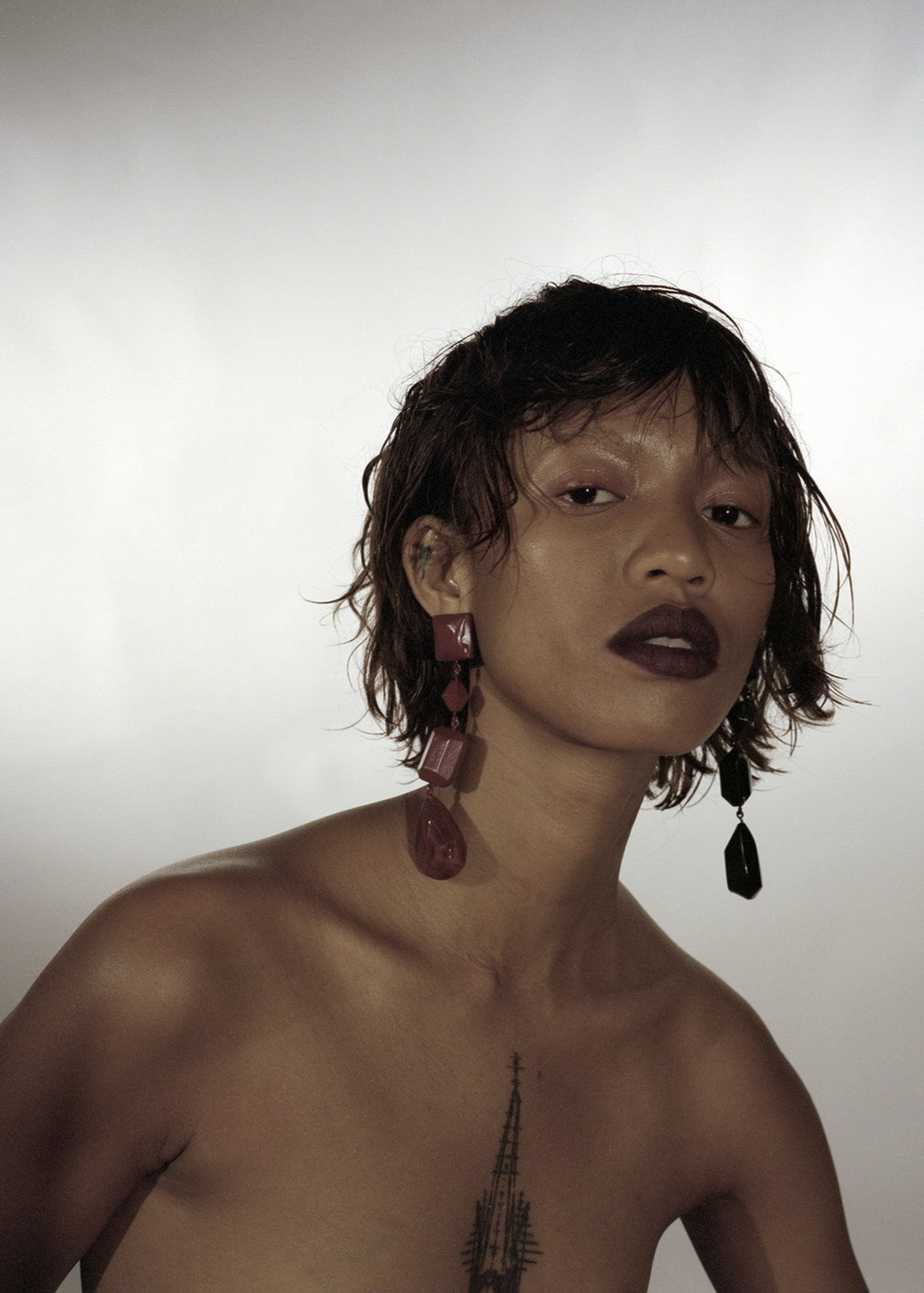
June Canedo: Gauntlet Cheng
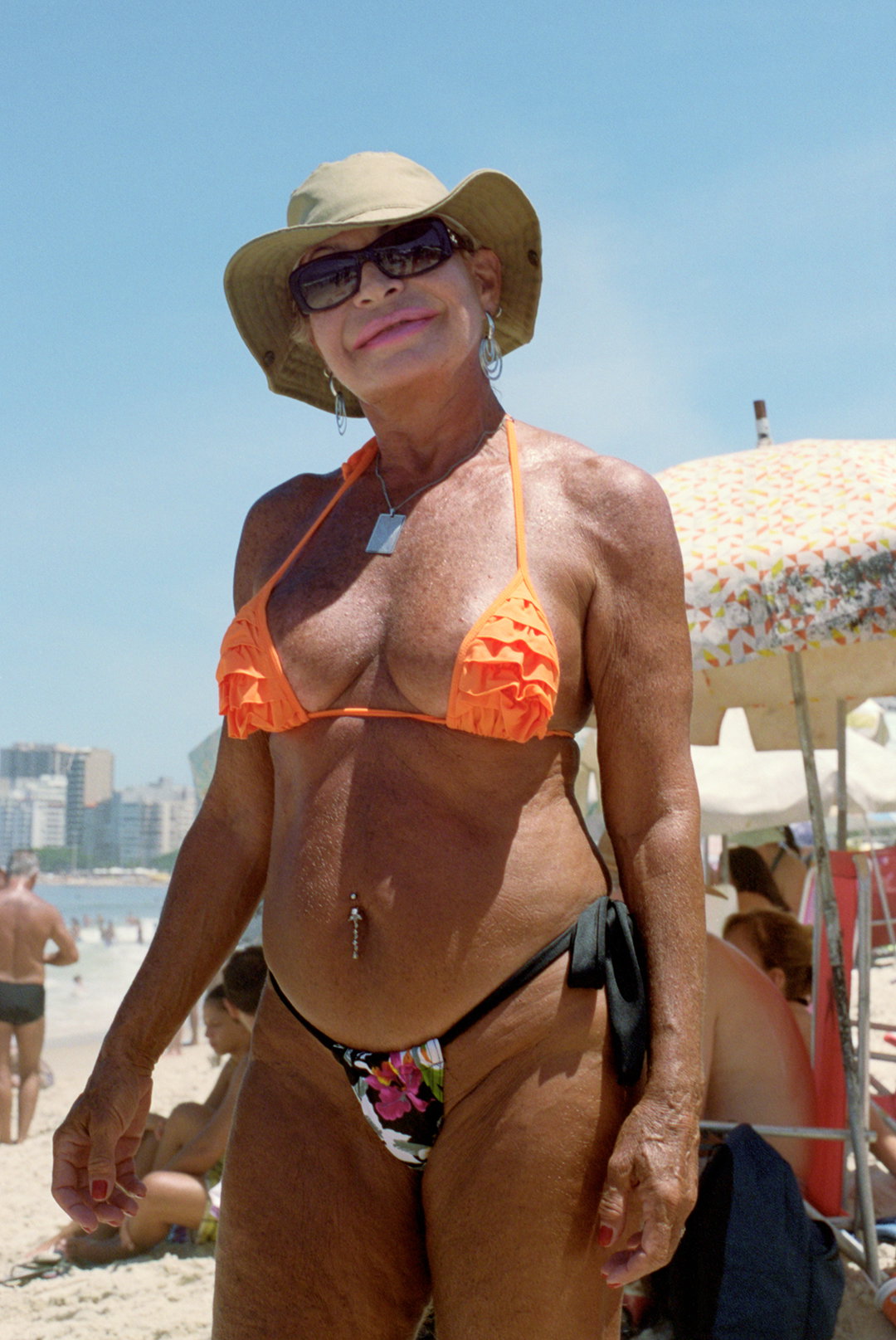
June Canedo: Brazilian Girls
The fashion world has regularly come calling for June. She has an enviable client list including Barragan, Bang & Olufsen and Roberto Cavalli, and has shot for publications including Vogue, Bon and Refinery29. “I try not to separate personal projects and commercial work. I am always surprised when these big brands want to work with me because I am adamant about creating something that has some sort of voice, perspective or alternative reality. It requires the client to trust me entirely,” she says. But 2018 will mark a departure for her creatively. “Towards the end of last year, I took on projects that didn’t mean that much to me. I didn’t enjoy that at all. I realised that I would have to find different ways to function in this industry without having to do that kind of work,” June explains. “Because, It takes a lot of time and space – time and space that I would rather use on other things. I made the decision to weed myself out of that situation where I didn’t have to rely on that money to survive.”
So what can we expect over the coming months? “I am transitioning out of fashion for sure. There are going to be a lot of projects that have nothing to do with fashion,” June enthuses. “I’ve been taking some time last year to look at specific traumas that I am coming out of to understand them a bit more. I feel ready to make work that tackles that stuff. That means the work will be more nuanced, I’m also excited about mixed media. Fashion is in good hands, there are lots of people taking great photos with a conscience, it doesn’t need me.”
June is excited about the opportunities that new ways of working holds and the challenge of exploring ideas in differing contexts and mediums. “I’m ready for it. I knew I would get here eventually and that photography wouldn’t be the only medium. I’m lucky because I have a large support system of friends and people who are rooting for me. I’ve been offered space for exhibitions this year so I’m focusing on learning new ways of communicating via gallery walls and open space. You can produce work quite fast using a camera, interpreting every day as you see it. Conceptualising an exhibition, digging into my personal story, relating it to a larger narrative, and communicating it back to an audience is taking a little more time and consideration,” she says.
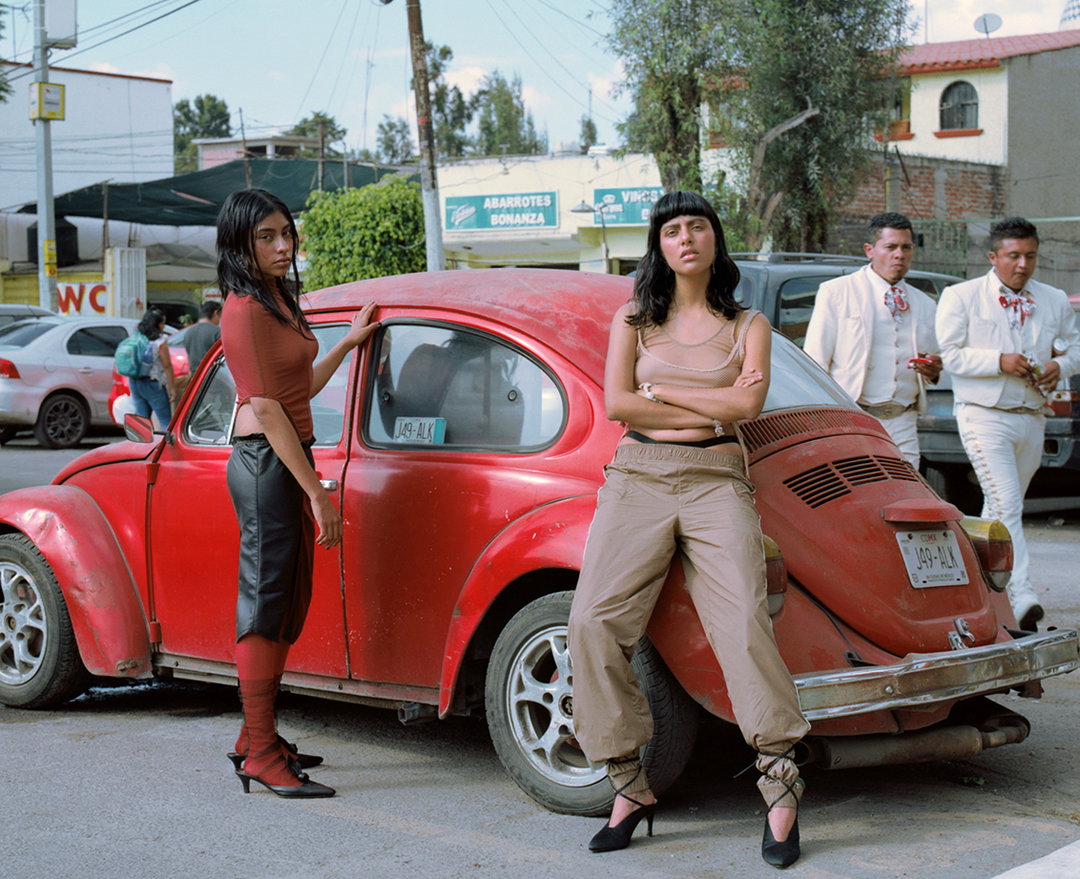
June Canedo: Robert Cavalli
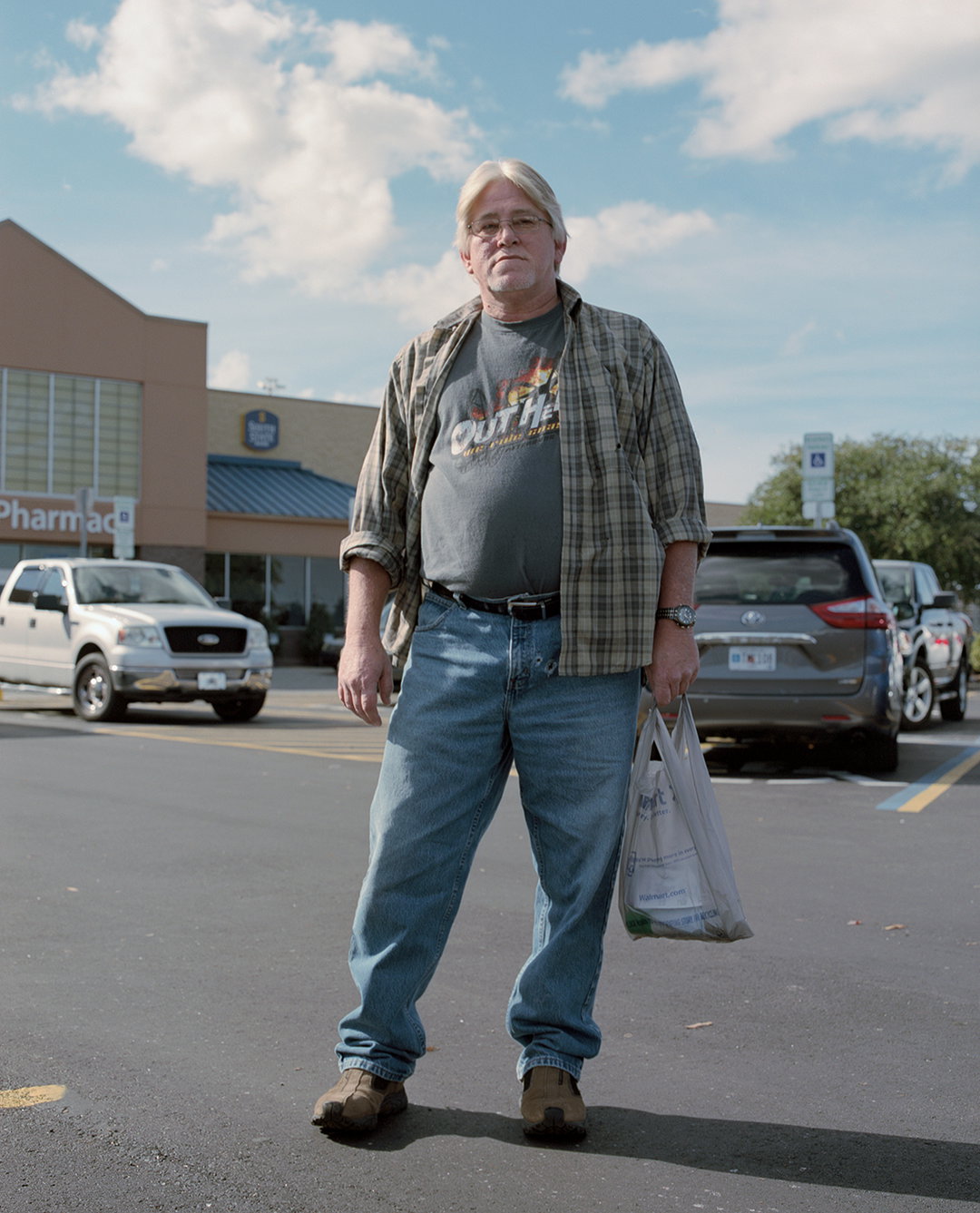
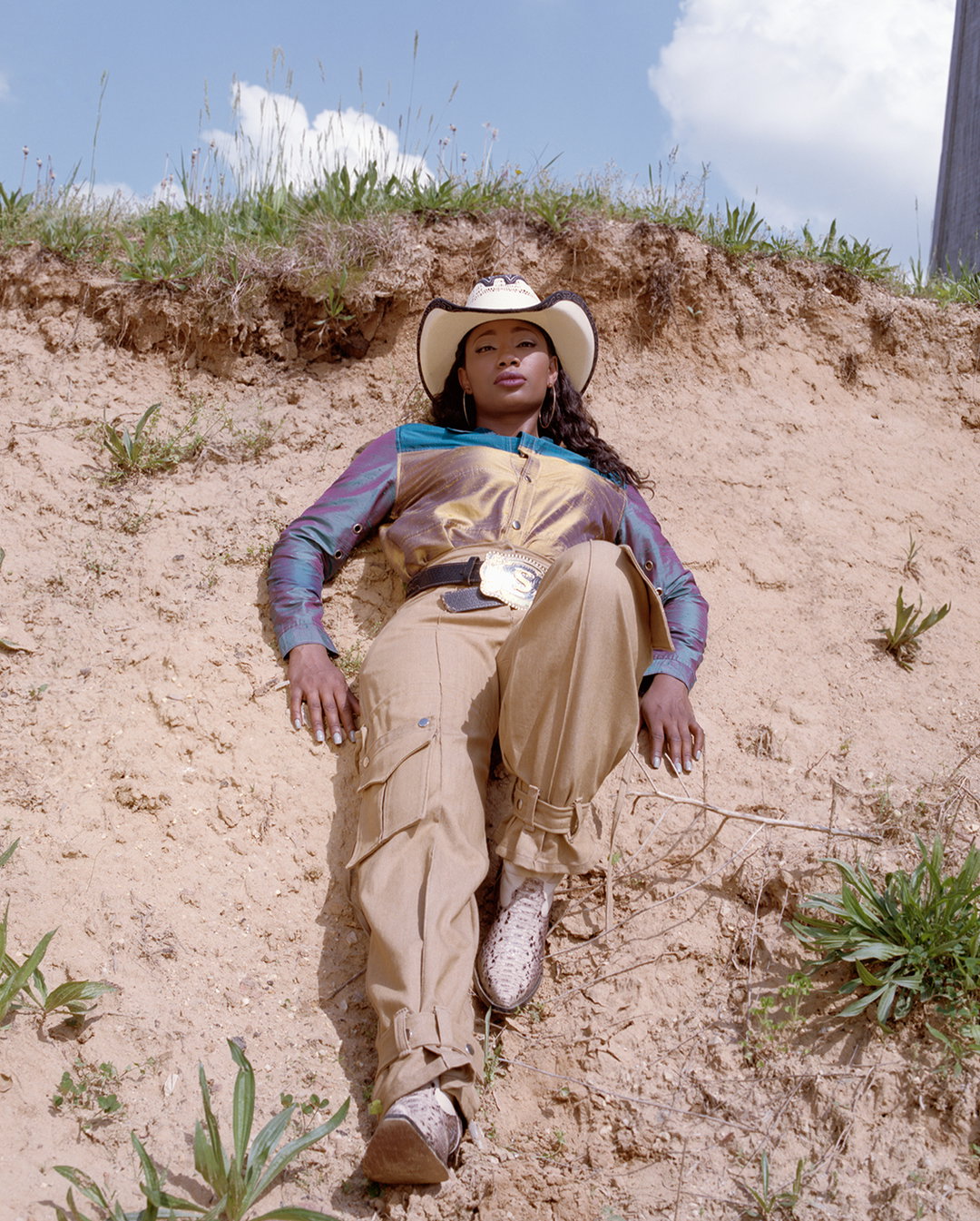
It’s not only in her creative work that June is developing a powerful voice. This year she will launch a podcast that was borne of the network of collaborators she has built from those who attended The Working Woman (of Colour) conference she launched last December. More than 300 people attended two days of workshops and debate surrounding mobility and opportunity for women of colour. “We are trying to formalise our community,” she says. “People have been organising in New York for a very long time. Even when it’s informal, in our living rooms, rooftops, etc. I’m always walking away from these events with an incredible sense of empowerment, the women in my life are extremely powerful and my community is really good at sharing resources. There is so much knowledge that is shared between us. Out of that came the idea to record it. And to bring even more people together.” There will be a second event in April this year, with the first podcast to be released imminently.
It seems 2018 will be a year of change for June, but it would be naive to expect anything subtle: fuelled by the energy of a city and laser-focused ambition, the possibilities seem endless. “I am growing up, feeling a little more mature. Emotionally and creatively,” June offers. “In 11 months I will have learned how to balance everything I have taken on because I don’t want to stop taking things on. I want to learn how to do it: how to do it all, but in a softer way. Some sort of radical softness. I want to learn how to practice radical softness.”
Share Article
Further Info
About the Author
—
Owen joined It’s Nice That as Editor in November of 2015 leading and overseeing all editorial content across online, print and the events programme, before leaving in early 2018.