

- Words
- Paul Moore
- —
- Date
- 10 February 2026
- Tags
Tiny Bookshop: The beautifully illustrated life-simulation game for bookworms and creatives
Recently released on the Nintendo Switch, this game is a tribute to daydreams of running away to coastal towns and starting a mini mobile bookshop. Its emotive illustrations, strong story and attention to detail makes those dreams manifest.
Share
Share
Cosy video games have seen a major rise in popularity in the 2020s, no doubt thanks to Covid restrictions, which had many of us flocking to the miniature worlds of Animal Crossing, The Sims and Stardew Valley for a sanctuary away from an increasingly stressful climate. But life-simulation games have continued to garner communities, due to the genre’s unique peaceful-productive play styles, mechanics that prioritise nurturing, maintenance and relationship-building, and a wholesomeness that counteracts the high-octane, boyish kitsch of gaming’s best-sellers: first-person shooters.
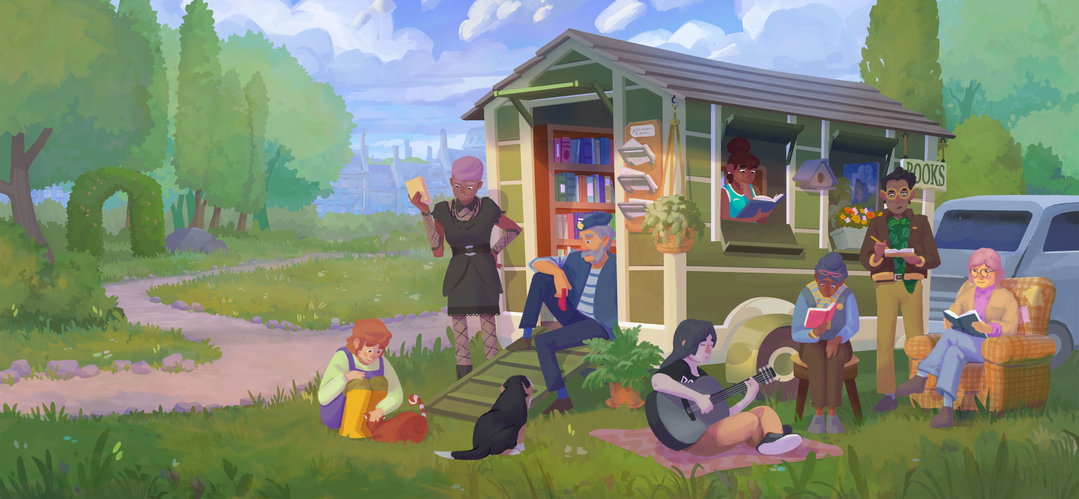
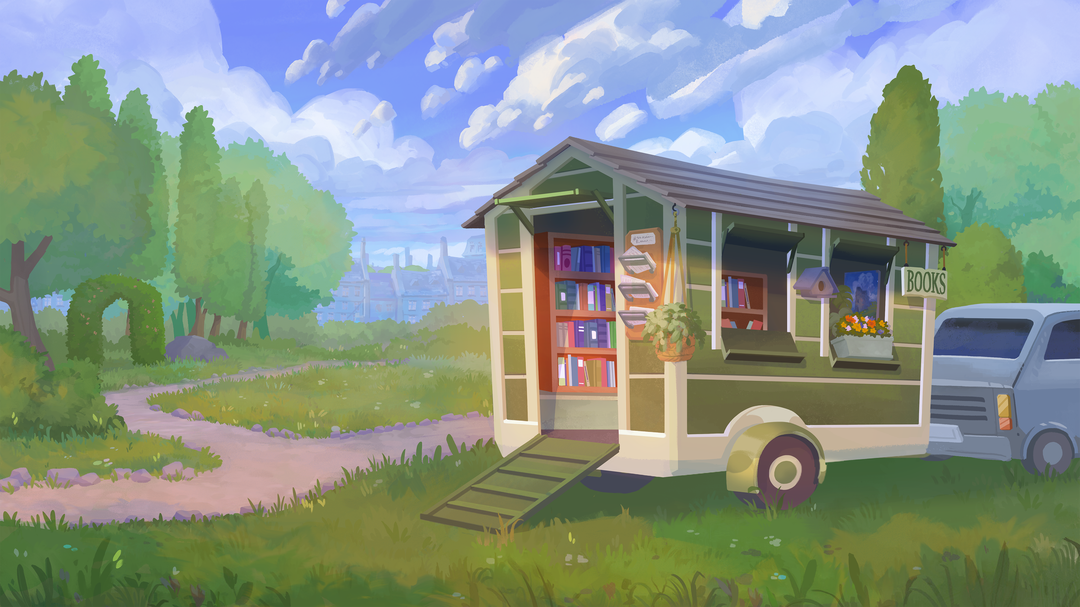
Having partaken in some cosy games myself, including a game where I cultivated a colony of penguins on my phone, I found myself searching for a new world to get stuck into. Introducing: Tiny Bookshop, developed by a tiny Cologne-based studio called Neoludic Games. The game, which is available on PC, Mac and the Nintendo Switch, is all about “the fantasy of running a tiny second hand bookshop by the sea”, tapping into what exactly it is that we look for when we escape to digital worlds: to get lost in daydreams. Players collect used books, curate their inventory and choose between the many scenic locations to set up shop, all whilst meeting the town’s varied and peculiar denizens with whom the player can form friendships or cause mischief.
Neoludic Games: Tiny Bookshop (Copyright © Neoludic Games, 2025)
When we spoke to David Zapfe-Wildemann and Raven Rusch, the primary art directors for the game, we found out that the idea began organically on one fateful afternoon in Christchurch, New Zealand, during an exchange semester when the duo were still Melbourne-based students. “I came across a small second-hand bookshop in a small wagon. Off to its side sat an older gentleman reading a newspaper. I was immediately hooked by this way of living: surrounded by the things you love, being hands-off and relaxed while running a business,” shares David. “Back in our flat, I immediately began researching how it would be possible to run such a mobile bookshop back home in Germany. Unable to do it right away, I made do by designing a card game prototype around it. This would eventually turn into Tiny Bookshop.”
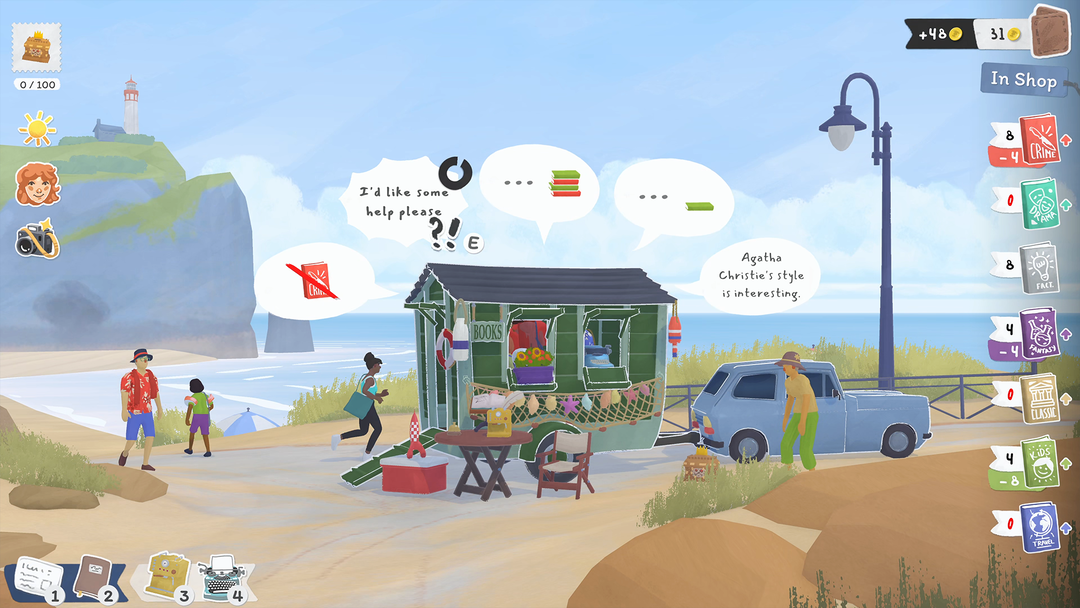
Neoludic Games: Tiny Bookshop (Copyright © Neoludic Games, 2025)
“I was immediately hooked by this way of living: surrounded by the things you love, being hands-off and relaxed while running a business.”
David Zapfe-Wildemann
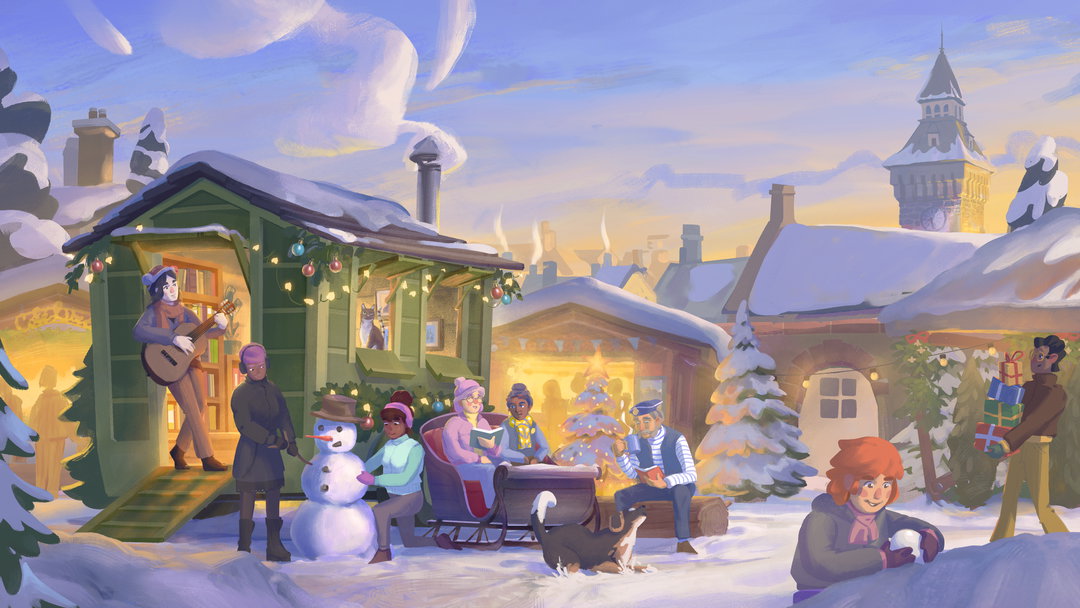
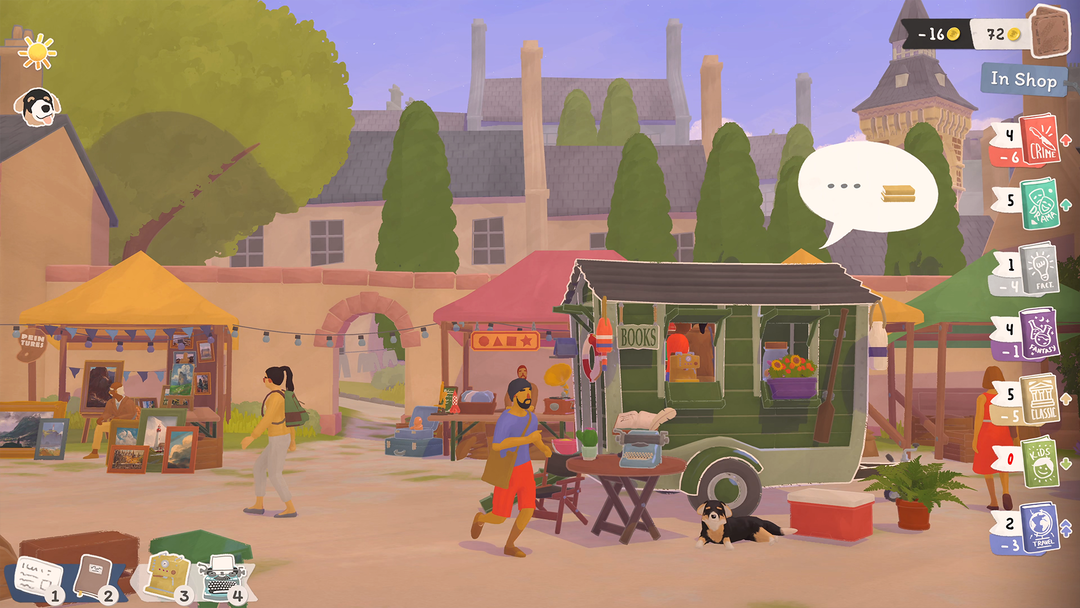
For David, the focus wasn’t on making a cosy game for its own sake, but manifesting his own fantasy. If he couldn’t run a real tiny bookshop, then he set out to make it possible in the virtual world. It’s not just a business-simulation game, it’s about interacting with the community that you live in and the characters within it – and baking that core value into the game’s design, writing, art direction and sound. In Tiny Bookshop, you can see the coastal town you’re set up in go from day to night, you can see seagulls, sea lions and even cannon fire from a nearby castle. All of these factors can affect your bookshop’s business, from boosting sales in a certain genre to scaring customers away – all depending on what variables colour the section of the town you’re in. These elements of the game aren’t merely numbers or statistics, they’re thoughtfully designed and illustrated in Raven’s warm, painterly style (which was inspired by children’s books and nostalgic postcard drawings).
Neoludic Games: Tiny Bookshop (Copyright © Neoludic Games, 2025)


1 of 7
Neoludic Games: Tiny Bookshop (Copyright © Neoludic Games, 2025)
1 of 7
Neoludic Games: Tiny Bookshop (Copyright © Neoludic Games, 2025)
“The ideas for the individual characters came from different places and people in the team – some were workshopped to fit a specific need within the game, but most just came from an idea of ‘Hey, wouldn’t it be great if we had a character that was like this, and they were into this and that’,” says Raven. “Intuitively, we tried to have the characters feel distinct and diverse, so we gave them different interests, origins, ages and so on.” The game’s focus on the player as a centrepoint for the town’s literary-minded is made extra enjoyable when you connect with the variety of characters who have signature looks and interests, which you pair with 931 real-life books, from Ariel by Slyvia Plath to James and the Giant Peach by Roald Dahl. Although some literary types can fit a certain cliche, Tiny Bookshop offers moments of surprise. “Often the visual identity was a result of a back and forth between writing and art, thinking about what kind of person would embody these traits well and be easily identifiable for the player, yet interesting and maybe subversive too,” says Raven.
Neoludic Games: Tiny Bookshop (Copyright © Neoludic Games, 2025)
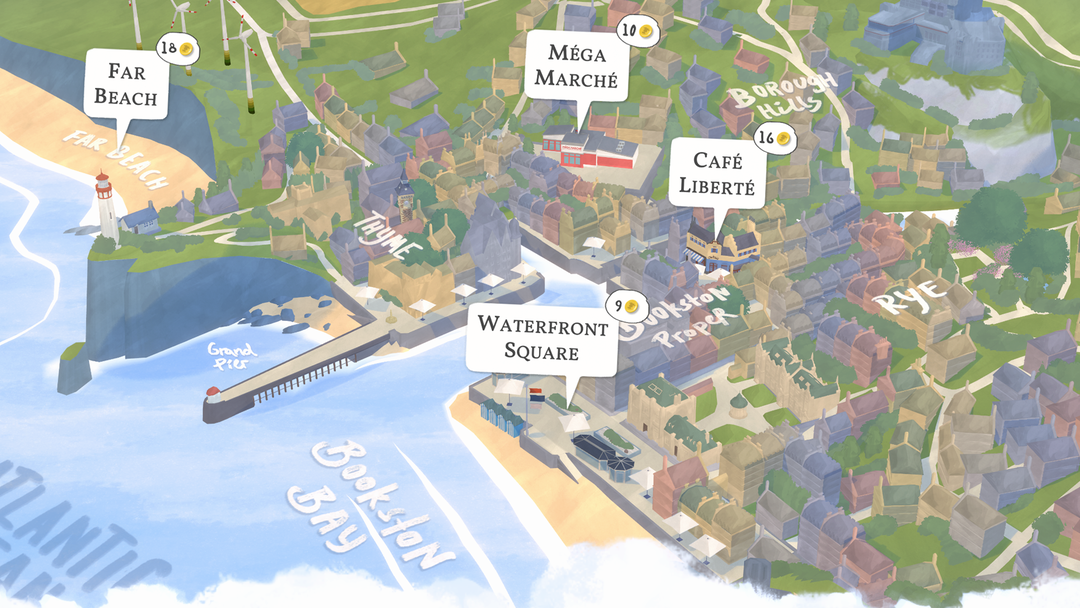
Neoludic Games: Tiny Bookshop (Copyright © Neoludic Games, 2025)
This is a game that is creatively-driven by its colourful, kind-hearted illustrations as much as the player’s indie business is driven by community.
Paul Moore
In a lot of simulation games from the big boom, the user interface can feel separate from the world. In Tiny Bookshop, it feels integrated. The menus and buttons feel like its part of the physical stationery and paper of a real bookshop, thanks to the team’s attention to detail. “We used custom shaders that add paper grain, slight wobble and a brushstroke effect to all the UI and the texts, we also made sure the UI gets impacted by the ambient light as well, anchoring in the same time and space of the 3D world,” shares David. Not only does the game have a tactile sense to it, but it especially helps when much of the gameplay entails stocking shelves, designing the bookshop and even shopping at a flea market.
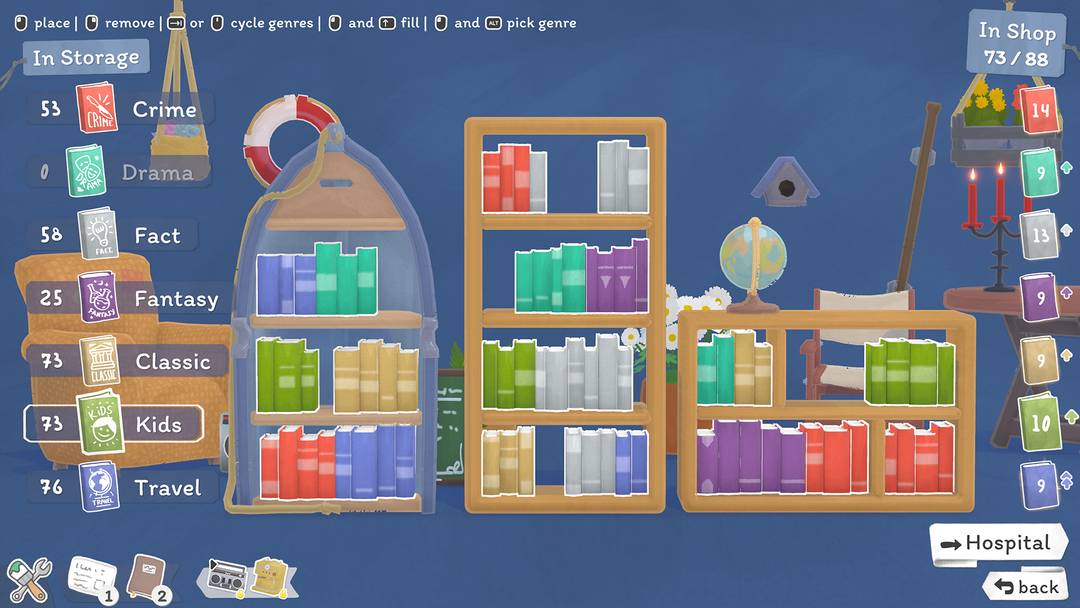
Neoludic Games: Tiny Bookshop (Copyright © Neoludic Games, 2025)
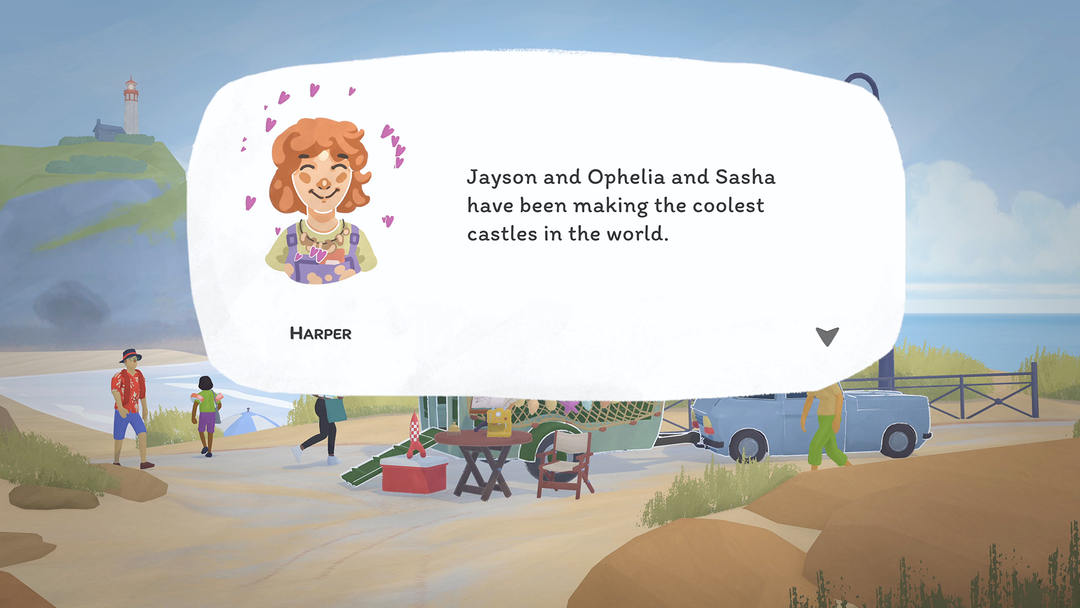
Neoludic Games: Tiny Bookshop (Copyright © Neoludic Games, 2025)
The primary reason to love Tiny Bookshop, apart from the engrossing gameplay, a long and satisfying main narrative, chirpy music and impressive environmental details, is the art style. This is a game that is creatively-driven by its colourful, kind-hearted illustrations as much as the player’s indie business is driven by community. The calming purple sky of the sunset, gentle snowfall on New Year’s Eve, beachside bonfires and town squares all resonate with the player’s own memories, easily accessible through the art style’s pastel palette. It’s a testament to the importance of a strong visual identity when it comes to video games – and with rising stock and interest in independent game studios, there’s never been a better time to get stuck into one of these worlds – or even make your own.
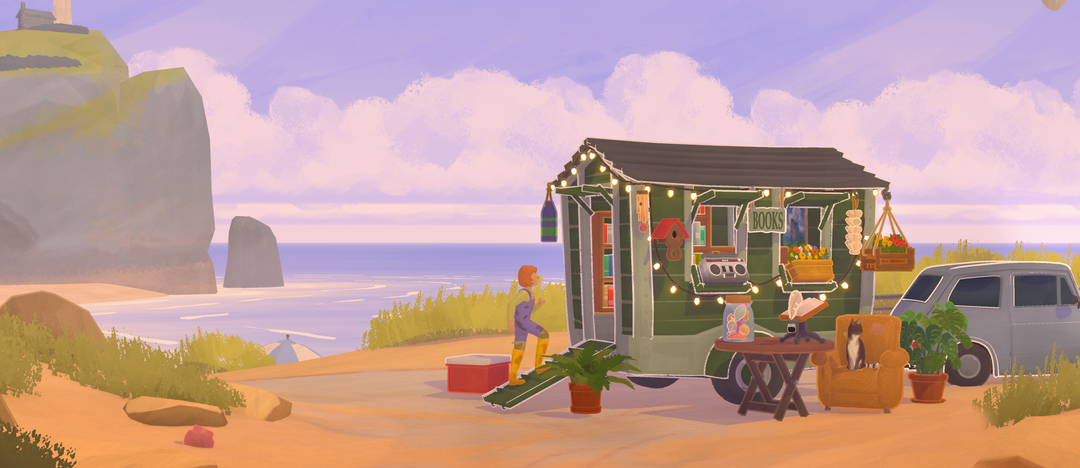
Neoludic Games: Tiny Bookshop (Copyright © Neoludic Games, 2025)
Hero Header
Neoludic Games: Tiny Bookshop (Copyright © Neoludic Games, 2025)
Share Article
About the Author
—
Paul M (He/Him) is a Junior Writer at It’s Nice That since May 2025. He studied (BA) Fine Art and has a strong interest in digital kitsch, multimedia painting, collage, nostalgia, analogue technology and all matters of strange stuff. pcm@itsnicethat.com
To submit your work to be featured on the site, see our Submissions Guide.