

- Words
- Jenny Brewer
- —
- Date
- 8 June 2026
- Tags
From Moomin to Heartstopper: How comics have told real queer stories since the 1940s
Now open at the new Quentin Blake Centre for Illustration in London, Queer as Comics is the UK’s first major exhibition on the subject. We speak to curator Paul Gravett about its rich archive of work, and why this format deserves more recognition.
Share
Share
“I always like to say it starts with the Finnish,” quips Paul Gravett, giving me a tour of the new Queer as Comics show, opening with the new Quentin Blake Centre for Illustration in London. The exhibition tells the rich, largely untold story of queer comics and their importance to cultural history. The first exhibit displays two very early queer-coded comic works from Tove Jansson and Tom of Finland, made in the 1940s when homosexuality was illegal in Finland (and many other countries). Yet these iconic pioneers were making works that would remain culturally impactful and widely beloved to this day.
It’s a powerful start to a compelling exhibition, packed with fascinating history and works you’re unlikely to have seen elsewhere, particularly on a gallery wall. Loosely themed on decades, the show follows the development of queer comics from the 1940s to present day – looking at the emergence of the medium, how it evolved and gained power through the AIDS epidemic and standing against the Pink Pound – all while telling the human stories in between the lines of history. Paul (one of the UK’s foremost experts on comics) tells us a bit more about putting the show together, the works exhibited and the myriad tales within their panels.
“These liberated cartoonists from the constraints of children’s comics and let them break rules and taboos.”
Paul Gravett
It’s Nice That:
What can you tell us, in short, about the tradition of queer comics, where early works emerged, and what the context and culture and reality was at the time for these artists?
Paul Gravett (PG):
For a tradition to build you need pioneers. There were queer people making comics, but they could never express this openly in their work, because societies would not accept it, especially as comics were considered a medium mainly for children. Two of the first queers to come out through their comics after World War II worked from Finland. Under a pen-name Tom of Finland built his initial following through American physique magazines, while Tove Jansson slipped queer-coded references to her lesbian community and partner into her Moomin newspaper strips, serialised first in the London Evening News.
INT:
Why was the comic format a powerful and expressive place for queer people? Why do comics lend themselves to queer themes?
PG:
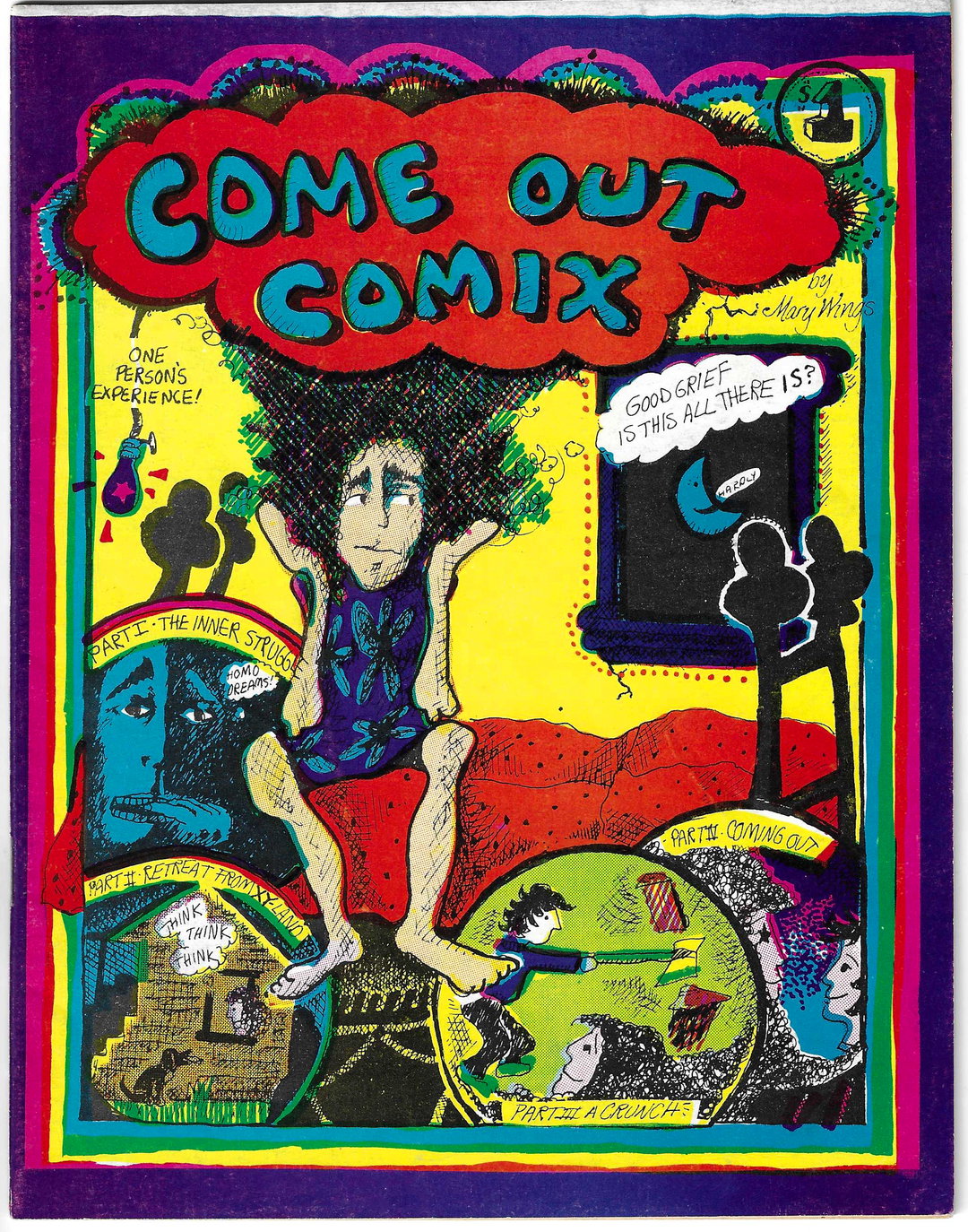
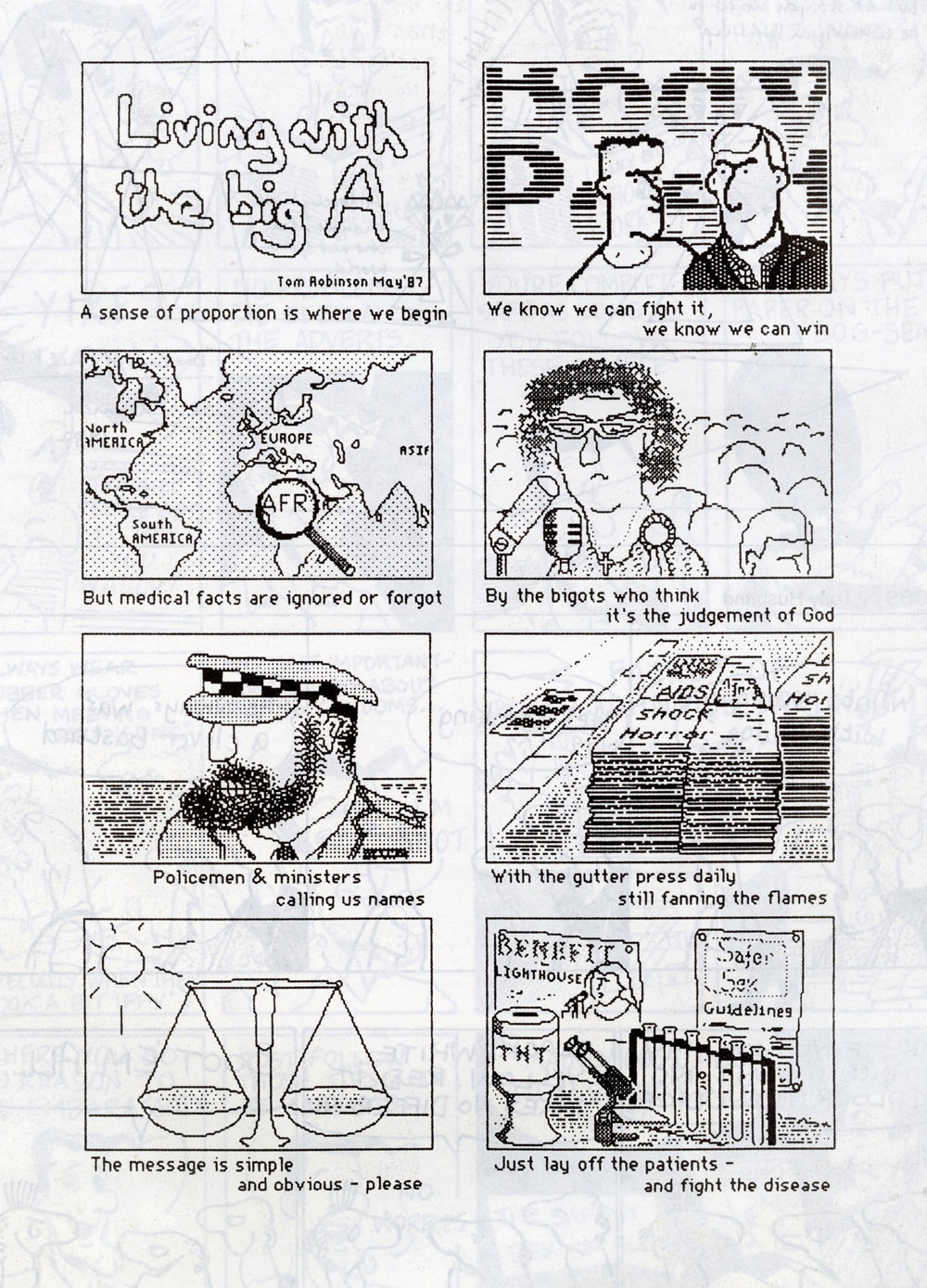
Comics have been a popular entertainment, but were often dismissed or despised in literary and artistic circles. But as a flexible, inventive medium, they offer many different ways to ‘show and tell’ in pictures and words. The sixties introduced new niche magazines for adult gays and lesbians which included comics, as well as a higher-priced, adults-only format of black-and-white underground comix. These liberated cartoonists from the constraints of children’s comics and let them break rules and taboos. New comix publishers sprang up but women artists were hardly included in this boys’ club. So the first solo American lesbian comix were self-published.
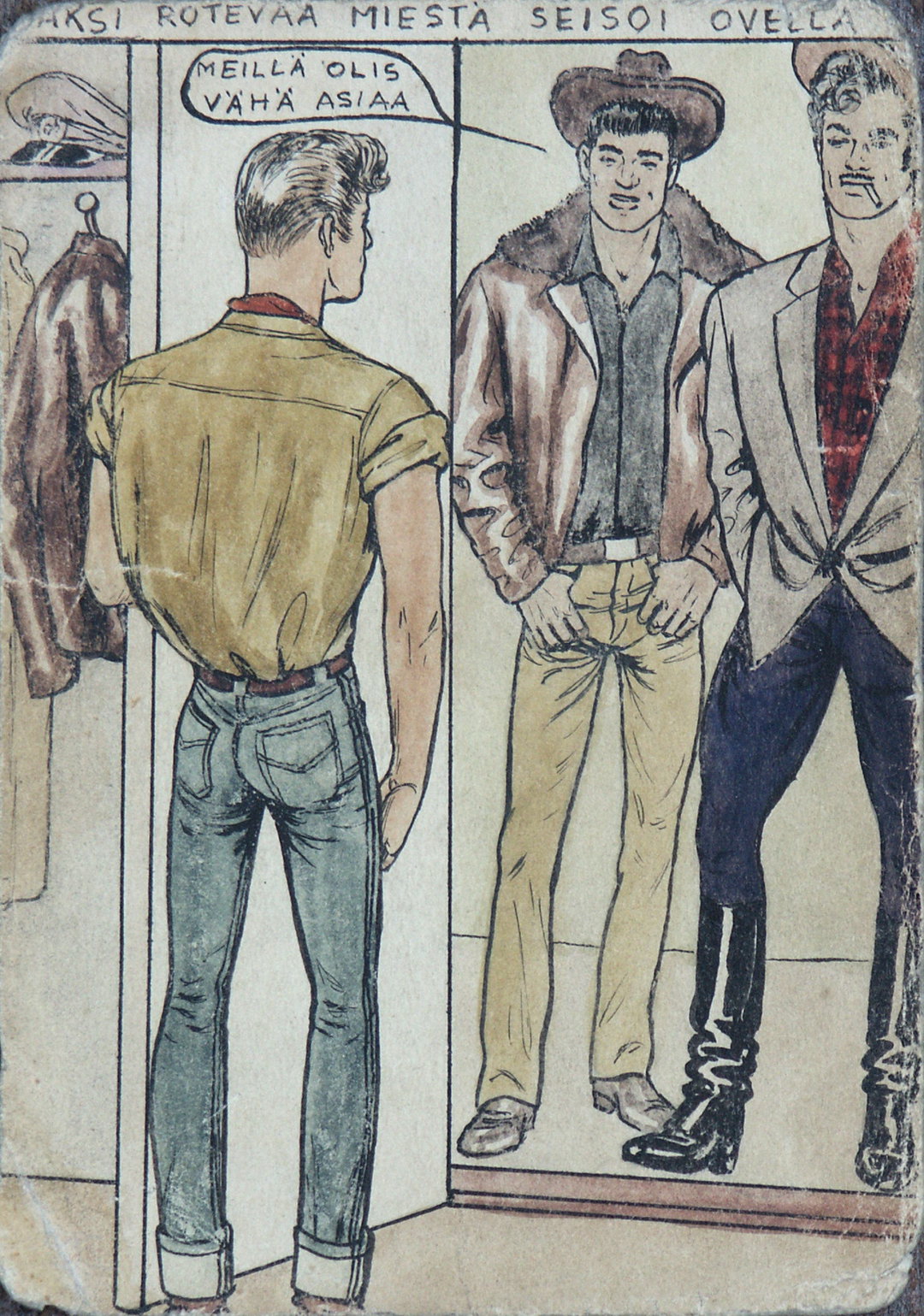
Tom Of Finland: Untitled 2 (from ‘Initiation into the Brotherhood’) 1946 © Tom of Finland Foundation. Courtesy of the Tom of Finland Foundation and David Kordansky Gallery.
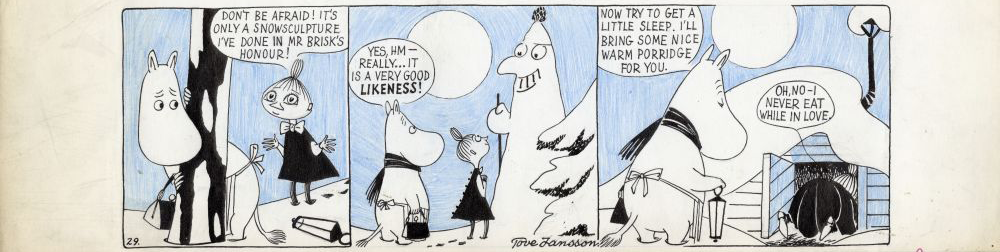
Tove Jansson: Moomin episode 5, strip 29, (1954) from London Evening News. ©Moomin Characters™
“From the start, comics could reflect aspects of their writers’ and artists’ personalities but usually disguised.”
Paul Gravett
INT:
How did the format progress over eras and decades?
PG:
Comics change with print technologies, tastes and markets, of course. But there have also been transformations in the freedom of expression for creators of comics. From the start, comics could reflect aspects of their writers’ and artists’ personalities but usually disguised: Superman, for example, was partly a wish-fulfilment of his timid co-creators. The underground allowed first-person autobiography to take off in the early seventies, often dealing frankly with difficult experiences. And the graphic novel has offered a longer, complete book form, rather than a throwaway periodical, as their canvas.
INT:
Was it difficult to unearth this work and collect it – has it received much attention before on a big stage? What was the process for gathering this work?
PG:
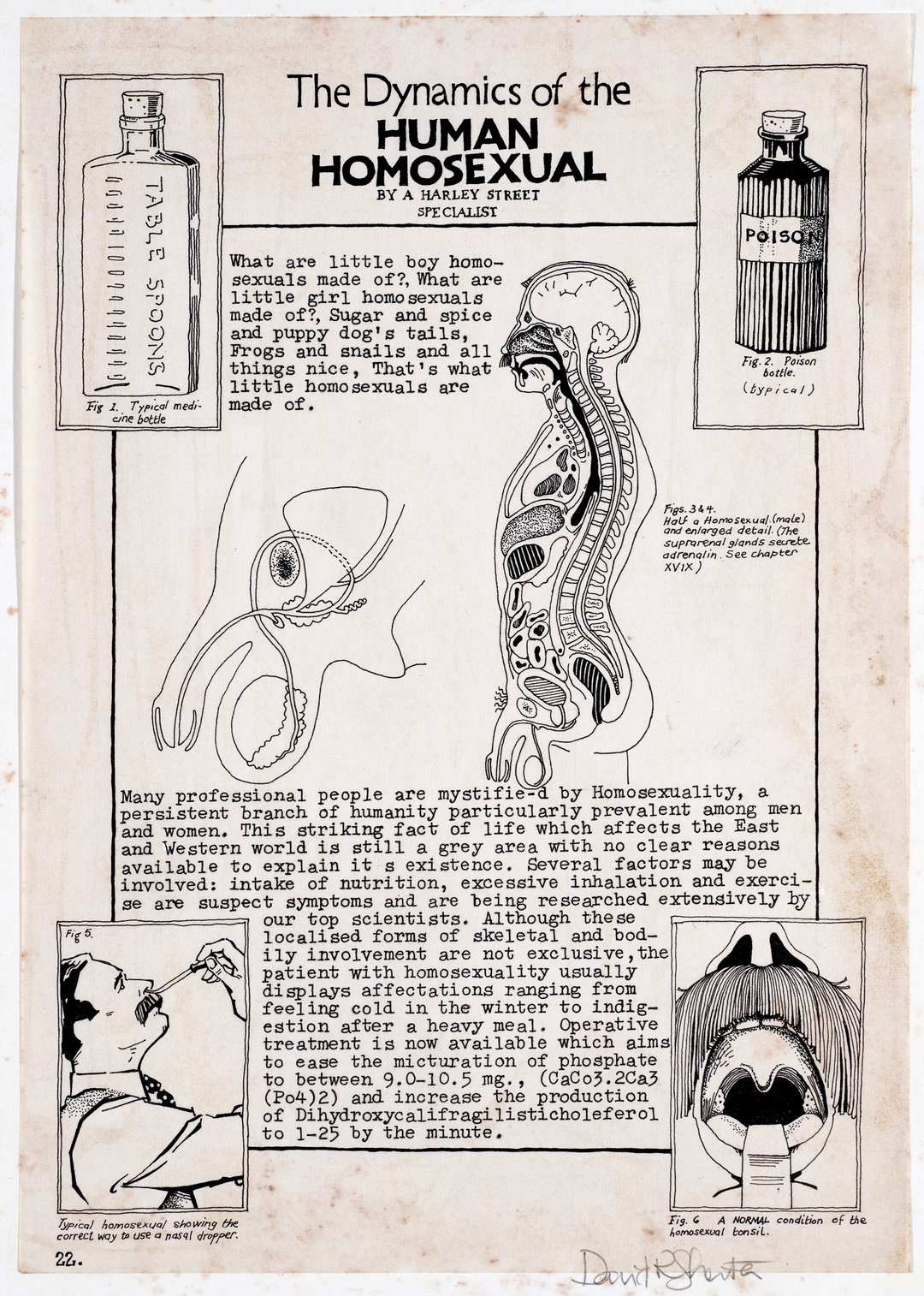
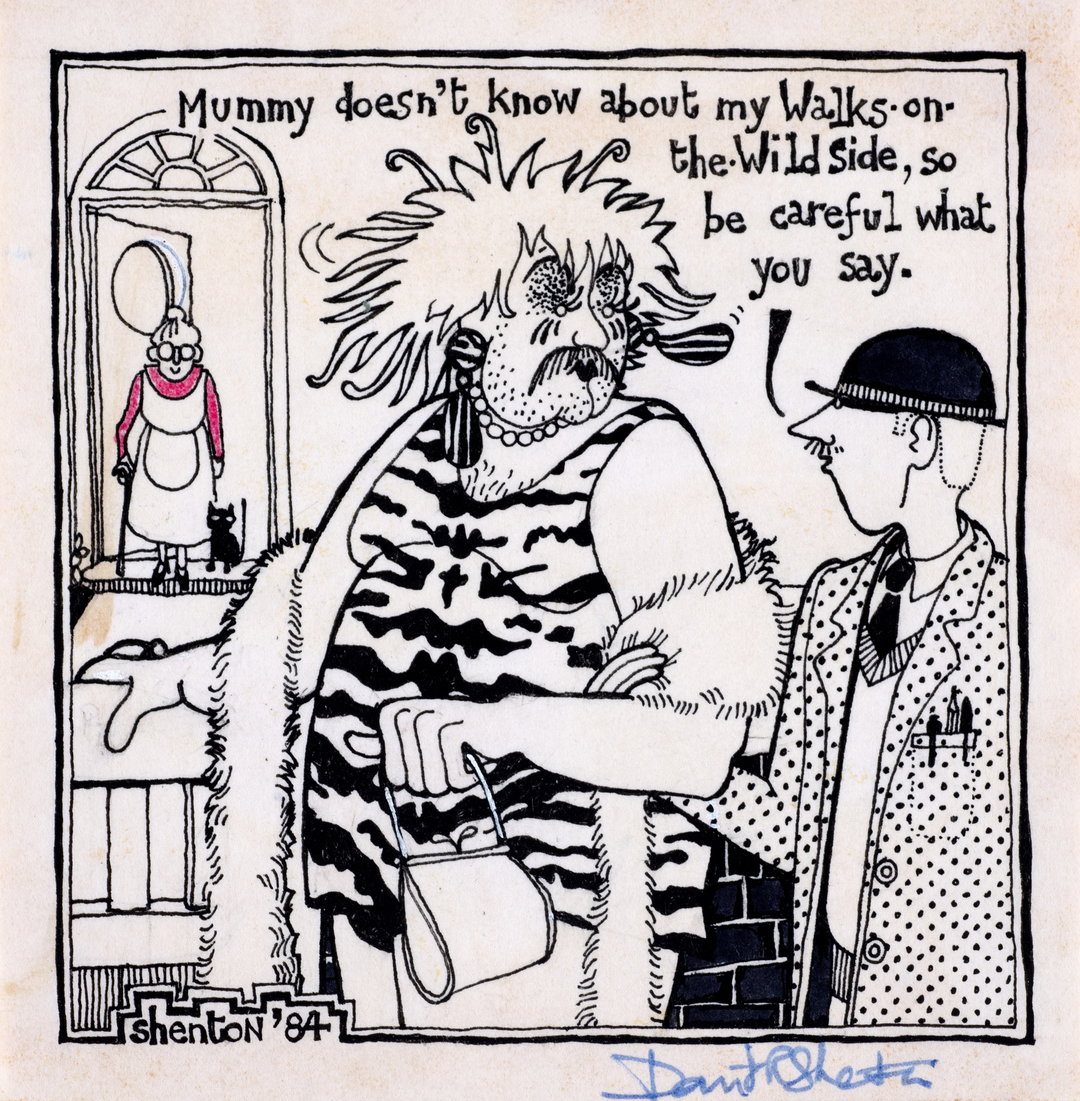
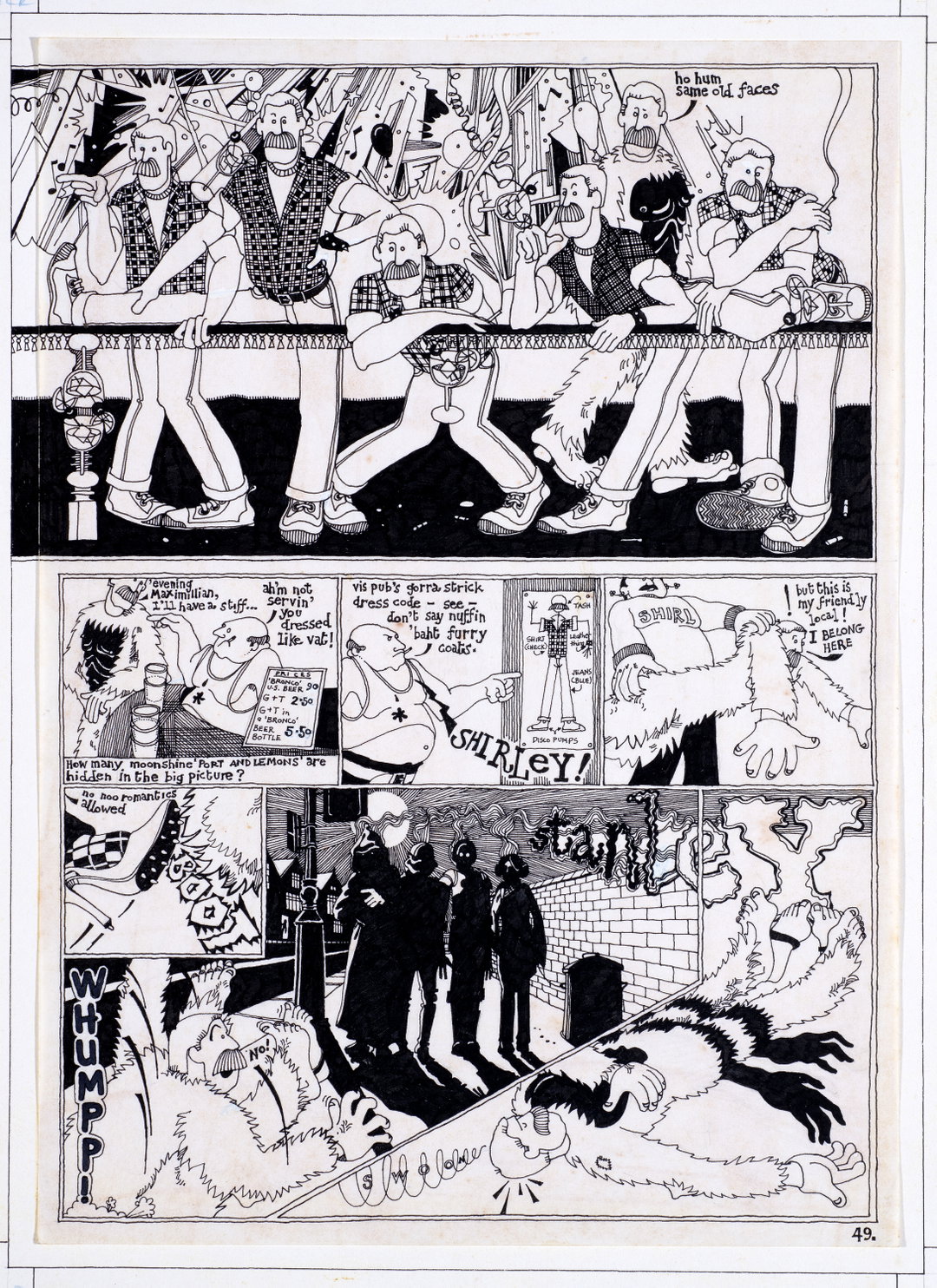
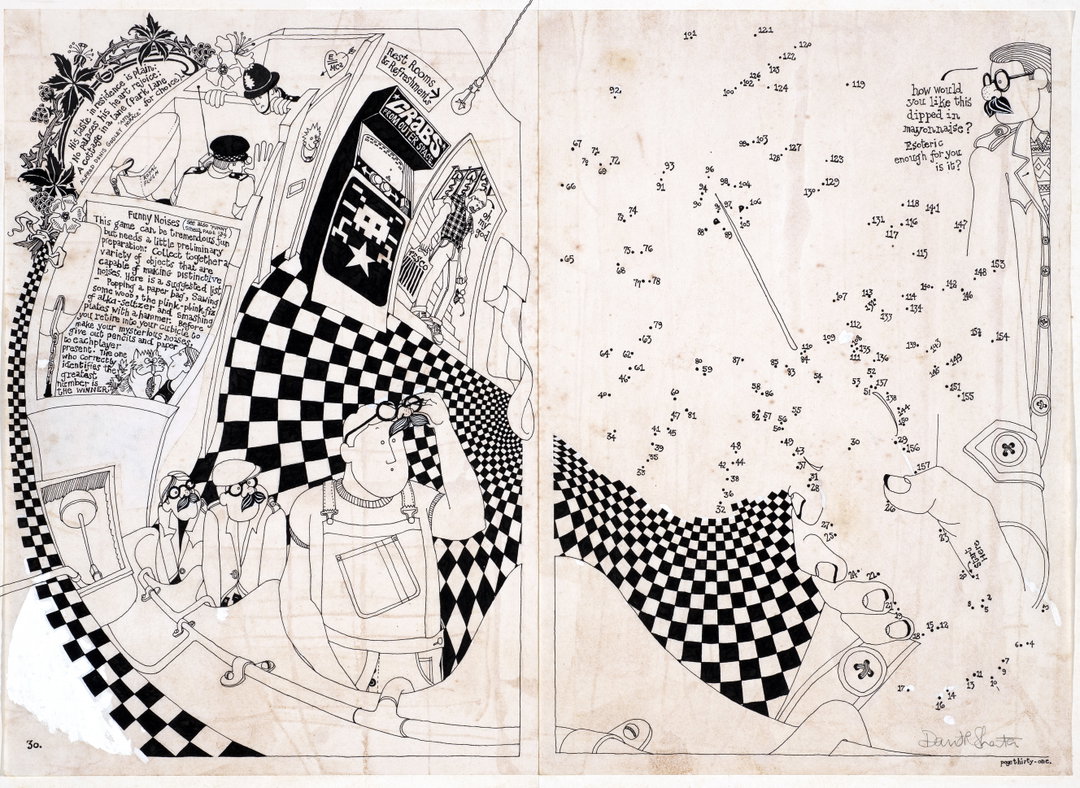
Queer comics have had some exhibitions in the UK over the years, notably by our two greatest ‘veteran’ cartoonists Kate Charlesworth and David Shenton, but Queer as Comics brings together many queer cartoonists from here and abroad, several exhibiting for the first time. Archives, researchers and collectors also proved invaluable, here and in the USA, to dig deeper into how comics appeared in the early lesbian and gay press. Our Advisory Board, researchers and collectors were so supportive too.
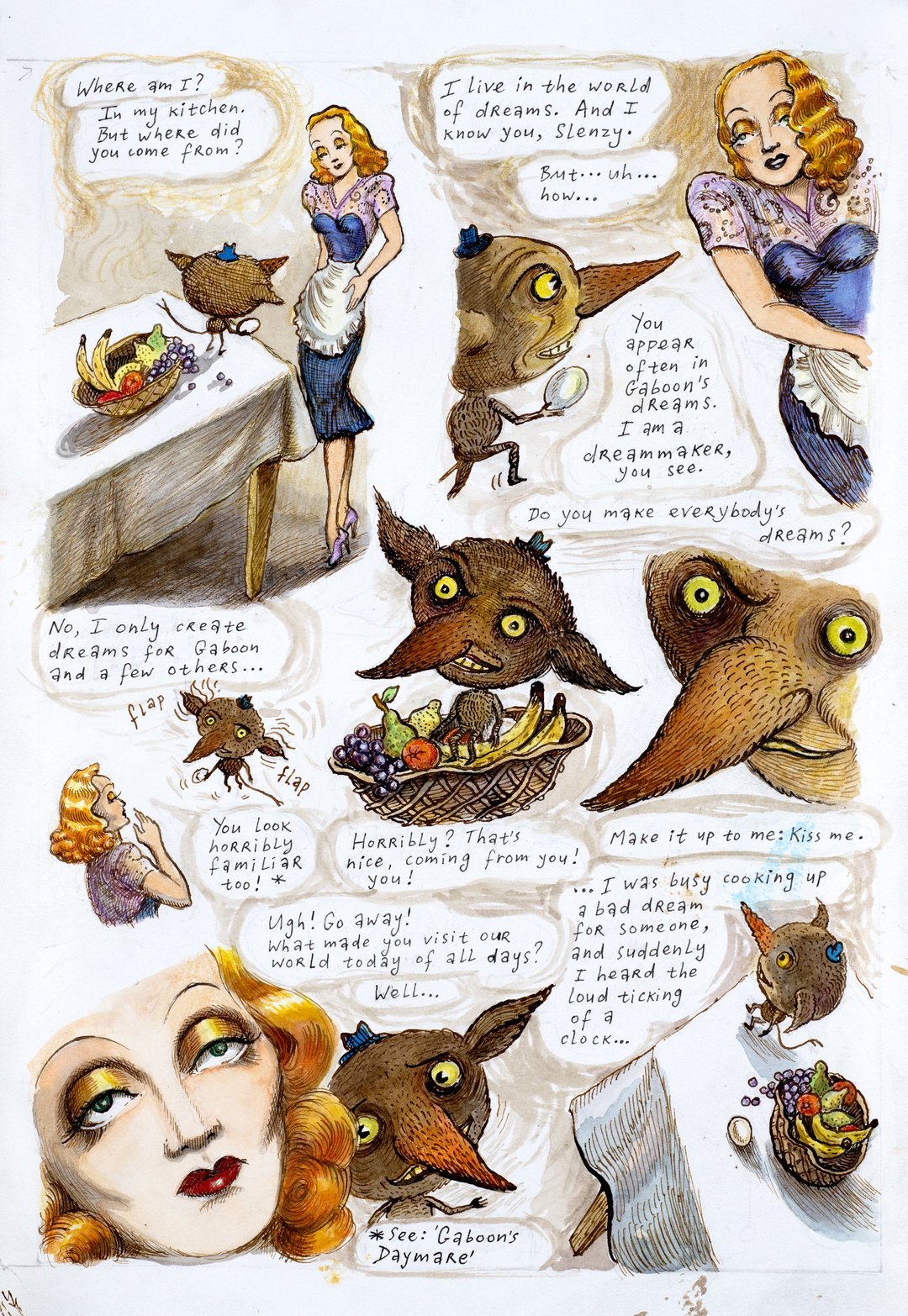
© Tobias Tak
1 of 7
Come Out Comix, 1979 © Mary Wings
1 of 7
Come Out Comix, 1979 © Mary Wings
INT:
Who’s featured in the show, can you give us some sense of the range, big names and lesser known, various types of work?
PG:
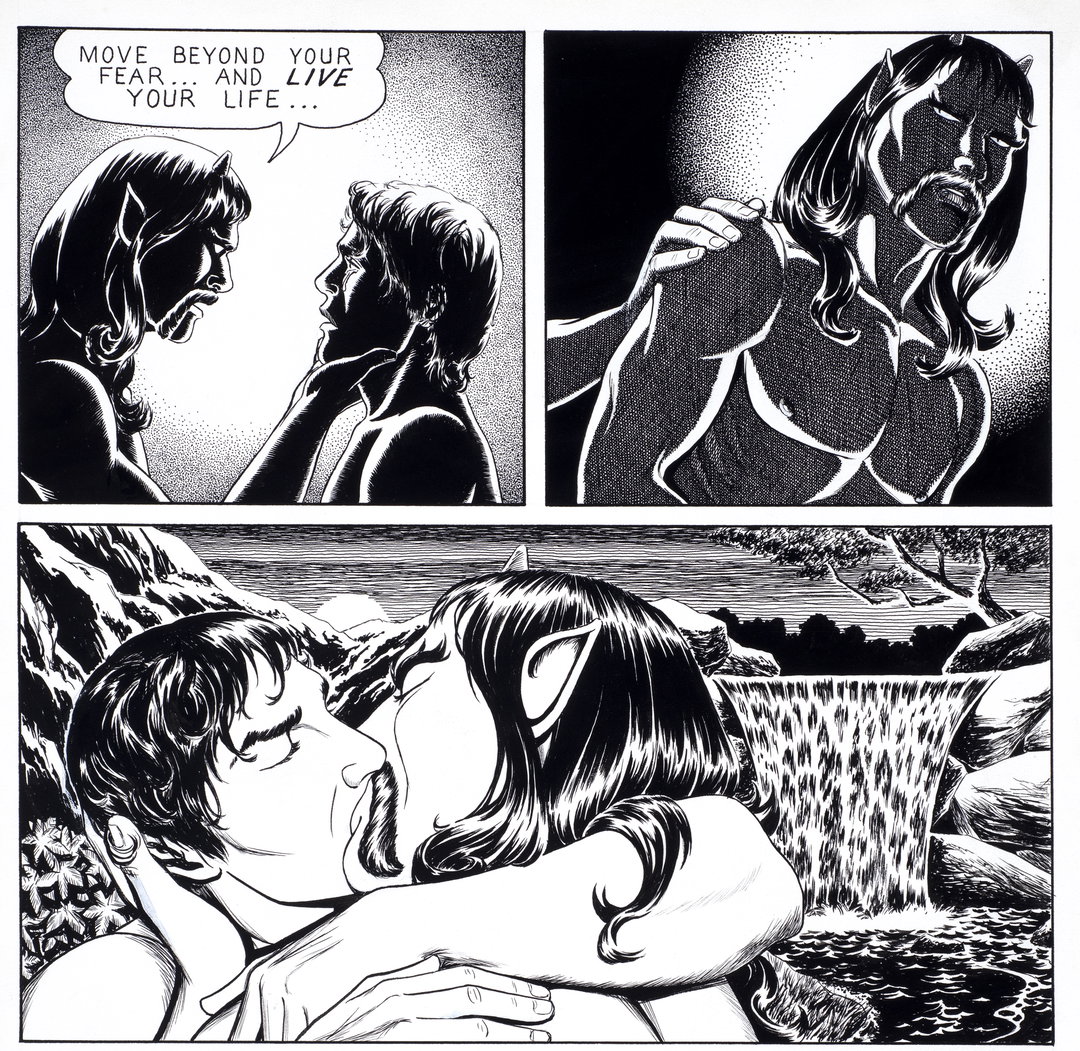
Our priority is to show original artwork and often rare published versions of comics made by queer people, the majority working solo. The two earliest examples we’re opening with date from post-WWII by two iconic Finns – Tom of Finland and Tove Jansson. The exhibition continues chronologically to convey how cartoonists respond to their changing times and freedoms. Alongside Charlesworth and Shenton, we range from Howard Cruse and Alison Bechdel to Tilly Walden and dozens more, covering identity, prejudice, love, fantasy and much more.
“Here they can take centre stage full-time and prove their power, relevance and delight for everyone.”
Paul Gravett
INT:
Can you pick out a couple of your highlights, tell us why they’re exciting and have a great story behind them?
PG:
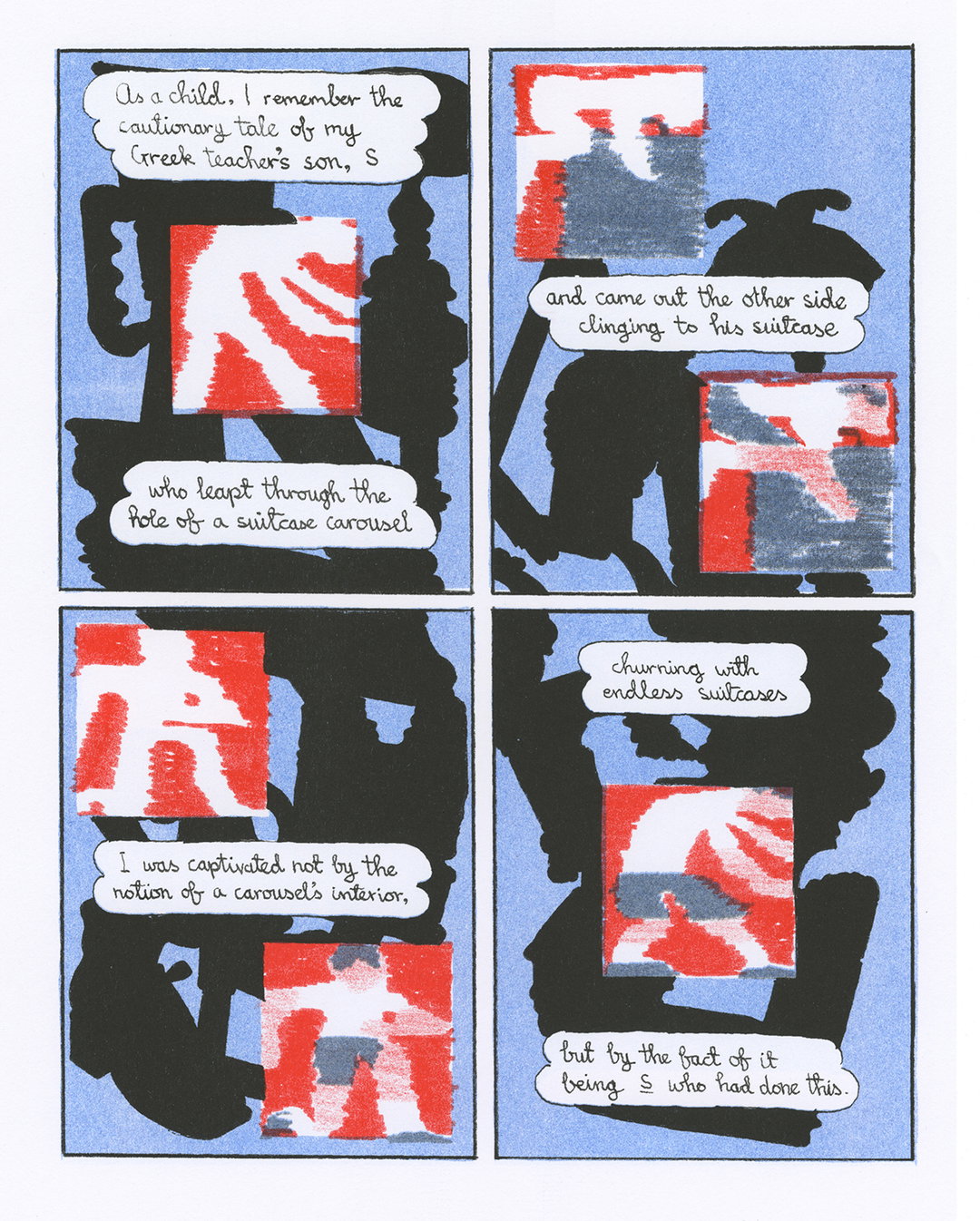
Not everyone knows that Russell T. Davies found huge inspiration for his landmark Channel 4 TV series Queer as Folk from reading The Street in Him magazine as a young man; we’re showing art from this gay comic strip serial by British legend Oliver Frey. I’m also thrilled that Black American pioneer Burton Clarke has loaned for the first time his stunning original pages from the 1980s anthology Gay Comix. And from France we present panels from Jul Maroh’s Blue is the Warmest Colour, the landmark best-selling lesbian graphic novel.
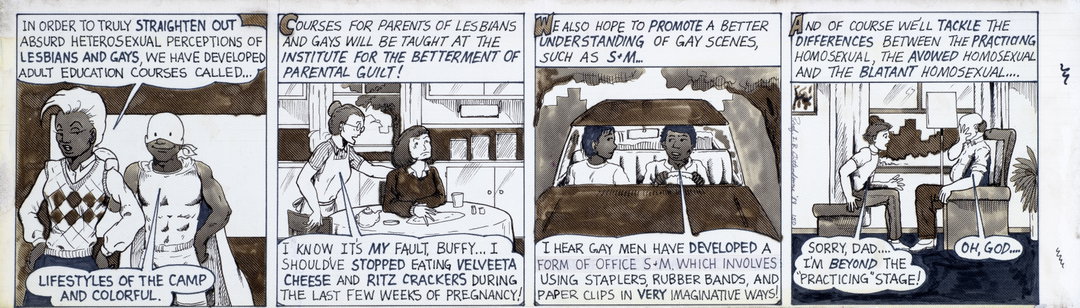
Rupert Kinnard: Cathartic Comics, Betterment of Parental Guilt (1988)
“Queer as Comics shows how the current global scene, from Britain to Cameroun and Lebanon, is thrillingly vibrant and interconnected.”
Paul Gravett
INT:
What does it mean for this work to be featured in this show at the new Quentin Blake Centre – the first major UK institution dedicated to the medium. What does it tell us about the mediums of illustration and comics, their scope, impact, importance, that they’re not just for kids…
PG:
The Quentin Blake Centre for Illustration is starting right out of the gate to show how significant and dynamic illustration and comics have always been and continue to be. Both mediums may have often been underappreciated in other museums and galleries, but here they can take centre stage full-time and prove their power, relevance and delight for everyone.
INT:
What does the contemporary queer comics landscape look like now – is it still serving the communities the same way, how has it evolved and who are the main names in the scene?
PG:
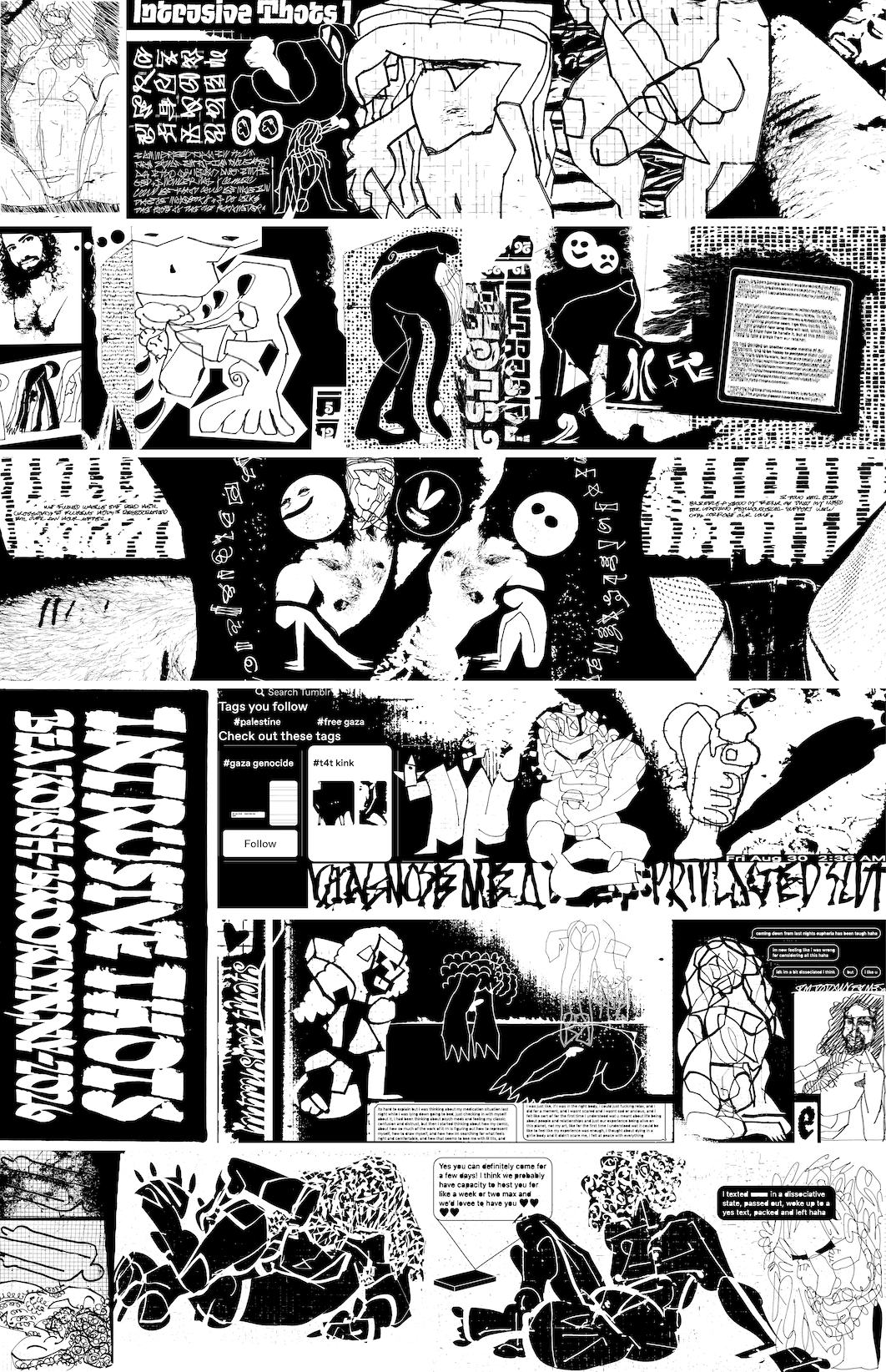
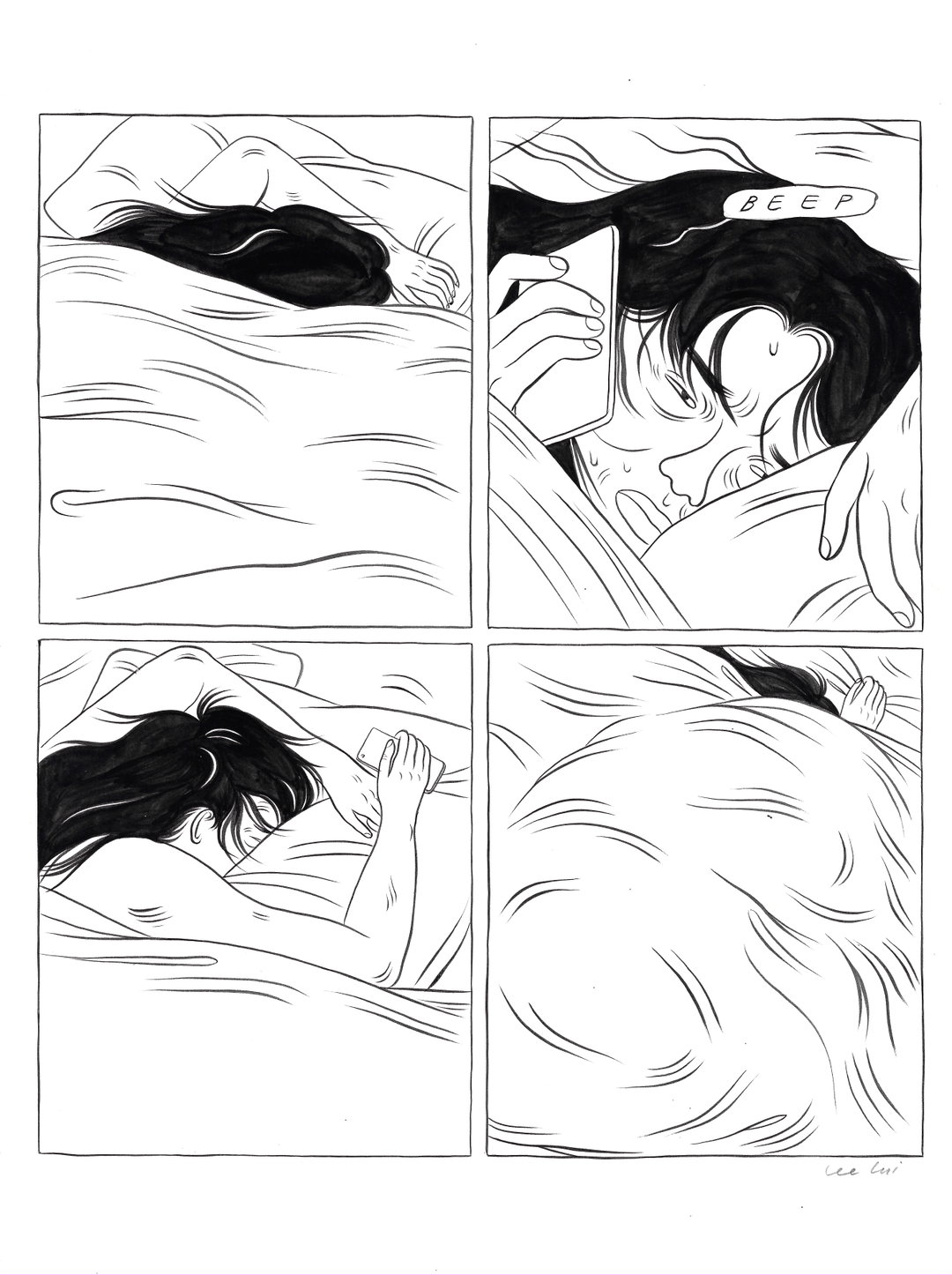
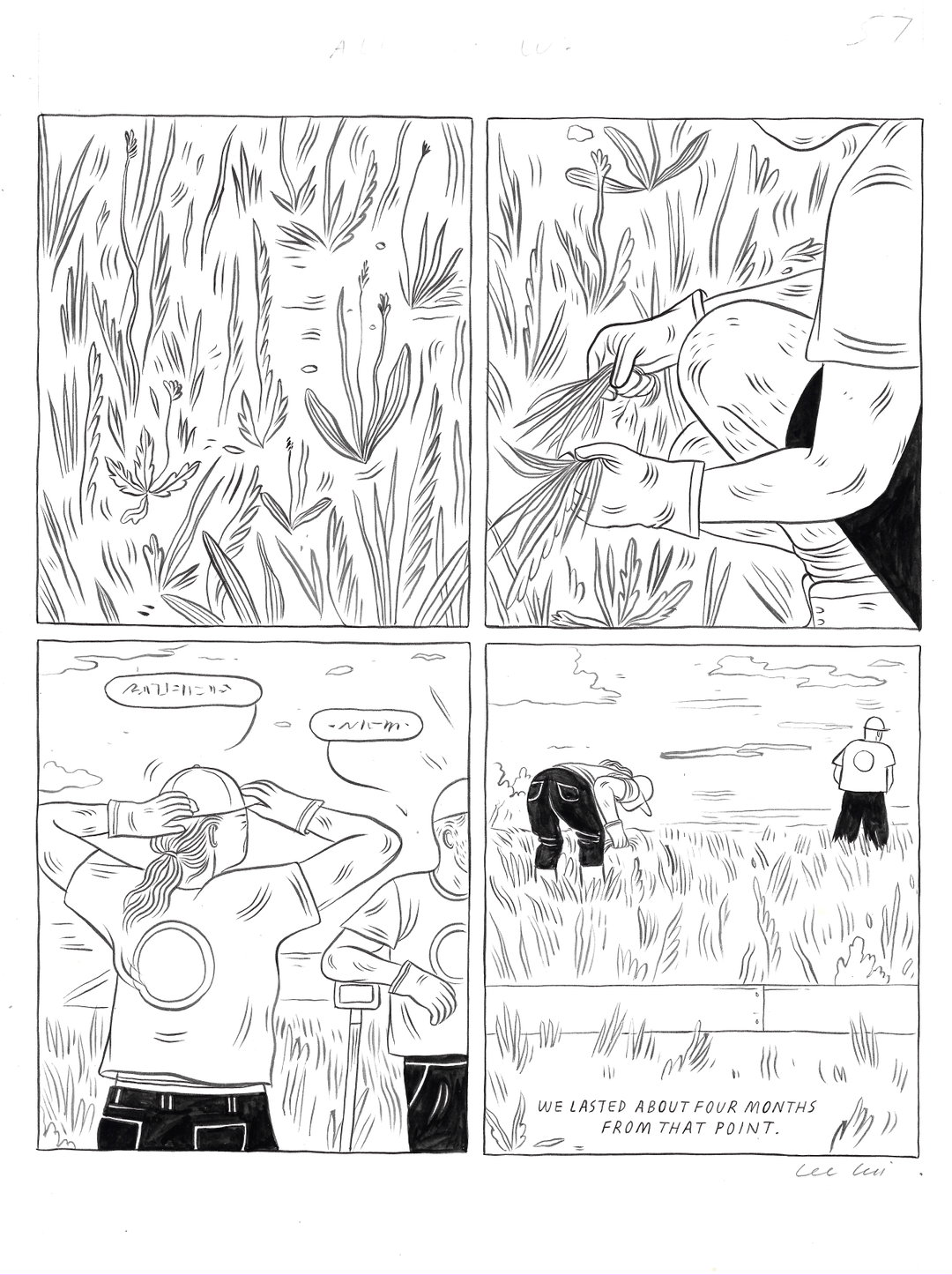
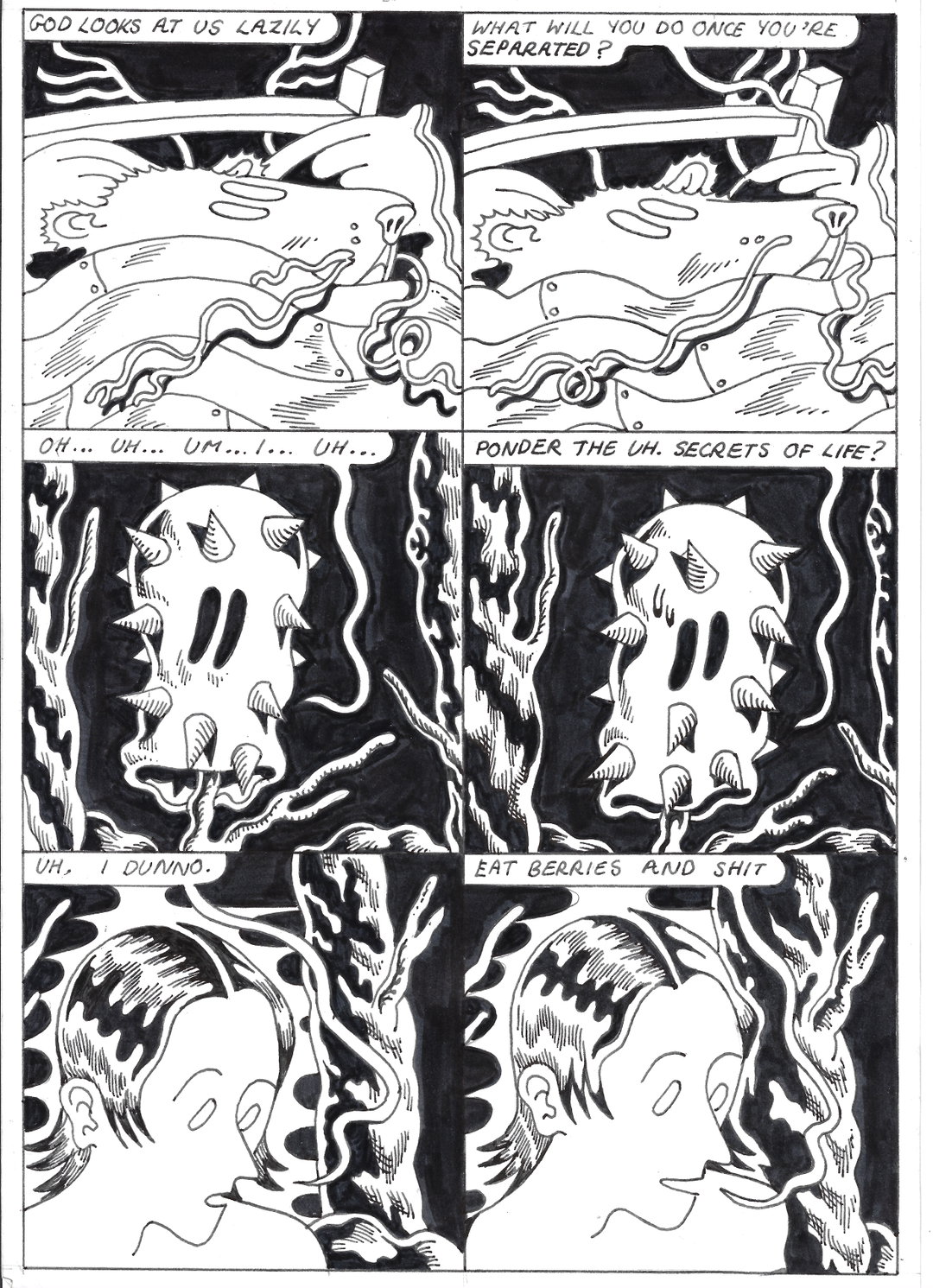
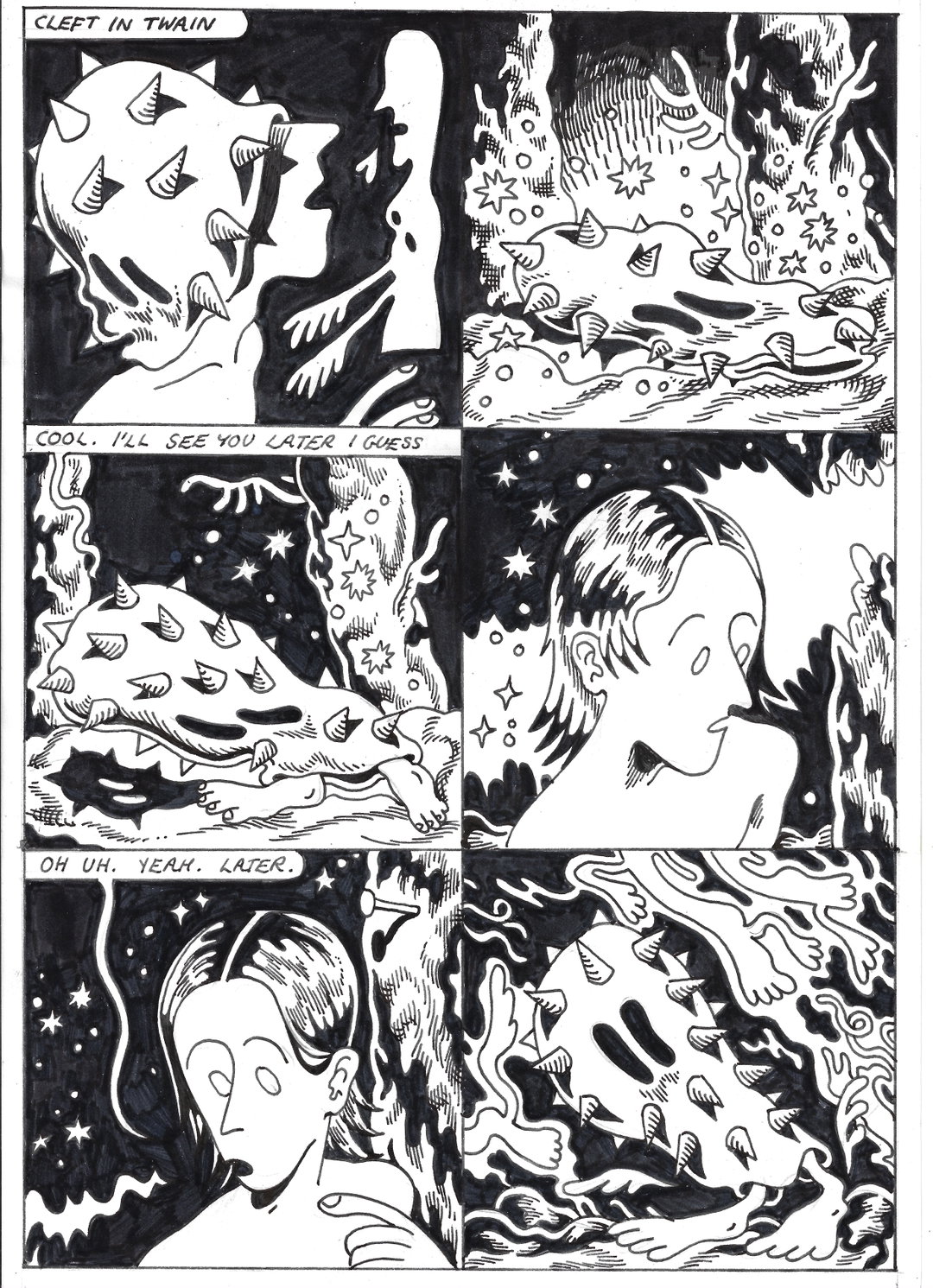
Queer as Comics ends by celebrating how our new millennium has seen queer comics multiply and diversify more than ever, from Alice Oseman’s phenomenal Heartstopper to so many fresh voices and visions from across the LGBTQIA+ communities. Whether as digital comics, handmade zines or graphic novels, Queer as Comics shows how the current global scene, from Britain to Cameroun and Lebanon, is thrillingly vibrant and interconnected.
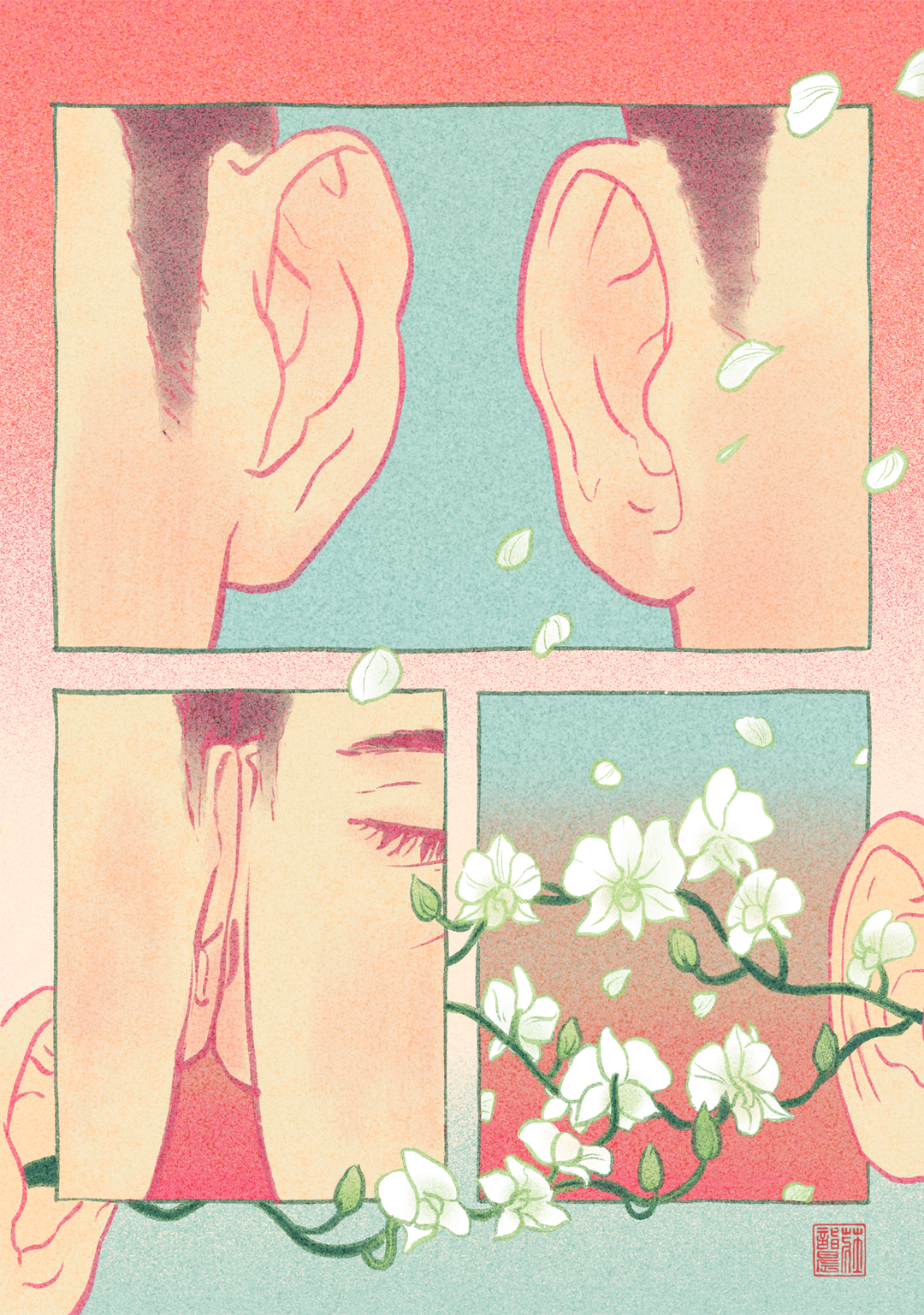
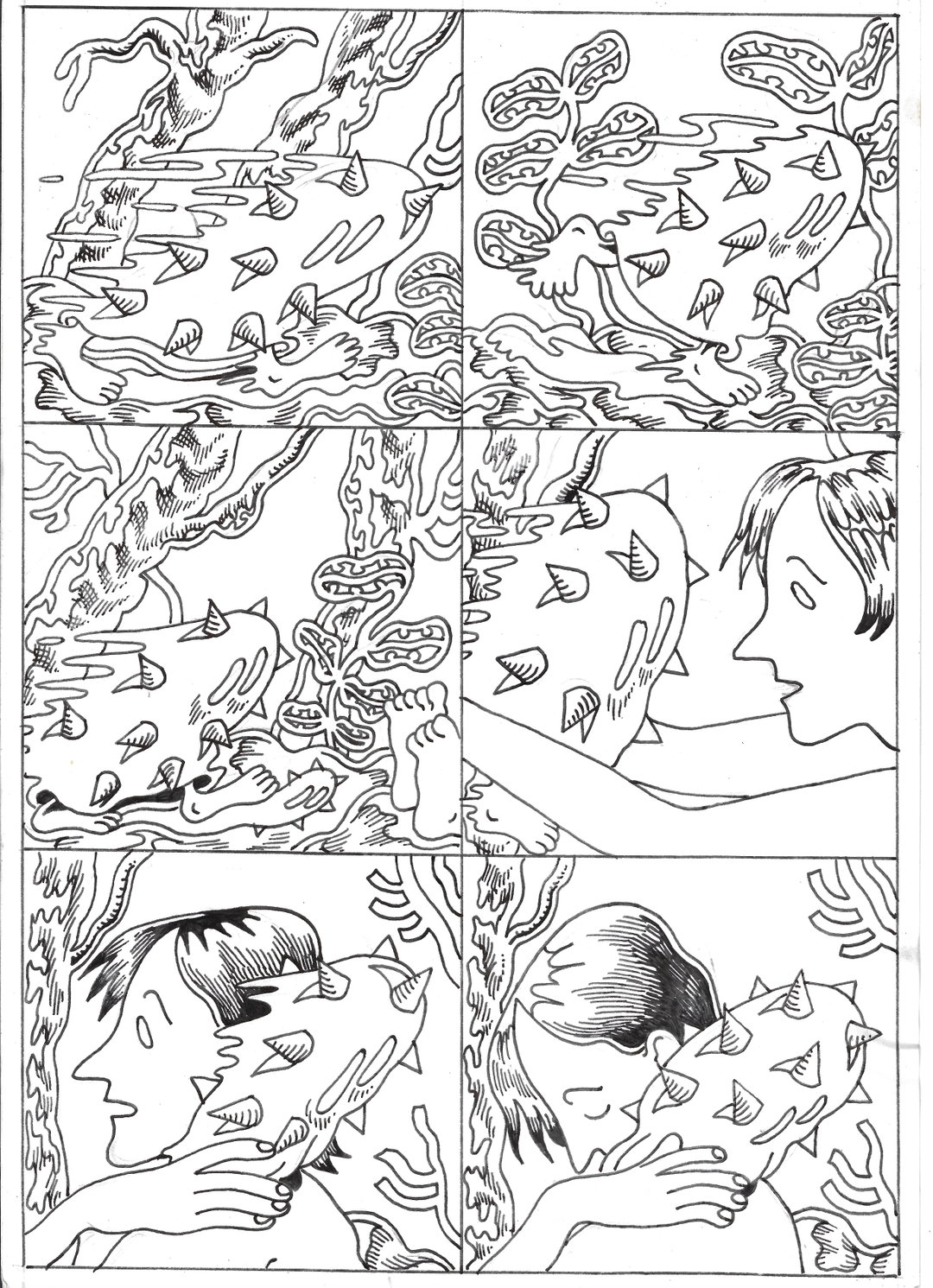
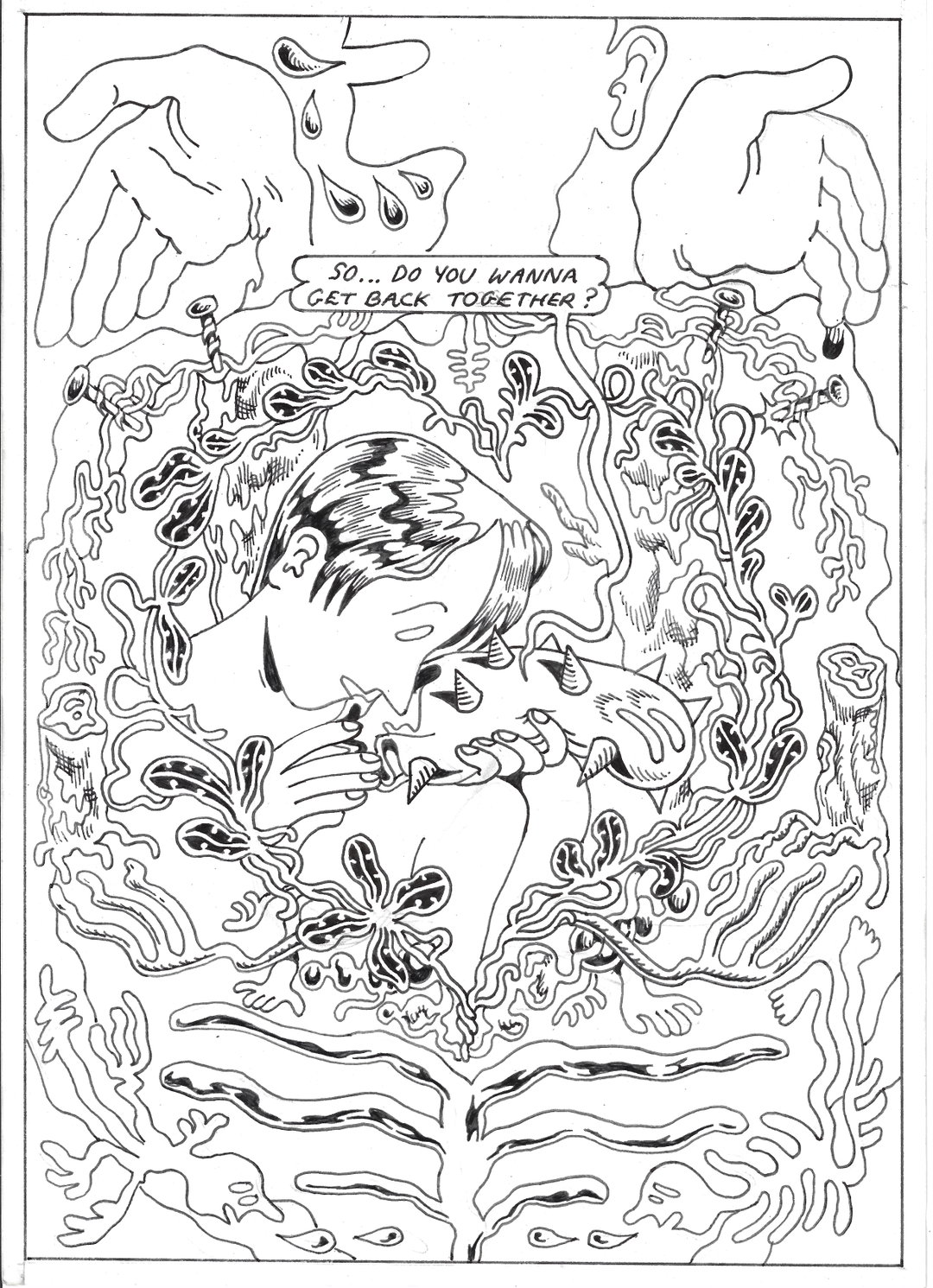
Jason Chuang: I Put My Ear Against Yours © Jason Chuang
1 of 8
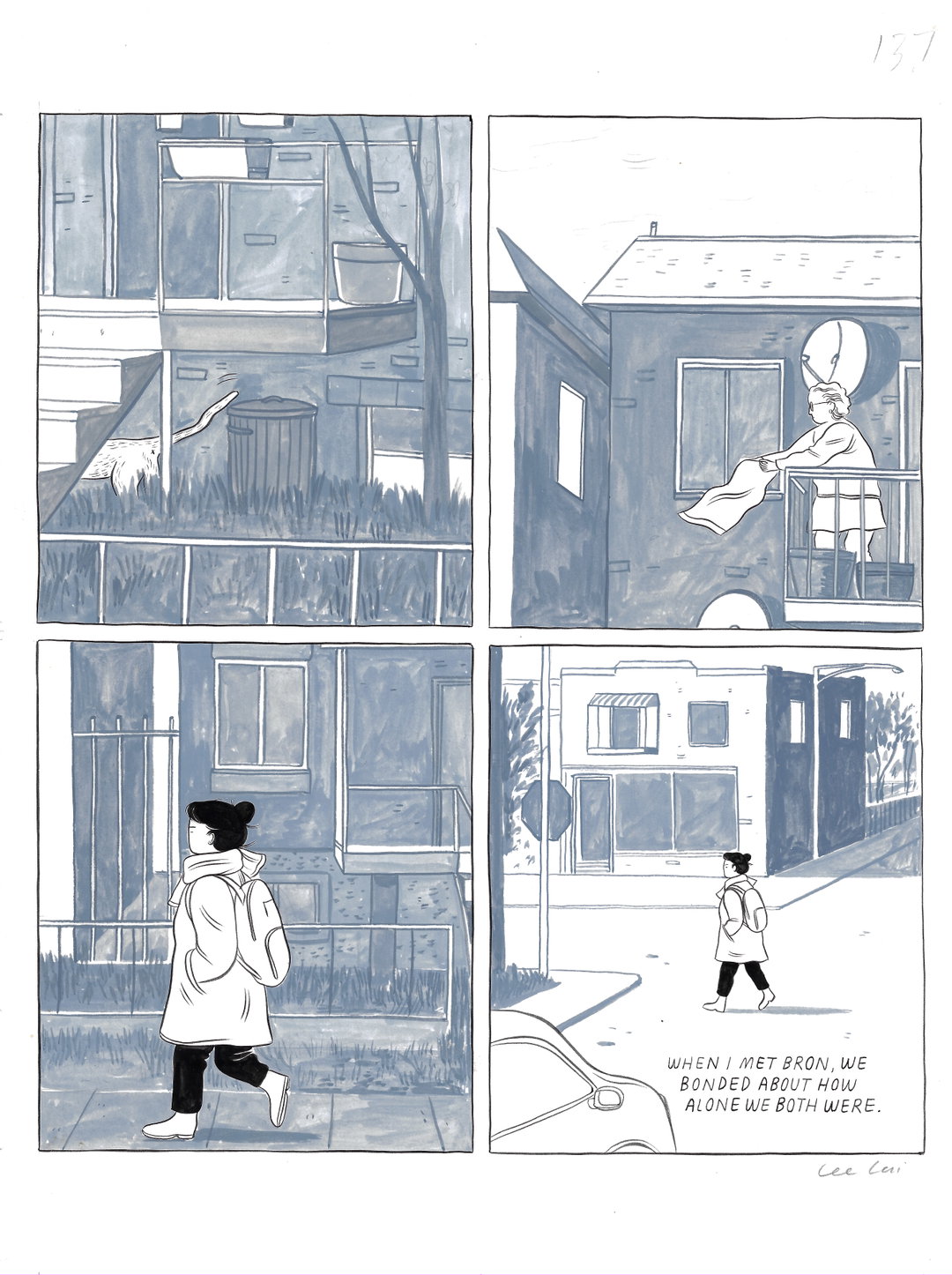
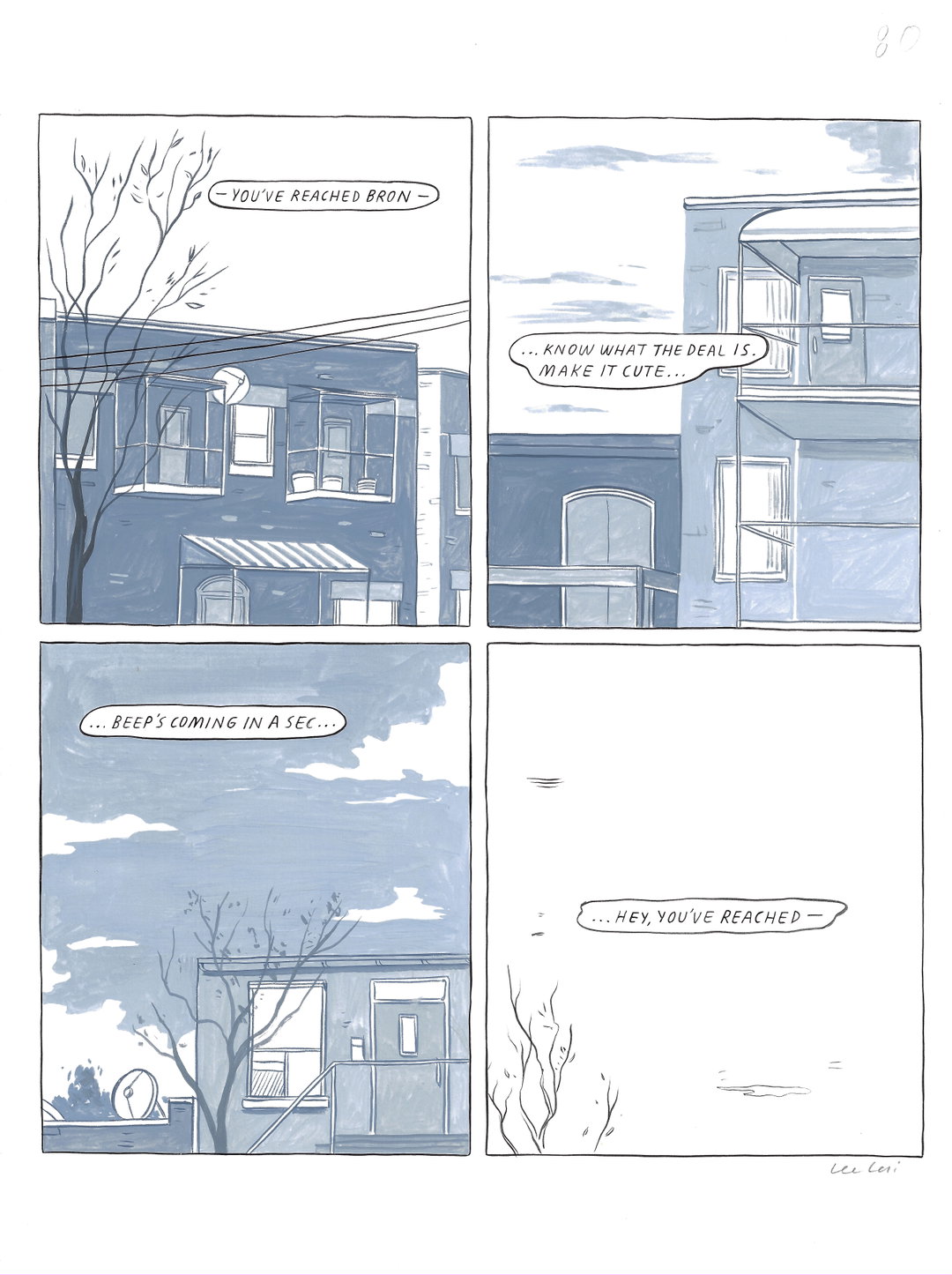
Lee Lai: Pages for Stone Fruit (2021) © Lee Lai
1 of 8
Lee Lai: Pages for Stone Fruit (2021) © Lee Lai
Hero Header
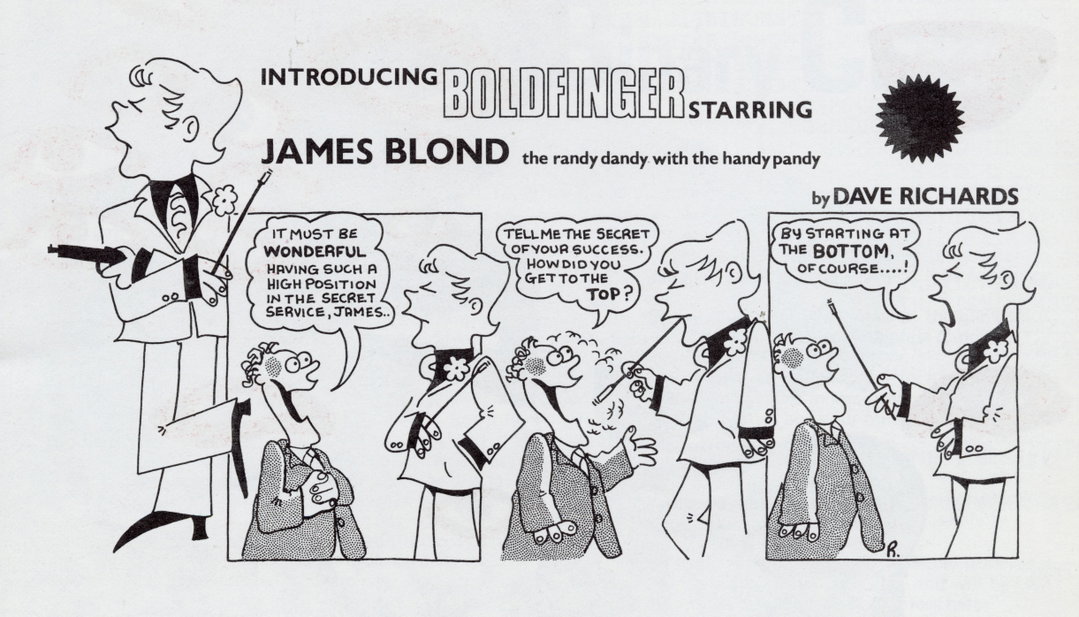
Dave Richards: Boldfinger (1969), Jeremy, No 1, Vol 1 (1969) © Dave Richards
Share Article
About the Author
—
Jenny oversees editorial output across It’s Nice That. Get in touch with writing pitches for features or opinion pieces, big creative story tips, or questions about all things editorial. jb@itsnicethat.com
To submit your work to be featured on the site, please see our Submissions Guide.