- Words
- Paul Moore
- —
- Date
- 21 October 2026
- Tags
Prehistoric cave paintings to Star Wars and Marvel: Inside the colossal catalogue of iconic narrative art
Developed in collaboration with George Lucas and the Lucas Museum of Narrative Art, this extensive two-volume catalogue from Taschen brings together an unparalleled collection of narrative art. Here, Ryan Linkof introduces the new LA-based museum and the importance of myth-making and storytelling.
Share
Share
This article was first published in Taschen’s Lucas Museum of Narrative Art by Ryan Linkof, the senior curator and head of film programs at the Lucas Museum of Narrative Art – available here.
Narratives shape how we understand the world. To assign purpose, meaning, and order to a sequence of events helps to explain what might otherwise feel random or unknowable. Storytelling allows us to share experiences, connect past to present, and imagine a future. We do not simply experience the world; we actively interpret it through stories.
The Lucas Museum of Narrative Art is rooted in the proposition that narrative art illustrates the myths that inform our lives. Myths are foundational narratives that guide human behavior and assuage our most basic fears. They serve to bind people together, creating shared beliefs and values that allow for cooperation, social cohesion and a common sense of purpose. Myths can feel real without being factual. They operate on an emotional level, activating feelings of belonging, love, and hope. Nearly all of humanity’s most sacred beliefs — from religion to politics to family — can be understood as myths. They reveal how we structure social bonds through shared stories.
“The shared impulse to make sense of the world through images is evident in the prehistoric cave paintings that exist in nearly every region of the world.”
Ryan Linkof
Creating pictures to depict legends, historical events, personal experience or flights of imagination is common across all human cultures. Artists have long been asked to give visual form to the stories we share. In this way, they have served as teachers, providing images that educate and inform. Because of their immediacy and accessibility, images have a unique capacity to communicate complex ideas to broad audiences. They can speak to us on an intuitive level, beyond the constraints of language. Compelling and emotionally engaging images can sometimes blur the distinction between reality and representation, inviting us to believe that they are real. Seeing, more often than we may realise, is believing.
The shared impulse to make sense of the world through images is evident in the prehistoric cave paintings that exist in nearly every region of the world. Typically featuring vivid depictions of Paleolithic animals and human figures, these sites are thought to have been spaces of refuge and ritual that honoured the life-giving power of nature. These caves reflect a human desire to visualise experience and convey ideas about the forces that shape the world and humanity’s place within it.
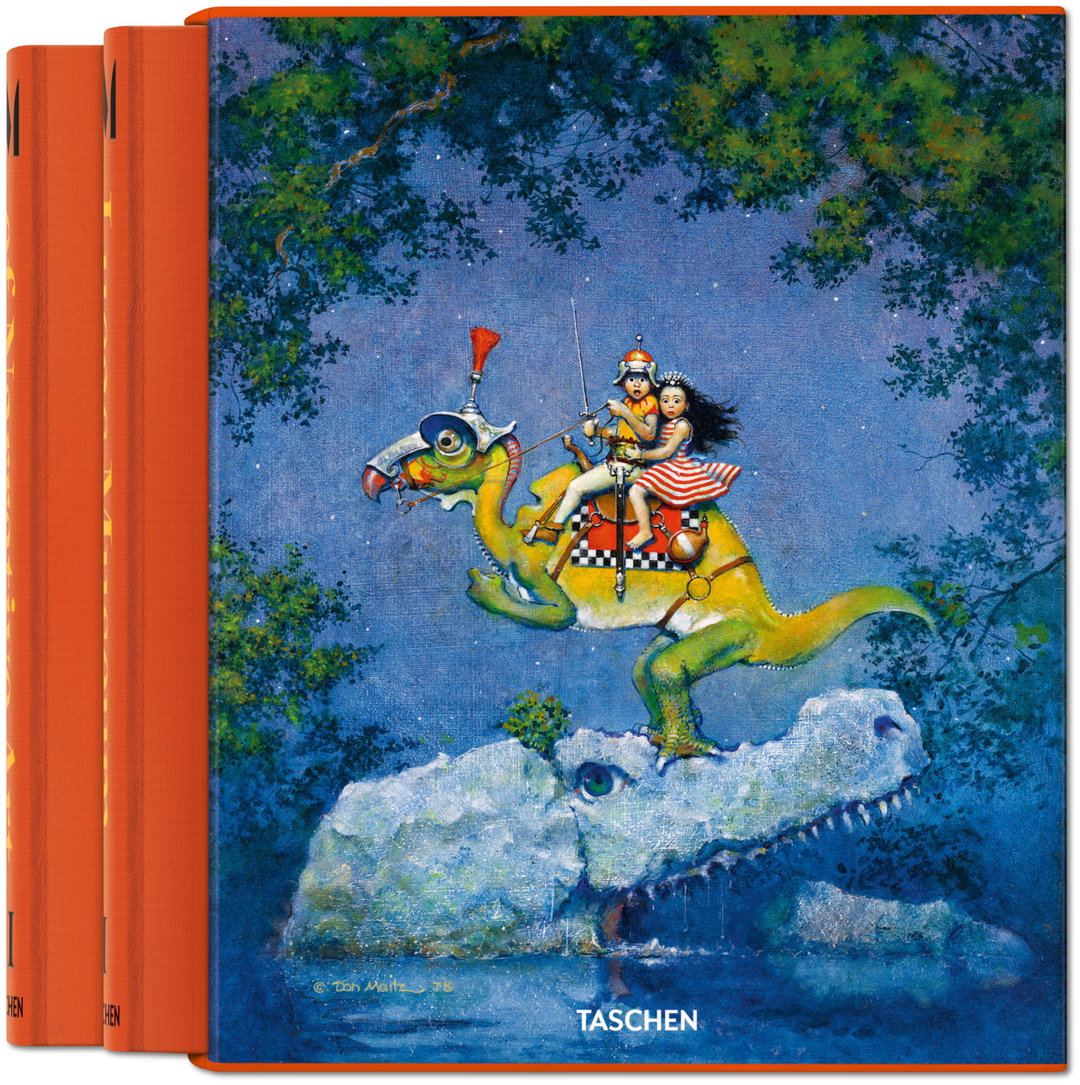
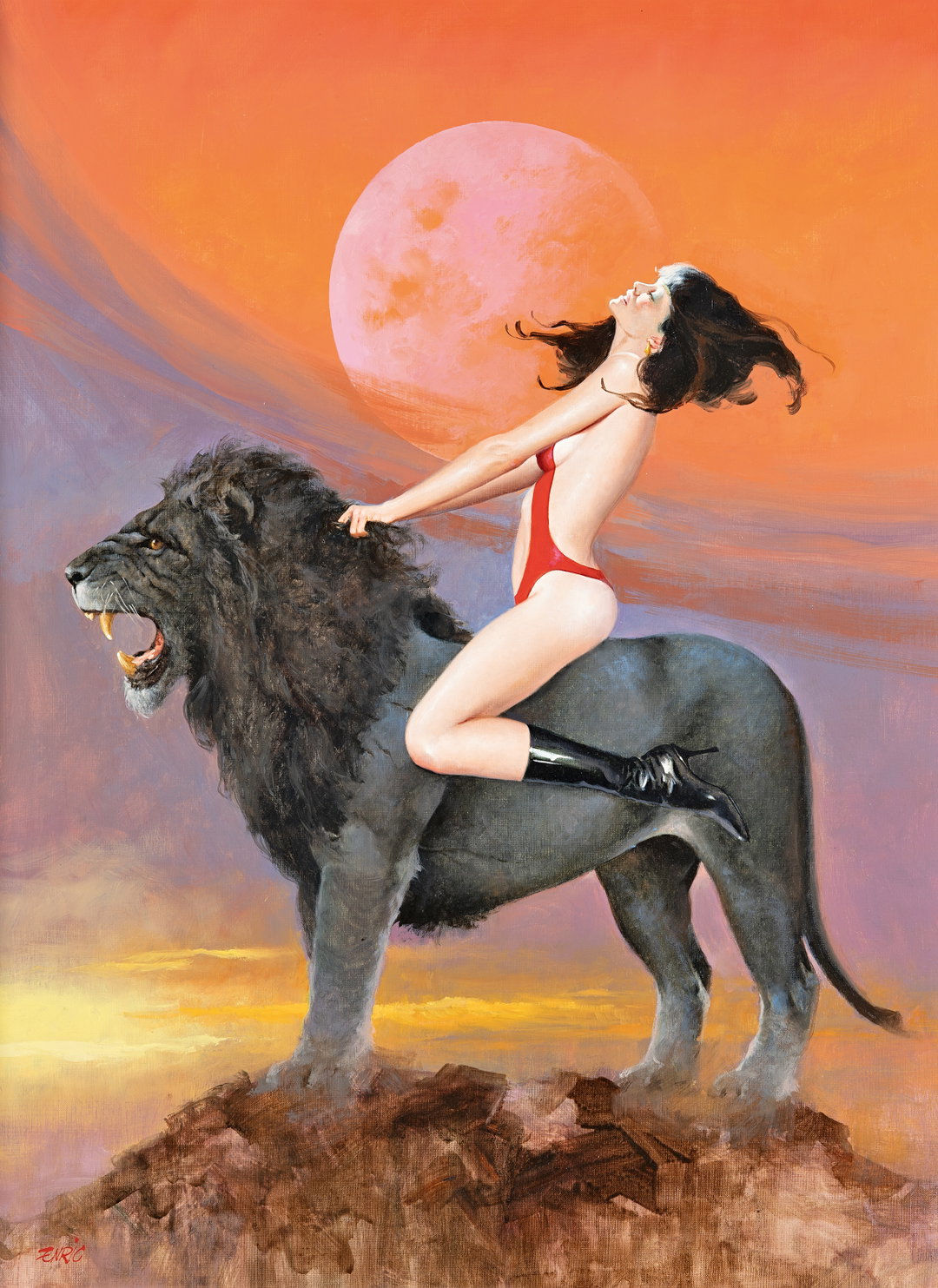
Taschen: Lucas Museum of Narrative Art: Cover Art (Copyright © Don Maitz, 2026)
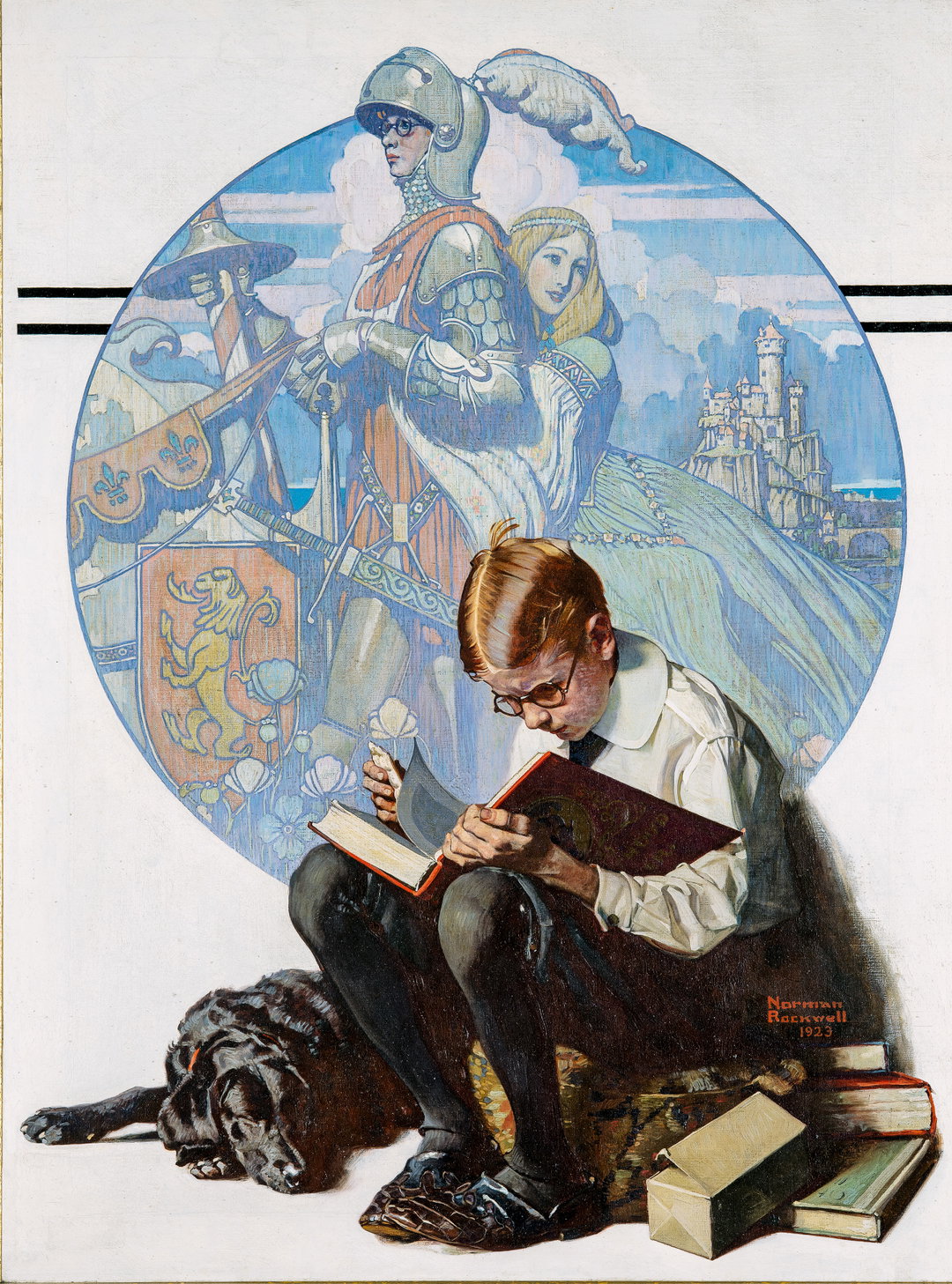
Norman Rockwell: Age of Romance, cover for The Saturday Evening Post (Copyright © Norman Rockwell, 1923)
For much of human history, the power to make and propagate images was largely controlled by social and political elites. Some of the earliest monumental artworks, such as the pyramid complex at Giza or the temples at Abu Simbel, were created to project power, portraying rulers not only as earthly leaders but as divine beings. Such grand artistic statements established a prototype and an iconography of the powerful leader, emulated by kings, emperors and politicians to this day.
Stories celebrating the heroic deeds of powerful people reflect an essential human hunger for heroes. In his landmark work of comparative mythology, The Hero with a Thousand Faces, Joseph Campbell proposes that all human cultures share a fundamental narrative — the ‘monomyth.’ The stories of Gilgamesh, Moses, Odysseus and Joan of Arc are examples of what he has famously coined the Hero’s Journey, tracing an individual’s rise from obscurity to greatness. Such heroes offer models of aspiration and transcendence.
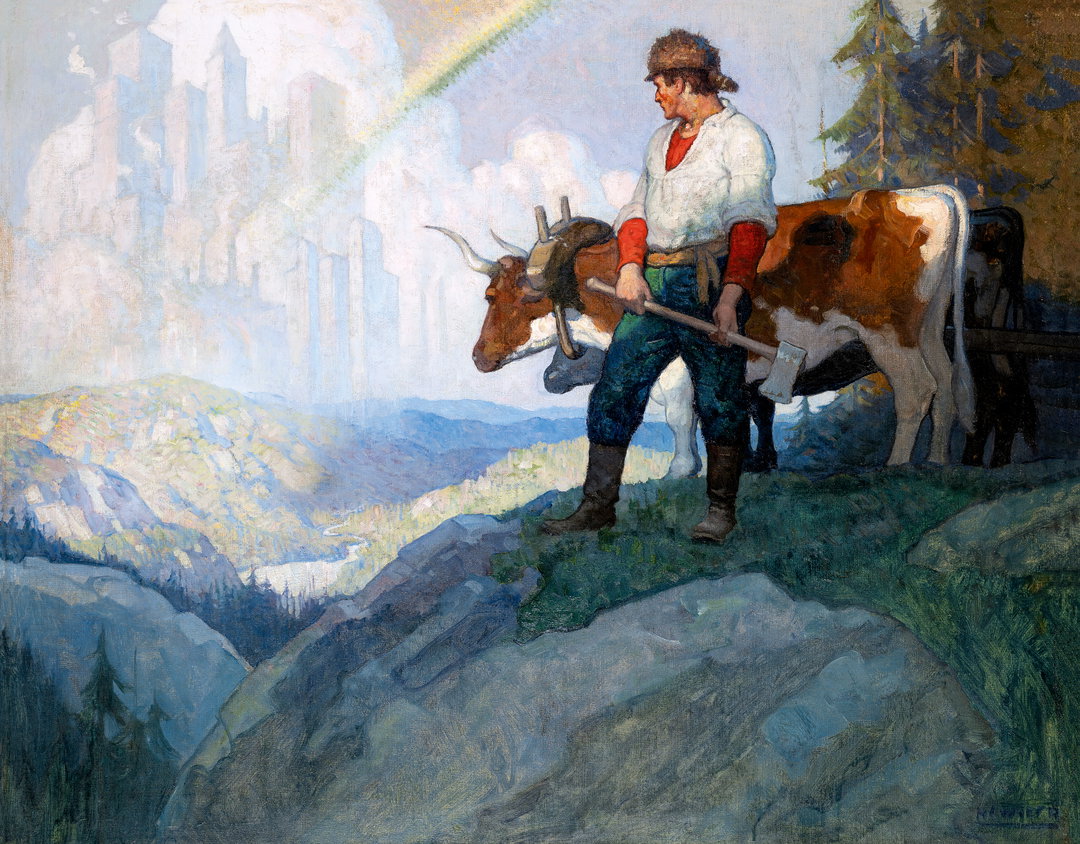
N. C. Wyeth: The Pioneer and the Vision (Copyright © N. C. Wyeth, 1918)
“For much of human history, the power to make and propagate images was largely controlled by social and political elites.”
Ryan Linkof
The promise of narrative art to offer salvation is perhaps most clearly seen in religious imagery. Religious art has long shaped belief, serving as a guide to devotion and offering moral instruction and visions of the afterlife. Religion has also proven to be a fruitful source of artistic patronage: artists and patrons of the Renaissance and Baroque periods, for instance, harnessed emotional potency to communicate spiritual meaning, often through the representation of the suffering Christ. At the same time, this devotional intensity was applied to pagan subjects, rendering Classical Greek and Roman myths with emotion and immediacy and reintroducing a broad public to ancient belief and cosmology.
Myths are not exclusively matters of church or state; the lives of everyday people have long been the subject of visual storytelling and its attendant myth-making. Art has helped to shape ideas about how we live and who we aspire to be. Imagery as varied as Chinese scrolls, South Asian miniature paintings, genre paintings of the Northern Renaissance and illustrations in popular magazines depict core aspects of the human experience: family, civic duty, work and social connection. Such images portray stories of who we are, what we do and what we value.
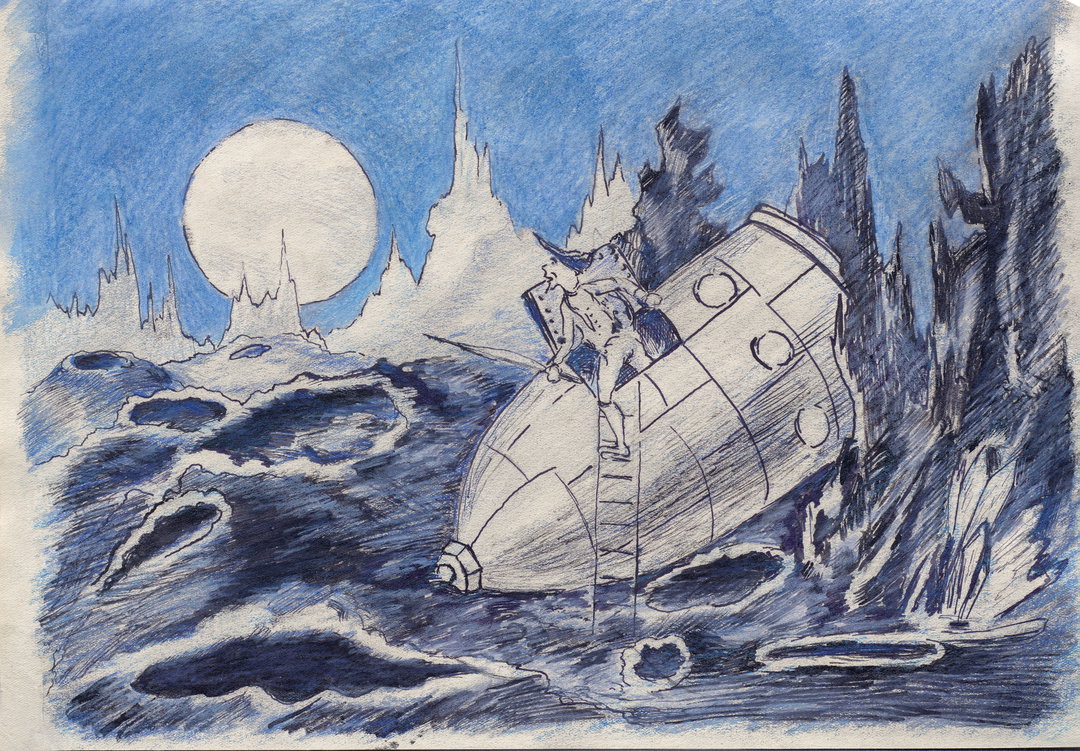
1 of 7
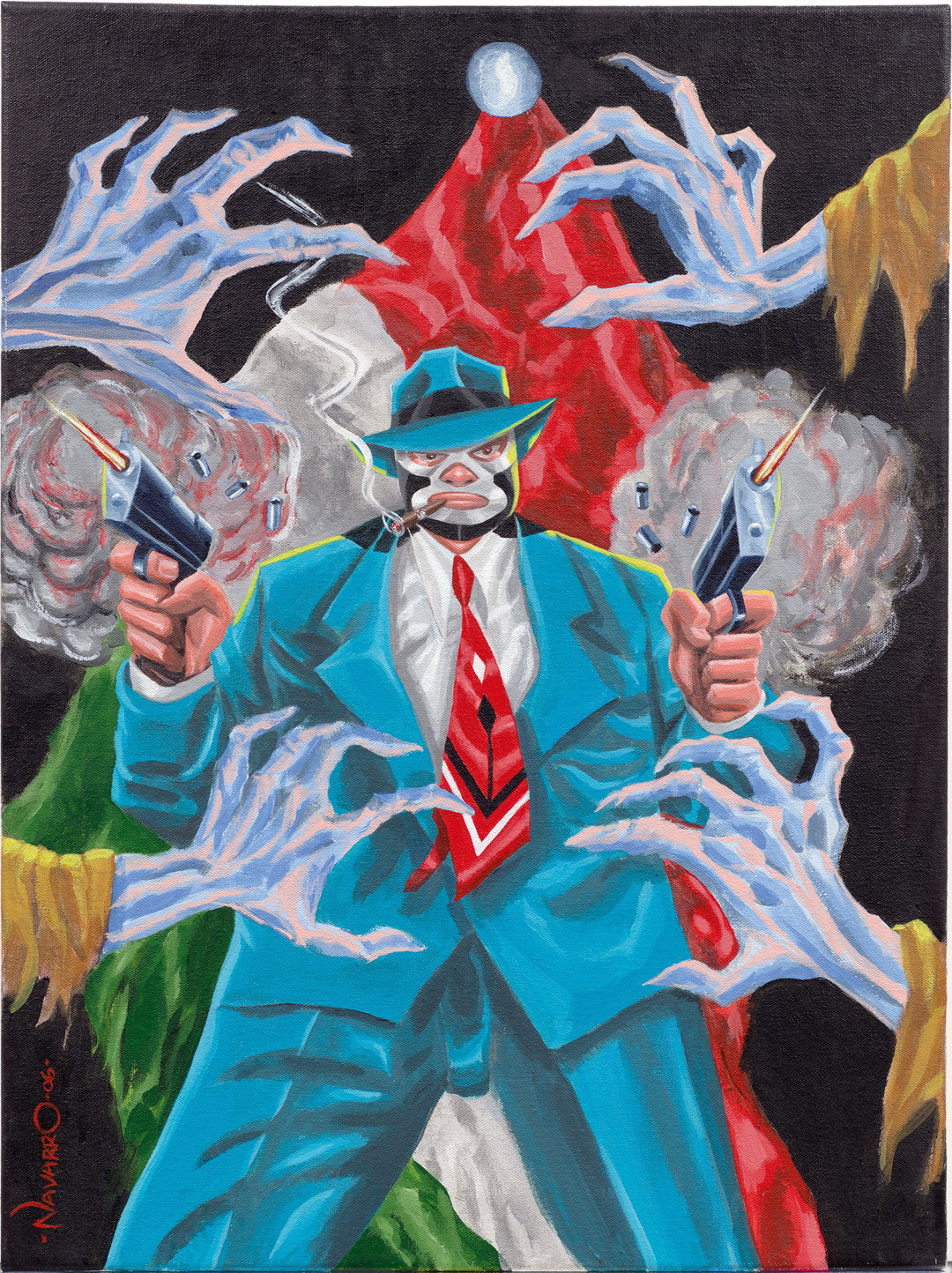
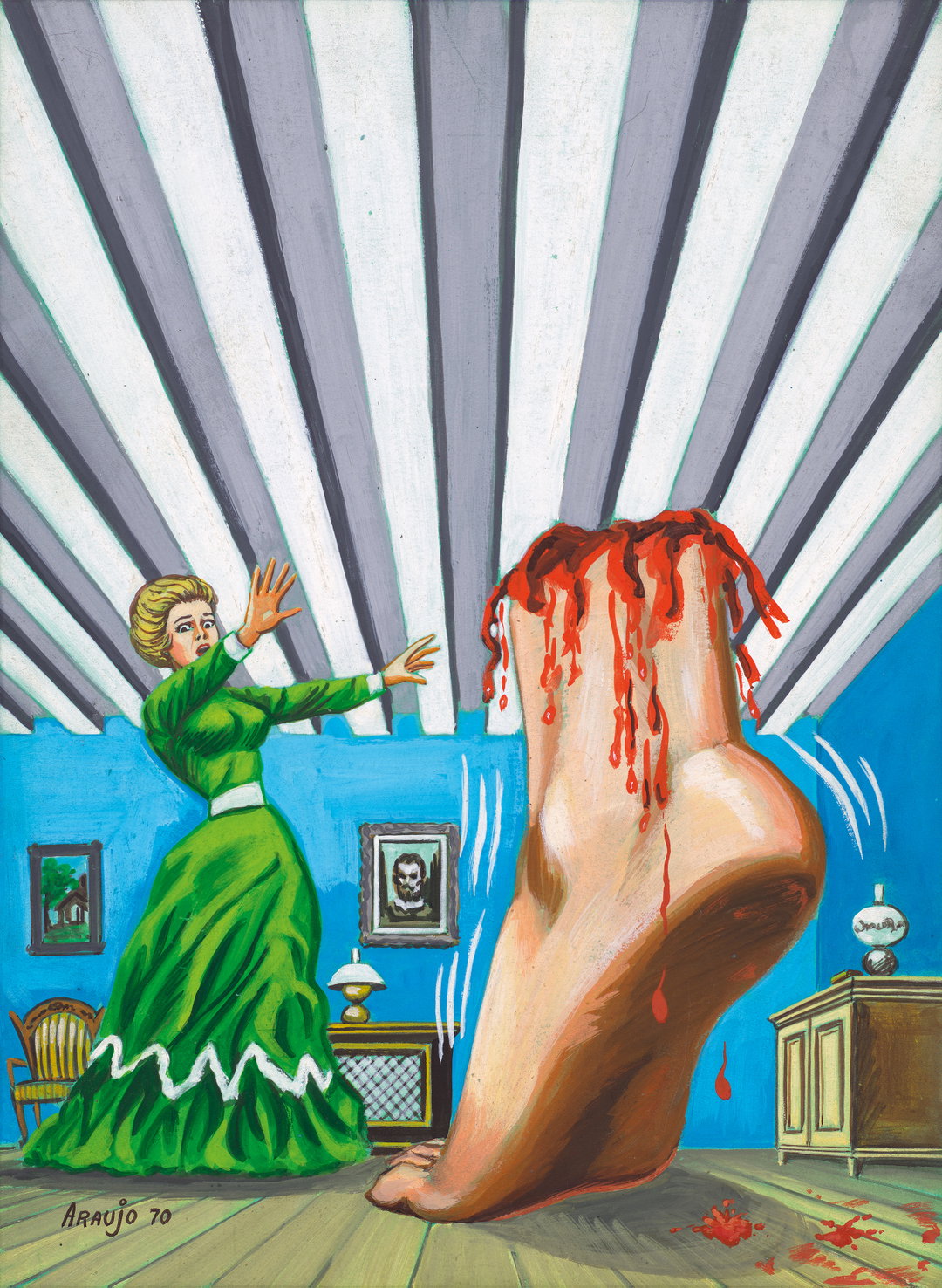
Rafael Navarro: Mexican Stand-Off, cover for Sonámbulo (Copyright © Rafael Navarro, 2006)
1 of 7
Rafael Navarro: Mexican Stand-Off, cover for Sonámbulo (Copyright © Rafael Navarro, 2006)
In its emphasis on popular illustration, the Lucas Museum’s holdings represent only the most recent century of narrative art-making. The artists who illustrated magazines, comic books and children’s literature continued a much longer history of myth-making through visual stories. Arguably the most eloquent advocate for modern illustration as a mode of visual storytelling is Norman Rockwell, who wrote, “My life’s work — and my pleasure — is to tell stories to other people through pictures.” By showcasing the work of Rockwell and other illustrators, the Lucas Museum highlights how popular artists have reshaped enduring narratives for modern audiences.
The Lucas Museum is defined by an interest in stories that transcend time and place: family, childhood, love and romance, sports and play, civic life and democracy, history, and the imaginative worlds of science fiction and fantasy. While mass-reproduced images are modern innovations, the stories they tell draw on timeless myths. Comic book superheroes such as Captain America embody this duality: at once a bracingly modern vision informed by 20th century realities such as biomedical experimentation and global technological war, they also intentionally and sometimes explicitly evoke the all-powerful gods of ancient cultures. Such images evoke immediate, intuitive associations with emotional resonance — they are recognisable symbols of power, protection and moral clarity.
In large part because of its ubiquity, popular culture has played a profound role in shaping a shared vision of the world. Mass-reproduced images connect disparate communities through a common visual language, helping to influence, inform, and consolidate public perception. They have proven to be powerful vehicles for transmitting myths. The image of the ideal American family of the postwar decades was just such a myth, widely circulated in magazines, television, and film as an icon of the American way of life. Its enduring appeal reflects its deeper resonance, tapping into the desire for family, prosperity, and safety. Similarly, the image of the caring mother — a powerful icon in nearly every human society — persists because it speaks to a fundamental, even primordial, human need for care and connection.
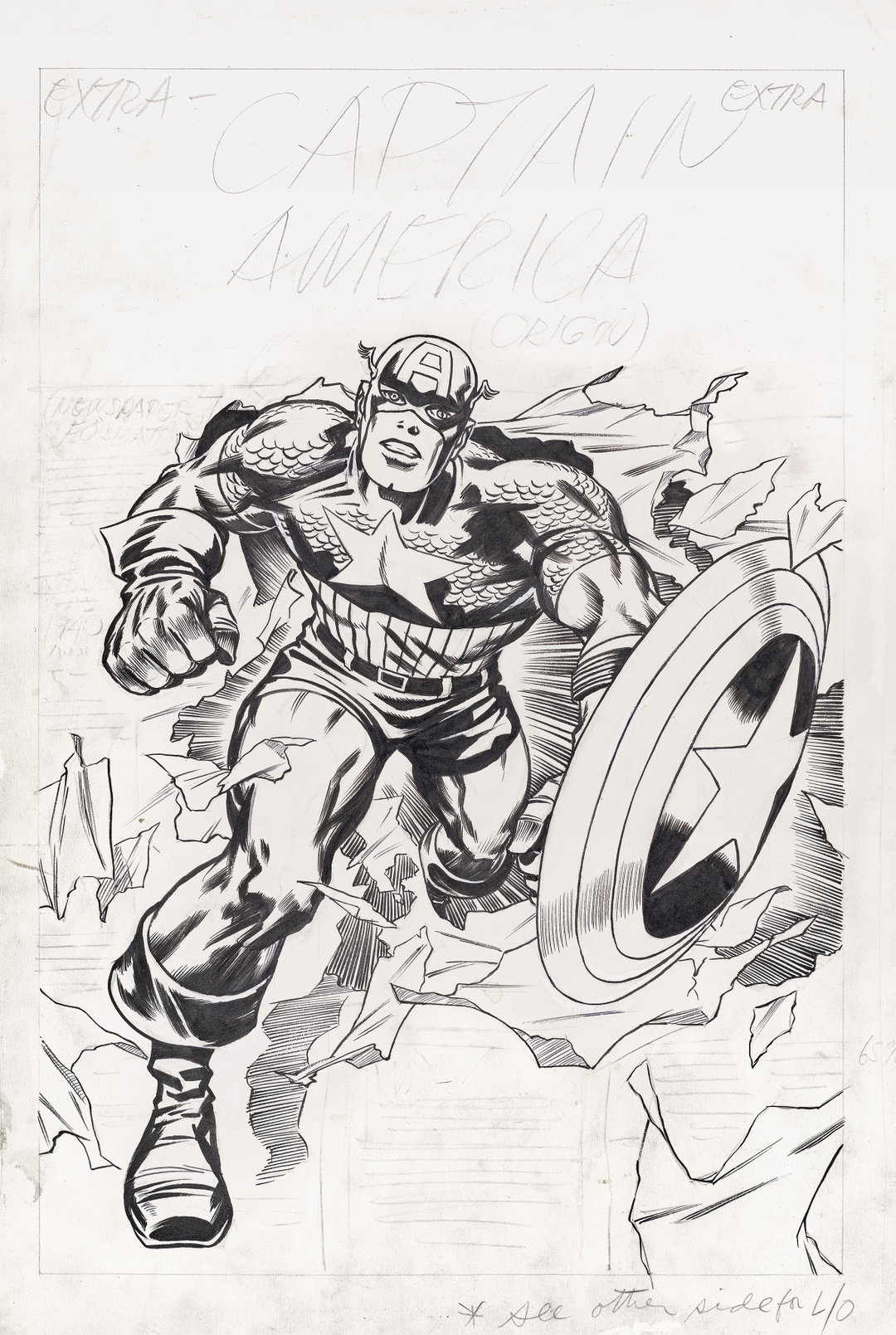
Jack Kirby: Cover for Captain America (Copyright © Jack Kirby, 1969)
”Star Wars films offer insight into the metanarratives that have structured human societies.”
Ryan Linkof
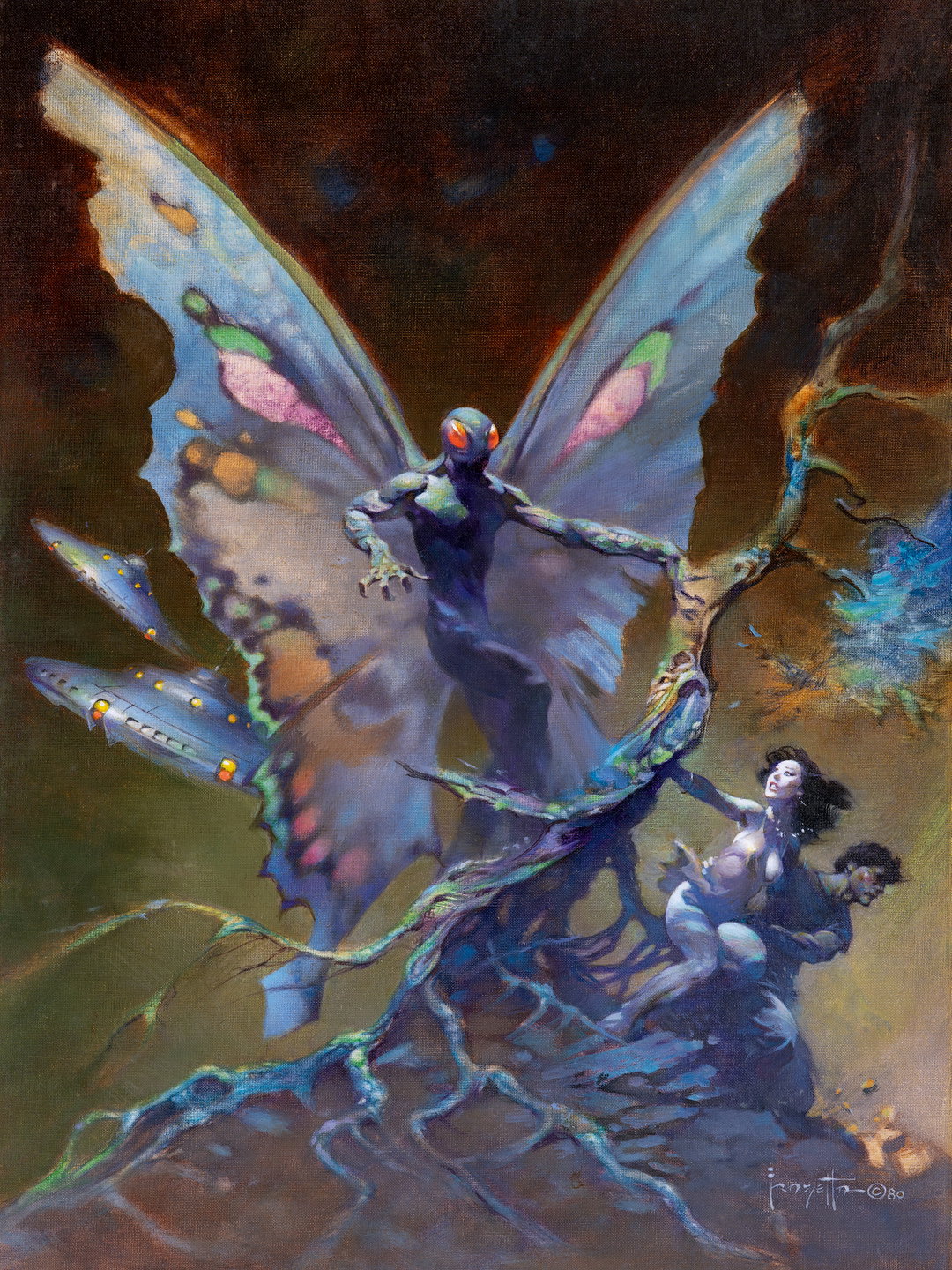
Frank Frazetta: Mothman (Copyright © Frank Frazetta, 1980)
Few works have shaped global culture more than Star Wars and its expanding cinematic universe. Created by George Lucas and his collaborators, the Star Wars films offer insight into the metanarratives that have structured human societies. Fundamentally a story about a young boy’s journey from obscure farmer to one of the most powerful warriors in the galaxy, the films map onto deep historical narratives of heroic ascent. The narrative also utilises metaphors that have long animated human civilisations: light versus dark, good versus evil, and an innocent colliding with the responsibilities of adulthood. Its characters and themes provoke feelings of love, loss, longing, terror and hope. The enduring appeal of the Star Wars films lies in their ability to convey universal themes through vivid storytelling and profound emotional depth.
The Lucas Museum offers insight into the ways artists engage audiences and create a shared visual language. While the works on display are undoubtedly distinctive, with their footing in the visual and material culture of mass reproduction, they also reveal how images perpetuate deeply rooted beliefs and social values across cultures.
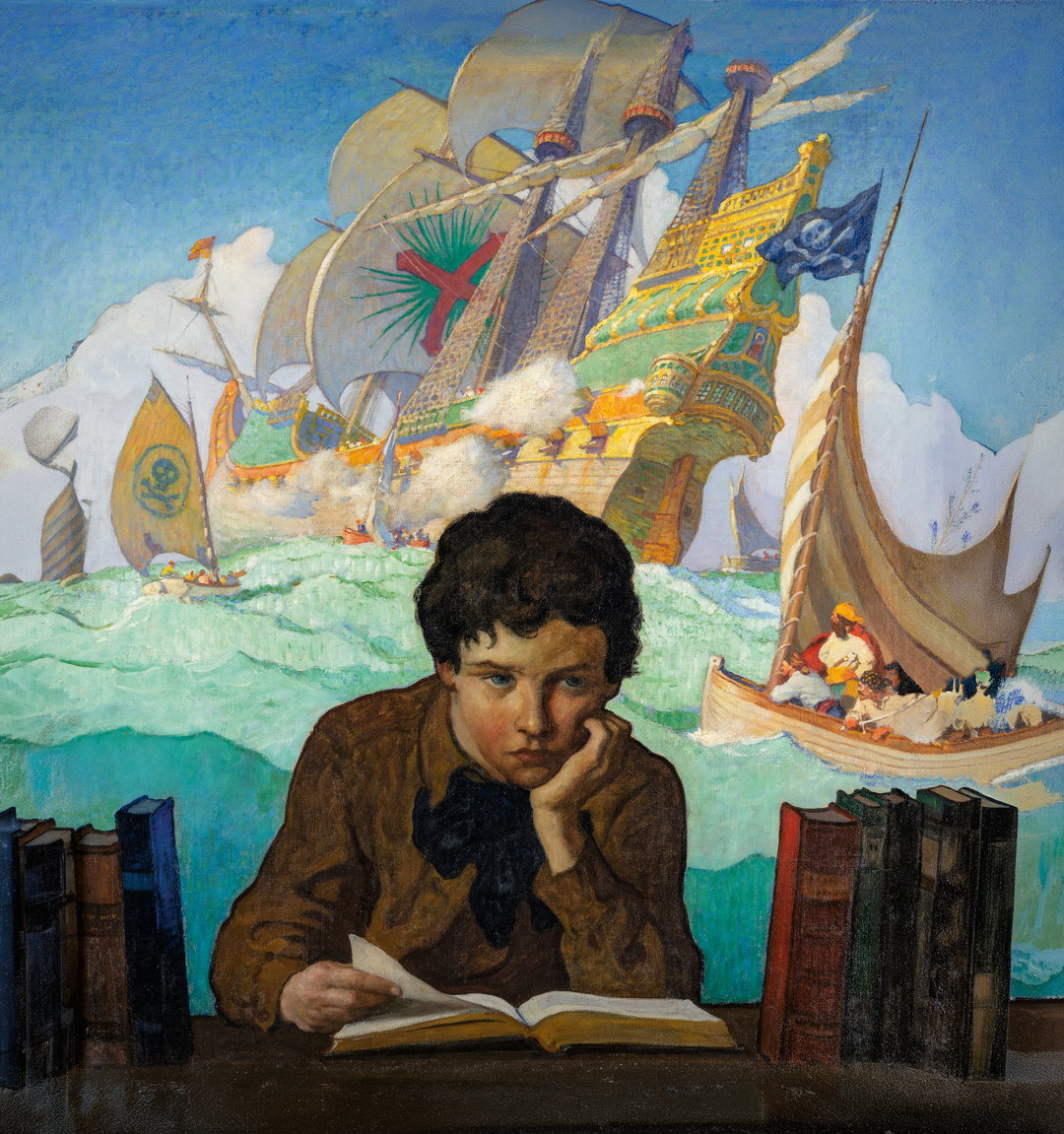
N. C. Wyeth: The Storybook, cover for Ladies’ Home Journal (Copyright © N. C. Wyeth, 1922)
Hero Header
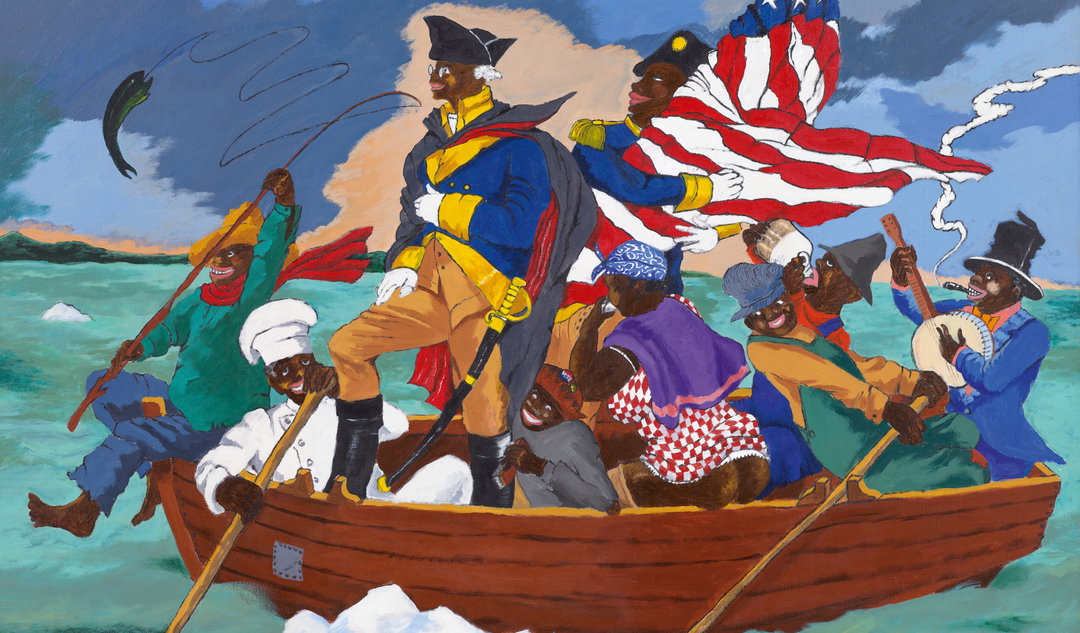
Robert Colescott: Crossing the Delaware (Copyright © Robert Colescott, 1975)
Share Article
Further Info
About the Author
—
Paul M (He/Him) is a Junior Writer at It’s Nice That since May 2025. He has a strong interest in graphic design, digital kitsch, multimedia painting, collage, nostalgia, analogue technology and all matters of strange stuff. pcm@itsnicethat.com
To submit your work to be featured on the site, see our Submissions Guide.