



- Words
- Ritupriya Basu
- —
- Tags
Hiding in plain sight: how do creatives find inspiration in everyday life?
What if your next great ideas aren’t waiting somewhere new, but are already sitting in your junk drawer, your kitchen, or your commute? We speak to three creatives across disciplines about how they train themselves to look again and find beauty in the ordinary.
- Words
- Ritupriya Basu
- —
- Tags
In 1941, when Swiss engineer George de Mestral returned from a walk in the woods with his dog, he noticed prickly burdock seeds clinging to his wool pants and his dog’s fur. Instead of brushing them away, he decided to look closer, examining the burrs under a microscope. What he found – a tiny system of hooks attached to loops – would go on to become Velcro.
The iconic fastener’s origin story is many things at once – a tale about how the biggest of ideas can spring from the simplest observations, and a reminder to move through the world with endless curiosity, and an appetite for surprise. Inspiration doesn’t always arrive in grand gestures or distant escapes. More often, it lives in things that routine has taught us to overlook.
Creatives often chase the extraordinary, forgetting that everyday life is brimming with quiet brilliance. But noticing the mundane, the expected, the humdrum rhythm of the quotidian requires attention, observation, and a willingness to look again. How do you extract beauty from the ordinary? Are there habits that can help cultivate a particular way of seeing? Is that an instinctive skill, or something that can be learned?

1 of 6
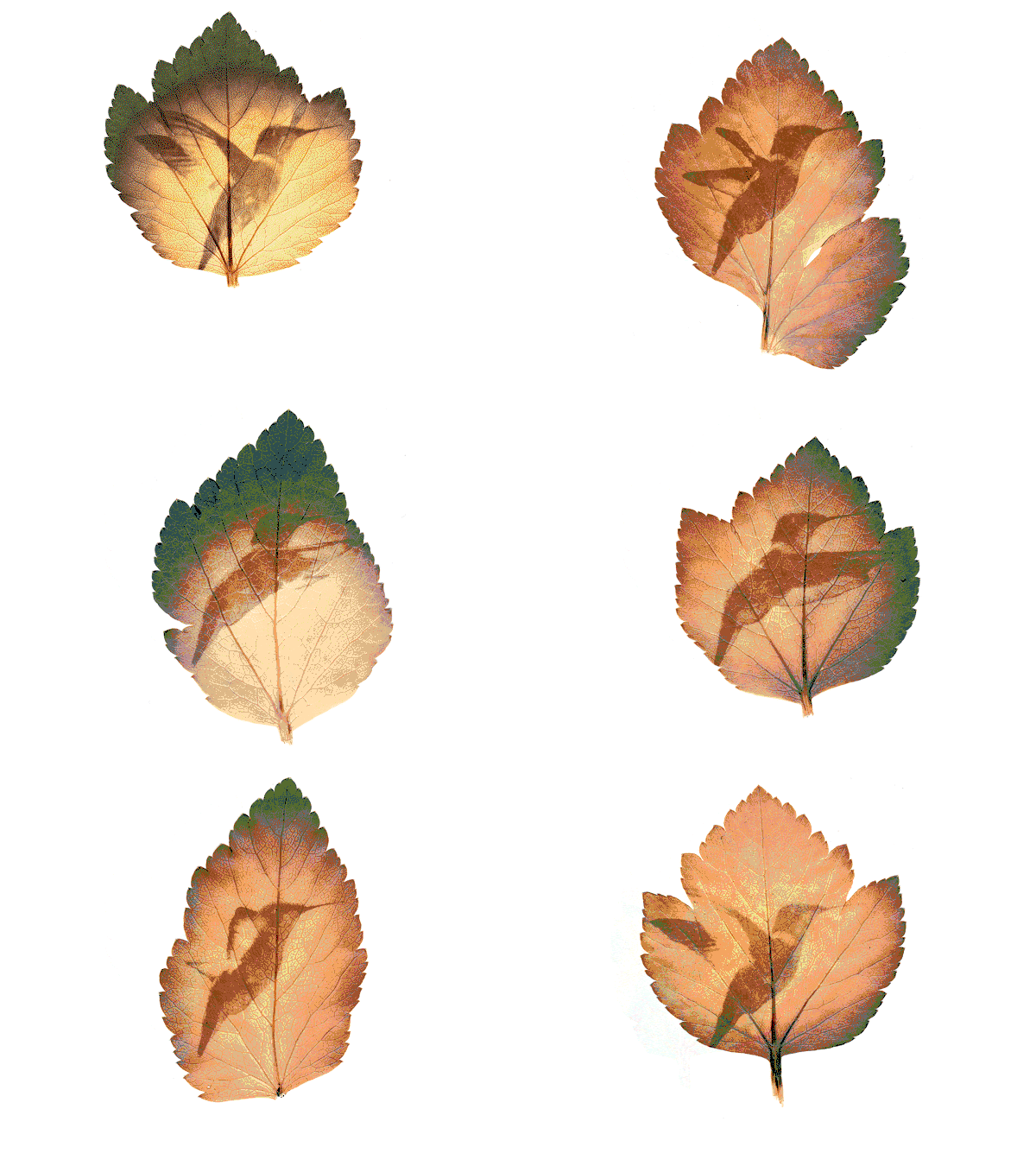
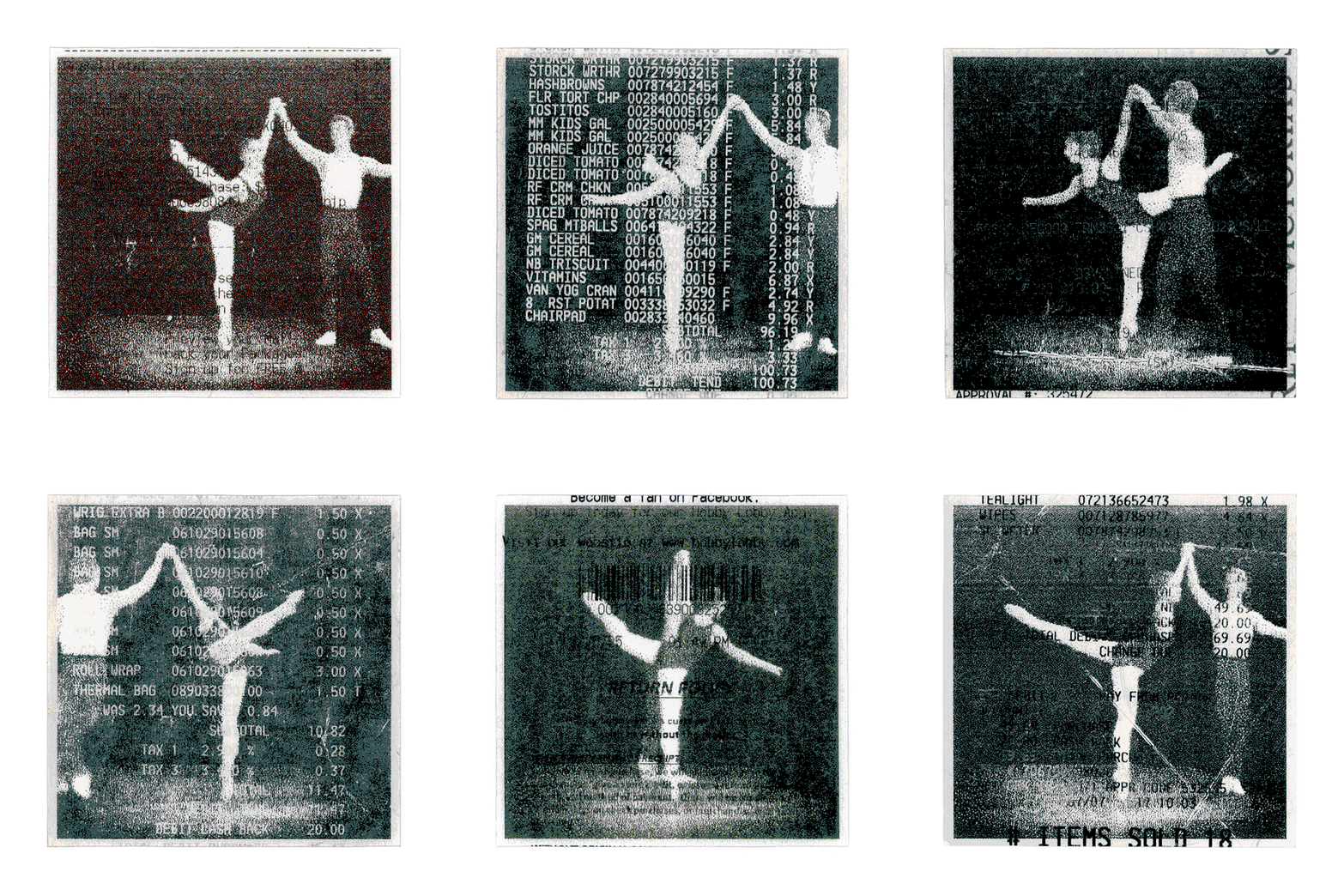
Adrian Hanft: Silo Layers (Copyright © Adrian Hanft, 2026)
1 of 6
Adrian Hanft: Silo Layers (Copyright © Adrian Hanft, 2026)
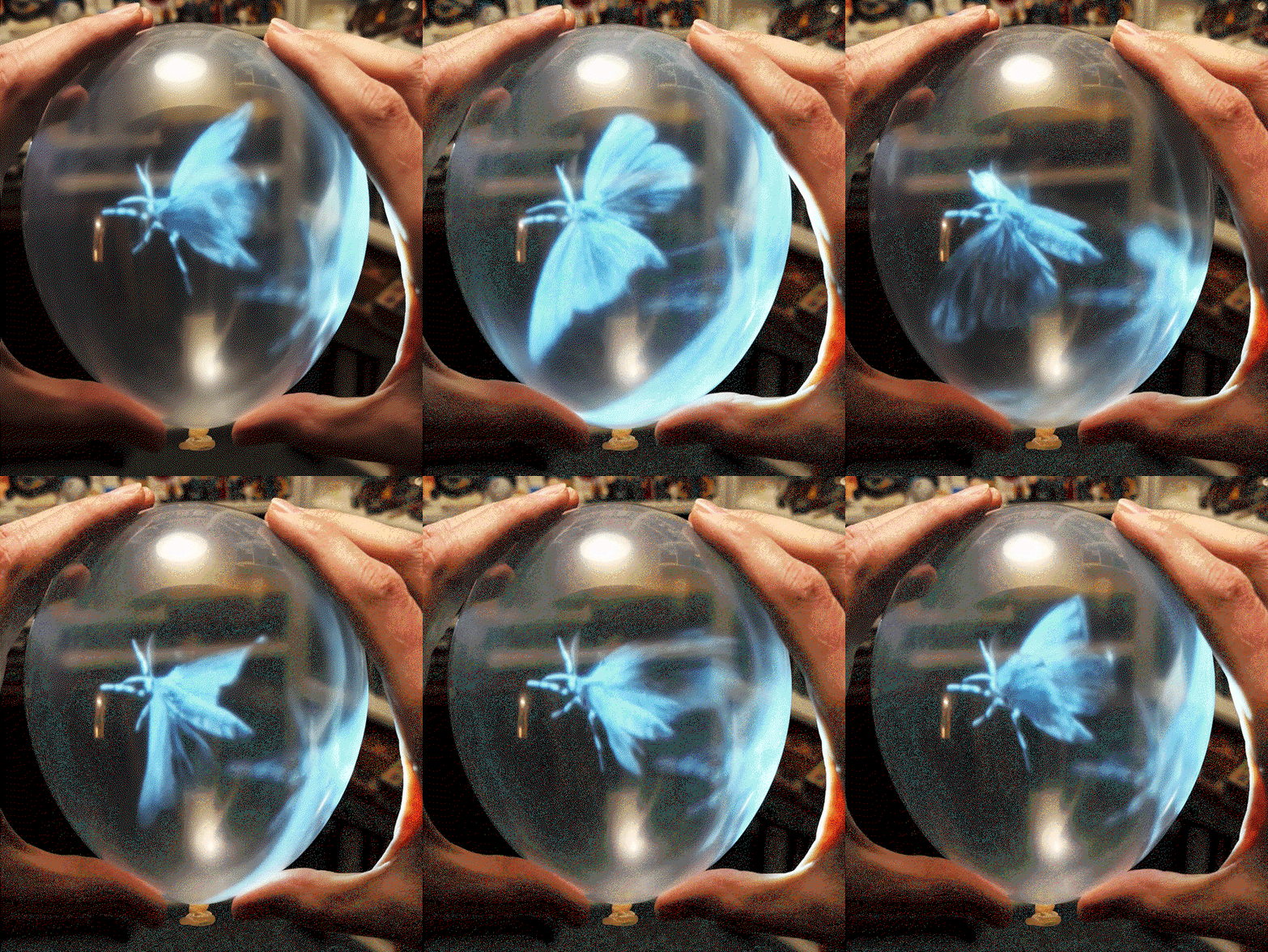
Sometimes, it’s the most fleeting and disposable objects that hold the strongest creative charge. The first time Colorado-based printmaker Adrian Hanft really noticed a receipt that he’d otherwise crumple into his pocket was when it came in contact with some hand sanitiser, and took on an abstract texture. That chance moment cut through his “autopilot” mode and made him really see the receipt – a surface that would soon become a canvas for his looping animations.
“What I love about receipts is that they are both extremely personal and completely worthless,” says Adrian. “I love the idea of my art existing on top of documents that record the hamburgers I’ve eaten or the diapers I’ve purchased. For me, what’s interesting is using real artefacts from actual life and transforming them into something special.”
The receipts become the backdrop for Adrian’s animations, which also steal moments from familiar, daily life – a group of birds flying in circles, a woman taking out her trash, the moment a swimmer takes off from a diving board. The fact that the short animation keeps looping adds a certain profundity to the scenes.
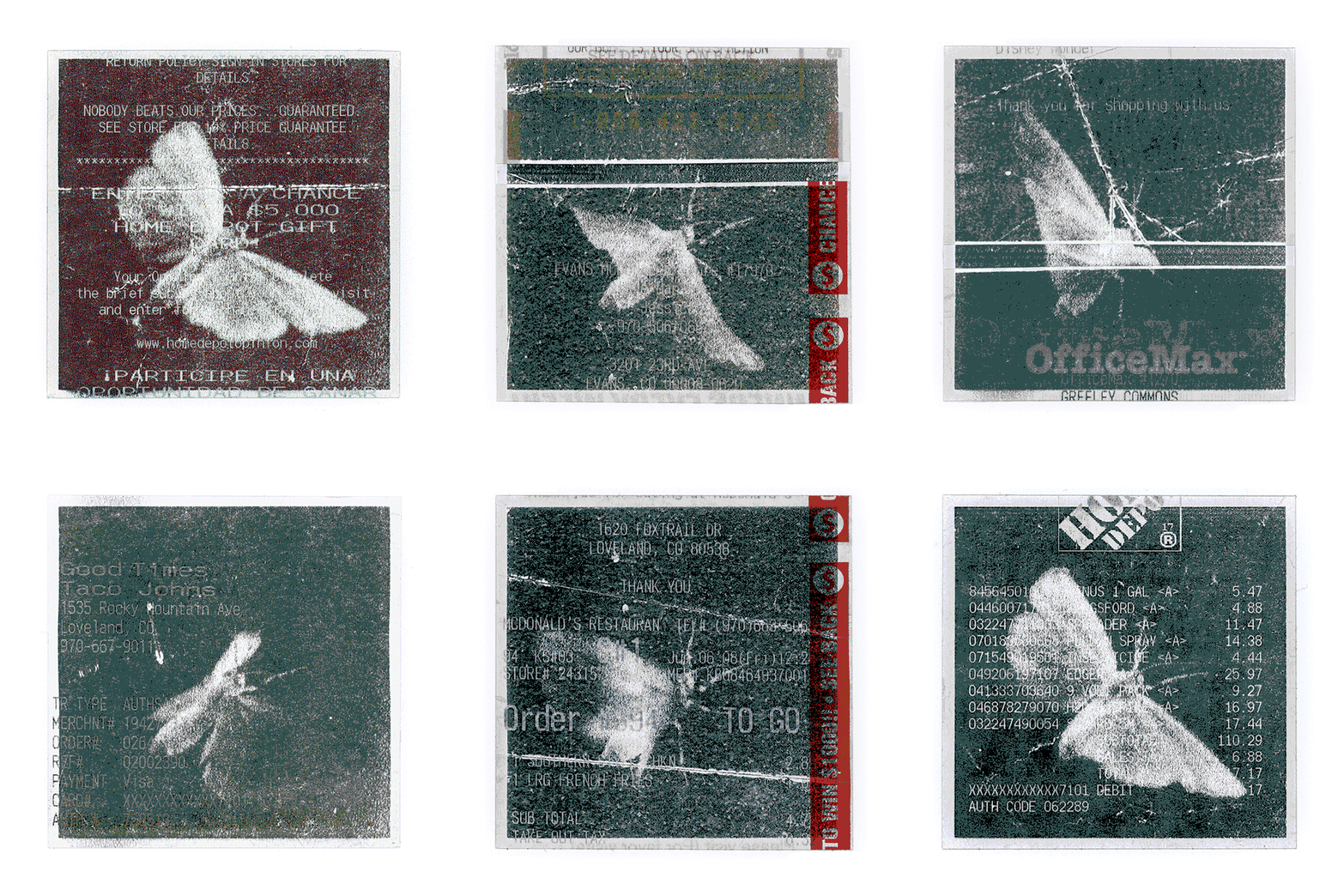
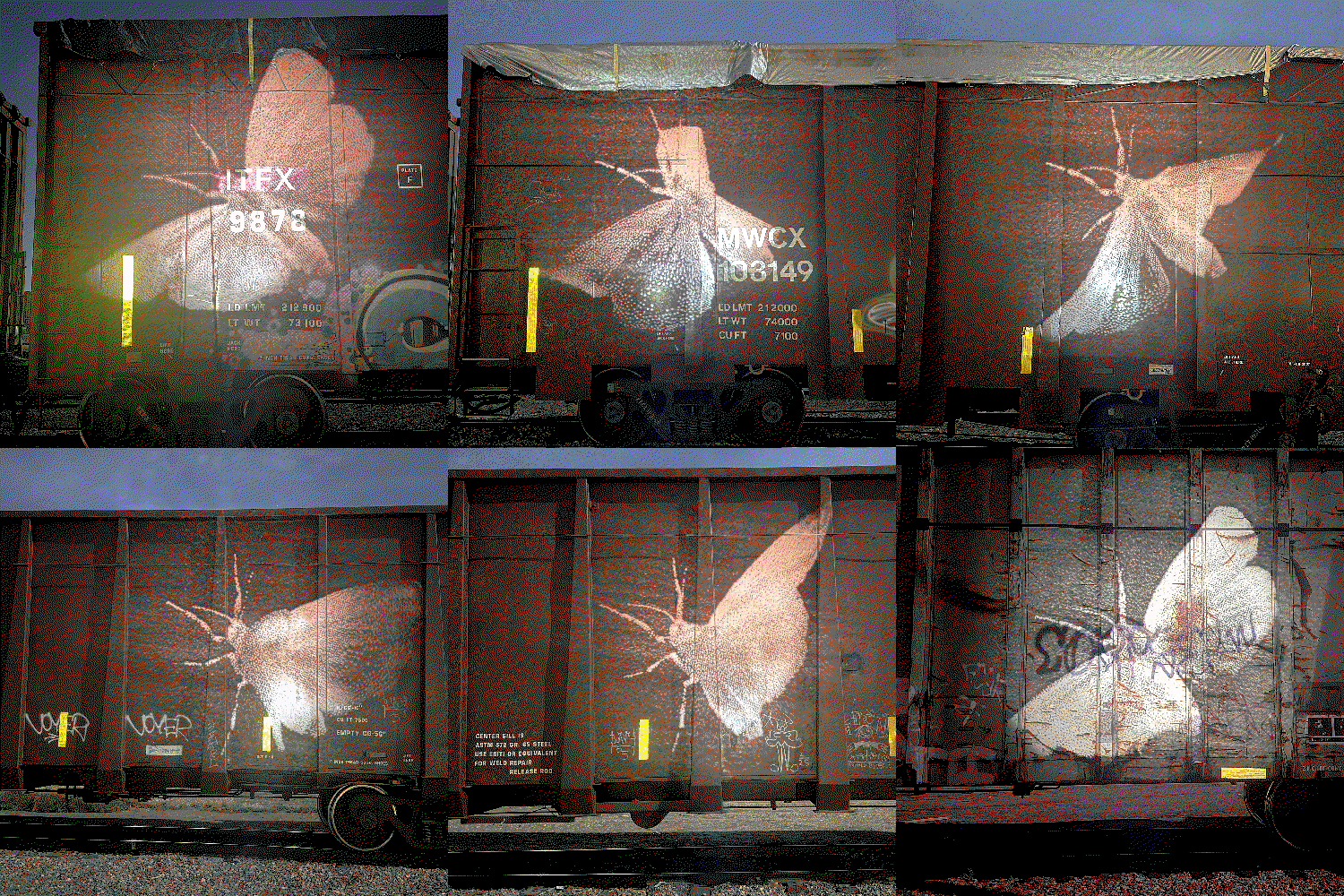
Adrian Hanft: Moth receipt (Copyright © Adrian Hanft, 2026)
“It’s the closest I’ve gotten to representing the absurdity of human activity – we keep making the same mistakes over and over.”
Adrian Hanft
“The woman taking out the trash, her job never ends. The runner never arrives at the finish line. The coffee drinker’s cup never empties,” he adds. “I just finished an animation of a boy on a bike who crashes into another bike, but the bike he crashes into is actually his own bike from earlier on. It’s the closest I’ve gotten to representing the absurdity of human activity – we keep making the same mistakes over and over.”
The fact that ideas can be sparked by the most habitual things around us doesn’t mean that they always arrive instantaneously. At times, inspiration simmers at the sidelines, slowly brewing, until we are finally ready to notice it. When Adrian’s wife emptied a junk drawer and handed him a pack of garage sale stickers, he barely gave them a second glance. Until one day, when he looked at them again, and something shifted. “The moment they went from the periphery of my attention to the centre, I could finally ask myself, ‘What could I make with this?’ And then I was off to the races,” he says. What emerged was an animation of a back dive on three fluorescent stickers.
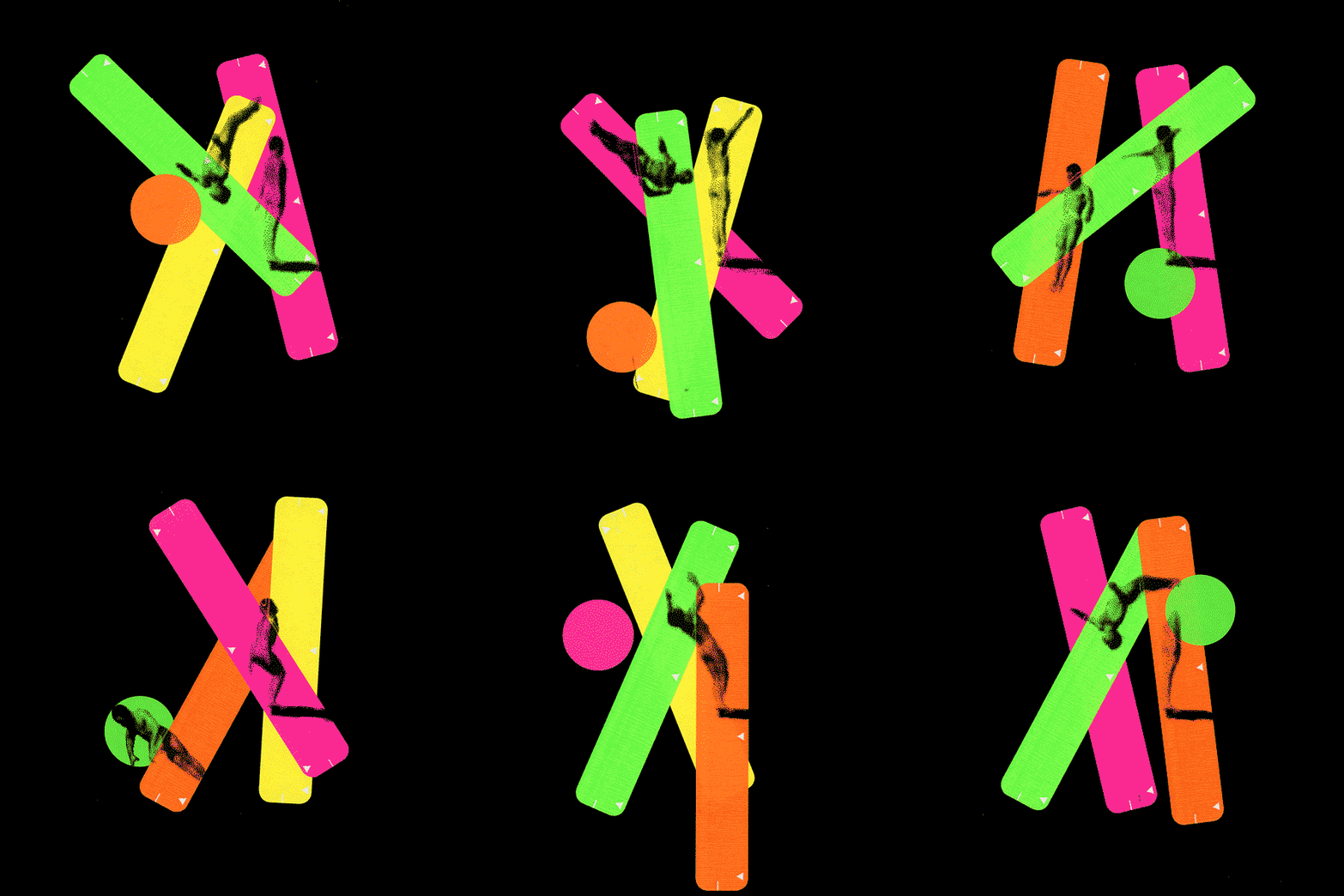
Adrian Hanft: Diver sale stickers (Copyright © Adrian Hanft, 2026)
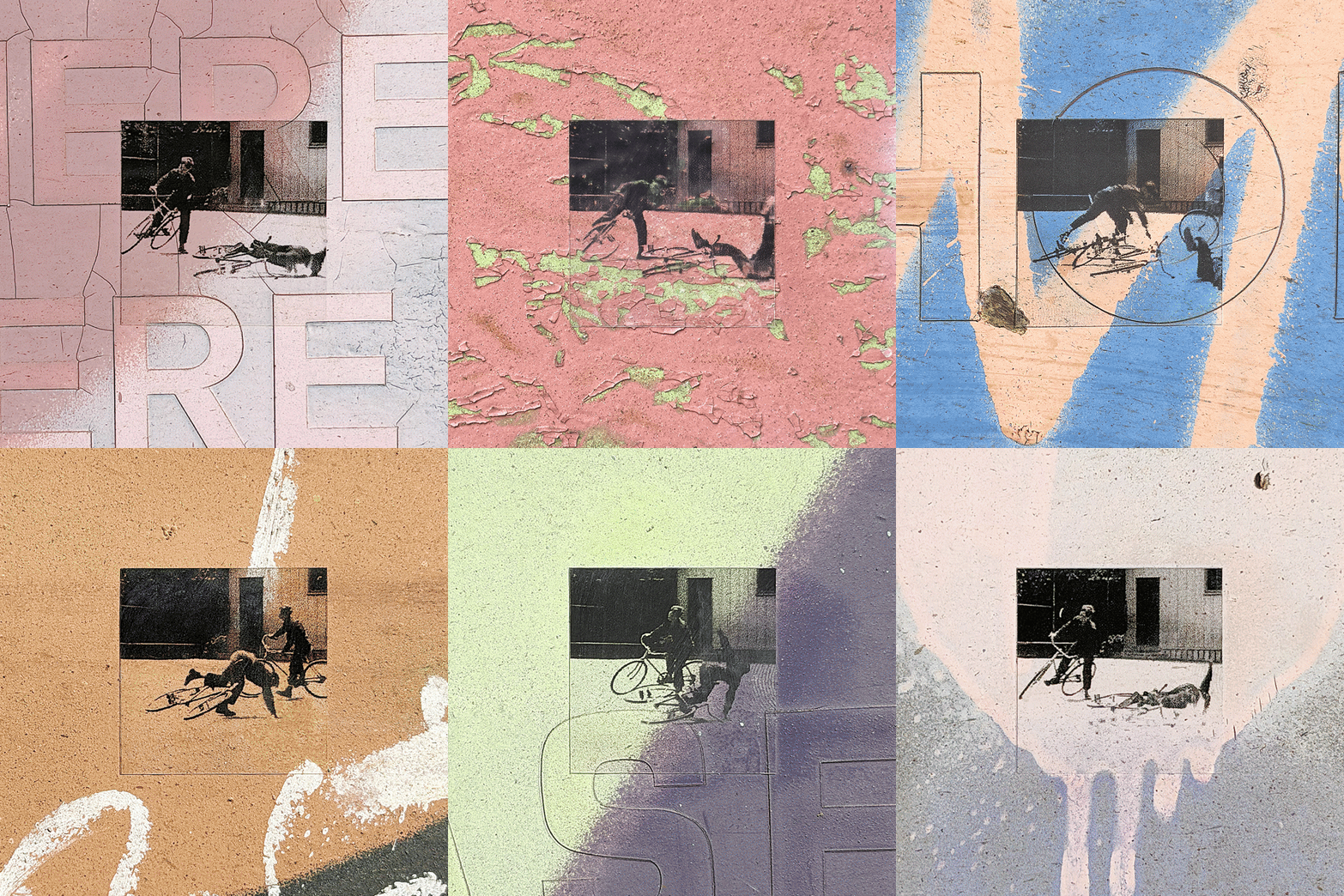
Adrian Hanft: Bike Crash (Copyright © Adrian Hanft, 2026)
“Artist Reinhold Marxhausen had a quote where he said, ‘You have to work at seeing. It must be an aggressive act of visual curiosity.’ The challenging words there are ‘work’ and ‘aggressive’,” says Adrian. “What does this mean? Our eyes are always ‘on’, so it seems counterintuitive that we should have to work at it. We either see something or we don’t, right? And what does it mean that seeing is an ‘aggressive act?’”
When one consciously practices noticing their environment, it becomes apparent that it isn’t a passive activity, points out Adrian, adding that the “act of seeing” actually changes the world. “When I describe it so, it sounds magical or mystical, but it’s actually extremely practical,” he explains.
The approach, as Adrian outlines, is about unlearning certain habits – the instinct to constantly level up your tools, or to force creativity into a preplanned, strategised process – and leaning into new ones.
“I collect material without always knowing what I’m going to do with it. It takes time for ideas to incubate.”
Adrian Hanft
“Beauty, or ‘The Muse,’ as Steven Pressfield likes to call it in The War of Art, doesn’t care about your gear or your schedule,” he says. “If you find yourself stuck, do nothing. Sit there, be alert, patient and curious, and wait for something at the fringe of your awareness to trigger your attention. That’s why I say beauty is always hiding in plain sight.”
Being able to pull moments and ideas from daily life calls for a certain hunger to observe even the most unremarkable details, and building habits that help you collect, archive and reference them – creating a repository of ideas to return to time and again. For Adrian, this often takes the form of bike rides across town in search of new surfaces for his animations. Well, that, and a bit of casual thieving.
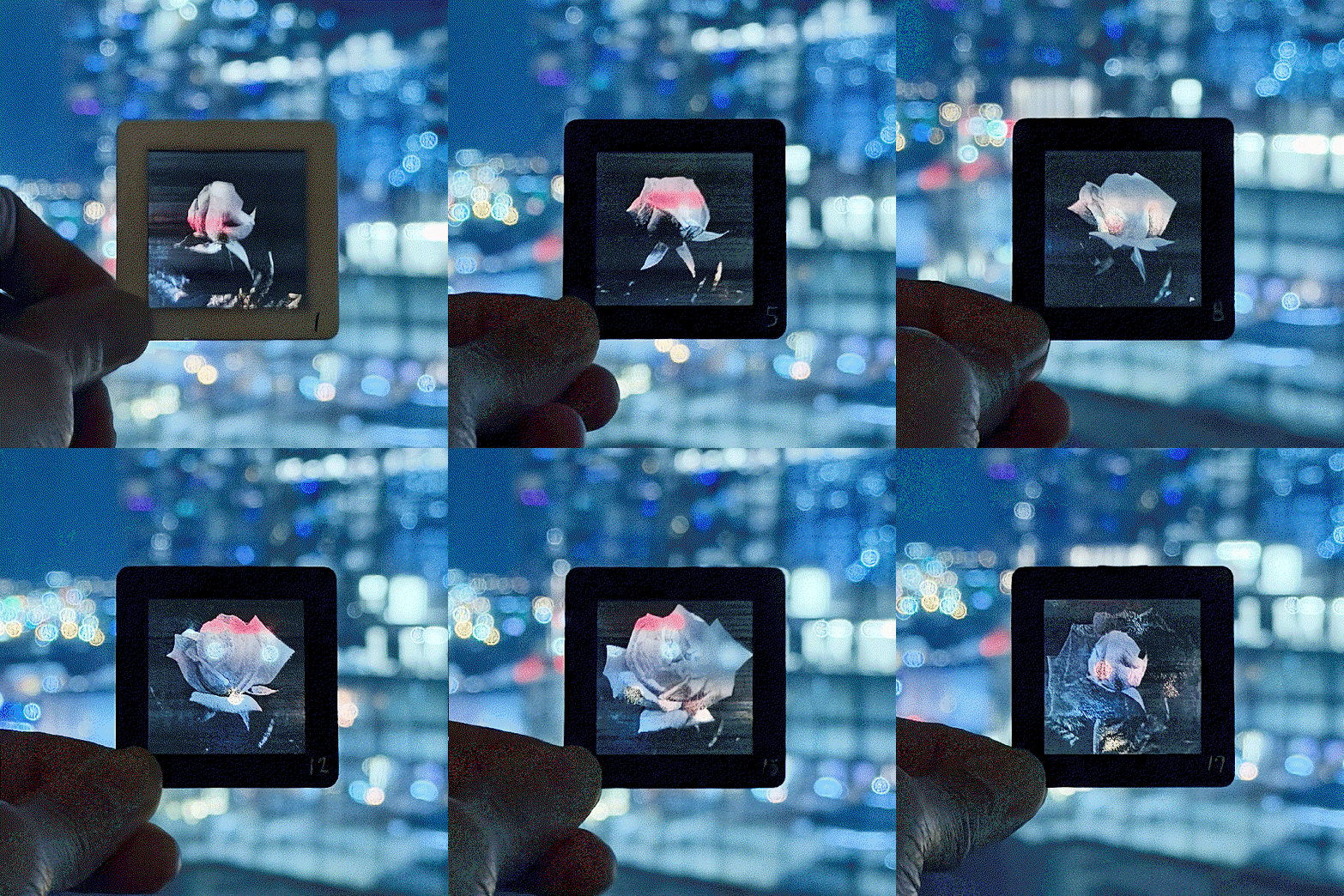
“I collect material without always knowing what I’m going to do with it. It takes time for ideas to incubate. Every time I flew on an aeroplane, I’d steal the safety card from my seat simply because it interested me. Recently, those cards found their way into an animation, combined with a goose in flight.”
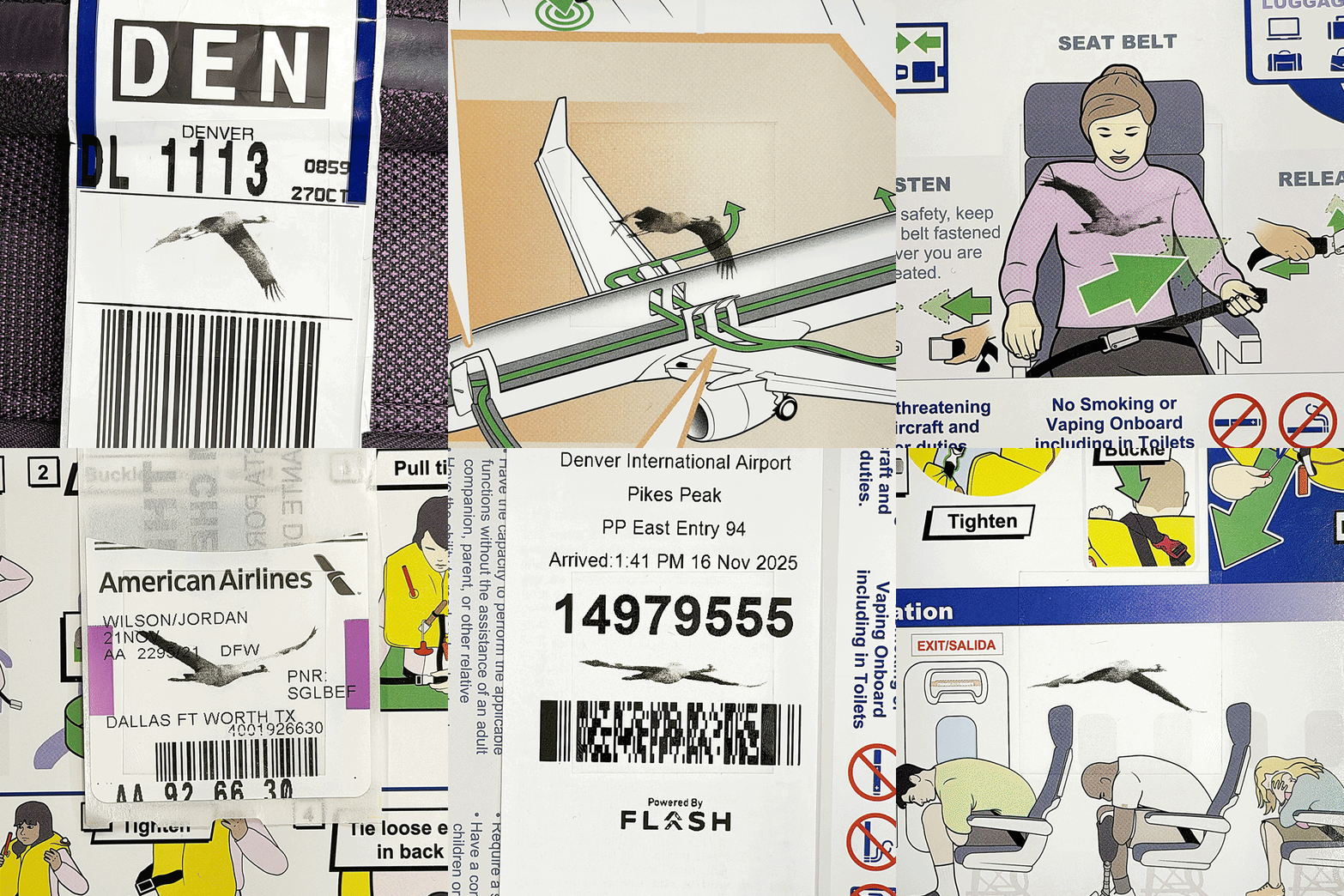
Adrian Hanft: Airplane Goose (Copyright © Adrian Hanft, 2026)
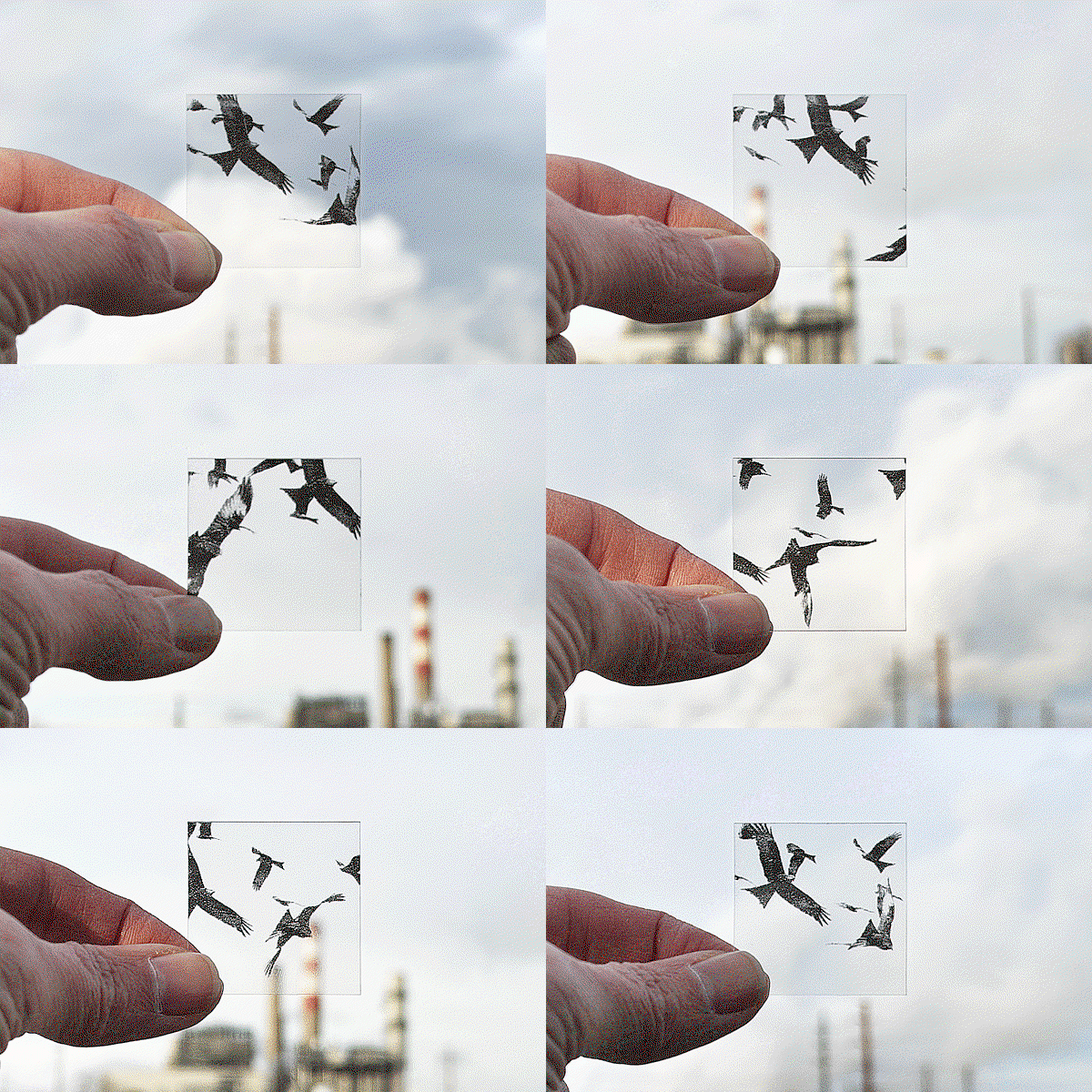
Adrian Hanft: Birds Slides (Copyright © Adrian Hanft, 2026)
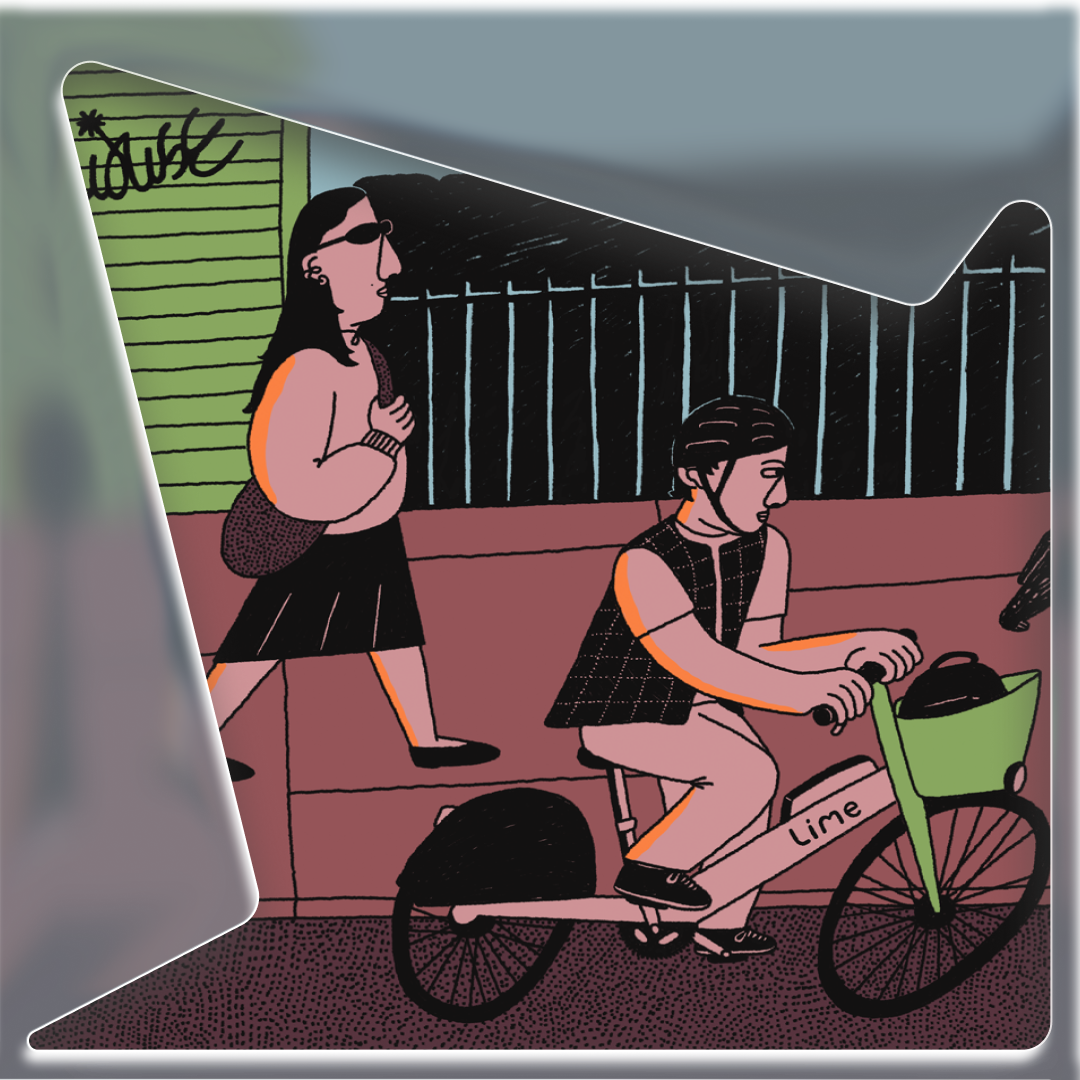
This kind of alertness turns even the most repetitive routines into creative material. Illustrator Edie Medley, for instance, has transformed her pub shifts into a running archive of overheard conversations, treating everyday work as a form of field research. For artist and crossing guard Christine Tyler Hill, the daily cadence of life at a street intersection becomes the raw material for her mini-zine The Cloud Report – a slice-of-life publication that draws its power precisely from the ordinariness of what it observes, whether that’s a perfect fire hydrant, or a flock of geese migrating overhead in V-formation.
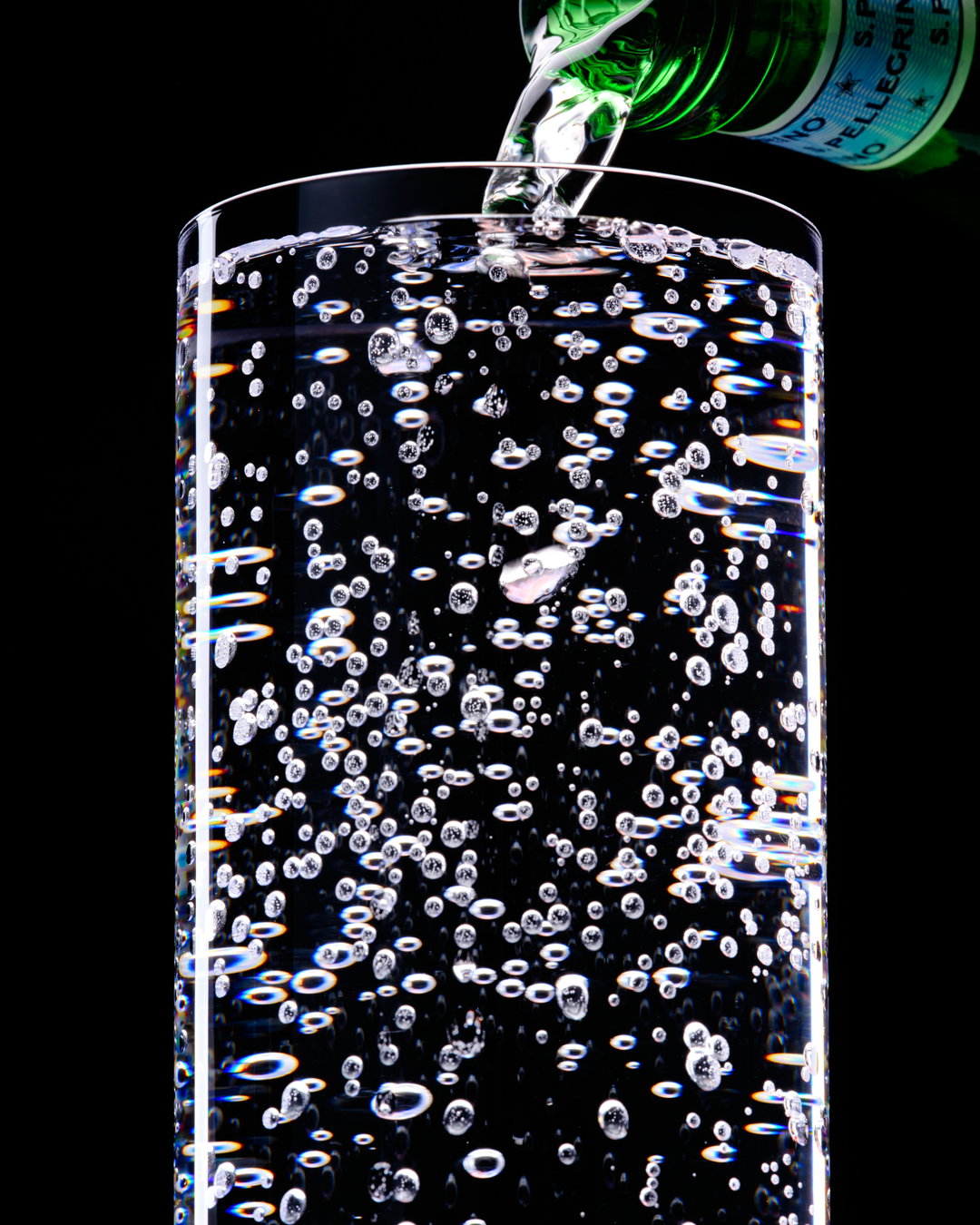
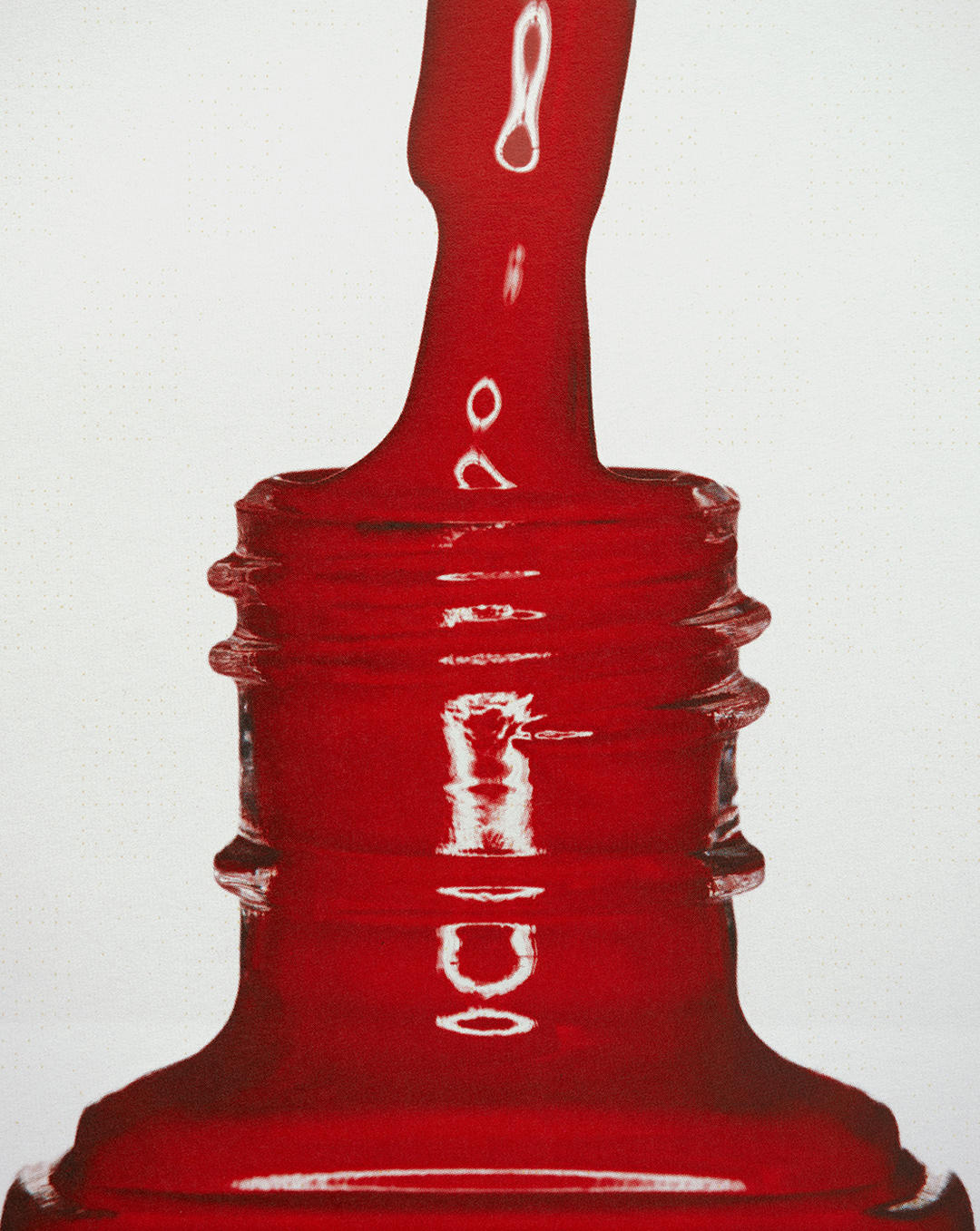
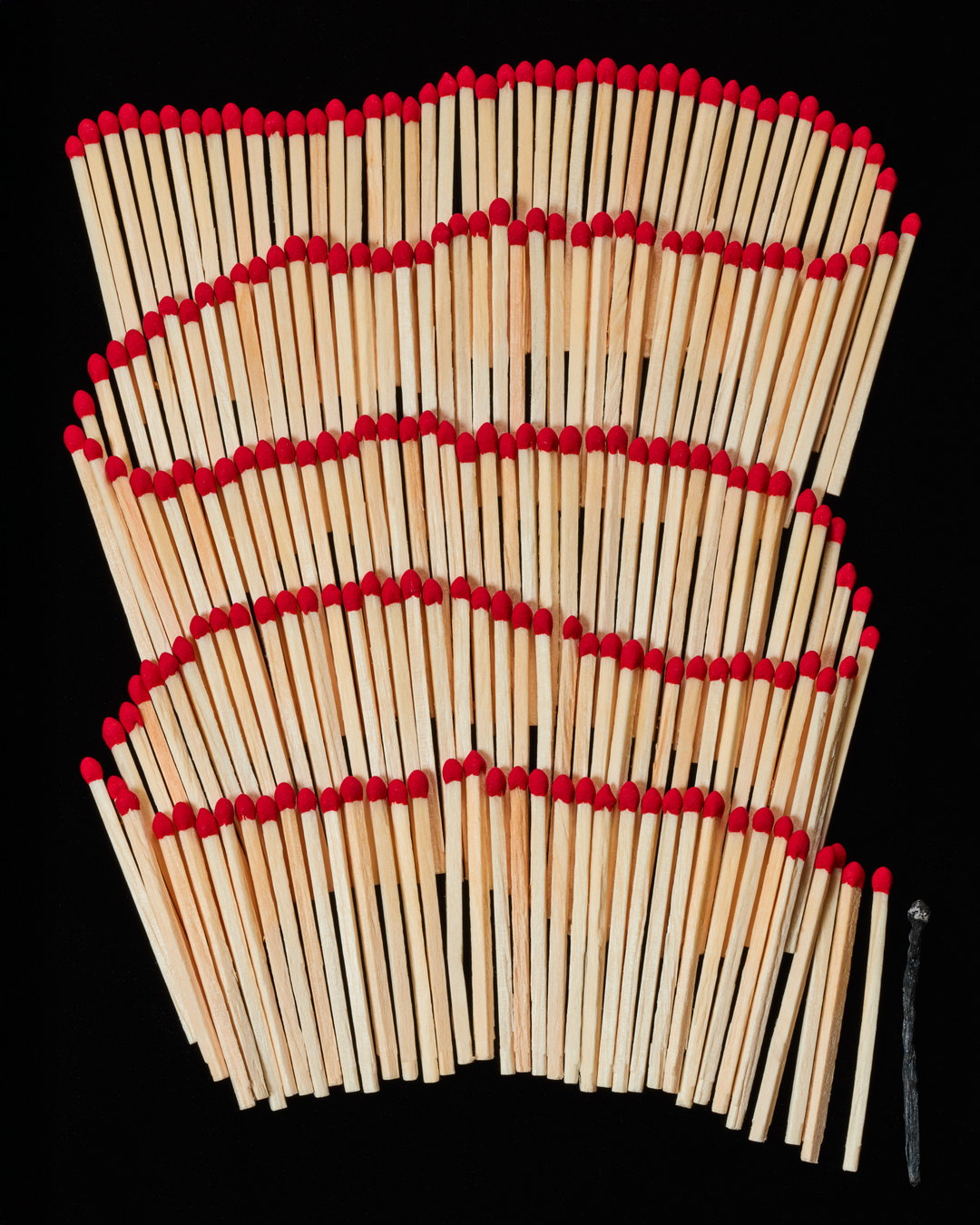
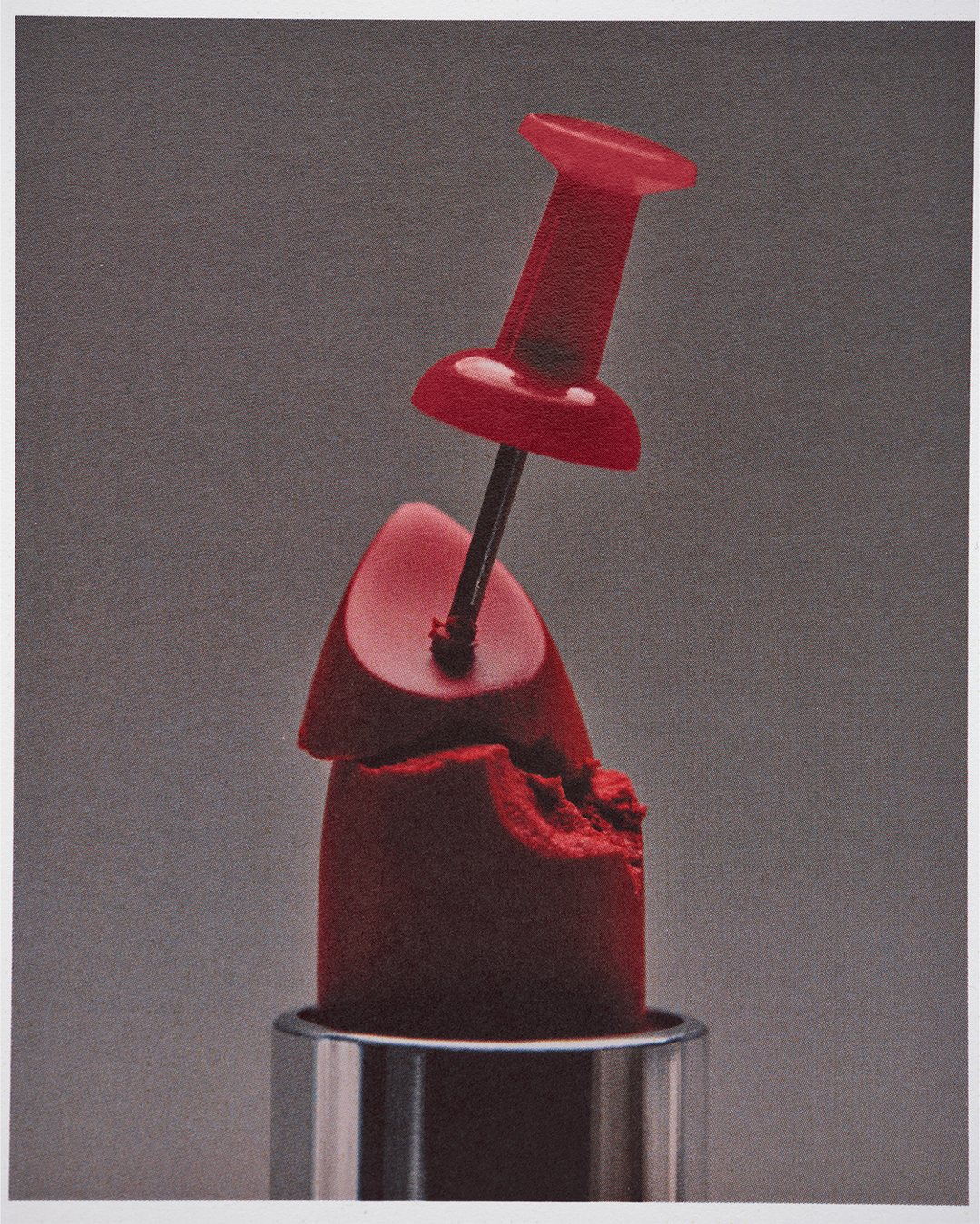
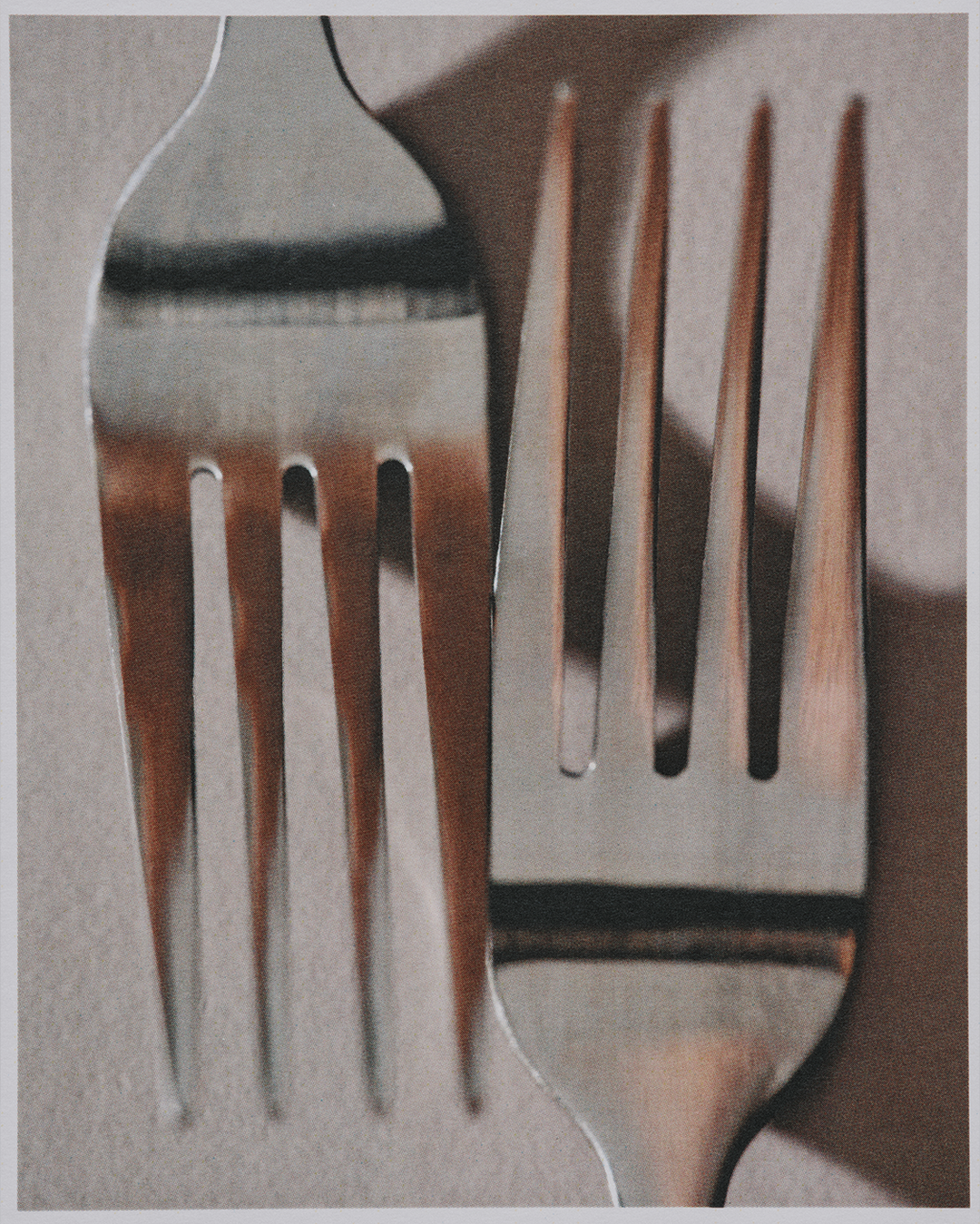
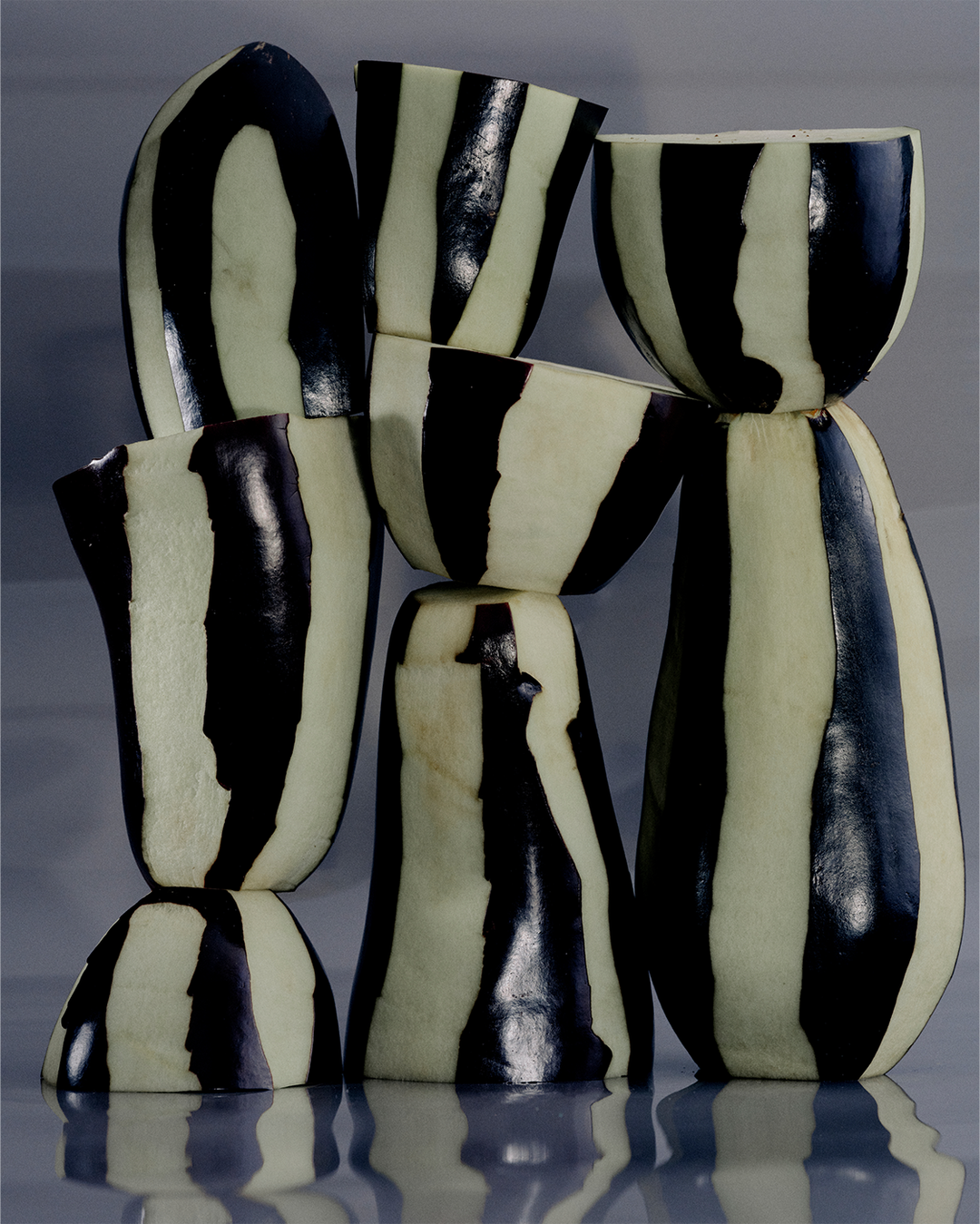
Noticing as a creative act is often only the beginning – the first step in a much larger process. Sometimes, inspiration lies not just in paying attention to the familiar, but learning how to reframe it – when an object, texture, or scene that once faded into the background is presented in a new light, revealing qualities that were always there, but rarely seen. For Melbourne-based still life photographer Shelley Horan, this means turning to the objects closest at hand, and finding ways to heighten their inherent beauty.
Shelley’s still life practice began during the lockdown in 2020, when, unable to step outside to photograph people, she turned her gaze inwards to the objects that dotted her daily life. “It was a real turning point for me because until then, I hadn’t paid much attention to all the gorgeous little things that were happening around me,” she says. “Now, it’s a way of seeing that I can’t switch off.”
“Even something that you’ve seen every day for your entire life, like a glass of water, can become something transcendent, if you look at it from the right angle.”
Shelley Horan
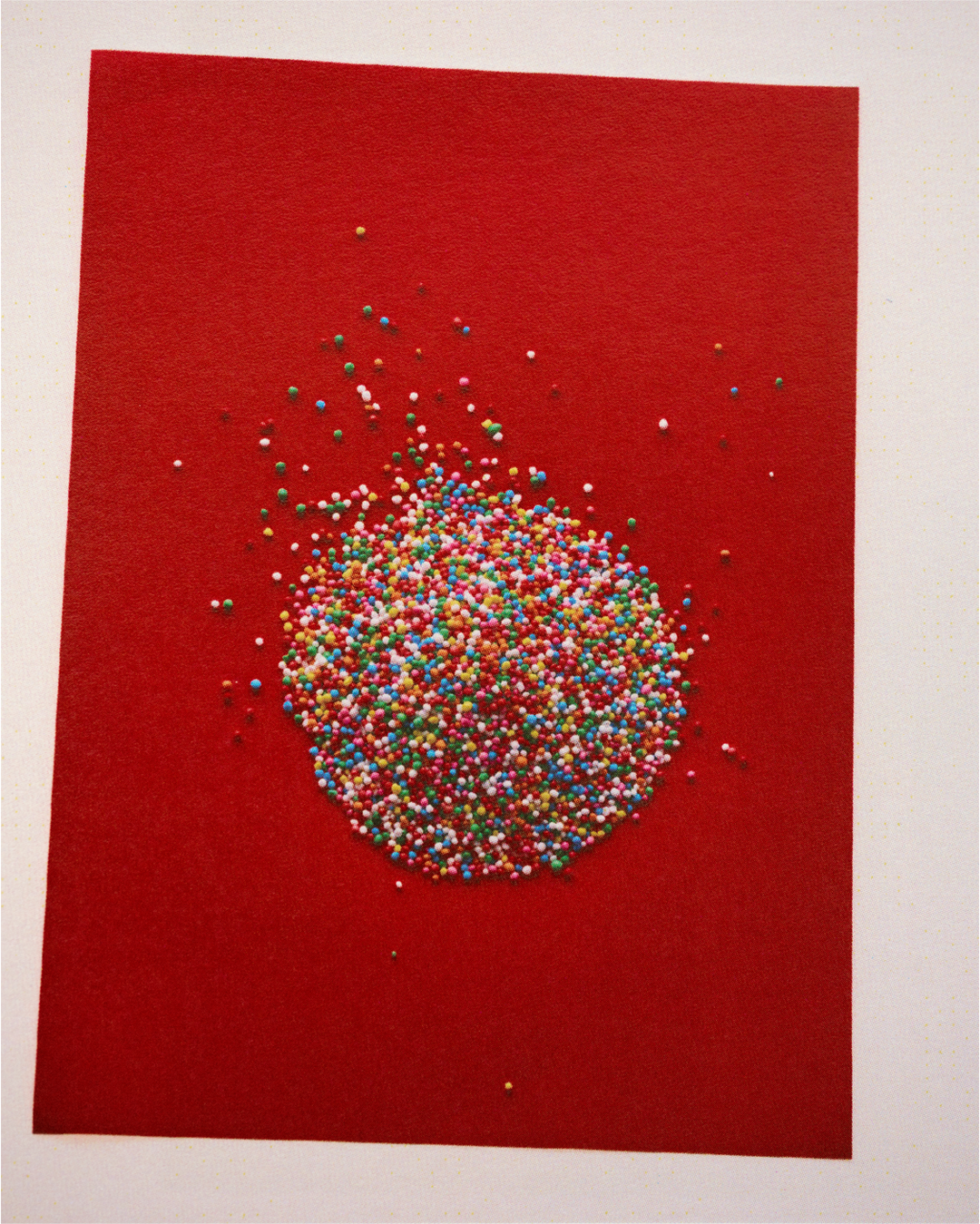
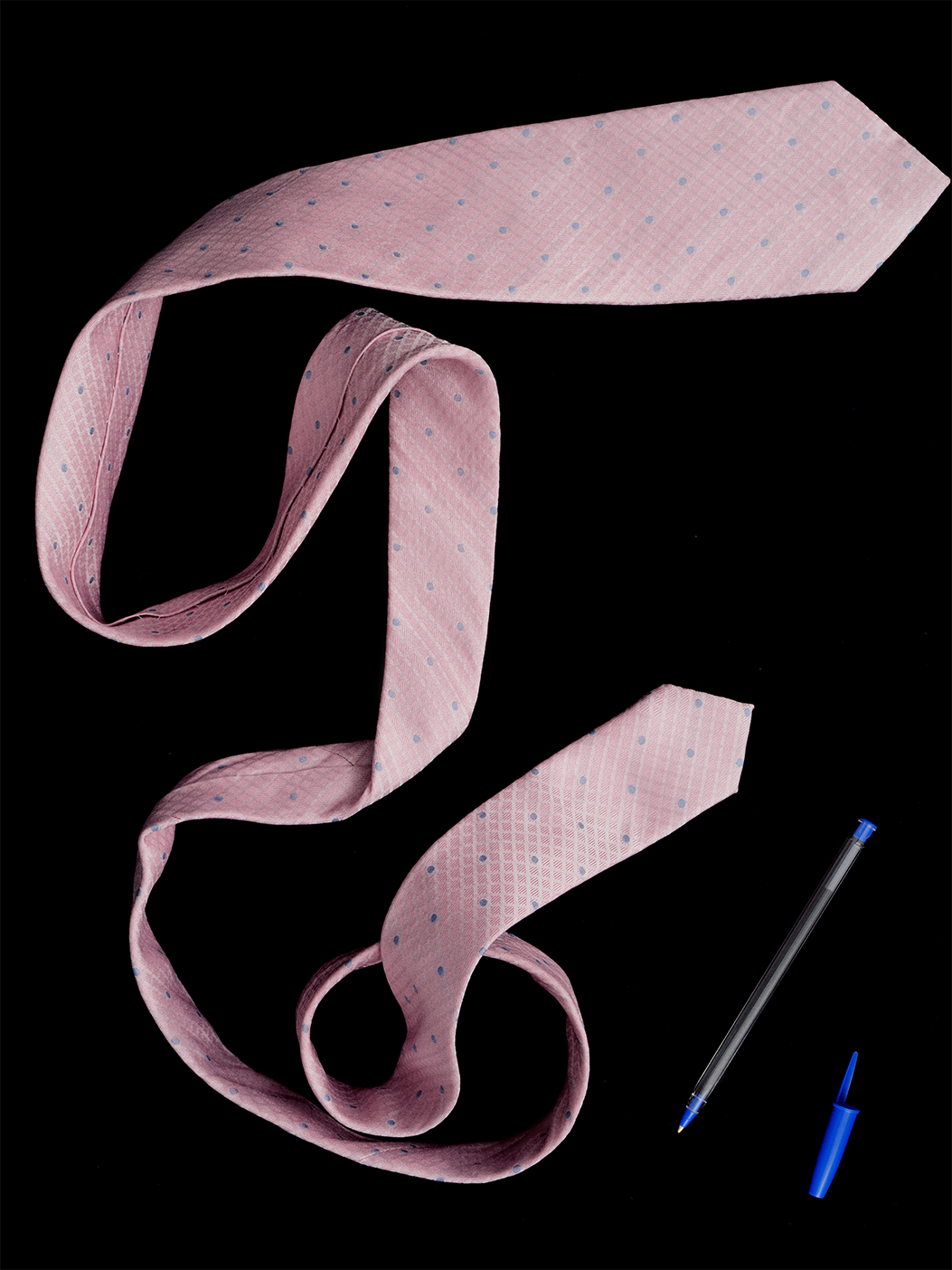
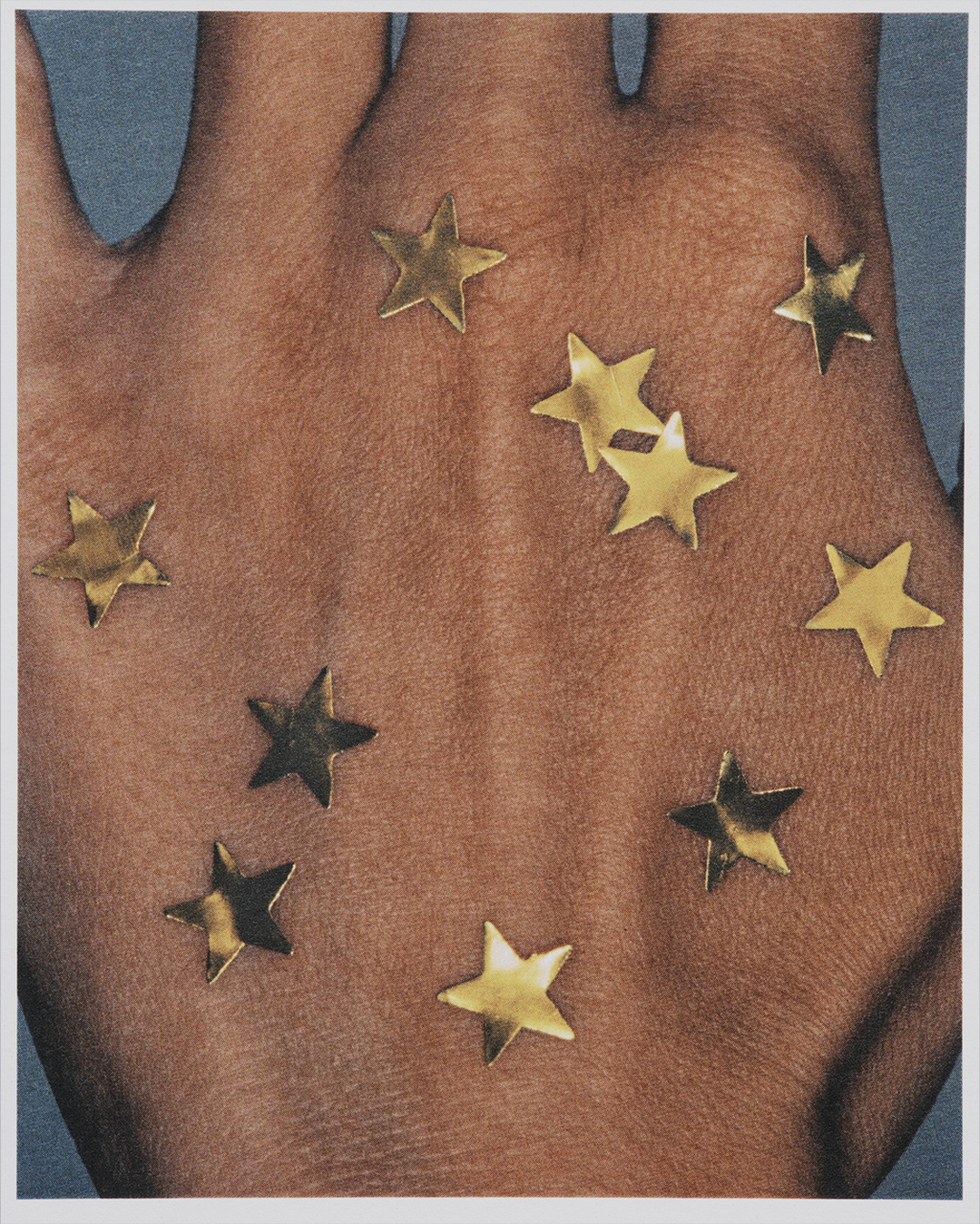
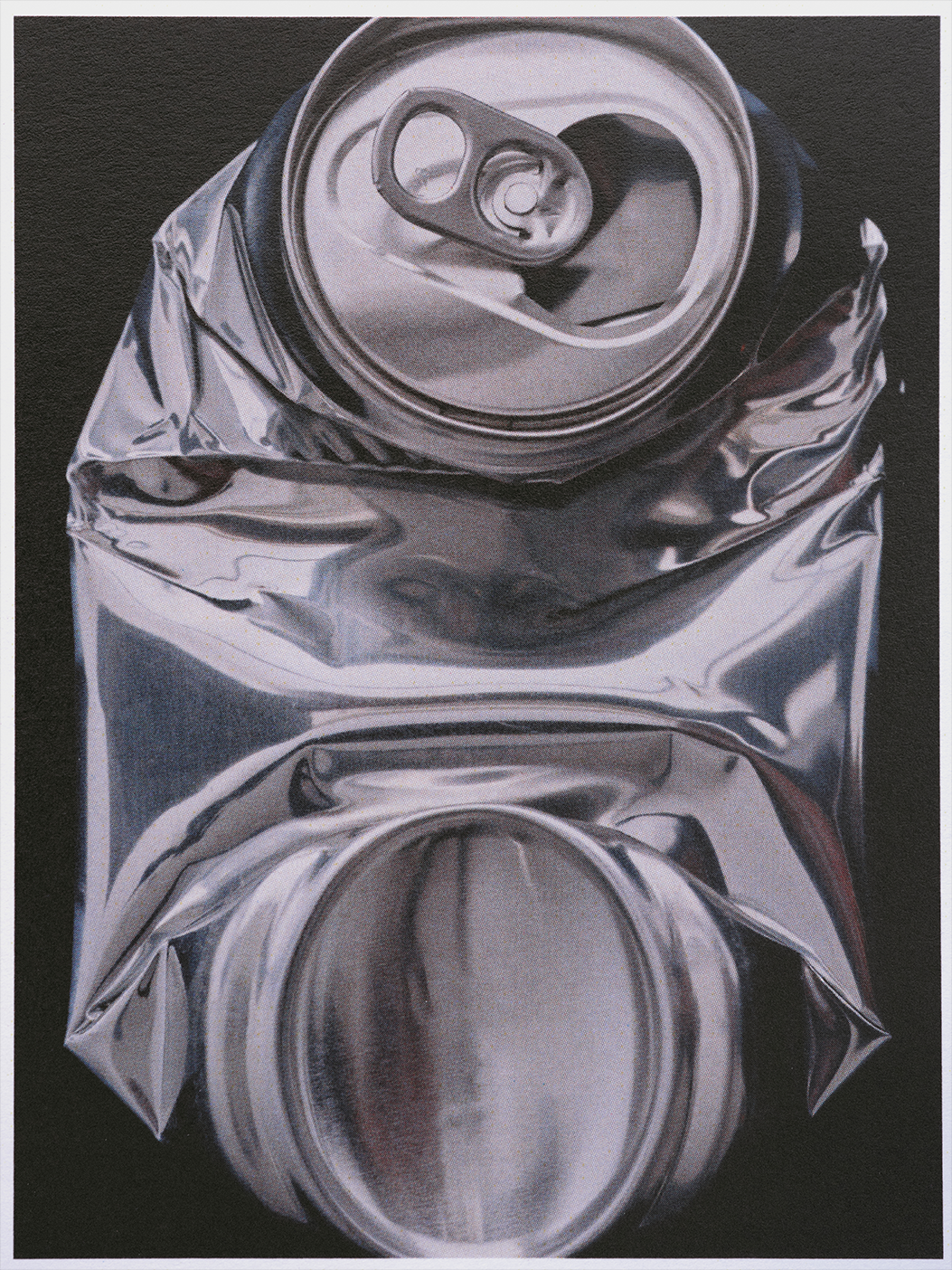
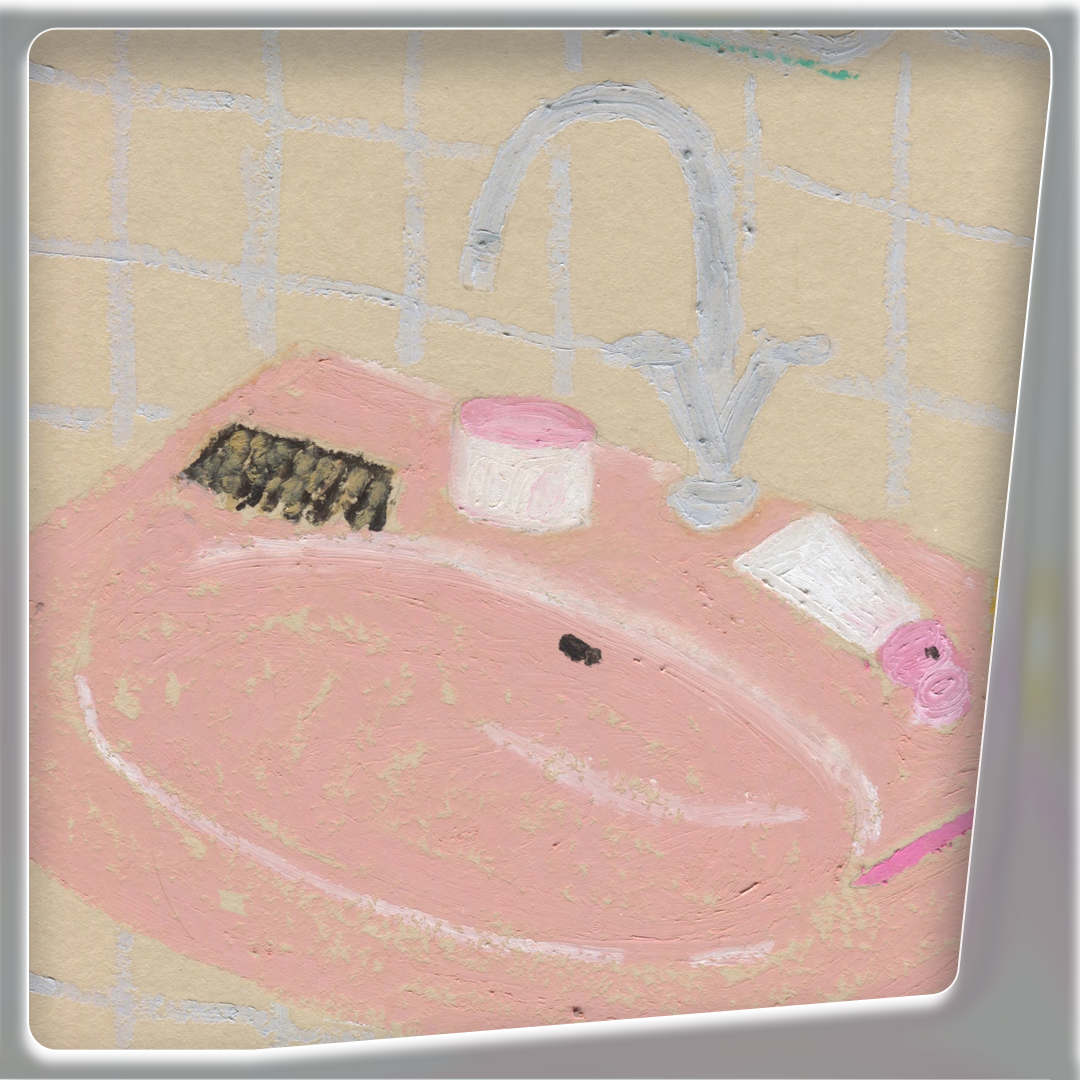
Her images reframe the familiar until it begins to feel strange, heightened, and newly charged: an oozing tube of toothpaste, the blue gel lit perfectly to create an ethereal glow; a deflated pink rubbish bag; a raspberry resting on a toothbrush, the zoomed-in, sharp bristles almost threatening to burst the drupelets.
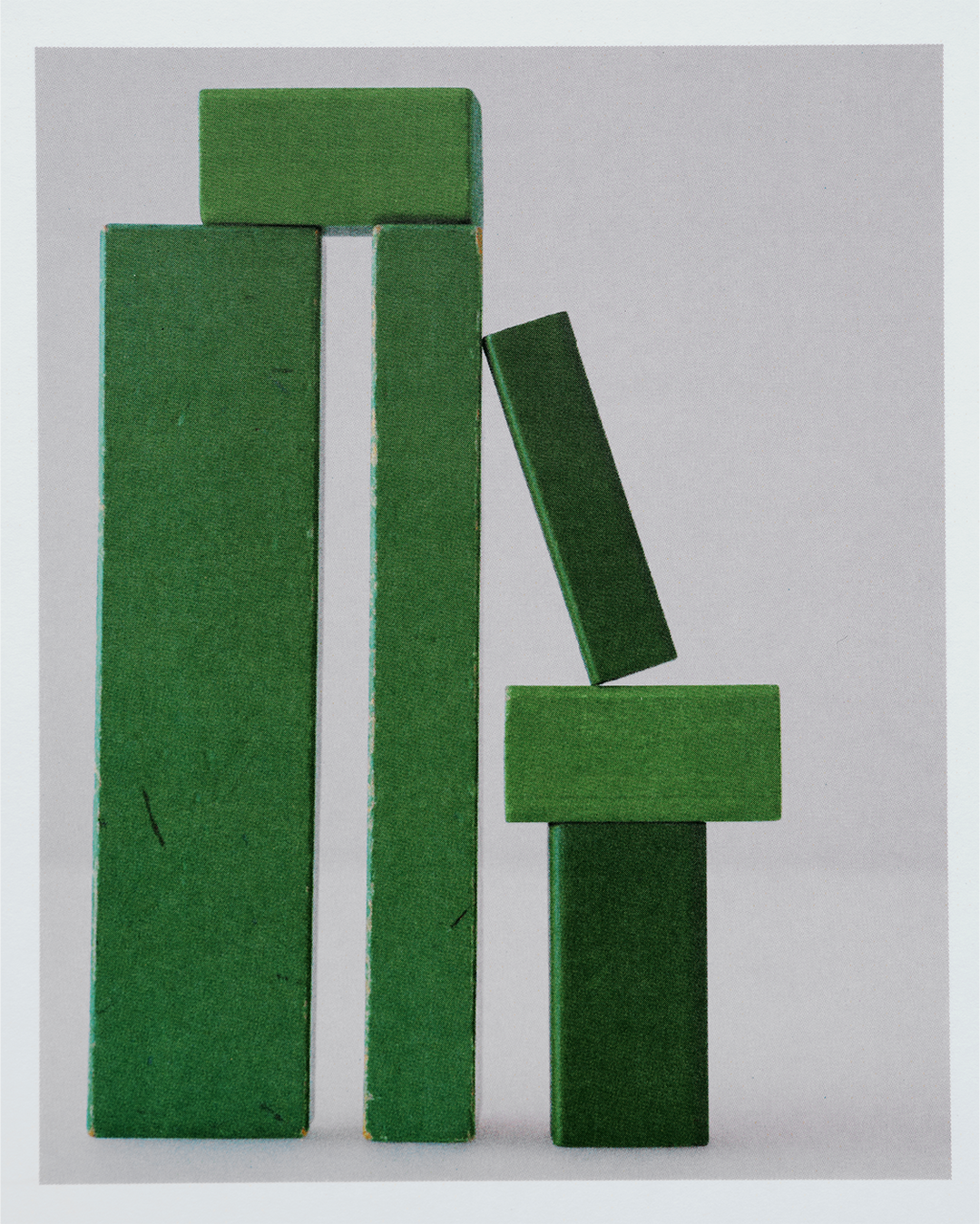
Through colour, texture and lighting, Shelley coaxes unexpected qualities out of the objects, disrupting the way we think we know them. “Even something that you’ve seen every day for your entire life, like a glass of water, can become something transcendent, if you look at it from the right angle,” she says. “My work is about amplifying what is already there. For example, using a particular camera angle to exaggerate shape, or using a particular lighting style to enhance texture or gloss. That process might lead to a new meaning.”
This way of recasting the ordinary is something Shelley learned on the job, and a practice she continues to nurture consciously – proof that this creative habit need not be instinctive, but can be learned. “At first, it might be hard for you to look at something you’ve seen before in a new way. But there is so much nuance in repetition, when you decide to look for it,” says Shelley.
Copyright © Shelley Horan

1 of 11
Copyright © Shelley Horan
1 of 11
Copyright © Shelley Horan
But this kind of attentiveness doesn’t always have to be visual; often, it can be behavioural or conceptual, too. When Little Troop began imagining an identity system for home storage company Cliik, the idea began with observing the obvious – the product’s most ordinary interaction. The magnetic click of the containers led the team first to the name, and then to locking graphic forms, and a stackable visual system that mirrors the way the containers slot together.
At other times, the act of noticing the familiar means being curious enough to recognise a pre-existing visual logic, instead of reinventing the wheel. When designer Andy Baron and team were brainstorming ideas for the packaging for Momofuku’s at-home product line, they looked to the pantry shorthand chefs have long relied on – washi tape and felt tip pens – as a vernacular design system waiting to be noticed.
“Every person is a unique individual; their perspective on the mundane is also one-of-a-kind.”
Lucia Pham
Just as much as the how matters – the ways we train ourselves to look more closely – the what matters too: what we choose to look at, whether an object, a visual system, or a lived experience carried through memory, habit and cultural ritual. For Hanoi-based illustrator Lucia Pham, that lived experience often begins in the familiar rituals of daily life in her home city. Take, for example, her Vietnamese Street Food series of illustrations, which looks at the rhythm of the city, the details that memory quietly stores away, and the choreography of street food through her eyes. “Every person is a unique individual; their perspective on the mundane is also one-of-a-kind,” says Lucia.
The details of her compositions – from the plastic tables and chairs, striped awnings, plastic chopstick and spoon holders, colourful cups, and even the specific bottles for chilli sauce and ketchup – are lifted from the everyday texture of life in Hanoi, pulling the viewer straight onto its streets. In one artwork, a vendor is frozen mid-motion, tending to her stall with four arms – a playful exaggeration of the speed and choreography demanded by a swelling crowd.
“When something interesting happens around me, I instinctively ‘record’ it with my eyes and mind,” says Lucia. “I store these details away for a long time, waiting for the right moment of inspiration – much like saving the finest ingredients for a main course until it’s finally time to serve.”
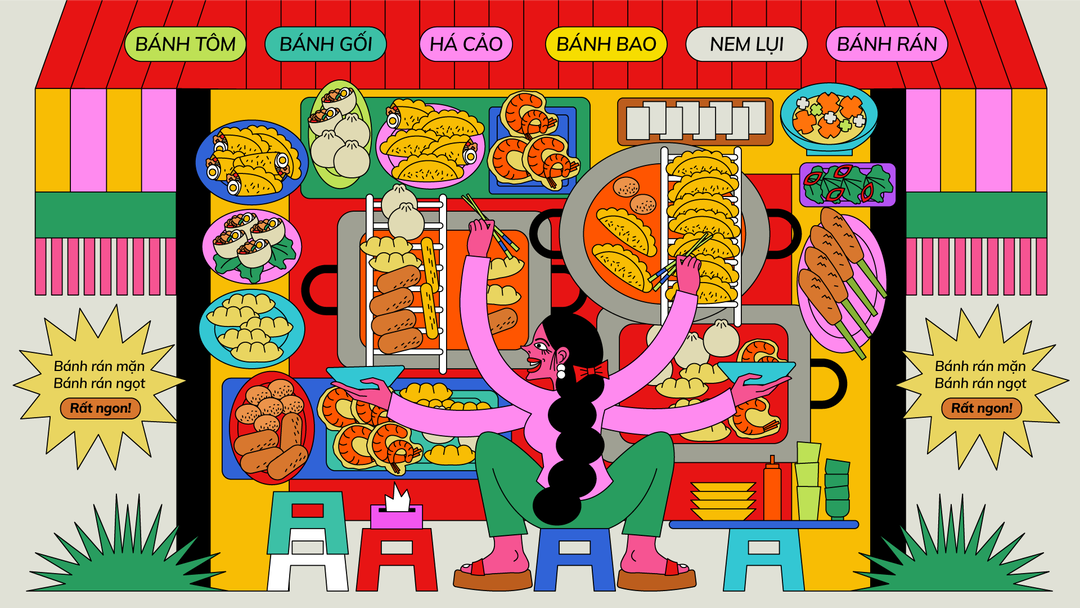
Lucia Pham: Bánh Rán Bánh Gối (Copyright © Lucia Pham, 2026)
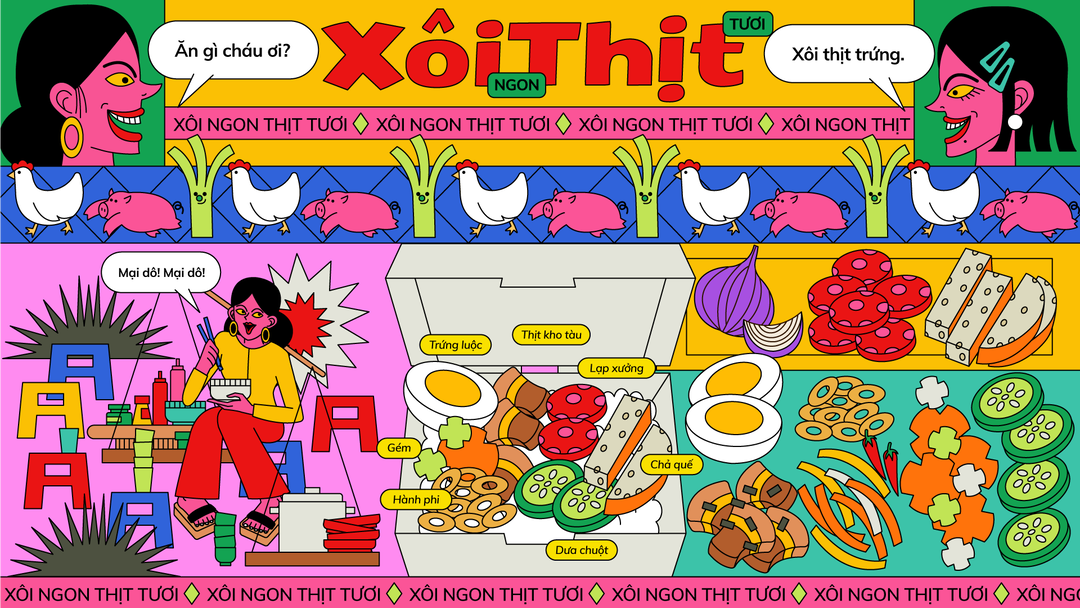
Lucia Pham: Xôi Thịt (Copyright © Lucia Pham, 2026)
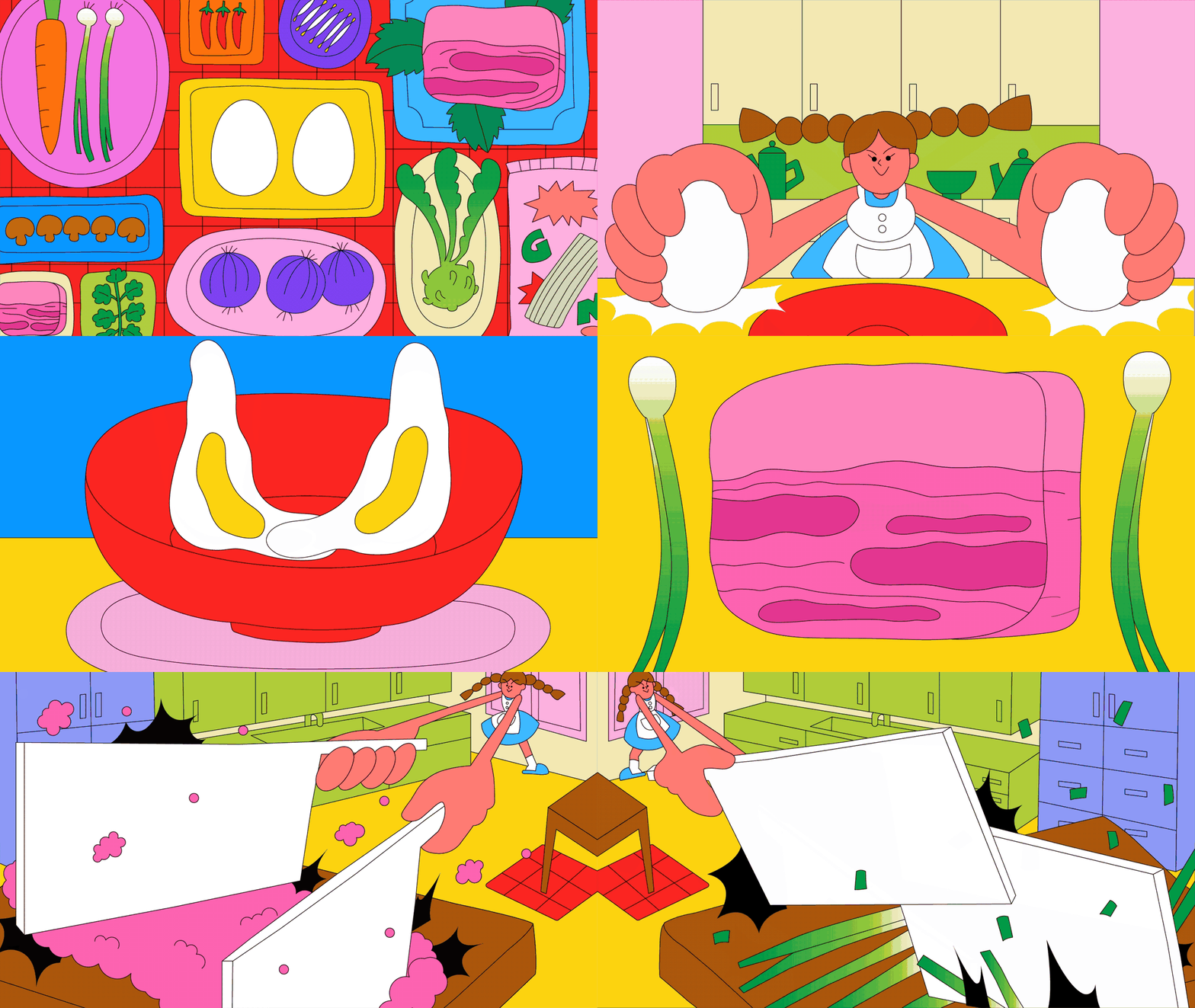
Lucia Pham: Nem Rán (Fried Spring Roll) (Copyright © Lucia Pham, 2026)
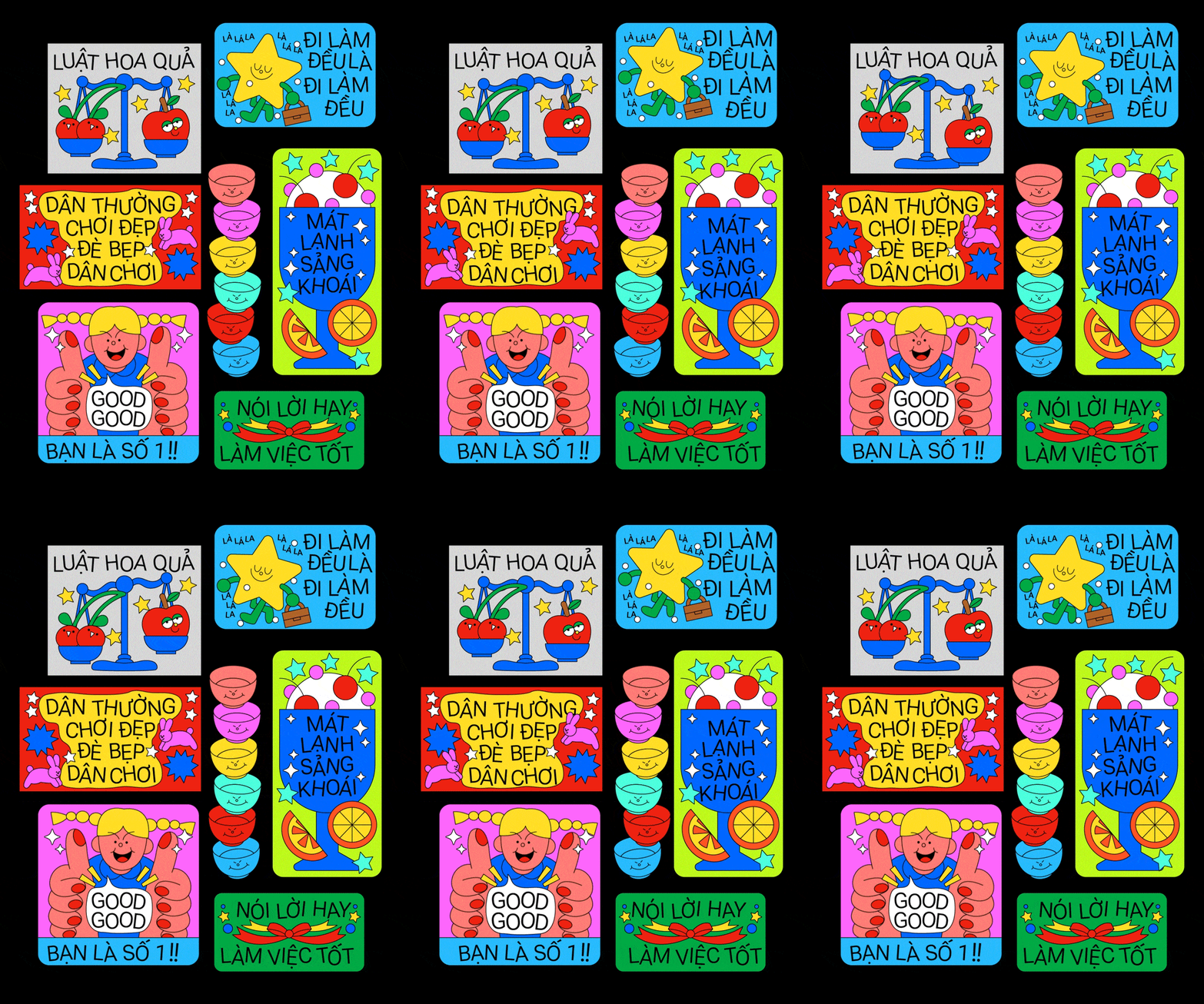

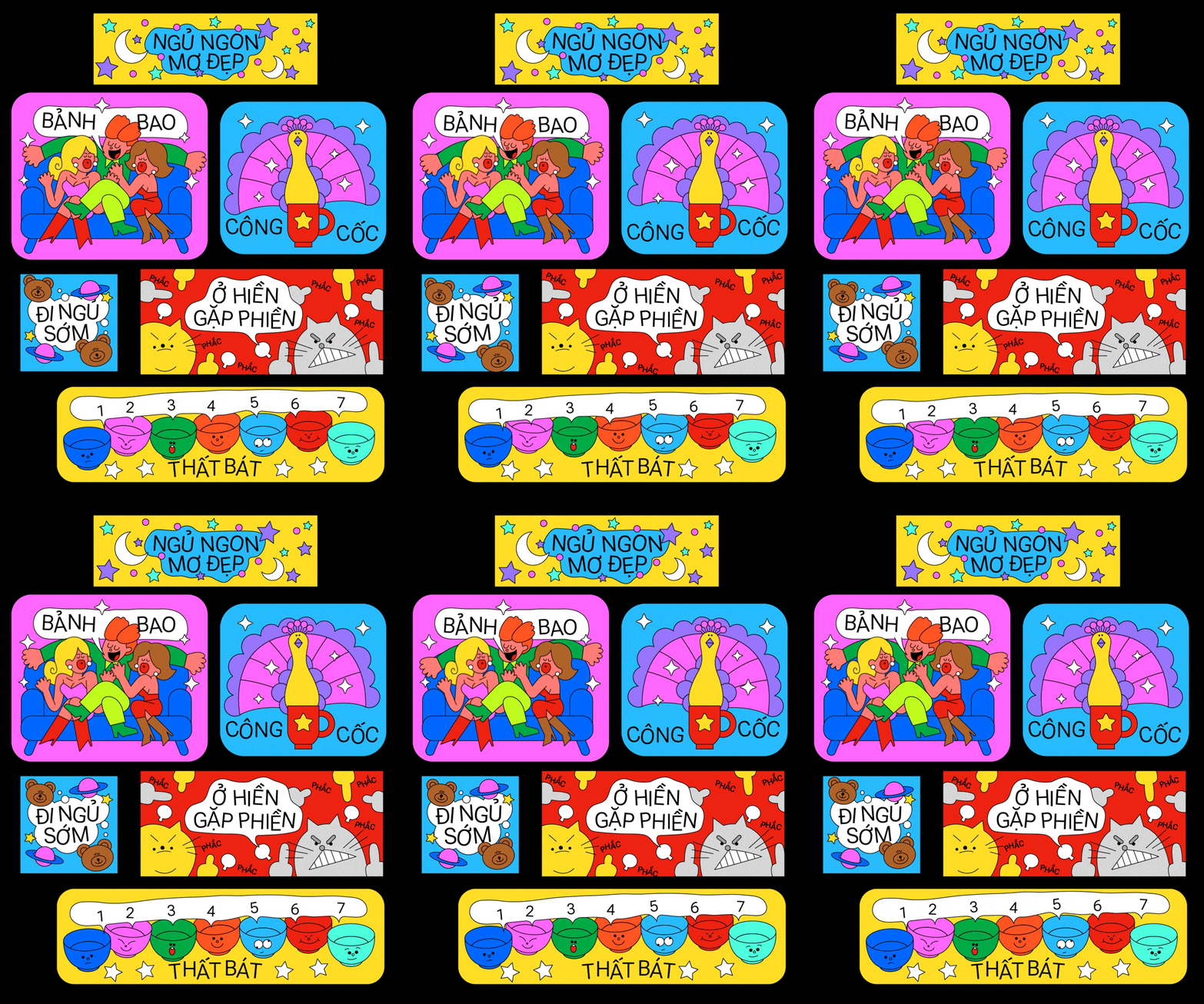

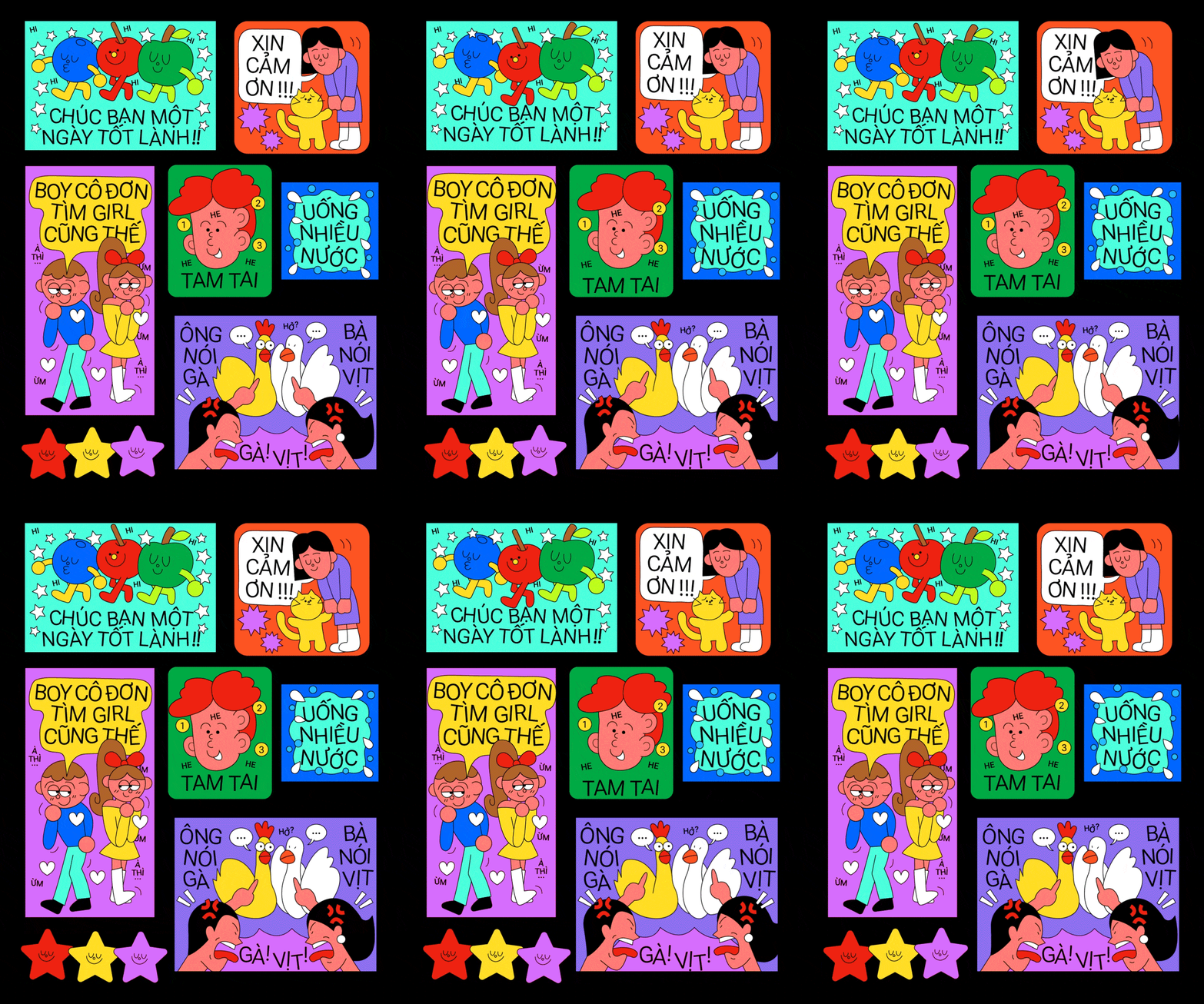
1 of 5
Lucia Pham: Vietnamese (words and slang) (Copyright © Lucia Pham, 2026)
1 of 5
Lucia Pham: Vietnamese (words and slang) (Copyright © Lucia Pham, 2026)
As much as Lucia mines the movement of the city for ideas, she also turns to the tempo of her own life. In a zesty, energetic animation, she records a dinner ritual – making fried spring rolls, and injecting it with moments of levity, like the cook going down a slide with all the vegetables. “For me, the most critical and time-consuming part is preparing the filling – all that peeling, slicing, chopping, and mixing. I wanted to transform these repetitive, mundane actions into something cinematic,” she says. “By using exaggerated movements and dynamic camera angles, I turned a ‘boring’ kitchen chore into a playful and visually exciting experience.”
“The more you look, the more you see.”
Adrian Hanft
Looking at daily, habitual life, and drawing out the ideas tucked away in the folds is not always an easy practice. To begin seeing the world differently, Lucia believes it can help to alter your life, however slightly. “Try changing your lifestyle by doing something you’ve never done before,” she offers. “Sometimes, the smallest shift in routine is all it takes to see the world through a completely different lens.”
And once something does catch your attention, what matters is how long you stay with it. As Adrian points out, almost anything can become compelling if you look at it closely enough. “I like to say, ‘The more you look, the more you see.’ Sometimes it takes a change of perspective,” he says. “You might need to experiment with different ways of shining light on it. Get closer or farther away. Flip it in a mirror. That doesn’t mean you will always strike gold, but you’re guaranteed to see something you’ve never seen before and to come away changed.”
About the Author
—
Ritupriya is a writer and self-confessed “design maniac” based in India. She’s the editor at The Brand Identity, and her words have also appeared in Eye on Design, WePresent, Varoom, and Broccoli Magazine.