


- Words
- Sudi Jama
- —
- Tags
Aries Moross on the secrets to working with hardcore fandoms from League of Legends to Spice Girls
Should designers create with fans in mind? Aries Moross, founder of Studio Moross, talks about the importance of knowing who the client really is – and listening, reacting and collaborating.
- Words
- Sudi Jama
- —
- Tags
When taking on a new design project, you’re not just taking on the artist, show, or game. You’re taking on lore, history and its die-hard fans. They’re hungry for new material, they’re gagging for new merch, and they relish representing what they truly love. Think of the last time you waited on your favourite show’s new season. How you traced Reddit forums searching for like-minded fans who’ve picked up on the latest theory. You’re on your second rewatch, and you’ve got your eyes on the promo material like a hawk searching for any tasty morsel of information.
You know exactly what design means to fans, so why shouldn’t fandoms be a part of the design equation? Studio Moross knows their importance, and has designed for RuPaul’s Drag Race, Spice Girls, League of Legends, One Direction, and more. From live shows, to merch, it’s clear fans want to be immersed into their fandom – and design plays a big part in that experience. Founder Aries Moross tells us why that is.
“The people I need to eventually reach are the fans.”
Aries Moross
It’s Nice That:
Why is fandom important to projects at Studio Moross?
Aries Moross:
The people I need to eventually reach are the fans. Especially for music projects, like Kylie, One Direction, Spice Girls, the following is the core reason for their success. The fandom is what makes the artist a global artist. It's what extends and elongates their career and makes their careers sustainable.
My job is to speak to that audience as it grows and evolves as the fans get older. It’s a huge part of what we do. I don’t necessarily believe everyone thinks about that when they’re making work for a musician. A lot of the time, they’re thinking about making something cool or making something that pleases the artist. Ultimately, we need to make something that satisfies what the artist wants and reaches and connects with their audience simultaneously. That’s not always the same thing. There’s a lot of work unpicking that, and it's a really enjoyable and rewarding part of the job when you deliver for a client.
INT:
Are there differences between designing for gaming, music, and TV fandoms?
AM:
I think in all areas, the similarity is that the fandom are hyper-aware of everything that brand or artist has created ever. There are wikis for everything, like League of Legends for example. The depth and knowledge in the audience is sometimes bigger than any of us could have. That’s also the same for any artist – someone like Kylie who has had a very rich and long career where there’s been so many music videos, so many pieces of merch, shows, and moments in her history.
For something like Drag Race, it’s different because people are fans of the show and eventually fans of the individual contestants. It’s more the show itself and the pleasure that comes from the entertainment. I think the hardest are the artists that have the most intense and most fastidious audience who see everything and any crumb of data has this wider meaning. People can read into things and misinterpret things.
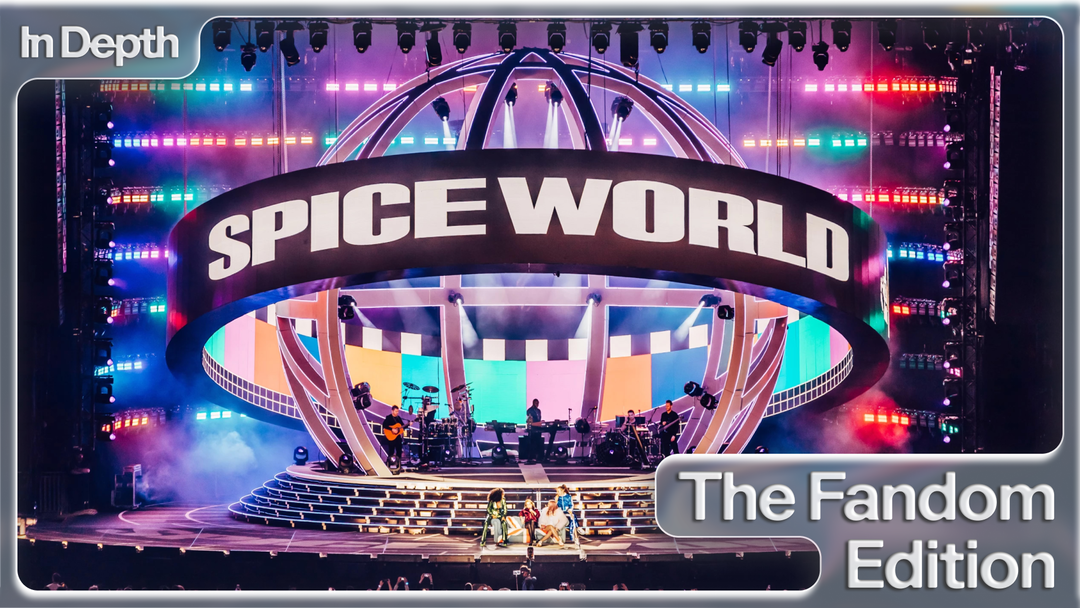
For something like Spice World, for example, we actually engaged with the fans in order to work out what they wanted. That’s quite common now for there to be fan groups for the artist. Certainly back in 2019, that was a bit less common. We didn’t have broadcast channels and Whatsapp and Substacks and Discords with fans. It was a bit more formal back then. The idea of talking to a fan about what merch they want might have seemed a bit controversial but now that’s very common.
Studio Moross: RuPaul’s Drag Race (Copyright © Studio Moross)
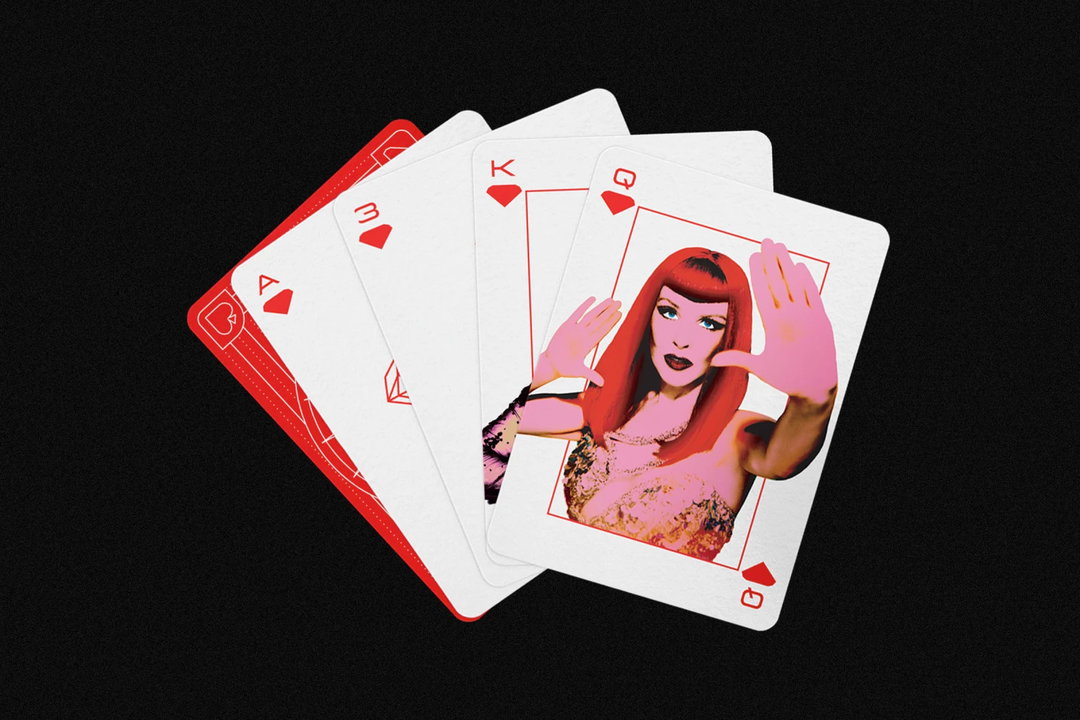
Studio Moross: Kylie (Copyright © Studio Moross)
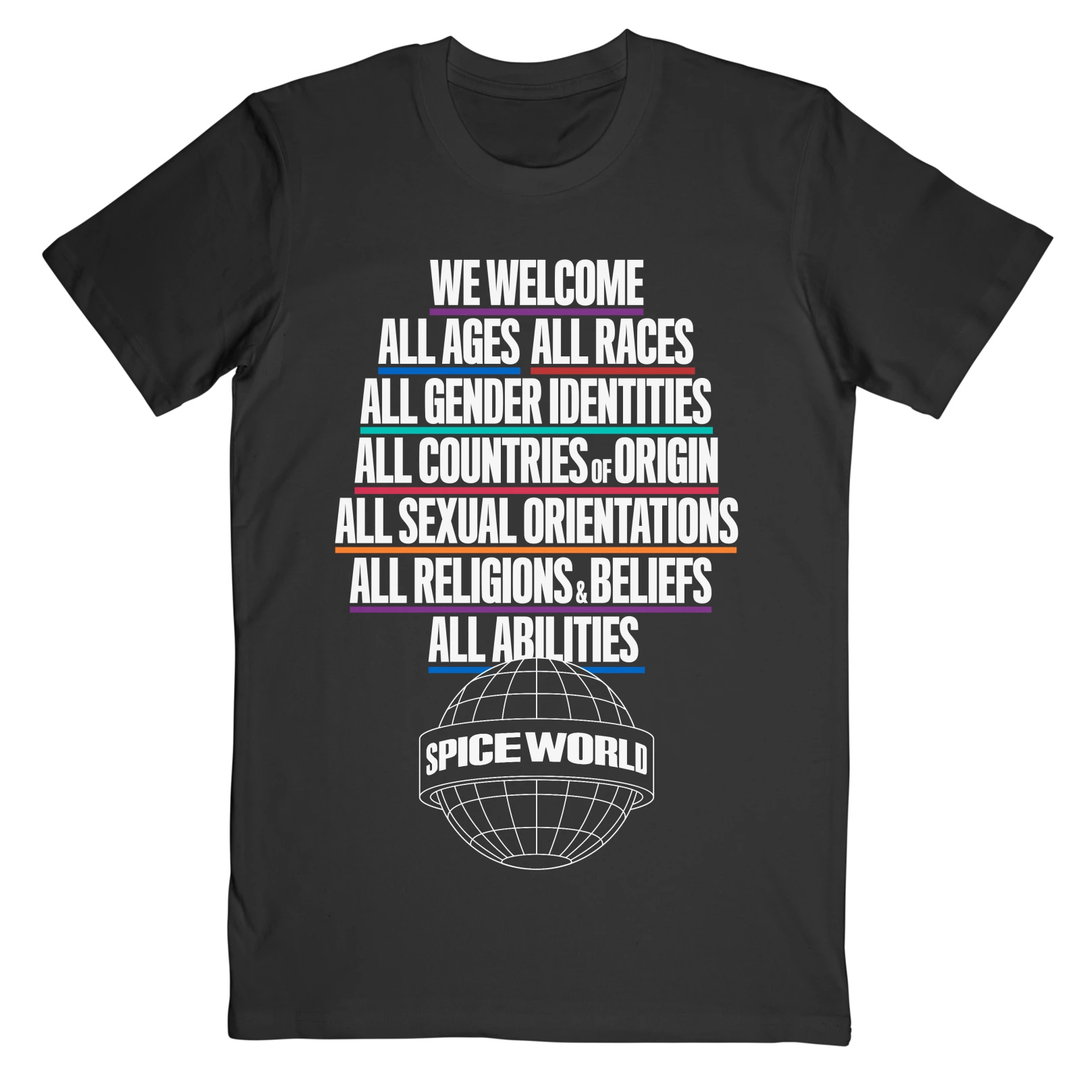
Studio Moross: Spice World (Copyright © Studio Moross)
“It’s listening to comments. It’s going in the forums... everything’s so reactive.”
Aries Moross
INT:
How did you incorporate fans and fan culture into the projects? Walk us through the creative process. How does developing an understanding of these communities add to your work?
AM:
For a client like Riot Games, and the franchises that we work on for Riot Games, the fans are really important. Riot’s outreach is relatively formal. They have their website. They have their games. But, the fans are what create the depth and the richness to what’s online. There’s so much out there. That really helps inform us when we make decisions about what resonates with fans and what elements they pick up on.
With musical artists, it’s listening to comments. It’s going in the forums. These things help guide a campaign when you’re in the middle of it because, with music, everything’s so reactive. We’re making decisions based on how something we create lands in the audience. With designing live shows, the setlist is informed by the fans and how they respond to things. Sometimes shows don’t go down well and maybe what you think won’t be well received will be hugely successful. It’s kind of like live A/B testing all the time on a huge audience. It’s fun but definitely tricky.
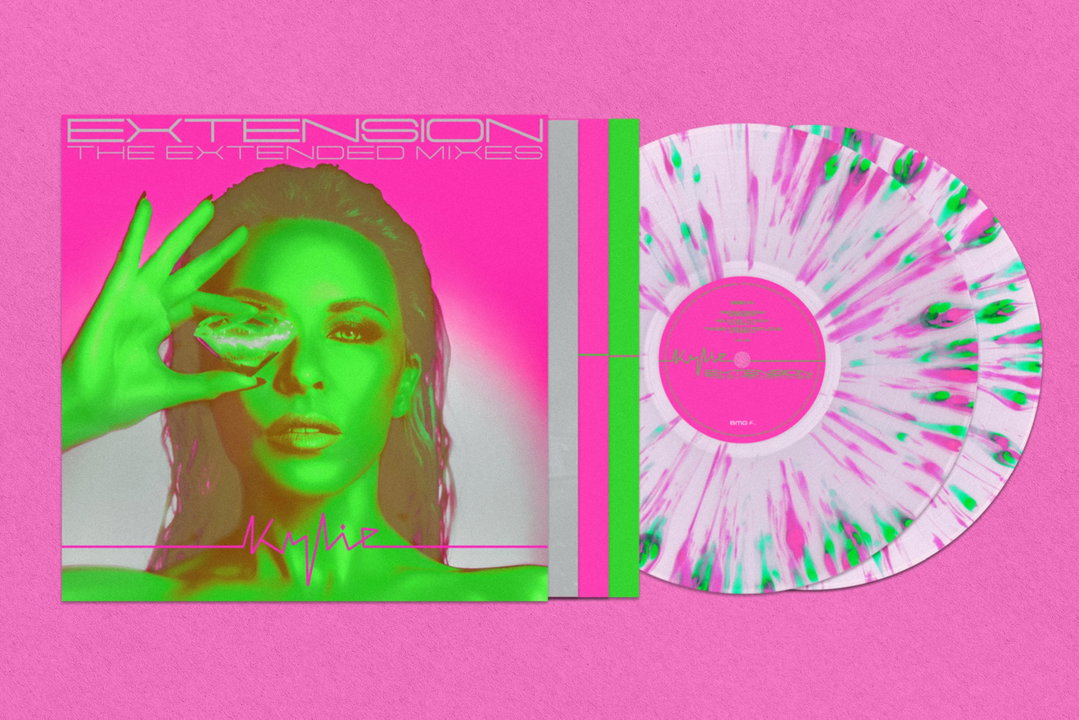
Studio Moross: Kylie (Copyright © Studio Moross)
INT:
How have fandoms received your projects?
AM:
It’s been mixed. The world is not privy to the client-designer process and why something has come about. What image an artist chooses for their cover may or may not be anything to do with me, it can be completely their choice. Within the fandoms there can be an interpretation of decisions and, if they don’t like the decision, then they’ll blame you because they don’t want to blame the artist. Often we will receive criticism on any choice that an artist makes. It could be anything that we’re connected to in some way. Equally, you can share in success too. It depends.
With so many people online, and I think this is particularly true for artists like One Direction where they had an enormous global fanbase, very digital and very online, it’s hilarious what you can find. I designed this car for a One Direction prize giveaway that toured around all the stadiums. It was a crazy looking car because, obviously, it had graphics all over it. I wondered where it had landed recently and I managed to find the car online. A fan who won the car had sold it. I saw pictures of it on a motorway somewhere.
They’re also the best documentarians and collectors. The Spice World tour didn’t have a filmed tour but the fans created a fan edit of fan footage from across the tour and put it into a DVD. You get to see your work documented so beautifully.
When It’s Nice That reached out to talk about fandom, I felt this was an area I really relate to. It’s not something I really talk about in my work because it’s not necessarily the priority when discussing design but it’s prevalent in so many of my projects.
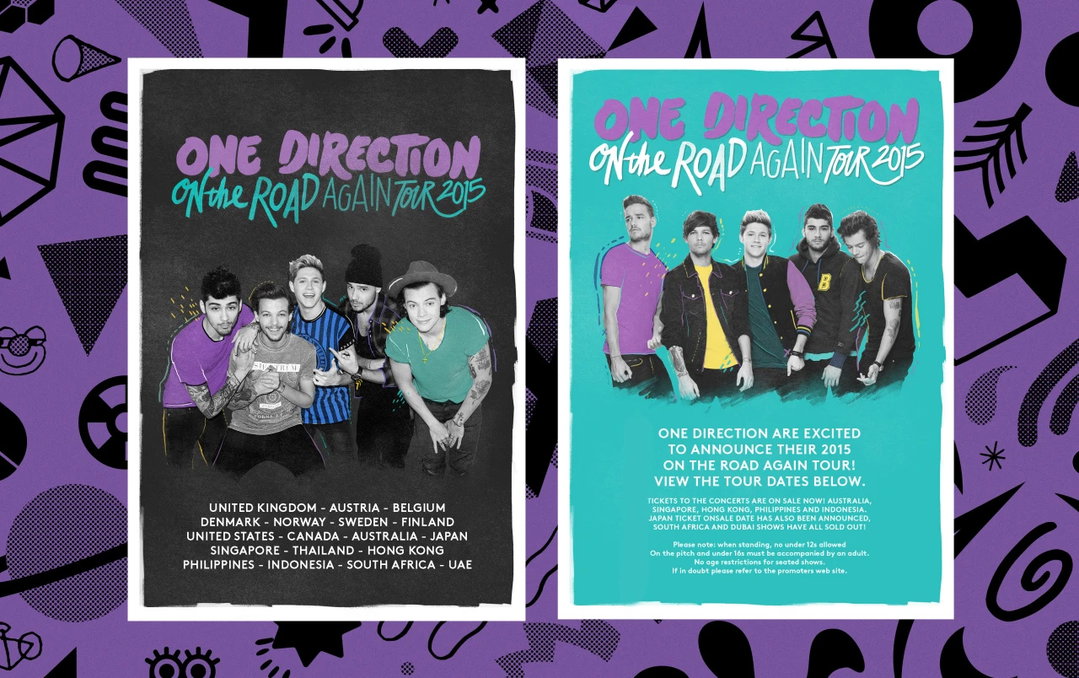
Studio Moross: One Direction (Copyright © Studio Moross)
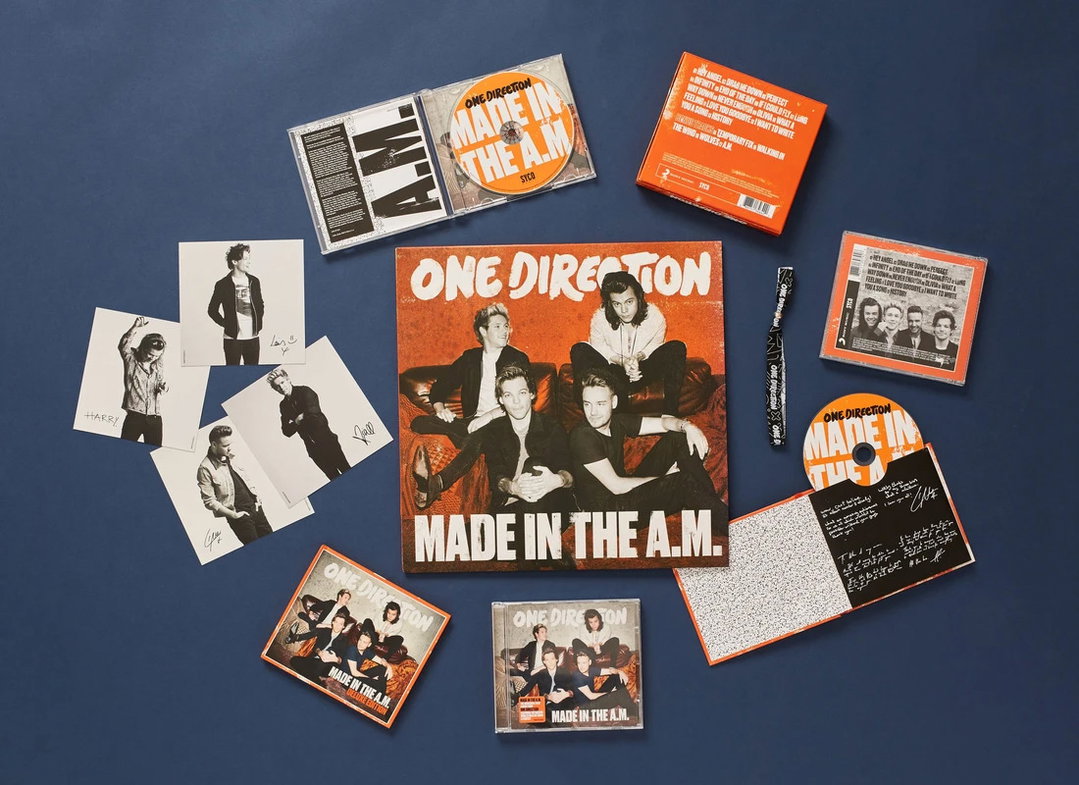
Studio Moross: One Direction (Copyright © Studio Moross)
“The distance between creative producer for an artist and a fan is getting closer together.”
Aries Moross
INT:
What are your wider thoughts and opinions on how fandom and fan culture is becoming more of a force in design and creative work?
AM:
The main difference is that the design and creative tools are much more accessible. A fan can create as good a trailer for a music video as I could ever. Now we’re seeing this happen in film where directors are releasing folders of footage for the online audience to create their own cuts of things. There’s a real proximity to the audience. With League and Riot Games projects we work on, that’s so evident. Fans make and generate so much of the imagery online, it’s hard to know what is an official image and what’s a fan-made image. It can go for so many things. A fan can design a piece of merch for an artist that’s not real but there’s no argument to say that isn’t a good design. The distance between creative producer for an artist and a fan is getting closer together.
We get AI-generated work from fan audiences now of alternative album covers or merch. People don’t even necessarily need to use Photoshop anymore, they can just prompt. It’s really interesting and quite surreal.
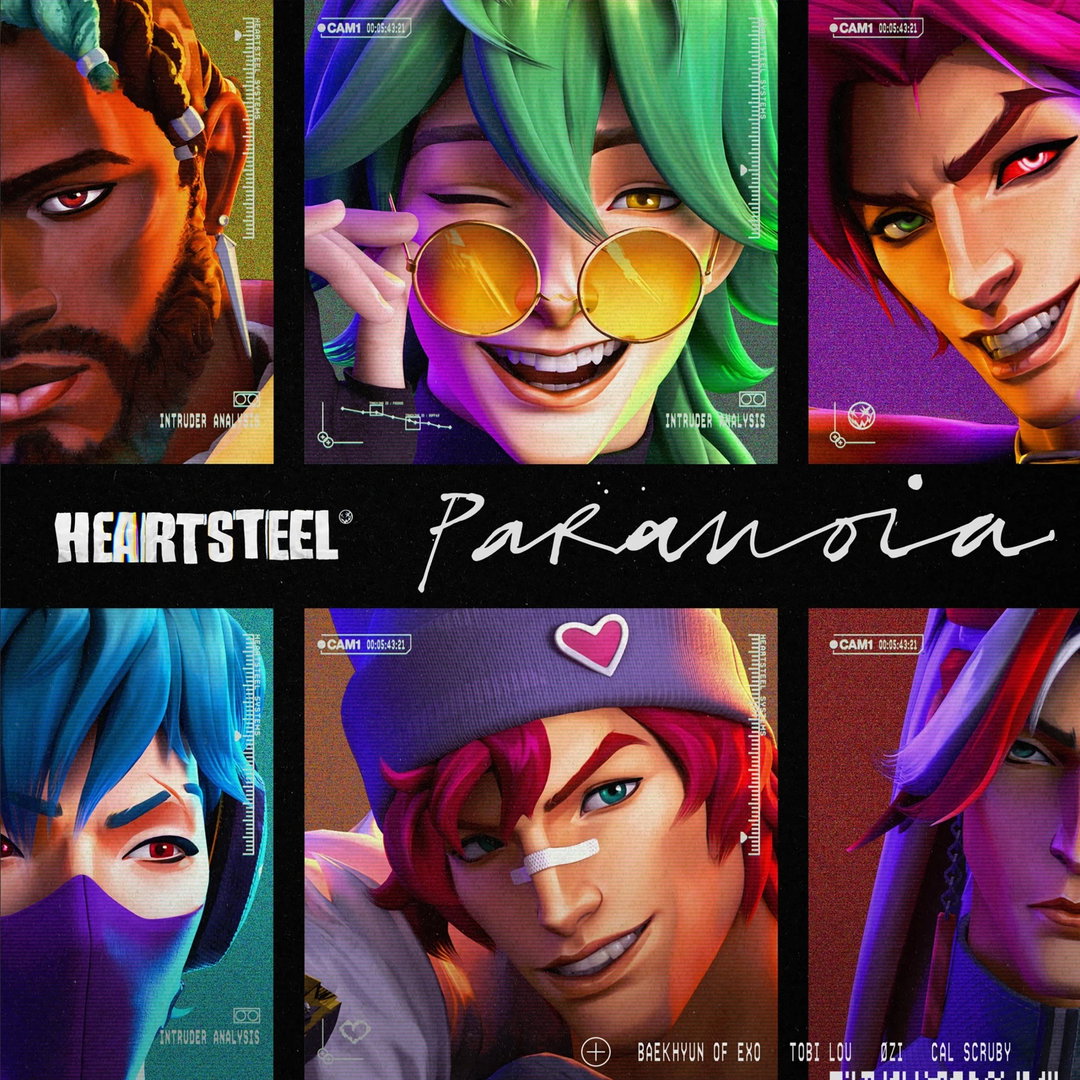
Studio Moross: League of Legends (Copyright © Studio Moross)
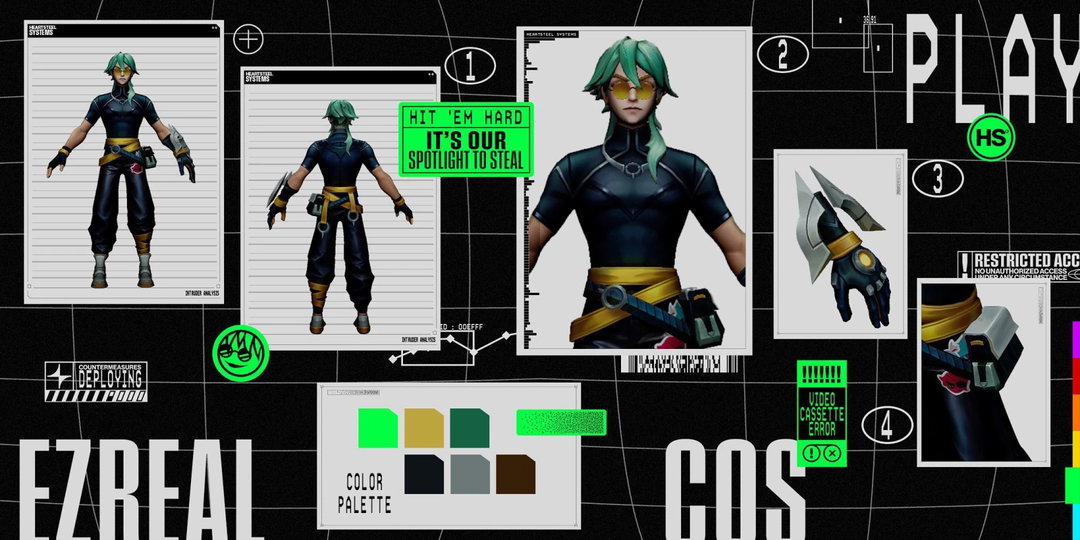
Studio Moross: League of Legends (Copyright © Studio Moross)
INT:
Do you feel that is changing your direction as a design studio? How is the studio’s future being shaped by these changes in design and creative work, if at all?
AM:
I don’t know if the studio itself is changing, I think I keep it in mind more when I’m working with either just myself or the team. It’s raising a standard, for sure, because these things are now something anyone can create. If you’re going to be paid and commissioned to make work for an artist or brand, you need to make sure that work is of top craft. I think craft has become really important now with the rise of AI and consumer tools. It’s not just about being able to make something, it’s about being able to make something really well.
There’s also more immediacy to feedback. We always take feedback on board. I don’t know if it’s shaping us as a studio but we always read the comments. We always pay attention to what the audience we’re making work for are thinking. Maybe even making work with now!
It’s not just about aesthetics, as well. It can also be about how much an item costs, how much a ticket costs, how long a show is. There are other parameters that are measured and commented on, not just style. In some ways, these things are more important because they speak more to accessibility.
We maybe don’t have a say in everything but we can certainly make suggestions and give advice. An idea we have might increase the manufacturing costs of merch, and we realise the audience wants more affordable items and we will adjust our merch campaign, for example.
There’s lots of small details across the board, but not major fundamental shifts in direction.
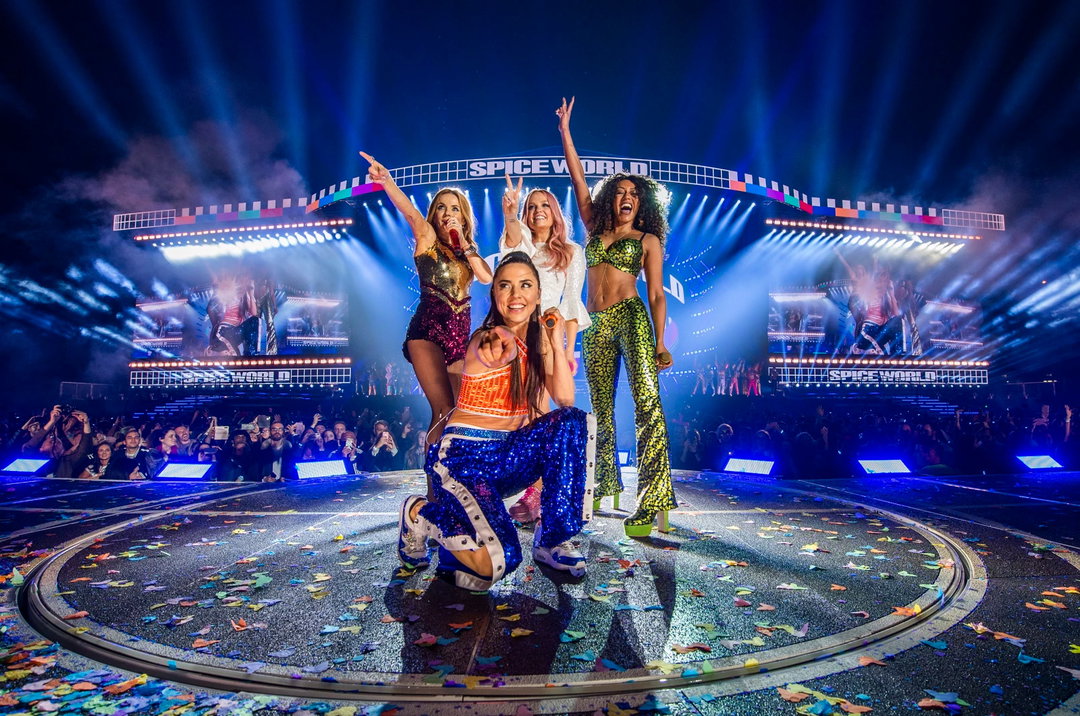
Studio Moross: Spice World (Copyright © Studio Moross)
“The problem with appealing to everyone is that you appeal to no-one.”
Aries Moross
INT:
What are the pros and cons of brands becoming wise to the importance of fandom?
AM:
The problem with appealing to everyone is that you appeal to no-one. I think there is an importance in pushing forward with something that isn’t solely trying to appeal to the audience because sometimes that audience needs to be curated to.
For example, with an artist like Becky Hill, that I’m working with now, we’re designing for the audience we want, not just the audience we have. We don’t want to leave them behind at all. We want her existing fans to come with us on that journey in rebranding into new looks, new aesthetics, and new sounds even. We certainly want to find new eyes and new listeners.
I think brands who listen too much to the noise of their existing fans maybe don’t have a clear enough vision of creating something new to move forward. This is why big brands have strategists and global creative leaders who are trying to create something new – it’s obviously very different when there’s just a small team of 4/5 people working on something for a musician.
I think there is a chance that listening too much to an audience can lead to losing sight of progression and evolution. We’re in quite a stale place right now, visually and creatively. I think there’s so much amazing stuff going on but, because we’re self-referencing, what’s new is really hard to find. I love seeing stuff on my timeline that feels original. Brands traditionally have always been trying to reference culture or borrow from an existing visual trend to seem current and up-to-date. Now we’re at peak consumerism, there’s so much marketing material out there. So much visual noise. We do need to focus on trying to create new genres, new aesthetics, new styles, that are appropriate to those creative projects, whatever they are. That’s really hard because we’re in a referencing universe and it’s very difficult to step out of those trends. It might not even be possible. We might have reached the curve somehow. Not really sure.
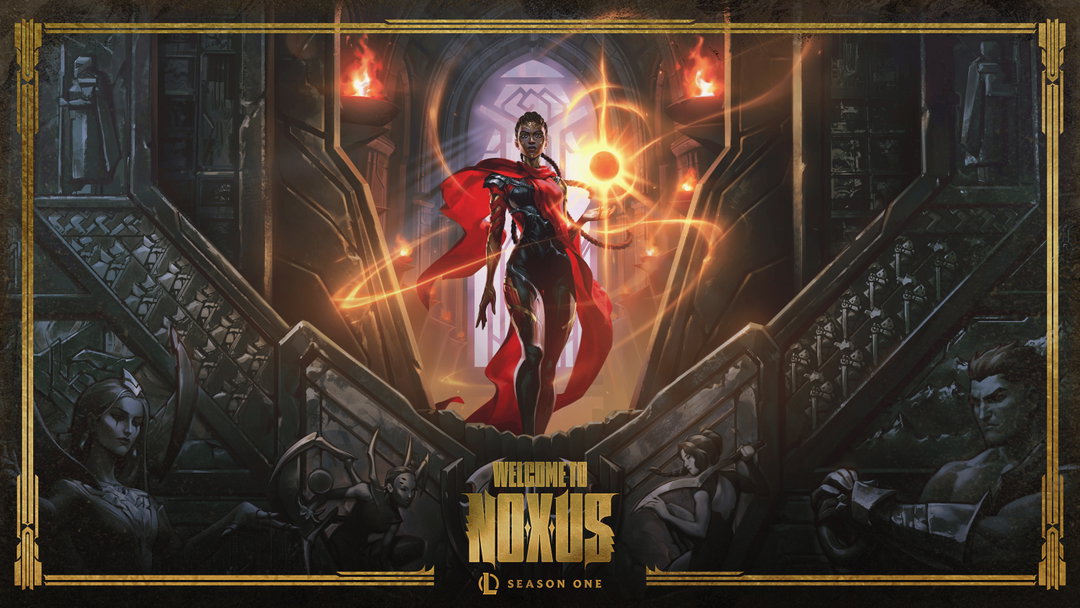
Studio Moross: League of Legends (Copyright © Studio Moross)
INT:
What can be done to make the future a bit more original, design-wise?
AM:
I think back to how I was taught design education, which is probably still how it’s taught now (it’s been a long time since I left university). It was concept-driven. It was never style-driven. You have a problem, and you solve that problem with conceptual design. You choose colours based on the meanings and the questions of the project, and you choose typefaces that way. You try to think about things instead of just going “Oh that would be cool if we do a Y2K skin on this thing”. You think more about deeper meaning and the things that are unique about the problem that you’re trying to solve rather than using or borrowing from other visual languages from the past to demonstrate your idea.
I don’t mean to undermine aesthetics and using trends – I do that all the time. I don’t think it’s bad. I’m just concerned, even for myself, about how to still creatively and visually innovate. The cool part of it is the new tools and new technologies that can be used to innovate. I hope we’ll get out of it.
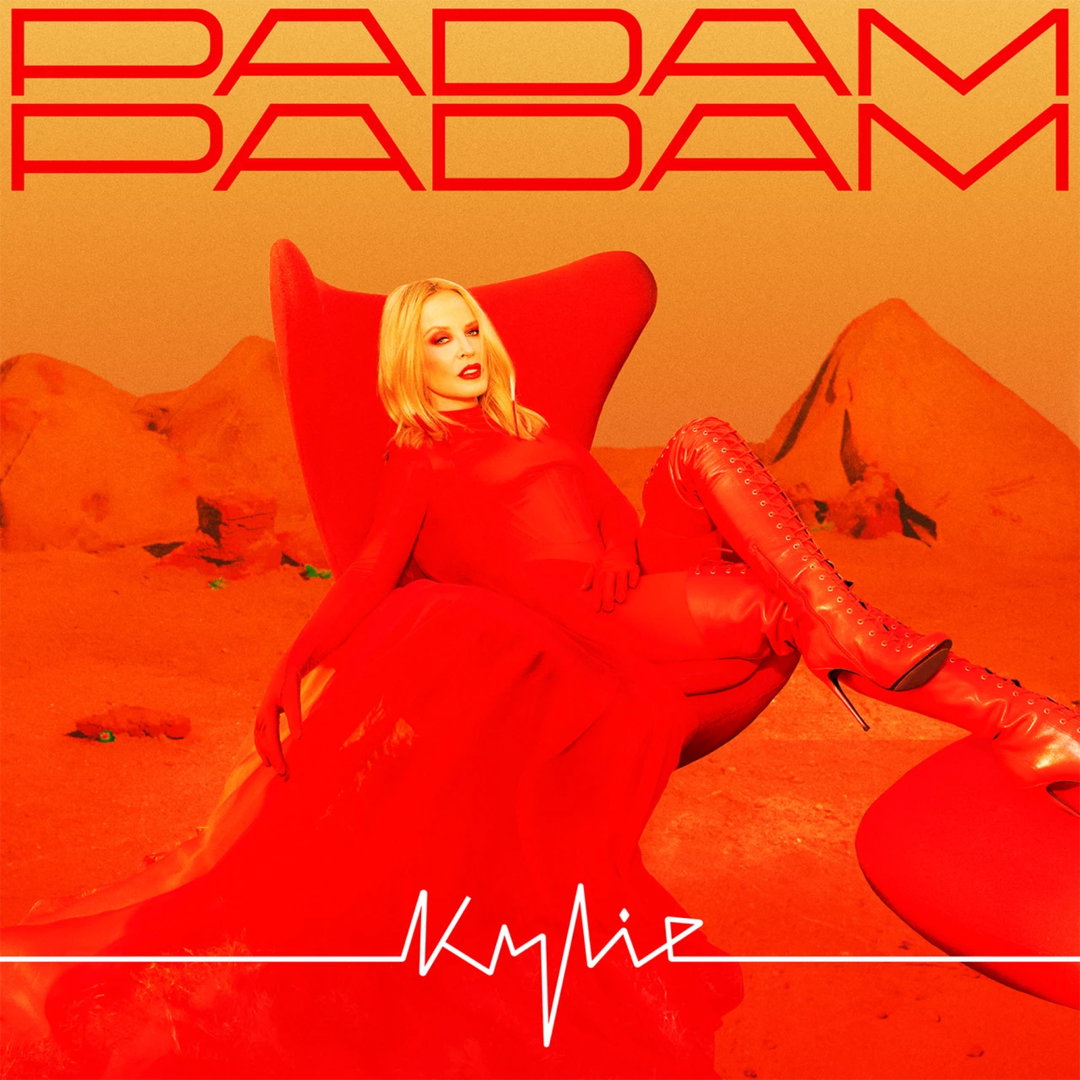
Studio Moross: Kylie (Copyright © Studio Moross)
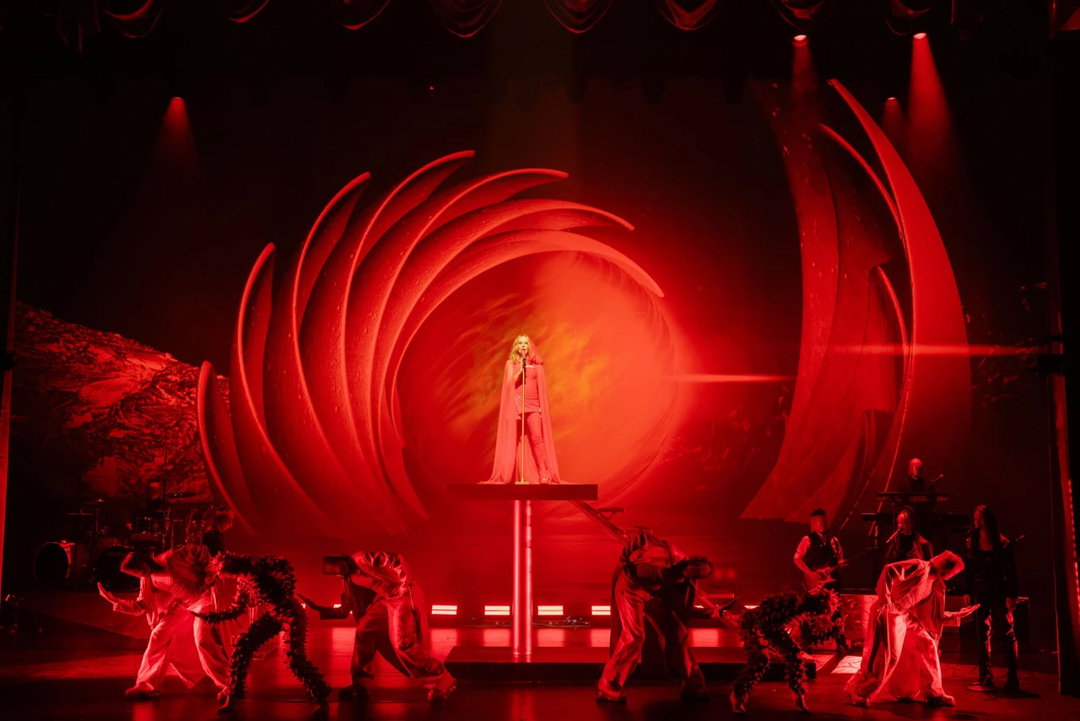
Studio Moross: Kylie (Copyright © Studio Moross)
INT:
What are you a fan of? Do you think that, in any way, feeds into your ways of working?
AM:
So interesting you asked me that. I think there’s two types of people: people who are fans and people who aren’t. Are you a fan or not?
INT:
I’m definitely a fan. I love to fixate on things.
AM:
I obviously interact with people who are fans of things all the time. I know someone who's been to every Korn show since they’ve been playing within her adult lifetime. I know people who collect every record that an artist has produced. I’ve never been like that. Considering my job is to cater to fandoms...! I obviously enjoy music, TV, visual cultures, whatever. I consume it all the time, but I’ve never been someone who has gone the extra mile for something like queueing or going on a waiting list. The depth of my interest is quite shallow, I would say. So I don’t really have any musician, film director, or visual artist that I’m a really big fan of.
INT:
Do you feel like that gives you a different perspective, as an outsider to the fan experience?
AM:
I don’t know! It probably would have been better if I was. I certainly really appreciate those in my team at Studio Moross who are like that. Their ability to zoom in on projects is really powerful. I’m more of a wider, shallower-thinking person but I have people who are like “I’m going to go away and research this game and understand the core skills, abilities, aesthetics, references”... It’s just not my thinking style. I have people in my team who play Pokémon tournaments and know every country in the world – people who have that depth of desire to understand, immerse, and find community in things. I don’t have that. I think it’s an amazing way to be, I just don’t happen to have that bone in my body.
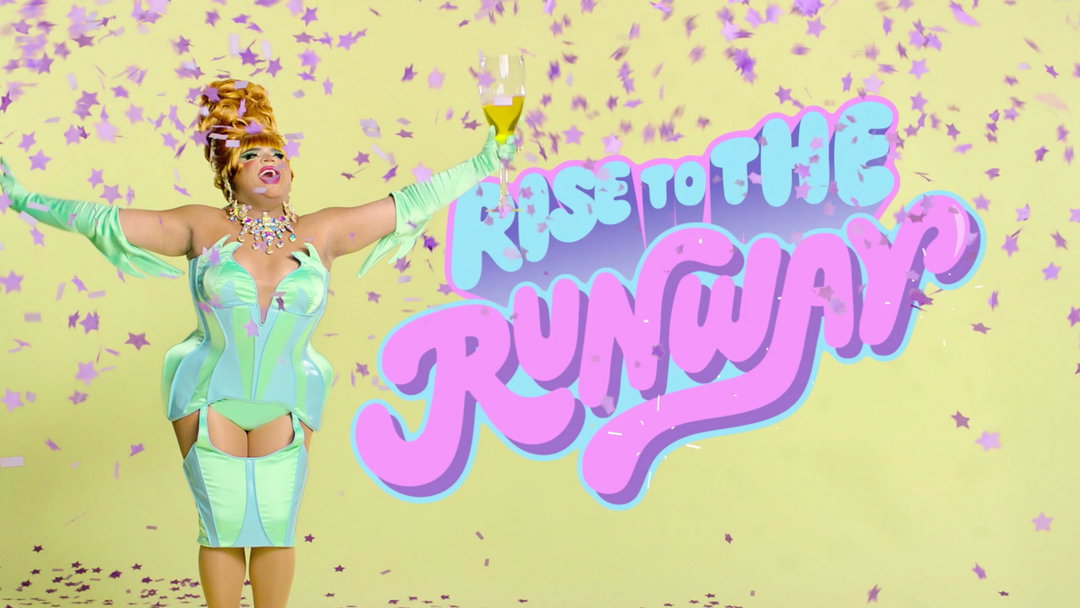
Studio Moross: RuPaul’s Drag Race (Copyright © Studio Moross)
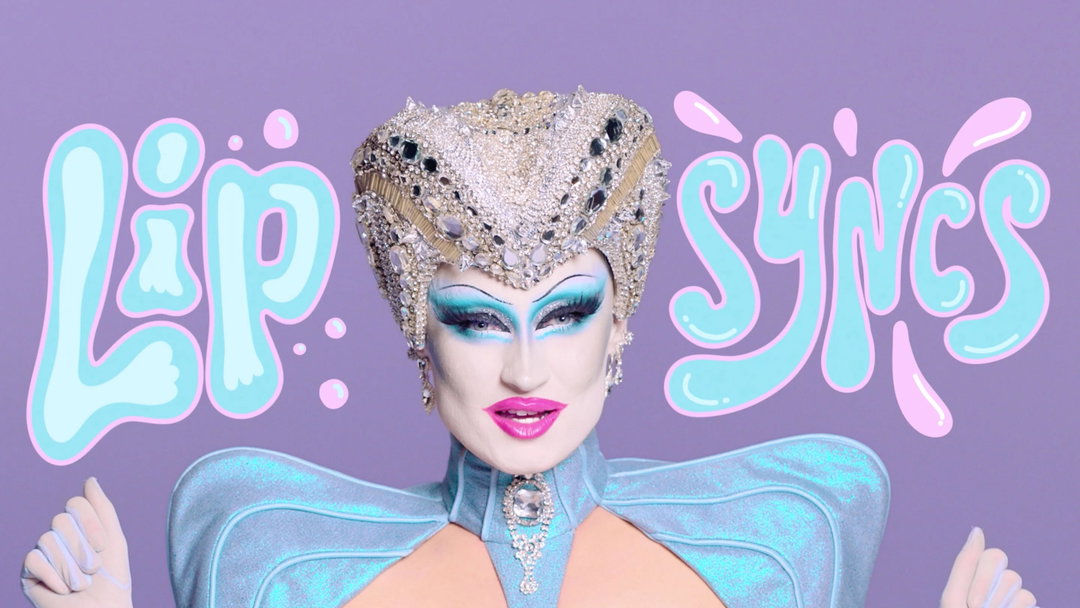
Studio Moross: RuPaul’s Drag Race (Copyright © Studio Moross)
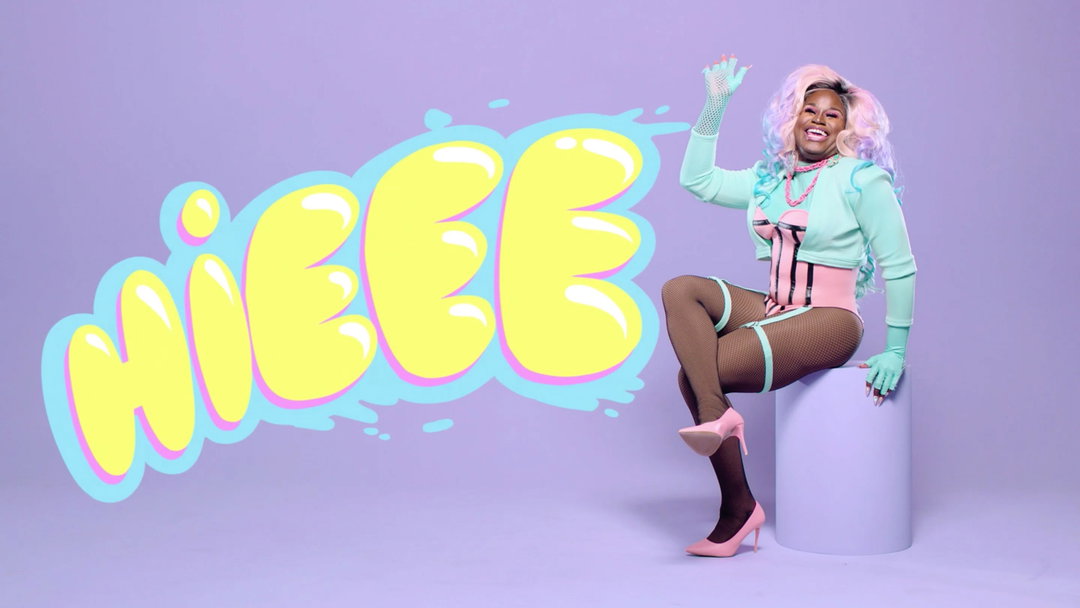
Studio Moross: RuPaul’s Drag Race (Copyright © Studio Moross)
“The thing I’m good at is listening to what people want, understanding it with real insight, detail, and care, and creating something that is a gift for somebody.”
Aries Moross
INT:
What underpins your work with fandoms? What draws you to projects like these? What makes you want to work on projects like these?
AM:
It’s almost not what makes me want to but what makes me good at it. I’m a people-pleaser. I like to make people happy. I don’t design or create from a point of self-authorship or creative dogma, that’s not my agenda. The thing I’m good at, from a creative perspective, is listening to what people want, understanding it with real insight, detail, and care, and creating something that is a gift for somebody. I am good at making things for people! The thing that makes me even better at my job is that I’m good at listening to what an artist wants, as well as considering the commercial and audience aspect. Lots of these nuanced elements of the brief, I’m good at balancing. Those are the challenges I enjoy in creating work, and that's why I lean towards these projects. People often ask me if I consider myself an artist, but I don’t. I consider myself a designer because I can only make for people. I can’t make for myself. For music projects, certainly, I’m making for the artist and their audience. I really enjoy that process.
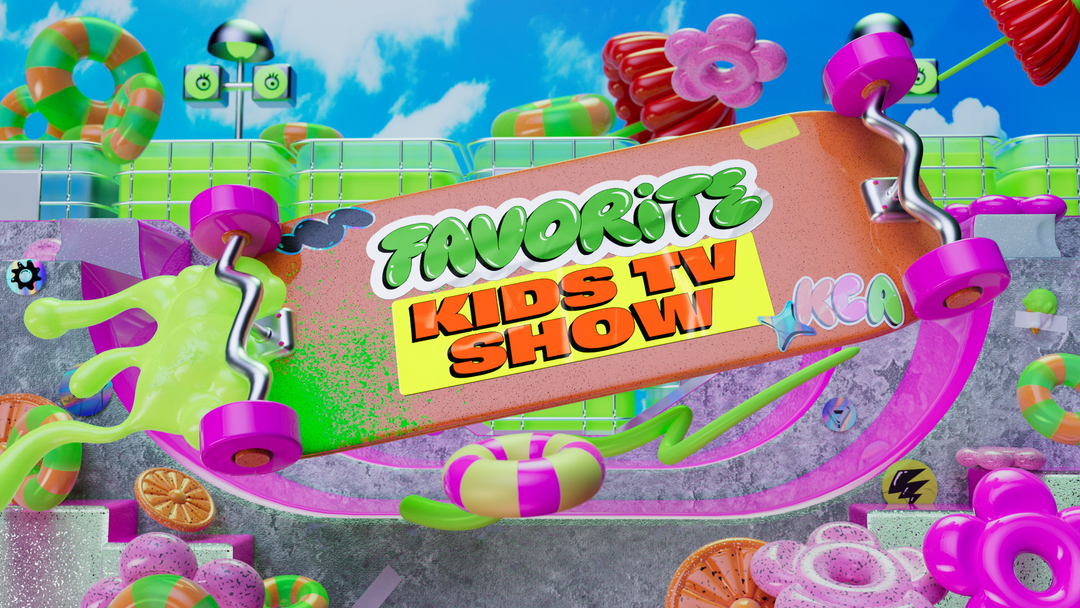
Studio Moross: Nickelodeon Kids’ Choice Awards (Copyright © Studio Moross)
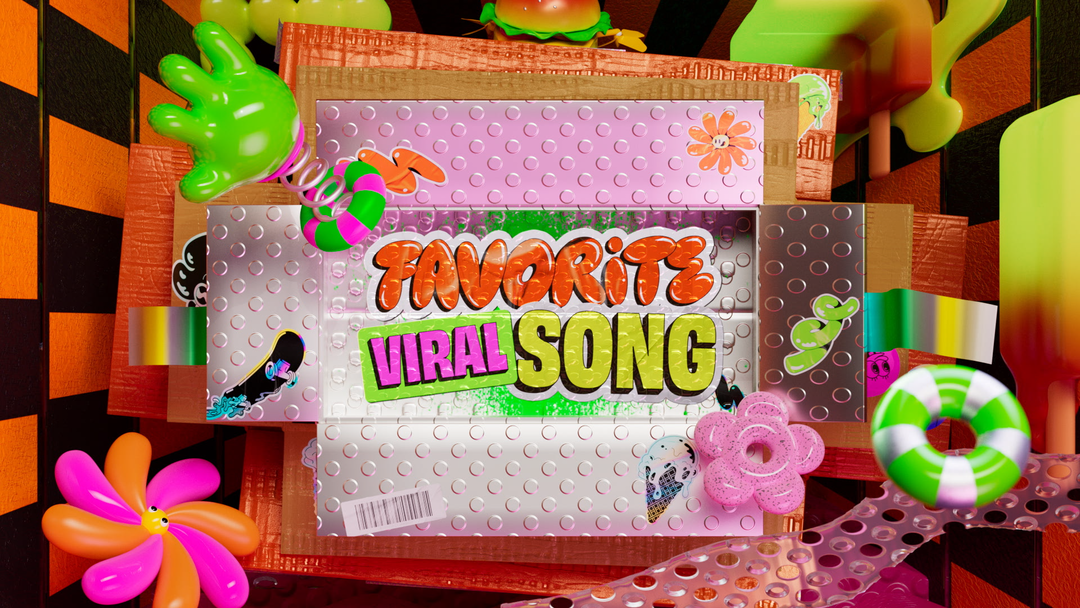
Studio Moross: Nickelodeon Kids’ Choice Awards (Copyright © Studio Moross)
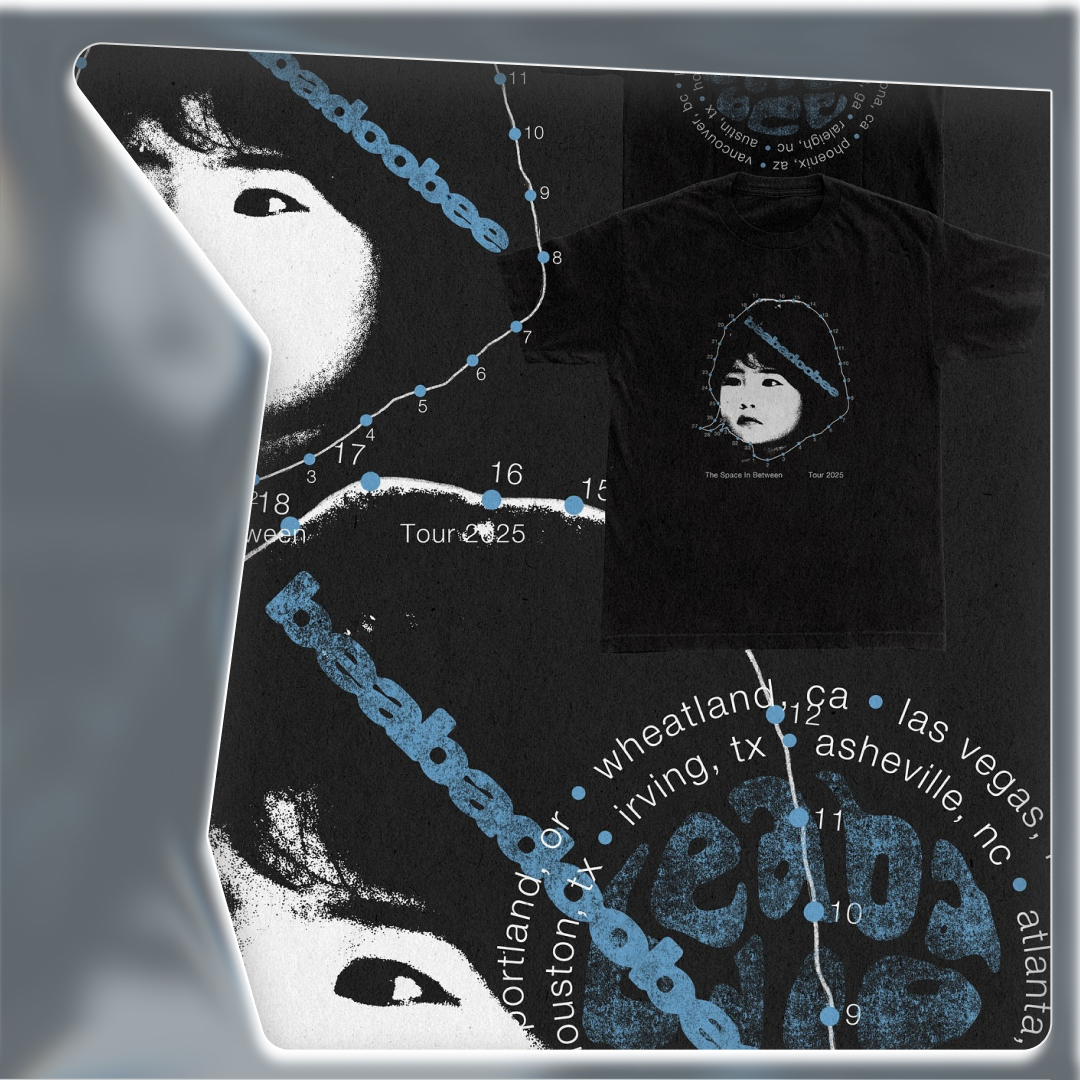
Further Info
About the Author
—
Sudi Jama (any pronouns) was a staff writer at It’s Nice That from April 2025–January 2026, and is now a freelance writer. They have a keen interest and research-driven approach to design and visual cultures in contextualising the realms of film, TV, and music.