Only wise designers and bold clients can survive our seismic cultural changes, says D&AD report
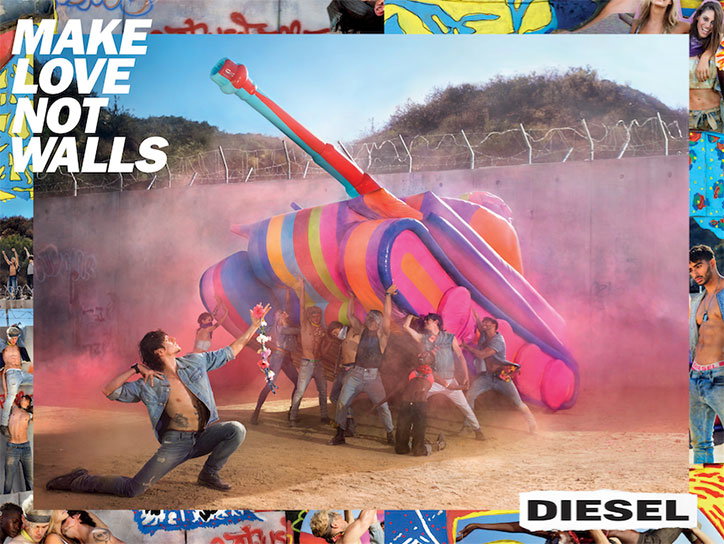
Anomaly and David LaChapelle for Diesel: Make Love Not Walls
D&AD has released its annual Creative Excellence report, outlining three core trends from the creative industry and standout projects that succeeded, and failed, to react to its changing tides in the last 12 months. “The industry is being forced to respond to change,” says D&AD’s director Paul Drake of the report’s findings. “The majority of agencies will see these developments as threats… the wise ones will see opportunities instead.
“The shifting landscape is also polarising clients. Most are continuing to only talk about themselves and their product. But bolder clients are seizing the opportunity to be more socially engaged, to have a relevant voice in the world and to lead people to a brighter future. That approach is earning them a higher share of attention and building a stronger bond with their audience.”
One of the three trends is titled Redefining Humanity and explores how technology is affecting society and culture. It cites ComScore predictions that by 2020, 50% of all searches will be done by voice and that investment in AI grew 746% between 2011 and 2015. The report also says that the use of ad-blockers surged by 30% in 2016, commenting that, in response, “the classic one-size-fits-all approach to advertising is long gone.”
Under this trend, D&AD also says that “demographic disruption” has seen brands and advertising challenge conventions in the representation of gender, age, race and disability. It references brands such as Nike, which was the first large sports brand to offer a sportswear hijab; Getty, which no longer accepts retouched images of models; and Toca Boca, one of a number of brands to now offer gender-neutral products. It also highlights Dot, the affordable braille smartwatch by Serviceplan Korea, as a great example of democratising design, and Leo Burnett Chicago’s Procter & Gamble #LikeAGirl campaign that introduced a suite of female emojis.
The second trend, Fractured Society, looks at big political topics such as Brexit and Trump and how our increasingly divisive society is affecting creative output, as well as its public reaction. The report highlights how brands’ insensitivity to topics such as racial and gender equality, and their attempts to appropriate protest, have backfired. As examples, it highlights Dove’s social media campaign that appeared to show a black woman changing into a white woman; Pepsi’s infamous Kendall Jenner protest ad; and the makers of the Fearless Girl statue_, State Street Global Advisors. Despite winning awards for the statue and its impact, the company was later sued for $5m over its in-house gender pay gap.
Positive examples in this trend included Anomaly’s Diesel campaign Make Love Not Walls, which employed David LaChapelle to take on Trump’s wall; and Vrse.Works Displaced VR project with The New York Times, which allowed viewers to follow the lives of three of the world’s 30 million child refugees.
The last of the three trends is titled Access All Areas and examines how infinitely accessible digital information has changed the industry. The report says that 94% of consumers are more likely to be loyal to a brand when it commits to being fully transparent. It also states that 53% of visits to mobile sites are abandoned if they take longer than three seconds to load.
In terms of how the way people now take in information and advertising, D&AD selected a number of projects that have innovated to change with the times. One example was AMVBBDO’s Guinness campaign film Never Alone, about a prominent Welsh rugby player coming out as gay. It was shown on TV as a brand film, which in turn was a trailer for a longer documentary on YouTube. Another was J. Walter Thompson Brasil’s campaign for Atados, which created a site whereby people could donate the unused black-bar areas of their vertical videos online to NGOs, as free media space.
The full D&AD Creative Excellence report is available to read here.
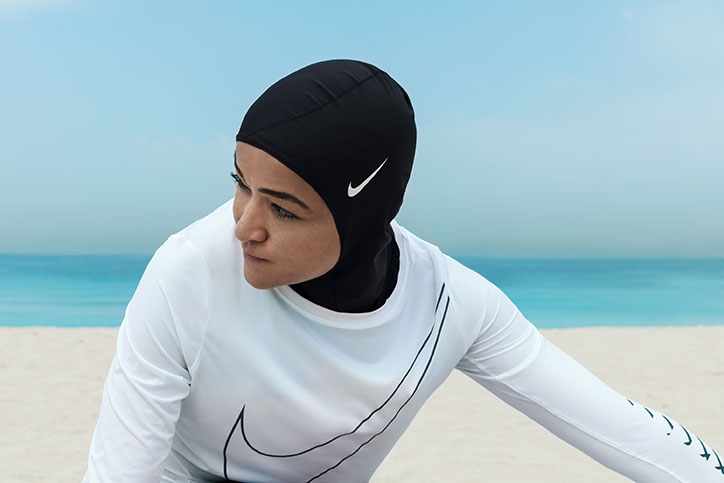
Nike hijab
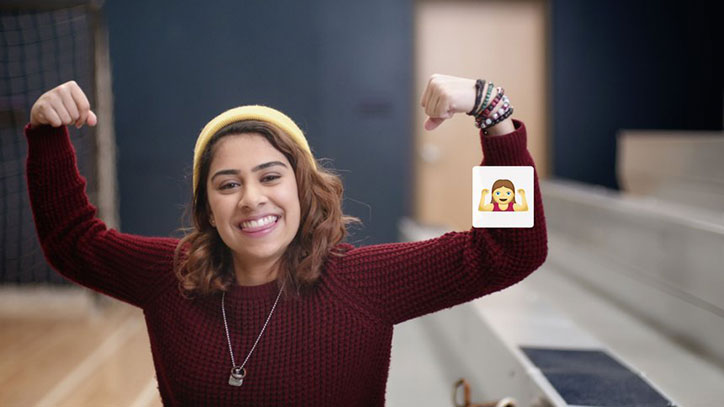
Leo Burnett Chicago for Procter & Gamble: #LikeAGirl female emojis
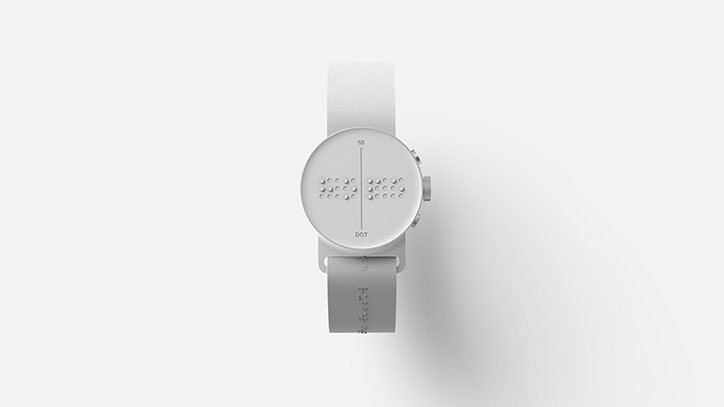
Serviceplan Korea: Dot braille watch
J. Walter Thompson Brasil for Atados: Donate the Bars
Share Article
Further Info
About the Author
—
Jenny oversees editorial output across It’s Nice That. Get in touch with writing pitches for features or opinion pieces, big creative story tips, or questions about all things editorial. jb@itsnicethat.com
To submit your work to be featured on the site, please see our Submissions Guide.