

The New York Times has rebranded its R&D department, with a generative logo reflecting its experimental nature
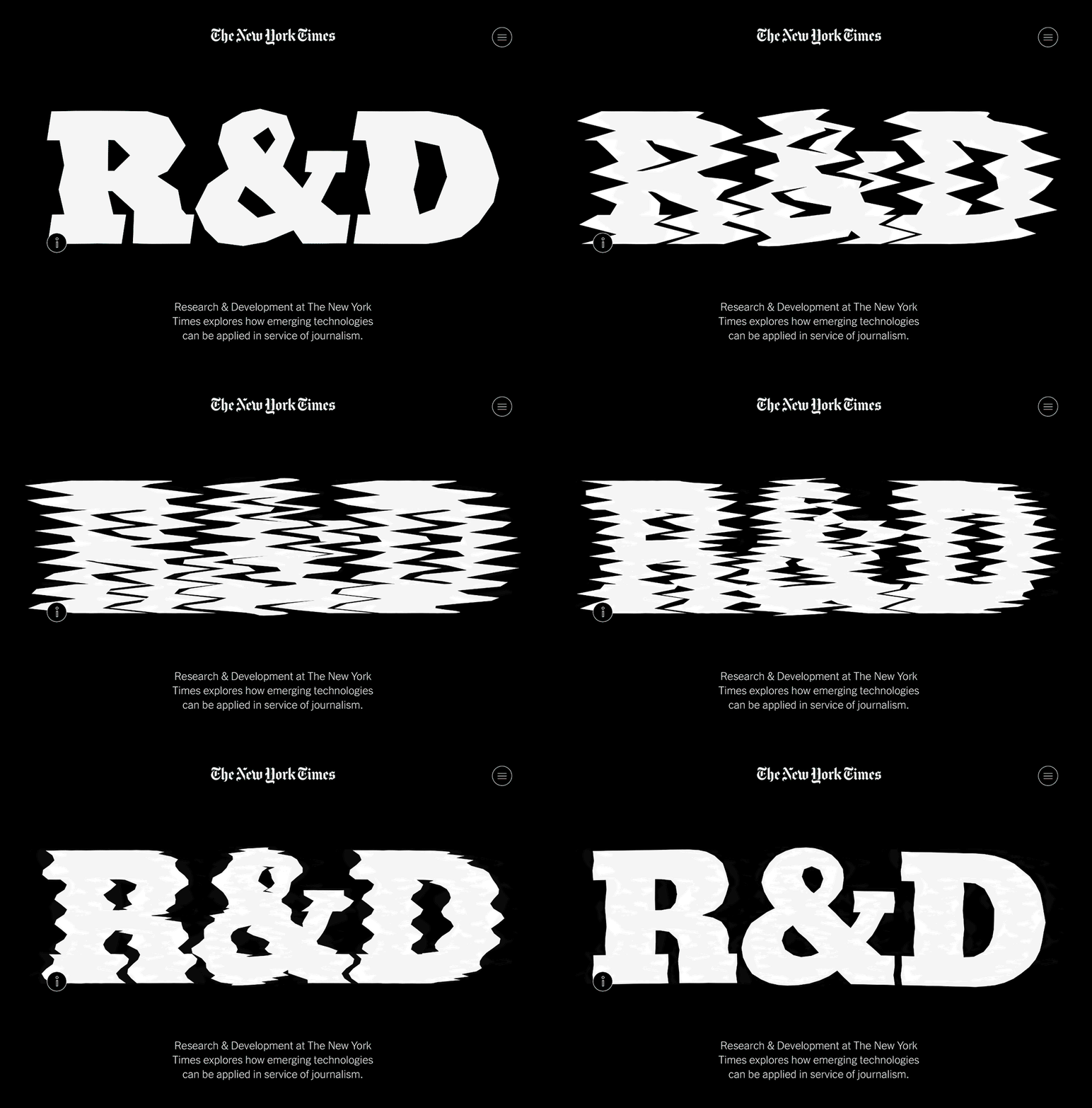
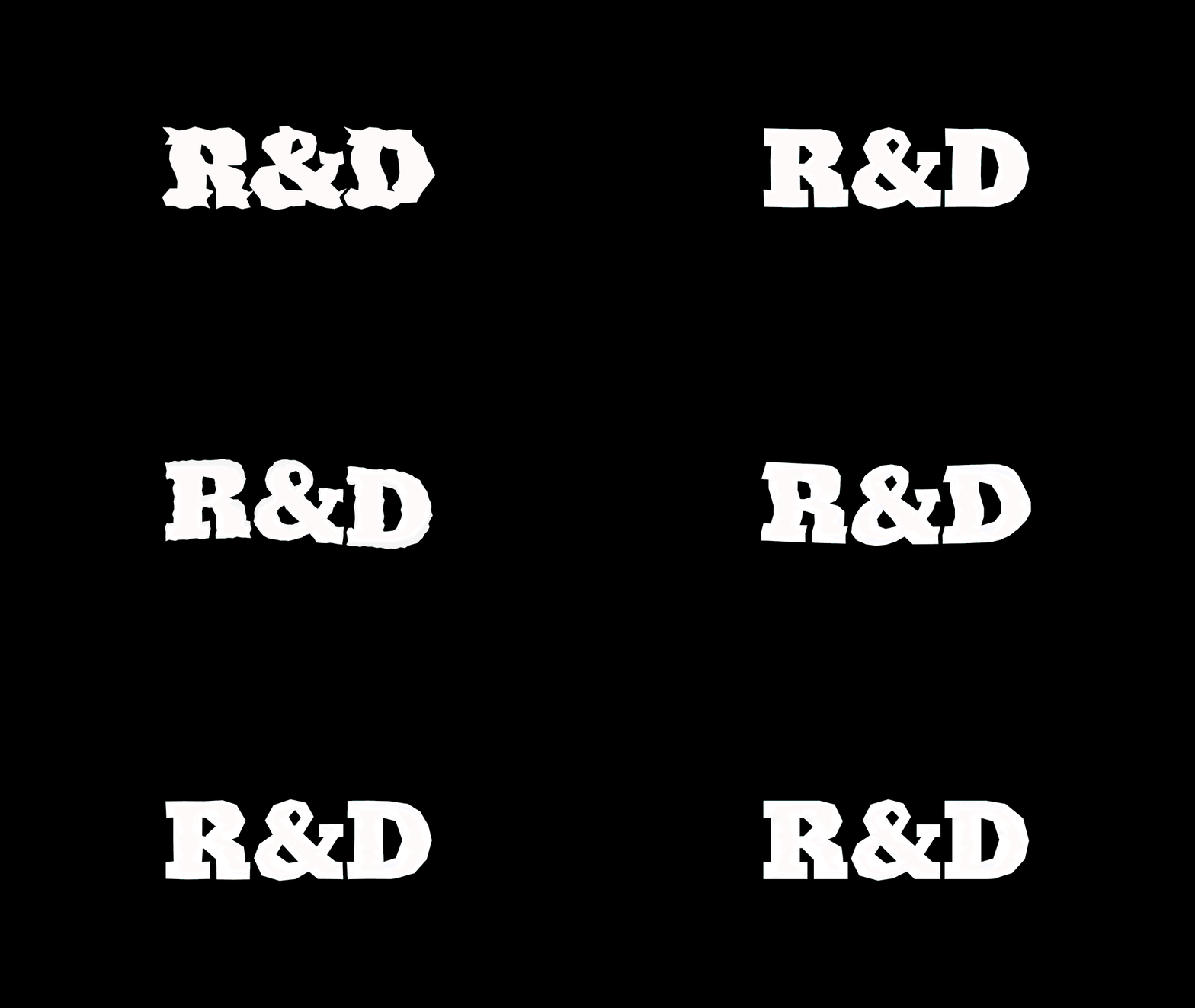
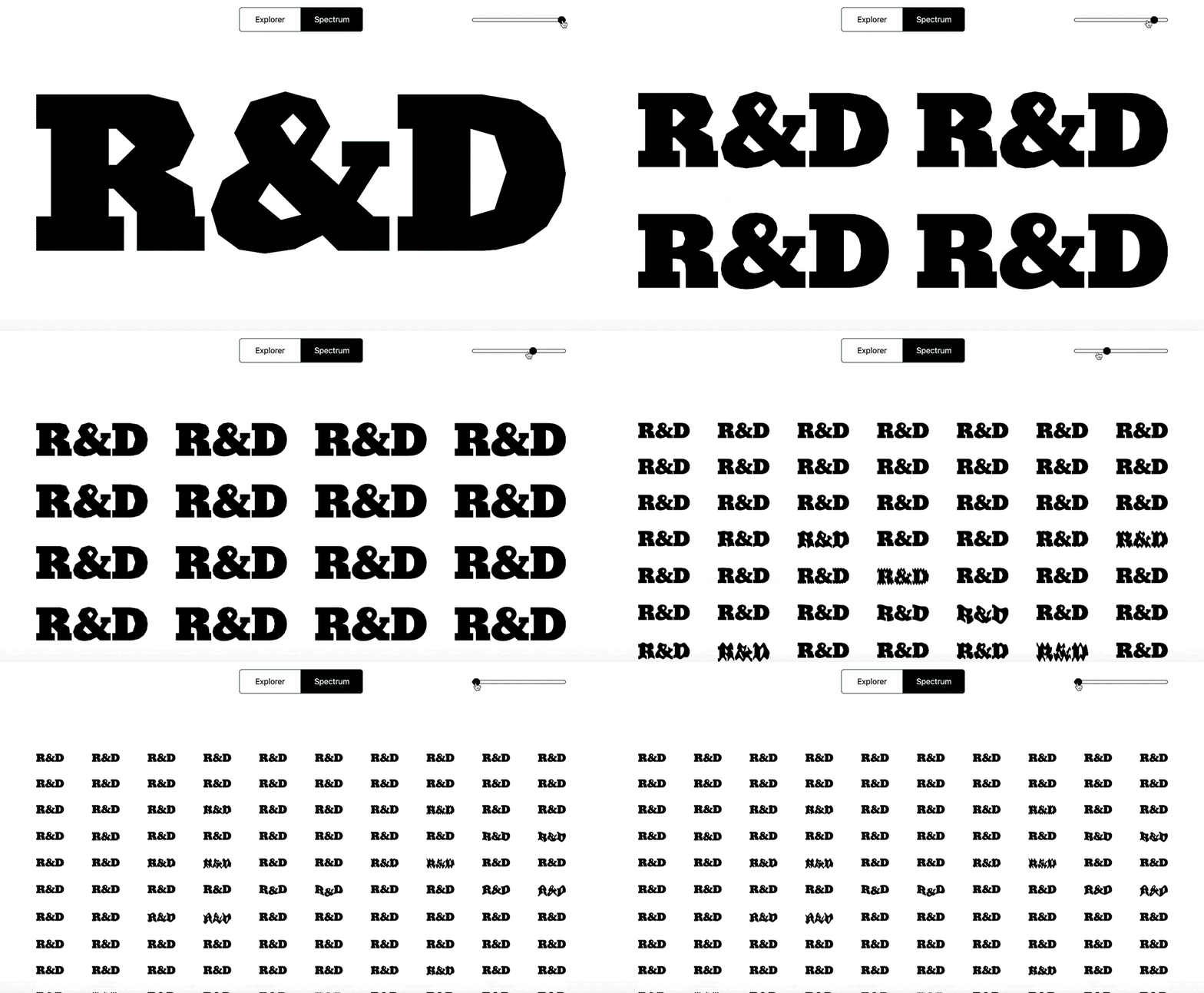
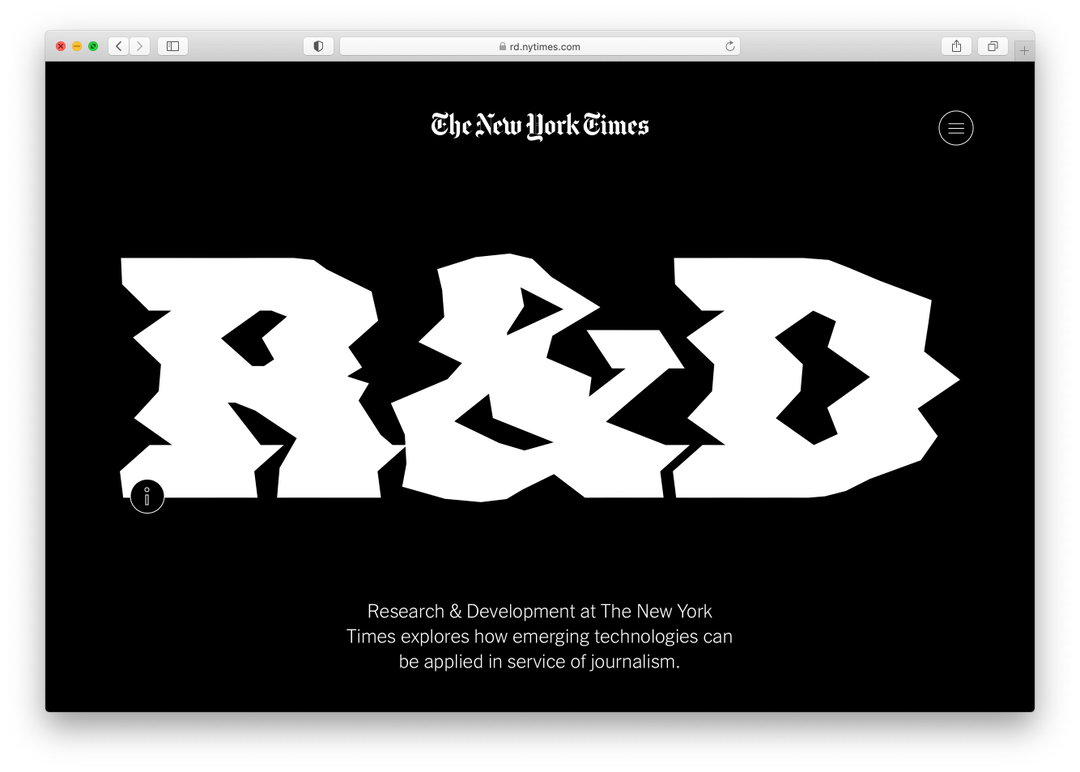
The logo responds in real-time to data generated by the team, creating endless permutations of its Karnak Black logotype that can evolve over time.
Share
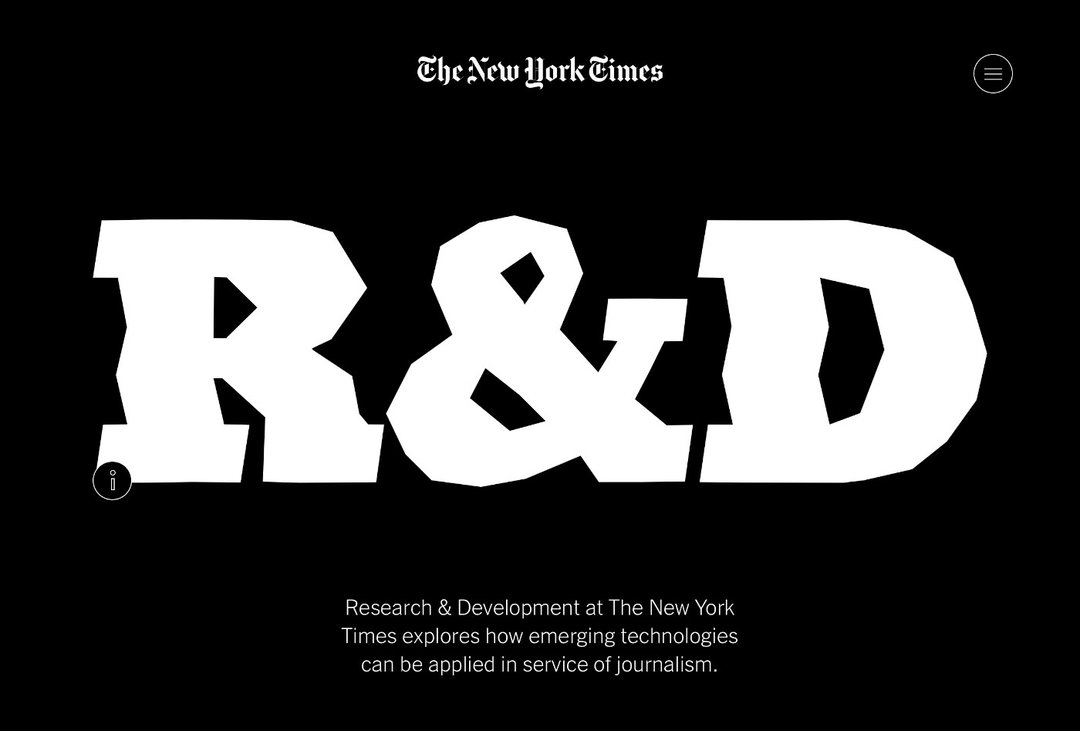
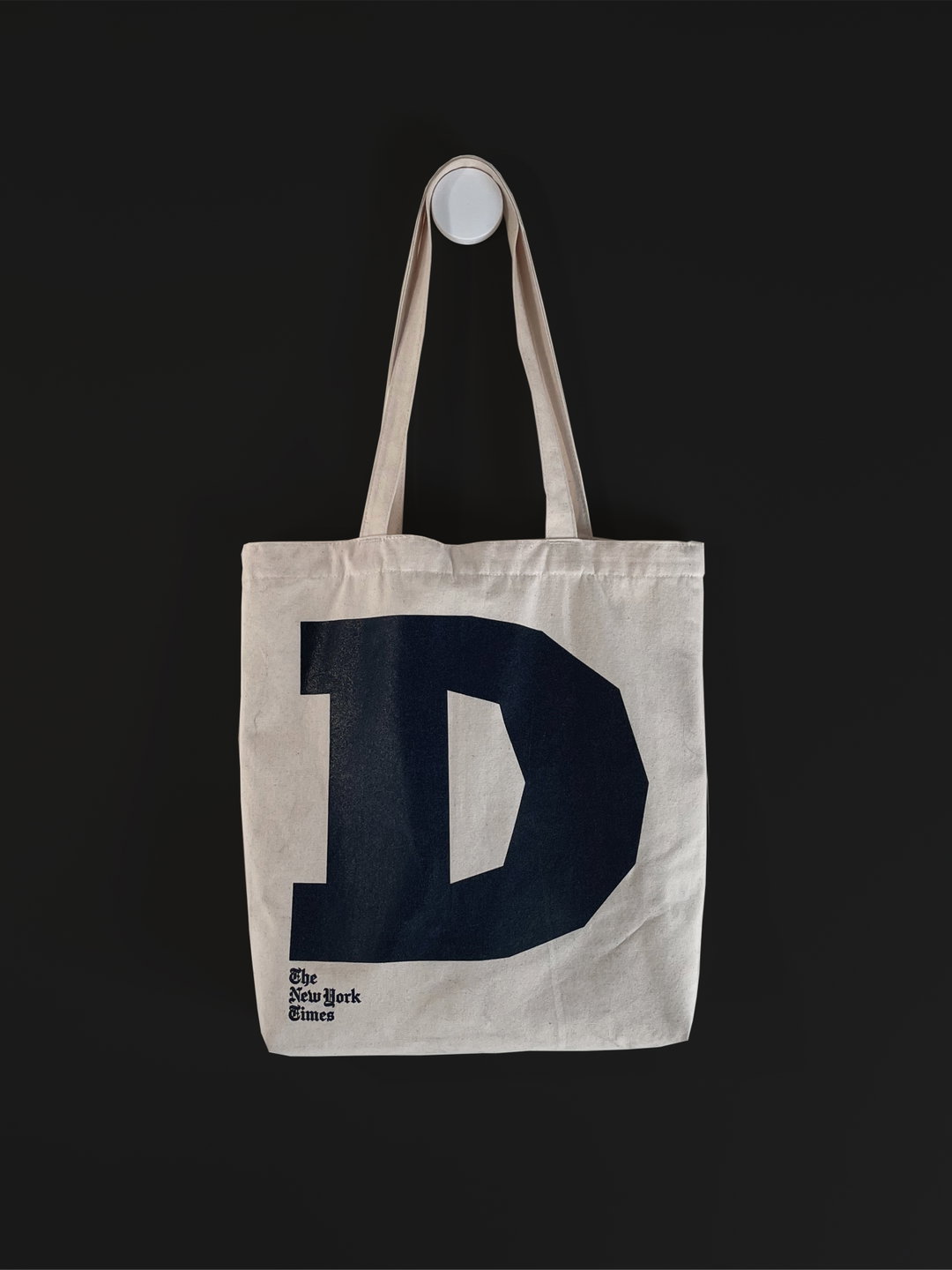
The Research & Development (R&D) team at The New York Times has rebranded with a new generative logo, crafting a new identity for the department that stays true to The Times whilst reflecting its own new dynamic energy. The logo responds in real-time to data generated by the R&D team, and is based on their standard institutional mark which uses the font Karnak Black. By developing an algorithm that removes the curves from the Karnak letterforms, the R&D team have been able to create a dense set of points to be interfered with and distorted – creating an exciting way of controlling how the parameters of the letterforms interact with each other.
This move comes as the latest step forward in R&D’s growing innovation at The New York Times. R&D is known for developing tools and capabilities which enhance and refine reporters’ ability to gather and deliver news, but Marc Lavallee’s takeover of the team led R&D to investigate emerging technologies and its impact in journalism within the more immediate future as opposed to the speculative technologies they had worked with prior. “This shift in time horizon has come with a marked shift in approach, including a closer relationship to the newsroom and shorter experiment cycles... but that shift wasn’t reflected in our branding,” says Lana Z Porter, creative director of R&D. However, in its new rebranding – complete with a fresh logo, homepage, project page template, and artwork by illustrator Yoshi Sodeoka – R&D has flexed its experimental capabilities and portrayed a new identity that comes alive within their online graphic presence and aligns with the team's way of working.
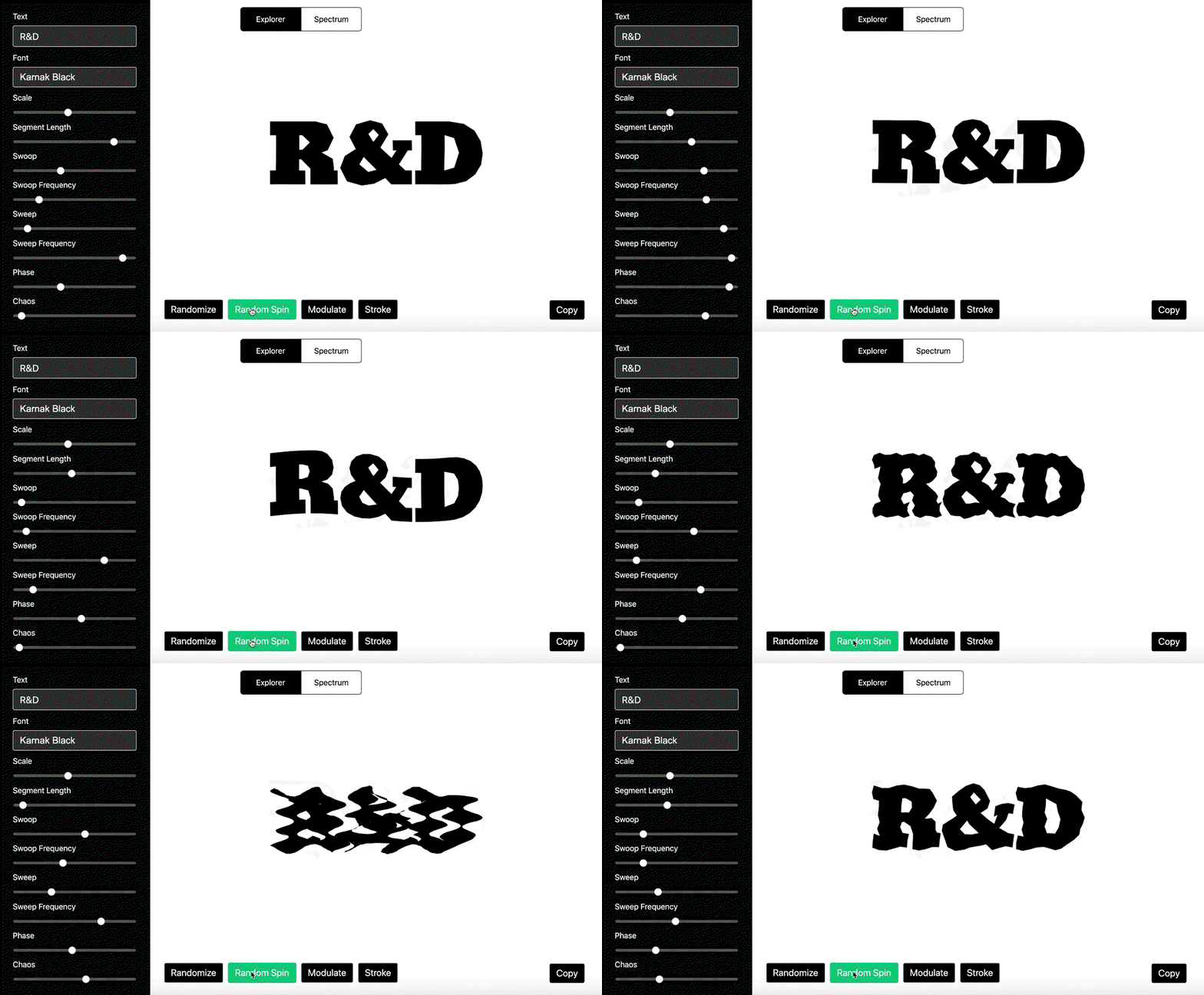
The New York Times: R&D department identity (Copyright © The New York Times, 2021)
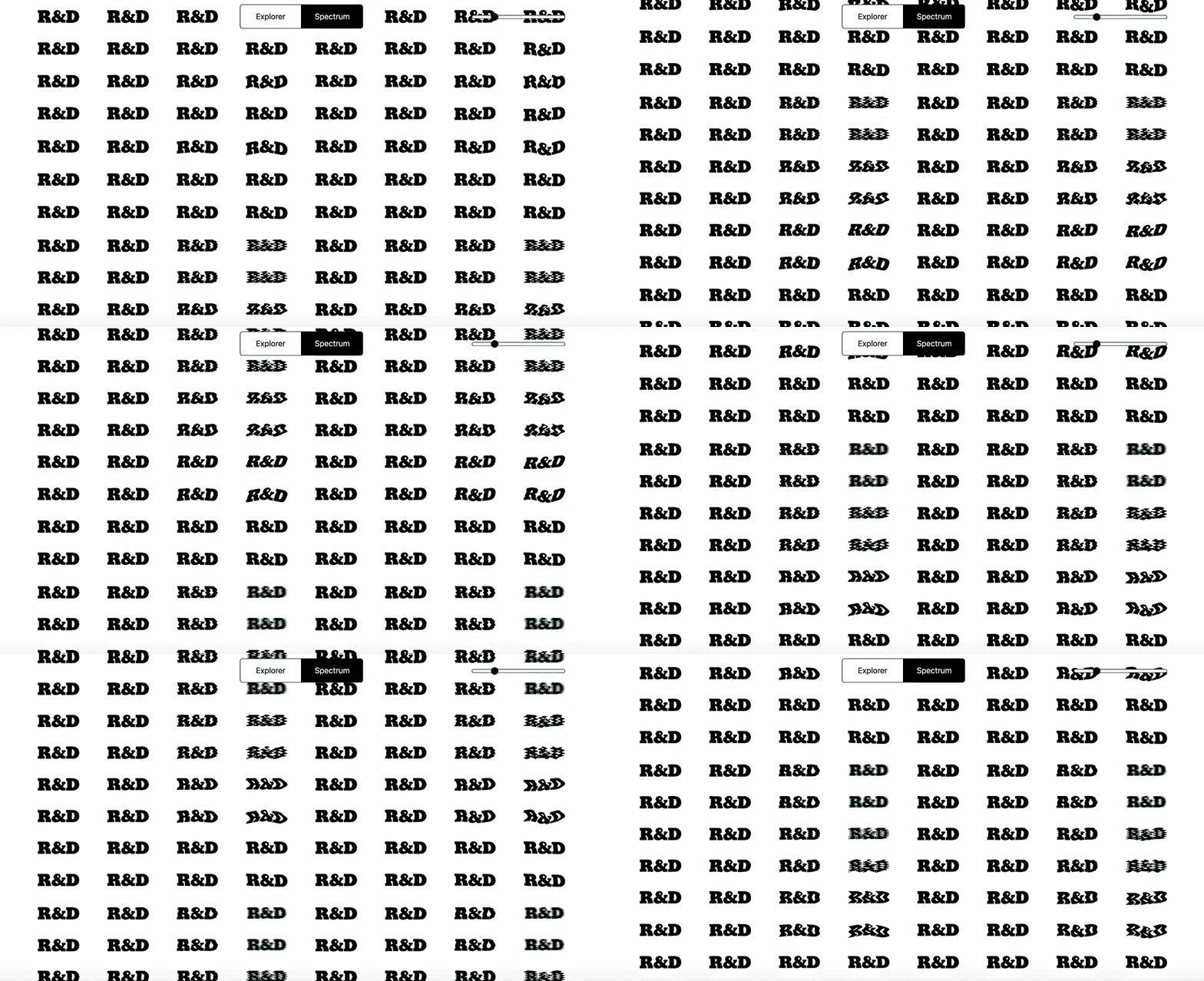
The New York Times: R&D department identity (Copyright © The New York Times, 2021)
“We wanted our brand to mirror the process of experimentation that is part of our team’s DNA,” Porter tells It’s Nice That. “Research and development is by nature an iterative process; we can make calculated bets, but we won’t know whether a technique or technology will work in the service of journalism until we try and try again.” The new brand identity certainly reflects the process of experimentation, as its algorithm “generates endless permutations of the logo that can evolve over time,” explains designer Kevin Zweerink. By using data generated by R&D – for example, the number of Github commits within the last hour, number of team members active in Slack, and Slack emoji reactions – the team has been able to influence the logo to react in real-time to the energy of the team. The standard Karnak Black typeface of The Times also lent itself well to this process, as Zweerink tells us “Karnak Black, in all its chunky glory, was a fantastic visual starting point that produced unexpected, expressive and delightful forms when manipulated with code.”
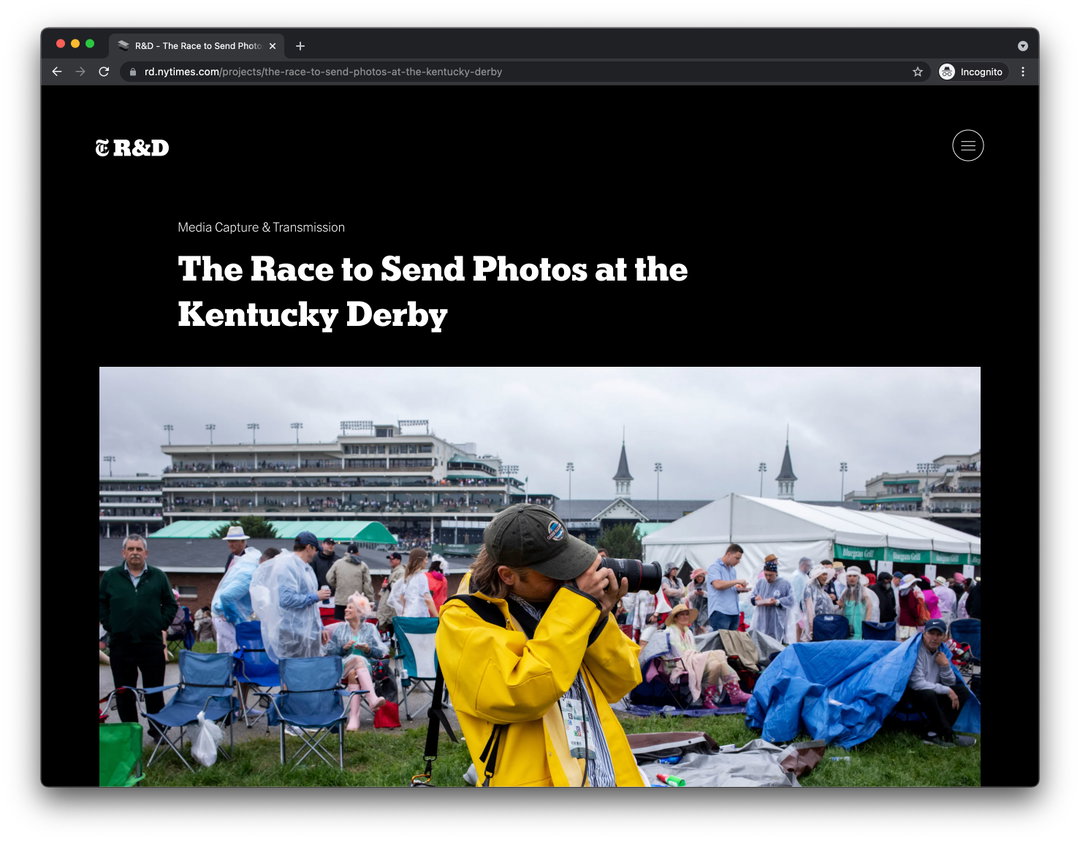
The New York Times: R&D department identity (Copyright © The New York Times, 2021)
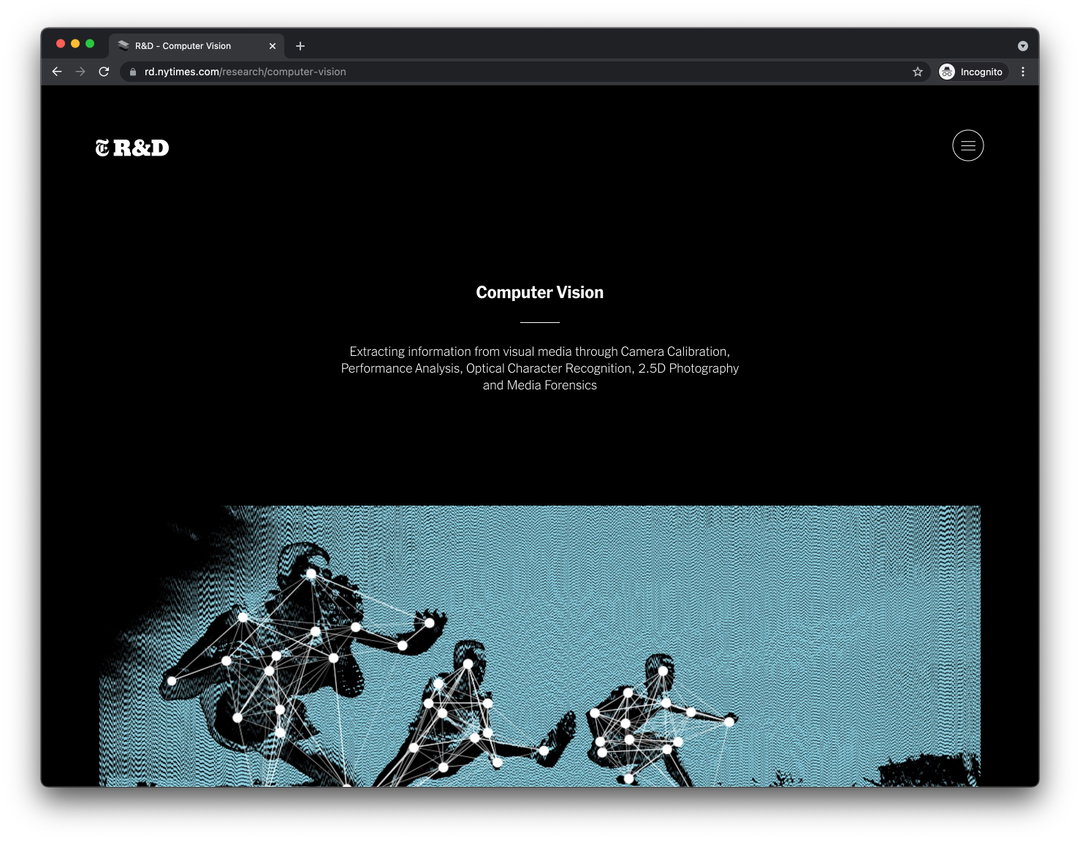
The New York Times: R&D department identity (Copyright © The New York Times, 2021)
It’s a novel branding approach for a team who have always pushed the envelope when it comes to the meshing of new technology with journalism. “The new site was designed to accommodate a greater breadth and volume of material and serve as a catalyst for conversations with like-minded individuals and organisations,” says Porter on the reasoning behind the revamp. “We want readers to feel like they’re getting a peek behind the hood of the experimentation process — to feel the excitement of discovery, of not knowing exactly what will happen.”
Hero Header
The New York Times: R&D department identity (Copyright © The New York Times, 2021)
Share Article
Further Info
About the Author
—
Joey is a freelance design, arts and culture writer based in London. They were part of the It’s Nice That team as editorial assistant in 2021, after graduating from King’s College, London. Previously, Joey worked as a writer for numerous fashion and art publications, such as HERO Magazine, Dazed, and Candy Transversal.