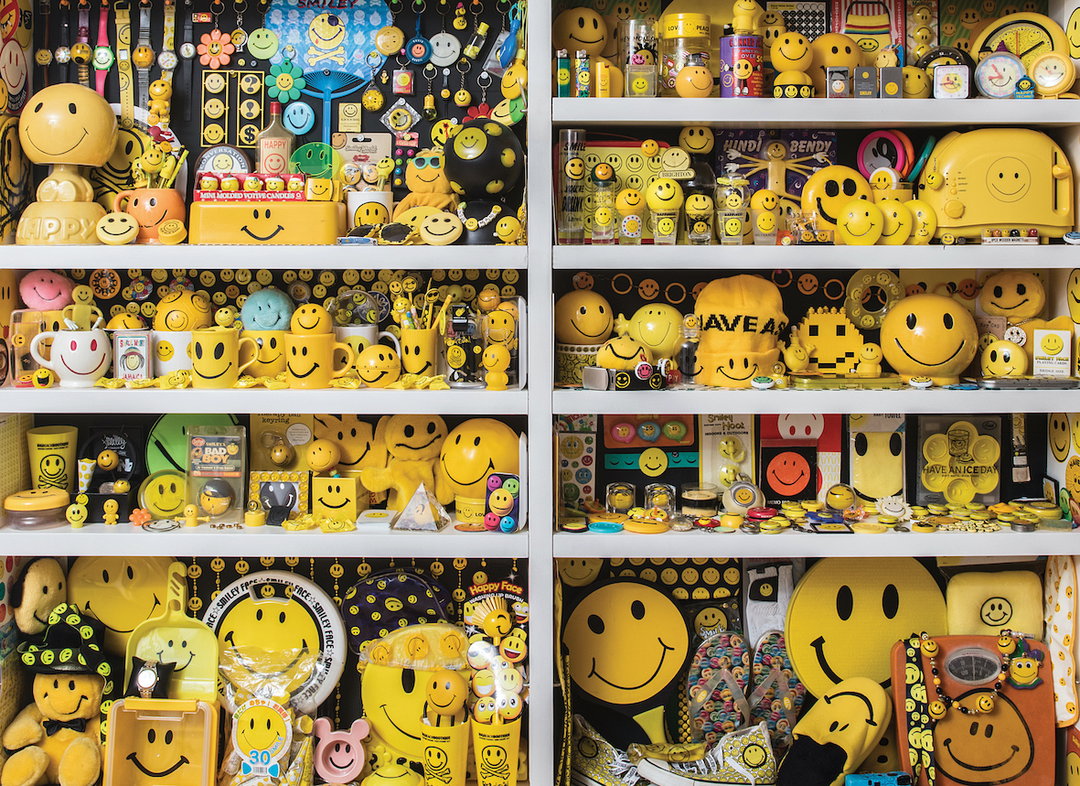
Sm;)e book charts the divergent graphic design heritage of the smiley
Compiled by DJ DB Burkeman and artist Rich Browd, the publication compiles dozens of visual interpretations of the symbol by artists such as Jeremy Deller and Norman Cook.
Share
“In the history of graphic design, I can think of no other symbol that has ever held such a duality,” writes DB Burkeman in the introduction to new book Sm;)e, charting the history of the smiley. The universal icon of the smile face on bright yellow background has, he explains, travelled from hippiedom through punk, acid house and rave eras, via corporate adoption to the emoji age, all the while “used simultaneously as both a positive mainstream driver and a counterculture subverter of that very mainstream”.
Put together with co-author Rich Browd, the book tells the symbol’s fascinating tale in detail, starting with its inception as a morale-booster for staff at an insurance company in 1963, and popping up everywhere from Hollywood films and TV shows like Dazed and Confused and The X-Files, to album covers such as Nirvana’s Nevermind, and graphic novels such as Watchmen. It then pictorially explores its many representations with artwork by Jeremy Deller, Banksy, Alex Da Corte, the Chapman Brothers, Norman Cook, James Joyce and more.
Burkeman himself has a series of serendipitous personal ties to the smiley’s history. “When I was a kid, my mom was a quasi-hippie,” he writes in the book. “Then during the 70s, when I was in my late teens and becoming a punk, I, of course, turned against all hippie associations… Fast-forward to the mid-80s, some of the original punk kids had grown up but were still driven by punk’s DIY spirit, except they were now helping sow the seeds of the acid house and rave explosion, by designing flyers, DJing and throwing their own warehouse events.” This was a culture Burkeman was deeply immersed in, a successful DJ and one of the key figures who brought the UK’s underground dance music scene and its aesthetic to New York City.
Later, in 1994, he and Gary Pini started their own electronic music imprint, and called it Sm;)e Communications – apparently the first time an emoticon was used in a company logo. The same year, Burkeman and Pini went on an A&R mission to meet Norman Cook, aka Fatboy Slim, and were “greeted by a mind-bending display of smileys that the musician had been collecting for years,” many of which are featured in the book.
The book, he summarises, represents his and Browd’s “love of a symbol that has lived many distinct lives and is still being reinterpreted and inspiring creativity”.
Sm;)e launched a campaign on Kickstarteryesterday (6 October) asking supporters for backing to publish the book by December 2020.
GalleryDB Burkeman and Rich Browd: Sm;)e (images copyright © individual artists)

Misaki Kawai
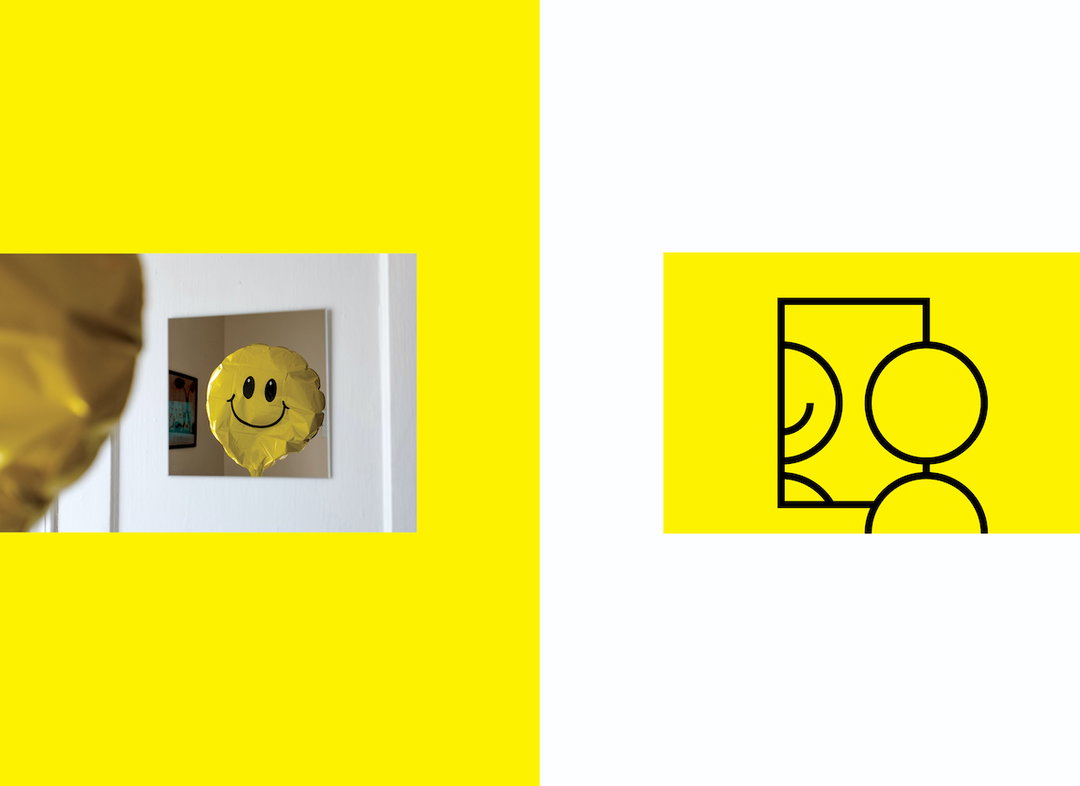
Left: Anthony Sarcone; Right: Alex Fuller
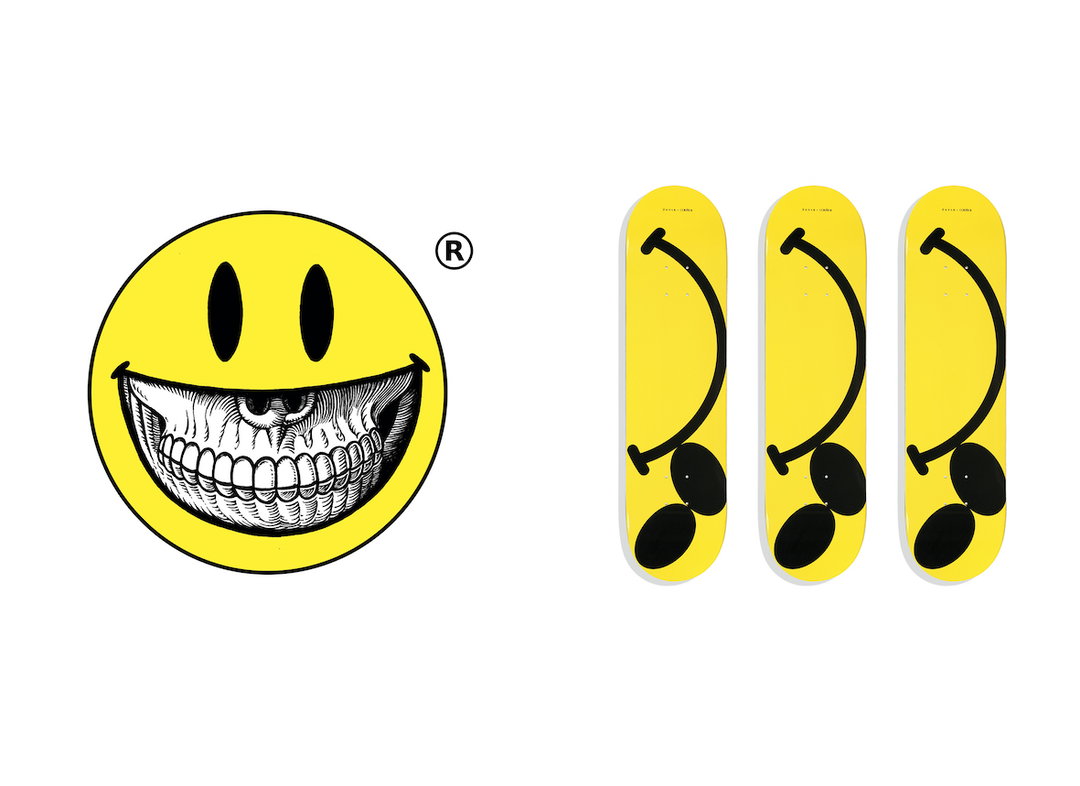
Left: Ron English; Right: James Joyce
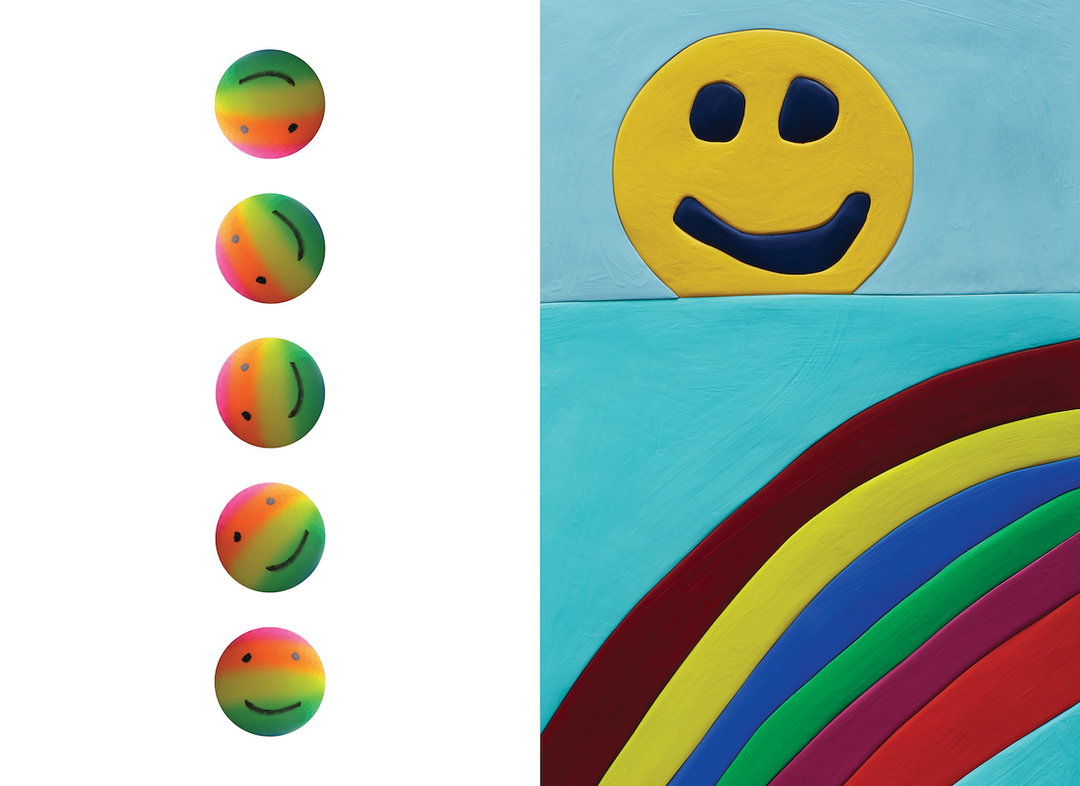
Left: Rob Pruit; Right: Sadie Benning
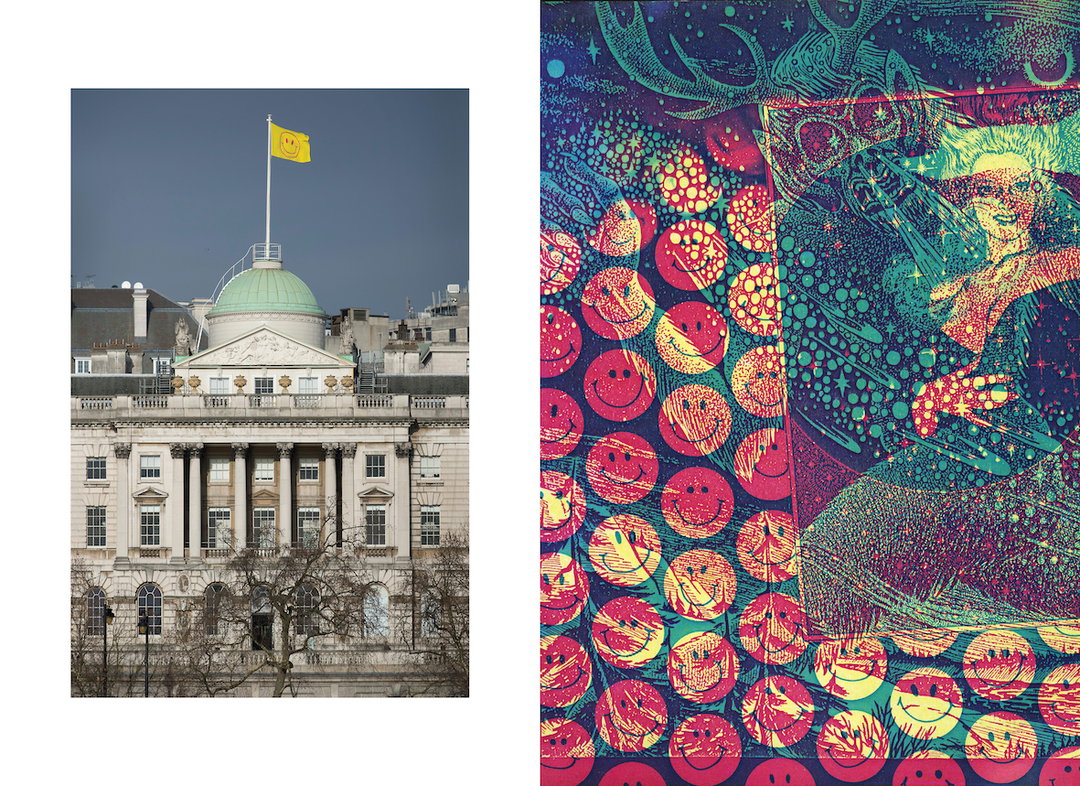
Left: Jeremy Deller; Right: Destroy All Monsters / Cary Loren
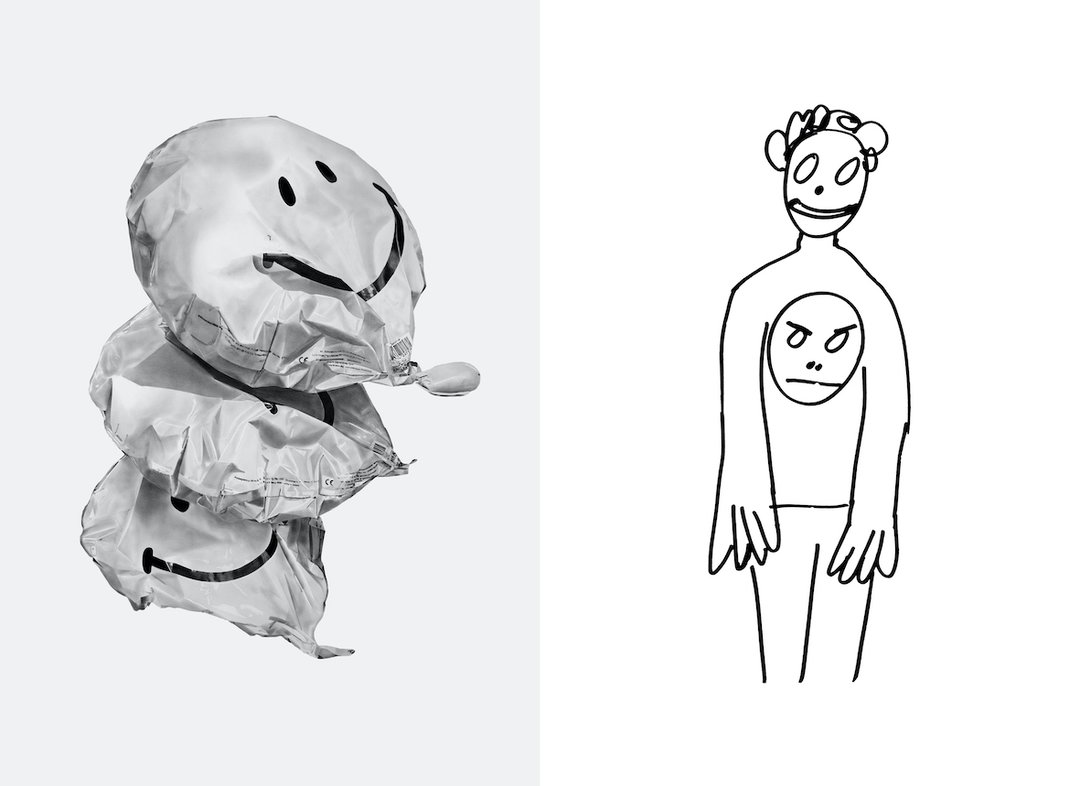
Left: Carlos Valencia; Right: Richard Prince
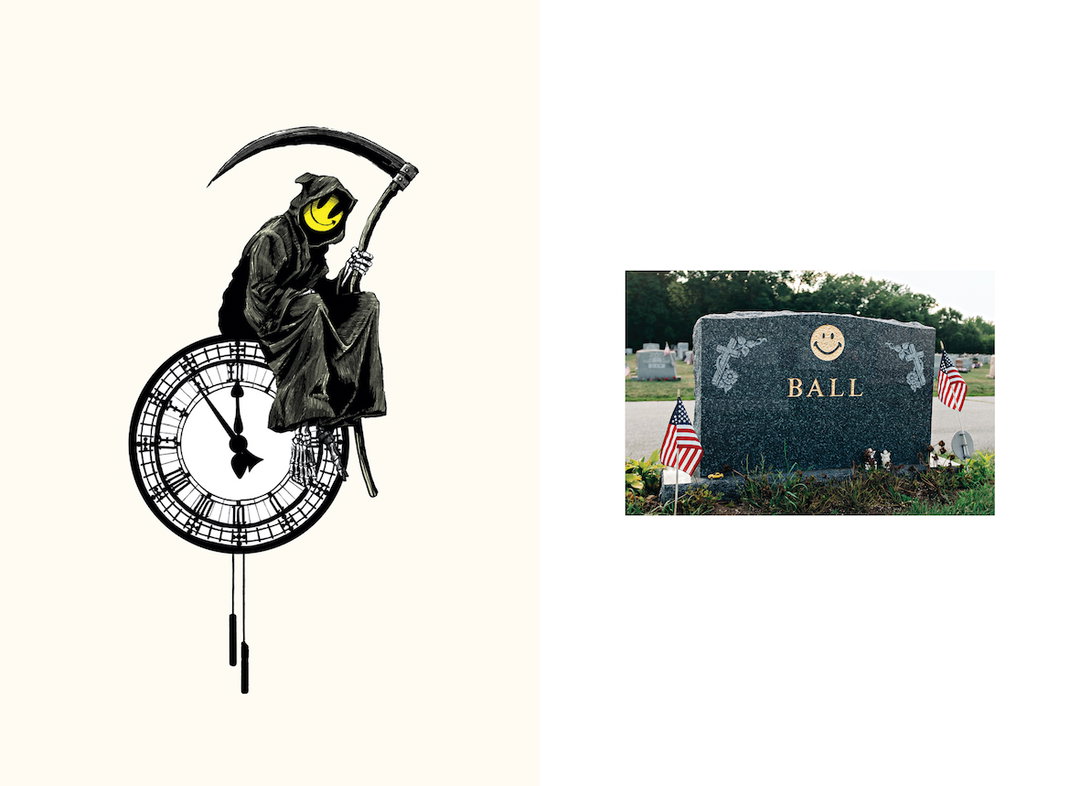
Left: Banksy; Right: Katlyn Reilly
Hero Header
Image © Norman Cook, from Sm;)e by DB Burkeman and Rich Browd
Share Article
Further Info
About the Author
—
Jenny oversees editorial output across It’s Nice That. Get in touch with writing pitches for features or opinion pieces, big creative story tips, or questions about all things editorial. [email protected]
To submit your work to be featured on the site, please see our Submissions Guide.