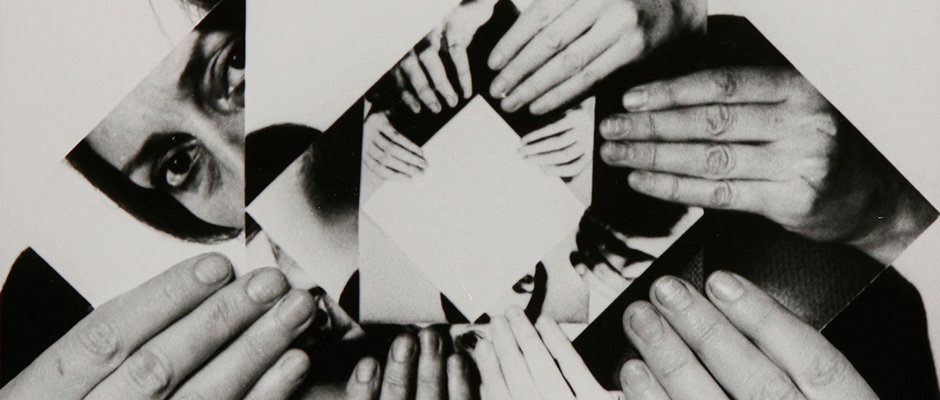
Abstract art and society: we check out the Whitechapel's great new show
In 1915, two years before the Russian Revolution took place, an exhibition took place in St Petersburg which turned the art world upside down. Entitled The Last Futurist Exhibition of Paintings: 0.10, it included one of Kazimir Malevich’s now iconic black square paintings, a profound and original offering in a 20th Century society which repressed modern ideas almost as furiously as it bred them, and it’s this spirit of radical thinking in the midst of a restrictive society which sits at the root of the Whitechapel Gallery’s new exploration of abstract art, Adventures of the Black Square.
The show looks at four key themes – “Communication,” “Architectonics,” “Utopia” and “The Everyday,” and follows abstract art’s lead in obliterating the hierarchy which traditionally placed painting above photography, printmaking and applied arts, from tapestry to carpet-making and knitting. As a result, the exhibited work is very varied – over 100 works from more than 100 artists are included, with architecture, film, sculpture and photography given as much space as Mondrian or Malevich’s more traditional work.
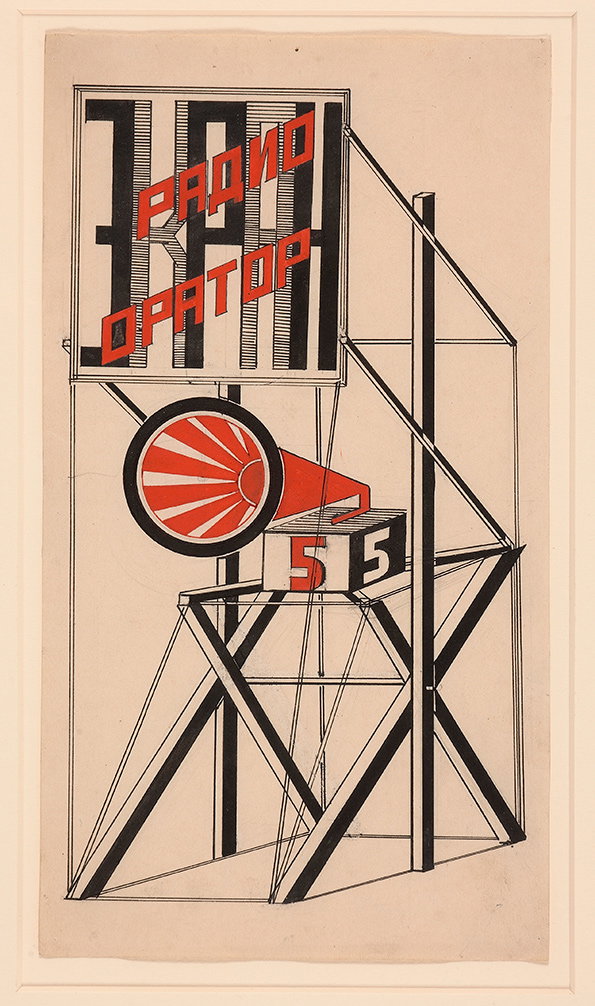
Gustav Klutsis: Design for Loudspeaker No.5 1922. Greek State Museum of Contemporary Art – Costakis Collection, Thessaloniki © ARS, New York and DACS, London 2014
The blankness of the abstract images in the early section of the show, which are often stark and monochromatic, is compensated for by showing the magazines which published the artists’ original manifestos alongside the works themselves. The spread of archived graphics and publications is impressive on its own, but becomes even more so when it’s considered in the context of the time these revolutionary essays were published.
As the new millennium approaches in the chronological show and the ideas grow, so too does the size of the work. “That caused some problems, from a curator’s point of view,” Iwona Blaswick revealed, and you can see what she means. Upstairs the work is bolder, more colourful and more commanding, shedding light on geometric abstraction as a means of revolt around the world and drawing the viewer’s attention to examples of it which might otherwise have gone unnoticed, from road markings to wheat-pasted posters.
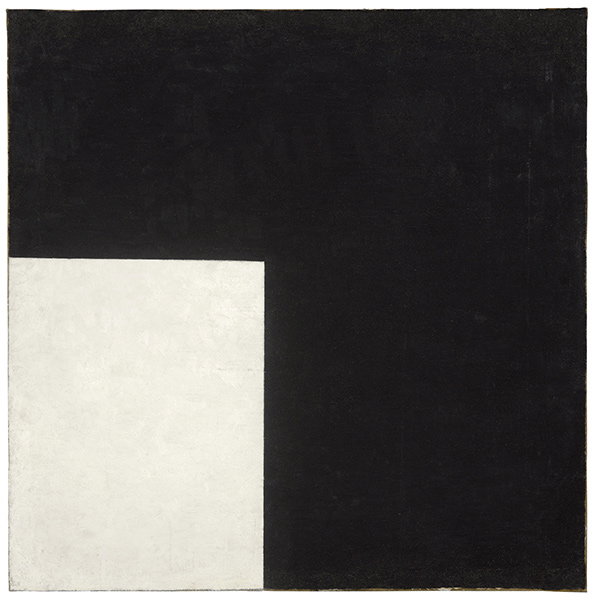
Kazimir Malevich: Black and White. Suprematist Composition 1915. Moderna Museet, Stockholm. Donation 2004 from Bengt and Jelena Jangfeldt
The exhibition is an unexpectedly playful affair. Cildo Meireles’ Southern Cross, a tiny pea-sized chunk of wood which must be guarded at all times to prevent visitors from stepping on it, or cleaners from sweeping it up, is just one of a number of exhibits which evokes a laugh. Not what I expected from a show which sprung from a painting of a black square. But, as Iwona reminds us, “censorship is the mother of humour, as well as of invention.” And of a lot more too, if the exhibition is anything to go by.
Adventures of the Black Square: Abstract Art and Society 1915-2015 opens today at London’s Whitechapel Gallery, and will run until 6 April.
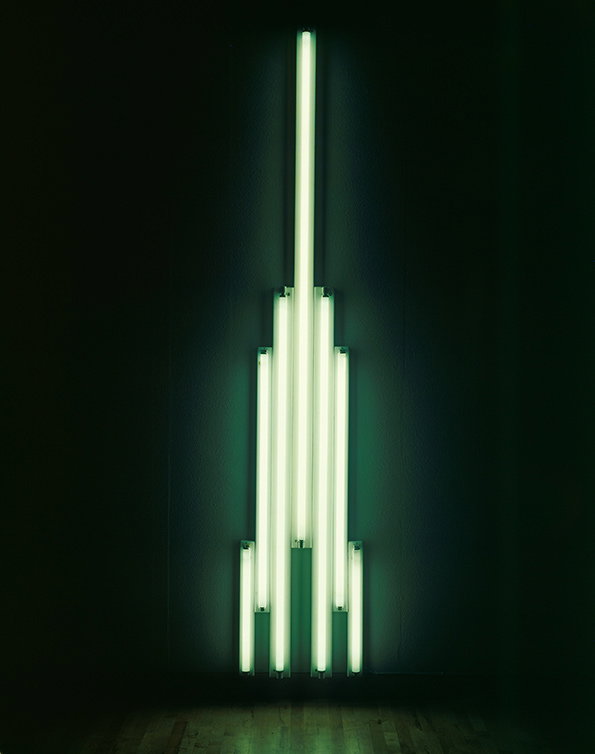
Dan Flavin: ‘Monument’ for V. Tatlin 1966–9. © 2014 Stephen Flavin / Artists Rights Society (ARS), New York Courtesy Tate Collection: Purchased 1971
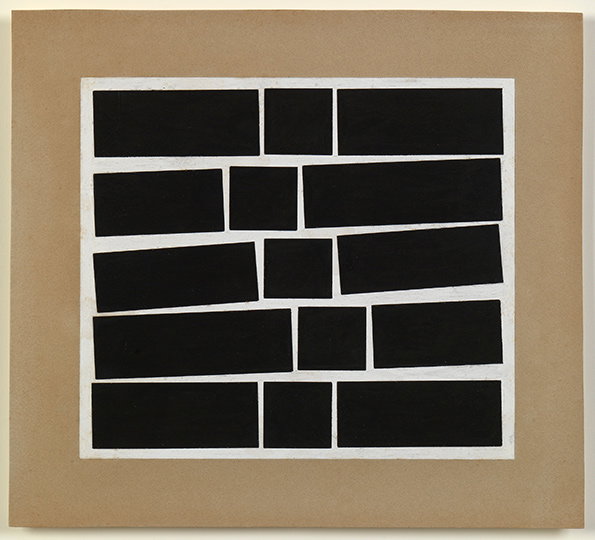
Hélio Oiticica: Metaesquema 464, 1958. Courtesy of Catherine & Franck Petitgas Photo: Todd White Photography © the Artist. All rights reserved
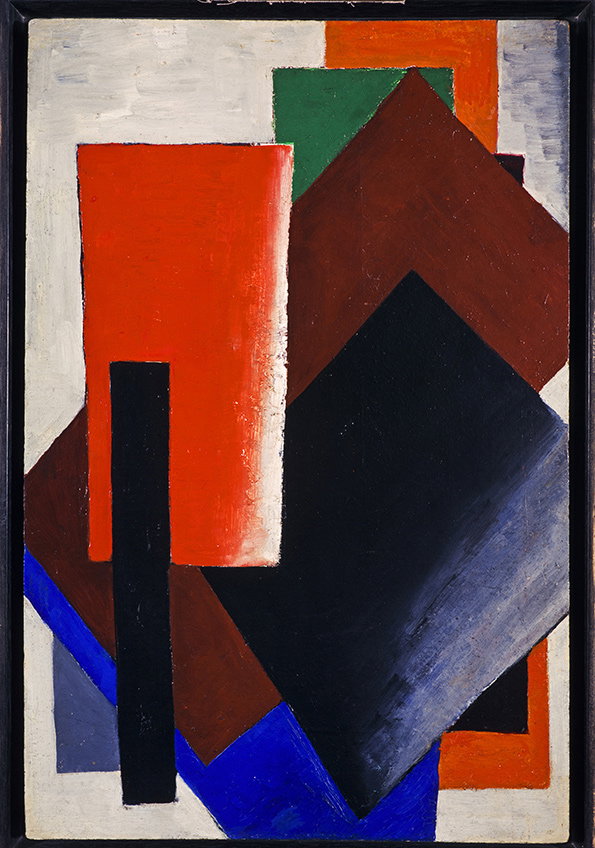
Lyubov Popova: Painterly Architectonic, 1916. Scottish National Gallery of Modern Art, Edinburgh
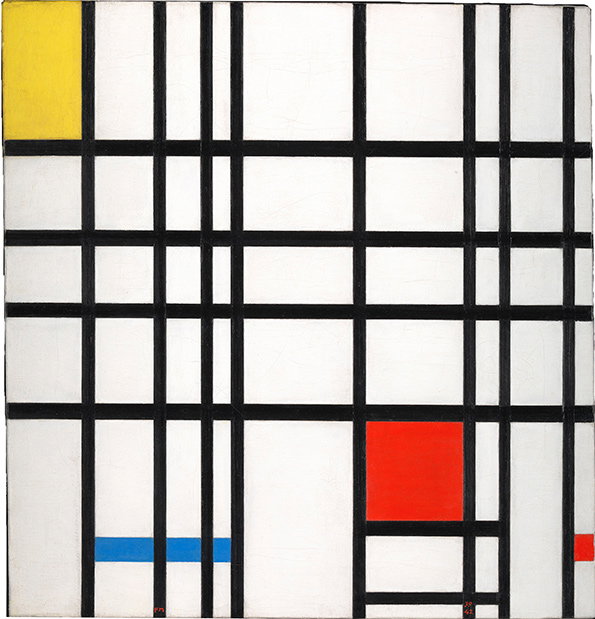
Piet Mondrian: Composition with Yellow, Blue and Red, 1937–42 © DACS, London/VAGA, New York 2014 Courtesy Tate Collection: Purchased 1964
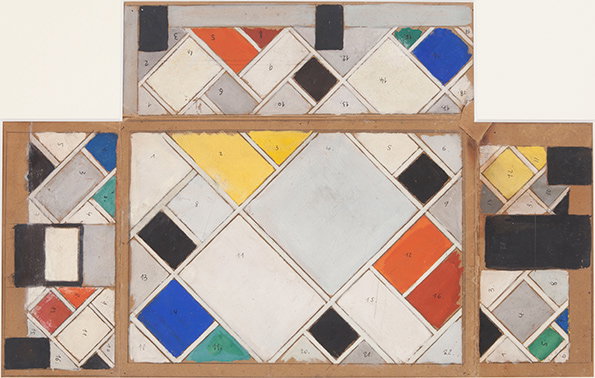
Theo van Doesburg: Colour design for ceiling and three walls, small ballroom, conversion of Café Aubette interior Strasbourg, 1926–7. Courtesy Galerie Gmurzynska AG © the Artist. All rights reserved
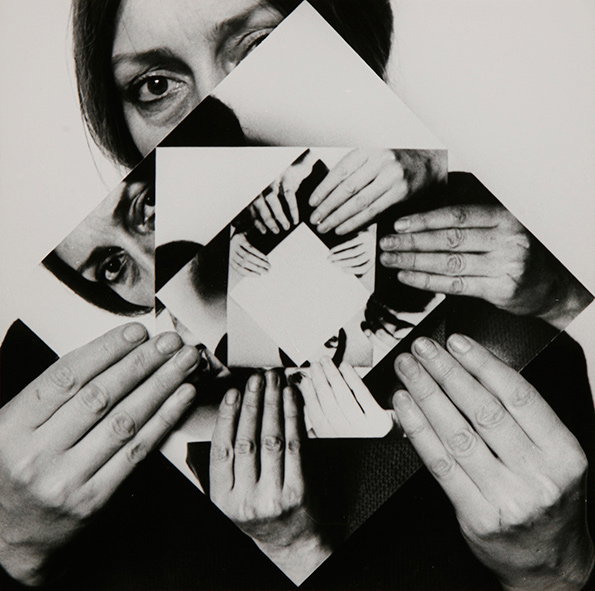
Dóra Maurer: Seven Rotations 1–6, 1979. Collection of Zsolt Somlói and Katalin Spengler © Dóra Maurer
Share Article
Further Info
About the Author
—
Maisie joined It’s Nice That fresh out of university in the summer of 2013 as an intern before joining full time as an Assistant Editor. Maisie left It’s Nice That in July 2015.