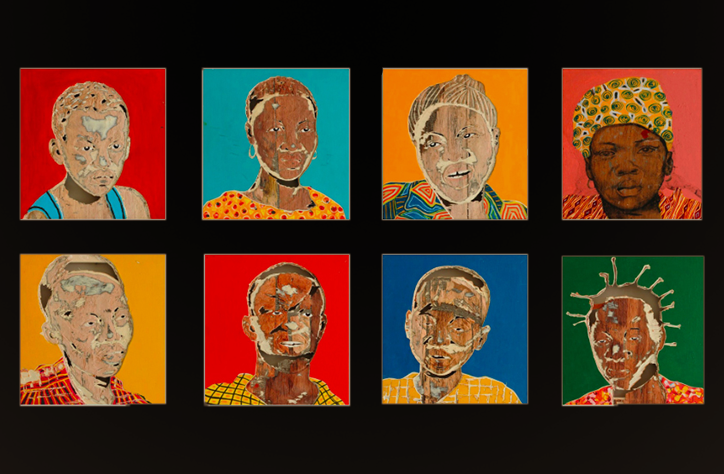
After initially pursuing sculpture during his early years in education, Congolese artist Aimé Mpane then moved onto painting at the Fine Arts Academy of Kinshasa. Continuing his studies in this medium, he graduated in 2000 from the La Cambre National School of Visual Arts in Belgium. Nearly 20 years later, Aimé splits his time between the two locations, returning home to conduct research for his practice and then producing the work at his studio in Brussels.
Tackling the legacy and consequences of colonialism and globalisation on both individual and collective identity, Aimé says his work communicates his “disenchantment with problems that today seem impossible to solve.” Despite all of the atrocities to which his work alludes, the artist believes the tone of his art is never one of self-pity: “I appeal to the human race’s solidarity and collective historical consciousness,” he tells It’s Nice That. “My works tell of hope, courage, empathy and endurance.”
Working in a variety of disciplines, Aimé’s oeuvre is comprised of mosaic wall installations, wood sculptures and plywood based paintings. The latter are beautifully bright portraits made using acrylics that are inquiries into the African psyche. Utilising the tactility and potential of the wood’s rough and smooth textures, the paintings’ natural features create evocative links to the artist’s home. The expressive faces of the subjects, carved using an adze, are those of his local community back in Kinshasa, where Aimé says he soaks up inspiration “like a sponge”.
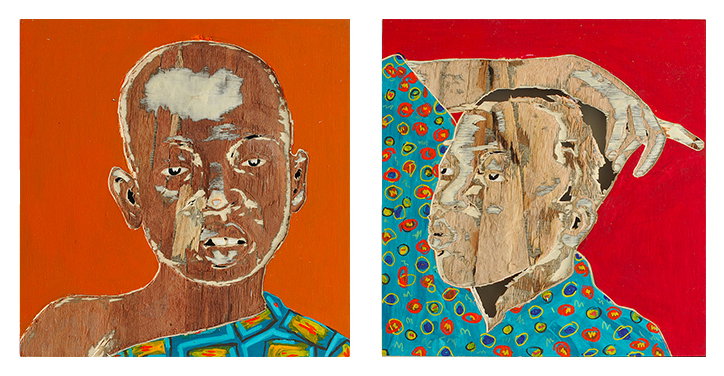
Aimé Mpane: Kinoct 2011
However, the coverage of other artists in Congo leaves a lot to be desired. Following the rise of academic art during the Mobutu regime that was a world away from the more commercially successful Congolese artists such as Chérin Samba and Bodys Isec Kingelez, it took until 2007 before new collectives began to make headway in the West: “These groups of artists understood the codes of contemporary art and utilised social networks and artist residencies in Europe,” Aimé explains. “Today however, there is still a total gap left by art critics, collectors and cultural influencers who have no understanding of what is happening in the Congolese art scene.”
Aimé, an exception, has exhibited all over the USA and Europe, including at the Haines Gallery in San Francisco and the Skoto Gallery in New York. He has been featured in Frieze, The New York Times and The Washington Post, and was the recipient of multiple awards including the Herbert and Dorothy Vogel Award.
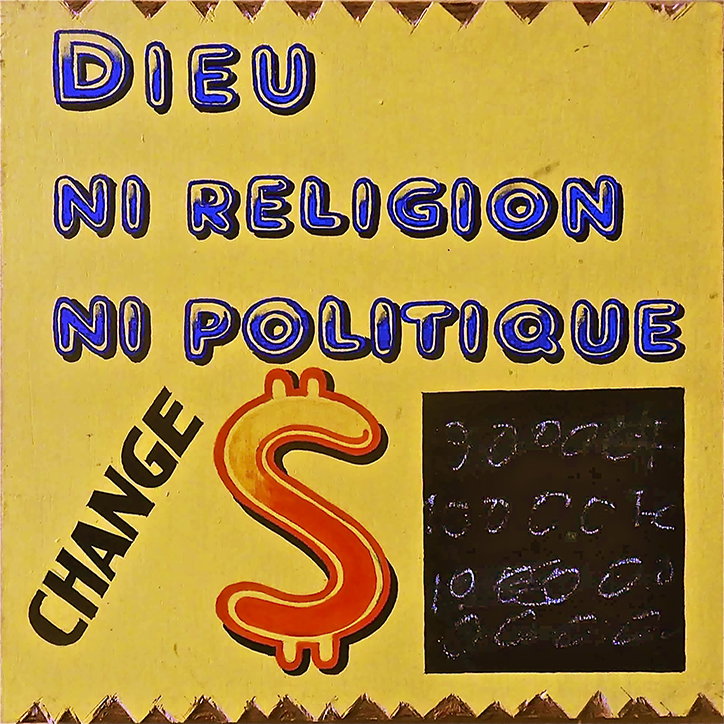
Aimé Mpane: Ekoma Bonga 2009
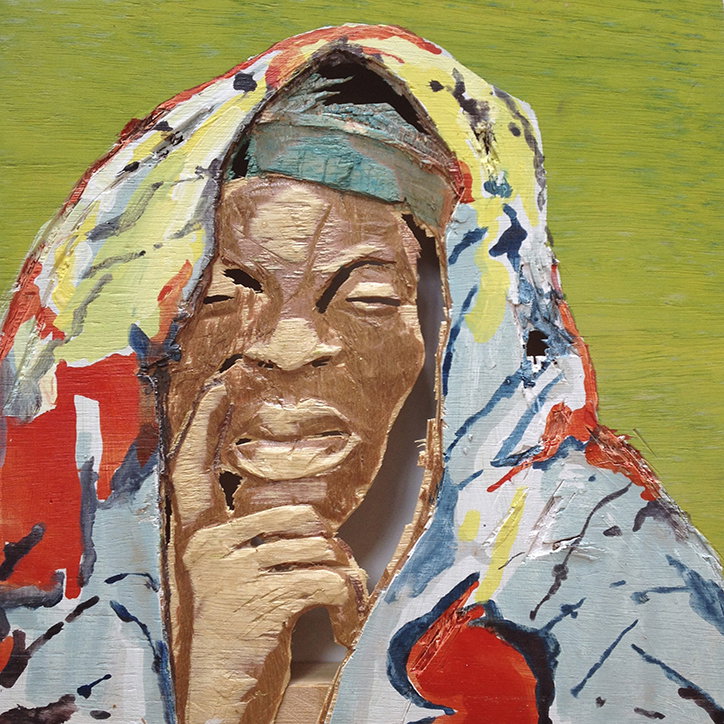
Aimé Mpane: Ekoma Bonga 2009
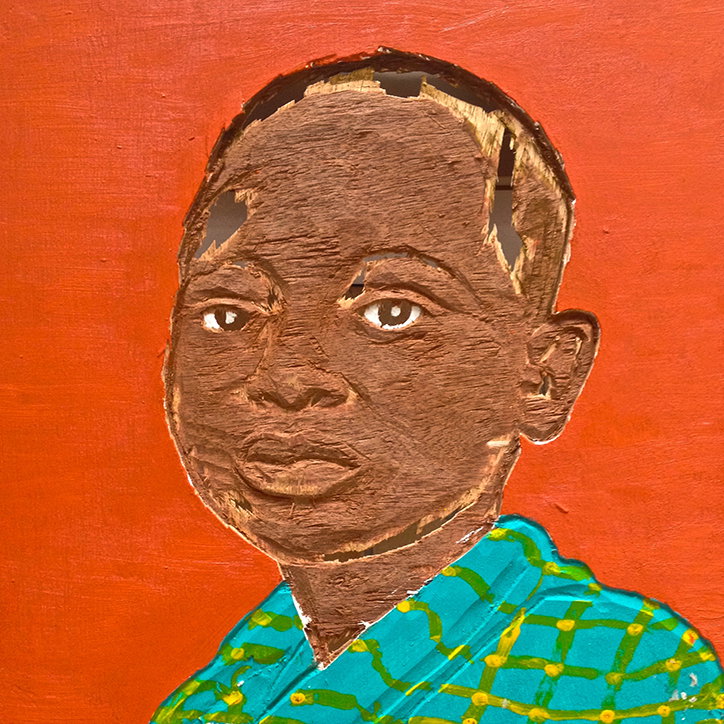
Aimé Mpane: Ekoma Bonga 2009
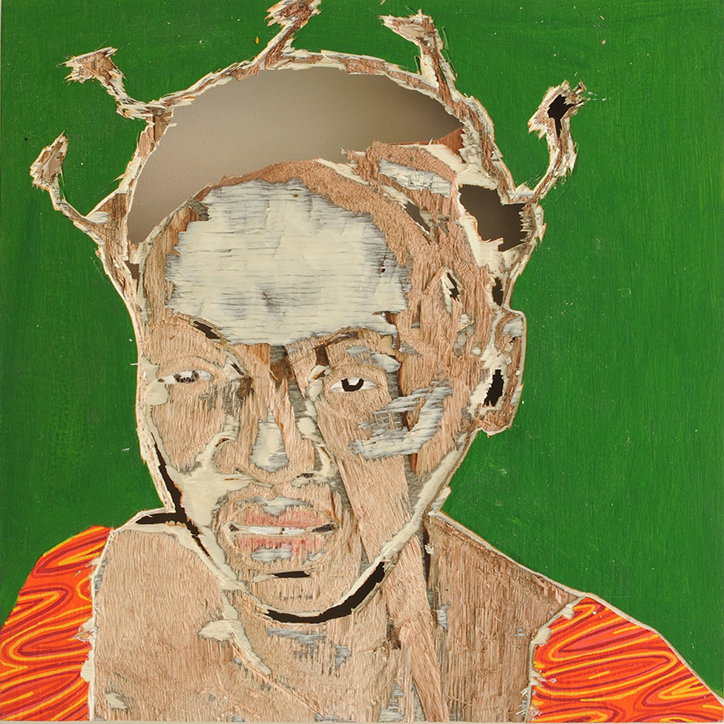
Aimé Mpane: Kinoct 2011
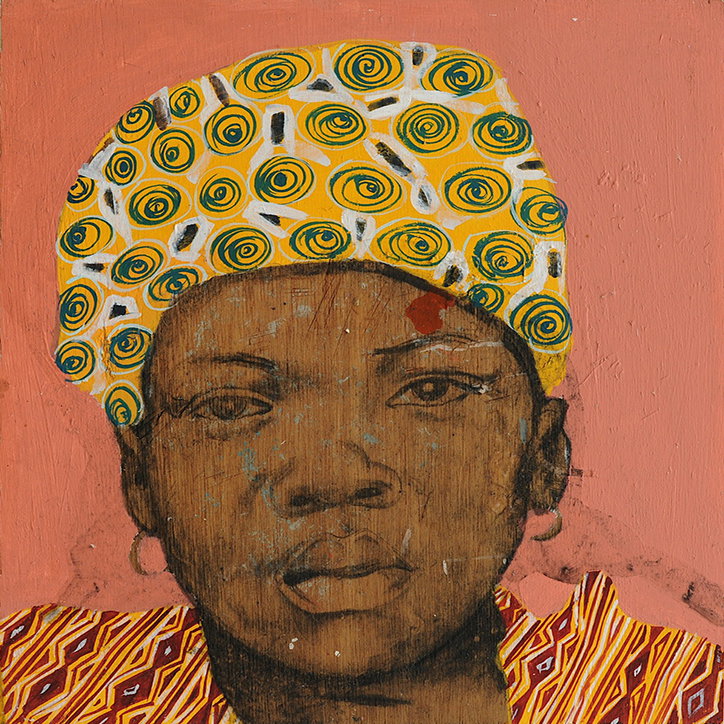
Aimé Mpane: Kinoct 2011
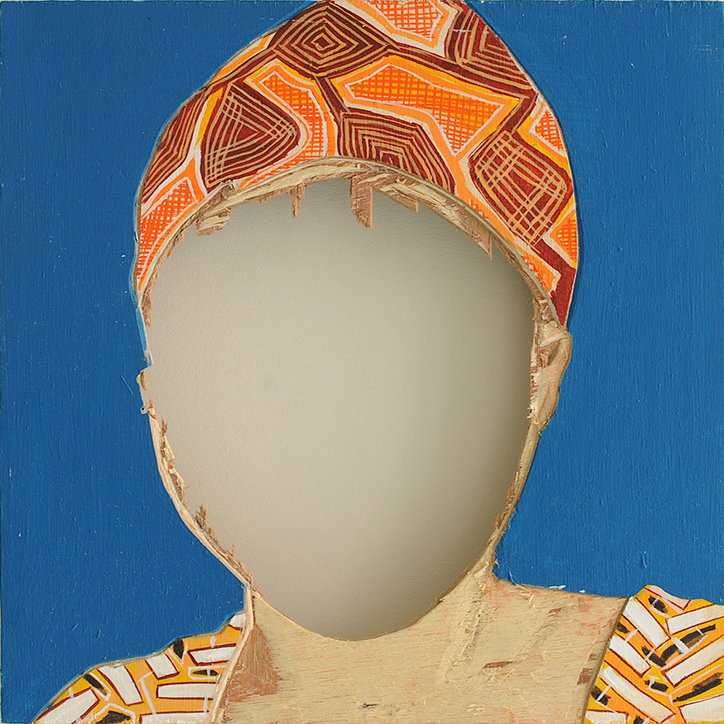
Aimé Mpane: Kinoct 2011
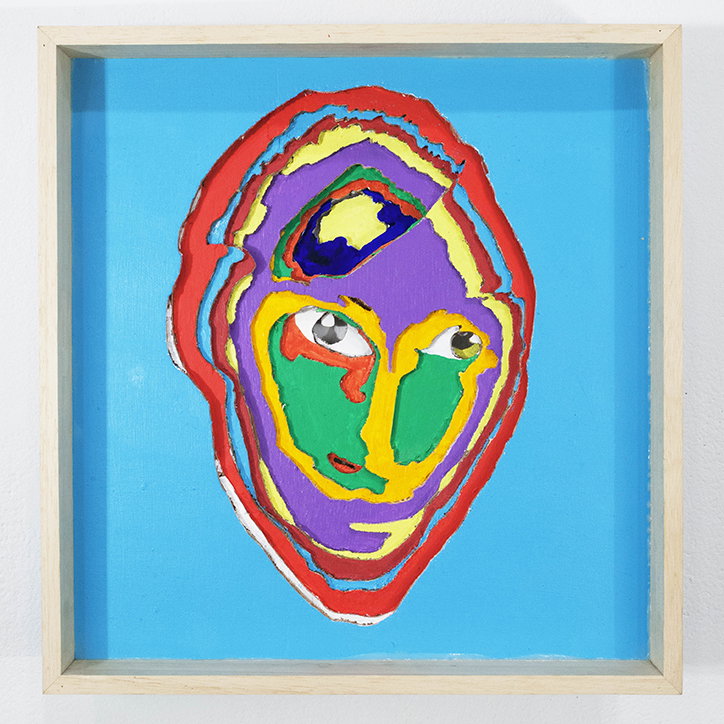
Aimé Mpane: Masque Picasso Pende
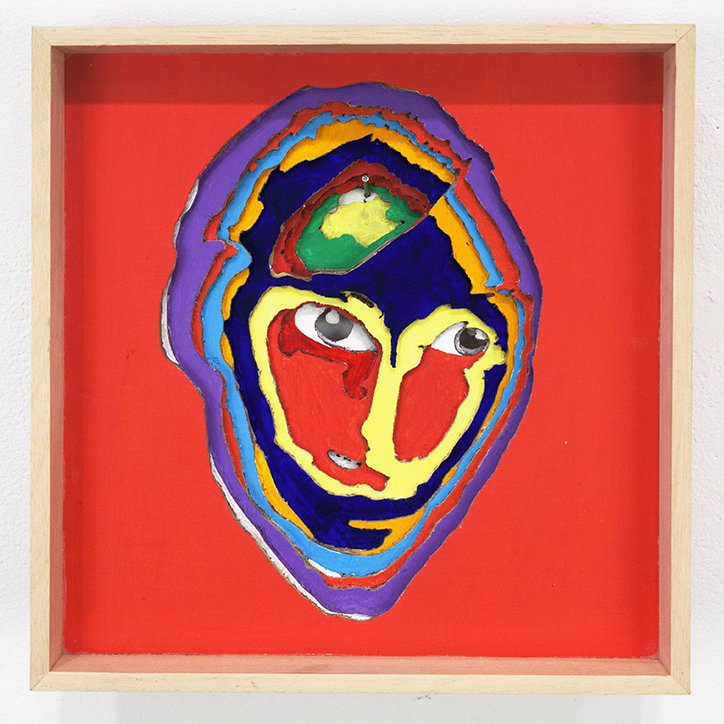
Aimé Mpane: Masque Picasso Pende
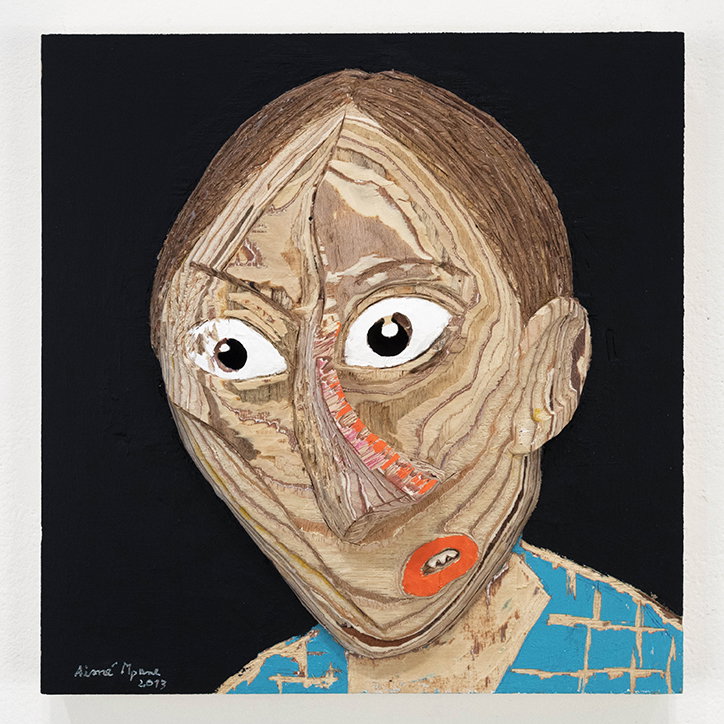
Aimé Mpane: Masque Picasso Pende
Share Article
Further Info
About the Author
—
Daniel joined It’s Nice That as an editorial assistant in February 2019 and continues to work with us on a freelance basis. He graduated from Kingston University with a degree in Journalism in 2015. He is also co-founder and editor of SWIM, an annual art and photography publication.