

Jump into Alèxia Ponce’s gloriously avante-garde animations, made with the most unexpected materials and methods
For the Barcelona-based audiovisual designer, animating analogue and frame-by-frame is the process that invites the most play.
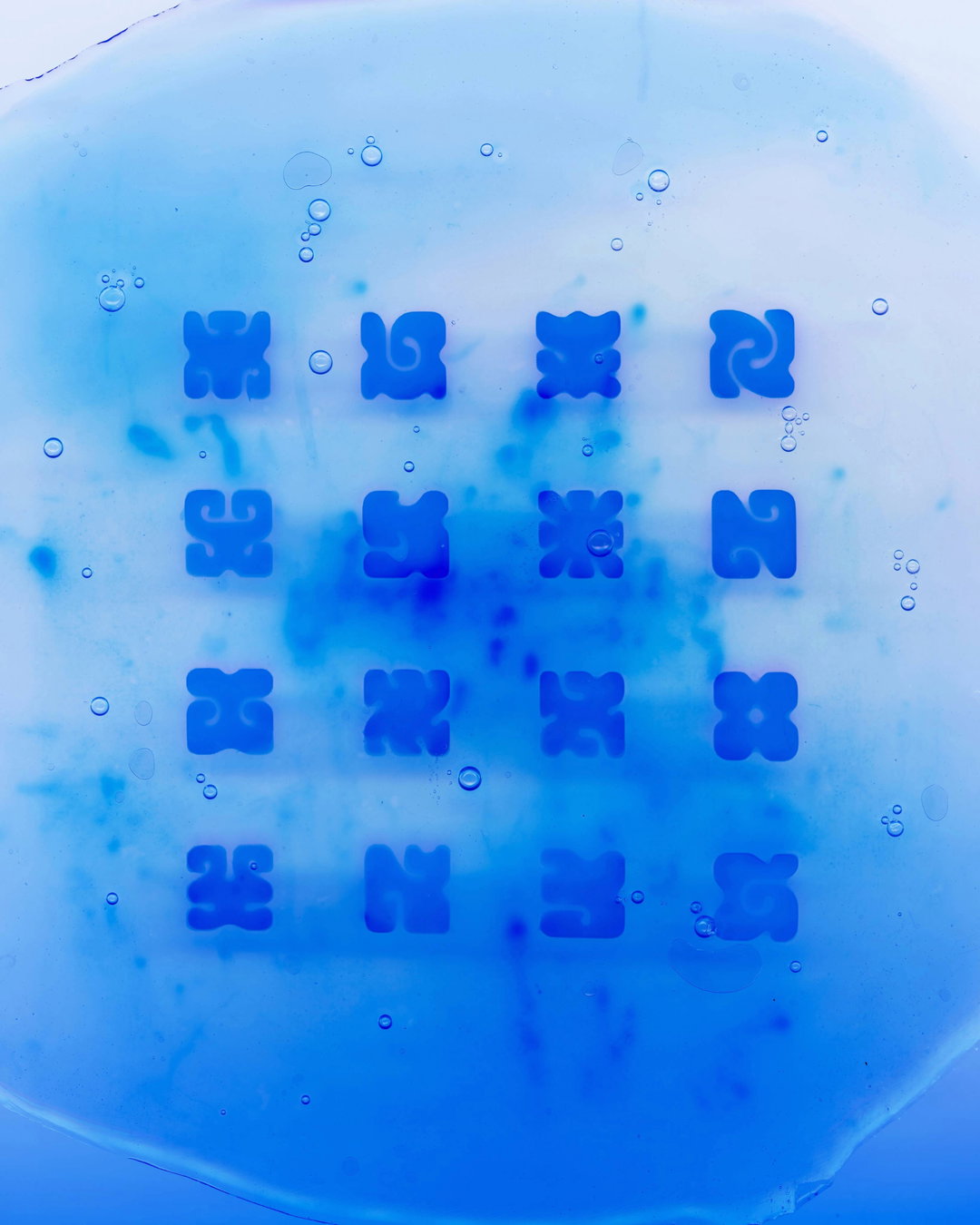
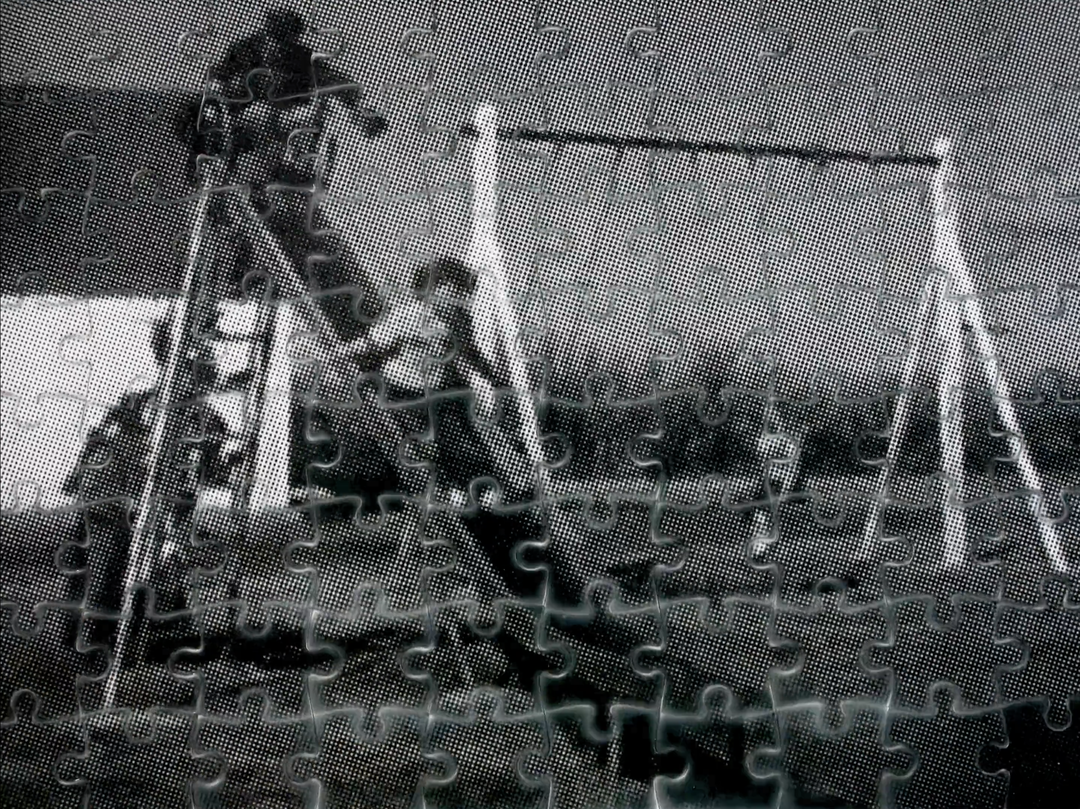
Analogue animation is having a boom. Tactile, frame-by-frame motion is often one of the most charming things we can encounter across on our social media feeds, but when we saw one of Alèxia Ponce’s works for the first time, we were struck by its less than conventional approaching to creating such a visceral feeling of materiality. Soaking and scrunching paper to make frames appear, animating on the surface of a puzzle or printing with the sun – the artist’s works use much more unexpected surfaces and techniques than most to bring her narratives to life.
“I enjoy working with my hands and experimenting with materials and different techniques, formats and supports, letting pieces show texture and imperfection,” the animator tells us. “I like to think of the audiovisual as moving images, made outside a screen – frames that can live on fabric, on paper, or even stone, something physical and tangible that we can hold and play with.” Alèxia’s intriguing use of this material interference still results in a loose, experimental feel, despite the very processes that produce the results behind the scenes being painstakingly laborious and precise. Iterations of some of the artist’s sequences can contain hundreds of frames within them.
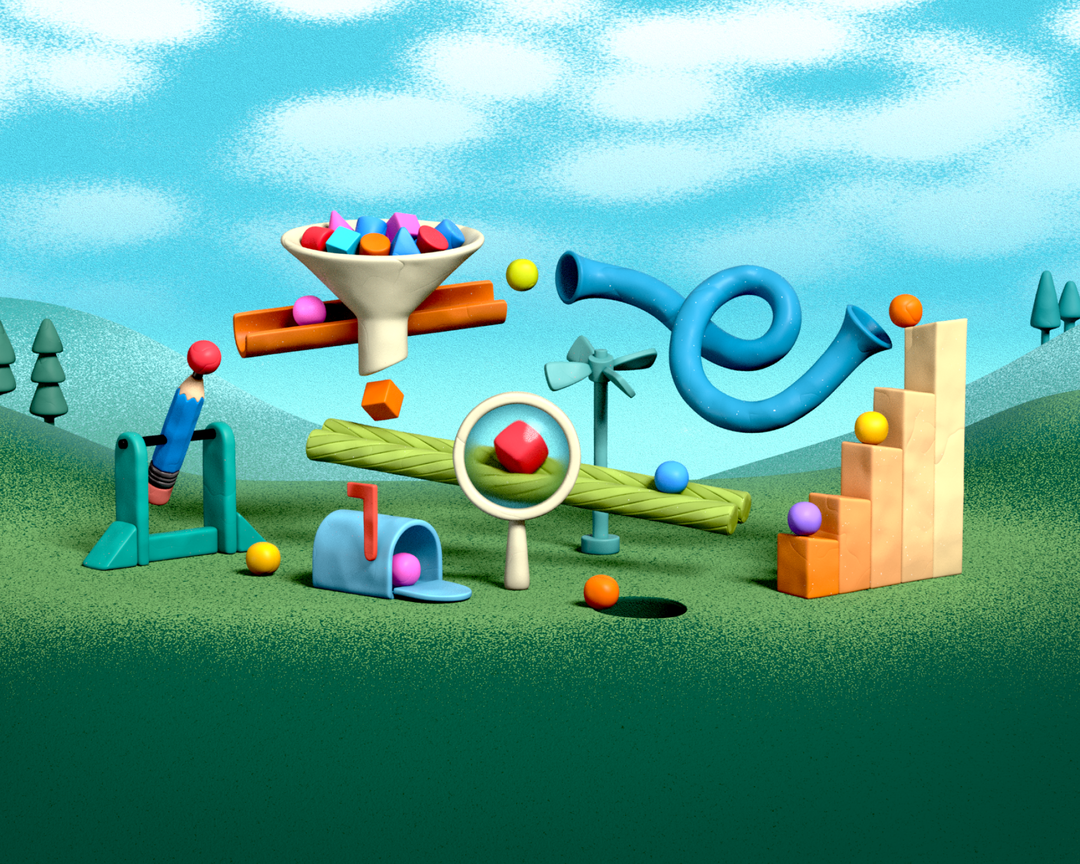
The animator’s work takes its inspiration from childhood nostalgia and a naive lens on the world, like her latest film, Qui trepitgi la ratlla, (Who steps on the line) which explores what happens inside a child’s imagination. Animating the protagonist’s imaginary worlds through drawings the children made themselves, the narrative explores their paths and traces as they play. When making these personal projects, many of Alexia’s influences come from cinema, and filmmakers like Hirokazu Koreeda and Akira Kurosawa. “I also admire authors who integrate animation into their work, like Venera Kazarova, Jan Švankmajer, and Michel Gondry, and artists like Francis Alÿs, and his conceptual and playful way of working. Koreeda and Alÿs, in particular, were close references for Qui trepitgi la ratlla.”
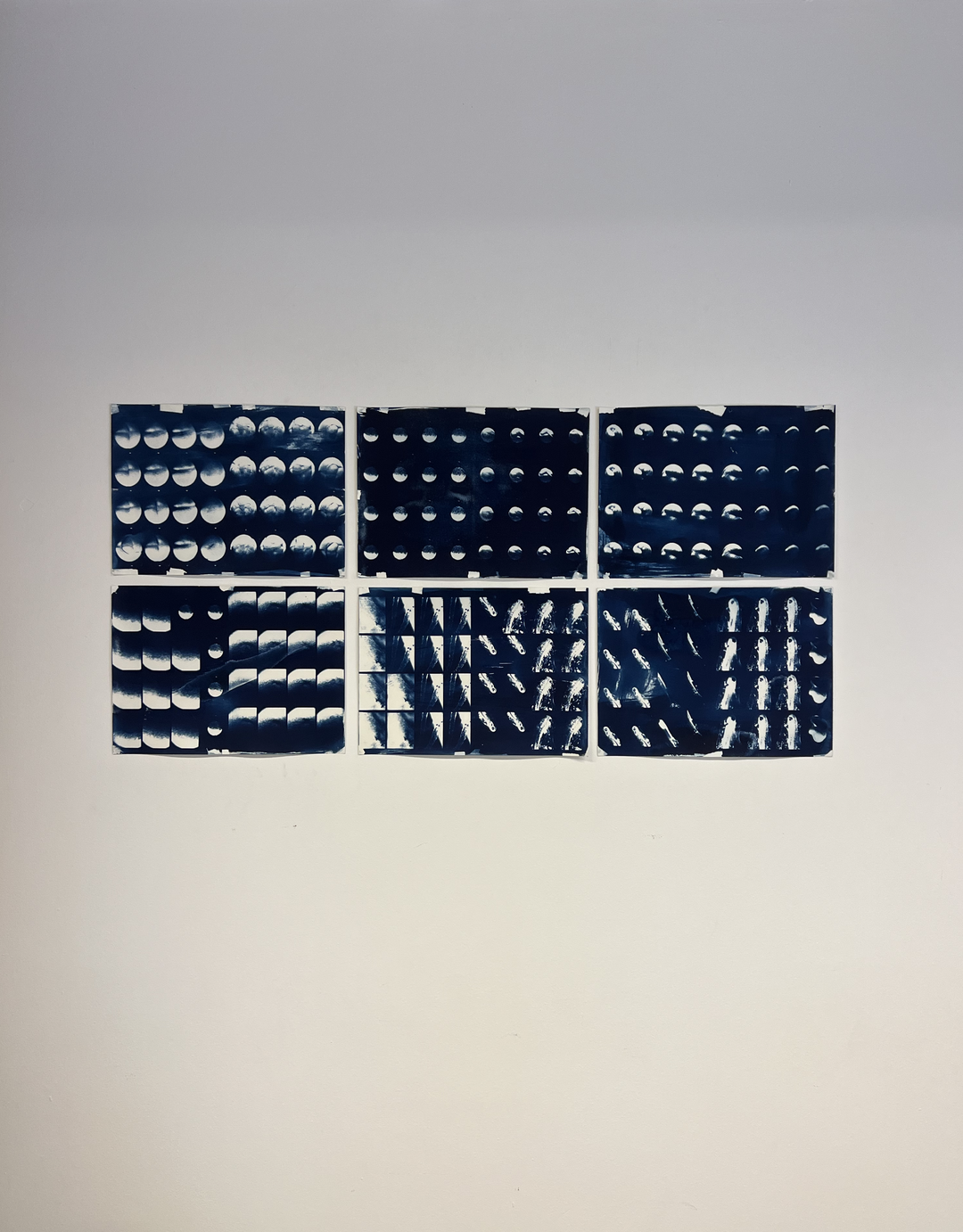
Alèxia Ponce: Salamander from a cell, print process (Copyright © Alèxia Ponce, 2023)
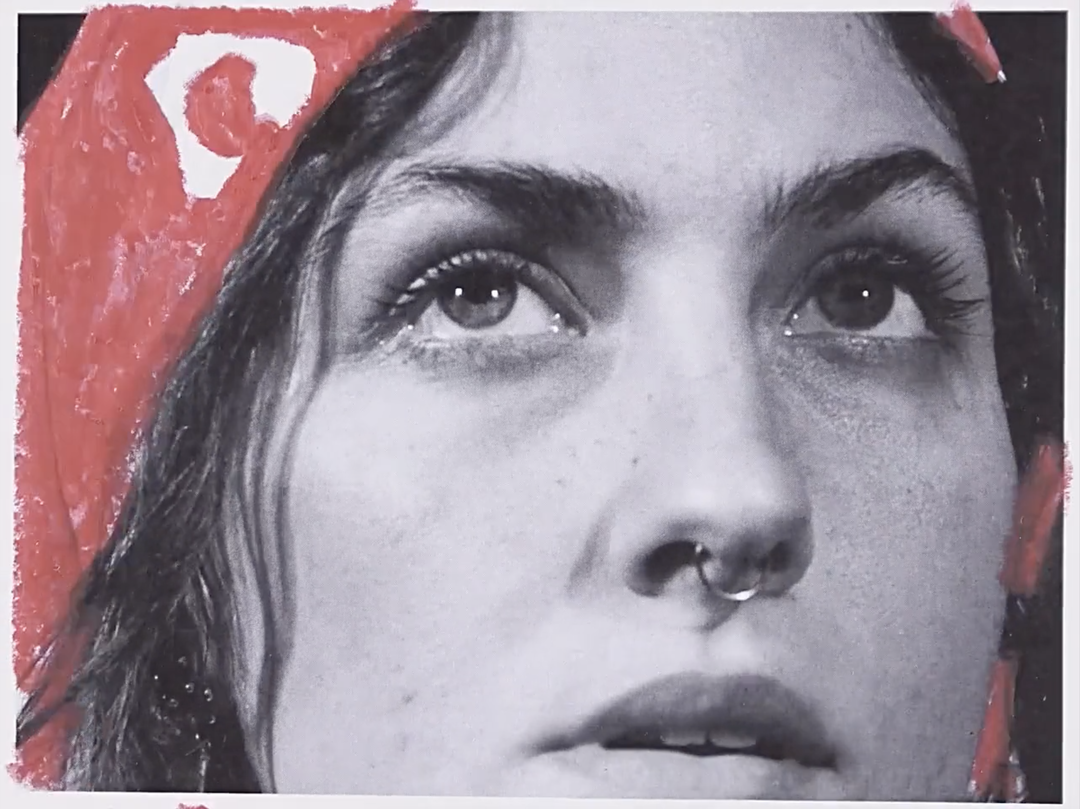
Alèxia Ponce: Lina i Cadira (Copyright © Alèxia Ponce, 2024)
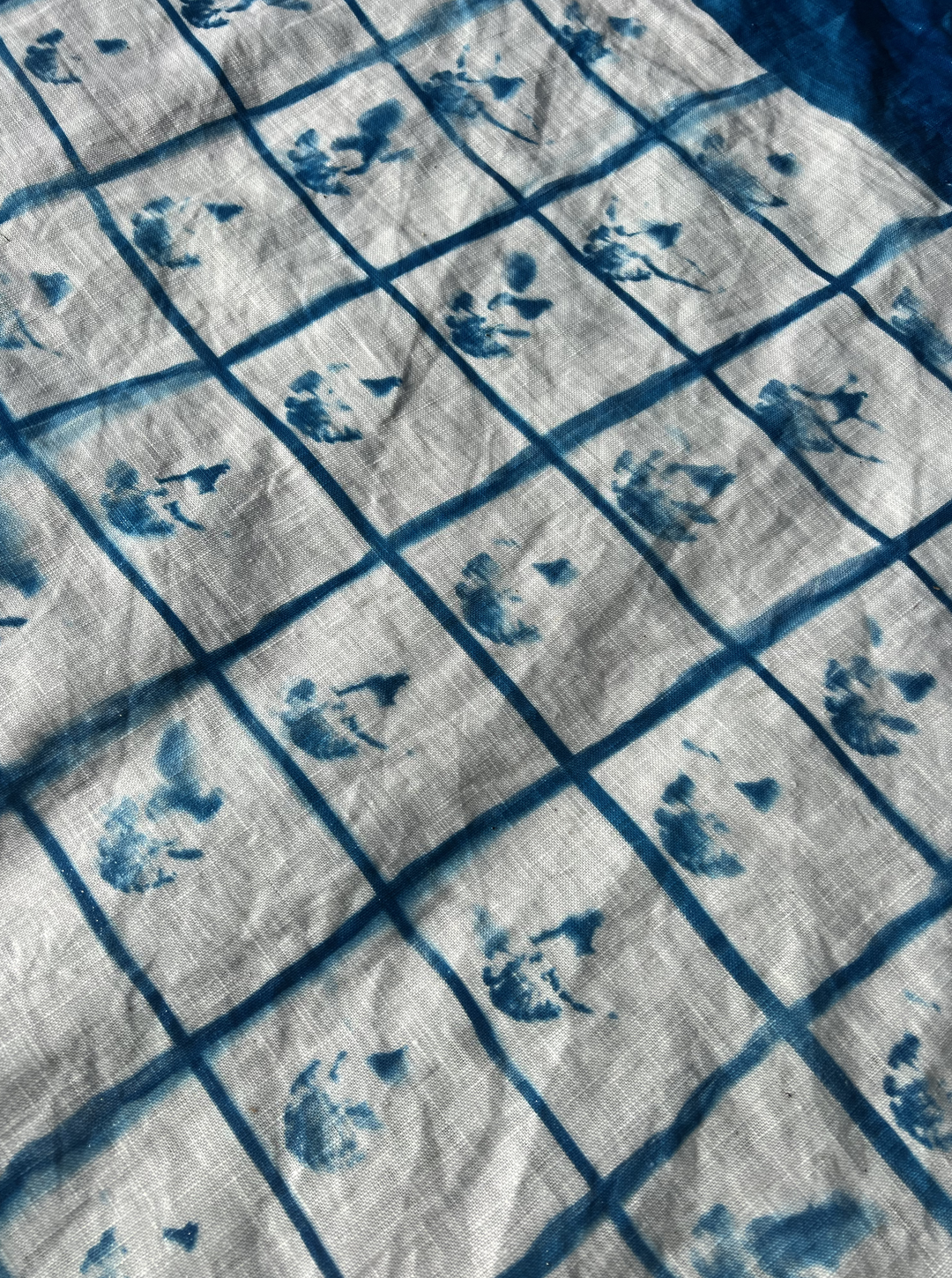
Alèxia Ponce: Paloma Backflip, Print process (Copyright © Alèxia Ponce, 2024)
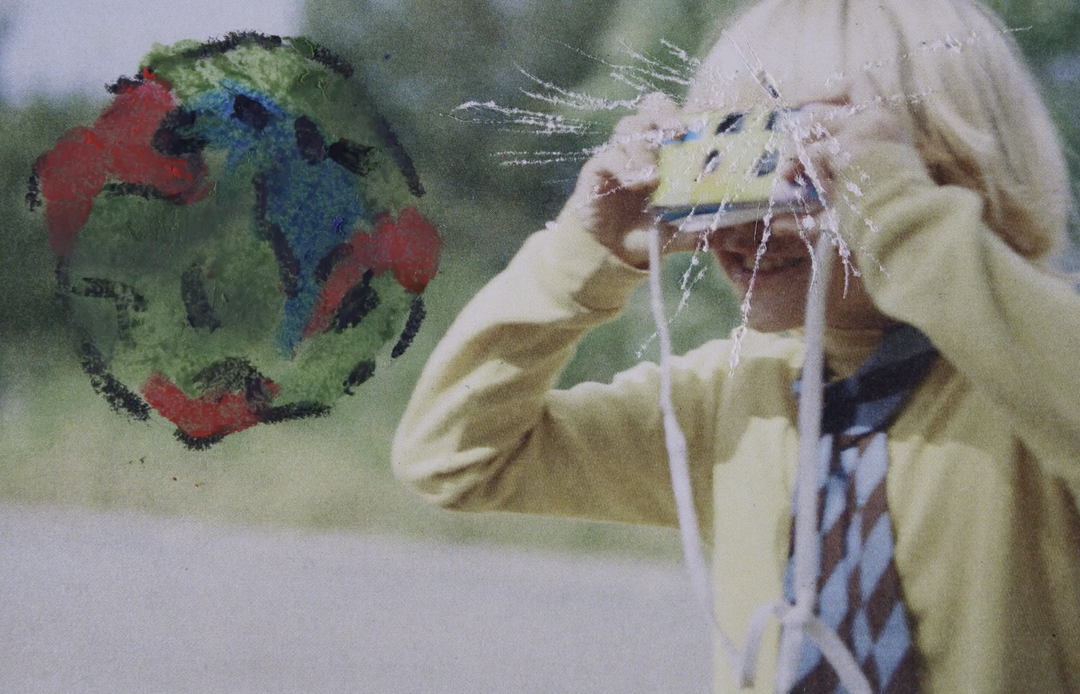
Alèxia Ponce: Qui trepitgi la ratlla (Copyright © Alèxia Ponce, 2026)
Hero Header
Alèxia Ponce: Tobogan (Copyright © Alèxia Ponce, 2024)
Share Article
Further Info
About the Author
—
Ellis Tree (she/her) is a staff writer at It’s Nice That. She joined as a junior writer in April 2024 after graduating from Kingston School of Art with a degree in Graphic Design. Across her research, writing and visual work she has a particular interest in printmaking, self-publishing and expanded approaches to photography. ert@itsnicethat.com
To submit your work to be featured on the site, see our Submissions Guide.