Alexis Beauclair on drawing sensations, ideas and actions to escape genres
From new compilations of his line drawings to a collection of comics, the French illustrator talks to us about his affinity for ambiguous signs, and explorations of the formal structure of reading comics.
Dedicated readers of It’s Nice That will be familiar with the work of minimalist illustrator Alexis Beauclair and how it delves into the strange and uncanny. He fills comics frames with enigmatic yet understated sequences and smooth-surfaced figures, and these signs and symbols are often left up for the readers to interpret. Most recently, we’ve written about his anthology Lagon, compiled with fellow illustrators Sammy Stein, Séverine Bascouert, Bettina Henni and Jean-Philippe Bretin, but 2019 has seen Alexis synthesising his prolific portfolio of works into a few solo publications.
“So I have a few areas of research, on one side is minimalism and on the other side the strange, fusing them together sometimes,” Alexis tells It’s Nice That. “I guess it’s the fascination I have for perception and signs that’s the common thing between them. I’m captivated by how humans extract signs from nature or life and manipulate them. How they transform sensations into ideas, how something starts to be readable.”
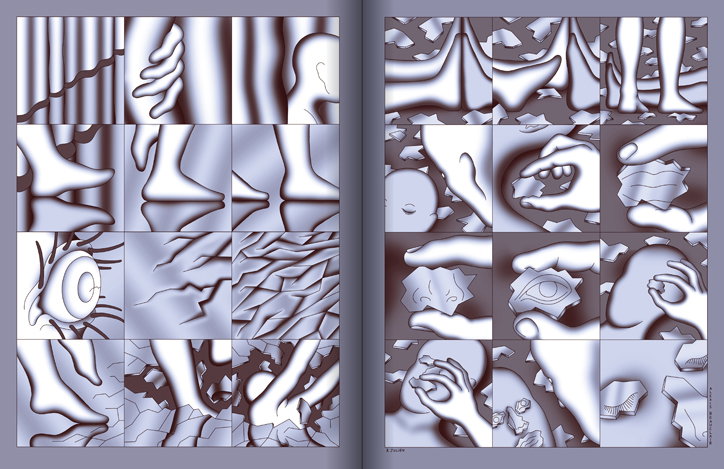
Along with recent editorial illustrations for The New York Times, Bloomberg Businessweek and The New Yorker and another upcoming issue for Lagon, Alexis is publishing Free Fall in the near future with Breakdown Press, a compilation of ten short comics that he’s made in the past few years.
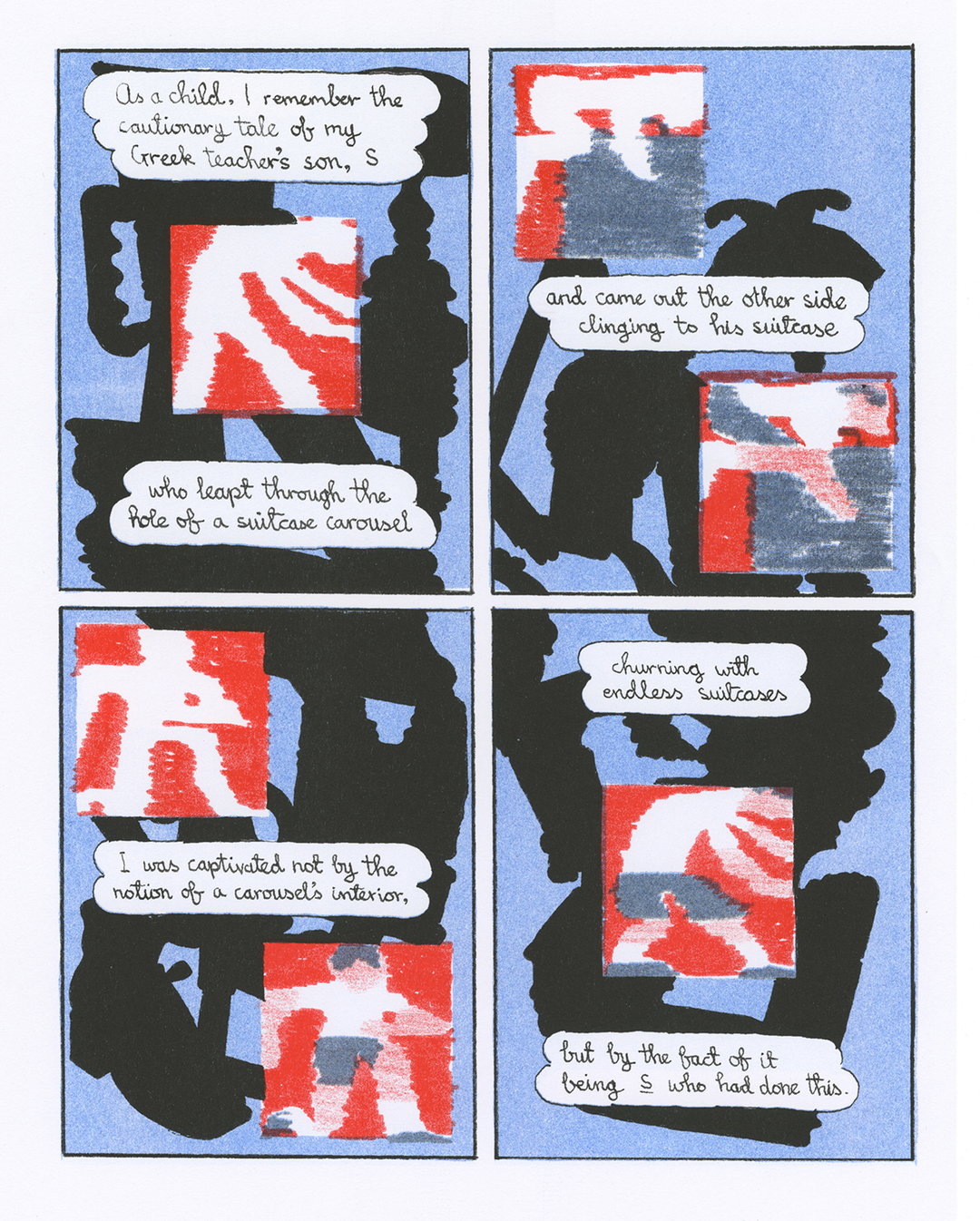
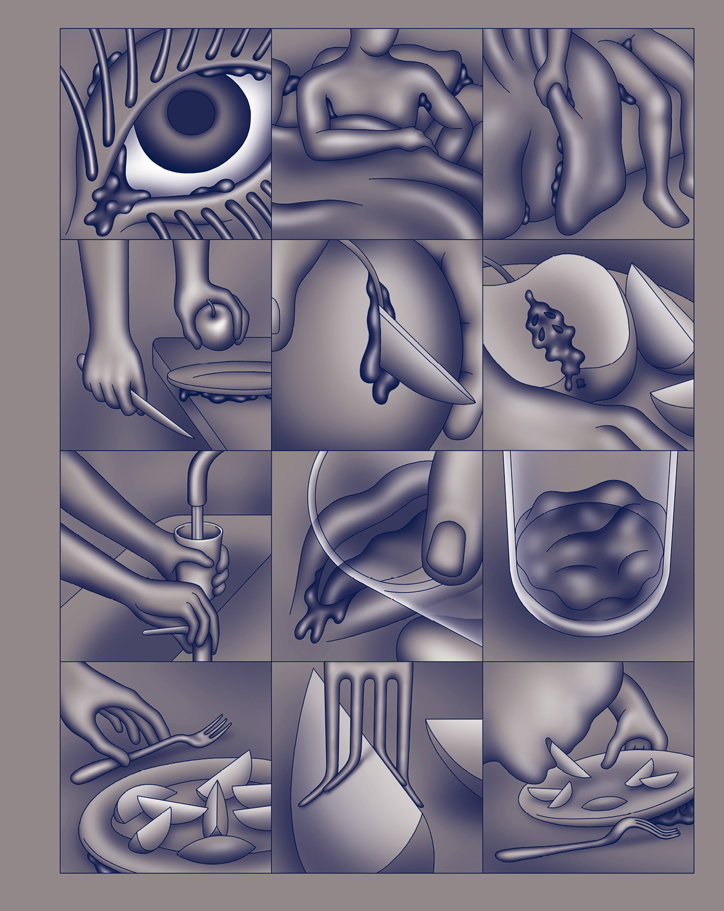
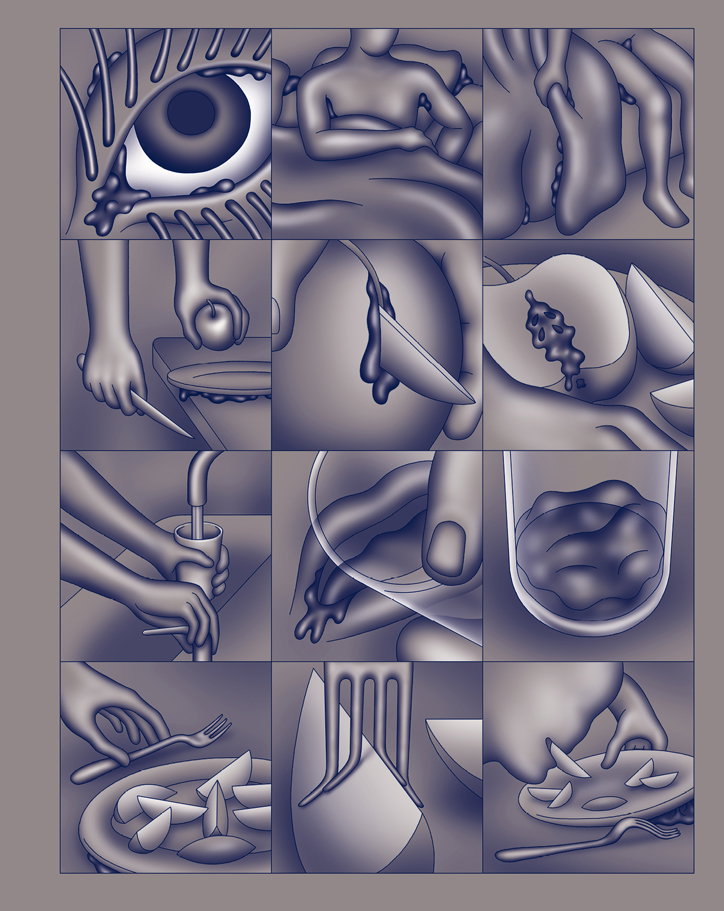
“It puts together my silent figurative comics focused on the strange. I try to draw very clearly obscure scenes, like if you were in front of other human beings doing things you don’t understand because you don’t have the same rituals, mythology or language,” Alexis says of the publication. “Sometimes they can be read as sci-fi comics but I like to be outside of genres and draw only humans dealing with sensations, ideas and actions,” he says.
Alexis Beauclair
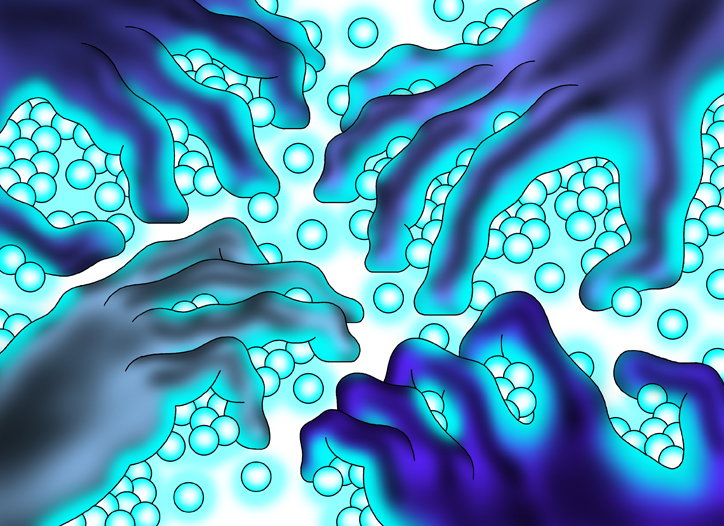
Another recent project is Enigma, a Riso-printed book on black paper with grey and neon orange ink. Like a series of ominous post-human prophecies, the book continues along Alexis’ practice of creating ambiguous signs but with a more material slant. “I’ve had this line drawing practice for a couple of years now, but in the past year, I’ve been enjoying reworking them with computer colouring,” Alexis says of the book. “It totally changes the way that we look at them: they stay enigmatic, but it gives them volume and a more physical and tactile presence, like strange sculptures.”
On the flip-side of this textural, oozy illustration style are Alexis’ flatter drawings that usually feature simple and solid shapes. A compilation of several years of this Loto series has recently been published by Editions Matière. “This series is a minimalist, almost abstract, comic focused on black geometrical shapes and movements where, like in my other minimalist comics, I try to make visible some elementary mechanism of reading and comics form,” Alexis says. Through this work, he tries to uncover the grammar of a perception activated by the reading process. Created through a reflective process, the series that creates a multiplicity of interpretations is an attempt to question the formal shape of comics.
If you’re still hungry for more, Alexis is also releasing a selection of 250 drawings made between 2012 and 2016, a collection of drawings from his sketchbooks, still in the process of being re-edited. “This is kind of a regular training, drawing and driving into the subconscious,” Alexis says about the daily exercise of trying out new shapes and ideas. “I love to observe things emerging from the abstract, so I try to keep this tension in the final drawings.” If you’re a fan of Alexis’ mysterious work, it seems like 2020 will be an exciting year for you.
GalleryAlexis Beauclair
Free Fall
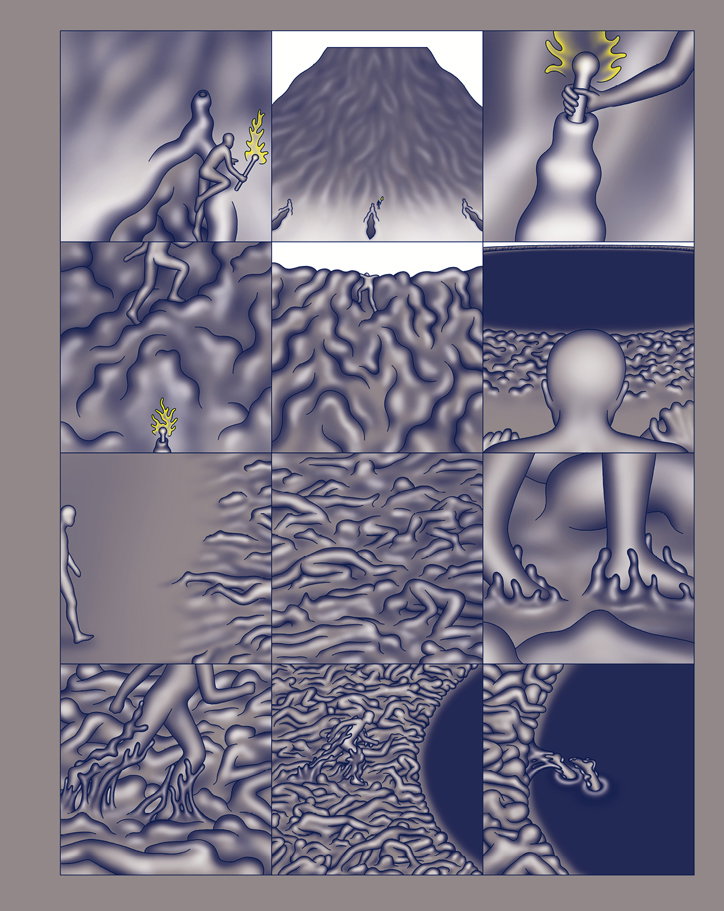
Free Fall
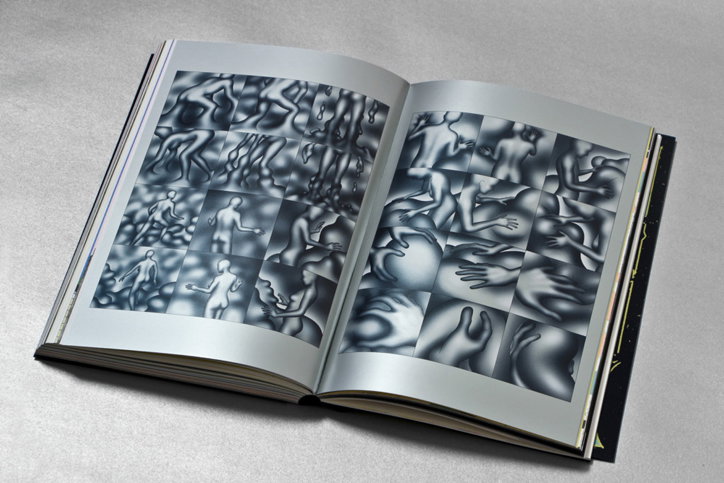
Gouffre
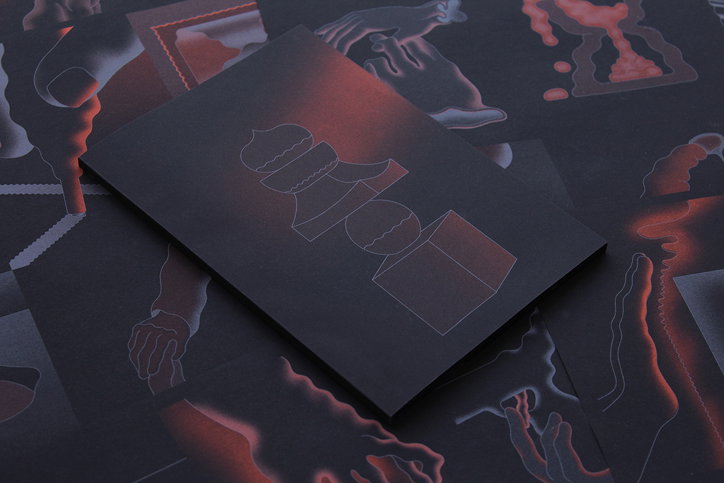
Enigma
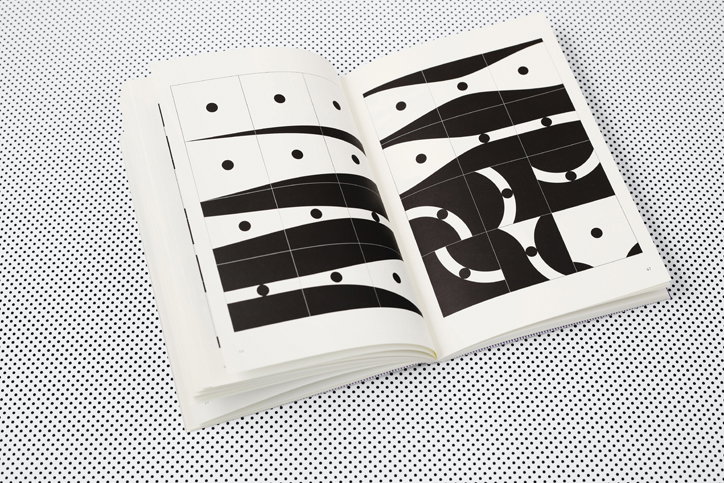
Loto
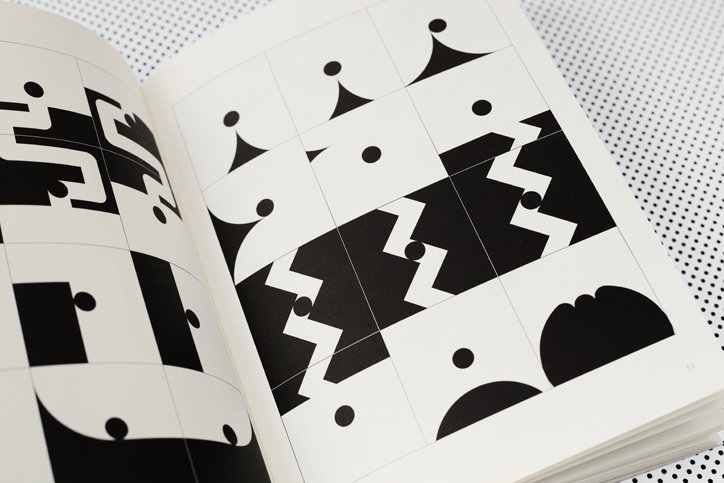
Loto
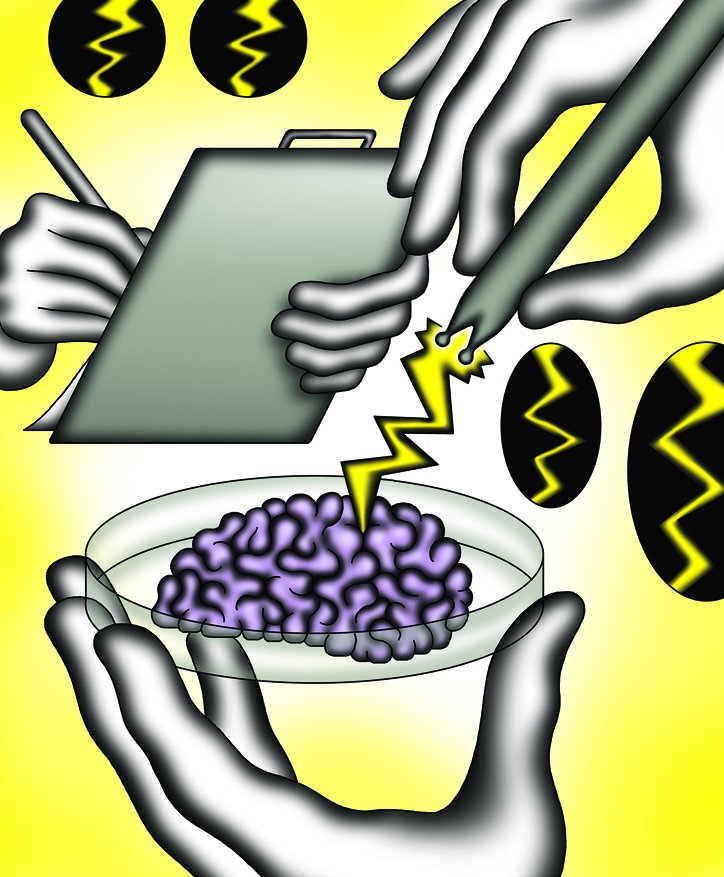
Bloomberg Businessweek
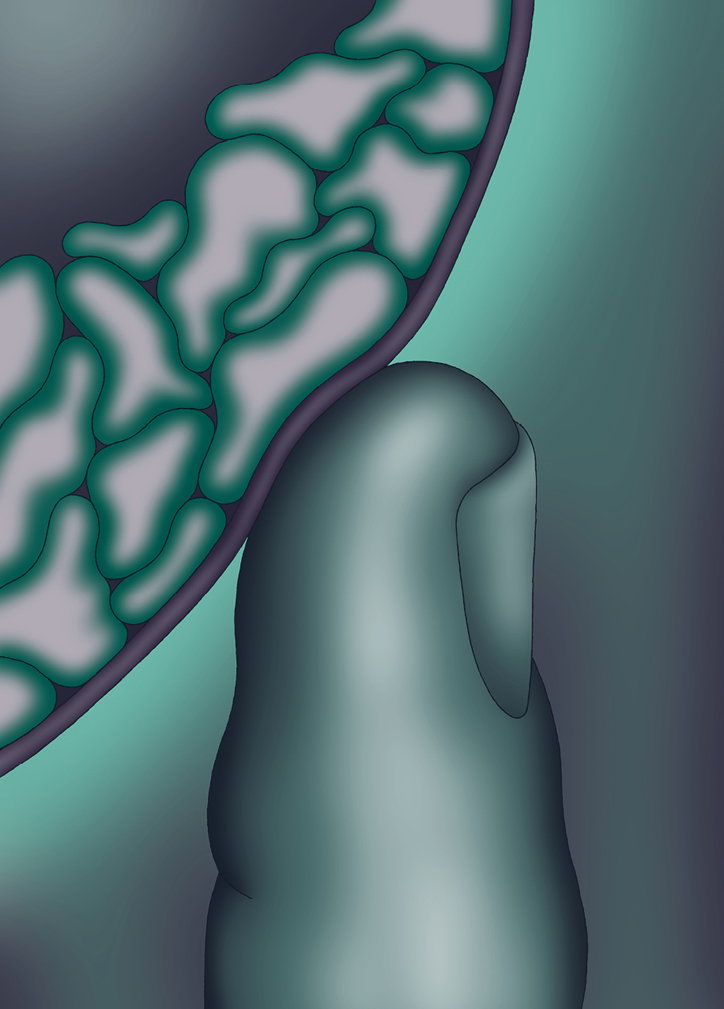
La Ruche qui dit out
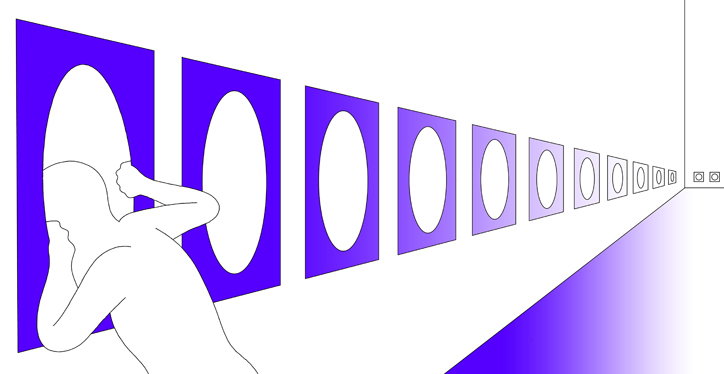
The New Yorker
Share Article
Further Info
About the Author
—
Alif joined It's Nice That as an editorial assistant from September to December 2019 after completing an MA in Digital Media at Goldsmiths, University of London. His writing often looks at the impact of art and technology on society.