


Anaïs Kugel’s portraits are unmistakably from the female gaze
The Paris-based photographer has made a visual world that weaves together themes of identity, intimacy and femininity.
French photographer and filmmaker Anaïs Kugel was deeply influenced by cinema growing up. “As a child, I was fascinated by The City of Lost Children by Marc Caro and Jean-Pierre Jeunet, and as a teenager I was drawn to filmmakers such as David Lynch and Michel Gondry, whose imaginative and singular visual worlds have profoundly shaped my sensibility,” she tells It’s Nice That. Backed by filmic influences that dive deep into the subconscious and surreal, Anaïs’ style of image making now occupies somewhat of an ambiguous middle ground between documentary and fiction; a place where visual narratives are curated and sometimes staged to explore deeper meanings and personal memories.
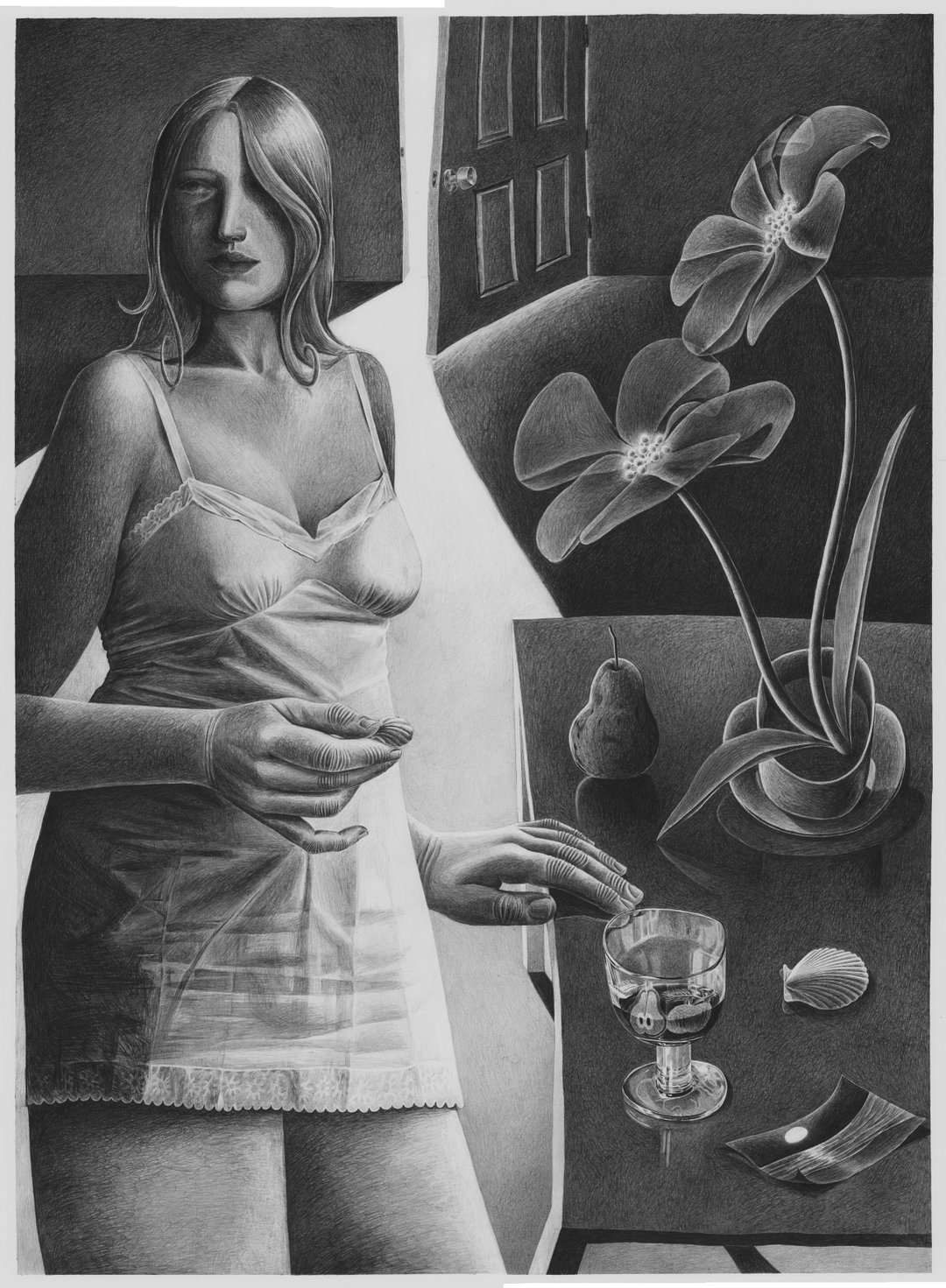
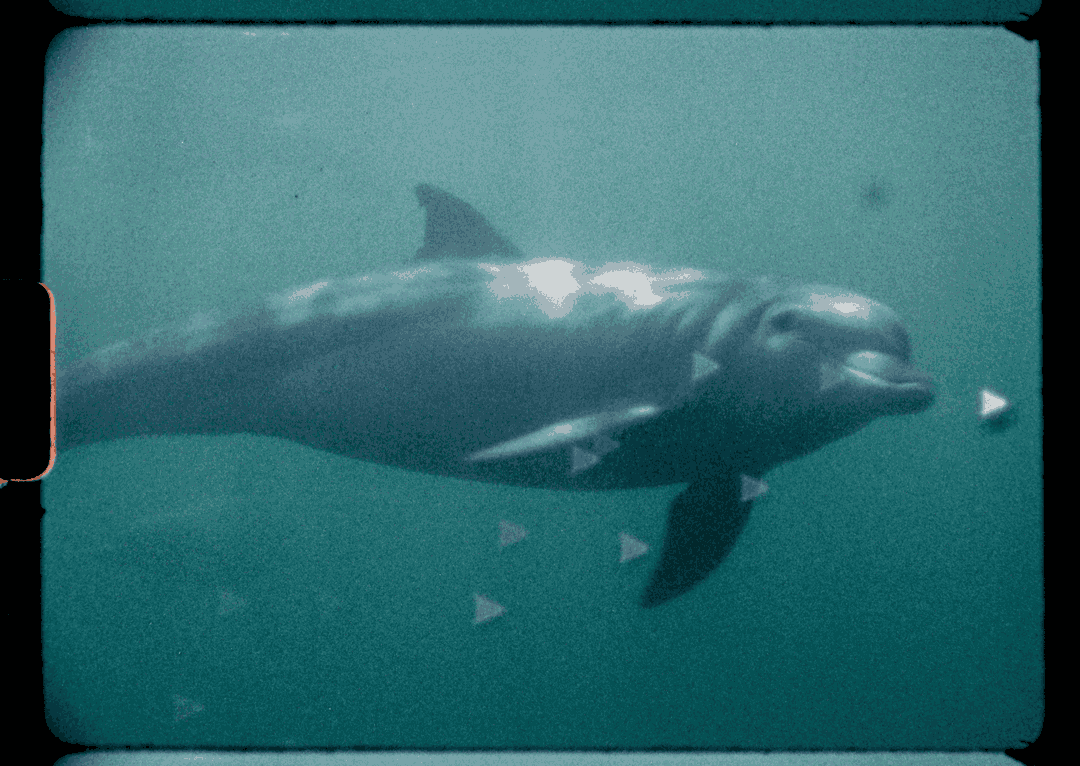
What can look like a factual, real-life documentary on the surface takes a little bit more styling and a touch of fantasy to capture things “that oscillate between intimacy and fiction”, the photographer says. Experimentation and atmosphere play a defining role in this process. In her self portrait series Pourquoi les mouettes se retrouvent loin de la mer, the photographer played with a cable release in order to have complete agency over her self-image. In these dreamlike, reflective images, Anaïs’ performance explores the subject of displacement – “as an emotional and psychological state, drawing from personal experience to question notions of home, memory and estrangement,” she shares.
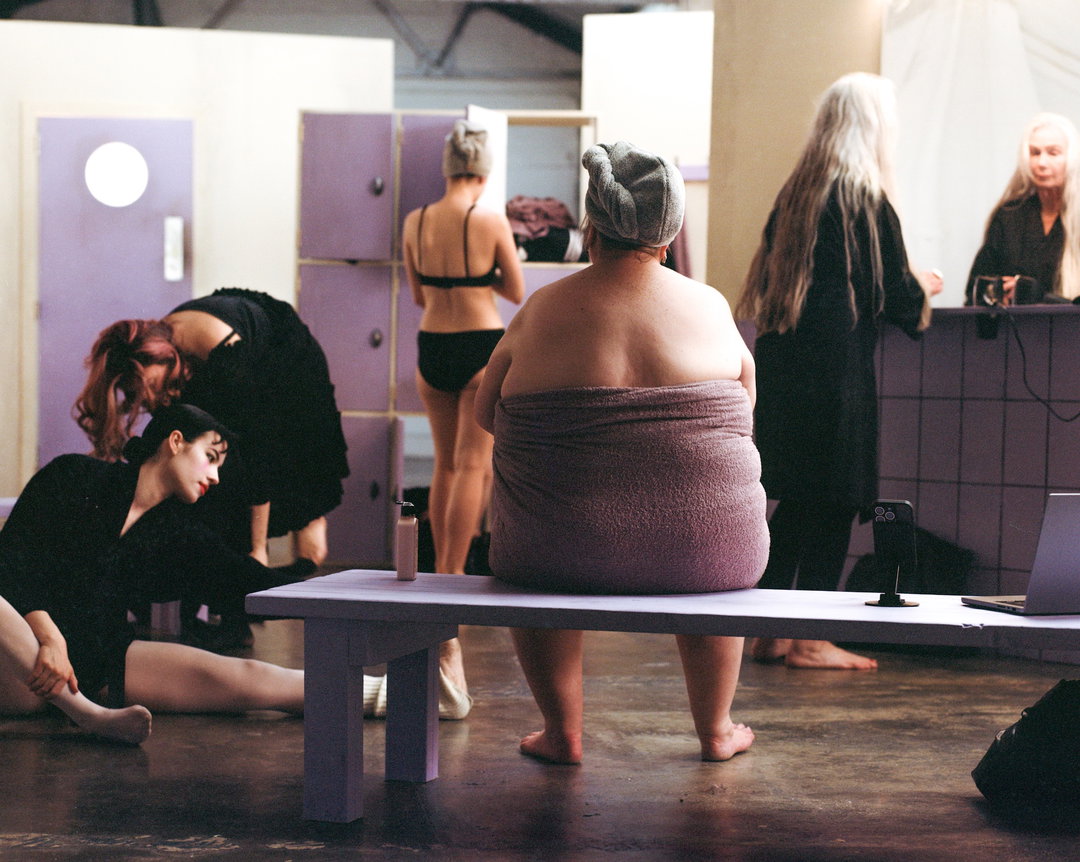
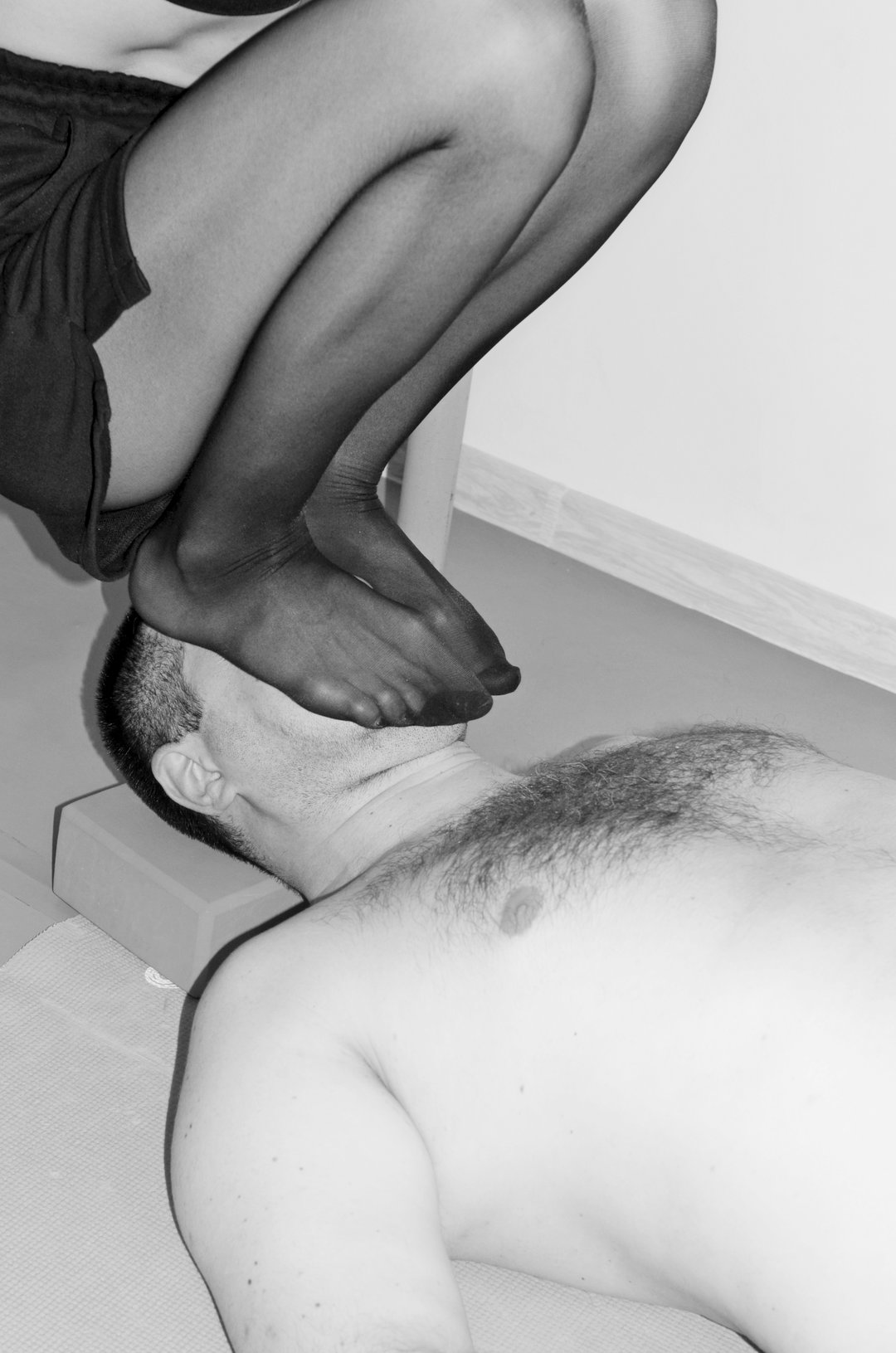
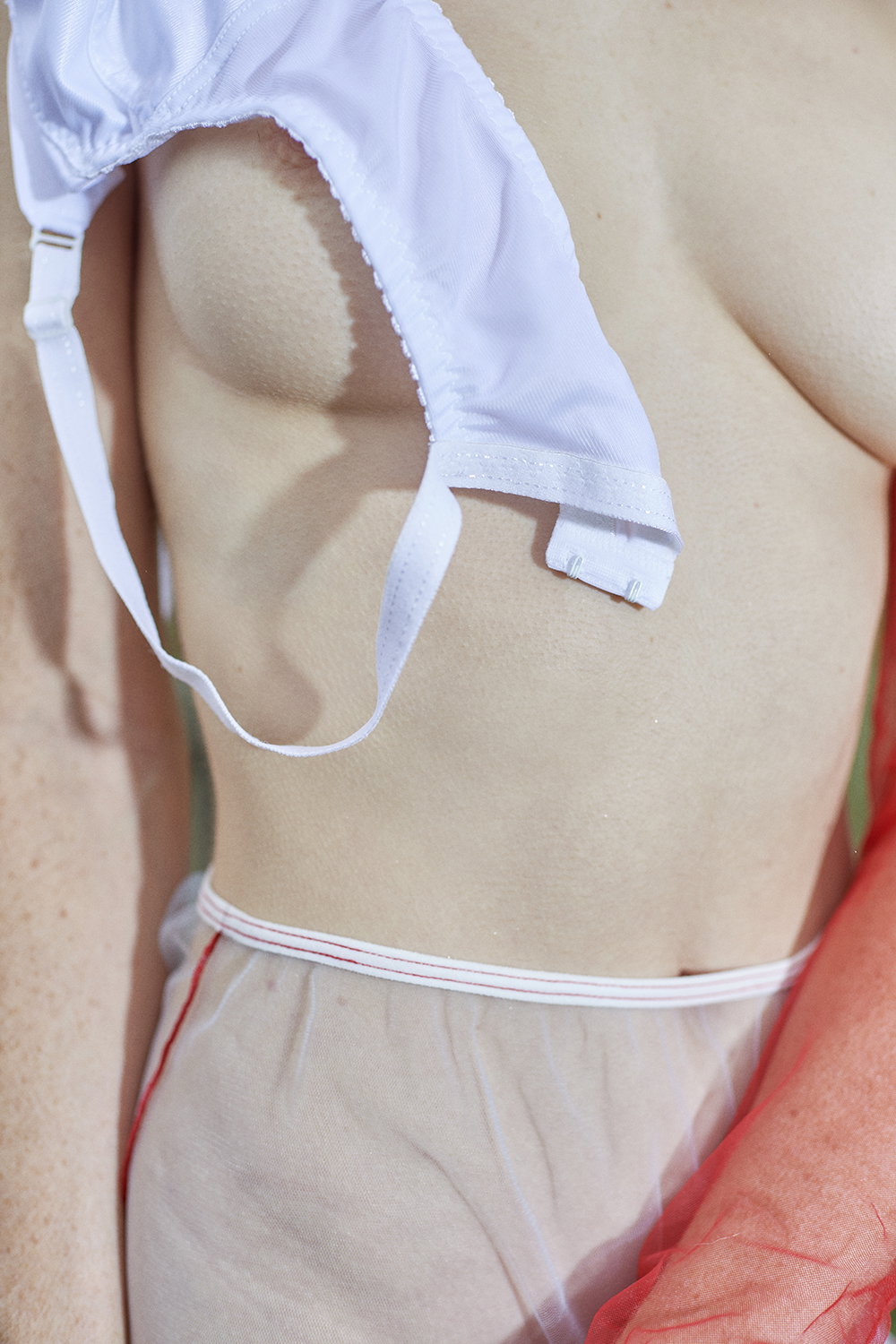
Much of the photographer’s work feels like a soft and sensitive visual enquiry into the prevailing ideas that surround femininity, agency and intimacy, one that can only come hand in hand with a perspective that is divergent from the dominant gaze. “My work reflects my interest in visibility – who is seen, how and under what conditions,” the photographer says. Her series Travailleuses du Sexe seeks to tackle the politics of representation head on by collaborating with sex workers to document people in ways that push beyond stereotypes, while highlighting “the complexity of their lives, identities and working conditions”, she shares. Grounded in each individual encounter, this series – much like Anaïs’ wider body of portrait work – always touches on themes such as “marginality, belonging and personal narrative”, she says.
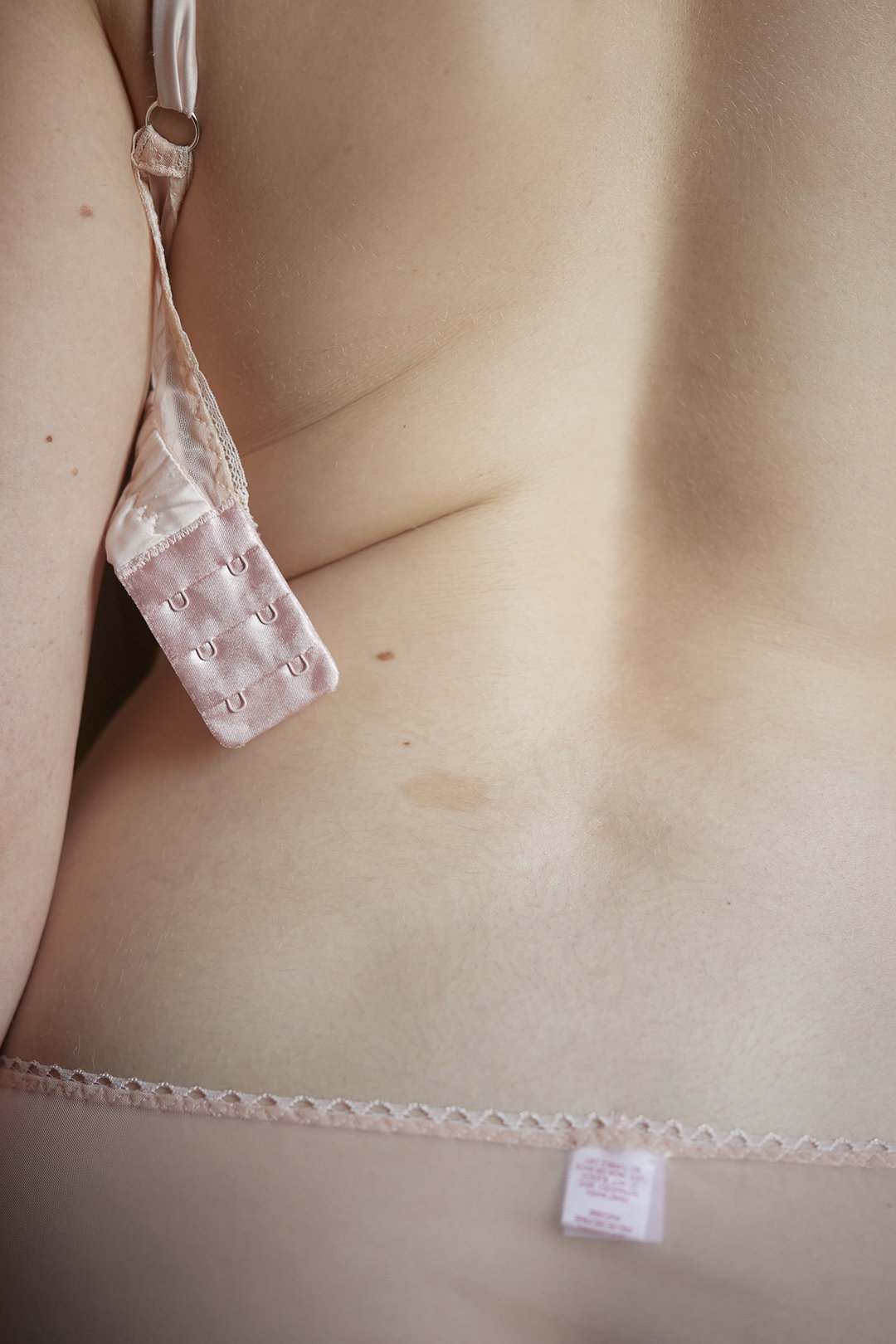
Anaïs Kugel: Laure (Copyright © Anaïs Kugel, 2026)
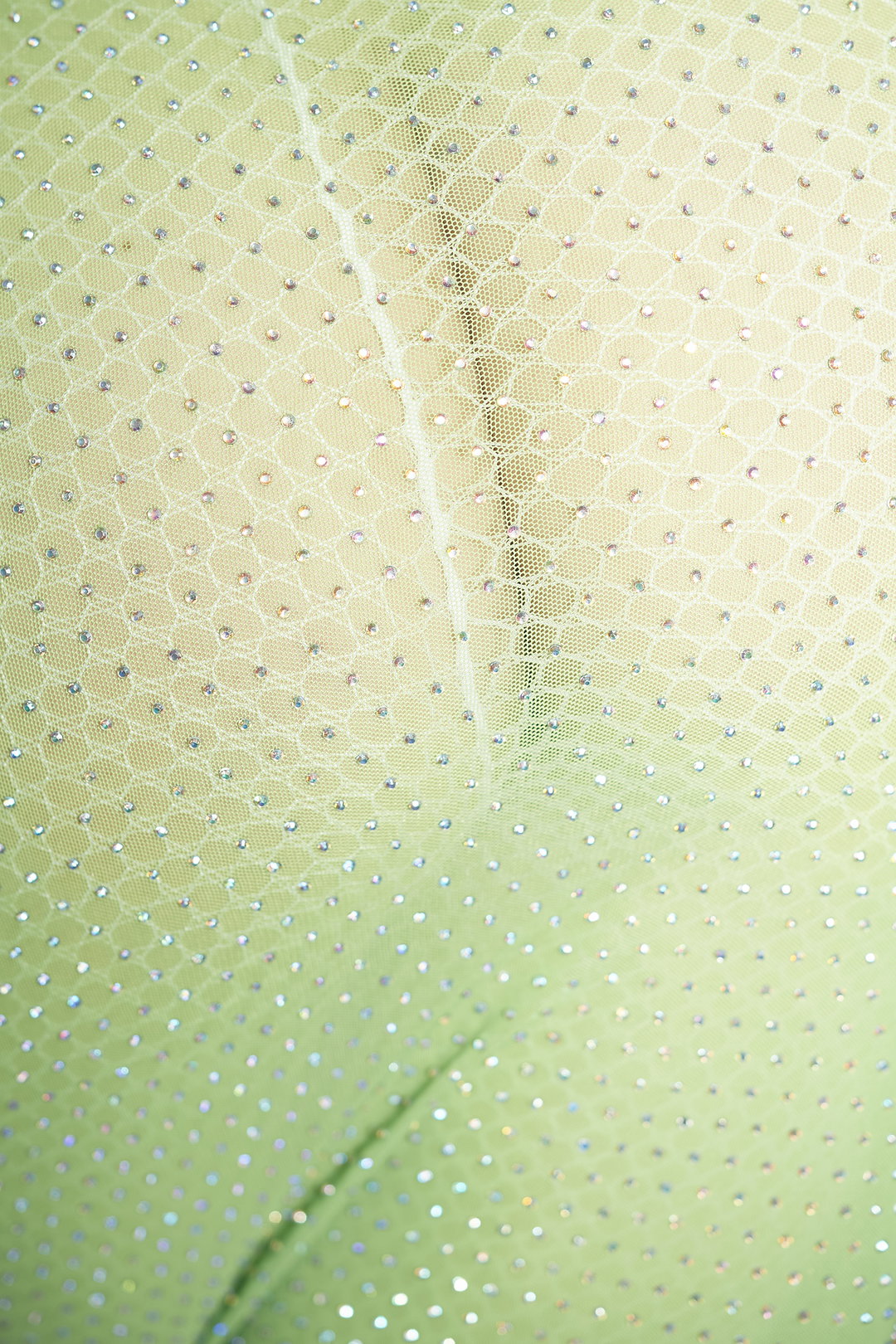
Anaïs Kugel: Celeste (Copyright © Anaïs Kugel, 2026)
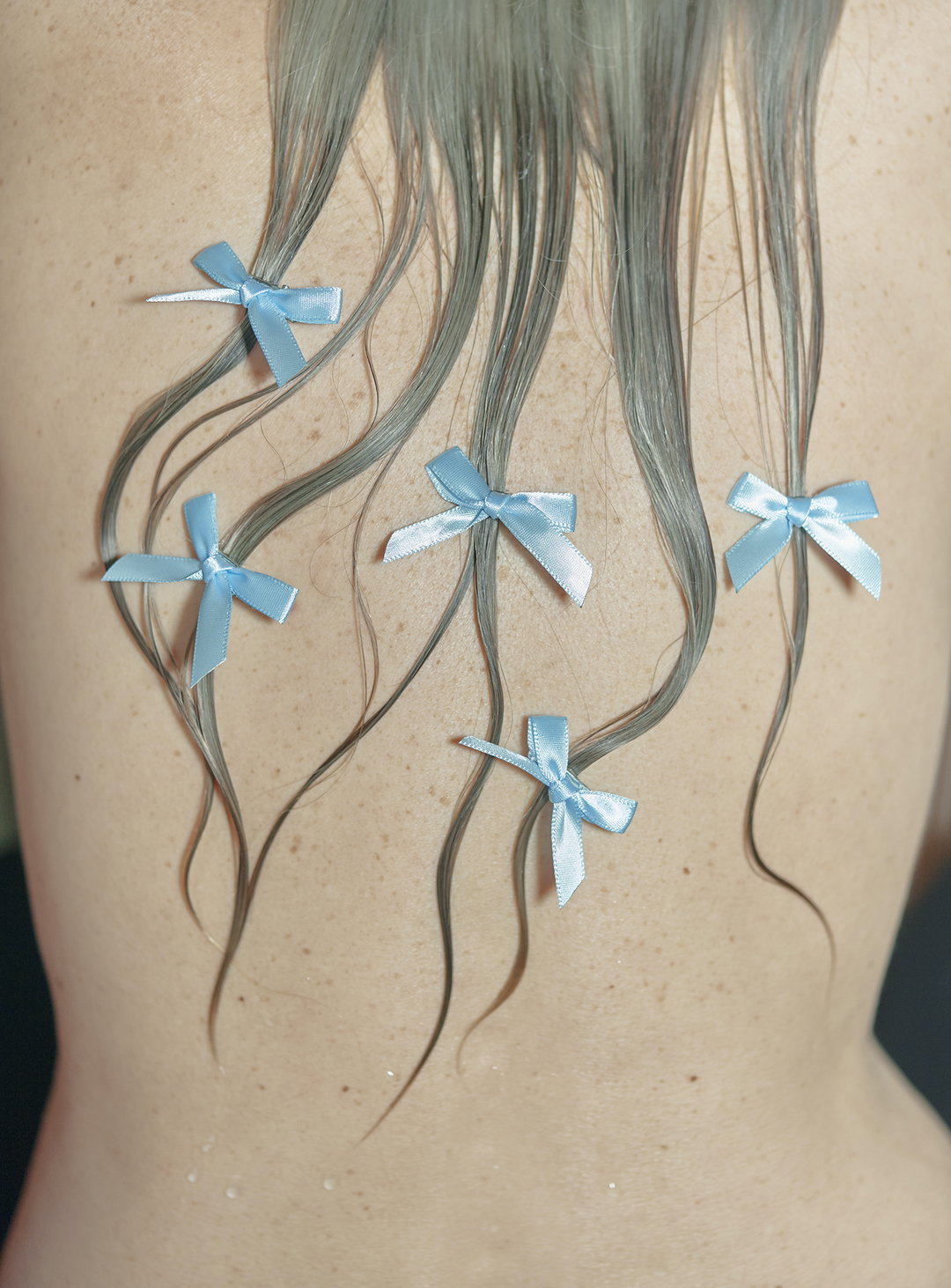
Anaïs Kugel: Mom (Copyright © Anaïs Kugel, 2025)
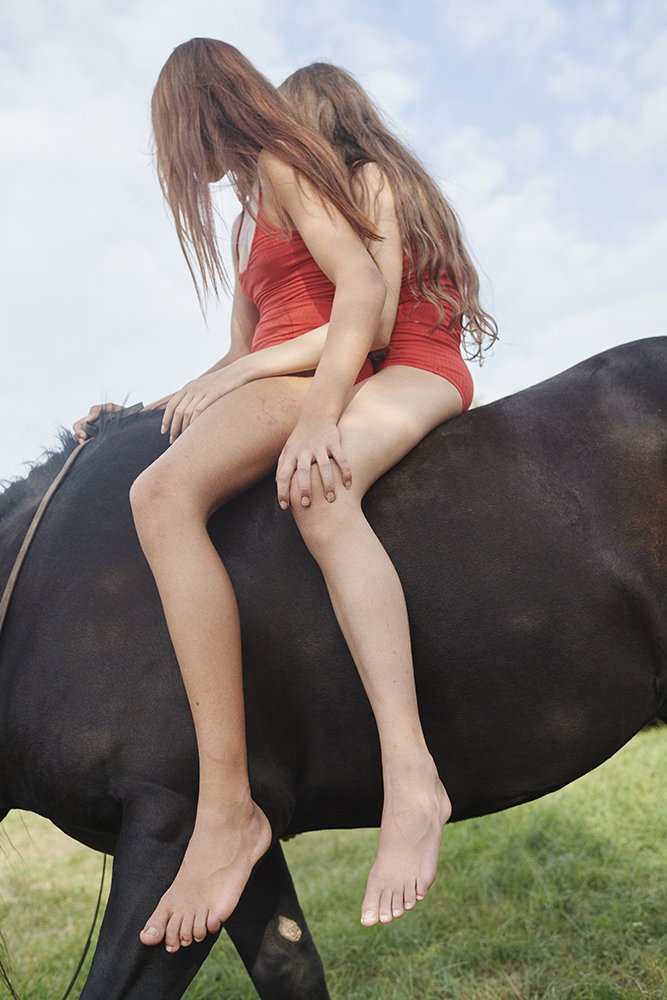
Anaïs Kugel: Thirteen (Copyright © Anaïs Kugel, 2023)
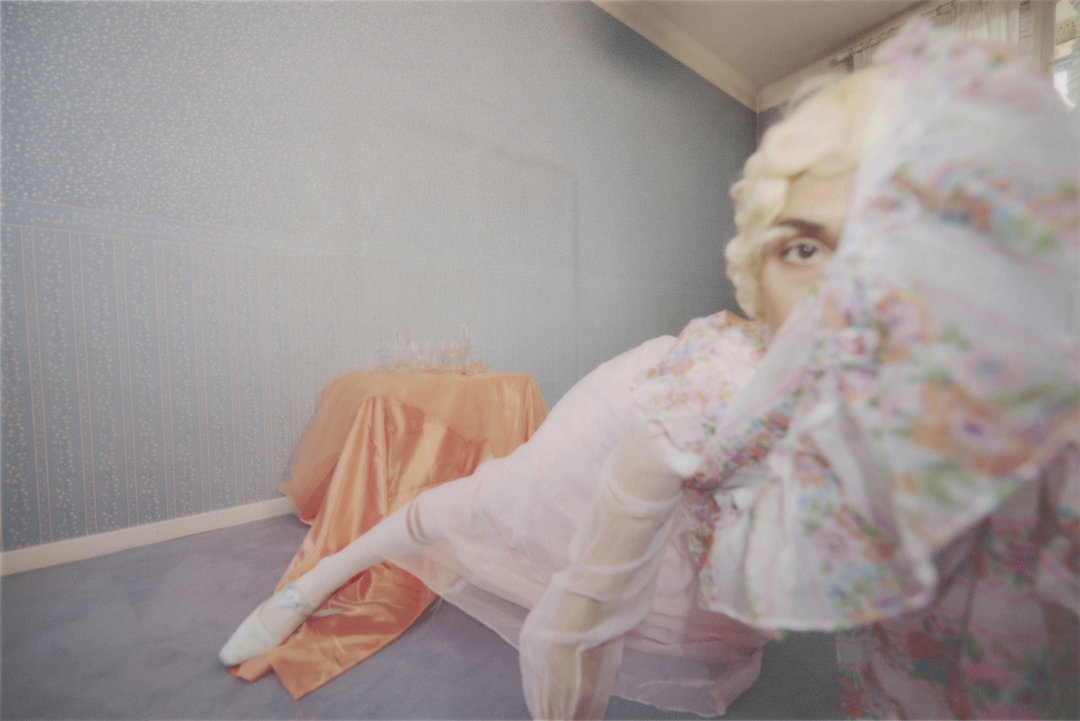
Anaïs Kugel: Pourquoi les mouettes se retrouvent loin de la mer (Copyright © Anaïs Kugel, 2025)
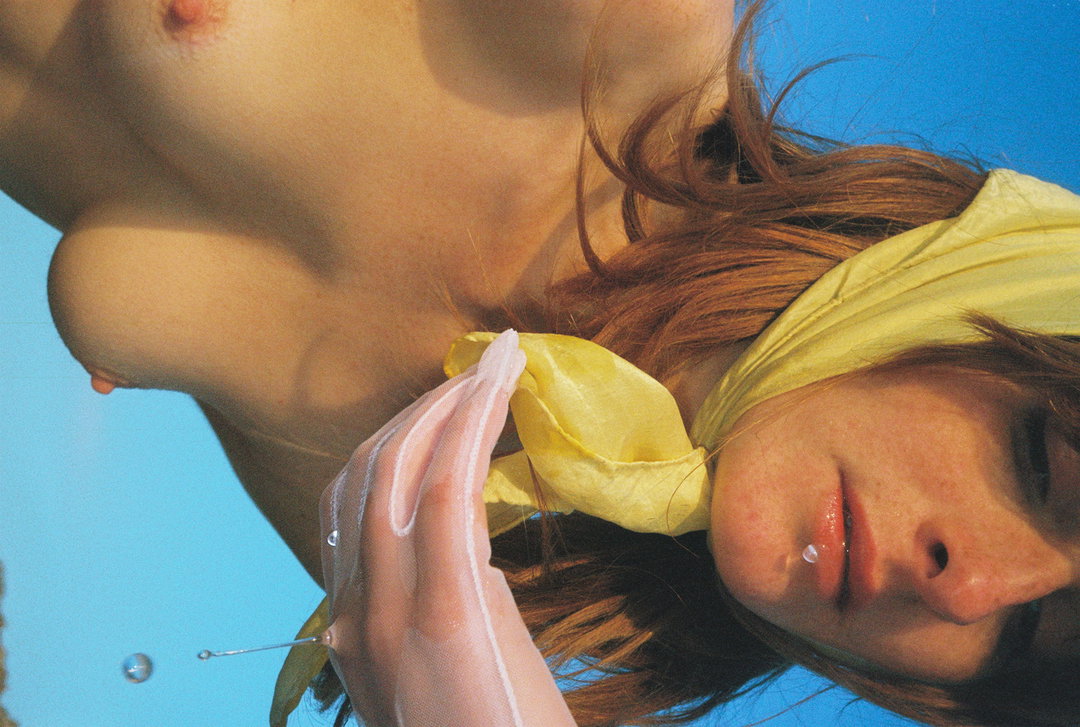
Anaïs Kugel: Figures (Copyright © Anaïs Kugel, 2026)
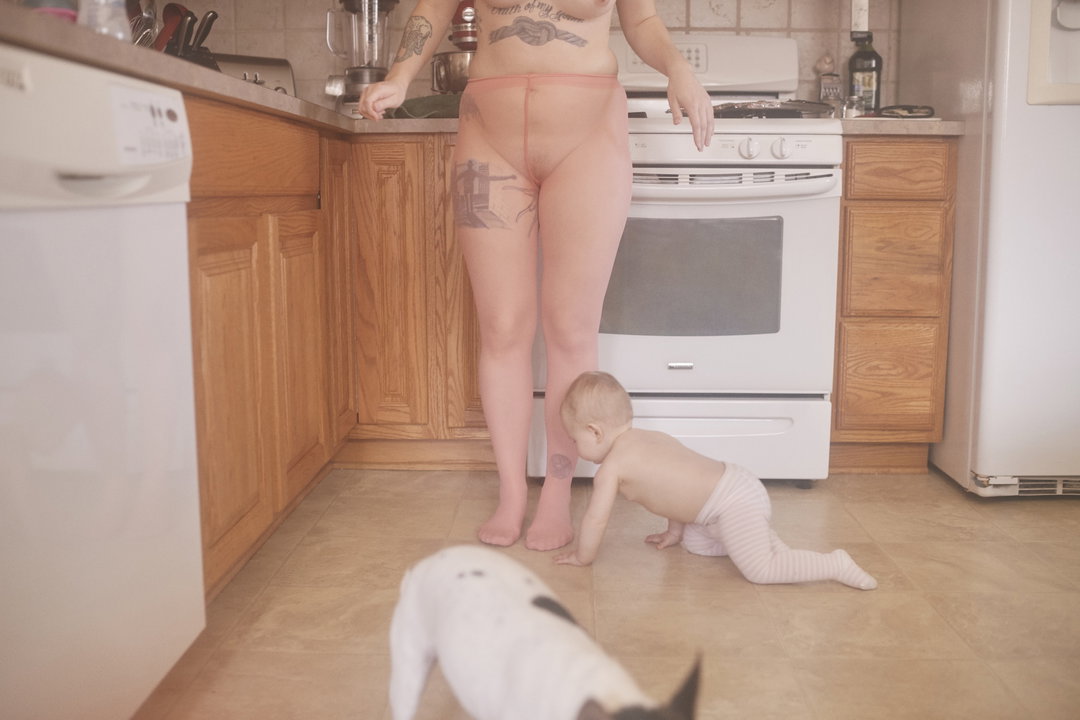
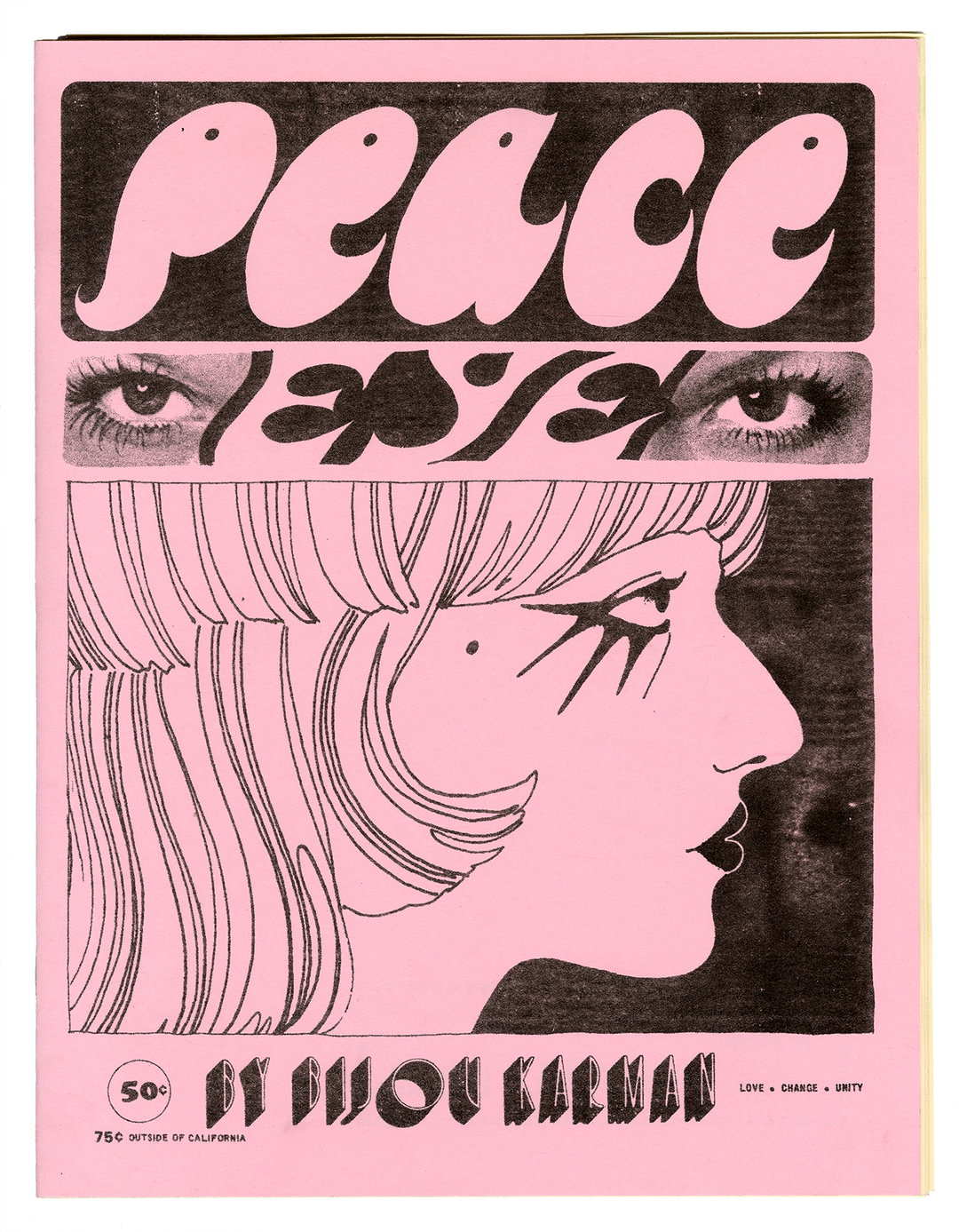
Anaïs Kugel: Motherhoods (Copyright © Anaïs Kugel, 2020)
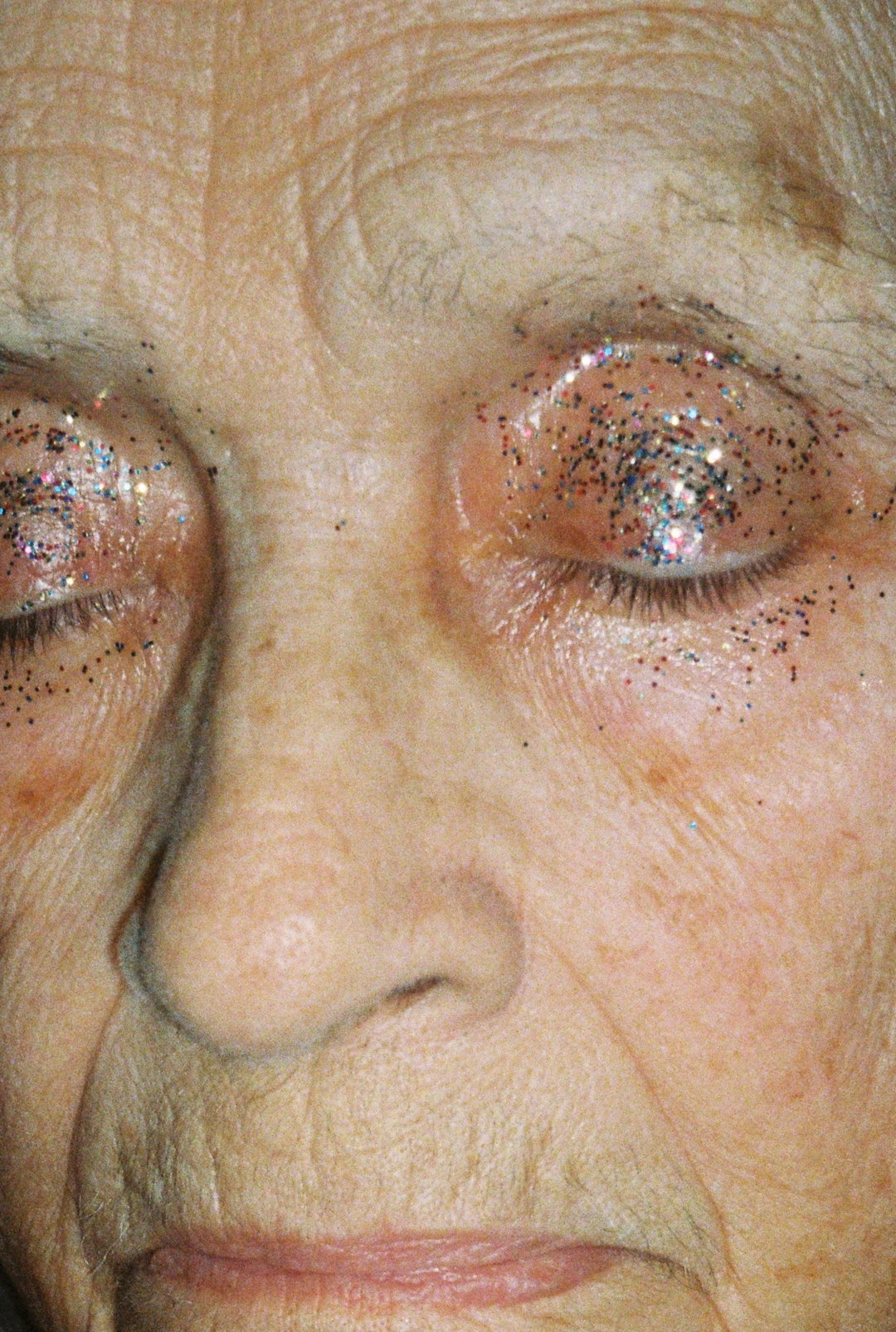
Anaïs Kugel: Grandma (Copyright © Anaïs Kugel, 2023)
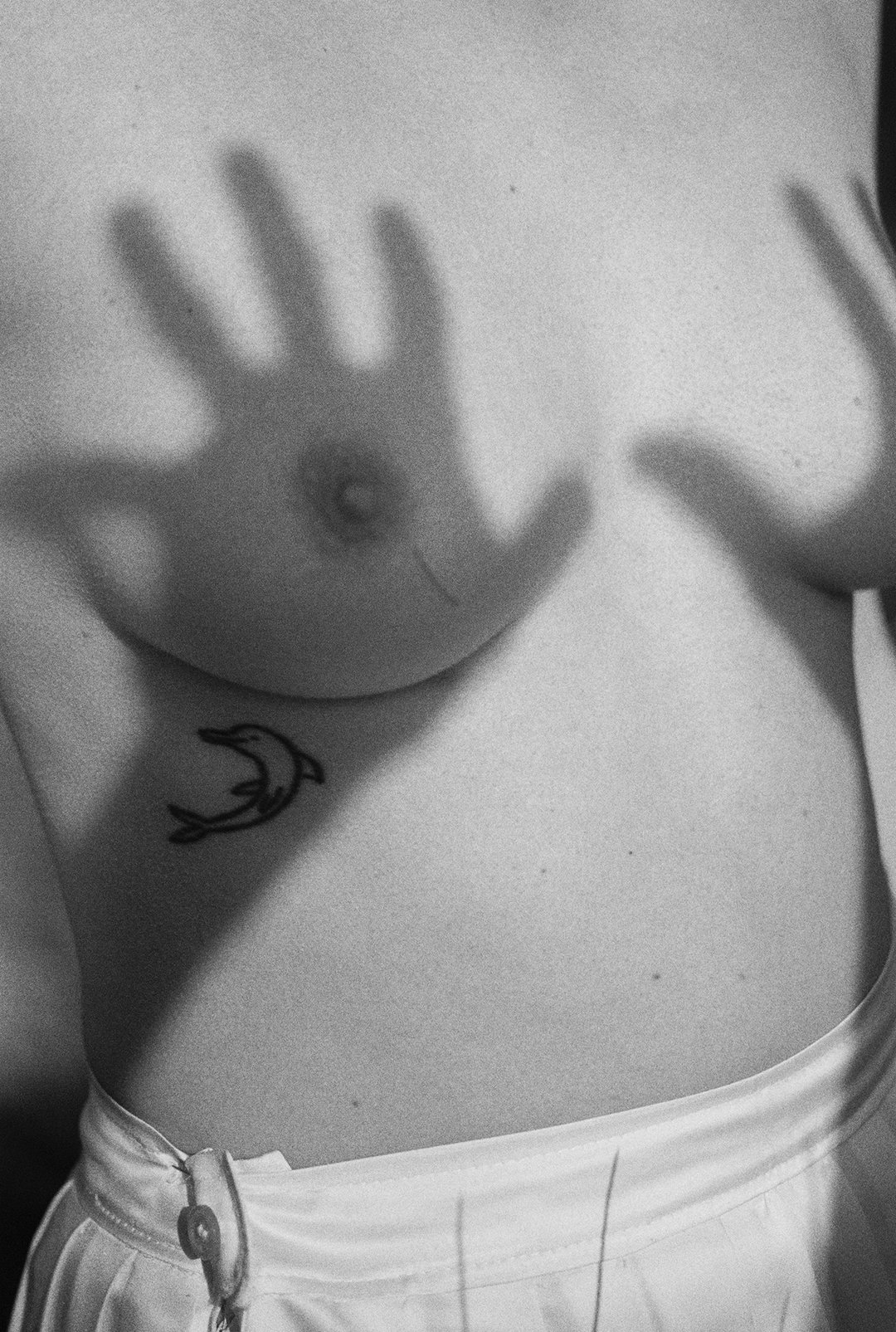
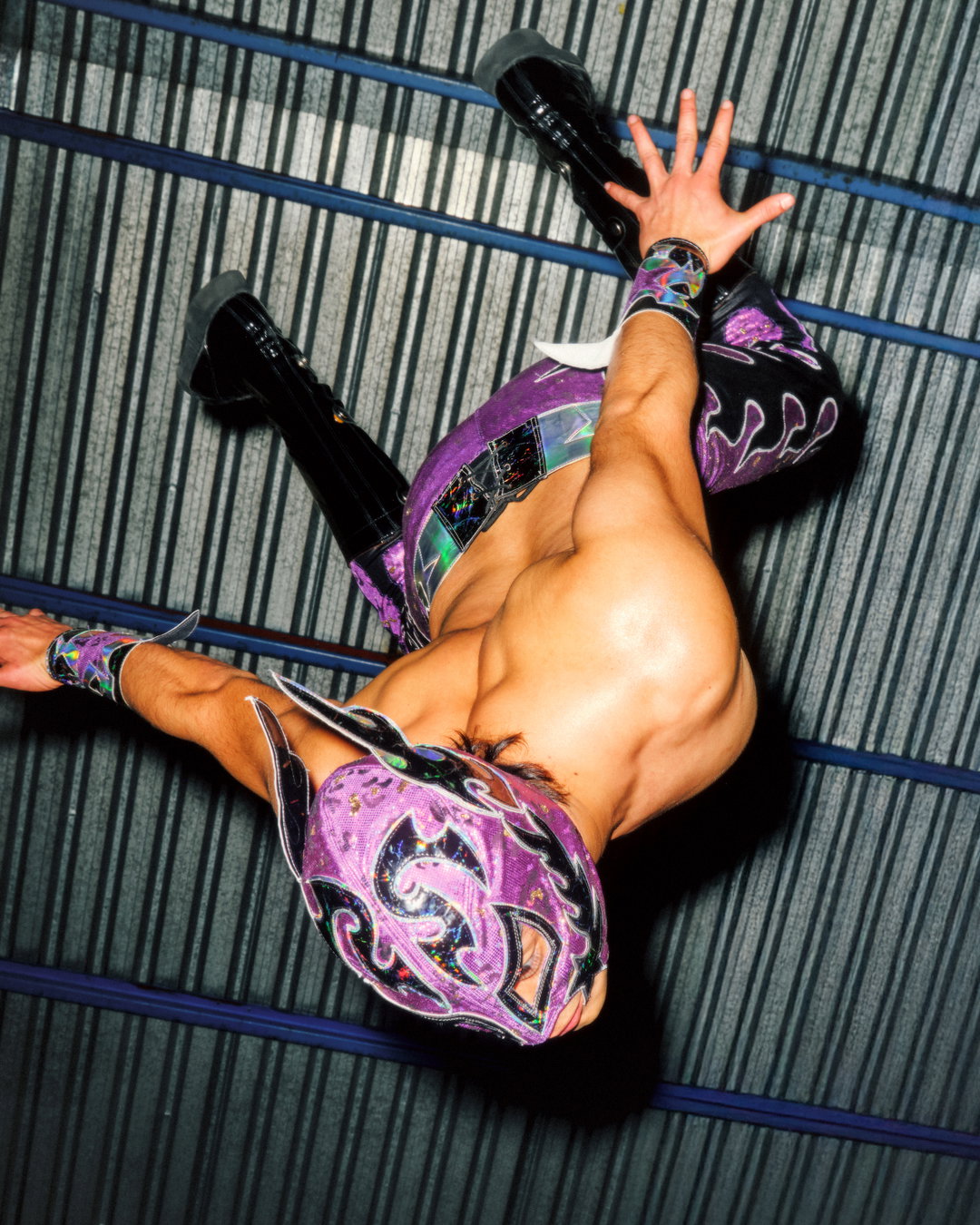
Anaïs Kugel: Figures (Copyright © Anaïs Kugel, 2026)
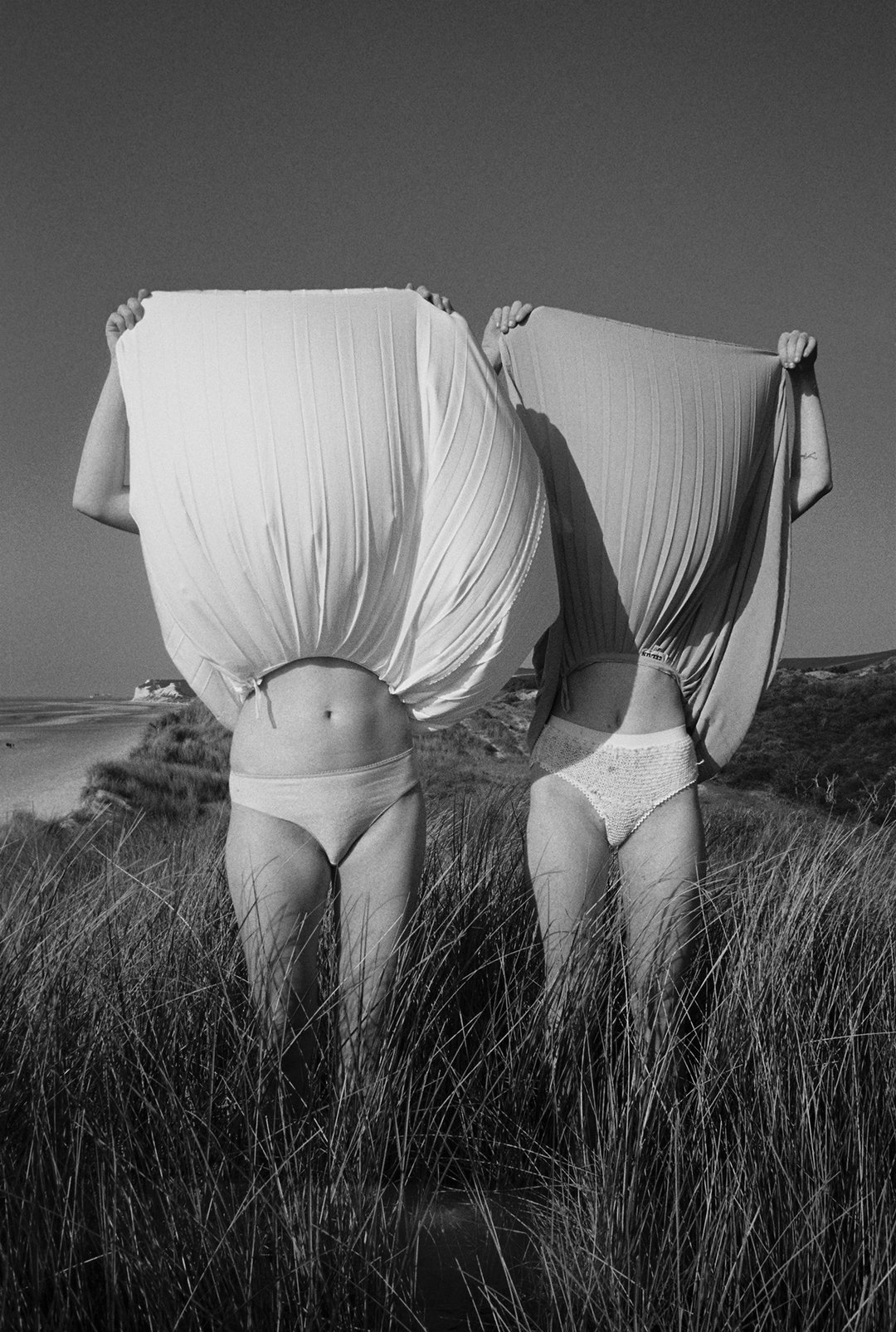
Anaïs Kugel: Figures (Copyright © Anaïs Kugel, 2026)
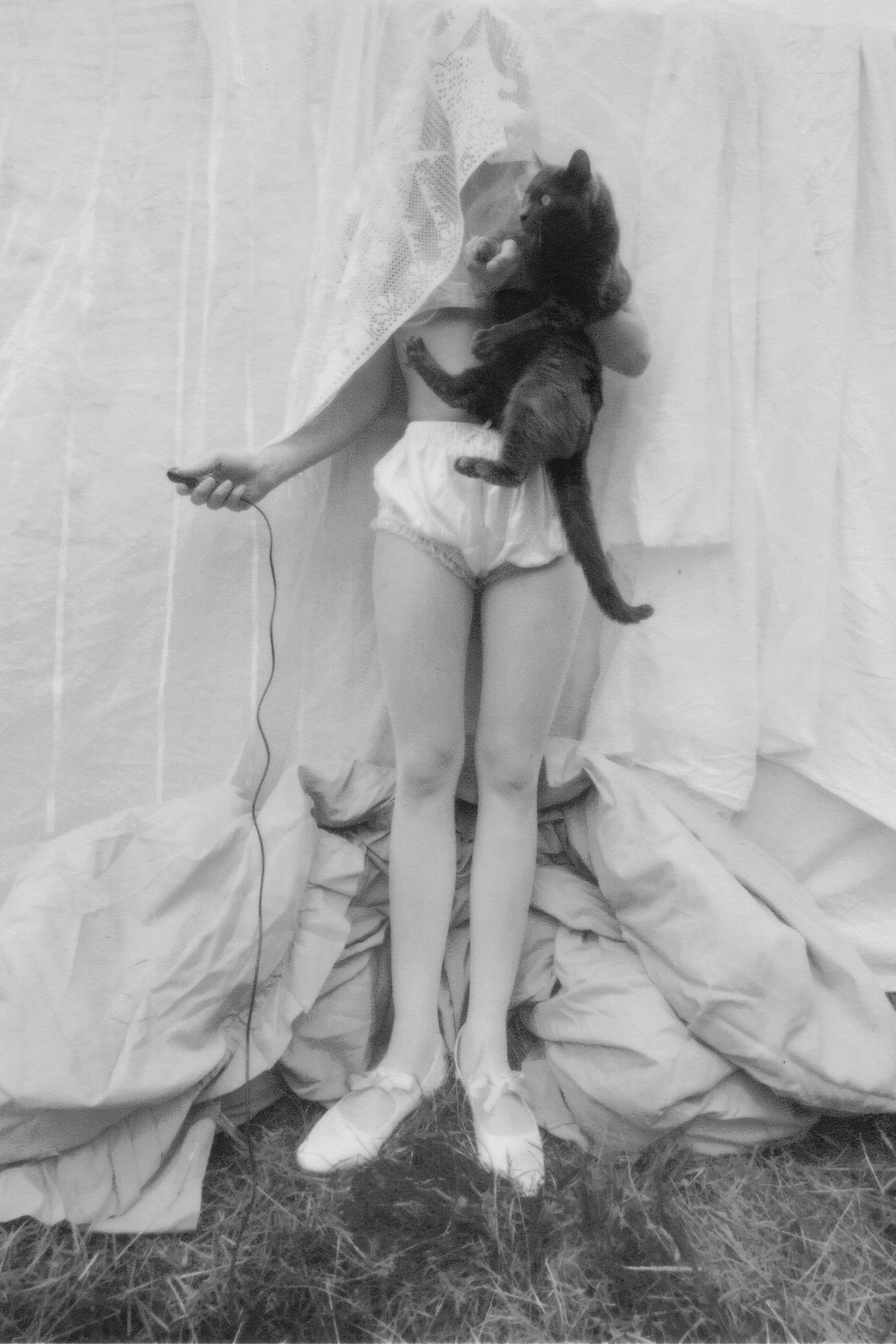
Anaïs Kugel: Pourquoi les mouettes se retrouvent loin de la mer (Copyright © Anaïs Kugel, 2025)
Hero Header
Anaïs Kugel: Mathilde (Copyright © Anaïs Kugel, 2022)
Share Article
Further Info
About the Author
—
Ellis Tree (she/her) is a staff writer at It’s Nice That. She joined as a junior writer in April 2024 after graduating from Kingston School of Art with a degree in Graphic Design. Across her research, writing and visual work she has a particular interest in printmaking, self-publishing and expanded approaches to photography. ert@itsnicethat.com
To submit your work to be featured on the site, see our Submissions Guide.