How one text can have three readings: Grid Poems by Brian Isett and John Soat
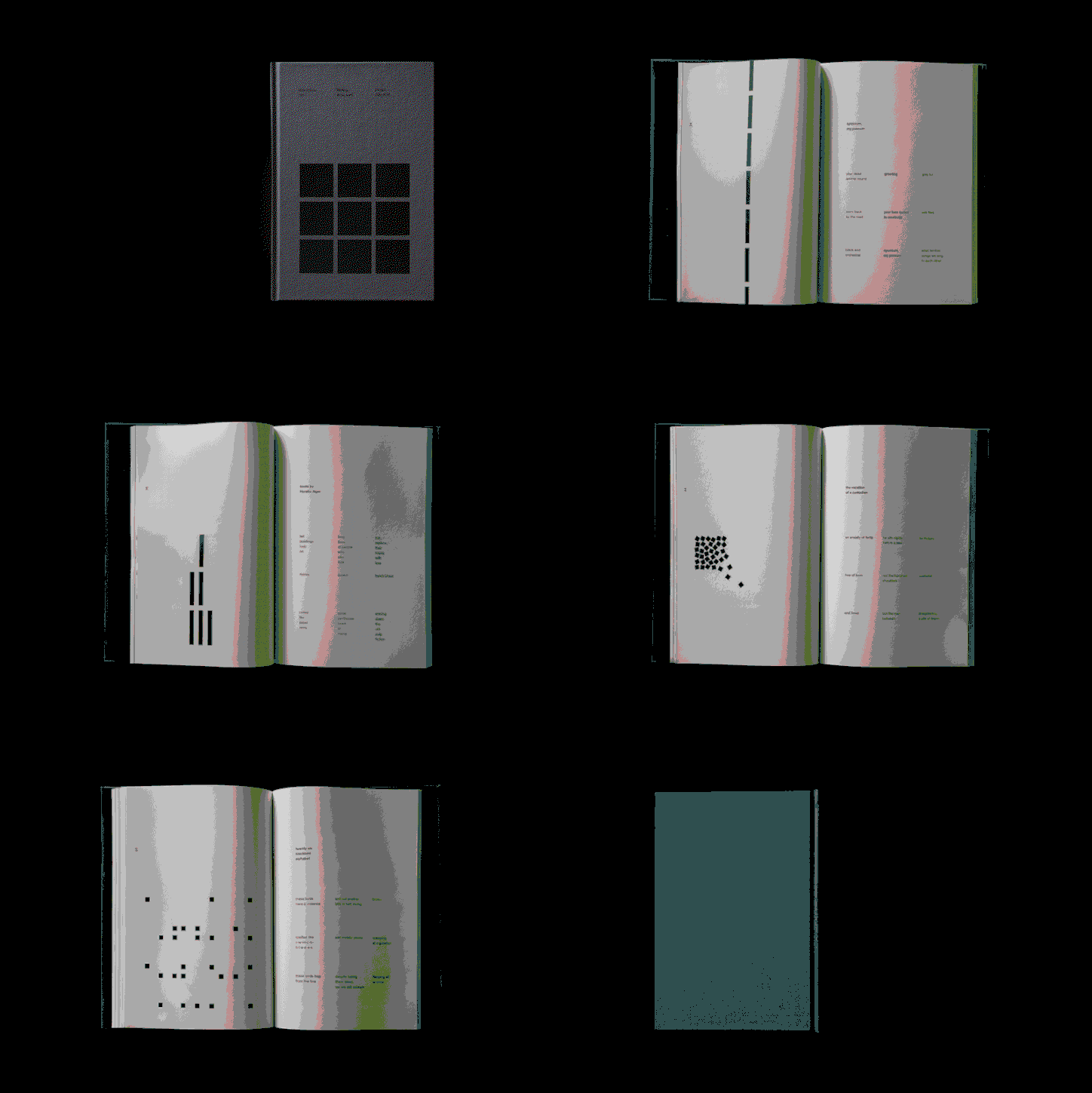
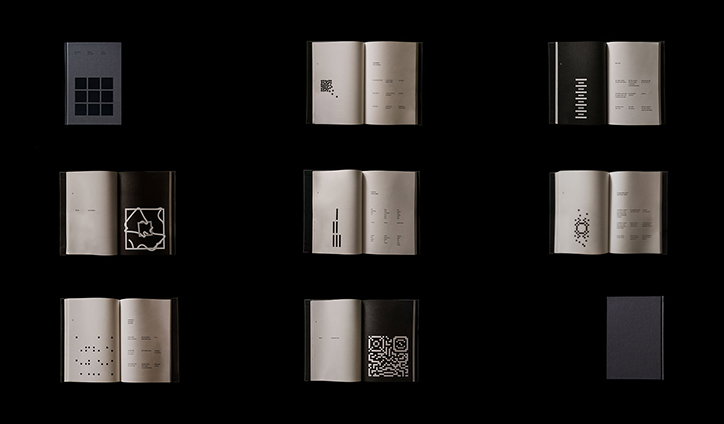
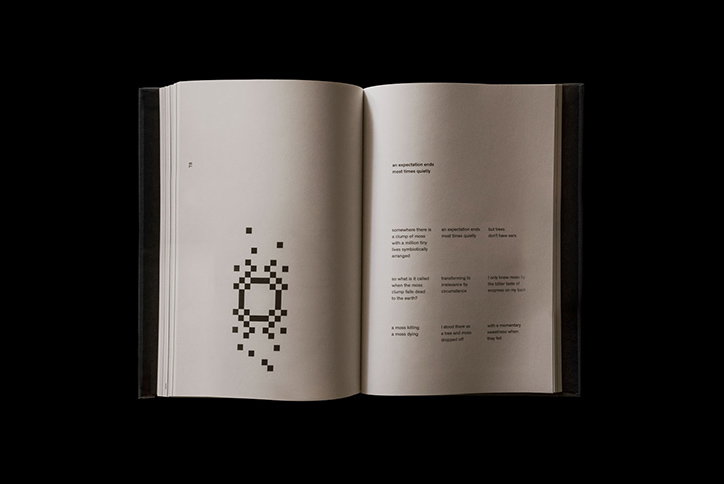
Grid Poems is a book of three-by-three arrangements of lines which allow for two different readings: top-to-bottom and left-to-right, part haiku, part sudoku. A third reading is enabled through the inclusion of illustrations which follow the book’s uniform grid in some way – the negative space created between the gutter of each text box became the line weight for each illustration, and the length of every box, line, circle, wave, or particle was constrained to the exact grid the poetry rests on. Grid Poems is the result of a collaboration between Brian Isett and John Soat.
Pennsylvania-Born Brian Isett, who is the author of Grid Poems, studied Biology but during his studies also wrote poetry and short fiction. It was during this time that he realised he didn’t fit into either the writing world or the scientific world and so projects such as Grid Poems provided a space for him to explore both his interests. Grid Poems was inspired by concepts he encountered whilst earning a PhD in neuroscience at Berkeley.
Grid Poems was designed by John Soat, who, originally from Wisconsin, has been working as a designer in San Francisco and New York for ten years now. His work historically focused on illustration and printmaking, however, more recently he began to prioritise more personal projects and started an art and design collective called Point in Passing alongside Eric Rieper. Grid Poems was created during a year-long artist residency at the New Museum in New York City.
The collaboration came about after the pair both attended a wedding last July, where Brian shared that he had been working on Grid Poems for quite a while. John, who is an avid fan of Josef Müller-Brockman, was captivated by the idea and immediately saw the potential of how this could work in tandem with a visual element utilising the “sacred grid.”
The theme of the poetry itself is centred around the phenomenon of “multi-stable perception,” which is the theory behind the Necker cube optical illusion. “Essentially, some information in the world is so convincing, and yet so ambiguous, that we will notice our perception spontaneously switching between two very different interpretations,” explains Brian. The poems adhere to this theory, featuring grammatical ambiguity allowing for two perspectives to emerge from the same text. It provides a unique way of reading poetry that explores pivoting subjectivity and how this can expose miscommunication, disillusionment and loss.
The illustrations on the other hand are someone else’s reading of the poems – both figuratively and literally. They offer interpretations of the poems that are inspired by, but not constrained to, the words on the page. “I like to think of the written poetry as the conscious element of the book whereas the illustrations represent the subconscious,” John told us. The drawings offer an instinctual interpretation of something prior to ever reading a word. Each illustration acts as a “narrative glyph” by creating the most reductive but expressive reading of the poetry in order to convey an emotion or atmosphere.
Brian Isett and John Soat: Grid Poems
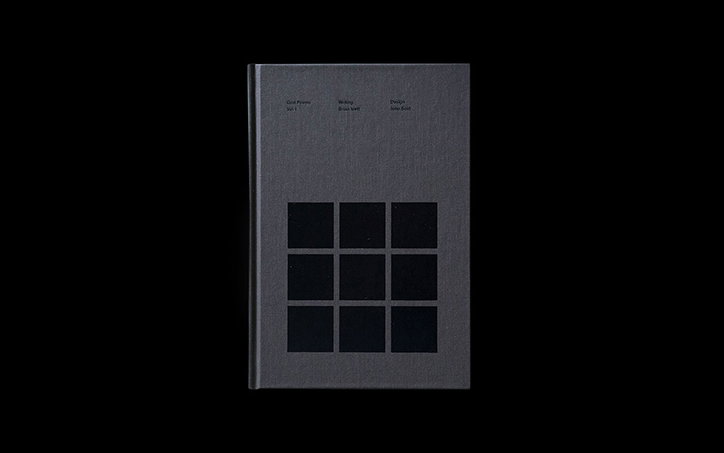
Brian Isett and John Soat: Grid Poems
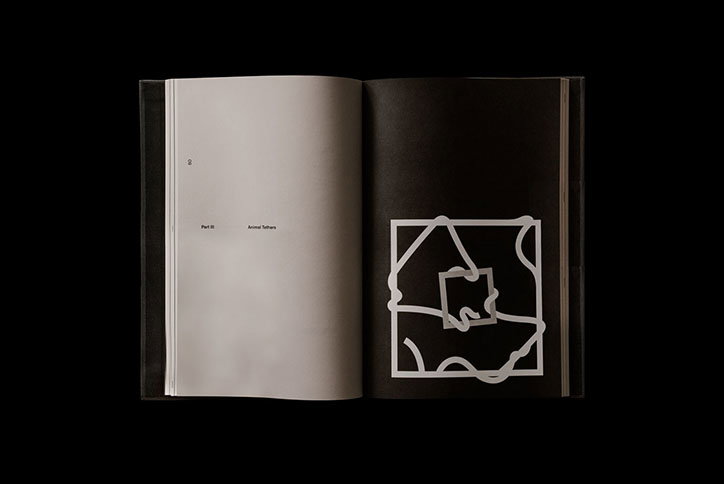
Brian Isett and John Soat: Grid Poems
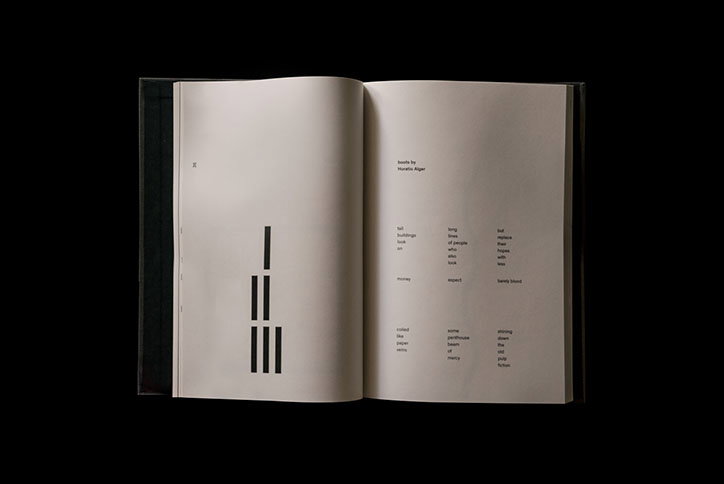
Brian Isett and John Soat: Grid Poems
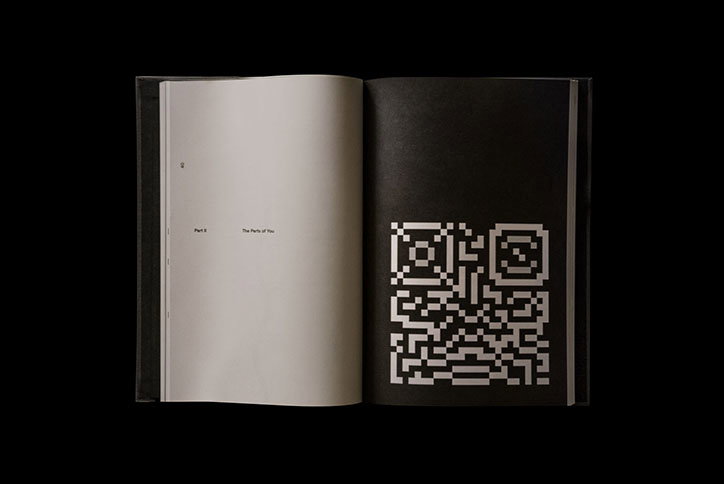
Brian Isett and John Soat: Grid Poems
Brian Isett and John Soat: Grid Poems
Share Article
Further Info
About the Author
—
Ruby is Senior Creative at It's Nice That, overseeing our visual output across platforms and projects. Before that, she was associate editor on the editorial team, after joining in September 2017 following graduation from Central Saint Martins.