Carl Herner deconstructs garments with his non-traditional approach to digital design
“I don’t remember when exactly, but around the age of 16, I decided that I wanted to be a graphic designer,” Carl Herner tells It’s Nice That. The Stockholm-based graphic designer grew up in the city’s suburb, which he describes as “a bubble, a quite wealthy and segregated area where everyone wanted to fit in.” From not wearing the right brands to the “elitist vibe” that looked down upon people pursuing creative projects, Carl was desperate to meet new people and a new way of life.
“I remember hating being the only kid with a Macintosh at home while all the other kids had Windows because I couldn’t play any computer games,” Carl says. “I guess on the flip side, that was how I first got into Photoshop.” He tells us about his first experiment on the software: drawing his own name with a pen tool and learning how to apply a flame gradient on it. Attending the Gerrit Rietveld Academy in Amsterdam gave him a more conceptual approach, which meant that he had to learn how to visualise his concepts through a range of different mediums. “I was previously very focused on the final result and the medium of choice,” he says. “I like using tools in non-traditional ways or simply in the wrong way.”
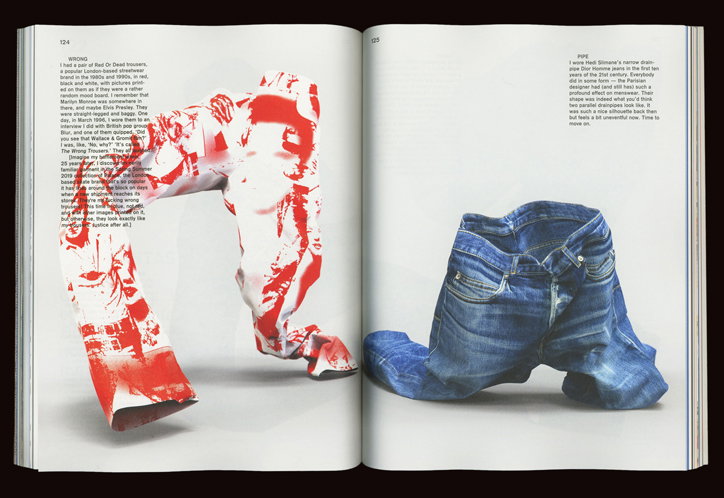
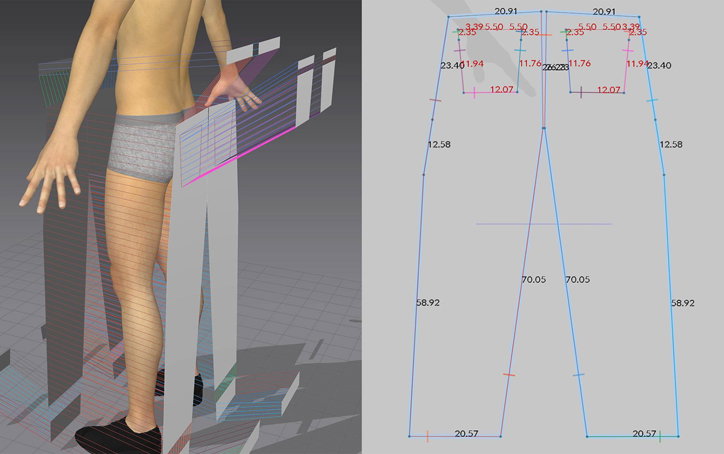
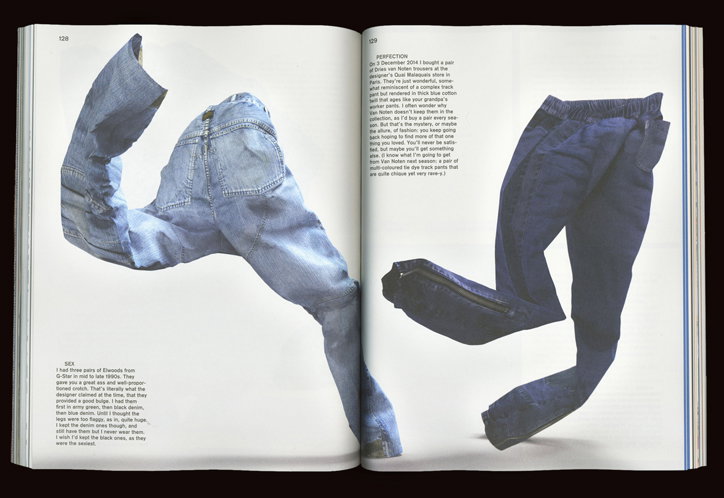
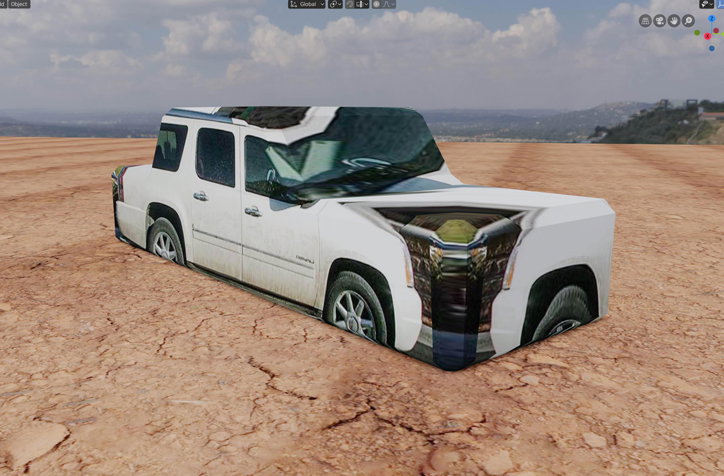
In a recent project with MacGuffin magazine’s Trousers issue, Carl worked closely with 3D software to illustrate an article where Gert Jonkers, Fantastic Man’s founding editor, talks through his favourite pairs of trousers. Having previously worked with the magazine’s art director, Sandra Kassenaar, the article was still missing visuals that could aptly illustrate each pair, so Carl was asked to help do so.
Carl Herner
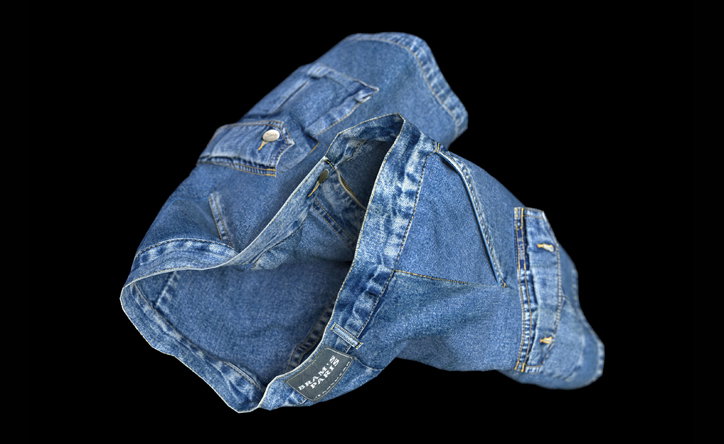
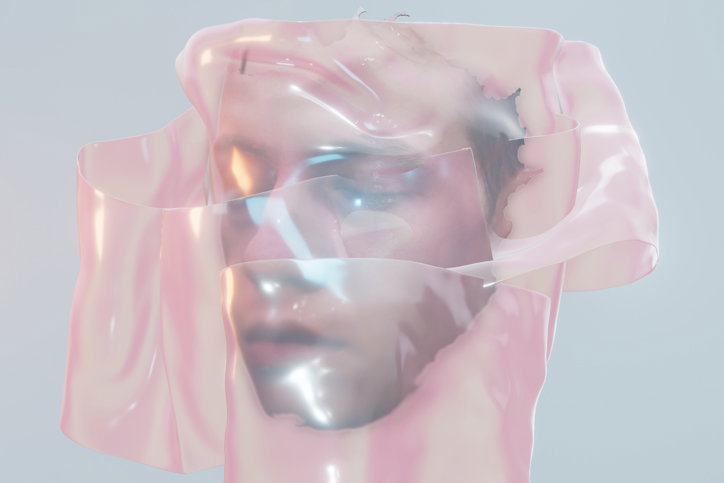
The solution, of course, was to digitally scan real trousers that Sandra has kept in her studio that could then be manipulated digitally. “We started developing a workflow where Sandra scanned each pair of trousers in small parts and then sent me the high-resolution scans. After marking the seams on each pattern piece, I simulated how the pieces would stitch together around a body forming a complete 3D model,” he explains. The final step was creating a texture map by stitching together these scanned images and applying it to the 3D model.
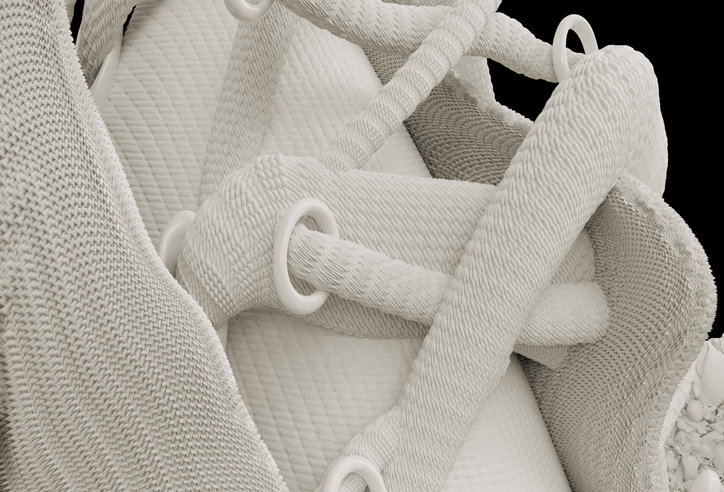
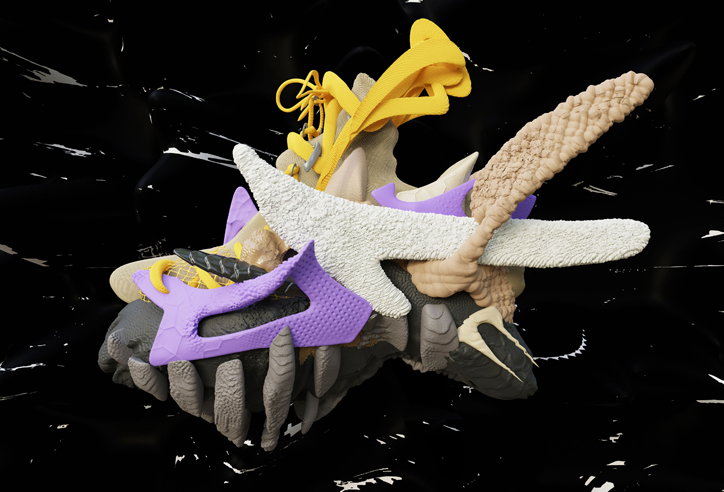
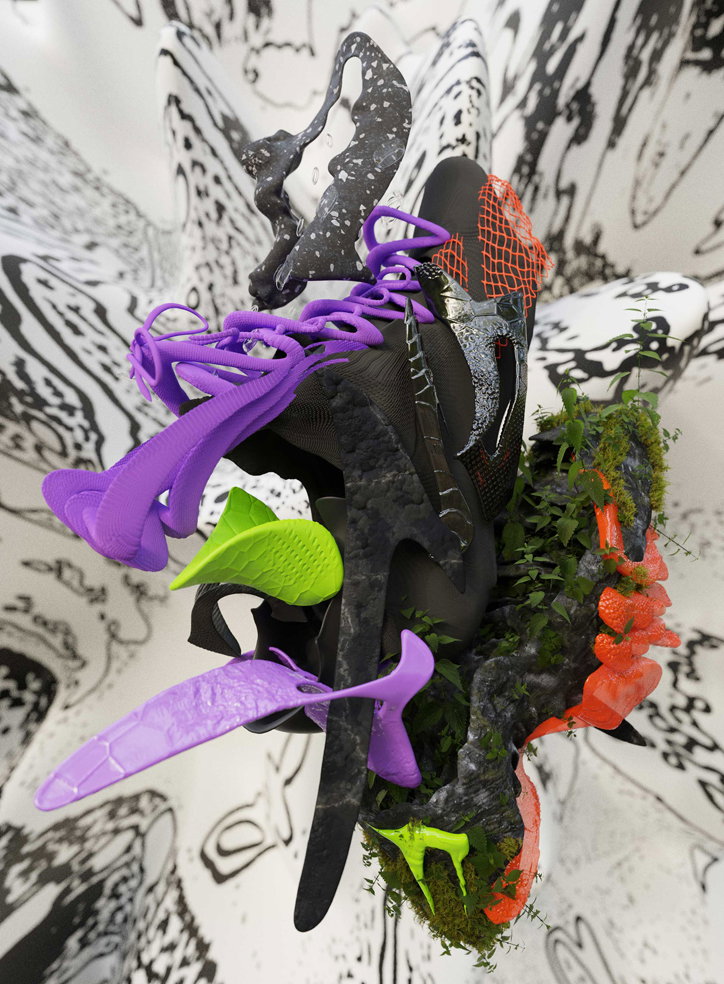
Another 3D-oriented project for Perplex! magazine came from a brief he received from his instructors at Rietveld, who asked him to contribute illustrations for an article about running. By re-considering the textures, shapes and functionality of the different parts of running shoes, Carl illustrates the fluidity of the act of running. “The shape of the deconstructed sneakers become more of a reference to this movement and of this state of flux, rather than inhabiting the properties of a functional running shoe,” he explains.
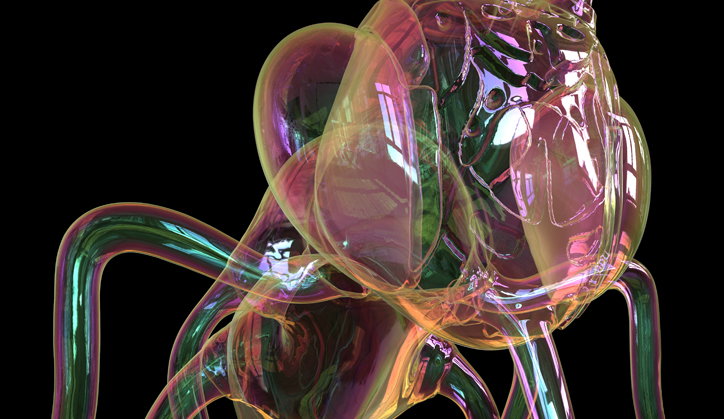
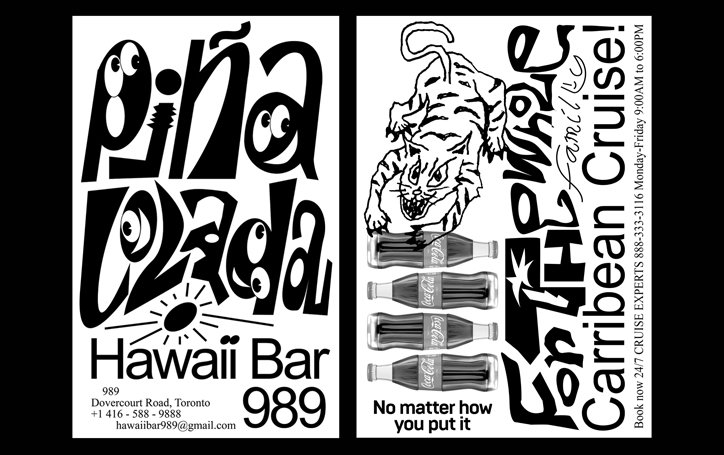
Like many other designers, Carl isn’t just satisfied with working with tools with how they come in the box. “When I discover an aspect of a technique or a piece of software, I like to put that in context with something from outside the digital world, linking the digital to the physical. Looking for new connections and contrasts between the two worlds,” he says. “Humour is an important factor in my life which I feel is completely absent from most digital media.”
Currently working on a music video for Belgian pop duo Promis3 and an animation project for Balenciaga, he plans to continue to create these fictional environments, finding the magic behind these visual tools. The images he produces, sometimes manifesting as visual puns, reflect this affinity for humour and his knack for finding inspiration across different media.
Carl Herner
Carl Herner
Carl Herner
Carl Herner
Carl Herner
Carl Herner
Carl Herner
Carl Herner
Carl Herner
Share Article
Further Info
About the Author
—
Alif joined It's Nice That as an editorial assistant from September to December 2019 after completing an MA in Digital Media at Goldsmiths, University of London. His writing often looks at the impact of art and technology on society.