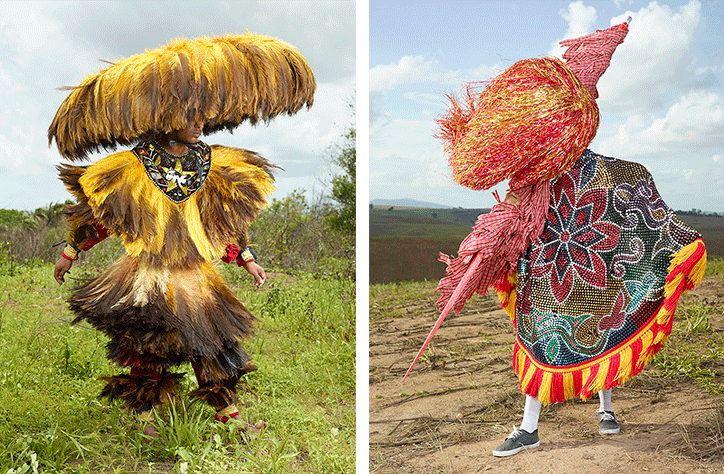
Charles Fréger photographs the sartorial subversion of colonial narratives
In 2010, photographer Charles Fréger embarked on his extensive and ongoing photographic series focusing on the theme of masquerades as a traditional practice integral to indigenous histories. The series now consists of three books: Wilder Mann, on representations of the mythic figure of the wild man in wintery Europe, Yokainoshima, on the festival costumes of rural Japan, and – published this year – Cimarron, on the costumes worn by the descendants of former slaves across North and South America.
The photographs comprising Cimarron document extravagant masquerades across the Americas which represent the histories and ancestries of the African diaspora, performed by the living descendants of those who had to establish new communities and identities having escaped from slavery. As Charles describes the project: “In a geographical space stretching from the southern United States to Brazil and including fourteen countries, I draw up a non-exhaustive inventory of masquerades practised mainly by the descendants of African slaves, celebrating the memory of their peers and their unique cultures.”
Charles’ title, he tells us, “initially refers to the fugitive slave in the Hispanic colonial world, and then gives birth to the term ‘maroon’, which evokes, in the post-1848 period, the abolition of slavery and the heroic figure of the person resisting oppression.” This focus casts Cimarron in a slightly different light to the previous two studies, which are based in the deeply rooted practises of long-established indigenous communities. As Charles says: “the masquerades here have a very different background; they are not related to rural traditions; they do not aim to pray for a good harvest; their roots are to be found elsewhere: in slavery history. Throughout this corpus, masquerades unfold into one other so that masks, makeup, costumes, ornaments and accessories, African, indigenous and colonial cultures are intertwined, caught in a vertigo of a syncretic movement spanning several centuries. The masquerade is here a territory where one community is confronted by another, a space where the relationship with the oppressor is reinvented, either to mimic it or to reverse it – and always to subvert it.”
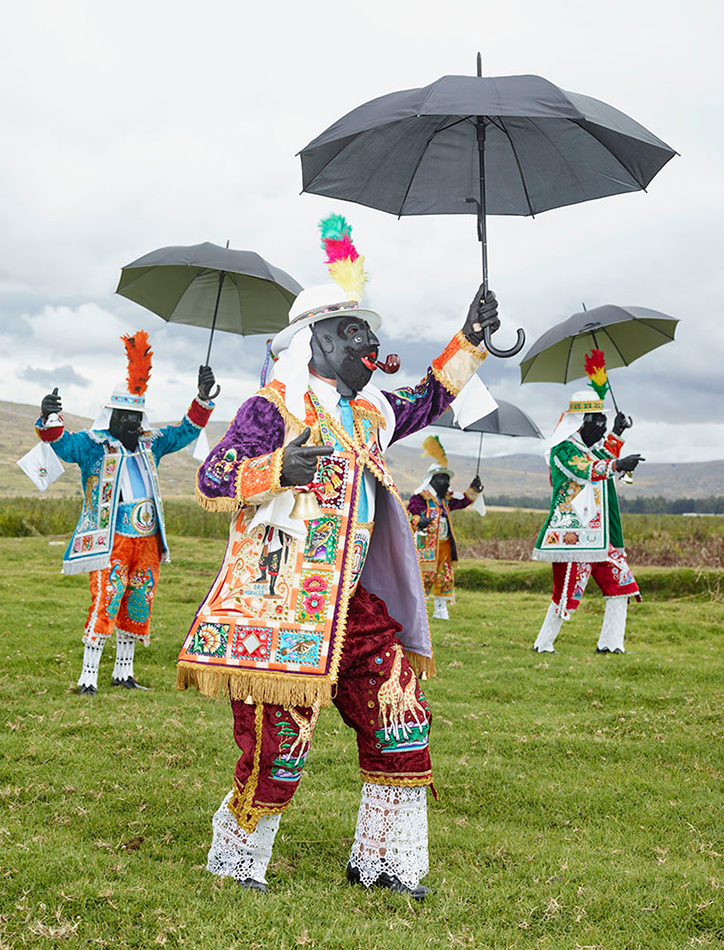
Charles Fréger: Cimarron: Negros Pallandé, Acolla, Junín, Peru
Part photographic project, part ethnographic study, Cimarron, like Wilder Mann and Yokainoshima, is the result of years of research and outreach, conducted in collaboration with communities and researchers located in the countries that feature. As Charles states: “It is an ongoing dialogue before the departure with the researcher to discuss which traditions interest me, which one could echo another or complete it. For this project, I teamed up with Ana Valencia Ruiz, a Columbian anthropologist. She not only did the research for Columbia and Panama but also worked on the texts explaining each tradition featured in the book.” Charles’ emphasis on a research process that involves anthropologists on the ground, and that takes into account the societal and cultural factors at play in the masquerades, means that the project transcends aesthetics and connects viewers of the works to the histories and cultural tensions that inform the costumes.
Speaking of how he establishes a working relationship with the people and communities he photographs, Charles says: “I reach out to people through the means of minute research, for which I have the collaboration of people on site. As I do not want to photograph the people in the context of the carnival or event in which they usually parade, I ask them to meet at another time, which means they dress up specifically for the pictures. The pictures are not fast shots – they involve on my side a great deal of travel and arrangements, and for the person or group I come to meet and photograph it takes some time as the process is very close to a portrait taken in a studio, but taken outdoors. Once I have found the accurate location for the portrait, I work with each of them on their gestures, looking for a dialogue between the environment and the character embodied, trying to visually enhance the most expressive features in them.”
The carnivalesque photographs are stirring and celebratory, yet always, as Charles says, “caught within a net of political and social meanings”. Cimarron, as a visual investigation into masquerade practises, delivers a vivid representation of the history of slavery through its effects on sartorial and performative traditions – where the festive expression of inherited culture, haunted by the spectre of colonial oppression, becomes a way of reclaiming cultural narratives.
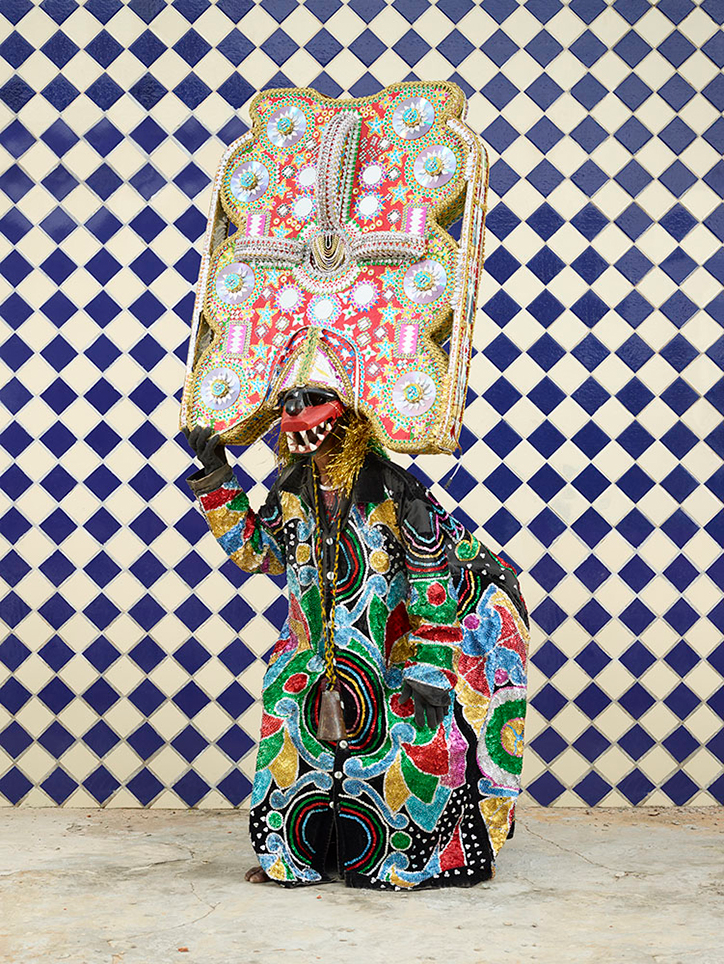
Charles Fréger: Cimarron: Cazumbá, São Luís, Maranhão, Brazil
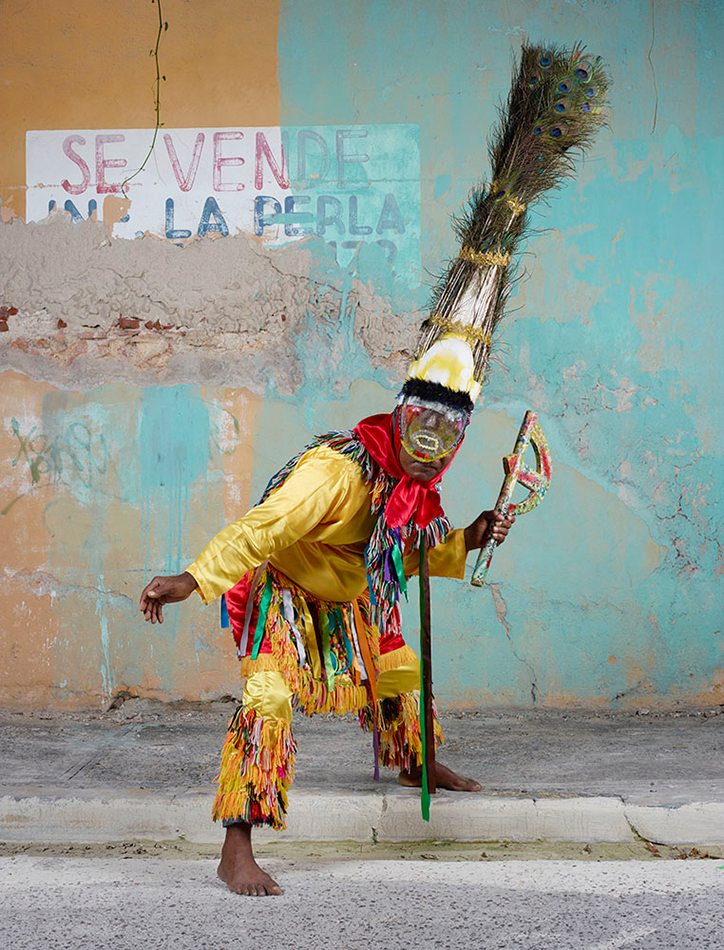
Charles Fréger: Cimarron: Guloyas, San Pedro de Macorís, Dominican Republic
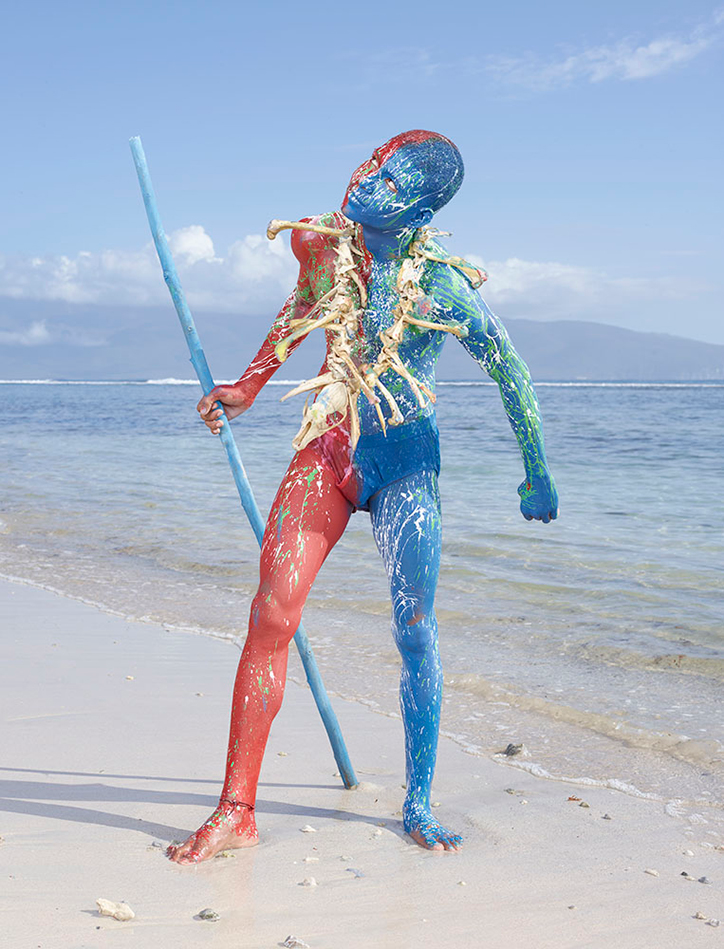
Charles Fréger: Cimarron: Pintao de Barahona, Barahona, Dominican Republic
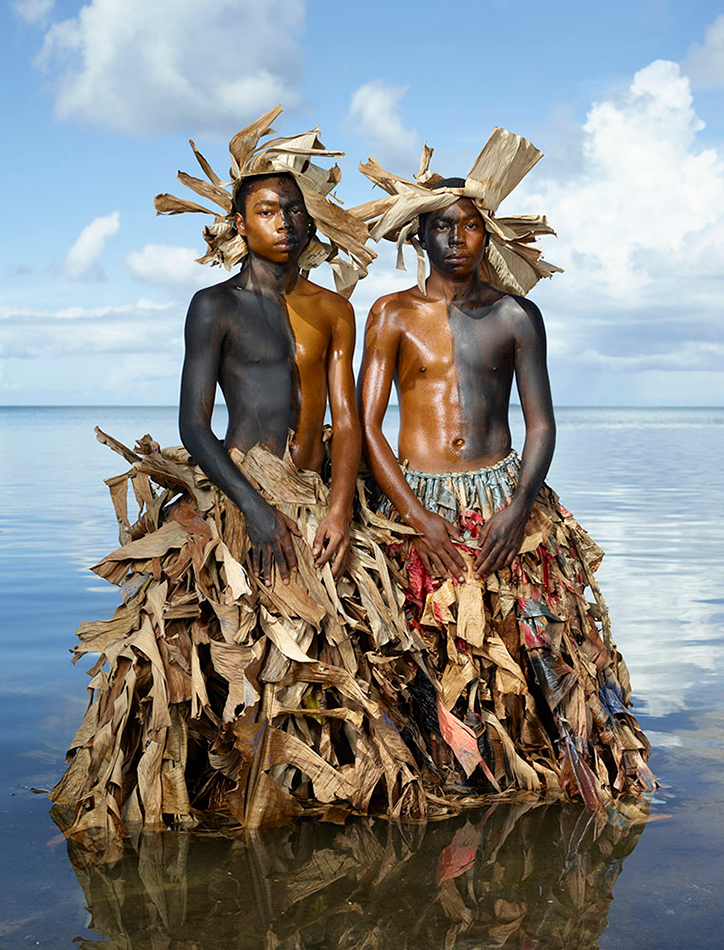
Charles Fréger: Cimarron: Mas a Roukou, Baie-Mahault, Guadeloupe, France
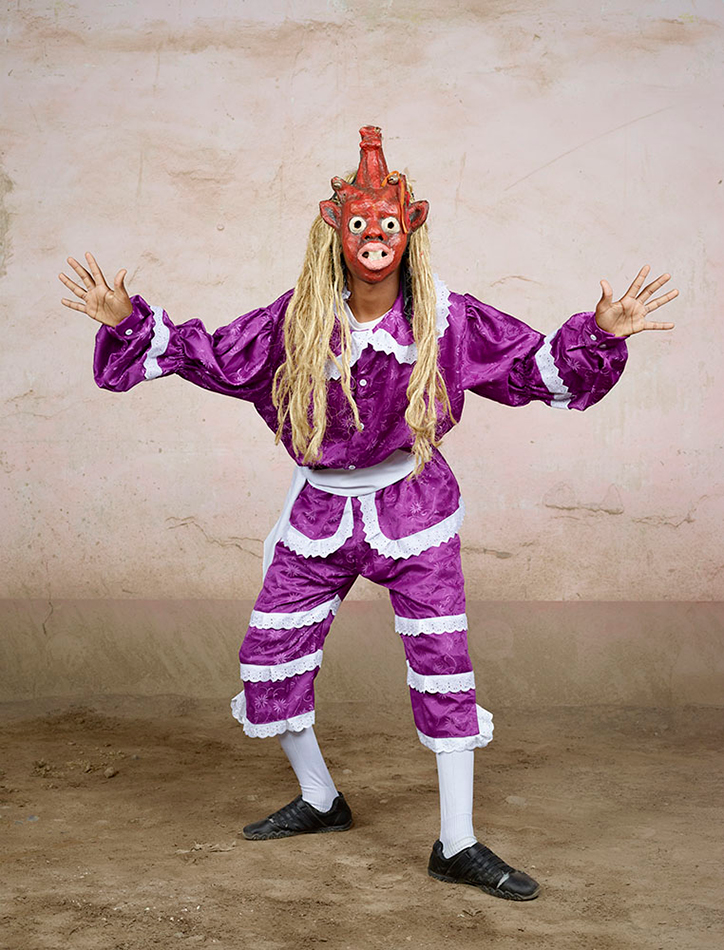
Charles Fréger: Cimarron: Diablos, Son de los Diablos, El Carmen, Chincha, Peru
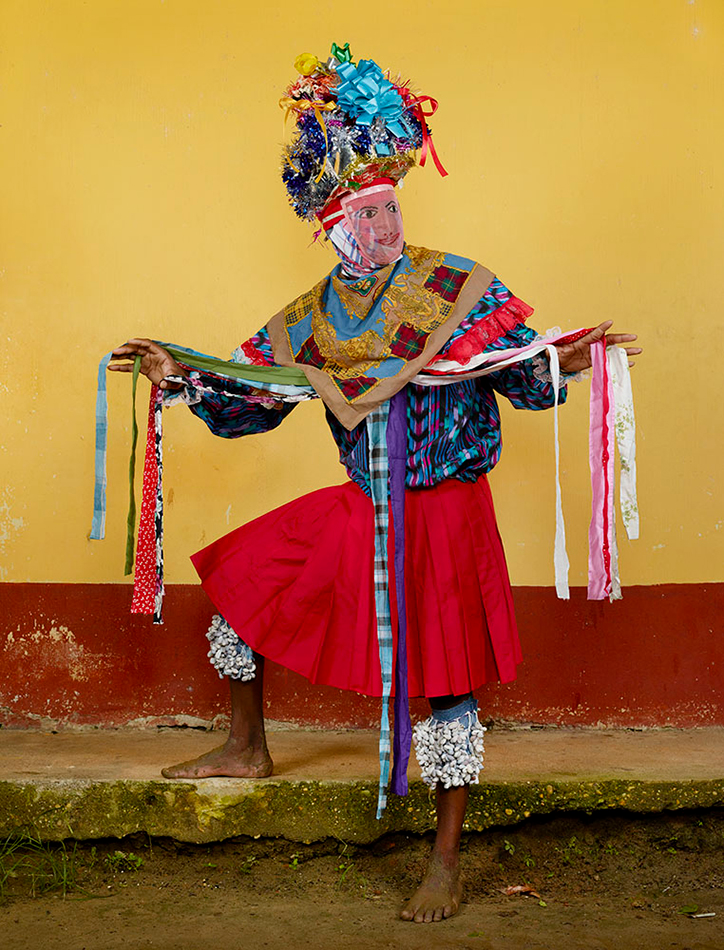
Charles Fréger: Cimarron: Yankunú, Wanáragua Dances, Guatemala, Belize
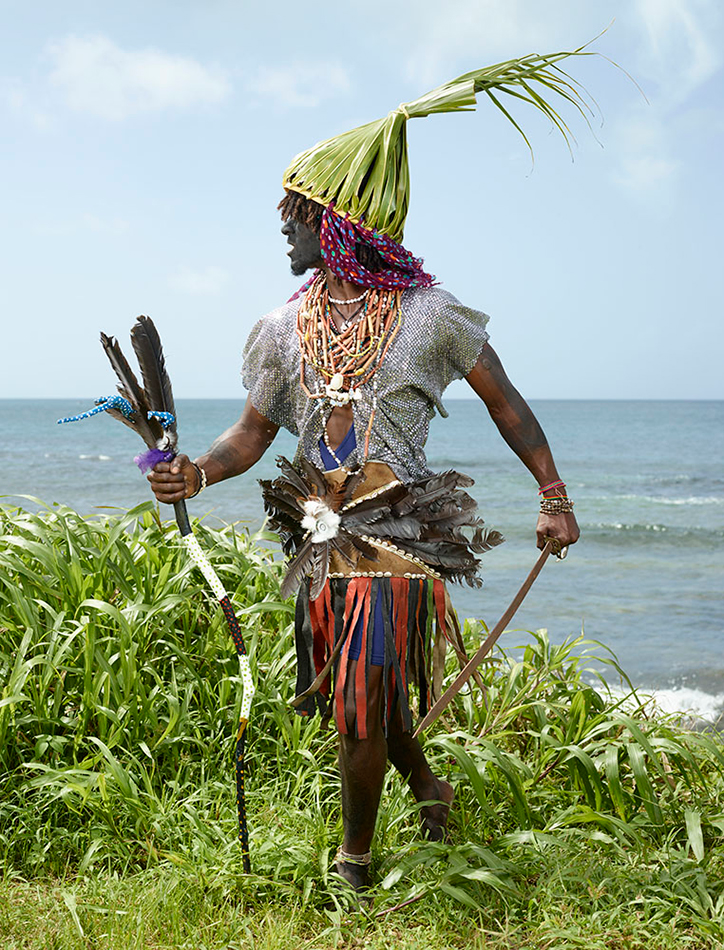
Charles Fréger: Cimarron: Congo, Portobelo, Colón, Panama
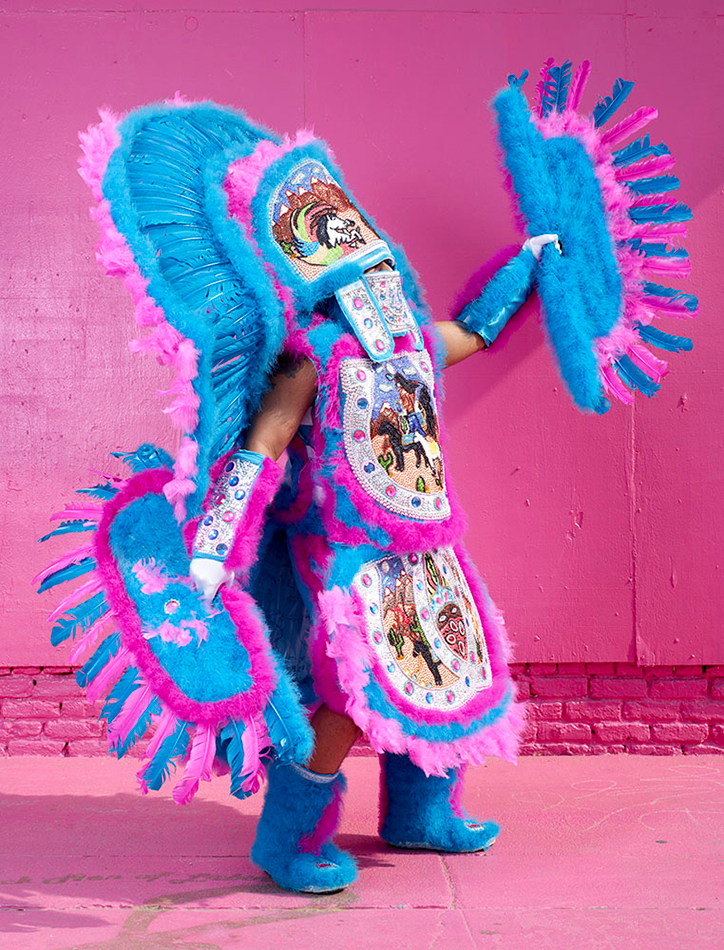
Charles Fréger: Cimarron: Spy Boy Kenneth, Mohawk Hunters, New Orleans, Louisiana, United States of America
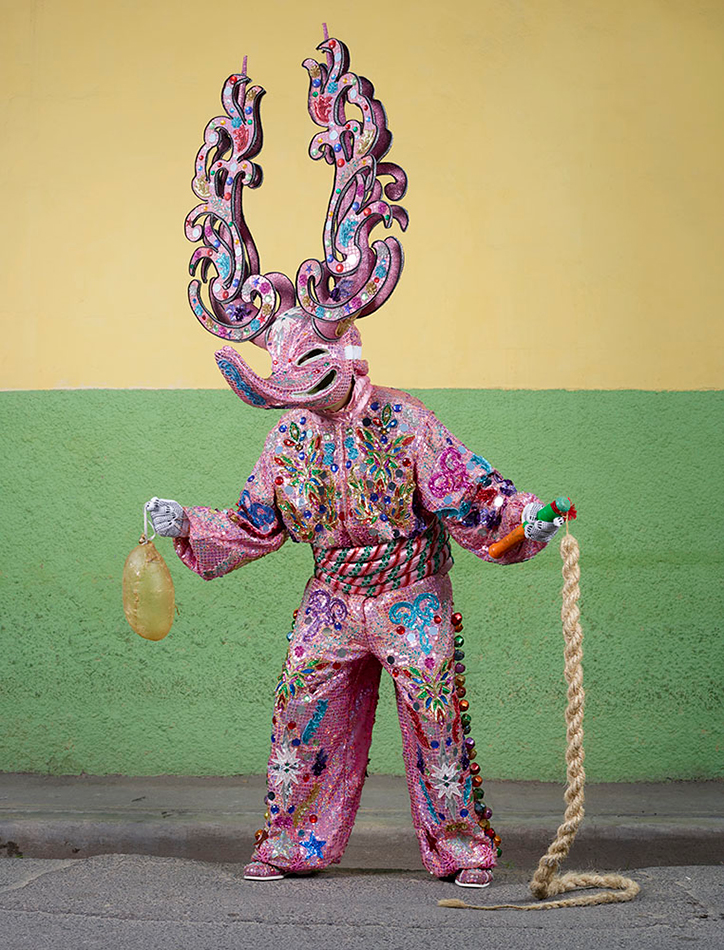
Charles Fréger: Cimarron: Lechones, Santiago de los Caballeros, Dominican Republic
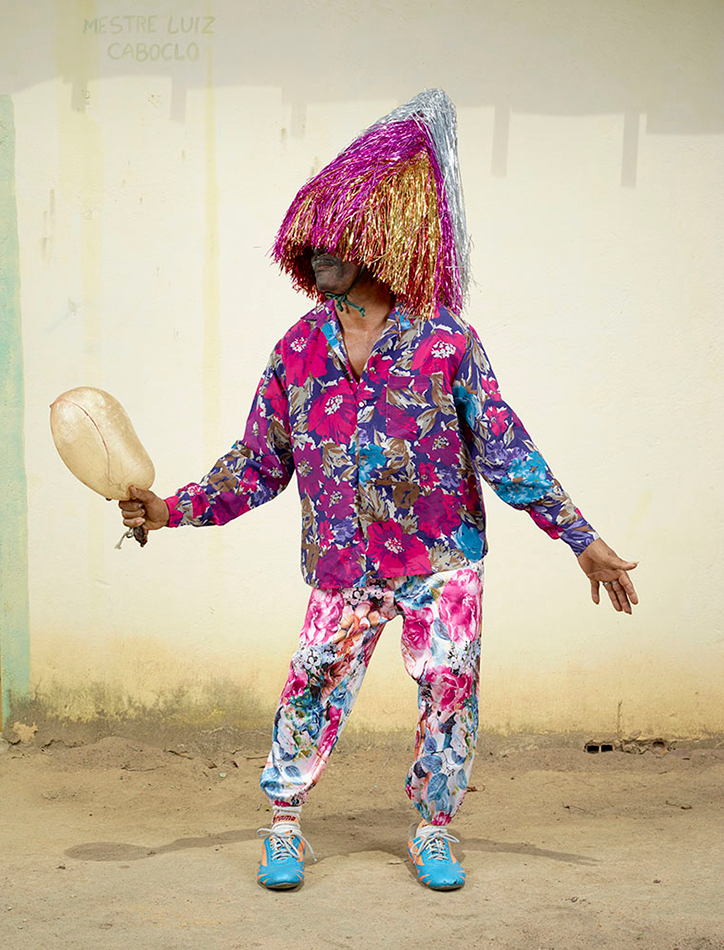
Charles Fréger: Cimarron, Mateus, Pedras de Fogo, Paraíba, Brazil
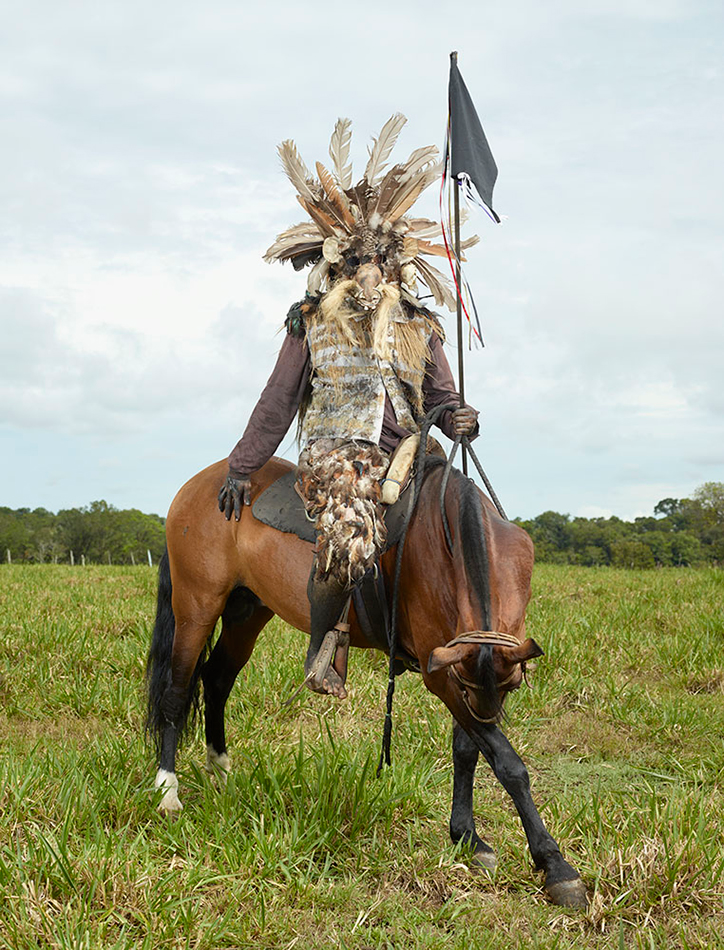
Charles Fréger: Cimarron, Cachaceros, Cuadrillas de San Martín, Colombia
Share Article
Further Info
About the Author
—
Rowe joined It’s Nice That in the summer of 2019 as an editorial assistant. She wrote many fantastic stories for us, mainly on hugely talented artists and photographers.