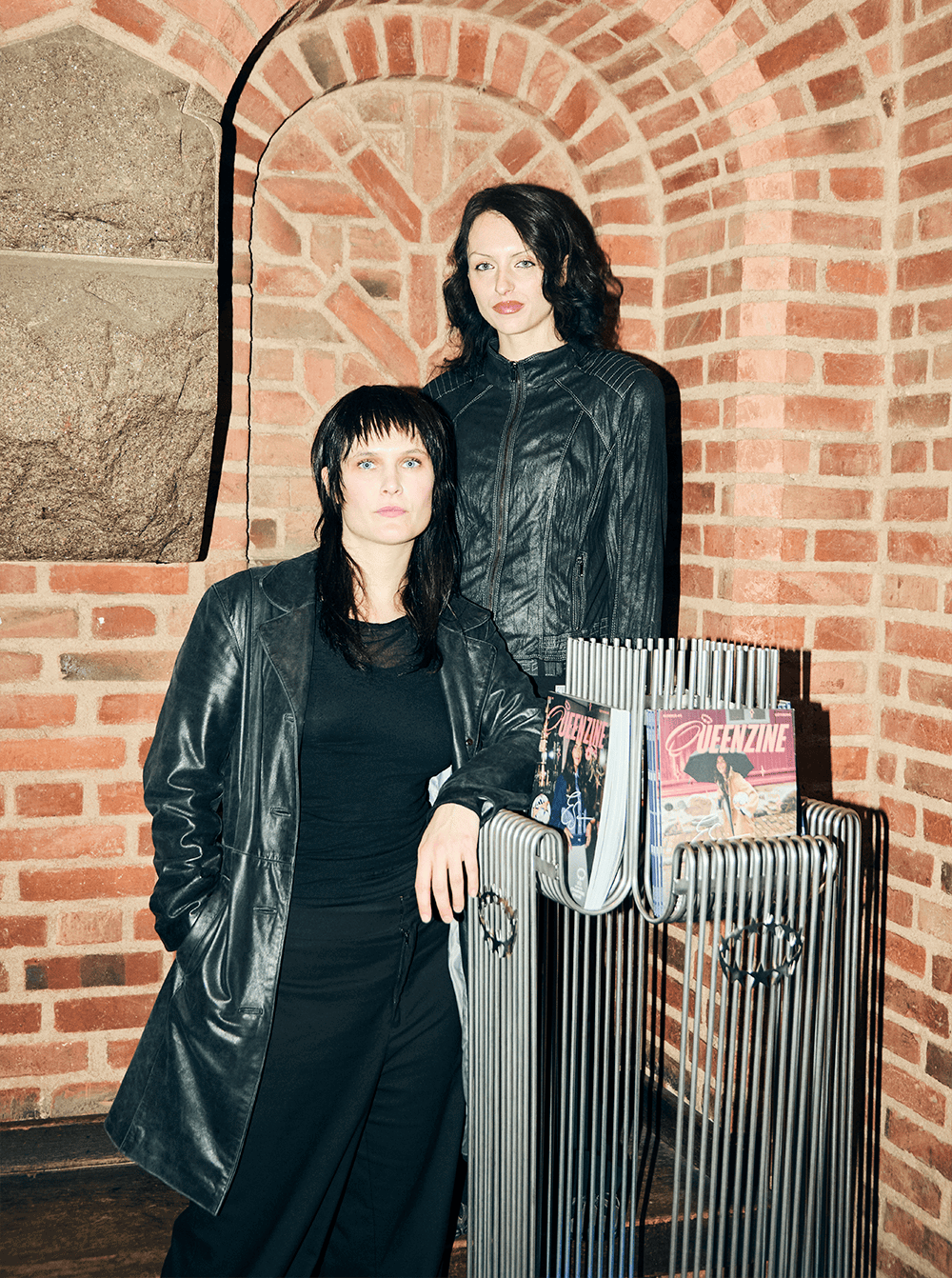
In The Lesbian Lives Project, photographer Elisabeth Real supports women affected by injustice
“I’ve never been drawn to any creative mediums other than photography,” states Zurich-based photographer Elisabeth Real. After discovering the world of photojournalism as a young child, she declared “that’s what I want to be when I grow up,” and hasn’t wavered since.
Beginning with a Kodak Instamatic at the age of eight, Elisabeth bought her first used SLR at ten and would spend her time enlarging the photos she took in an improvised black and white lab in her family bathroom. In 2005, she graduated from the University of Art and Design, Zurich, with a diploma in photography and has now been working as a freelance photographer for almost 13 years, shooting mostly corporate and editorial work all over the globe. “At the same time, I pursue my own work, which focuses on long-term journalistic projects,” Elisabeth explains, the latest of which, The Lesbian Lives Project, she has been working on since 2012.
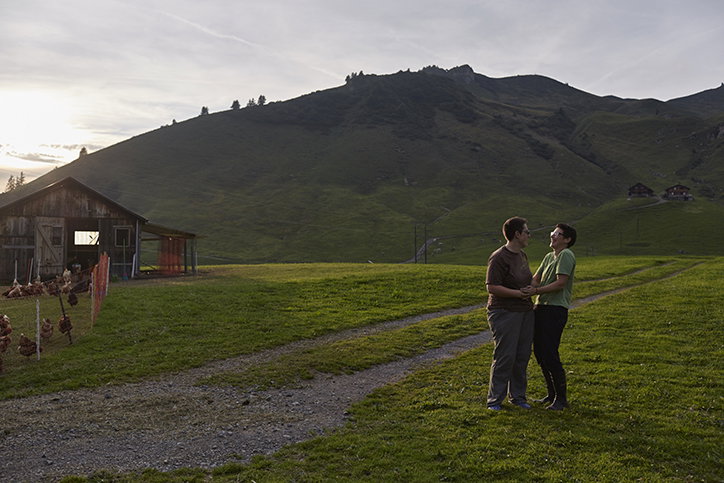
Elisabeth Real: The Lesbian Lives Project

Elisabeth Real: The Lesbian Lives Project
“In some countries, lesbians are prosecuted by the state and imprisoned. In other countries, they enjoy some rights, yet are far from achieving full equality with heterosexual men and women,” Elisabeth explains of the reason she began documenting and interviewing lesbian women around the world. With a focus on creating greater visibility for these women while drawing attention to their legal and social discrimination, the project recently launched as a website and will later exist as a series of books – both designed by Offshore Studio.
Elisabeth has always had a strong sense of justice and fairness and uses her personal projects to implement this. “I’m particularly interested in trauma, both in individuals and in groups, that stems from a political or legal injustice,” she tells It’s Nice That. By documenting the lives of those who have experienced trauma firsthand, Elisabeth gives them a face and a chance to tell the world how injustice has manifested in their own lives.
Elisabeth Real: The Lesbian Lives Project
Elisabeth Real: The Lesbian Lives Project
Elisabeth Real: The Lesbian Lives Project
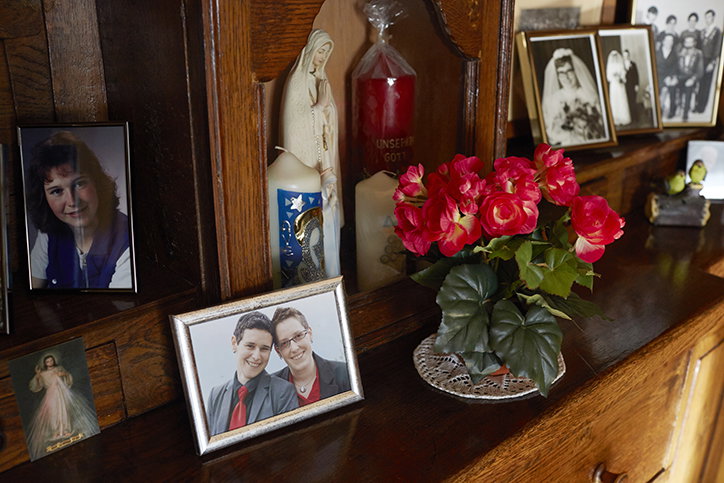
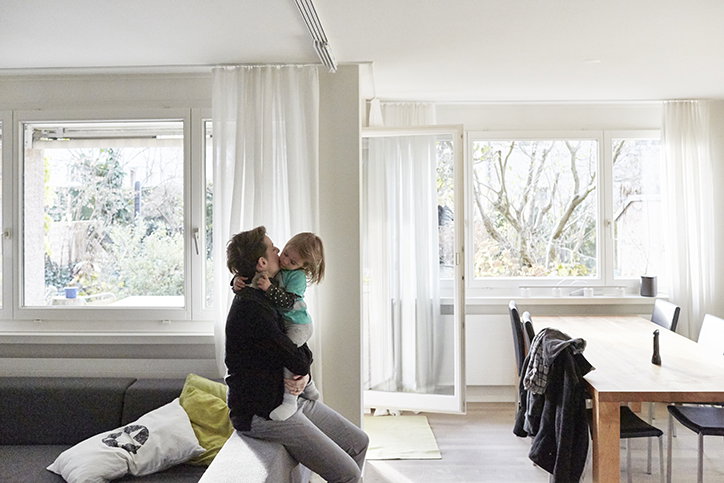
So far, Elisabeth has dedicated the project to two countries: Switzerland and South Africa. When it comes to gay rights, Switzerland is ranked 26th among 49 European countries and although lesbians are generally well accepted in Swiss society, they hardly enjoy the same rights as heterosexual men and women. “For example, there no laws providing marriage equality or protection from hate speech directed at LGTBI people,” Elisabeth explains. In one of the project’s first volumes, Who We Are. Lesbians In Switzerland, Three Stories, she delves into a number of stories. In particular, the lives of two mums living with their daughter Winterthur; a Catholic priest who blessed a lesbian couple in his church, the outrage that followed the ceremony; and a woman who was attacked because she dates women.
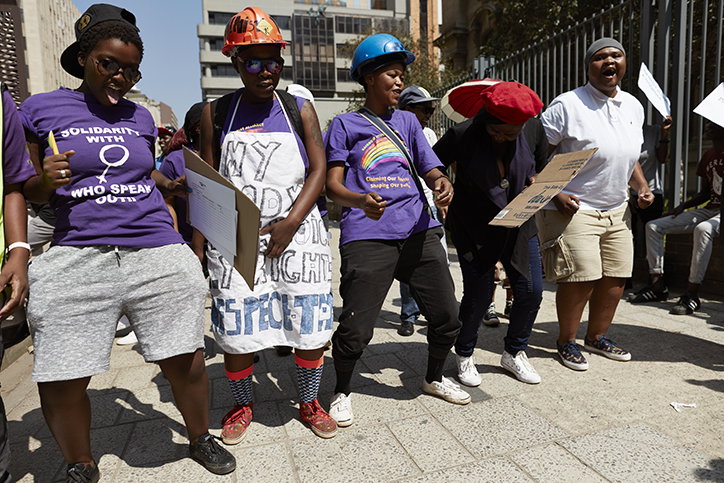
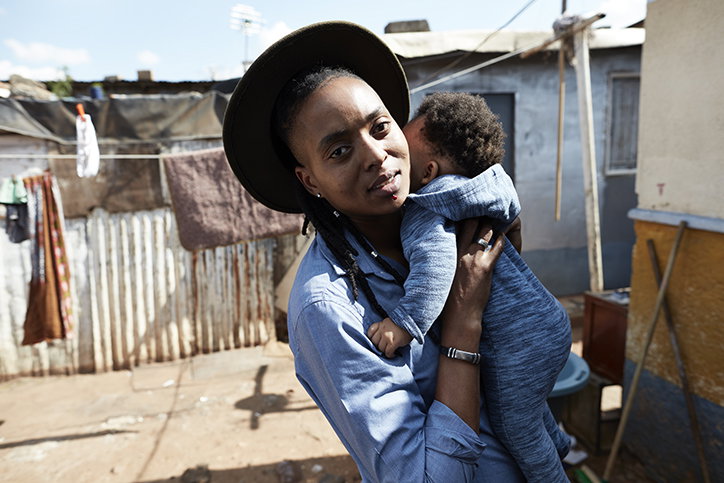
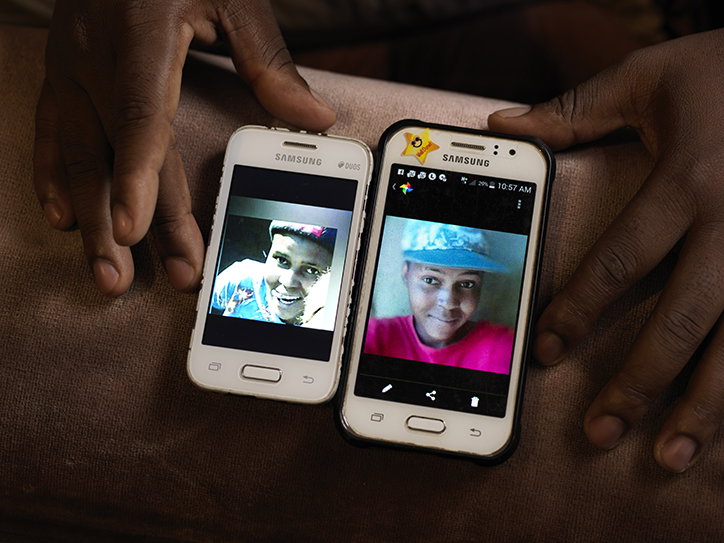
The second volume, When You Come Back I Might Be Dead. Lesbian Women in Johannesburg and the Promise of a Constitution, Elisabeth explores the discrepancy between the progressive South African laws and the dismal situation “on the ground”. “Black lesbians from South African townships are often raped and sometimes killed by men, to teach them a lesson, to turn them into “real” – meaning: heterosexual – women,” she recounts. The perpetrators of these crimes are rarely persecuted (for a number of reasons) even though the country’s constitution protects lesbians from discrimination and grants them full equality.
The photos in each series are accompanied by interviews and texts written by Elisabeth. It was while working on a previous book Army of One that she realised the value of combining text and imagery. “I thought: I’m already here taking the picture, I might as start writing down the things I can’t photograph. Words and images complement each other so well, and I love both the outgoing act of taking pictures, and the quiet introspection of writing,” she recalls.
In providing a platform for these women, The Lesbian Lives Project helps others understand the large and complex issues encompassing their lives, perhaps going some of the way to restoring and reducing the injustice they have suffered.
Elisabeth Real: The Lesbian Lives Project
Elisabeth Real: The Lesbian Lives Project
Elisabeth Real: The Lesbian Lives Project
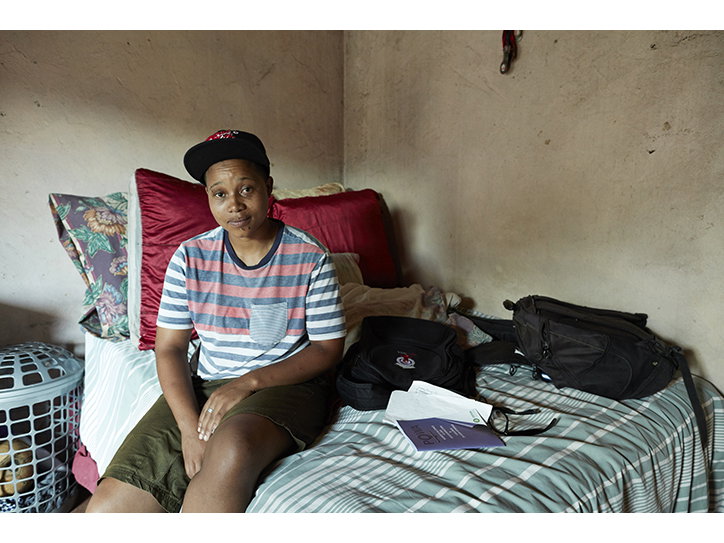
Elisabeth Real: The Lesbian Lives Project
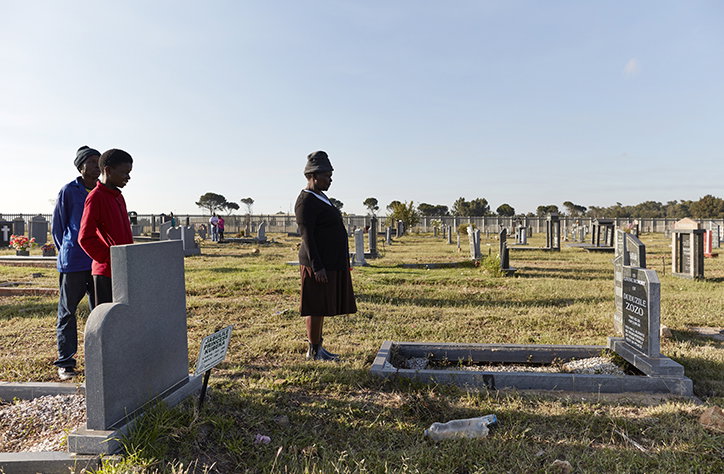
Elisabeth Real: The Lesbian Lives Project
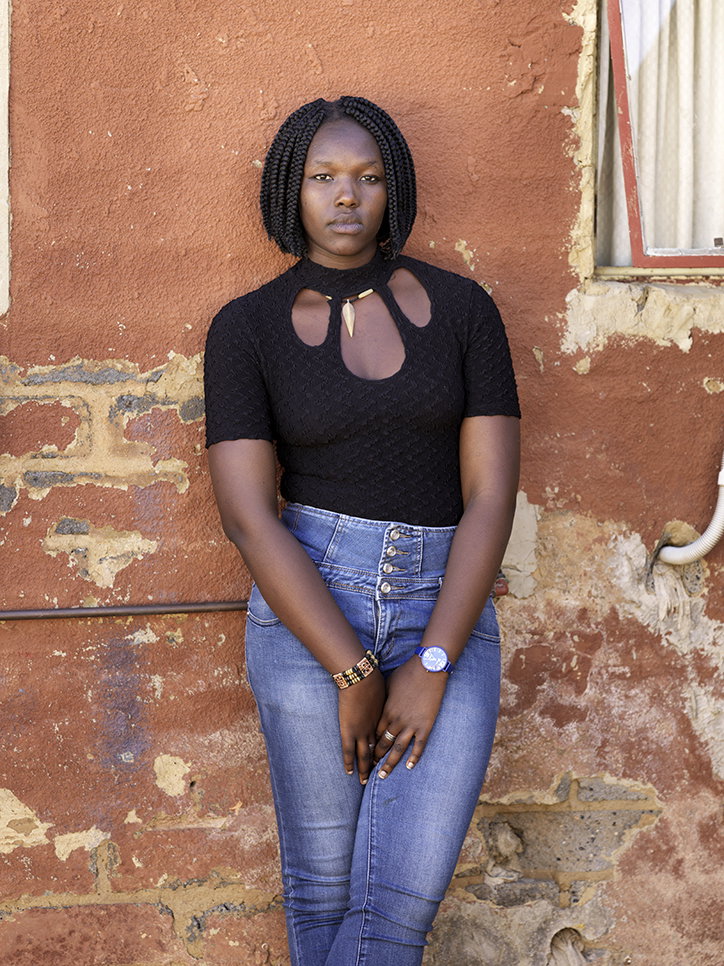
Elisabeth Real: The Lesbian Lives Project
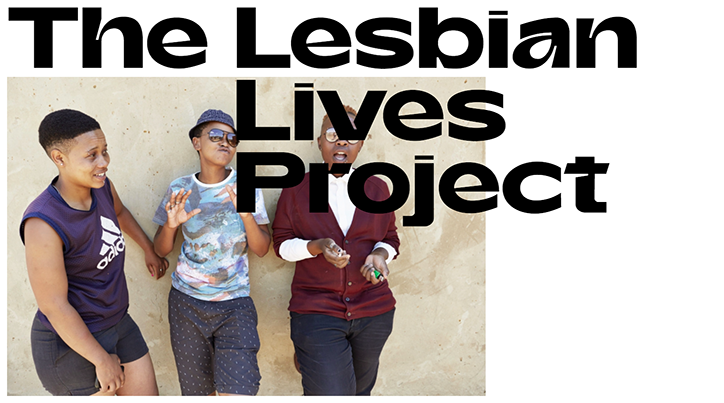
Elisabeth Real: The Lesbian Lives Project’s website
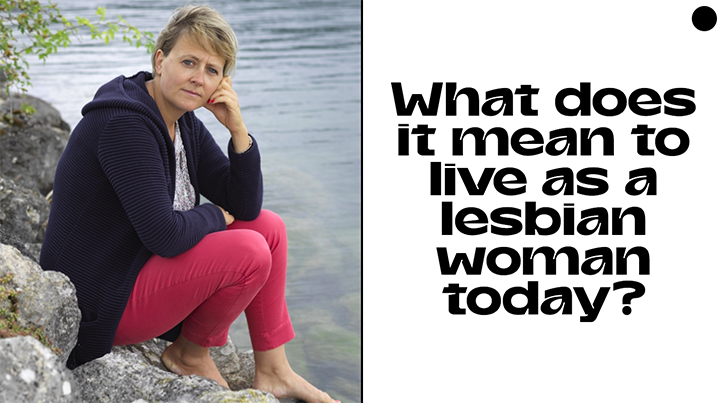
Elisabeth Real: The Lesbian Lives Project’s website

Elisabeth Real: The Lesbian Lives Project’s website
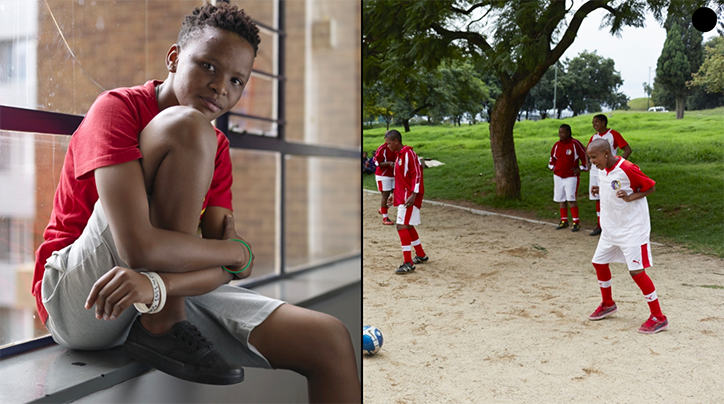
Elisabeth Real: The Lesbian Lives Project’s website
Share Article
Further Info
About the Author
—
Ruby is Senior Creative at It's Nice That, overseeing our visual output across platforms and projects. Before that, she was associate editor on the editorial team, after joining in September 2017 following graduation from Central Saint Martins.