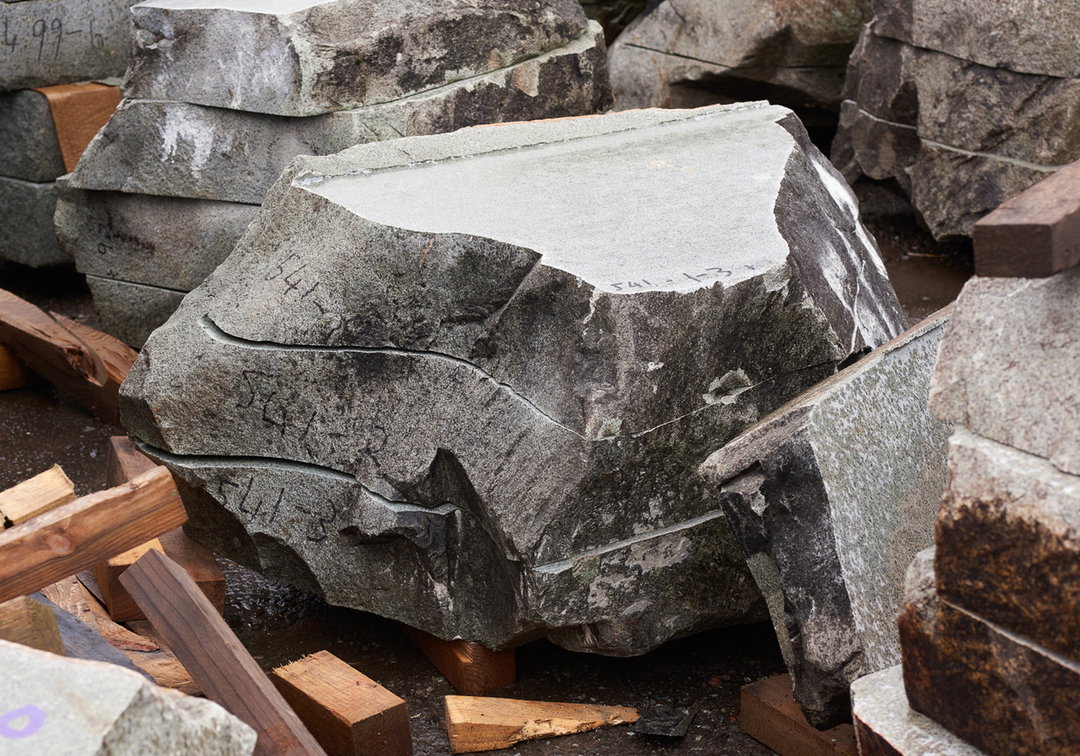
Elmer Driessen photographs Ailsa Craig, one of two places in the world where curling stones are made
Over the course of six years, the photographer researched and finally captured this mythical island.
Ailsa Craig is an uninhabited island off the west coast of Scotland that has a long and winding history, involving many different groups of people. Once the final destination for priests who needed to “find God again” and who were sent here by the Church to reflect, as well as a hideout for pirates looking to escape capture, the island is now an official bird sanctuary and home to thousands of Gannets, that nest along its cliffs. But there is another aspect to Ailsa Craig’s history that makes it an important place in the world of sports, and that is its longstanding use as a mining spot for the granite that almost all of the world’s curling stones are made from.
It was this part of its story that first interested Dutch photographer Elmer Driessen, who travelled to the area in 2019 in the hopes of photographing its rugged mass. He had read an article about curling the previous year, and was struck by how integral this island was to the game. “Apparently [the stones] were all made from the same two types of granite that they found on this tiny island,” he says. “I wanted to know more about this mysterious rock, so I decided to go to Girvan, a little town on the mainland that is nearby, and from where I could take a boat out to the island.”
After some trouble trying to convince locals to ferry him out to Ailsa Craig, and one failed trip to Girvan later, he finally managed to secure passage to the island through the help of a couple of friends and a man named Ian, who lived close by and owned a speedboat. He finally arrived on its shores in the summer of 2020 and the photos he took during that drip went on to become part of a project that he named after the curious island.
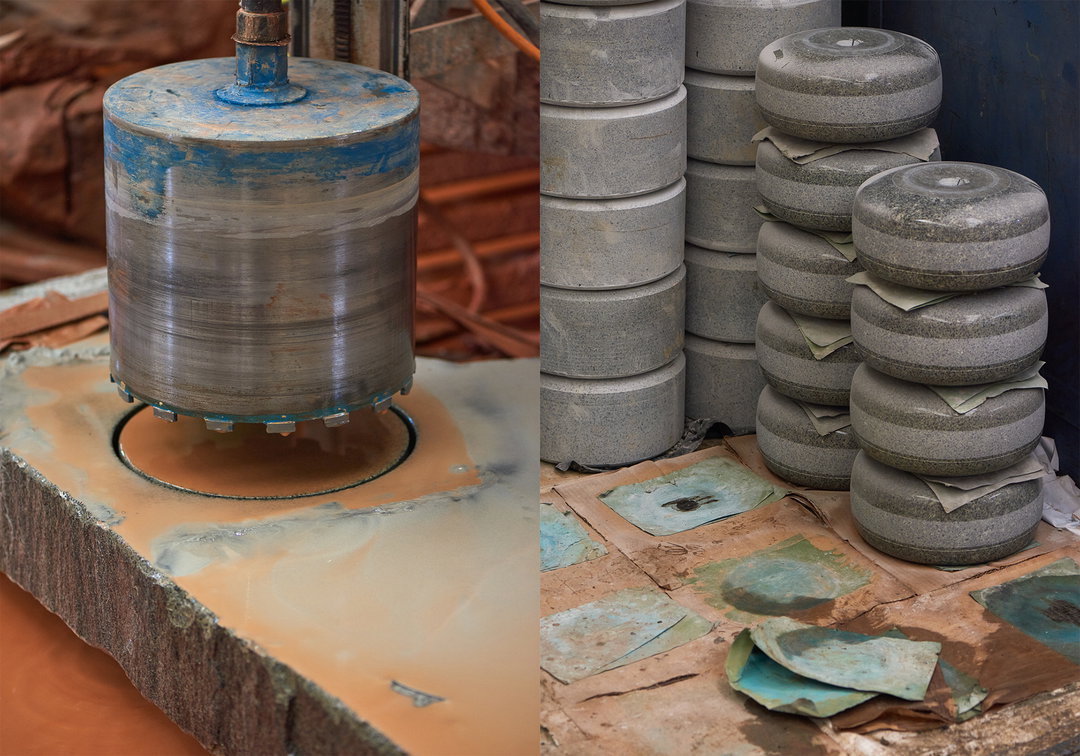
Elmer Driessen: Ailsa Craig (Copyright © Elmer Driessen 2023)
In the photos, which alternate between shots of the landscape and still life shots of the curling stones (taken at the Kays Curling factory on the mainland), we get a sense of Ailsa Craig’s quiet majesty. The rocky cliffs, though largely nondescript from afar, become beautiful rugged forms with varied colours appearing upon closer inspection. The images feel like a poetic documentation of a hidden world. However, Elmer says his intention with the project is about more than just simply revealing the process of making these age-old stones; it’s about exploring humanity’s relationship with nature, and our unending desire to shift and shape the landscape to suit our activities.
“[I’m interested in] how we as humans interact and use our environment,” he explains. “I was fascinated by how we decided to mine the island to create a disk that you can use to slide over a slab of ice.” Framed in this way, the project takes on bigger anthropogenic themes of human resourcefulness and craftsmanship, but also potentially darker undertones of extraction and manipulation. Certainly, the constant mining of Ailsa Craig for its precious granite raises questions about the future of the island, and how much longer it will be able to offer sanctuary to local wildlife. For now, at least, it remains a haven away from even more extractive processes, and a special place for both the birds and the curling community.
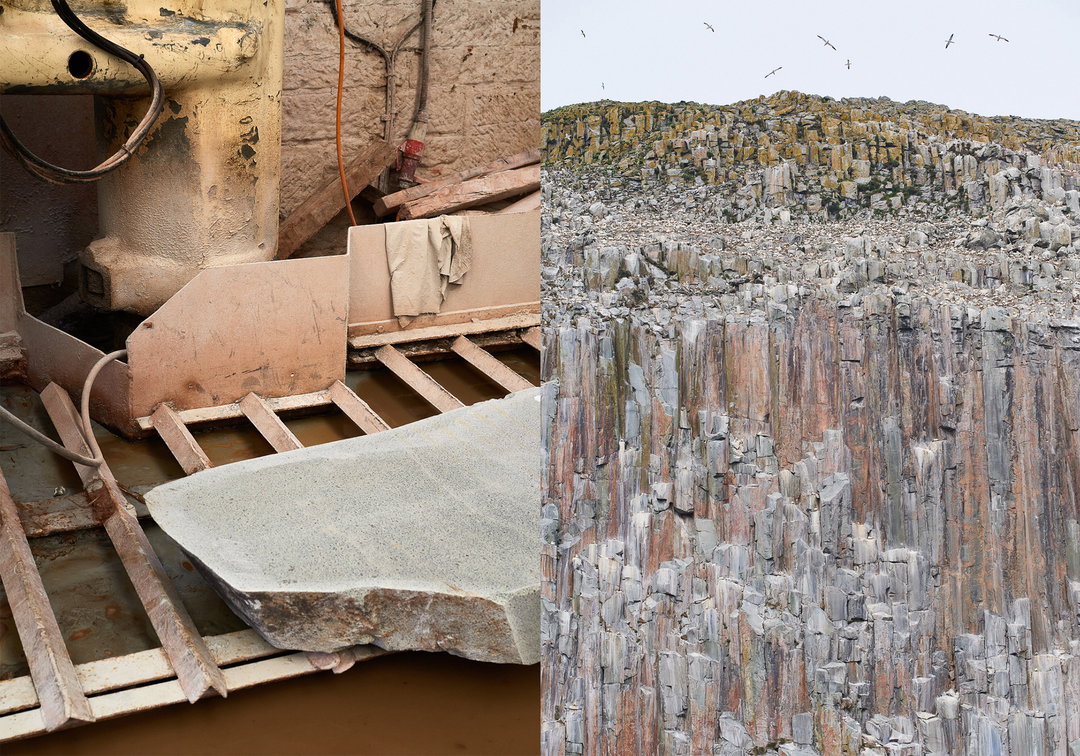
Elmer Driessen: Ailsa Craig (Copyright © Elmer Driessen 2023)
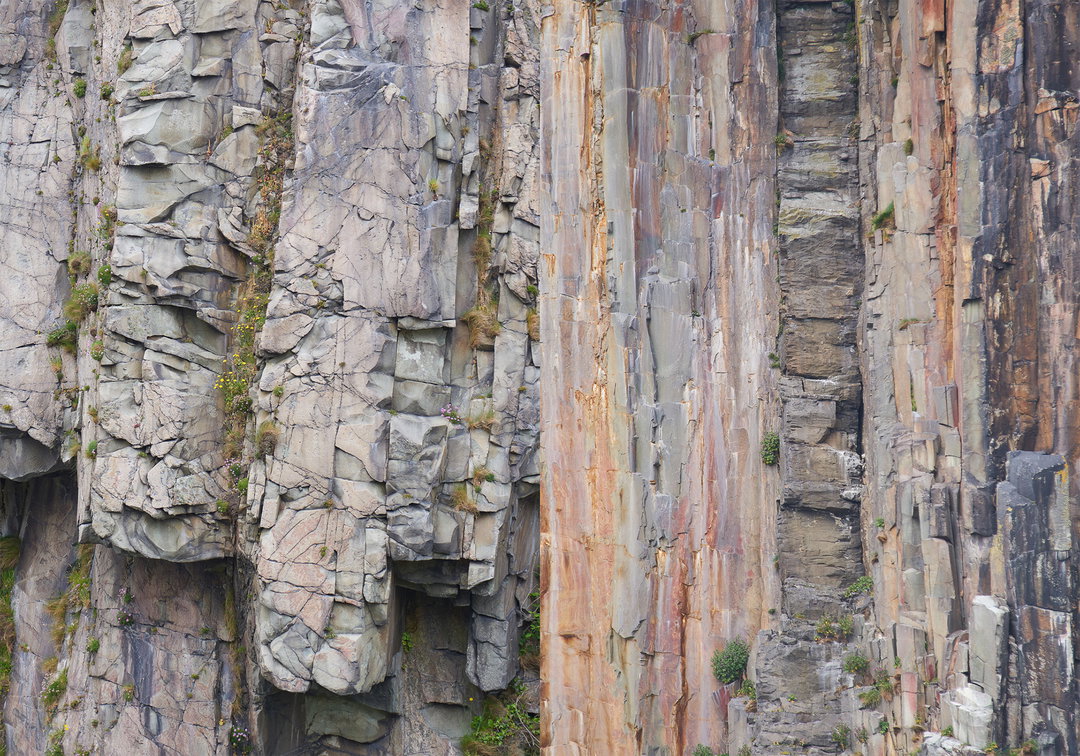
Elmer Driessen: Ailsa Craig (Copyright © Elmer Driessen 2023)
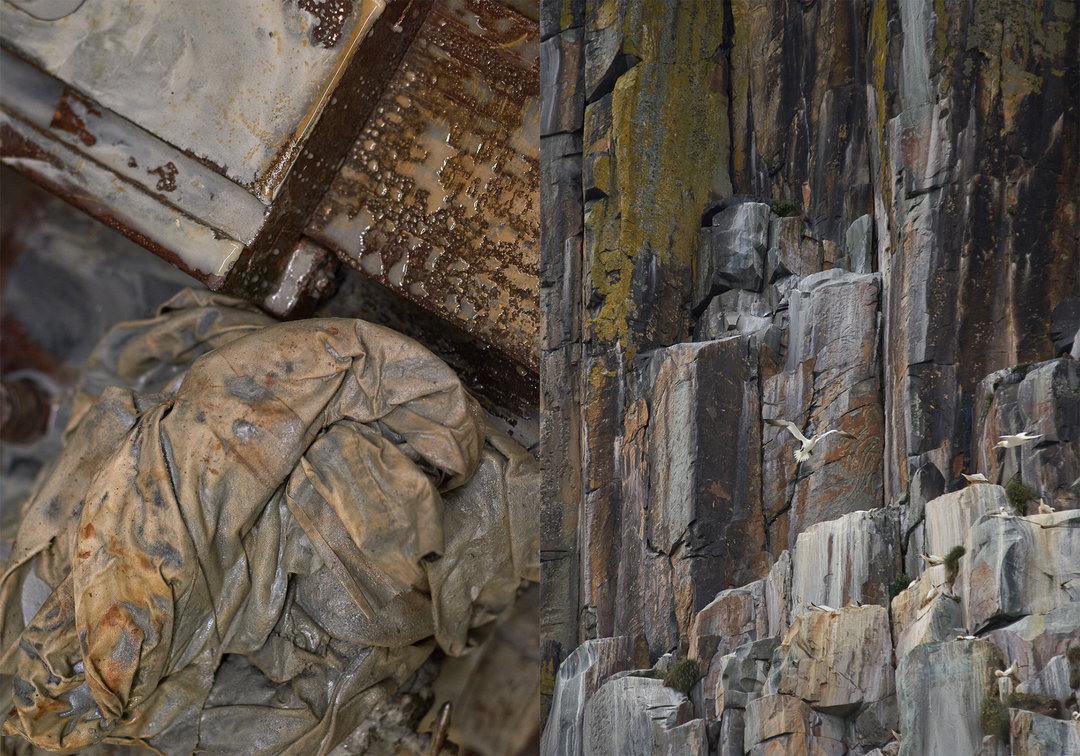
Elmer Driessen: Ailsa Craig (Copyright © Elmer Driessen 2023)
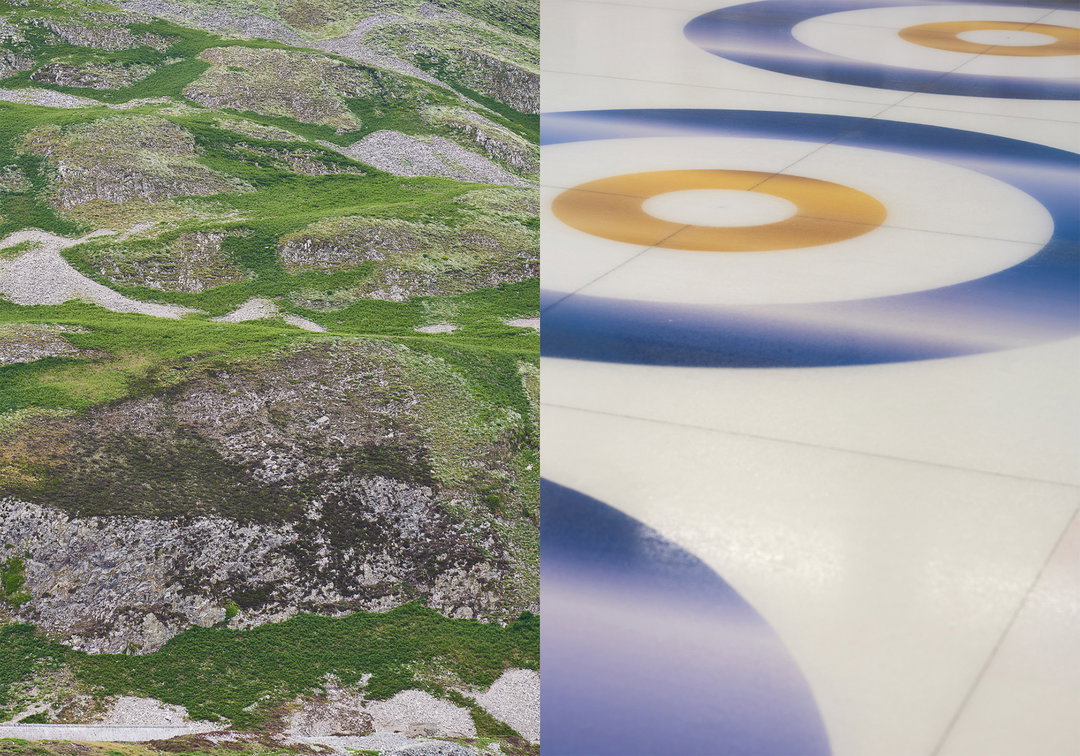
Elmer Driessen: Ailsa Craig (Copyright © Elmer Driessen 2023)
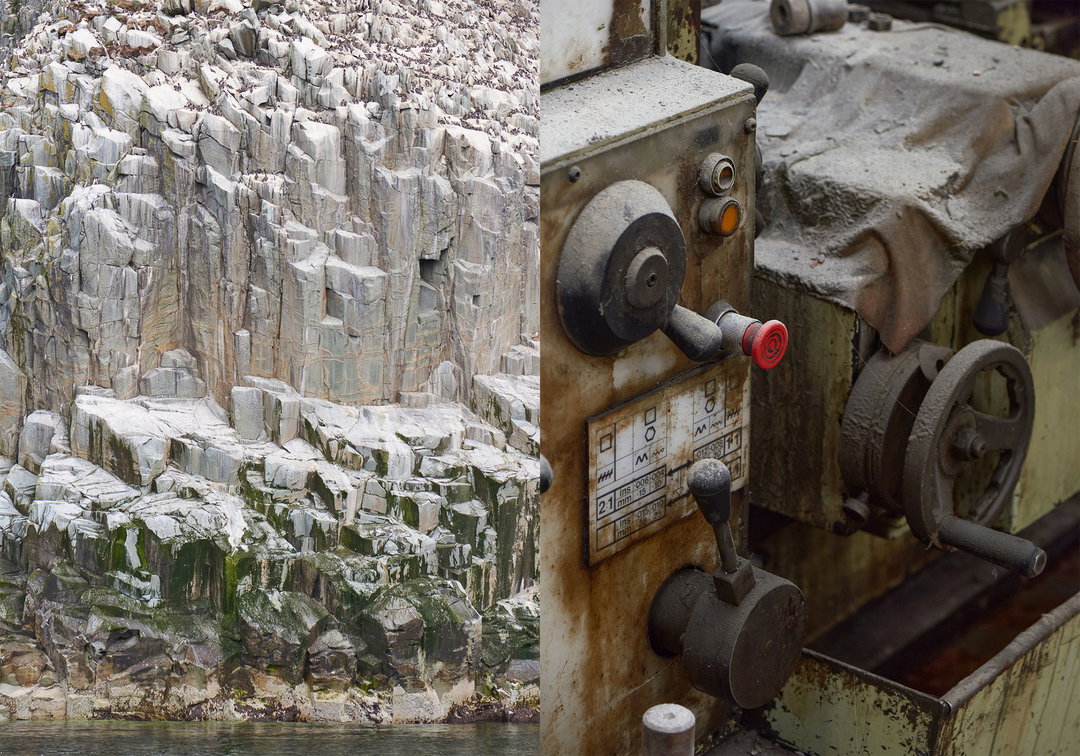
Elmer Driessen: Ailsa Craig (Copyright © Elmer Driessen 2023)
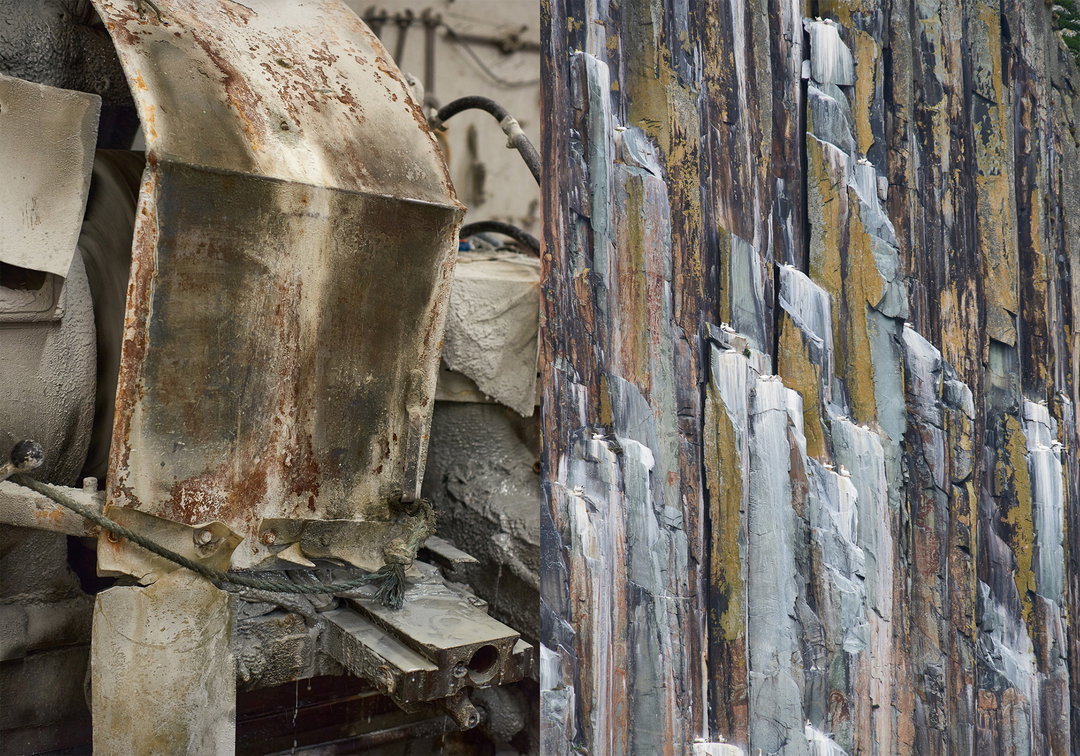
Elmer Driessen: Ailsa Craig (Copyright © Elmer Driessen 2023)
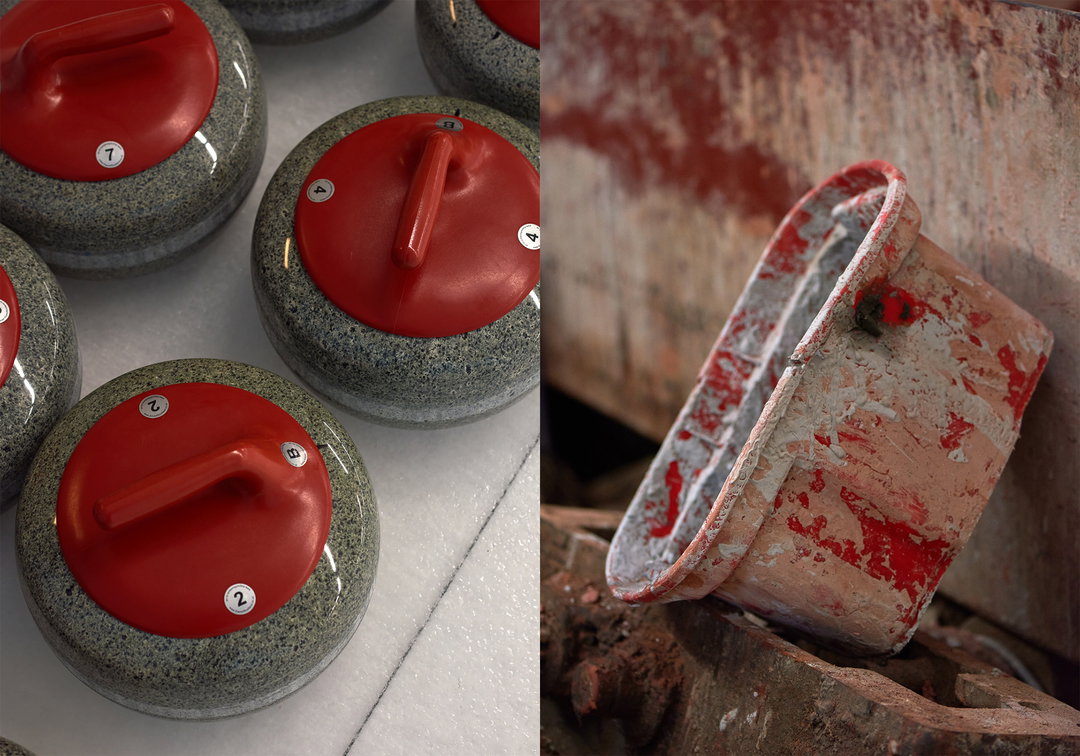
Elmer Driessen: Ailsa Craig (Copyright © Elmer Driessen 2023)
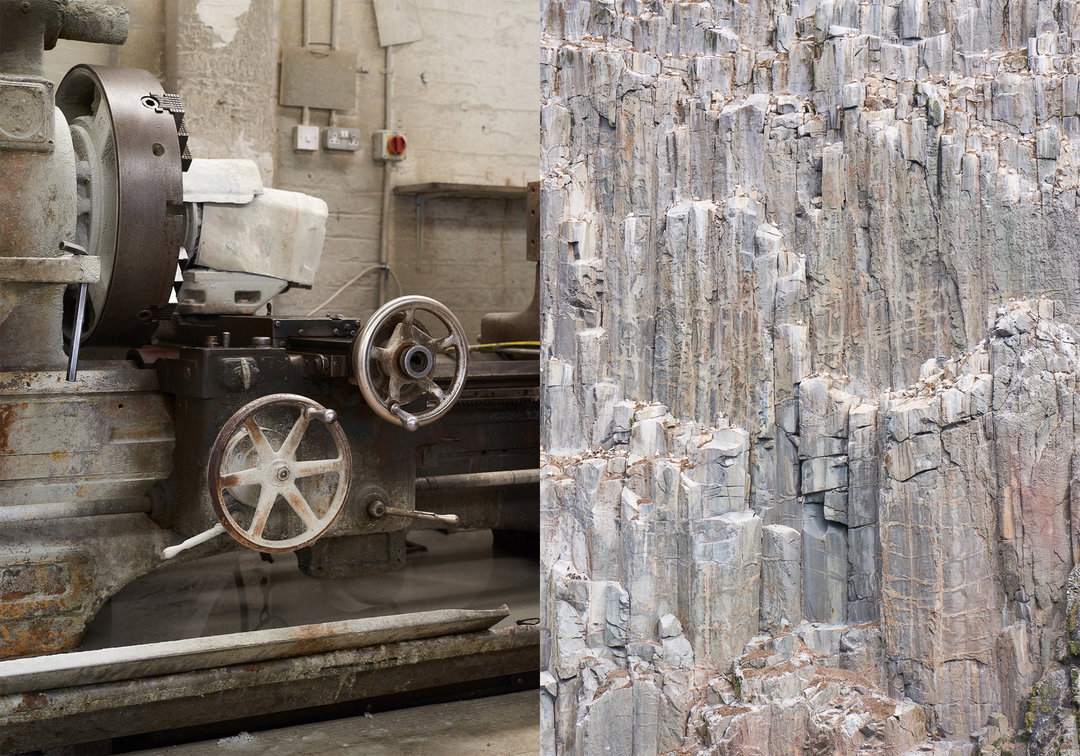
Elmer Driessen: Ailsa Craig (Copyright © Elmer Driessen 2023)
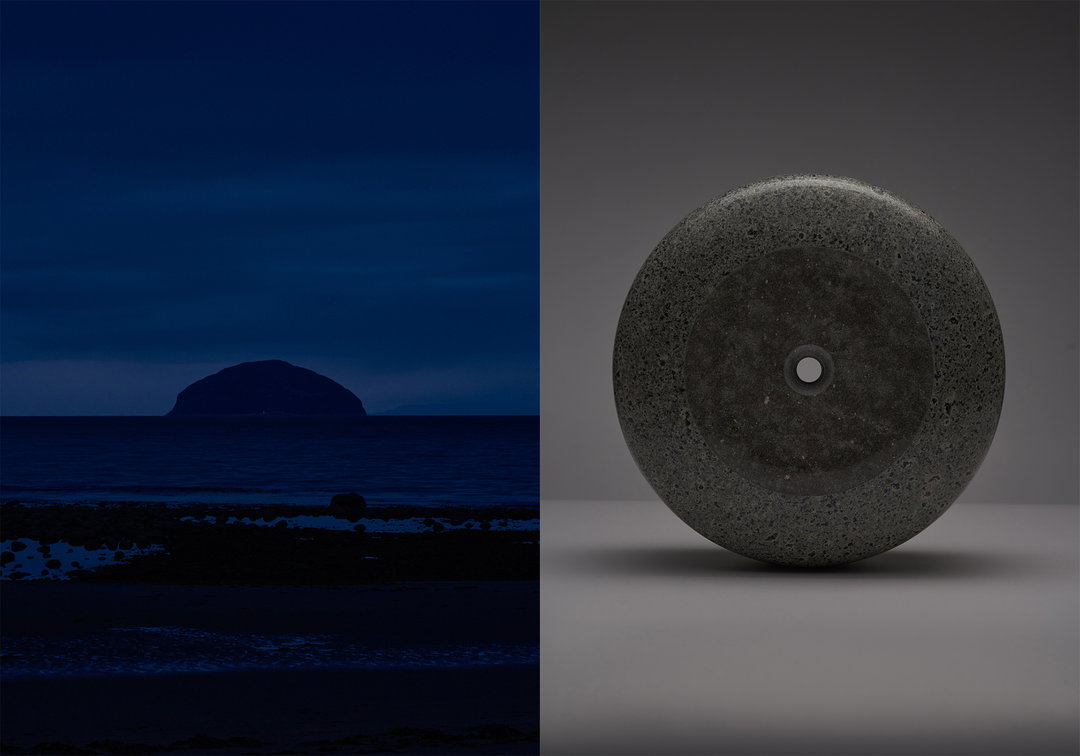
Elmer Driessen: Ailsa Craig (Copyright © Elmer Driessen 2023)
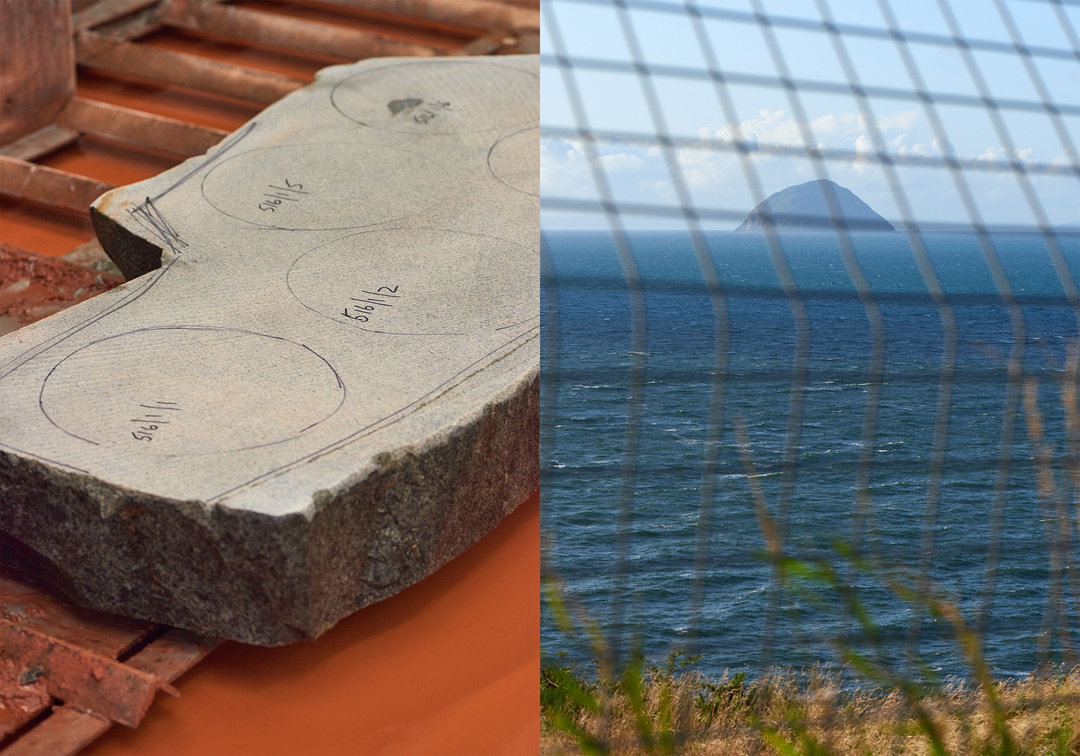
Elmer Driessen: Ailsa Craig (Copyright © Elmer Driessen 2023)
Hero Header
Elmer Driessen: Ailsa Craig (Copyright © Elmer Driessen 2023)
Share Article
Further Info
About the Author
—
Daniel joined It’s Nice That as an editorial assistant in February 2019 and continues to work with us on a freelance basis. He graduated from Kingston University with a degree in Journalism in 2015. He is also co-founder and editor of SWIM, an annual art and photography publication.