Elroy Salam pays homage to Ataya, a centuries-old ritual of tea brewing
The Ghanaian photographer presents the tradition as a powerful cultural experience that fosters community and friendship.
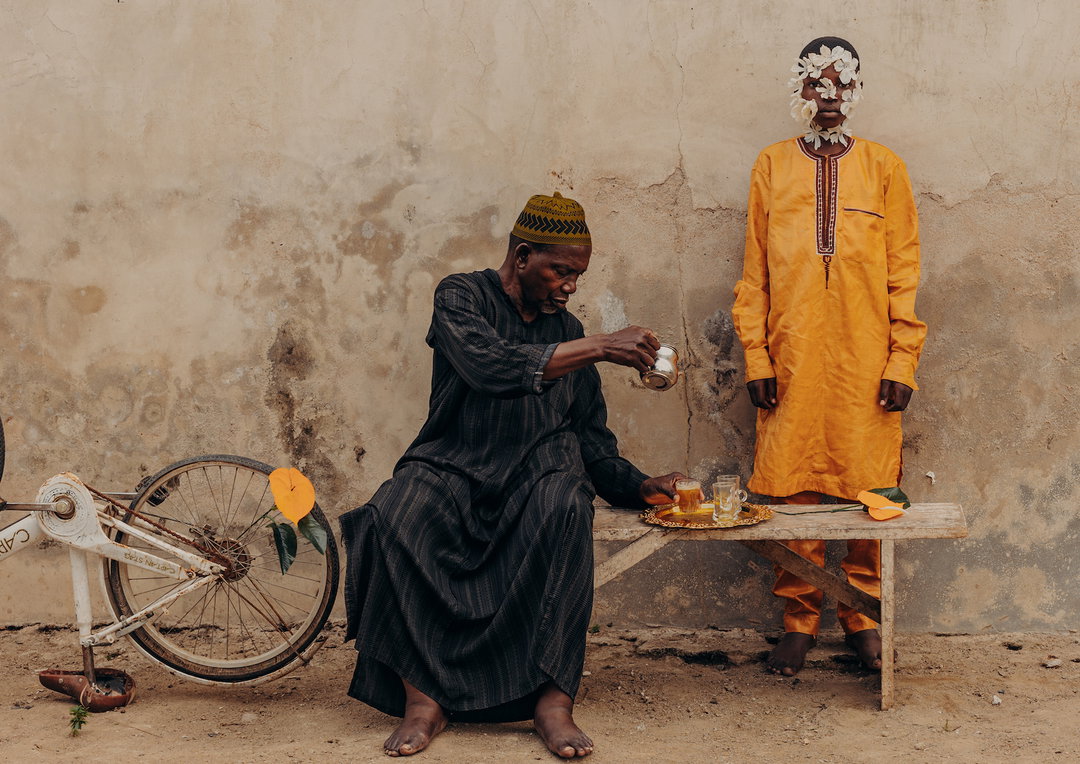
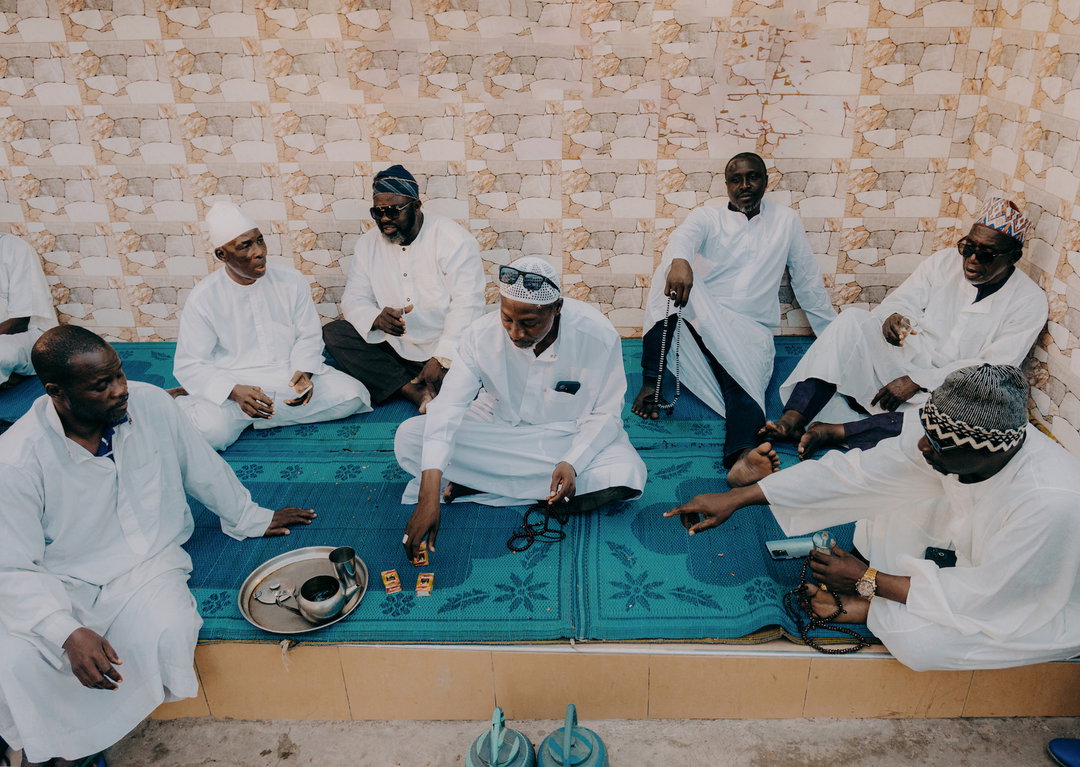
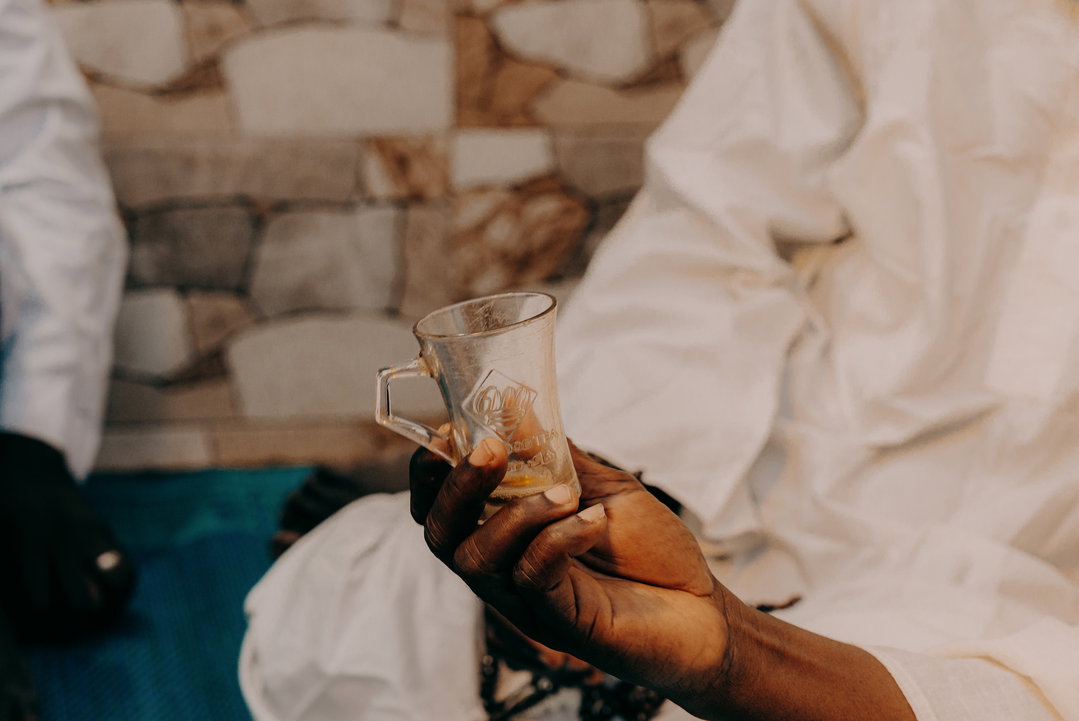
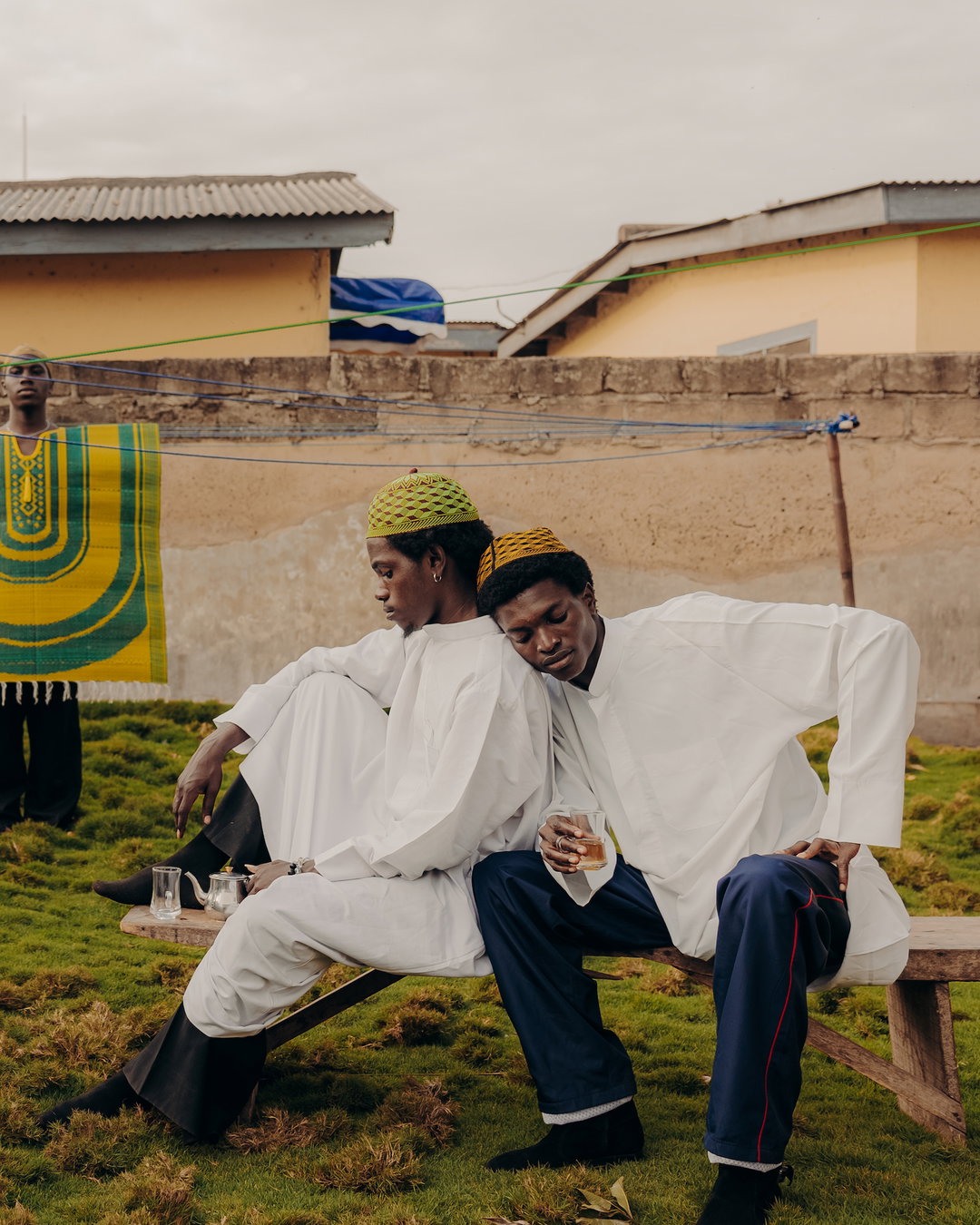
Ataya is a traditional West African tea ceremony rooted in friendship and community. The ritual involves brewing green tea with sugar before sharing it out in three rounds – each progressively sweeter than the last to symbolise the flow of life and value of patience.
Elroy Salam’s first memories of Ataya are as far back as when he was around five years old. “My uncle was very fond of me, and would take me everywhere he went,” the photographer recalls. In their neighbourhood in Accra, there was a special spot where men gathered everyday around sunset to brew tea. According to Elroy, Ataya gatherings are lively, full of conversation and laughter. “I was too young to fully understand the discussions, but I loved being there. It felt like I was part of something special.”
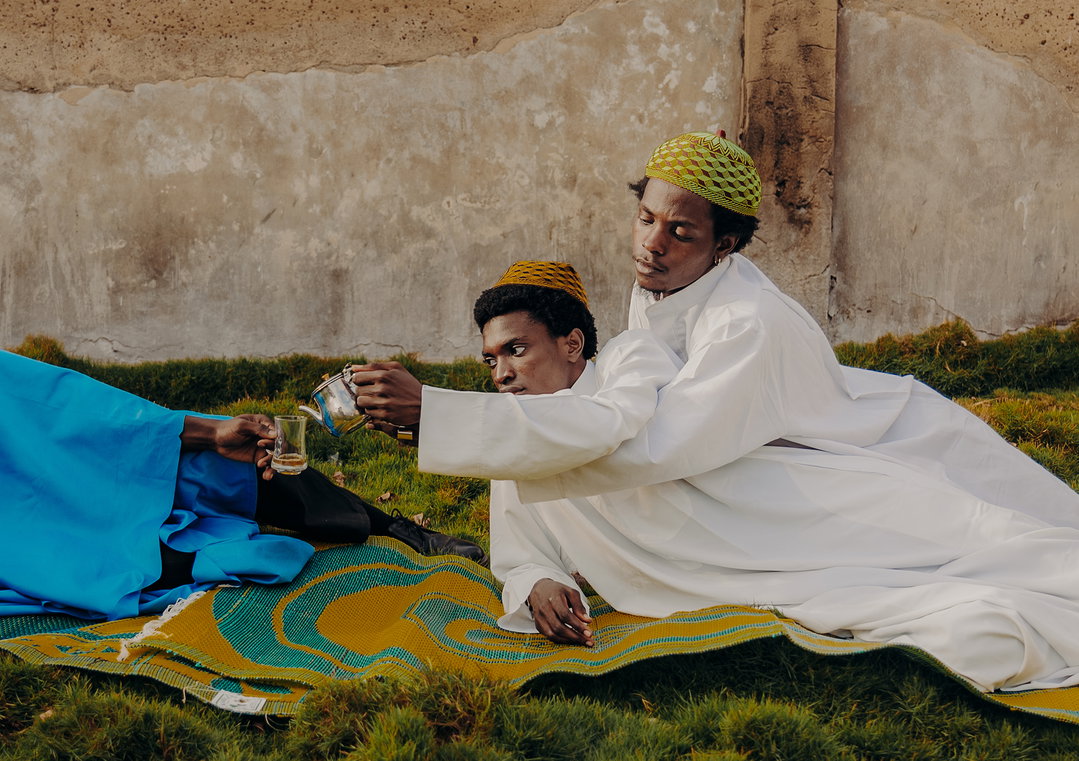
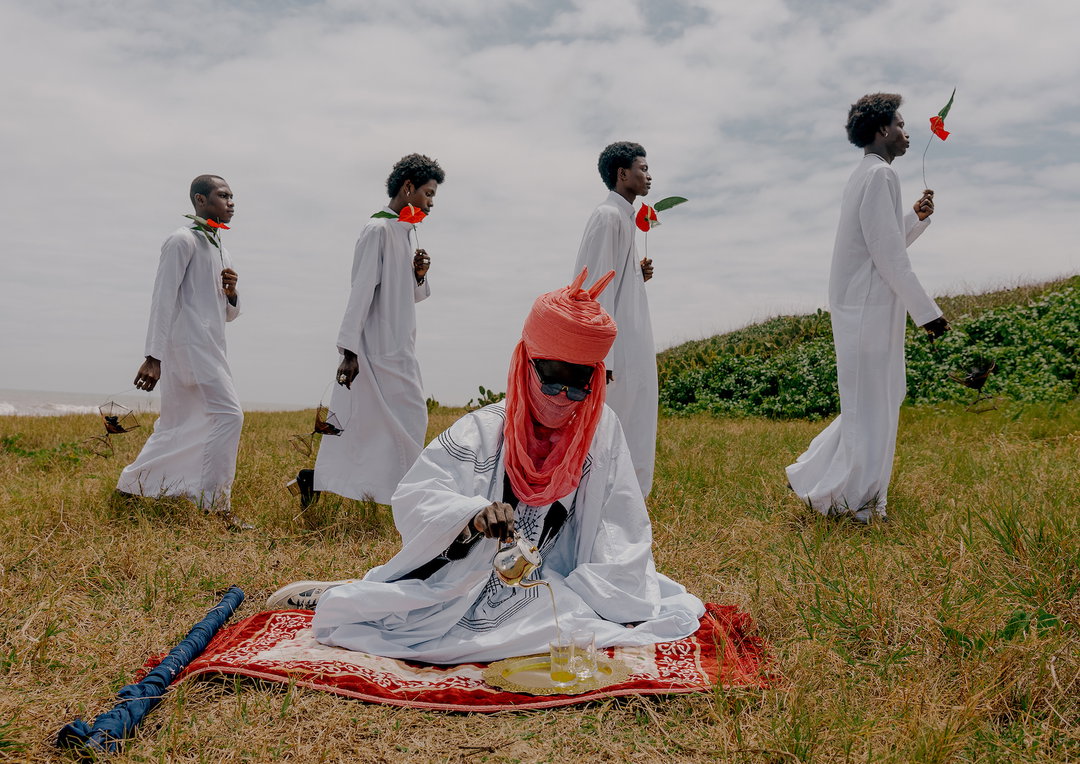
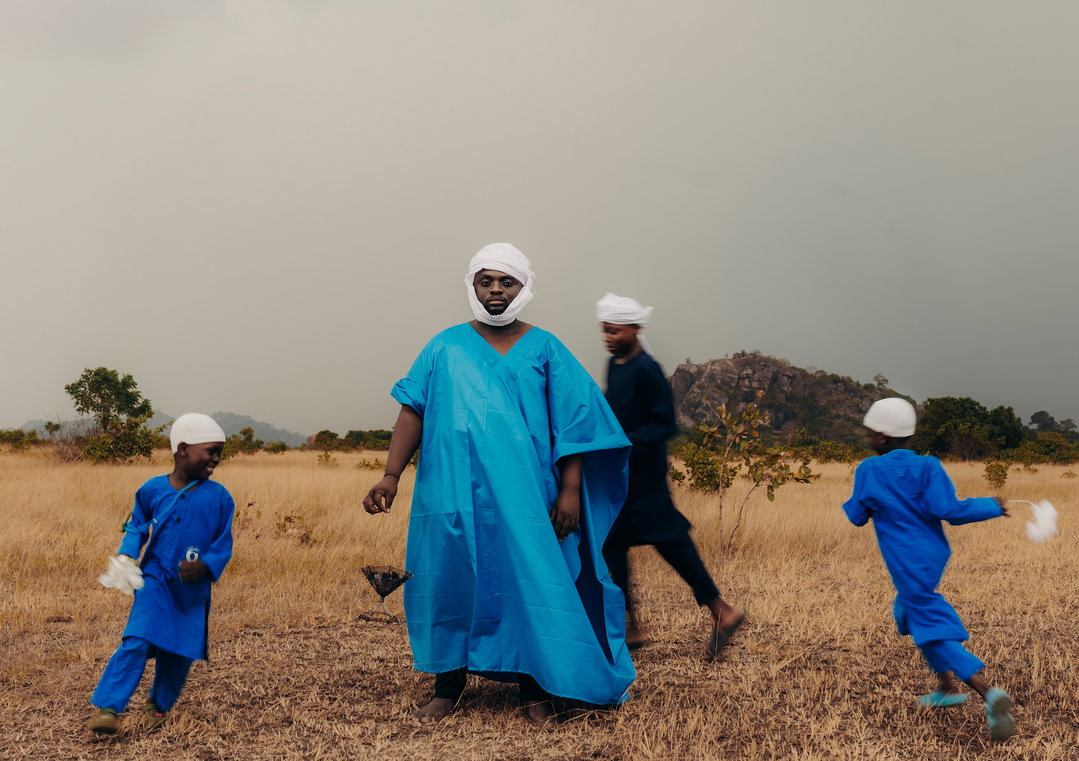
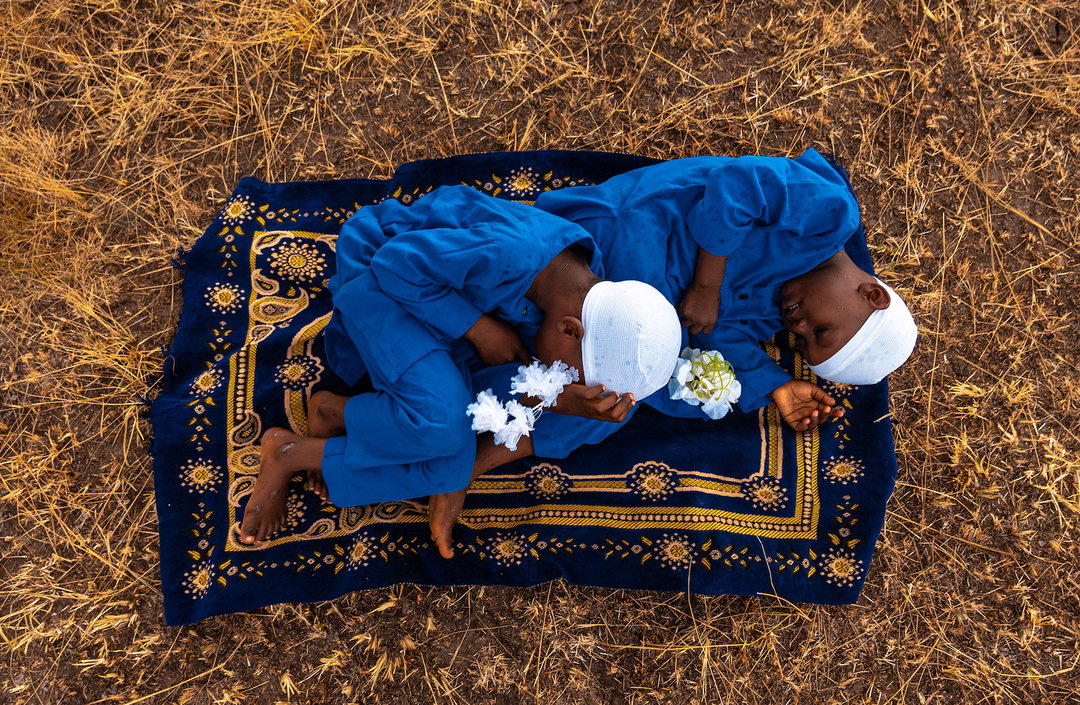
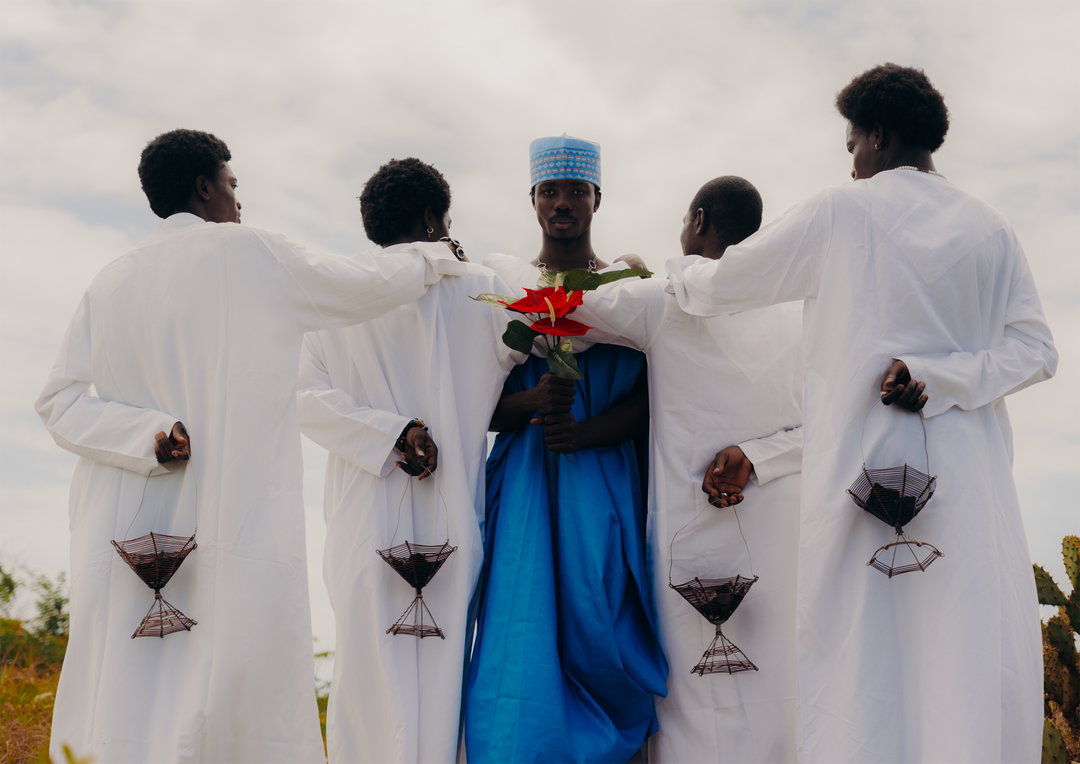
This centuries-old ritual is the subject of Elroy’s latest project, Brewed Reflections: The Poetry of Ataya, a conceptual series that explores the tea ceremony as a powerful cultural experience that fosters connection. The images are striking but tender, intentional in composition – especially in the movement and styling of textiles. “I worked on creating a sense of motion and interaction,” he explains. “The movement of people, the flow of fabrics, and the way the props were styled were an attempt to bring out the vibrancy of the tradition while keeping it authentic. It was all about blending intention with the natural spirit of the culture.”
GalleryElroy Salam: Brewed Reflections, The Poetry of Ataya (Copyright © Elroy Salam, 2024)

Just like the tea ceremony itself, the photographic process was collaborative too. Elroy asked a local student to work on the costume design and styling, and cast his family and friends – including his uncle, and the men he brews tea with – as its protagonists. “Working with my uncle on this project was special. It was almost like stepping back in time and reliving those moments I remembered from my childhood, but seeing them now through a more thoughtful and artistic lens,” he says. “It was more than just creating art for us. It was about reconnecting with him and celebrating a tradition we both value deeply.”
For Elroy, this project has been a journey of rediscovery – not just of his personal memories but also of the larger cultural significance of Ataya. “Watching the men come together daily, sharing stories, debating, laughing, and enjoying tea, showed me the importance of connection and belonging,” he reflects. “I’ve come to realise how much they contributed to my identity. It gave me a glimpse into the strength and support that comes from being part of a community.”
Elroy sees this work as a way to preserve the tradition too. “As African artists, we are historians and storytellers of our own narratives. The content and identity we portray in our work matters, because it shapes how we are seen and how future generations will understand our culture. Rituals and traditions connect the past, present, and future, and by documenting and interpreting them, I’m not only honouring my roots, but also contributing to the broader conversation about identity, community, and culture.”
GalleryElroy Salam: Brewed Reflections, The Poetry of Ataya (Copyright © Elroy Salam, 2024)
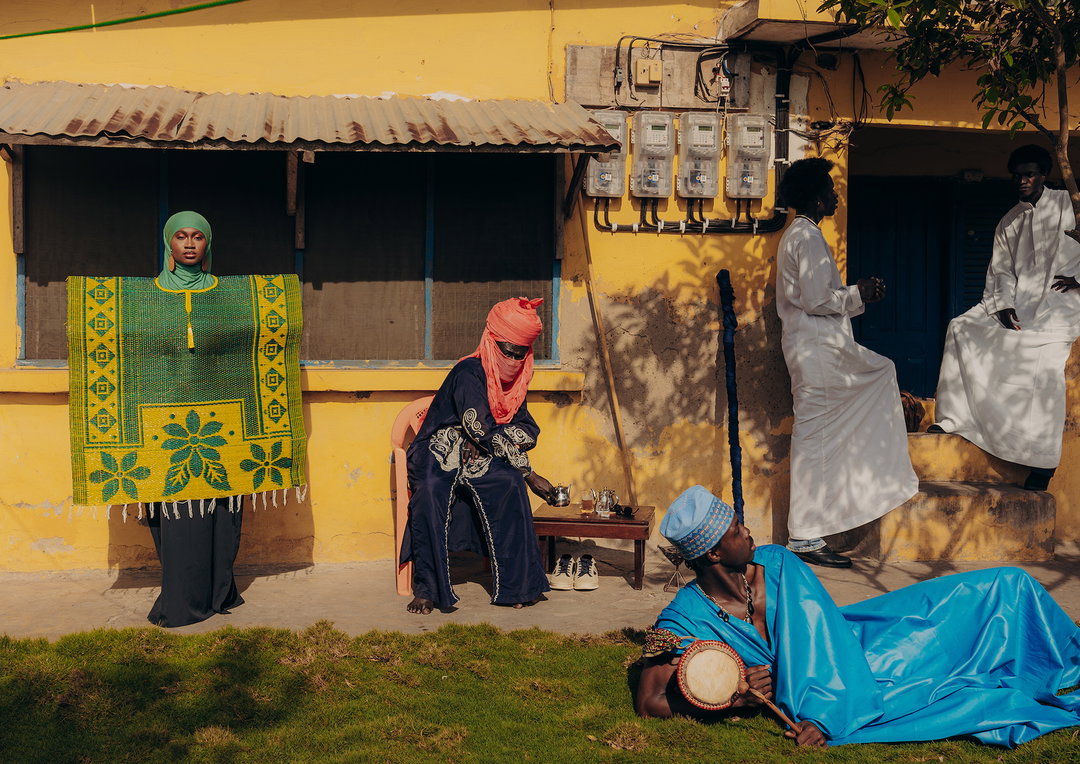
Hero Header
Elroy Salam: Brewed Reflections, The Poetry of Ataya (Copyright © Elroy Salam, 2024)
Credits: Usama Napari, Mariam Musah, Eleblu Supreme Elorm, Jonathan Adjin-Tettey, Sylvester Kwesi Osei, Kenneth Siabeng, Samuel Agbeko Mantey, Samuel Kwame Boadu, Emmanuel Osika Wiafe
Share Article
Further Info
About the Author
—
Marigold Warner is a British-Japanese writer and editor based in Tokyo. She covers art and culture, and is particularly interested in Japanese photography and design.