Photographer Heather Glazzard highlights the importance of queer self-representation
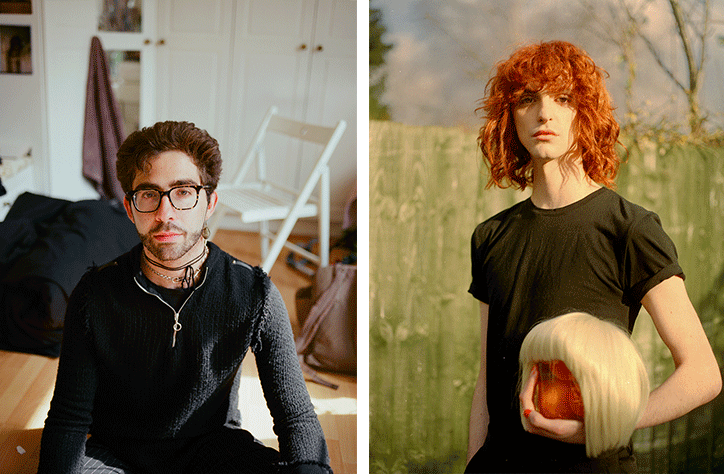
London-based photographer Heather Glazzard is inspired, they tell us, by “my friends, things that make me angry, and a lot of historical queer history”. Their ongoing project, Queer Letters, conducts conversations between queer people and their younger selves via portraits accompanied by hand-written letters, giving the subjects of Heather’s images the autonomy of representation and ownership of identity that young queer people are often denied.
Heather tells us: “I started the project in 2018, a year after founding Moist Collective in Manchester. Moist Collective was a space for queer artists. I founded this for the pure lack of representation for queer identities. I outgrew Moist – and organising a team while trying to take photographs and work became hectic. These portraits stemmed from the same reasons as Moist, but it became my own project in which the subject could represent themselves. The concept behind it comes from seeing a lack of identities in the media when I was growing up; I wanted to create a space of wholesomeness and reliability for visual representation.”
There is a huge amount of trust and openness required of the participants in such a project. Heather is endlessly sensitive to this in their approach, which is never exploitative and always collaborative, leaving much of the creative direction up to the person being photographed. Speaking of the photographer-subject relationship they aim to cultivate, Heather says: “Most subjects are friends, Instagram cast, or friends of friends. I ask the subjects about where they feel most comfortable and we aim to take a portrait together. The subjects have to be open to sharing their stories because it’s so visible on the internet, especially since the project started to gain attention.”
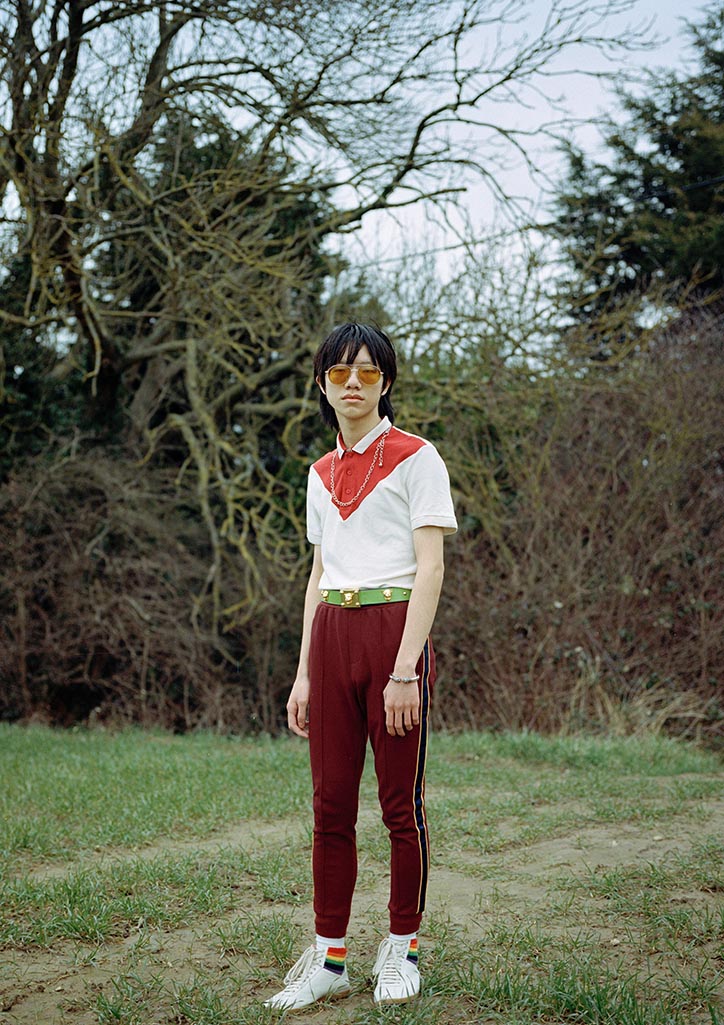
Heather Glazzard: Queer Letters, Weimin
Heather Glazzard: Queer Letters, Val
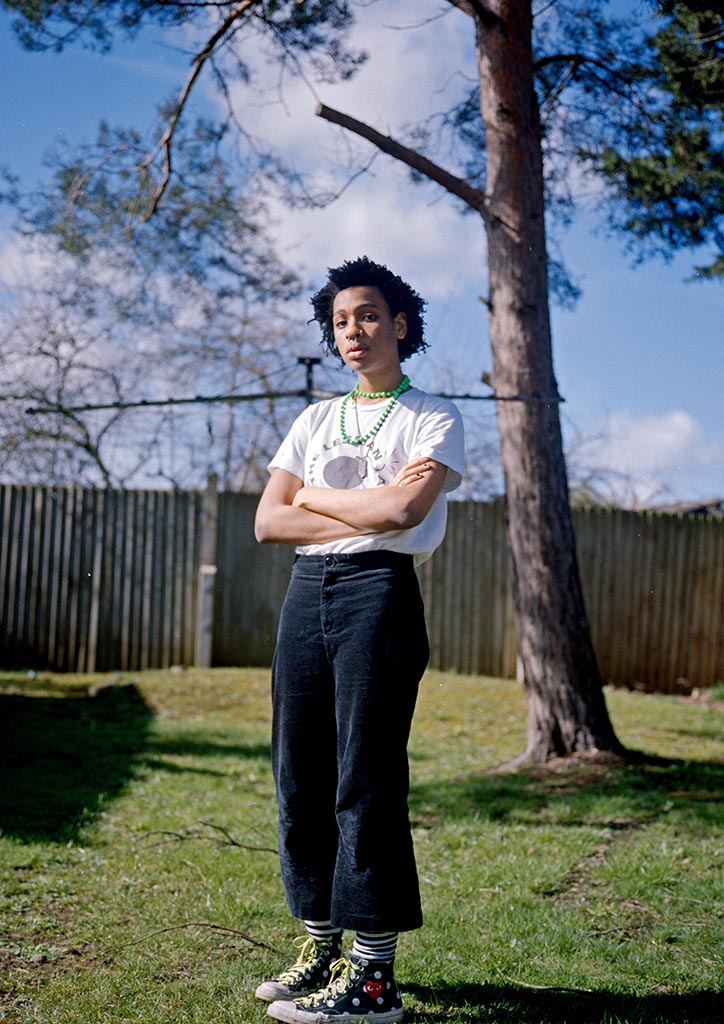
Heather Glazzard: Queer Letters, Val
For Heather, conveying the specific quality and tone of their encounter with each individual takes precedence over a homogeneity of style. As they state: “My photographic style is probably more about emotion and intimacy; it’s about a relationship I have with the person Iʼm photographing.” The photographs themselves are tender, the subjects simultaneously vulnerable and unapologetic. Heather does not fetishise queerness, nor do they push for any agenda which seeks to define queerness in narrow, fixed or exclusive terms. Rather, their images acknowledge the broad spectrum of queer experience and, in dialogue with the letters, they take into account how issues of queerness intersect with other issues of class and race – particularly addressing the lack of visual representation that exists for young queer people of colour.
By giving representational autonomy to the participants, Queer Letters becomes a space in which the people photographed can define and express their relationships with their identities on their own terms. Without glossing over the difficulties of growing up queer in a heteronormative society, the messages in the letters are overwhelmingly affirming. There is a lot of care and compassion felt towards the younger selves, and a sense in which the people writing have, themselves, become the kind of role models they wish they had growing up. “I think it’s evolved into a more intimate project, as the letters are so personal,” Heather reflects. “After receiving Arts Council funding as well, it means queer people get paid for just being themselves – I think that’s a great way to evolve. The comments Iʼve received also allow it to keep developing constantly. People see it and feel brave to be who they are.”
In creating a platform that is both public and personal for those who identify as queer to lay claim to their own narratives, Heather is promoting the empathetic recognition of and engagement with queer experience as essentially human experience. “I think the more people that see this,” Heather says, “especially heteronormative people, the more chance we have at people understanding that, at the baseline, we are just like everyone else.”
Queer Letters works against the tendency to see queer people as other. As writer, theorist and philosopher Maggie Nelson writes: “It’s the binary of normative/transgressive that’s unsustainable, along with the demand that anyone live a life that’s all one thing.” Nelson’s is a sentiment that is echoed throughout Heather’s series. It is not a transgression that Heather photographs; it is simply being. And what the photographs and letters ultimately say is that it’s OK, in the words of Alex to their younger self, “to just live as a possibility rather than something fixed”.
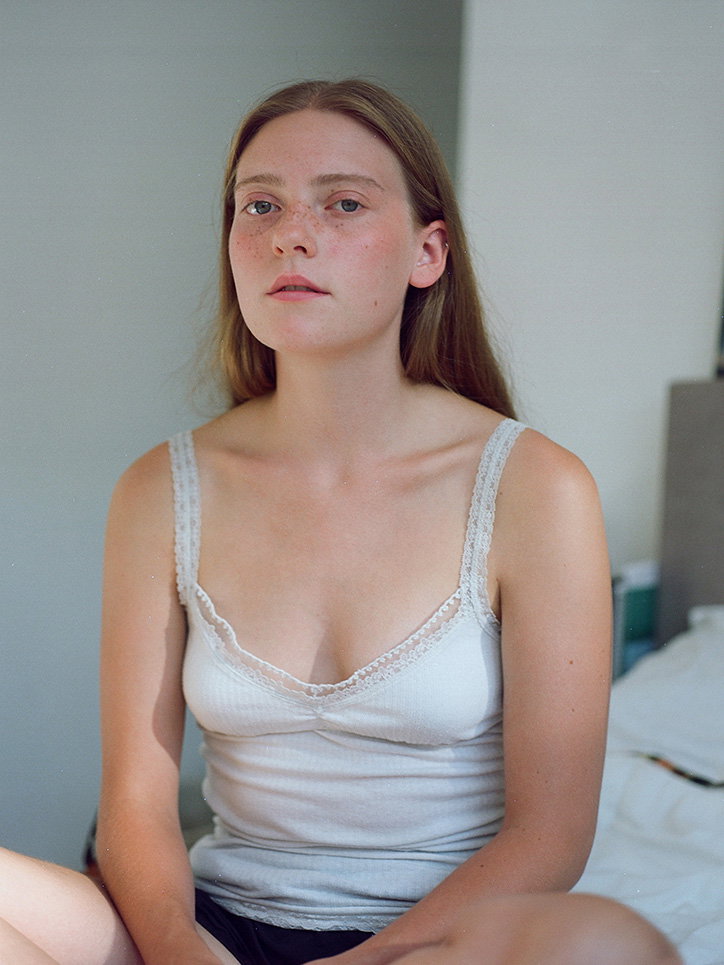
Heather Glazzard: Queer Letters, Cara
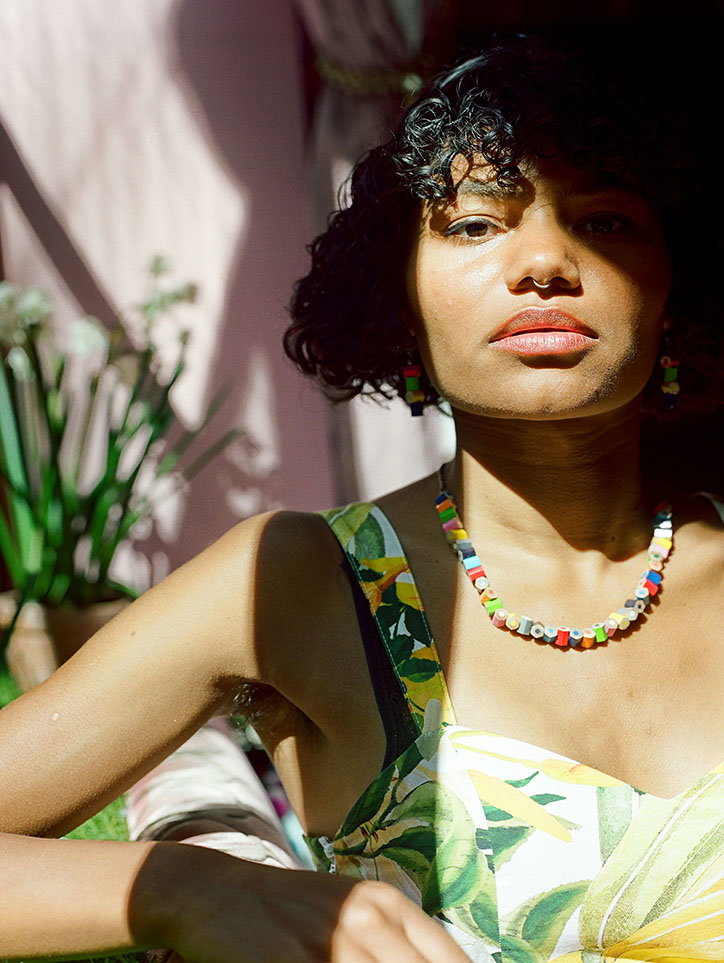
Heather Glazzard: Queer Letters, Ella
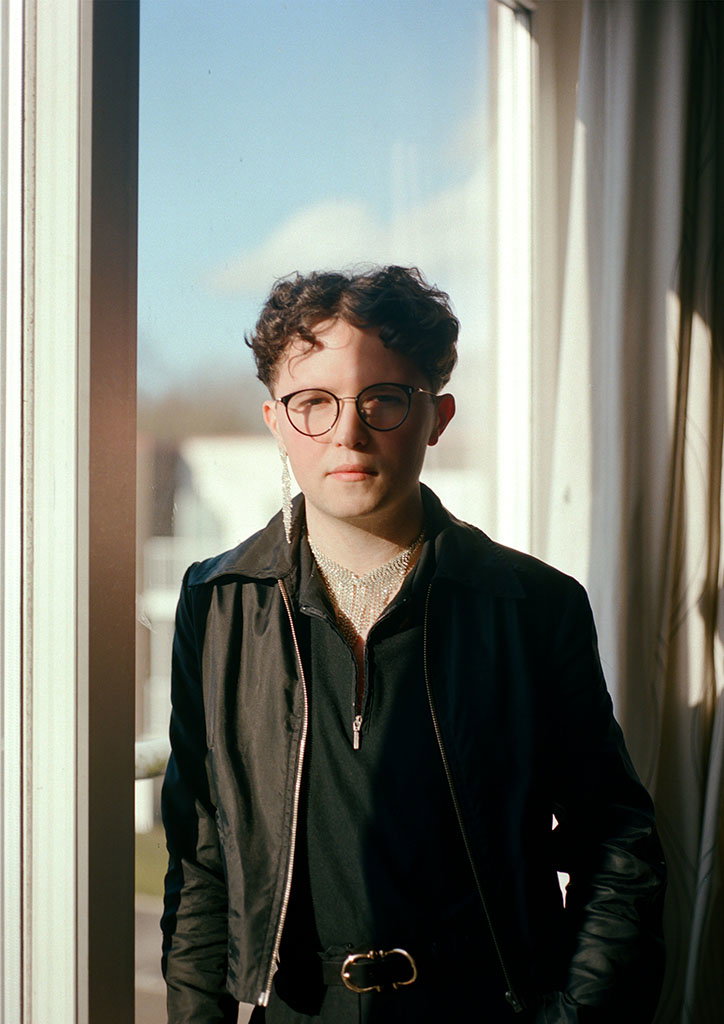
Heather Glazzard: Queer Letters, Daniel
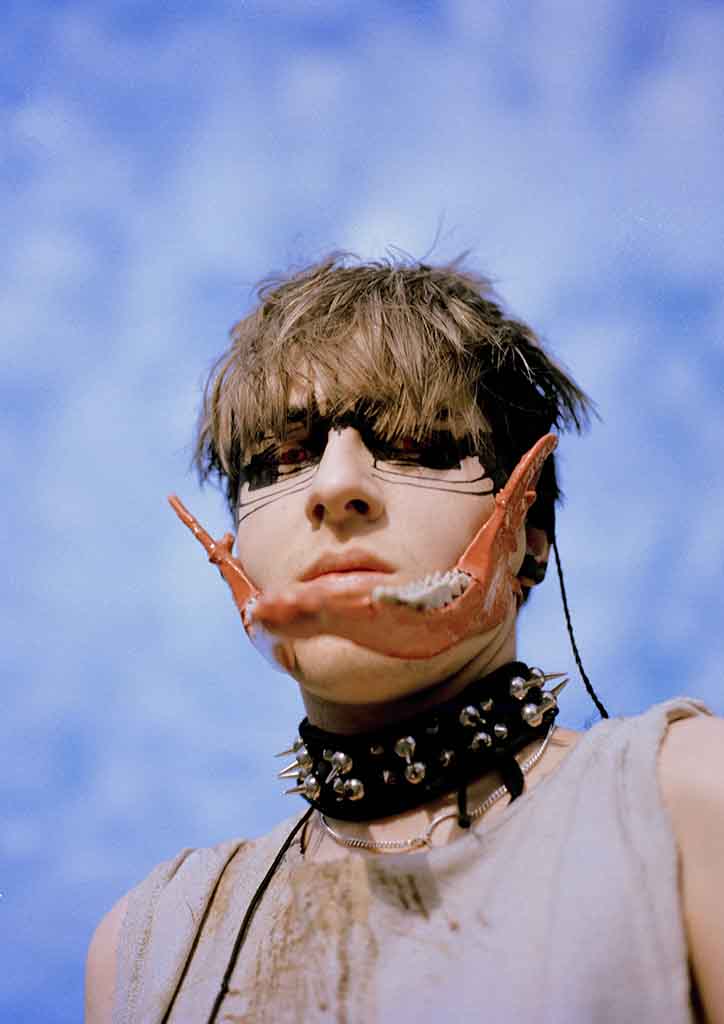
Heather Glazzard: Queer Letters, Jack
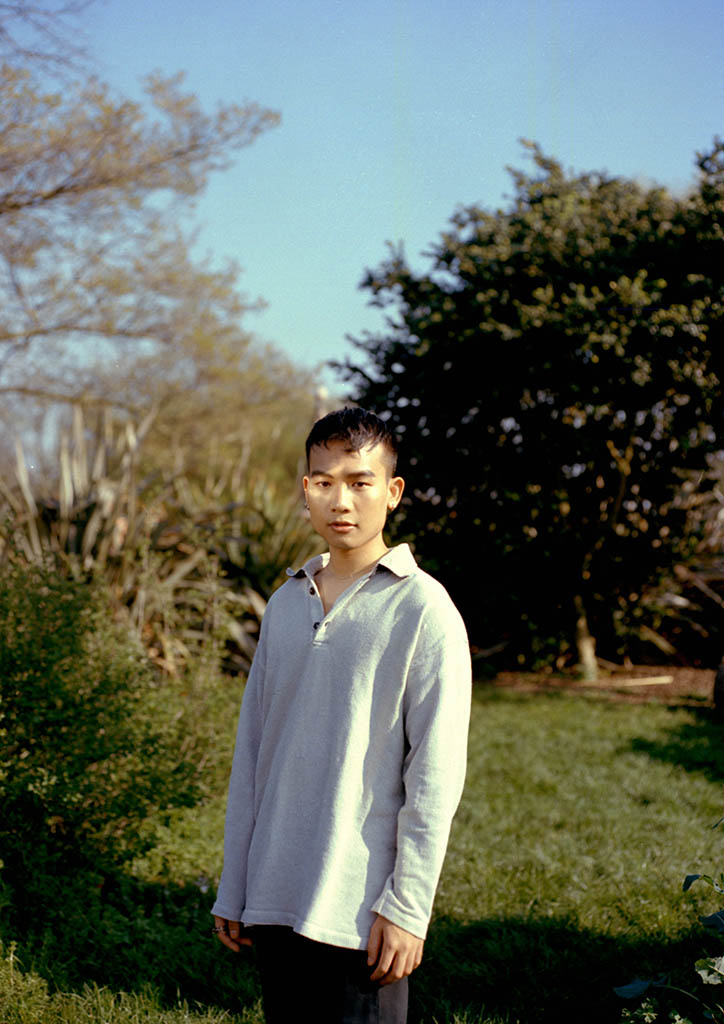
Heather Glazzard: Queer Letters, Chang
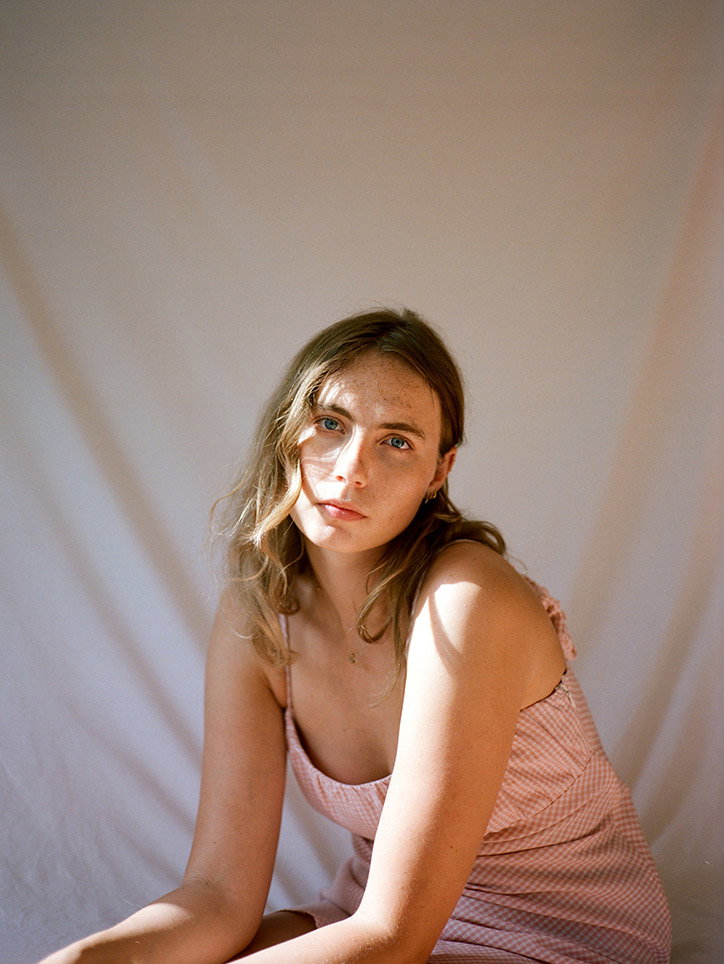
Heather Glazzard: Queer Letters, Nora
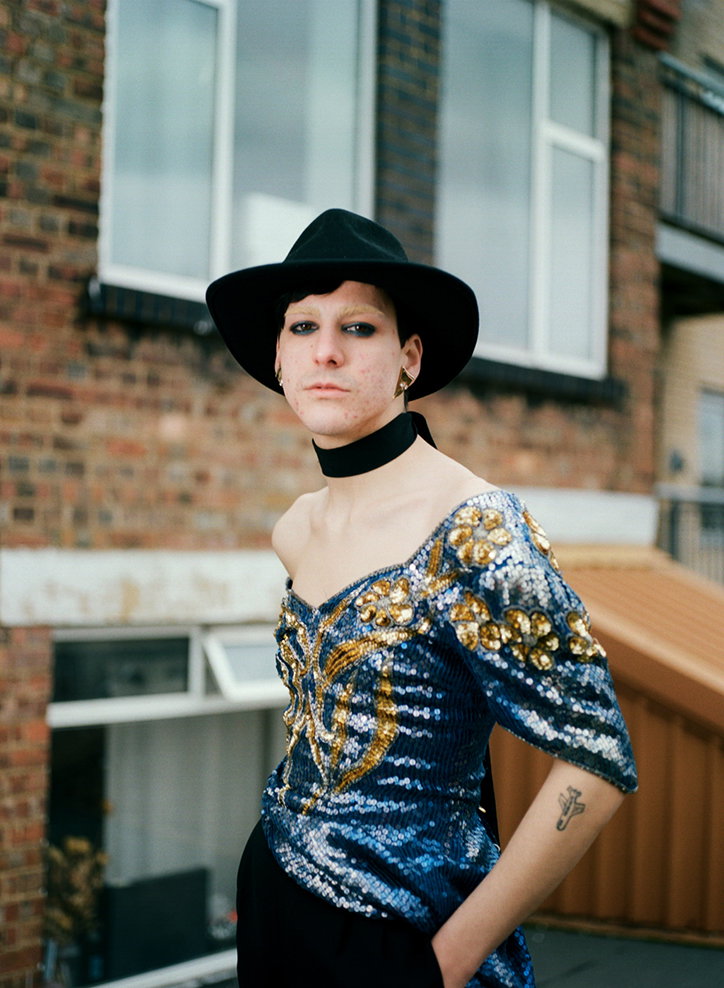
Heather Glazzard: Queer Letters, Lorenzo
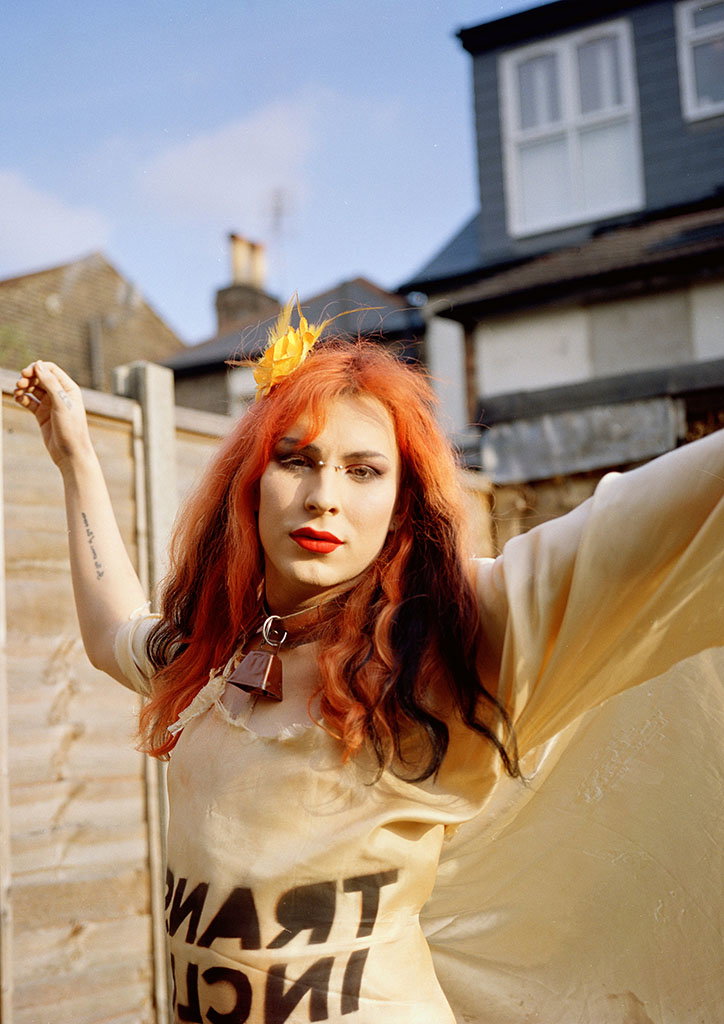
Heather Glazzard: Queer Letters, Lucia
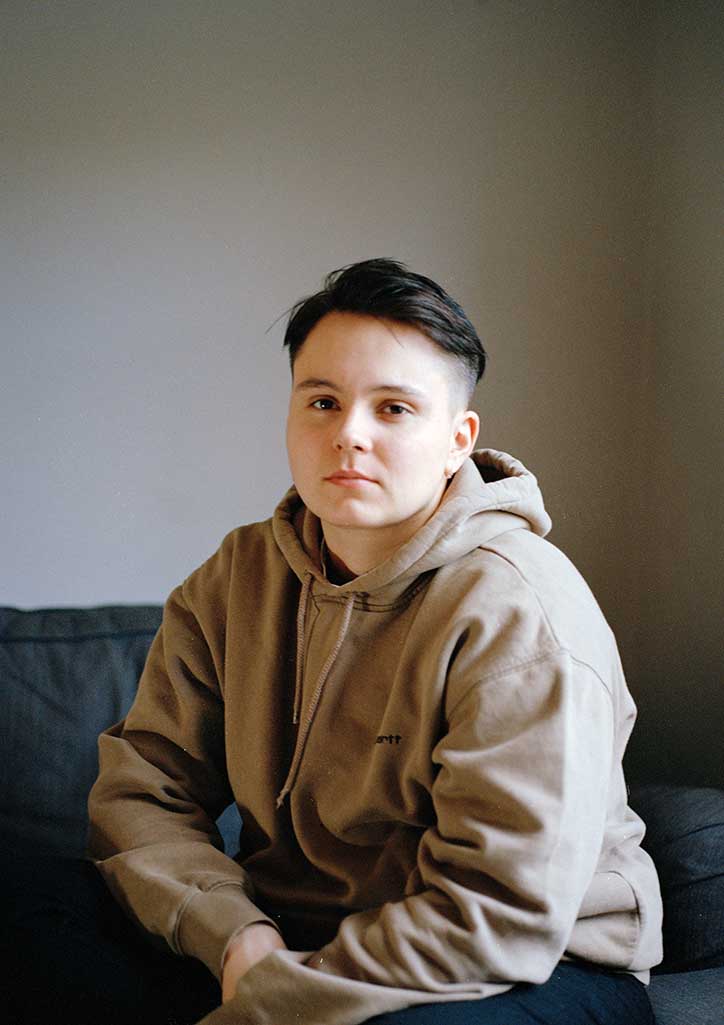
Heather Glazzard: Queer Letters, Jay
Share Article
Further Info
About the Author
—
Rowe joined It’s Nice That in the summer of 2019 as an editorial assistant. She wrote many fantastic stories for us, mainly on hugely talented artists and photographers.