How creatives are utilising emerging technologies to create new design paradigms
The ability to understand and move with the times, while progressing your work accordingly, is a crucial skill for any designer. With our lives increasingly dictated by the screens that surround us, the importance of coding and digital design is soaring. In a series of articles in collaboration with SuperHi, It’s Nice That will be offering insight into the prominence of this facet of design. Previously we explored why code is crucial to contemporary design, as well as looking at a new breed of websites. In our third and final article, we look to the future and explore how artists and designers are utilising emerging technologies.
The discussion surrounding AR, VR and AI has boomed in the past few years. Setting your morning alarm by simply asking your “home assistant” or using a headset to view your favourite band’s latest music video in 360-degrees, are no longer surprises. However, now that these usages have become somewhat commonplace – as we did with video in the past for example – we turn to artists and designers to elevate such technology, push it into new realms and create new paradigms while doing so.
Paper Triangles: White Noise
Paper Triangles: White Noise
Paper Triangles: White Noise
Paper Triangles: White Noise
Paper Triangles: White Noise
Paper Triangles: White Noise
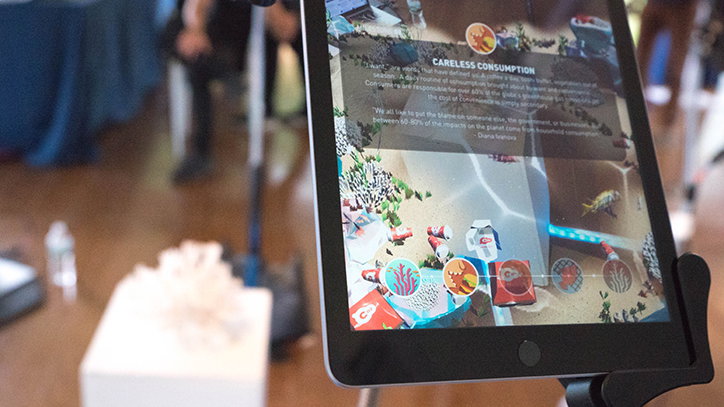
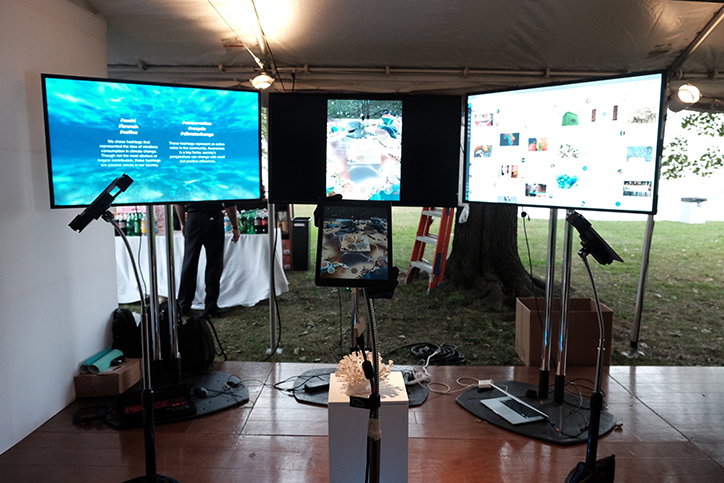
Paper Triangles is a US-based creative agency whose founders, Frank Shi, Xuan B and Shawn Kim met while studying digital media in university. Having worked with VR, 360 production and VFX in the past, the studio created its first experiment in AR for the exhibition, Future of Storytelling.
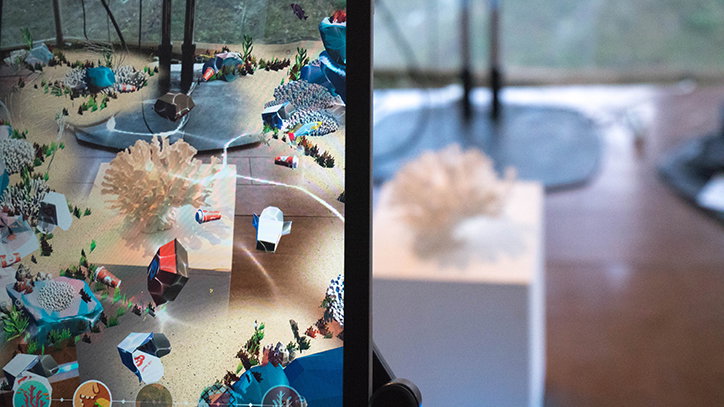
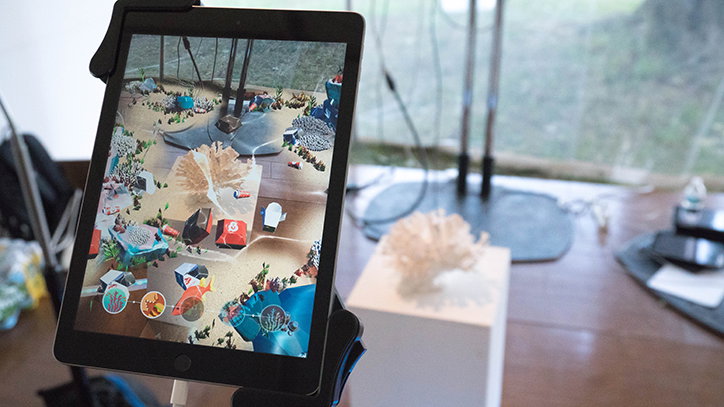
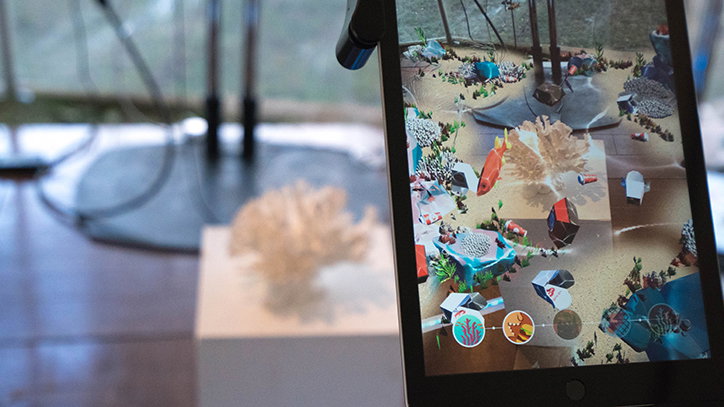
“The base concept was an AR art installation visualising Twitter conversations,” the studio explains. However, upon watching a documentary titled Chasing Coral depicting the damage to our oceans, the team settled on a concept that would both allow them to visualise said damage and explore how statistics can be shown visually through storytelling.
White Noise begins as a beautiful coral ecosystem with fish swimming freely. As the experience continues, it pings Twitter for tweets in relation to either consumption or conservation, recognising hashtags such as #coffee for the former and #climatechange for the latter. As tweets concerning consumption roll in, the scene populates with litter and the fish deplete – damage which can be undone by the more positive tweets. “In the end, there will always be more trash than we can clean up,” Paper Triangles explains.
By integrating real-time data into White Noise, Paper Triangles’ work fully immerses an audience in an issue. “It was ultimately the integration of data into the story that allowed our message to come through clear and unfiltered,” the studio comments. Through the use of AR, what could have been cold statistics instead ignites feelings and conversations.
Hato: D&AD 2018 Festival Identity
Hato: D&AD 2018 Festival Identity
Hato: D&AD 2018 Festival Identity
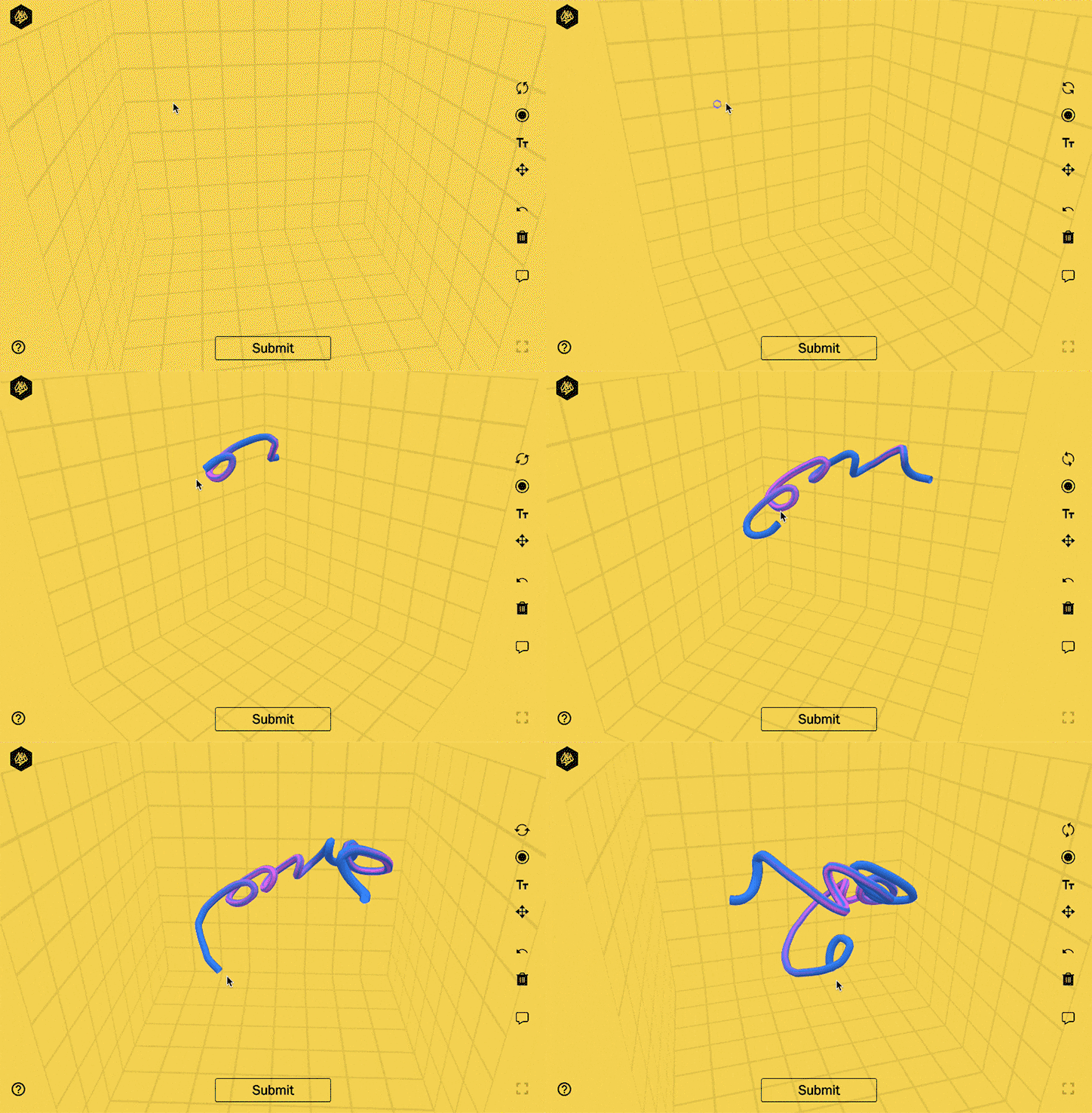
Hato: D&AD 2018 Festival Identity
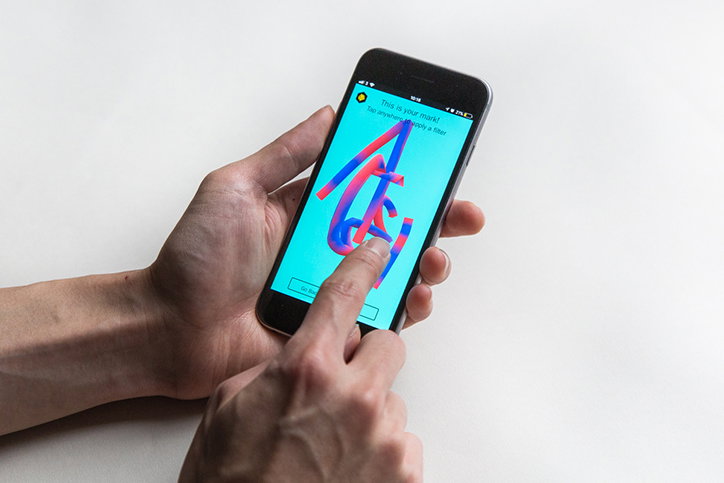
Hato: D&AD 2018 Festival Identity
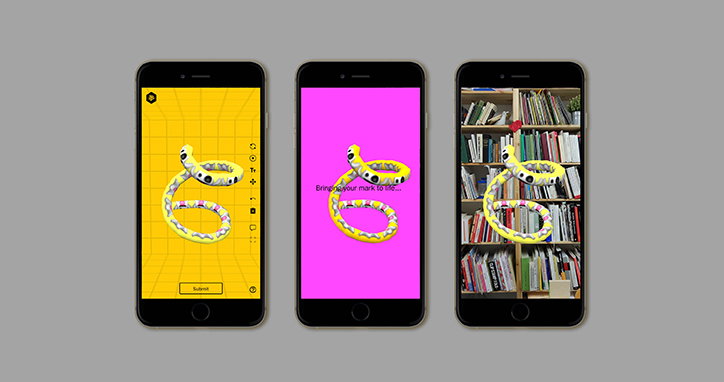
Hato: D&AD 2018 Festival Identity
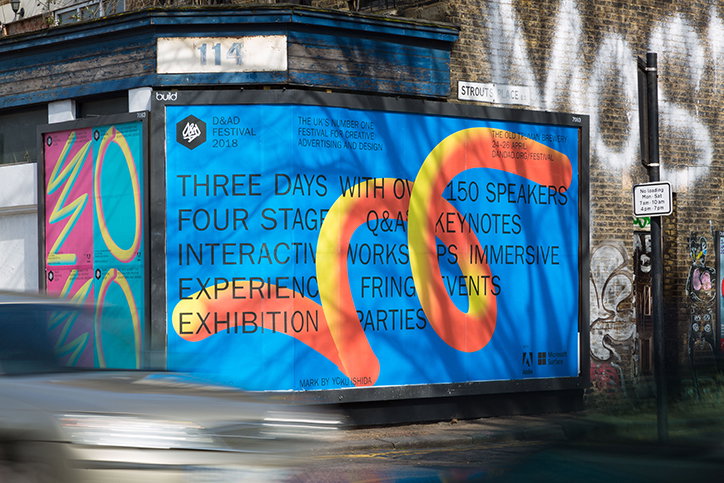
Hato: D&AD 2018 Festival Identity
Hato: D&AD Festival 2018 Identity
Based between London and Hong Kong, Hato is a design studio which aims to use design to “engage and inspire communities and people”. Having played around with AR and 3D technology within its studio, January of 2018 saw Hato’s first project utilising such technologies shown outside of its walls.
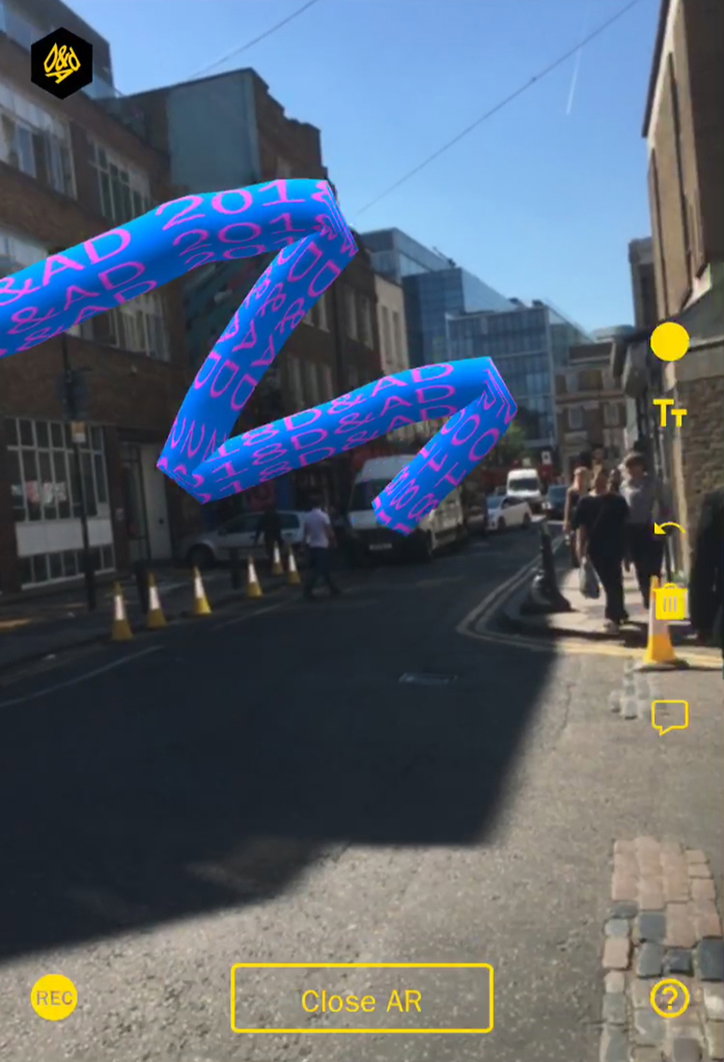
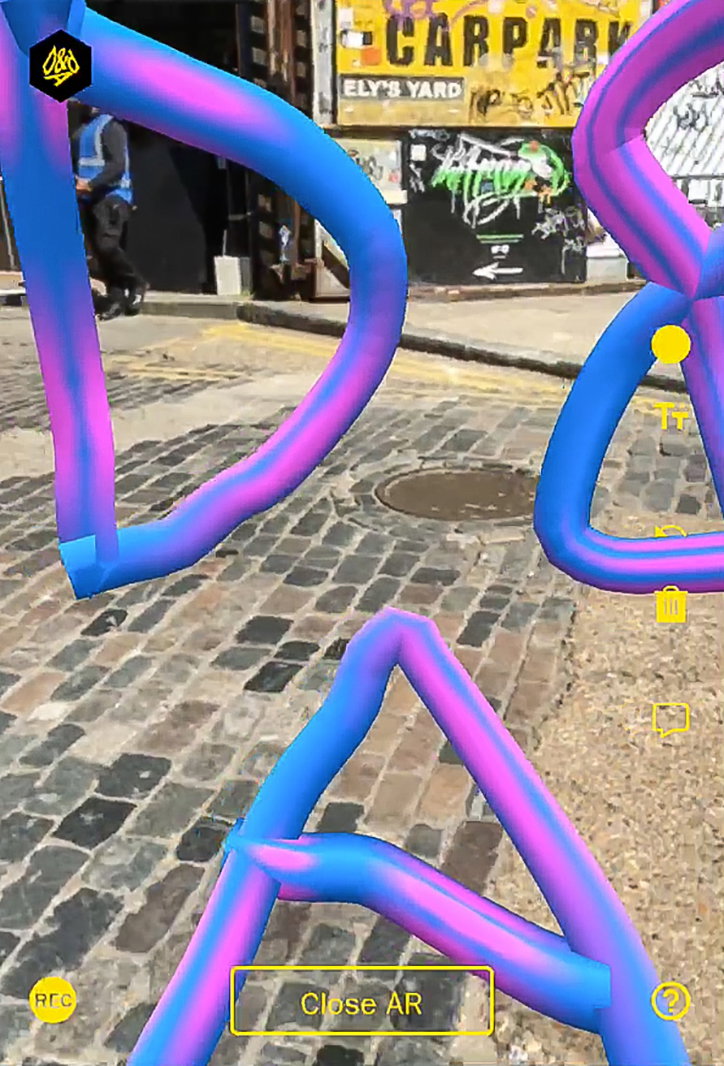
Titled Start with a Mark, the studio created a 3D digital drawing tool which enabled users to participate in creating the identity for D&AD’s 2018 Festival; with the finished identity being released last month (April 2018). “We put AR on the table at quite an early stage,” explains Ken Kirton, Hato’s co-founder and creative director. “What was really important for us on this project what that the tool we designed was available to everyone, and that it was an open-access platform and something that would drive more traffic to D&AD’s website.
The drawing tool developed by Hato runs in-browser and allowed users to draw in a three-dimensional space, changing the colours and patterns, and to then augment their doodles in the space around them. As a project with participation at its core, Ken explains how: “we were keen that if there was an AR addition, it would add meaning to the project and a new engagement to what we had already developed.”
By producing an easy-to-use platform that masks the fact that users are interacting with complex technology, Hato transformed what could have been intimidating, to enticing. “The 2018 identity was all about making your mark,” Ken adds, “the 3D and AR drawing tool we developed allowed this to get closer to reality, and invited people to make these marks in their own space.” The project was clearly a success as since the launch of the AR addition, the number of submissions more than doubled, solidifying Hato’s mission to use design to spark engagement.
SuperHi’s go-at-your-own-pace coding courses are specially made for creatives and designers. They teach you to build the kind of digital products you want to create using code. Join its friendly, open community, from over fifty countries, learning new skills to complement and enhance what they’re already great at. Beginners are always welcome and encouraged.
Share Article
Further Info
About the Author
—
This article was sponsored by a brand, so is marked up by us as Sponsored Content. To understand more about how we work with brands and sponsorships, please head over to our Work With Us page.