Photographer Ioana Cirlig's Post-Industrial Stories looks at Romanian life after work
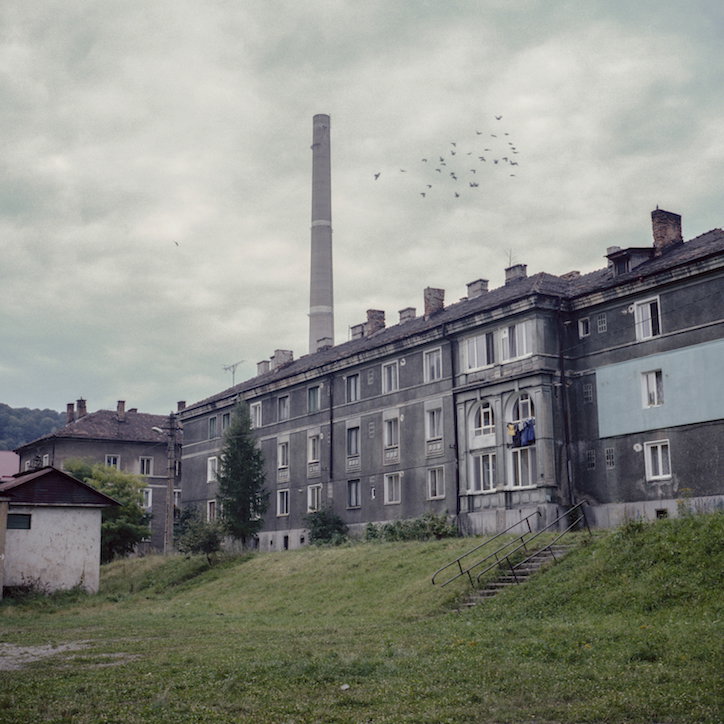
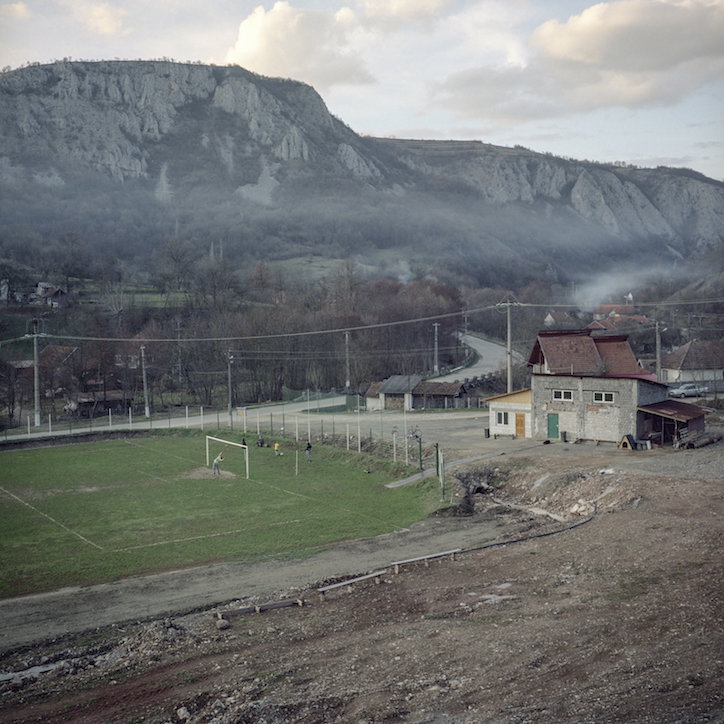
In 2012 Ioana Cirlig and her boyfriend, Marin Raica, decided to move from Bucharest to Brad, a small town in central Romania that clings to its gold-mining recent-past. After a year in Brad, the pair upped sticks again. This time the couple ended up in the Jiu Valley, another area seemingly caught between the success of the industrial past, and the fears and anxieties of the barren present. “In 1990 15 coal mines were operating in the area,” Ioana says of the Jiu Valley. “Now there are only three working, and those are working at a reduced capacity.”
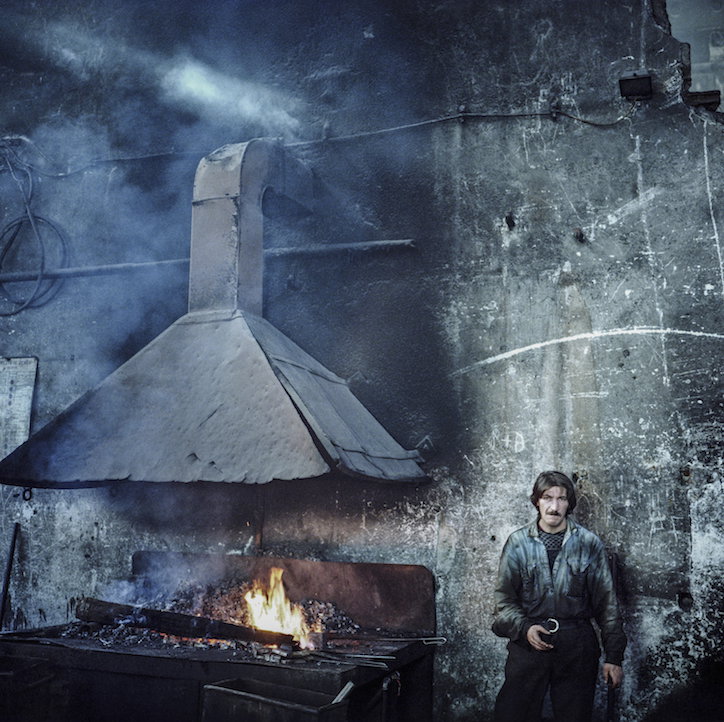
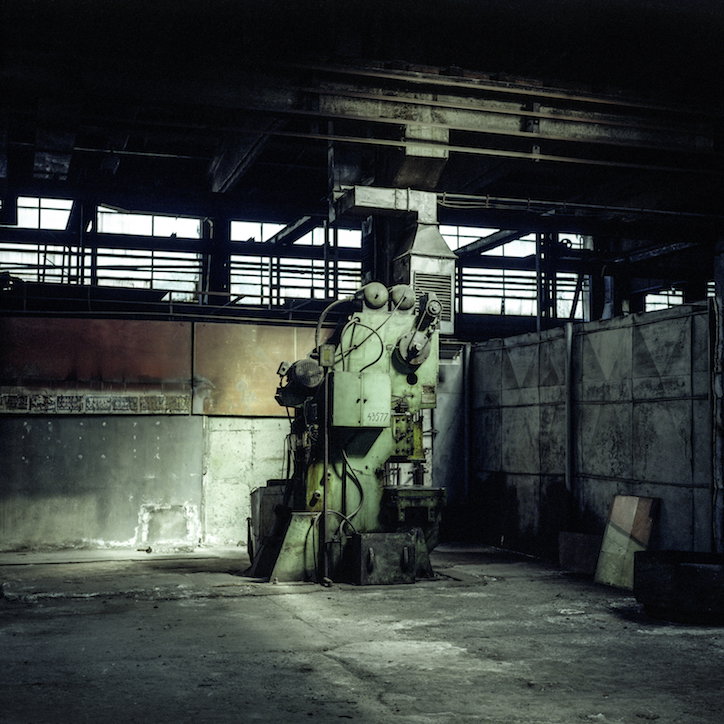
It is those ex-mines, and those ex-miners, who form the basis of Ioana’s ongoing photographic project, Post-Industrial Stories. A former photojournalist, Ioana eventually found herself gravitating towards working on a documentary aesthetic with a firm focus on what she describes as “long-term storytelling,” having been inspired by work by the likes of Alec Soth, Vanessa Winship, and Carolyn Drake.
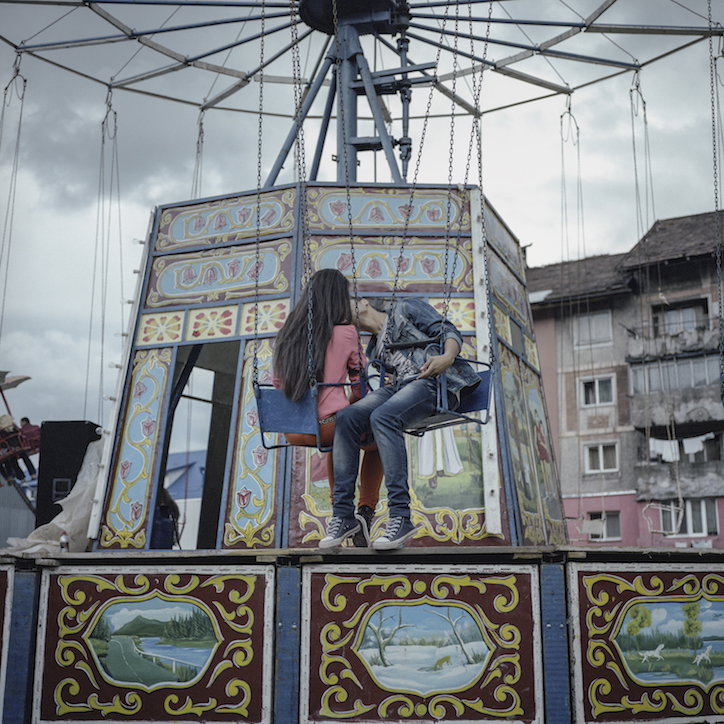
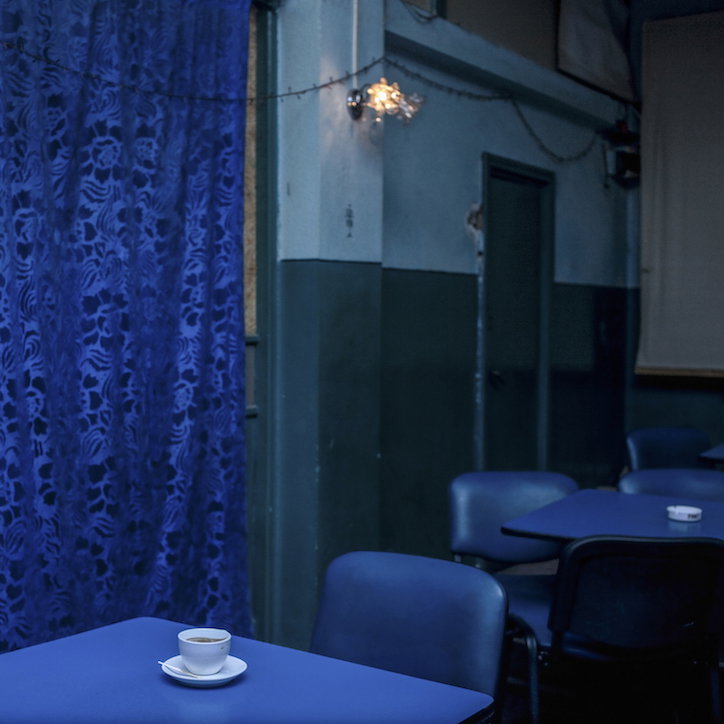
Managing to avoid the tropes and traps of your average batch of ruin porn snapshots of the rotting relics of a working world that’s long since been consigned to the dustbin of industrial history, it is a sensitive but unsentimental body of work.
Ioana Cirlig: Post-Industrial Stories
Ioana Cirlig: Post-Industrial Stories
The project is an attempt to chart the new territories that come into being when mono-industrial towns and villages find themselves robbed of the sole income source. Ioana admits that she holds an aesthetic interest “industrial architecture and the atmosphere of industrial towns,” even if she’s constantly forced to consider the “disastrous environmental and social consequences” of heavy industrialisation when plans for reconversion haven’t been put in place.
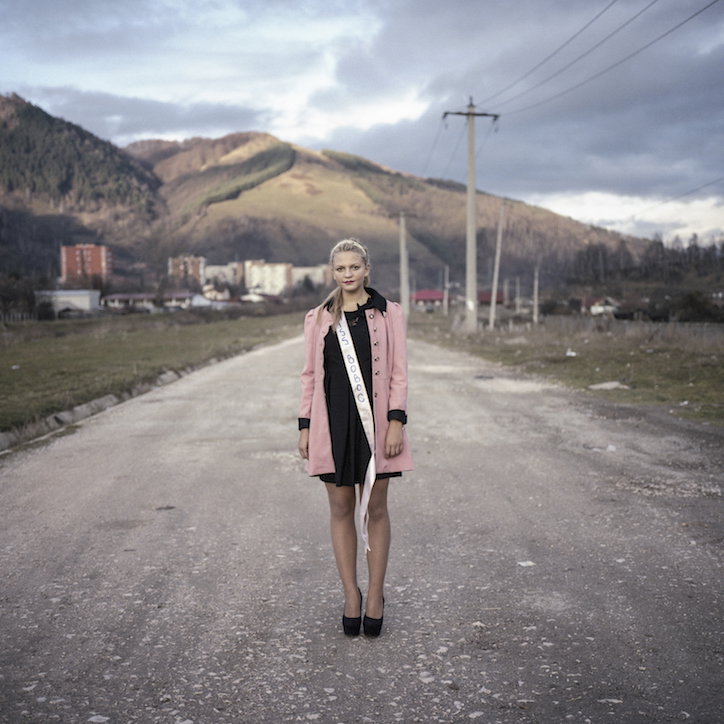
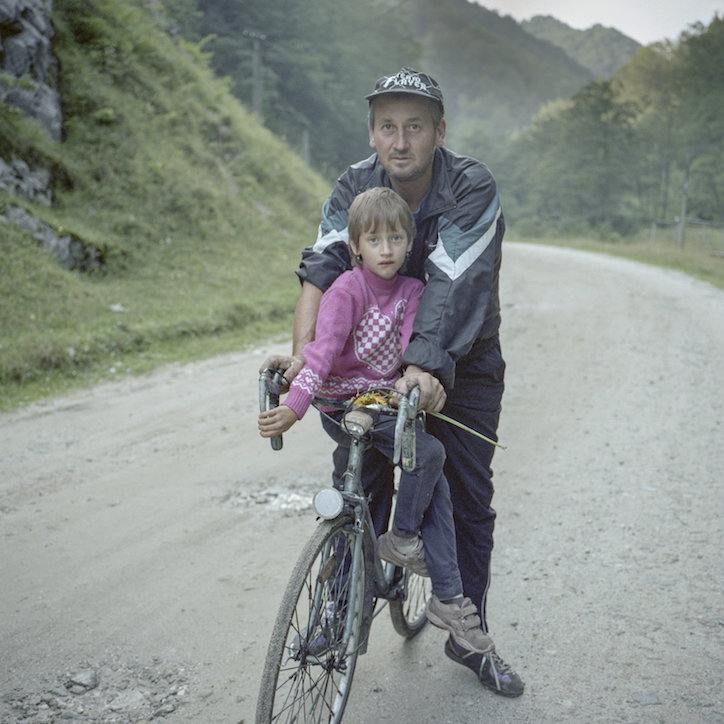
She traces her fascination with how places of work and invariably shape the spaces we reside within back to both the “huge, beautiful” factory in Bucharest where her father as an accountant, and the trio of furnaces she watched pump smoke into the summer sky from the window of her 10th storey apartment as a child. The photographs – photos that feel encased in thick layers of dirt, that are both haunting and haunted in their stark beauty, photos that find love, or something like it, in hopeless places — that populate Post-Industrial Stories are largely the result of happy accidents.
“I’ve only staged one portrait,” she tells us. “All the rest are people I met randomly, in mines and factories, on the streets or during events like high-school proms or community celebrations.”
Ioana Cirlig: Post-Industrial Stories
Ioana Cirlig: Post-Industrial Stories
Ioana Cirlig: Post-Industrial Stories
Ioana Cirlig: Post-Industrial Stories
Ioana Cirlig: Post-Industrial Stories
Share Article
Further Info
About the Author
—
Josh Baines joined It's Nice That from July 2018 to July 2019 as News Editor, covering new high-profile projects, awards announcements, and everything else in between.